Big Serge ☦️🇺🇸🇷🇺 Profile picture
May 9, 2022 16 tweets 6 min read Read on X
Friends, a May 9 thread about the scale of Soviet losses in World War Two.

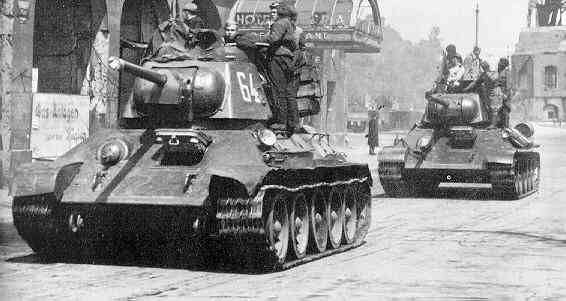
You cannot understand why Victory Day is the most significant secular holiday in Russia without getting a sense of just how much the Soviet Union lost in the Nazi-Soviet War. (1/N) Image
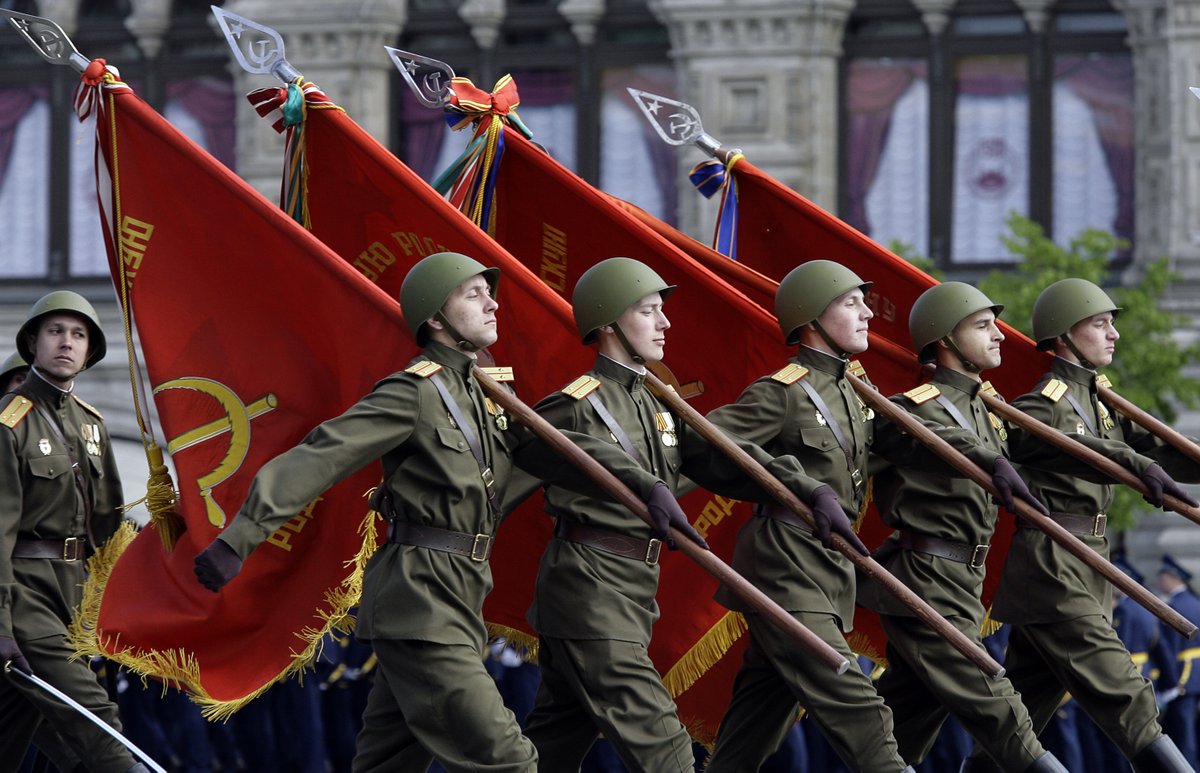
The Nazi-Soviet War was the single largest land war ever fought. My great grandfather served in the American army and was a lieutenant on Omaha Beach, so I would never minimize the bravery of Americans in this war. However, the focal point of the war was the east. (2/N)
Roughly 80% of Nazi Germany's casualties were suffered in the clash with the Red Army. The Soviet Union was where the Wehrmacht was attrited and eventually destroyed. This was an enormous, world-historical feat by the Soviet people, but it came at a horrific cost. (3/N) Image
The Red Army defeated the Wehrmacht in two phases of war. In the first phase, Germany had operational initiative and the USSR waged a desperate defense. In the second phase, the Red Army went on the offensive and destroyed the atrophied Wehrmacht. (4/N) Image
During the defensive phase, the hinge factor was the USSR's ability to mobilize huge numbers of trained reservists and deploy fresh units. Between June and December 1941, the Soviets mobilized 14 million reservists - 5 million just by the end of June. (5/N) Image
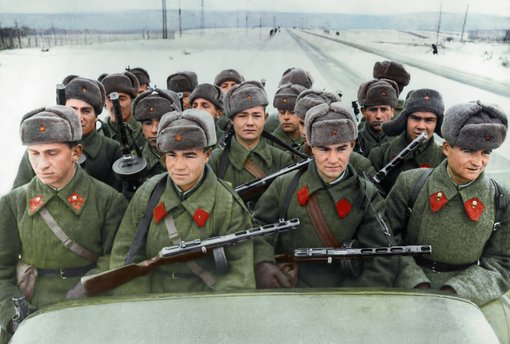
German intelligence estimated that the Red Army could raise and deploy 40 fresh divisions in response to Barbarossa. The actual number? About 800. One of the great intelligence misfires of all time. This is why Germany lost. (6/N) Image
It is difficult to get our minds around the scale of this war. By the war's end, approximately 35 million men had served in the Red Army in some capacity. Battlefield casualties were correspondingly horrific. (7/N) Image
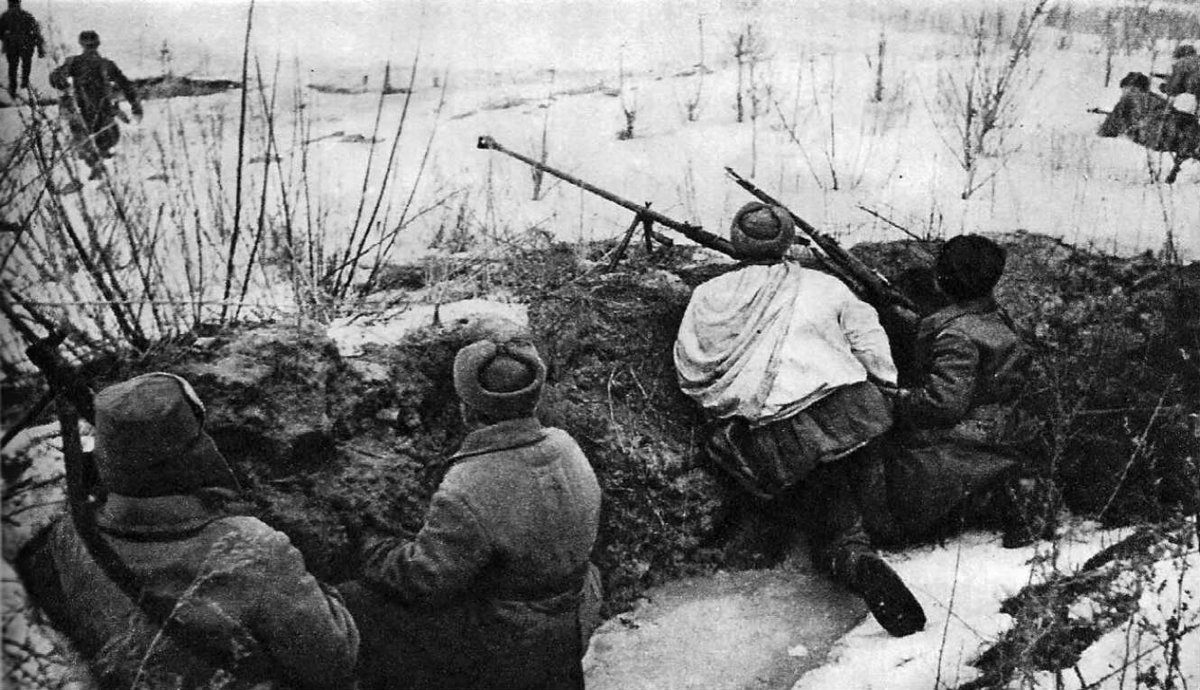
Getting a precise number of Red Army casualties is impossible, but the best estimates are that the Soviets lost something like 10 million men killed or missing, including 3 million who were deliberately starved in POW camps. In addition, some 18 million were wounded. (8/N) Image
Civilian casualties were even more significant. The Germans waged a brutal, animalistic war. Soviet Jews were shot into open air pits. 1 million people starved to death in Leningrad. In all, around 15 million Soviet civilians were killed. (9/N) Image
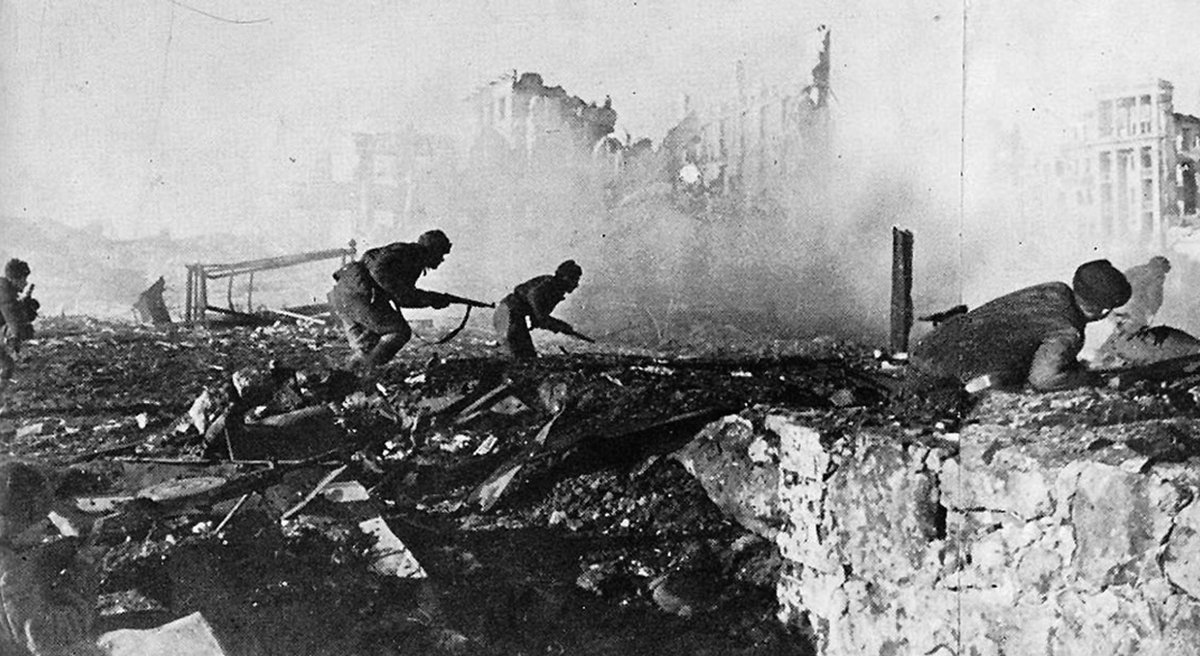
When Red Army combat deaths are added to the civilian death toll, we get total Soviet losses of about 25 million people. The USSR's prewar population was 200 million.

One in eight Soviet citizens was killed in a four year span. (10/N)
The physical destruction of the country was similarly cataclysmic. About 1,700 towns and cities were completely destroyed, to go with 70,000 villages (that number is not a typo). Major cities that fell under German occupation were devastated. (11/N) Image
In Minsk, for example, 80% of the city's buildings were completely destroyed by the end of the war. Only 19 out of 332 major factories in the city survived. By one famous estimate, the war destroyed one third of the Soviet Union's wealth. (12/N) Image
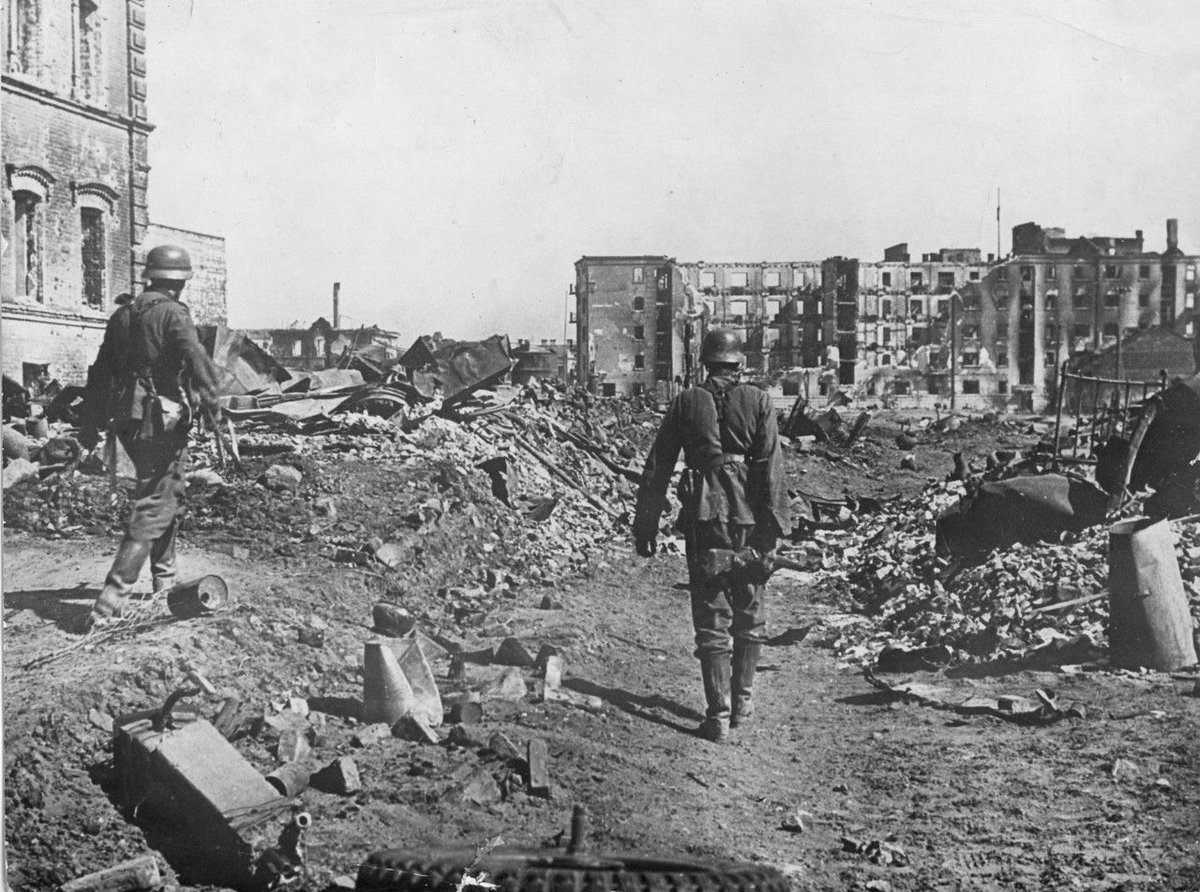
It is obvious why the Great Patriotic War is now a focal point of Russian national consciousness. It was quite literally the greatest tragedy ever to befall the nation, while also being the greatest triumph. A duality of victory and devastation. (13/N) Image
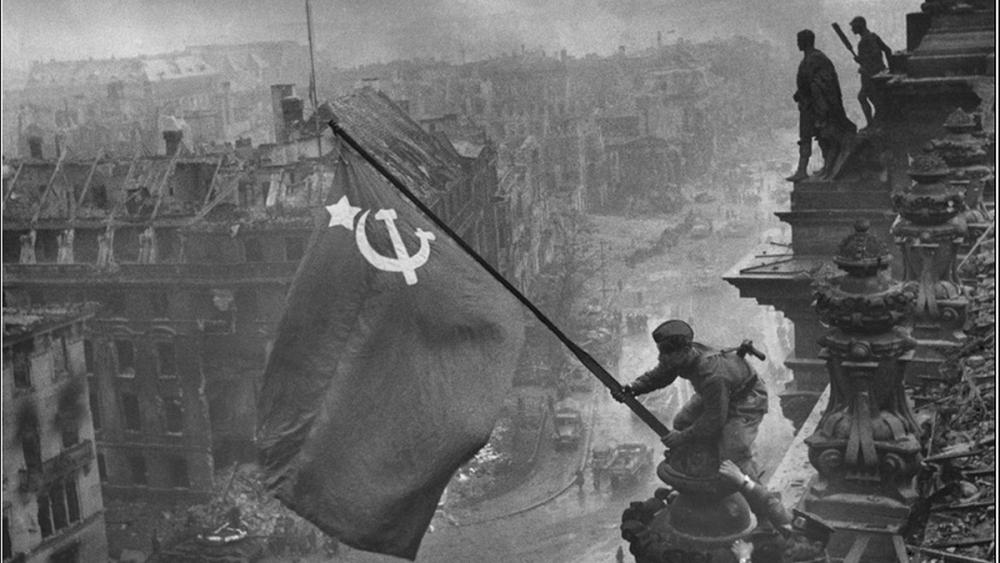
With so much death, dislocation, and physical devastation, this war touched every single Soviet citizen in some way. It was a universal phenomenon; nobody was remote from conflict. Everybody lost a son, a brother, a father, an uncle, a cousin, a friend, a home. (14/N) Image
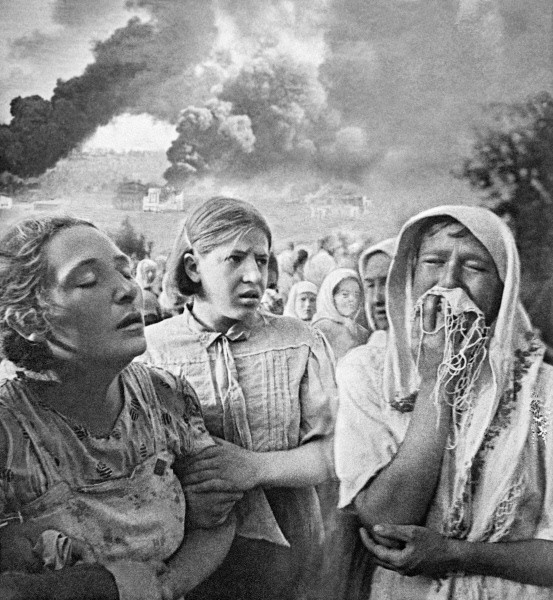
The Russian people cannot and will not forget this. The Soviet people achieved the iconic victory of the ages: the deflection and then the destruction of the Nazi war machine. But it cost them oceans of blood. (15/N) Image
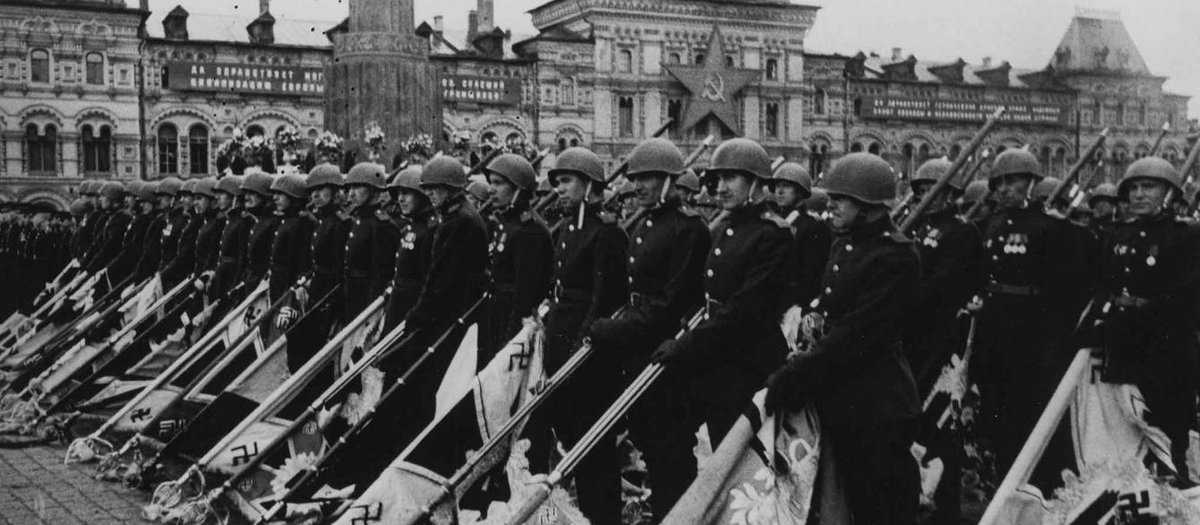
Coda: “The German invaders want a war of extermination against the peoples of the Soviet Union. Very well then! If they want a war of extermination they shall have it!”

~ Stalin, November 7, 1941 Image

• • •

Missing some Tweet in this thread? You can try to force a refresh

 

Keep Current with Big Serge ☦️🇺🇸🇷🇺

Big Serge ☦️🇺🇸🇷🇺 Profile picture

Stay in touch and get notified when new unrolls are available from this author!

Read all threads

This Thread may be Removed Anytime!

PDF

Twitter may remove this content at anytime! Save it as PDF for later use!

Try unrolling a thread yourself!

how to unroll video
  1. Follow @ThreadReaderApp to mention us!

  2. From a Twitter thread mention us with a keyword "unroll"
@threadreaderapp unroll

Practice here first or read more on our help page!

More from @witte_sergei

Aug 4
The adage that an attacking force requires a 3:1 superiority over the defense has become so ubiquitous and frequently repeated that it has become an implicit “rule” of analysis. The problem is that it’s not true, and nobody seems to know where it comes from.
The actual source of the ratio is a 1991 manual from the US Army CGSC, which simply said: “Historical experience has shown that a defender has approximately a 50-50 probability of successfully defeating an attacking force approximately three times his equivalent strength.”
The idea there was to establish rules of thumb for desirable force ratios in different situations. For example, 1:6 for delaying defense, 1:1 for local counterattack, 18:1 for penetration to depth, etc.
Read 10 tweets
Jul 16
Primordial NATO: The Delian League

I was thinking recently about the similarities between contemporary NATO and the cloaked imperialism of Athens. It’s not a perfect parallel, obviously, but the similarities are quite strong. Image
Like NATO, the Delian League was formed as a defensive alliance against a hostile foreign power, with the Persian Empire as a stand in for the USSR. Image
Polities in Northern Greece, fearing that Sparta’s strategic standoff in the Peloponnese would render them an unreliable protector, formed the Delian League to wage a continuation war against Persia. Image
Read 14 tweets
May 23
Thread: The Battle of Agincourt

Agincourt is among the most famous medieval battles, immortalized in Shakespeare's Henry V. It's also badly understood and usually gets the cursory treatment that you see in threads like this, where it becomes mainly a story about mud. (1)
The popular story is essentially that the French made a foolish charge across a muddy field, which bogged them down and allowed them to be picked apart by the English. This was played up to comedic proportions in Netflix's "The King". (2) Image
Agincourt is in fact a very interesting engagement for reasons that having nothing to do with mud, and its doubtful whether the wet ground actually made a decisive impact on the battle. Rather, Agincourt is a highly instructive lesson in battlefield geometry. (3) Image
Read 25 tweets
Mar 21
This is a slop post, but there's a broader problem with the way people try to score cheap points by pointing out things like the life expectancy issue, the HIV rate, alcoholism, etc. These issues are very telling as to why Russians feel the way they do about Putin and the USSR.
Westerners broadly misunderstand how the collapse of the USSR was experienced in places like Russia and Ukraine. The implosion of the Soviet economy was not a pleasant experience in any way, and the country did not make a clean transition, either politically or economically.
All the generally understood problems with the Soviet planned economy were true. Soviet central planning was more wasteful, less dynamic, less innovative, and created less wealth than western market economies. All that being said, the system largely "worked."
Read 11 tweets
Feb 24
Very blackpilling when you learn that Viking Berserkers didn’t really exist in the sense that people generally think. I wish they did, but they didn’t.
Ah, screw it. Berserker thread starts here.
"Berserk" as a word comes from "Serk", which meant shirt, with either "bear" or "bare" attached to it, giving the image of either a warrior with ursine regalia or else unarmored, possibly even naked.
Read 13 tweets
Jan 27
Thread: Clausewitz's Trinity of War

Carl von Clausewitz is among the most widely known and cited (if not widely read) theorists of war. His signature work, "On War" (published in 1832) is the source of many commonplace expressions and terms that permiate the modern lexicon. (1) Image
Clausewitz was the originator of concepts like "friction", "culmination", "the fog of war", and more. His comment that "war is the continuation of policy with other means" has been endlessly quoted. Like a Shakespeare, he undergirds much of our modern vocabulary of war. (2) Image
Clausewitz is widely known, but perhaps not so widely read. Despite its influence, "On War" is an opaque and disorderly text. This is largely because Clausewitz died while his writing was still in an unorganized draft. The published volume was edited by his wife, Marie. (3) Image
Read 25 tweets

Did Thread Reader help you today?

Support us! We are indie developers!


This site is made by just two indie developers on a laptop doing marketing, support and development! Read more about the story.

Become a Premium Member ($3/month or $30/year) and get exclusive features!

Become Premium

Don't want to be a Premium member but still want to support us?

Make a small donation by buying us coffee ($5) or help with server cost ($10)

Donate via Paypal

Or Donate anonymously using crypto!

Ethereum

0xfe58350B80634f60Fa6Dc149a72b4DFbc17D341E copy

Bitcoin

3ATGMxNzCUFzxpMCHL5sWSt4DVtS8UqXpi copy

Thank you for your support!

Follow Us!

:(