
The titans of ancient Greek philosophy wanted you to get jacked and strong
A thread on how the thinking of Socrates, Plato, and Aristotle teach us to live an embodied life
A thread on how the thinking of Socrates, Plato, and Aristotle teach us to live an embodied life
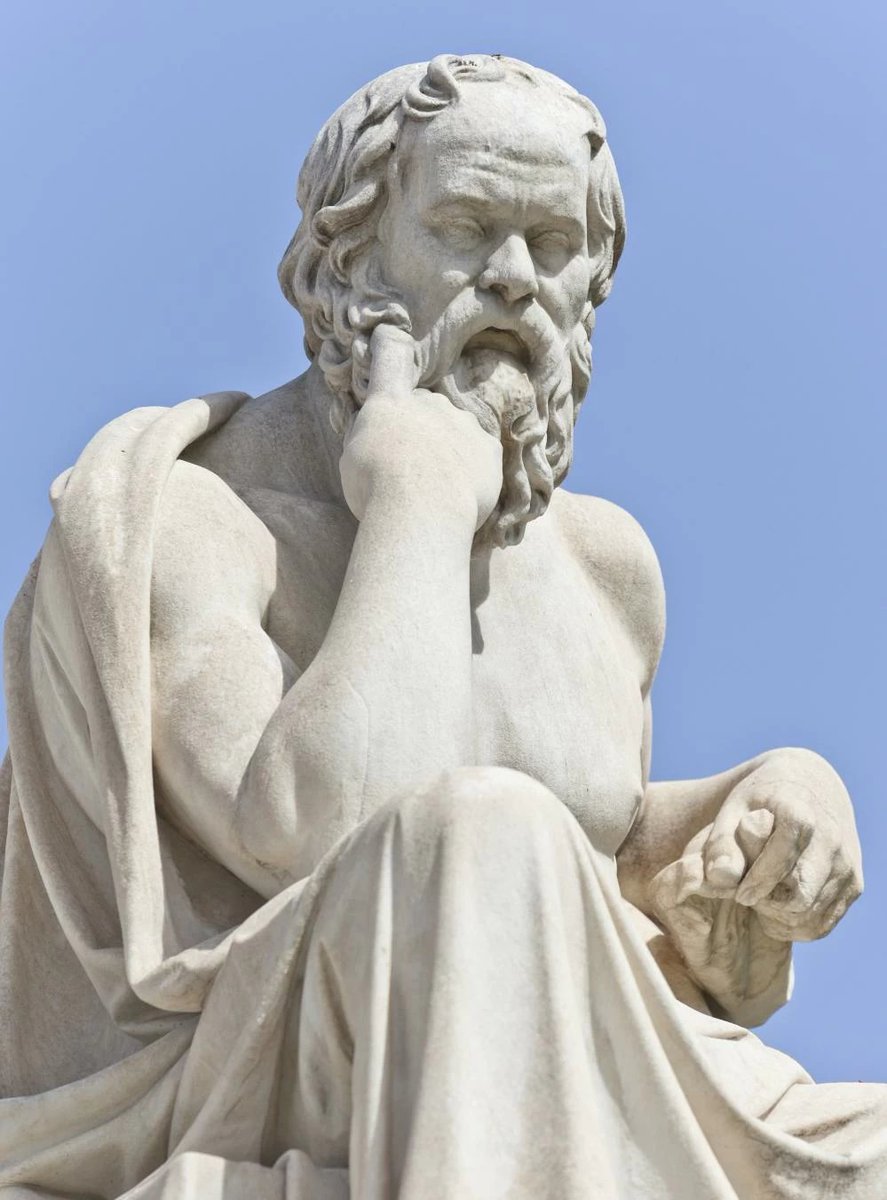

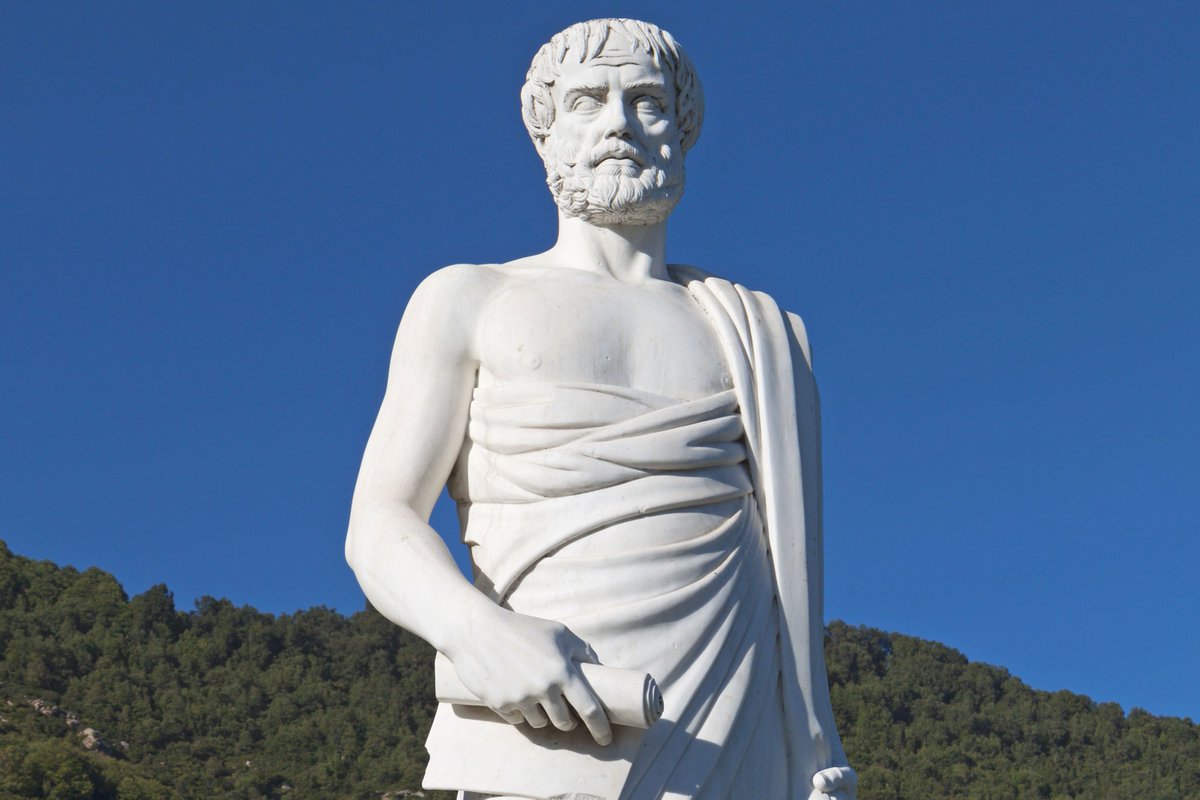

First off what is embodiment?
It's the idea that body and mind are one entity that drive towards a moral excellence
It's found in cultures throughout the world
It's the idea that body and mind are one entity that drive towards a moral excellence
It's found in cultures throughout the world

But the ancient Greeks took it a step further
They created competitive sports as an activity to emphasize embodiment
They created competitive sports as an activity to emphasize embodiment

They believed sport best represented the unity of body, mind, and spirit
It was the place for individuals to reach towards their best potential
It was the place for individuals to reach towards their best potential

Competition bred excellence and displayed sacrifice and struggle
Athletes were said to 'touch the fingertips of the gods' when they won
Athletes were said to 'touch the fingertips of the gods' when they won

It's no surprise that athletic ideals found their way into philosophy
The Ancient Olympics had been around almost 400 years by the time Socrates began asking questions
The Ancient Olympics had been around almost 400 years by the time Socrates began asking questions

So how do the three most famous ancient philosophers teach us about embodiment?
Let's go on an intellectual adventure to learn about the importance of our bodies
And why sport aligns us to our greatest potential
Let's go on an intellectual adventure to learn about the importance of our bodies
And why sport aligns us to our greatest potential
1. Socrates - Dialogue
Socrates is famous for giving us the 'Socratic Method'
It's the use of a back and forth exchange to discover the truth about things
Socrates is famous for giving us the 'Socratic Method'
It's the use of a back and forth exchange to discover the truth about things
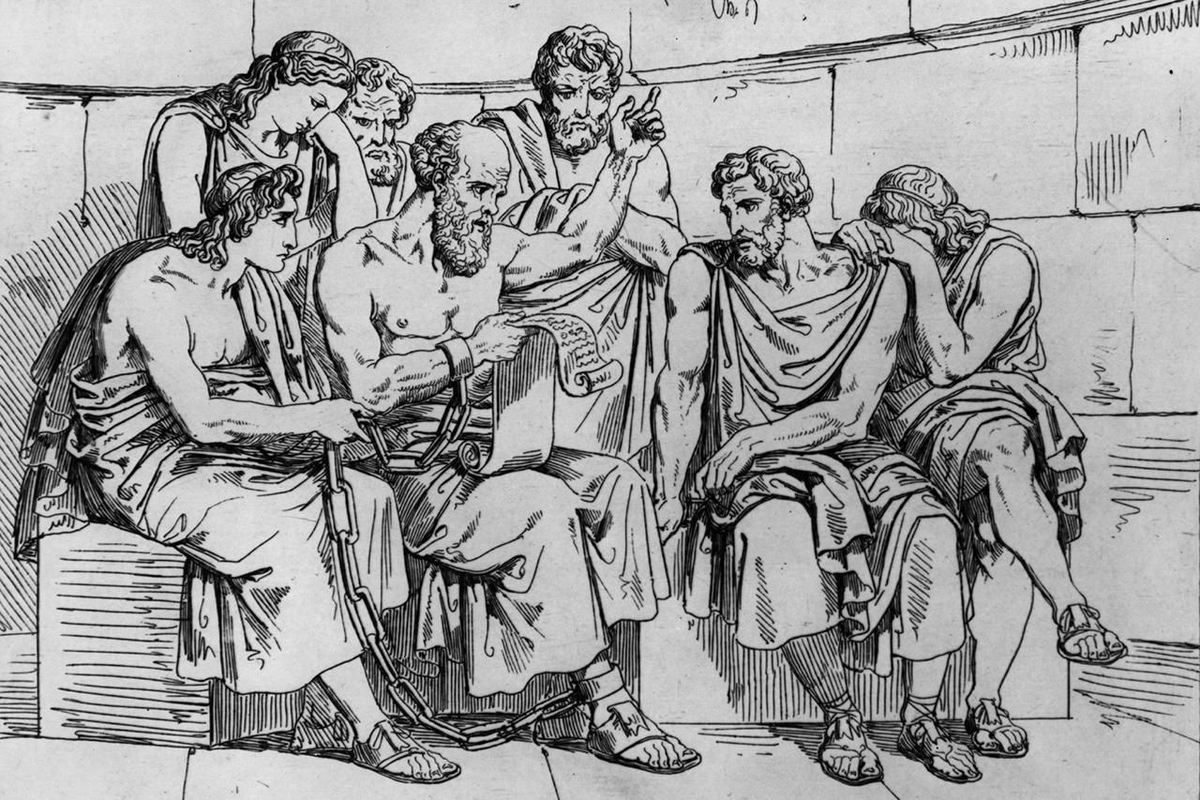
This is the element of competition in sport
An exchange between competitors
A wrestling match is a great fit here
And it's no surprise that Socrates was a wrestler
An exchange between competitors
A wrestling match is a great fit here
And it's no surprise that Socrates was a wrestler

When we use our bodies to go back and forth in competition we ignite our minds and spirits
We use the brain to strategize and outwit our opponent
We use our spirit to fight through resistance, pain, and suffering
We use the brain to strategize and outwit our opponent
We use our spirit to fight through resistance, pain, and suffering
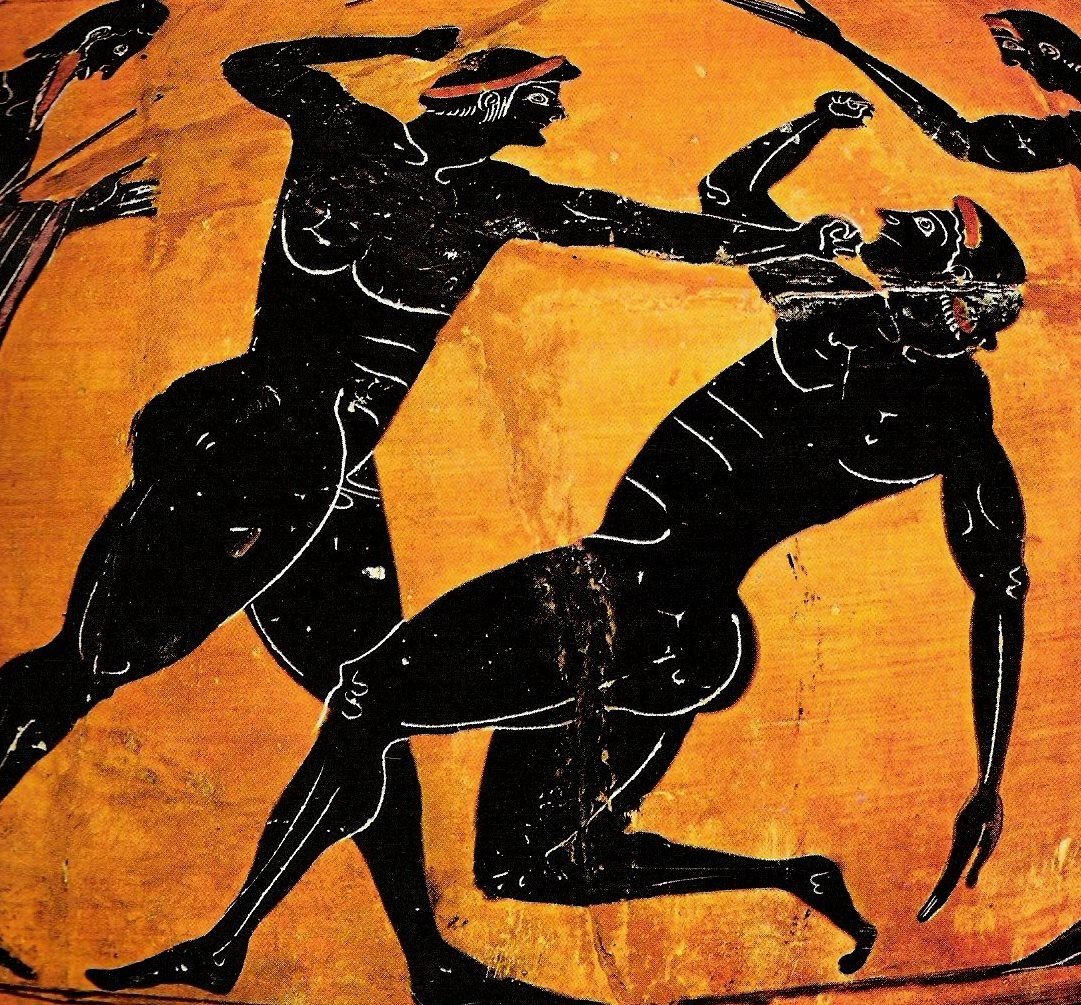
2. Plato - Beauty
Plato famously believed the body and soul to be separate
But we can still take from his philosophy to understand embodiment
Plato longed to define and appreciate beauty
Plato famously believed the body and soul to be separate
But we can still take from his philosophy to understand embodiment
Plato longed to define and appreciate beauty

The athletic male body best exemplified beauty
It expressed the time, dedication, and excellence of athletic pursuit
It expressed the time, dedication, and excellence of athletic pursuit

But beauty helps us understand the meaning of motion
Sports speak to our souls because we love to feel certain motions
You feel alive when running fast, lifting heavy, or engaging an opponent
Sports speak to our souls because we love to feel certain motions
You feel alive when running fast, lifting heavy, or engaging an opponent

Without an artistic appreciation for sport and exercise it become robotic and monotonous
The beauty of bodies in motion lights our eyes on fire with passion
The beauty of bodies in motion lights our eyes on fire with passion

3. Aristotle - Virtue
Aristotle cared about how you acted consistently, day to day, week to week, year to year
Those consistent behaviors are your character and the positive ones known as virtues
Aristotle cared about how you acted consistently, day to day, week to week, year to year
Those consistent behaviors are your character and the positive ones known as virtues

Sport develops virtue by aiming us towards our passion and forcing us to struggle to achieve them
When you play sport for the love of the game they become moral spaces
When you play sport for the love of the game they become moral spaces

Your body becomes the vehicle to display the passion of the soul and the development of the mind
But only if you approach it with the correct intentions and give it everything you've got
But only if you approach it with the correct intentions and give it everything you've got

So how can YOU apply these lessons from these philosophical lessons?
How can you become embodied?
There are 3 important ways
How can you become embodied?
There are 3 important ways
1. Sport isn't superficial
When you engage in sport, exercise, or physical competition you are engaging in deep work
It's not just working the body
When you engage in sport, exercise, or physical competition you are engaging in deep work
It's not just working the body

Next time you're about to use your body
Stop and use you mind to understand the richness of the experience
Ask yourself "why is this so important to me?"
Probe a little deeper than normal and a world of depth will open up for you
Stop and use you mind to understand the richness of the experience
Ask yourself "why is this so important to me?"
Probe a little deeper than normal and a world of depth will open up for you
2. Sport requires balance
Think of the relationship between 'dialogue - beauty - virtue'
Too much competition and not enough meaning sours sport
You can build your character in sport but if you don't compete you aren't showcasing yourself
Think of the relationship between 'dialogue - beauty - virtue'
Too much competition and not enough meaning sours sport
You can build your character in sport but if you don't compete you aren't showcasing yourself
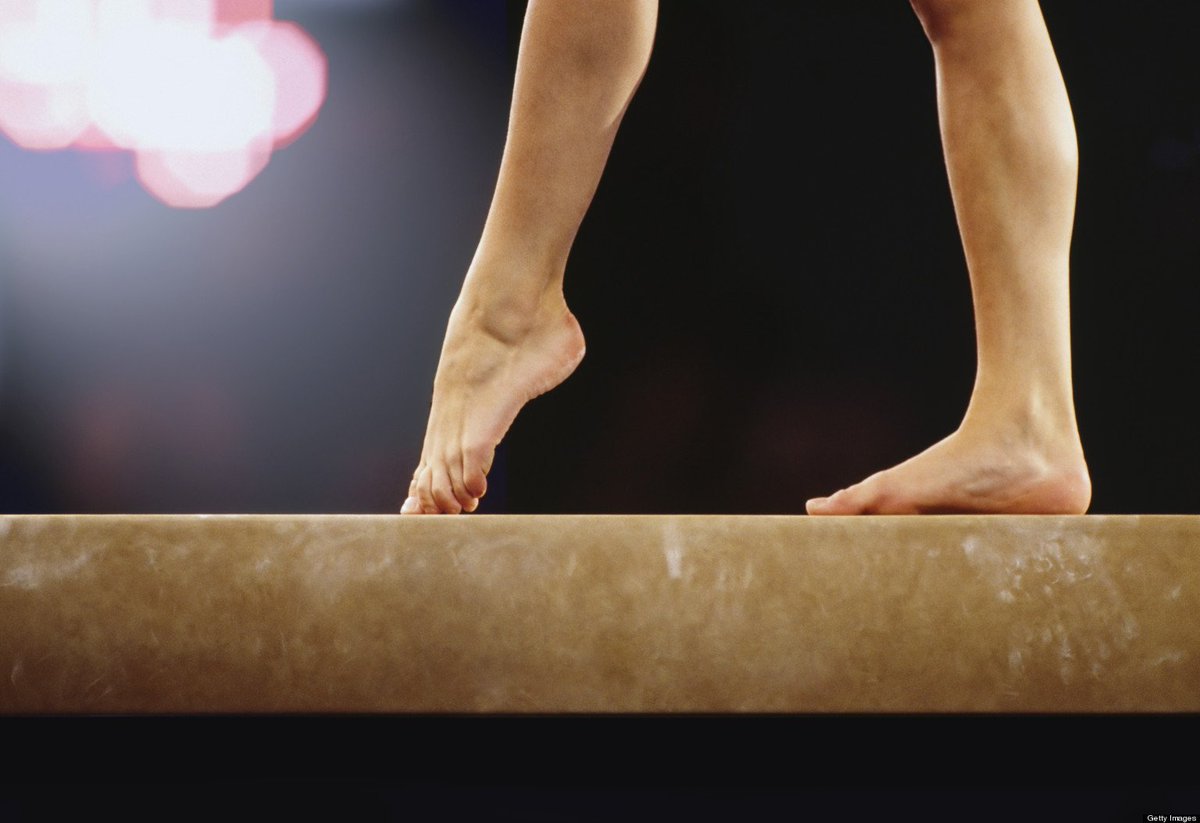
Embodiment tells us to balance mind and body
You need to balance training for results, training for fun, and competing to get the full benefits of physical activity
You need to balance training for results, training for fun, and competing to get the full benefits of physical activity
3. Sport requires passion
If you don't LOVE what you are doing you won't stick with it
And you won't get the full value of it
If you don't LOVE what you are doing you won't stick with it
And you won't get the full value of it

There's the utility of sport but embodiment speaks to our souls
Socrates chose death to preserve truth
Plato aspired to understand and free the soul
Aristotle lights our soul on fire by telling us to chase our passions
Socrates chose death to preserve truth
Plato aspired to understand and free the soul
Aristotle lights our soul on fire by telling us to chase our passions
If you neglect the meaning of your movement you'll be left with just numbers and measurements
You MUST move in a way that sparks your soul
Otherwise you're not living to your true potential
You MUST move in a way that sparks your soul
Otherwise you're not living to your true potential
This thread just scratches the surface on how to think about and apply embodiment
If you want to go deeper and get some guided practice thinking about embodiment grab my free e-book "Becoming Embodied" (link in the bio)
If you want to go deeper and get some guided practice thinking about embodiment grab my free e-book "Becoming Embodied" (link in the bio)
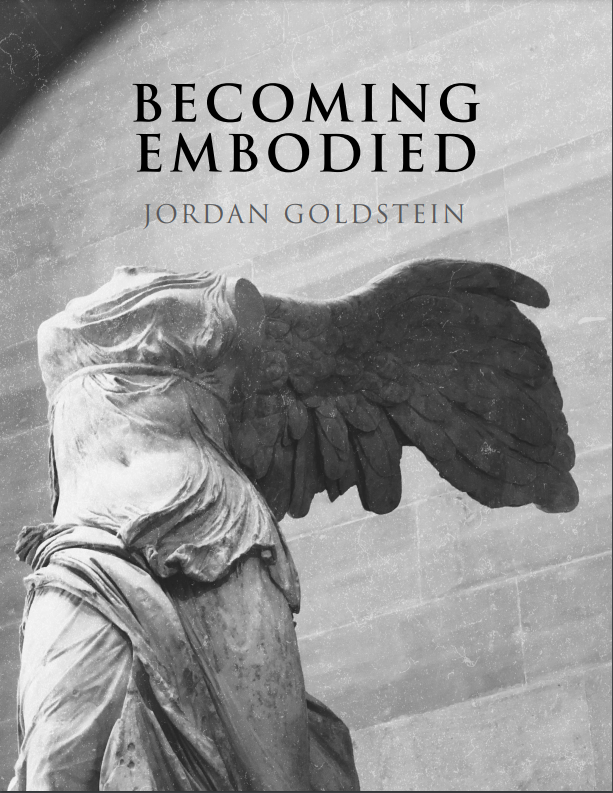
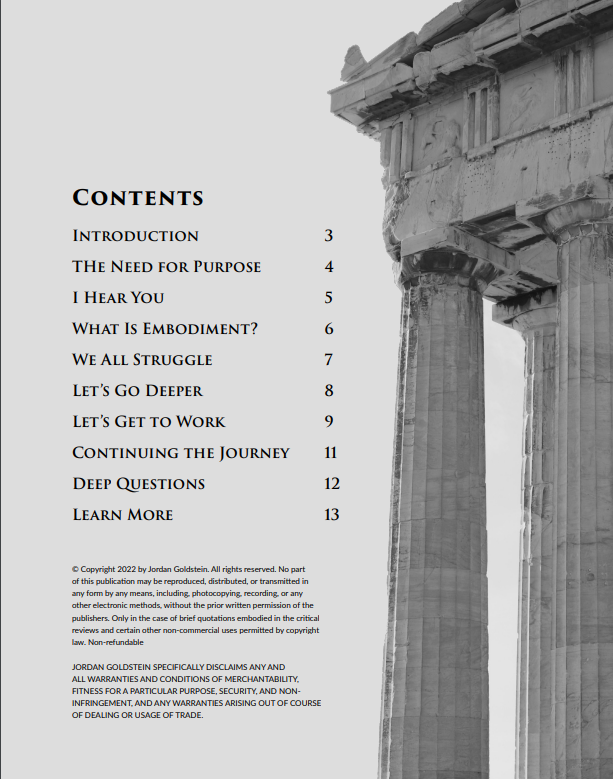
Signup before the June 6th release date and you get access to two free group lecture/Q&A sessions I'll run on embodiment
I'm looking forward to sharing ideas and learning about your journey
I'm looking forward to sharing ideas and learning about your journey
If you enjoyed this lesson you can help me out in two ways
1. Follow me @JB_Goldstein
2. RT the first tweet to share it
1. Follow me @JB_Goldstein
2. RT the first tweet to share it
https://twitter.com/884740303017717760/status/1526244916376084482
• • •
Missing some Tweet in this thread? You can try to
force a refresh




