

NEW from BBC Eye + me: China's Silenced Feminist. Since November, we’ve been investigating the disappearance of Sophia Huang Xueqin, a high-profile feminist journalist who kick-started China’s #MeToo movement, for BBC Eye. (1/8)
In 2021, Sophia was awarded the prestigious Chevening scholarship to pursue gender studies at the University of Sussex. But in September, on the way to the airport to catch her flight to the United Kingdom, Sophia and fellow activist Wang Jianbing “vanished.” (2/8) 
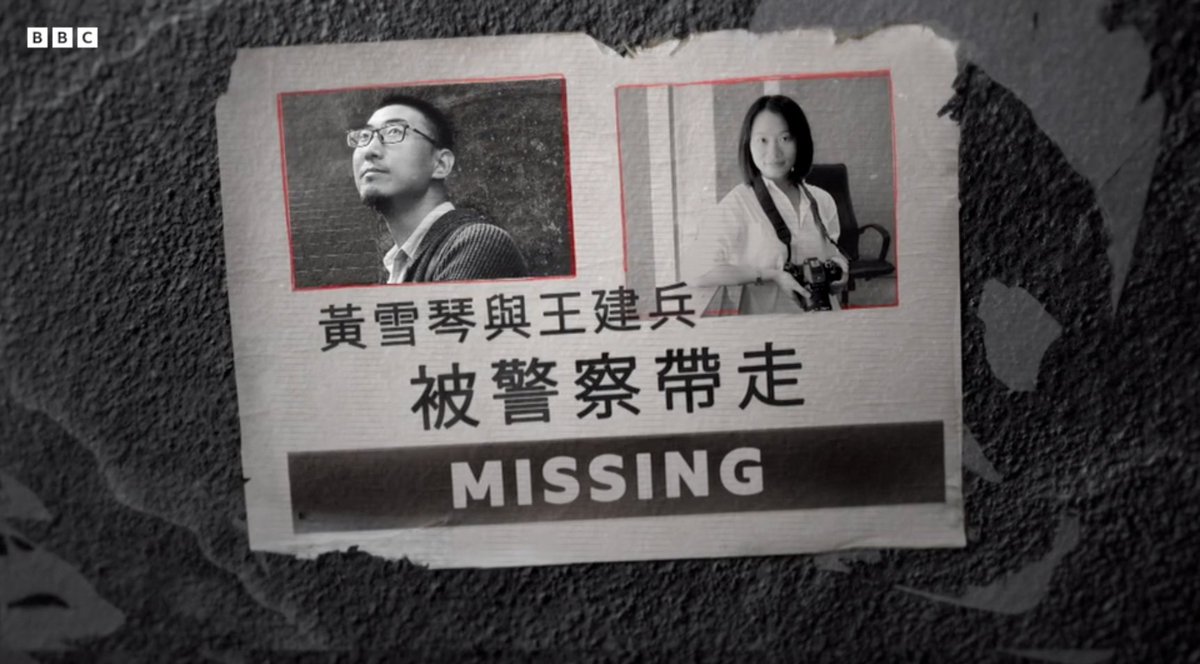
We tried to find out what happened to her, and found reports of her stuck in one of China’s “black jails”, awaiting trial on extremely serious charges of "inciting subversion of state power". (3/8)


A former Weibo censor who spoke to us explained how it’s difficult to censor a famous reporter like Sophia, so the Chinese state launched a disinformation campaign against her. (4/8)

In the UK, where she was coming to study, there’s been silence surrounding her case. University of Sussex @SussexUni, known for its feminist activism, said they’re concerned. But in an email later leaked to me, the university students and staff were warned not to speak out. (5/8)

Sophia’s friends say this is being done to preserve relations with Beijing, and to safeguard tuition fees from Chinese students who come to study at Sussex University every year (6/8)

When we asked the Chinese government for a comment, they accused us of slandering China under the guise of human rights. (7/8)

You can watch the full film here: bbc.co.uk/news/av/world-….
Produced with @Riddhi_Jha @_laujessie @muskhalili @daisyayliffe
Produced with @Riddhi_Jha @_laujessie @muskhalili @daisyayliffe
• • •
Missing some Tweet in this thread? You can try to
force a refresh





