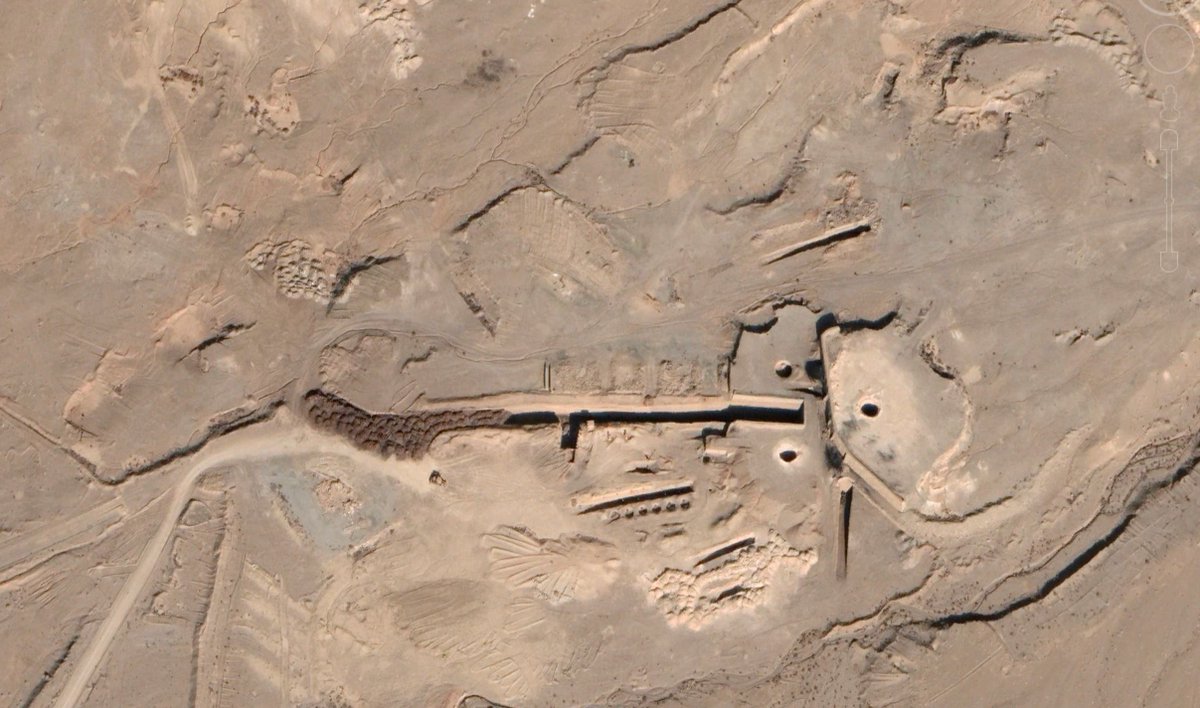
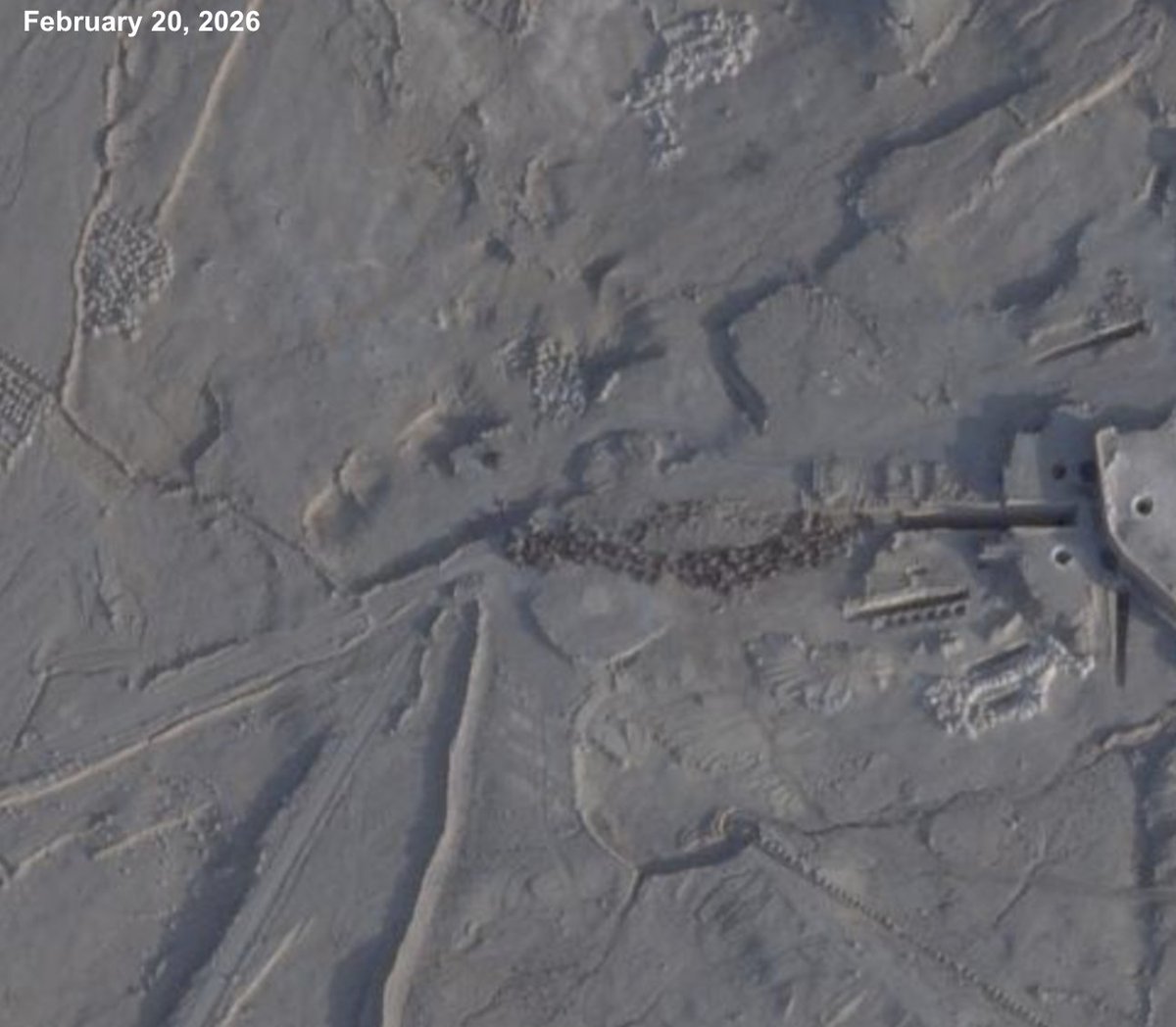
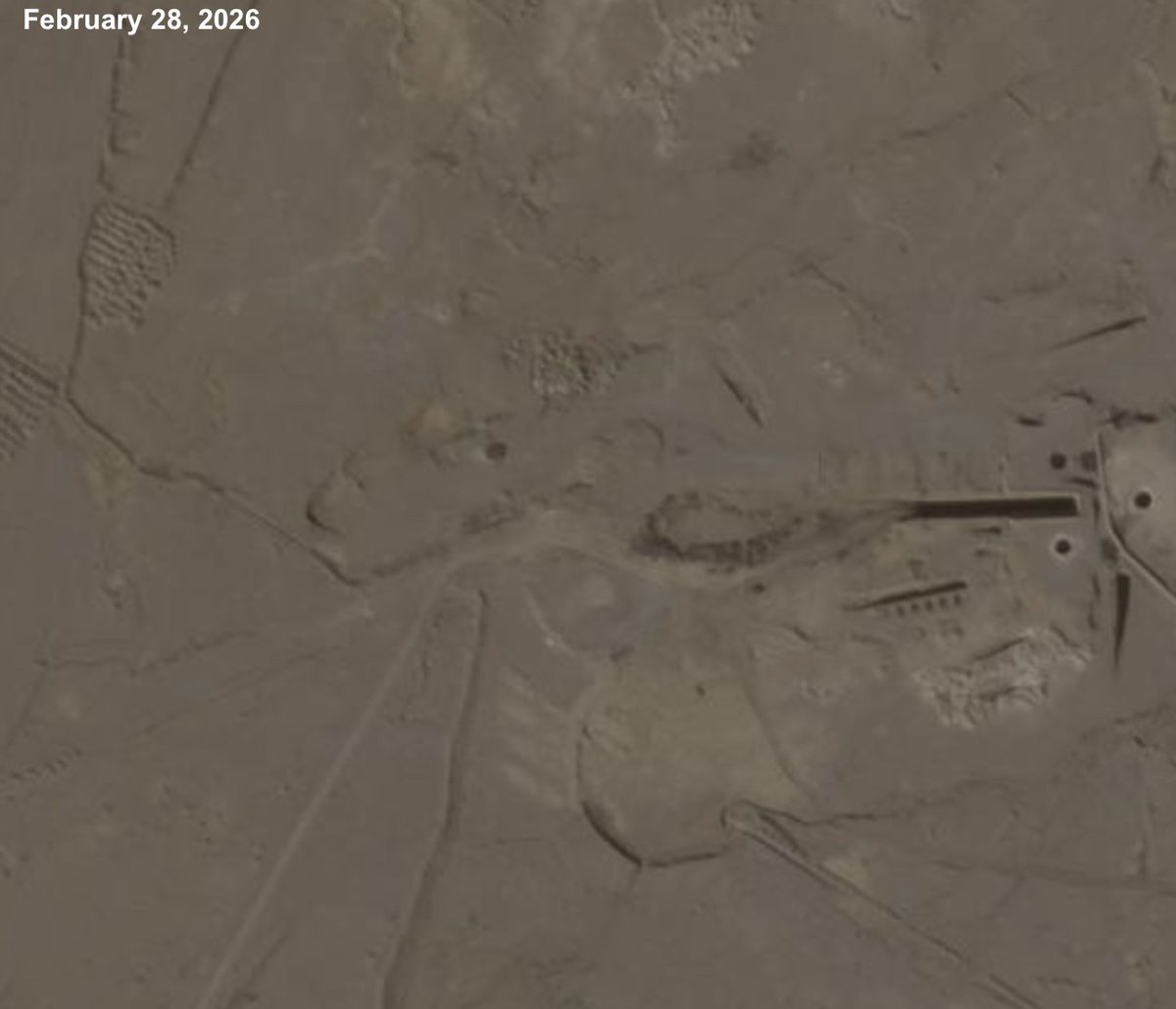
Our latest visual investigation: New evidence of war crimes obtained by The Times, including previously unpublished CCTV videos, shows how Russian paratroopers executed 8 captured Ukrainian volunteer fighters in Bucha in March. nytimes.com/2022/05/19/wor…
[CW] A photograph of the men’s bodies, some with hands bound, caused outrage in early April after Russian forces withdrew from Bucha. Russian leaders at the highest levels repeatedly denied wrongdoing in Bucha and described the images as a “provocation and fake.” 
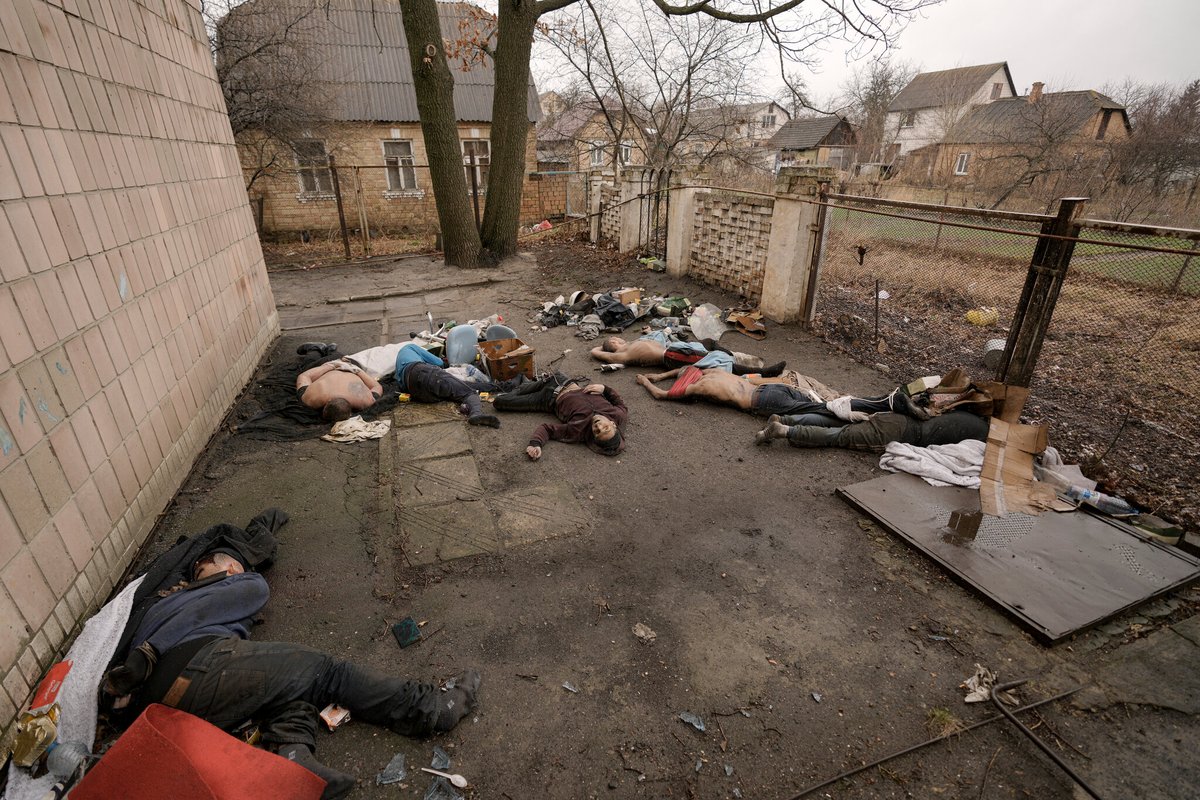
But a weekslong investigation by our team provides new evidence that Russian paratroopers rounded up and intentionally executed the men, directly implicating these forces in a likely war crime. Russia’s foreign affairs and defense ministries did not respond to questions.
To uncover what happened, @YousurAlhlou and @MashaFroliak spent weeks in Bucha interviewing a survivor, witnesses, coroners, police and military officials. They collected unpublished videos — the only evidence thus far to trace the victims’ final movements and show their captors.
Russian soldiers first entered Bucha on Feb. 27, en route to Kyiv, but Ukrainian forces devastated them in an ambush. Death notices and online interviews with prisoners indicate that the 104th and 234th Airborne Assault Regiments suffered losses:
https://twitter.com/RALee85/status/1518850843952492545
The Russians withdrew and regrouped before returning on March 3 via Yablunska Street. Footage obtained by The Times shows that they were paratroopers, driving air-droppable vehicles including BMD-2, BMD-3 and BMD-4 models used almost exclusively by the Russian Airborne Forces.
At 31 Yablunska Street, Ivan Skyba, a 43-year-old builder, and five other volunteer fighters had been manning a makeshift checkpoint when the Russians returned. They had a grenade, bulletproof vests and a rifle between them, Mr. Skyba told The Times.
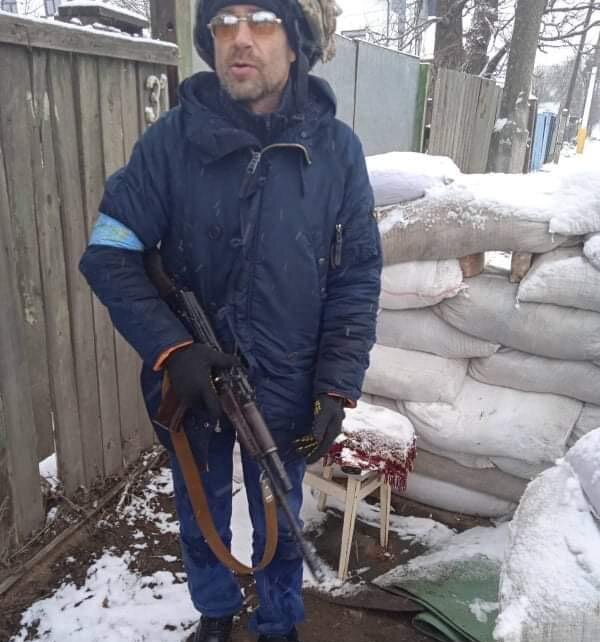
The men hid in a house alongside the owner, who had been bringing the fighters tea and coffee, and two more fighters. They were grocery store and factory workers who had civilian lives before the war and lived within walking distance of the courtyard where they would be killed.
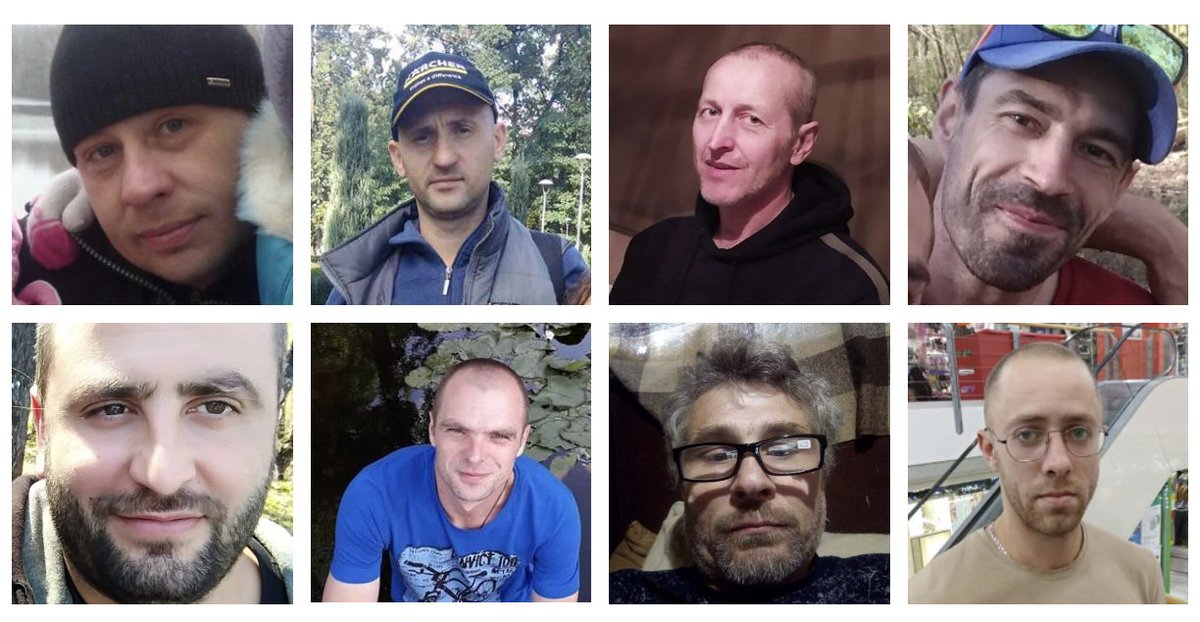
The men sheltered there overnight. By the morning of March 4, they realized that an escape was impossible. “We are surrounded,” Denys Rudenko wrote to his friend. “For now we are hiding. They are shooting from armored vehicles and heavy caliber.”
At around 11am, Russian soldiers found the men and forced all nine out of the house. They searched them for military tattoos, then marched to 144 Yablunska Street, a four-story office building they'd turned into a base. “Walk to the right, bitch,” one of the soldiers orders them.
In addition to the security camera footage, a man filming from a neighboring house captured the captives being forced to kneel outside 144 Yablunska Street. He counted all nine men in line. Rudenko was wearing a distinctive blue hooded sweatshirt.
The Russian paratroopers shot one of the men, Vitaliy Karpenko, 28, almost immediately, an incident witnssed by Mr. Skyba and another man being held there. Four civilian witnesses then saw the soldiers lead the remaining captives away. There were gunshots, the men didn't return.
“I fell down and I pretended to be dead,” Skyba said. “I didn’t move and didn’t breathe. It was cold outside and you could see people’s breath.” He lay there as the soldiers fired another volley, then waited for about 15 minutes, until he couldn't hear them, before running away.
A drone video filmed the next day confirmed what happened. As the drone buzzed by 144 Yablunska Street, it captured two Russian soldiers standing next to bodies, including Rudenko in his distinctive blue sweatshirt.
@YousurAlhlou & @MashaFroliak later visited the scene. The wall and steps were pockmarked by bullet holes. Scattered a few feet away were 7.62x54R cartridge casings, used in the Soviet-designed PK-series machine guns and Dragunov sniper rifles commonly used by Russian troops.
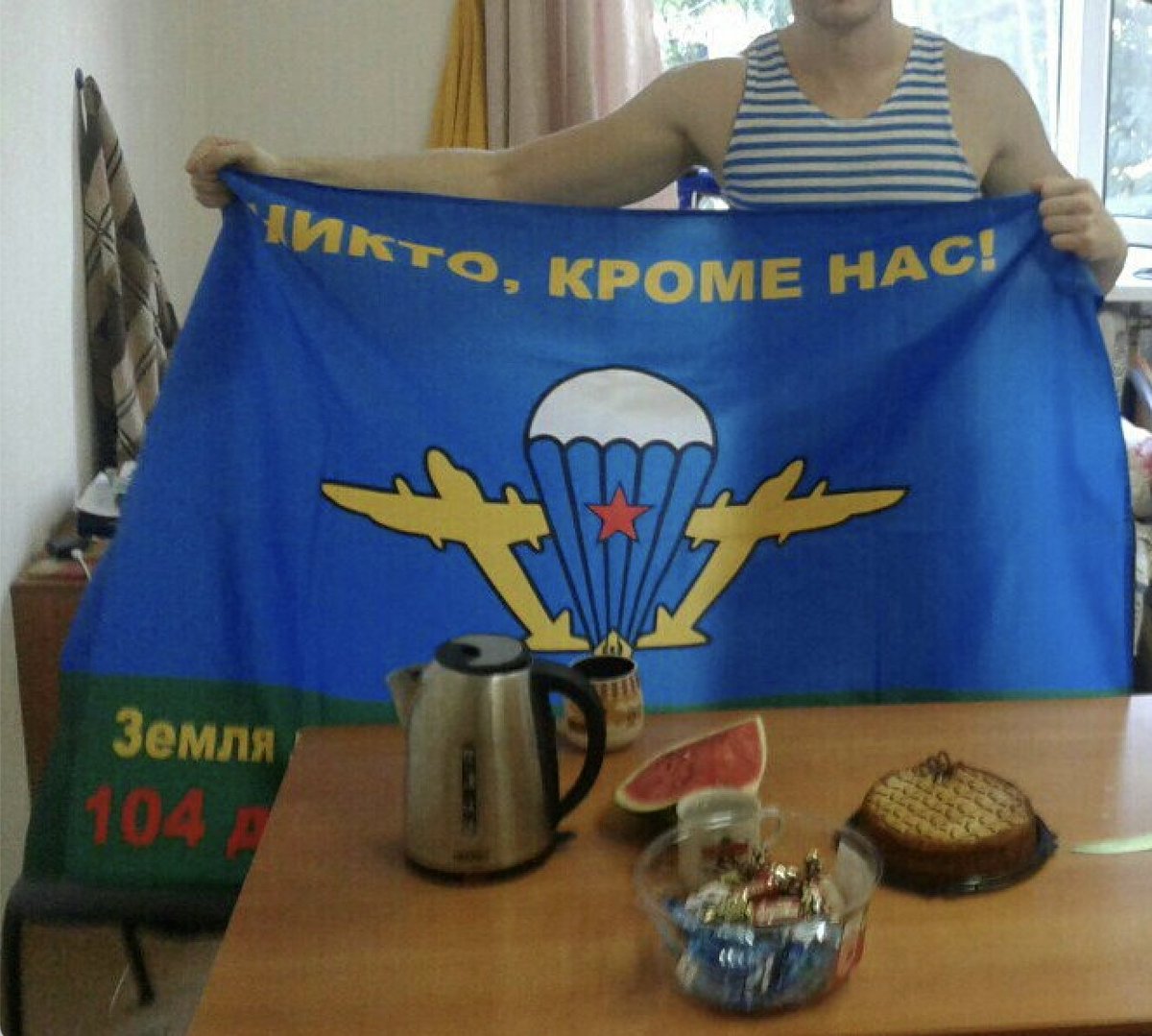
Investigators with the Security Service of Ukraine gave The Times a roster of Russian soldiers recovered from the building. By searching Russian social media websites, we found that at least five of the named soldiers had apparent links to the 104th Airborne Assault Regiment.
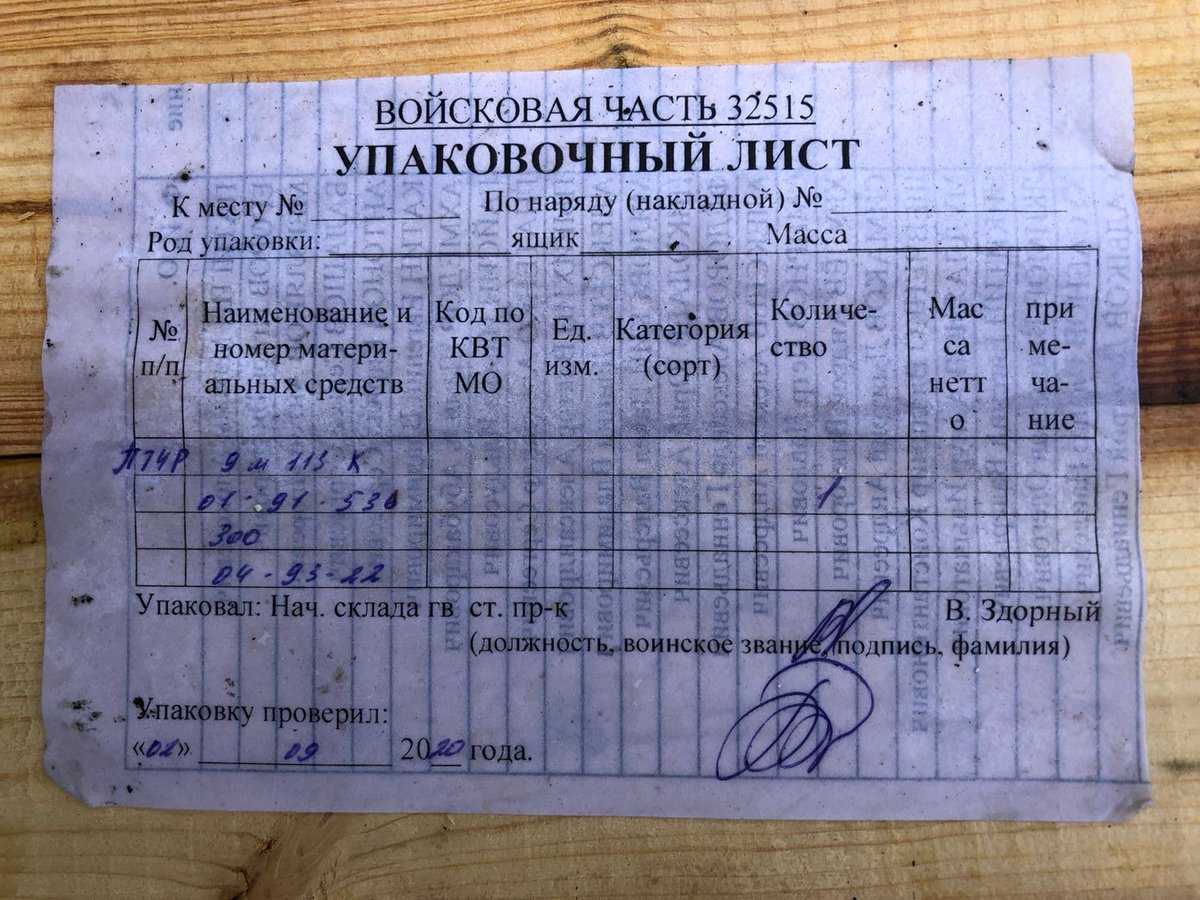
Packing slips for crates of weapons and ammunition listed Units 32515 and 74268, corresponding respectively to the 104th and 234th Airborne Assault Regiments. Both units suffered heavy losses during the first Russian attempt to enter Bucha on Feb. 27.
S.B.U. investigators also provided The Times with an image of a patch recovered from inside the building bearing the emblem of the 104th Airborne Assault Regiment.

International Humanitarian Law, known as the laws of war, mean that prisoners must be treated humanely and protected from mistreatment in all circumstances. In addition to the soldiers who shot the men, their commanders could be charged if they knew about the killings.
After the men stopped answering calls, their relatives and loved ones began searching for them. “My nephew Denys (wearing a cap and glasses) stopped responding three days ago,” Valentina Butenko, Mr. Rudenko’s aunt, wrote on Facebook. “Does anyone know anything about him?”
Once the Russians fled nearly a month later, the graphic image of the scene caught the world’s attention. Elena Shyhan, wife of Vitaliy, one of the executed men, saw it. She edited her Facebook post from weeks earlier with a single line: “Stop searching. We have found him.”
• • •
Missing some Tweet in this thread? You can try to
force a refresh