The word ‘swastika’ is a Sanskrit word meaning ‘It is’, ‘Well Being’, ‘Good Existence, and ‘Good Luck’
Let us see where else #Swastika is found in the world
#thread #Archaeology
1/
Let us see where else #Swastika is found in the world
#thread #Archaeology
1/
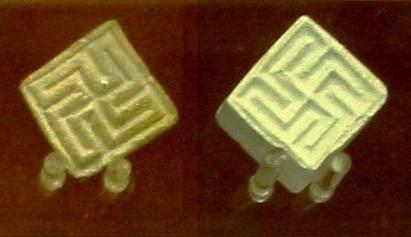
Etruscan pendant with swastika symbols from Bolsena, Italy, 700–650 BC. Louvre
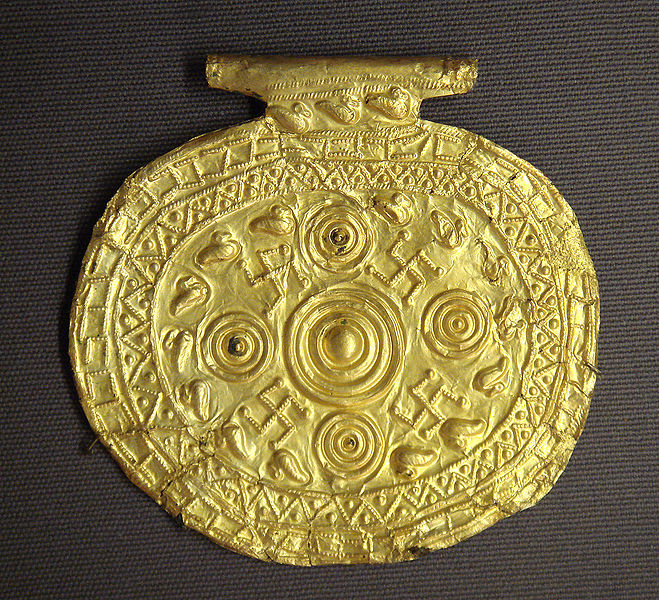
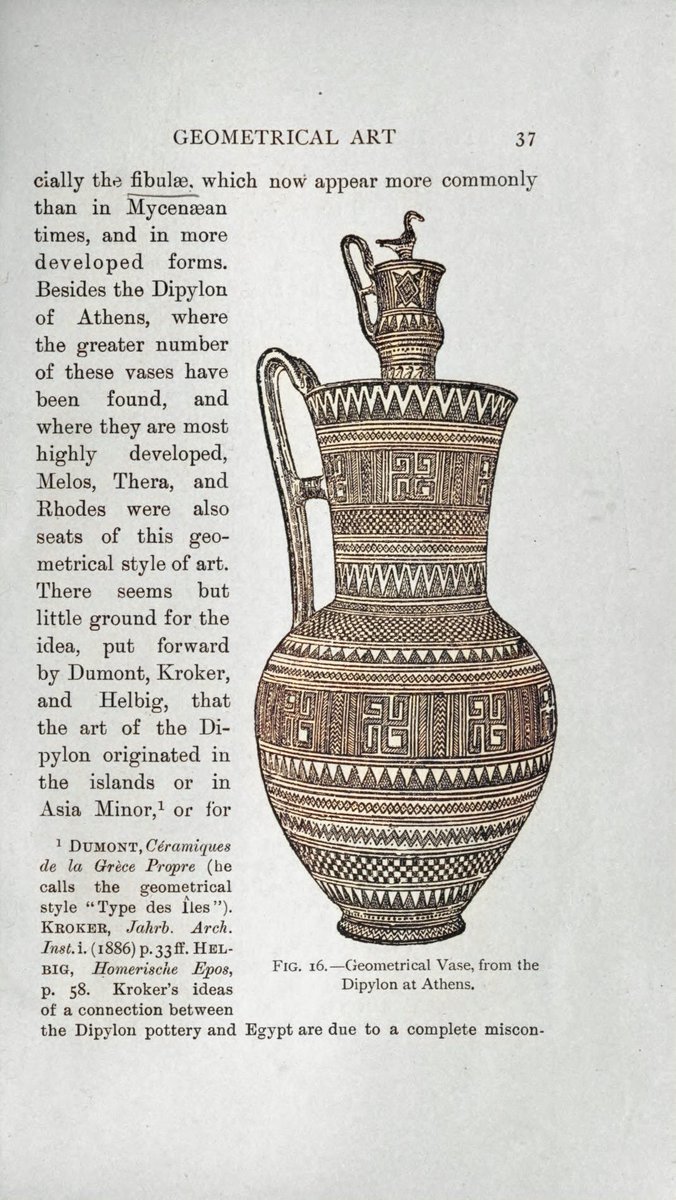
Boeotian amphora, Potnia Therōn, detail Thebes, 680 -670 BCE National Archaeological Museum, NM 220, AT 119
Central Greece
Central Greece
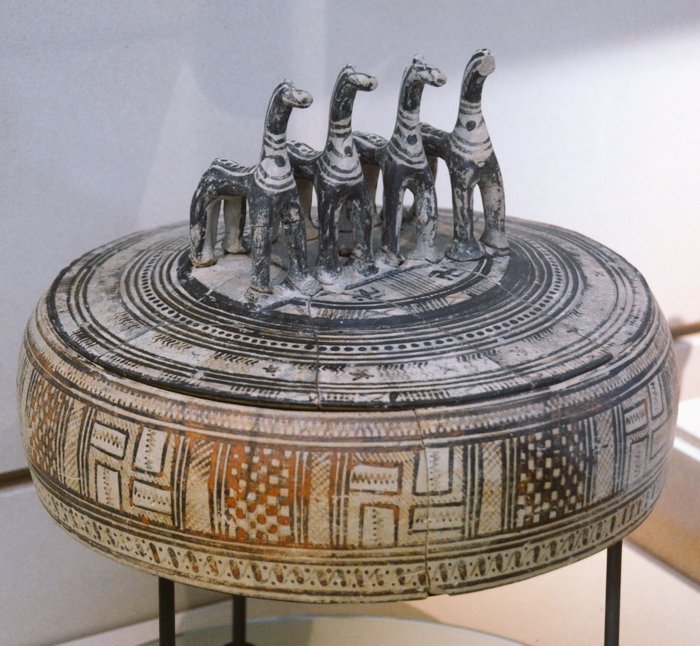
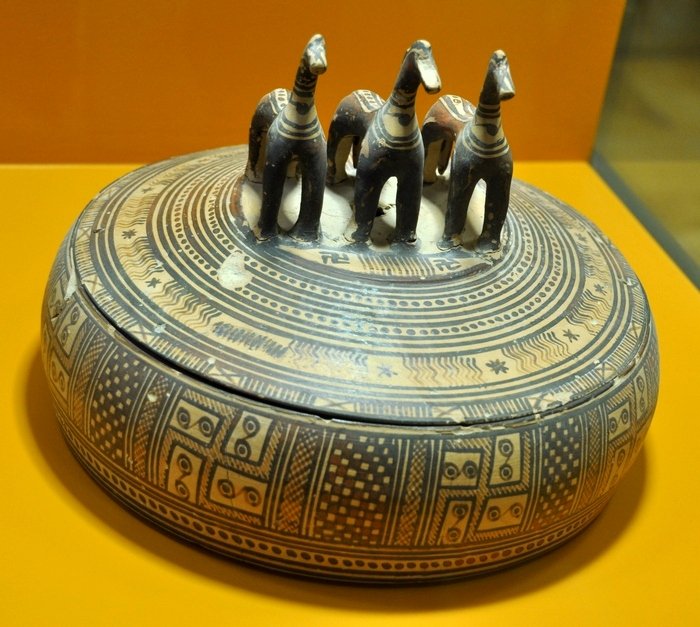
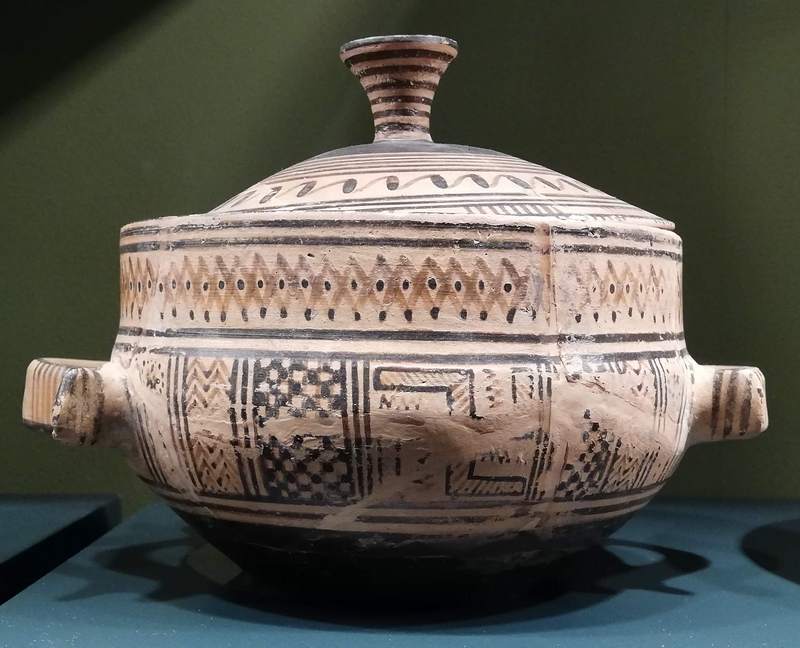
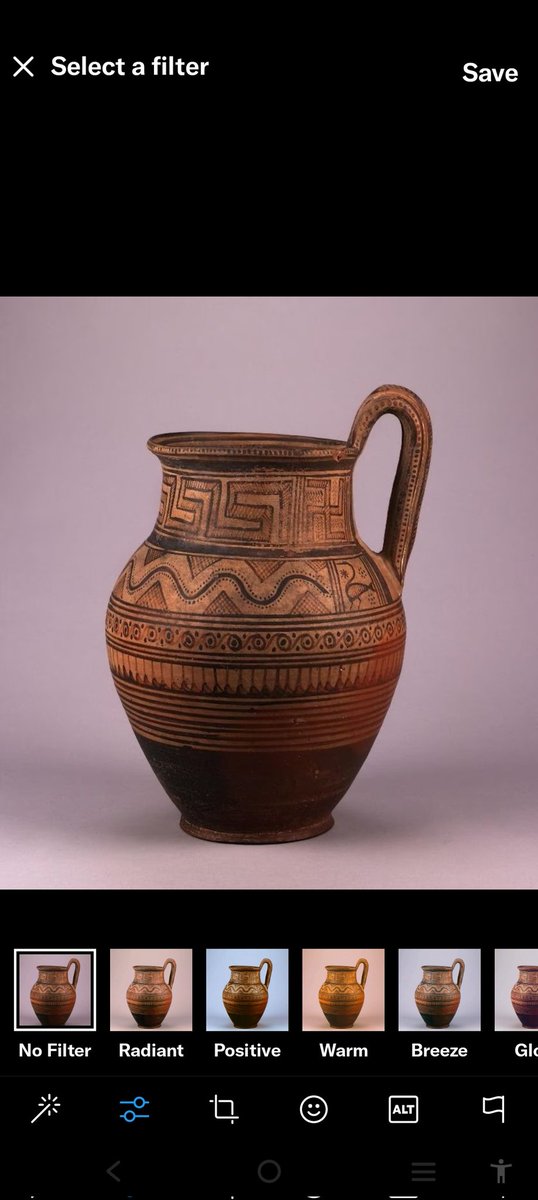
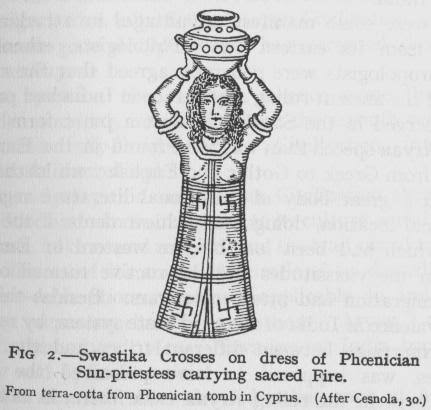
SWASTIKA on dress of a Phoenician Sun Priestess, found from Phoenician tomb in Cyprus
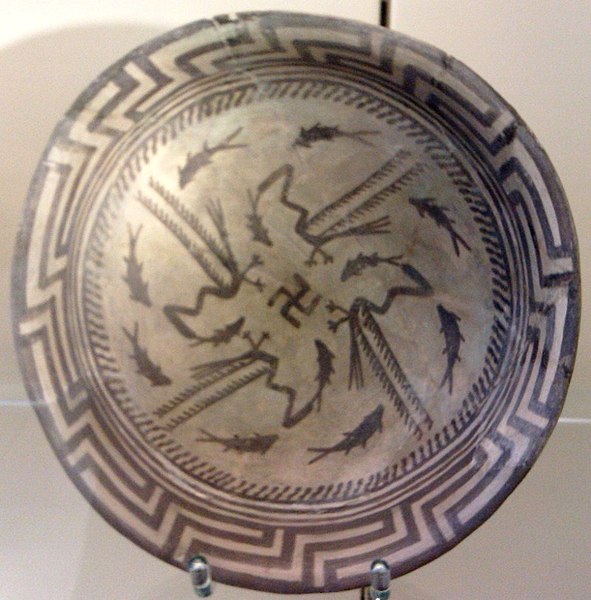
The Samarra bowl, Sumerian (ca. 4000 BC) at on exhibit at the Vorderasiatisches Museum, Berlin.
researchgate.net/figure/Left-Th…
researchgate.net/figure/Left-Th…
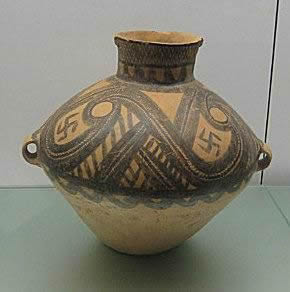
Painted pottery jar with geometric design. Majiayao Culture: Banshan type (c. 2600-2300 BCE)
Majiayao people lived in upper Yellow River region in eastern Gansu, eastern Qinghai and northern Sichuan, China
HongKong Museum of Art. CC unforth
vangoghgenova.it/what-is-the-or…
Majiayao people lived in upper Yellow River region in eastern Gansu, eastern Qinghai and northern Sichuan, China
HongKong Museum of Art. CC unforth
vangoghgenova.it/what-is-the-or…
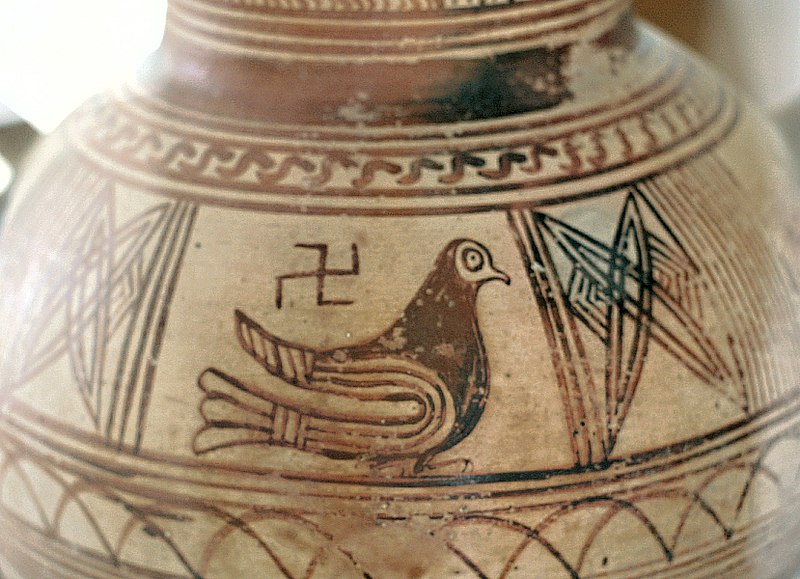
Bird and swastika, detail from geometric amphorae, Cycladic style. Finding the cemetery of Ancient Thera, 8th to 7th century BC. Archaeological Museum of Fira.
Thera is a Minoan settlement site in Greek island in the Aegean Sea, in the Cyclades
Thera is a Minoan settlement site in Greek island in the Aegean Sea, in the Cyclades
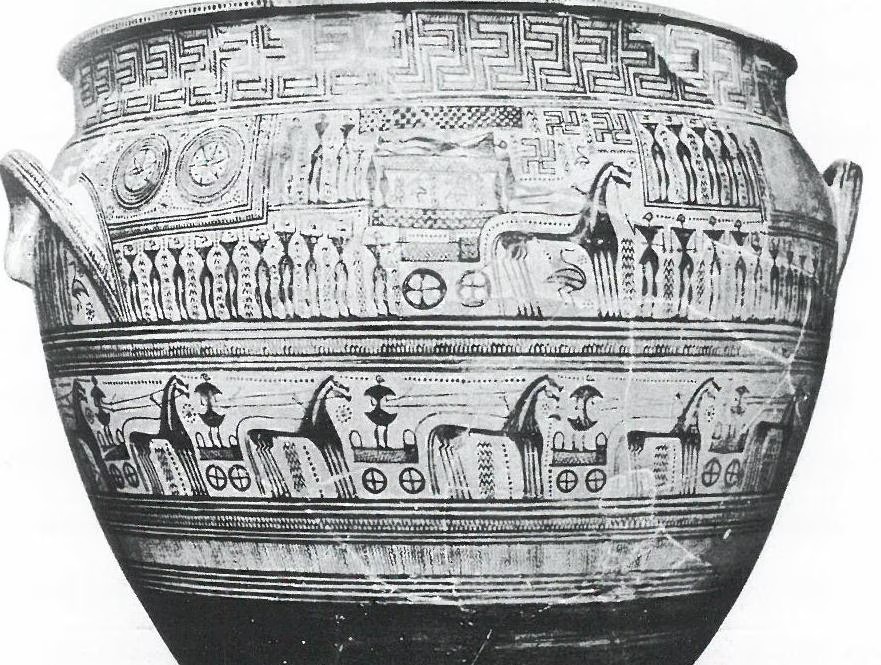
Hirschfeld Krater. Scene depicting ekphora and a chariot race. Funeral of Patroclus? Source: John Boardman 1998.
greecehighdefinition.com/blog/2019/1/22…
greecehighdefinition.com/blog/2019/1/22…
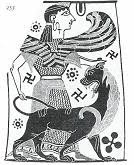
Melian amphora featuring Artemis. Source John Boardman 1998.
Melos is an island in the Aegean Sea roughly 110 kilometres (68 miles) east of mainland Greece
Melos is an island in the Aegean Sea roughly 110 kilometres (68 miles) east of mainland Greece
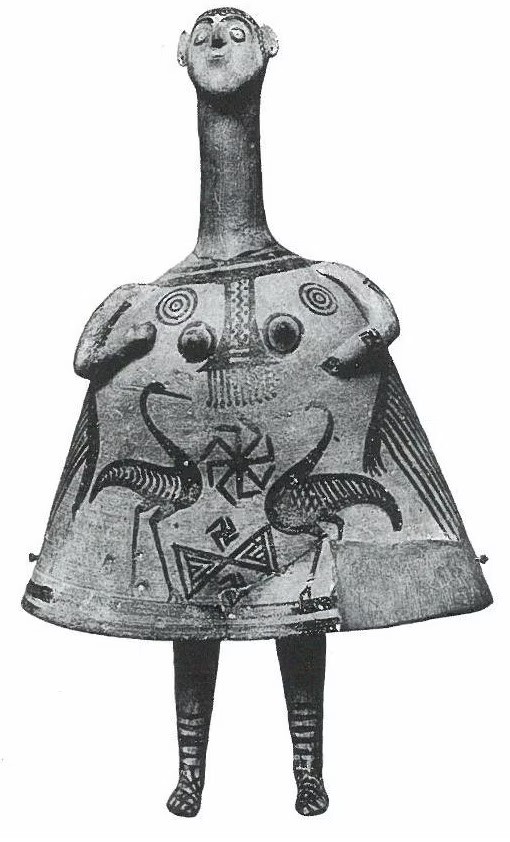
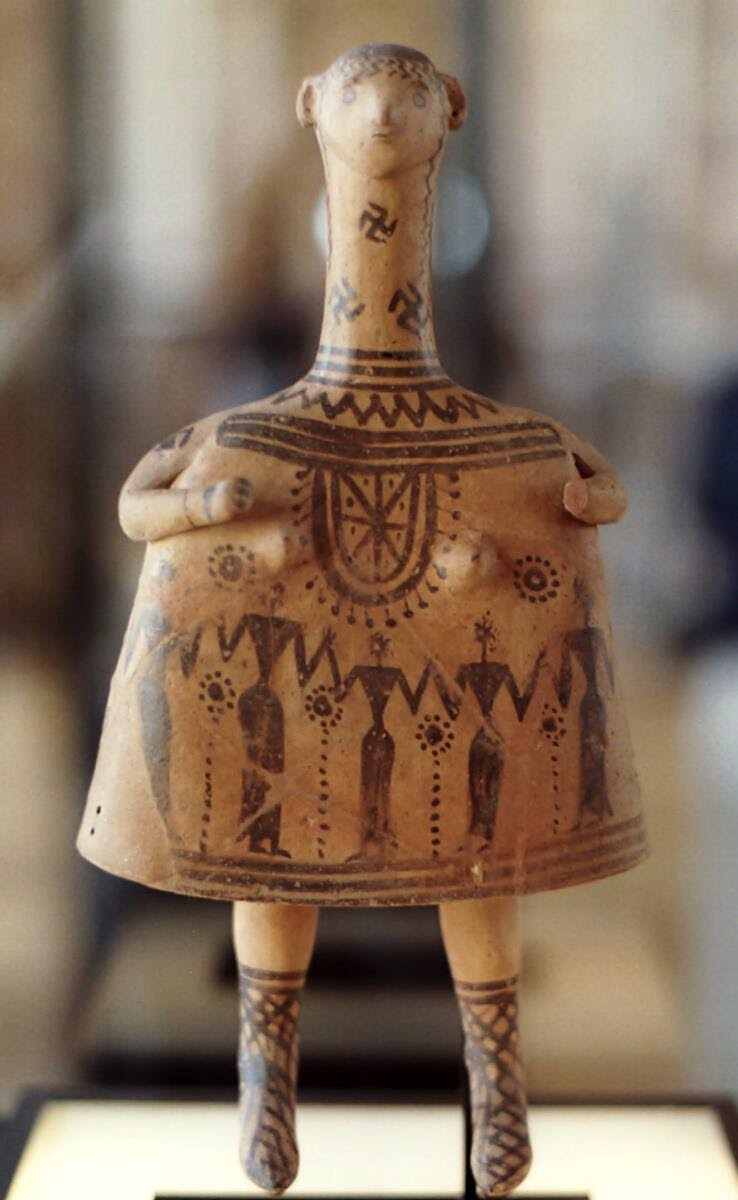
Bell idol, Ancient Greek, c700 BC.
The work of Theban potters of the Late Geometric period, in ancient Boeotia.
From the Louvre, Paris.
The work of Theban potters of the Late Geometric period, in ancient Boeotia.
From the Louvre, Paris.
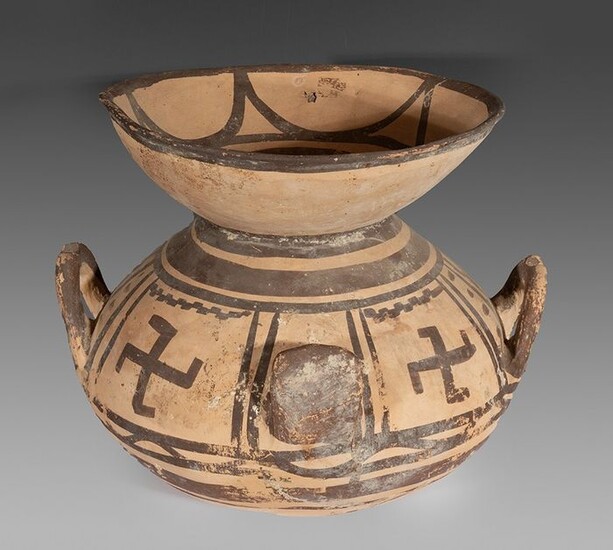
Funnel Krater CULTURE: Daunian PERIOD: 6th Century BC: Collection of Mr. Leopoldo Benguerel, Barcelona
lot-art.com/auction-lots/d…
lot-art.com/auction-lots/d…
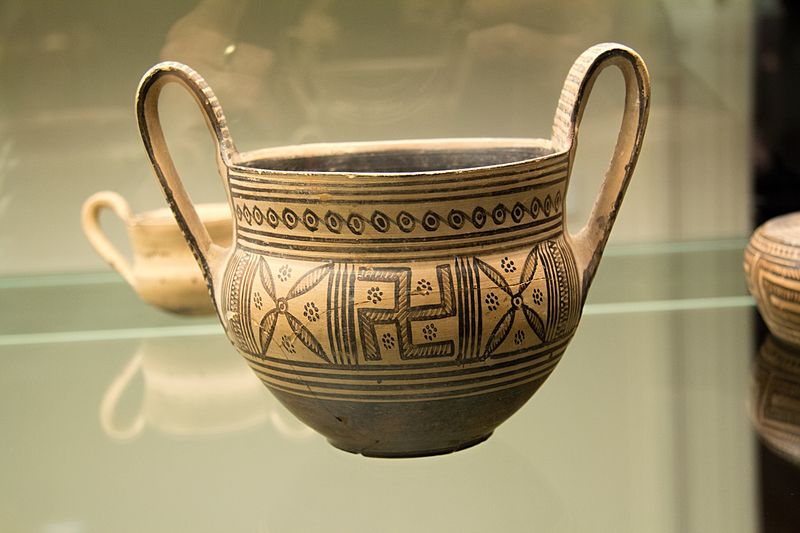
Swastika on a bowl
760 BC. NG Prague, Kinský Palace, NM-H10 1849
760 BC. NG Prague, Kinský Palace, NM-H10 1849
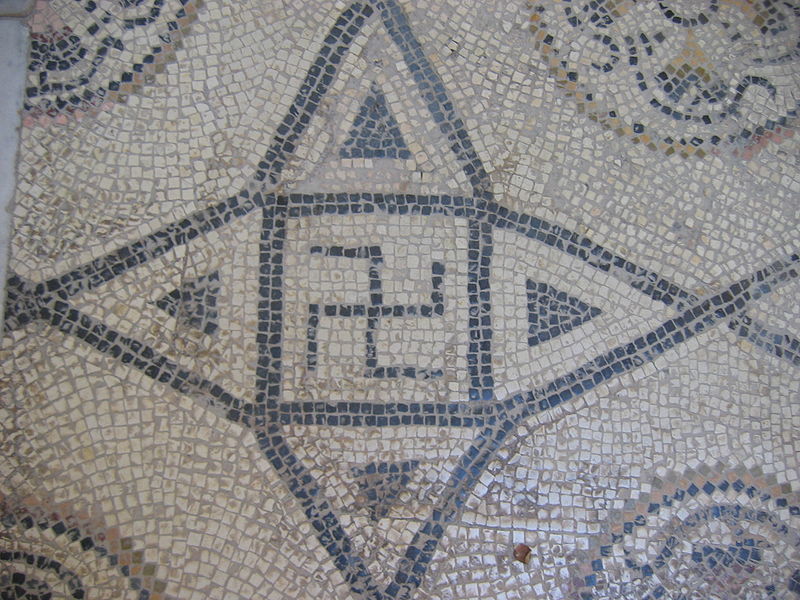
Swastika city of Roman origin mosaic of the second century currently in Tunis.
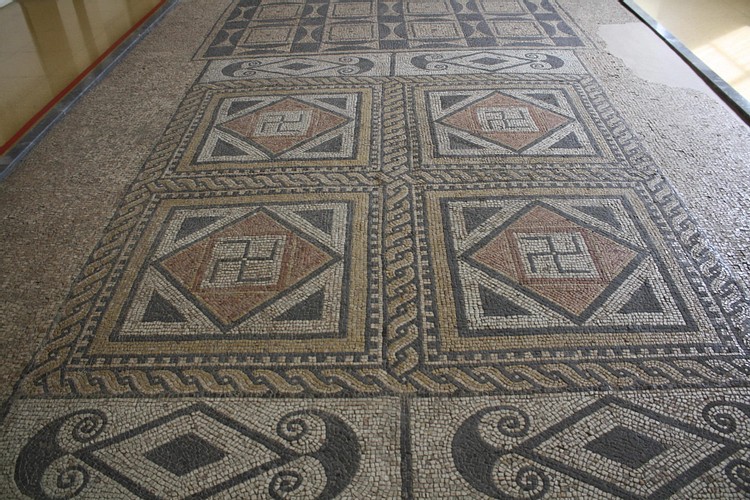
A Roman floor mosaic with geometrical designs and swastikas. 2nd-3rd century CE, Tarraco. (Archaeological Museum of Tarragon, Spain
worldhistory.org/image/6083/rom…
worldhistory.org/image/6083/rom…
Pottery exhibiting a "swastika" decoration; Museum of history of Yerevan, Armenia
Stonegrave Petroglyph Swastikas from Ancient Armenia Kakhik Shamkhor Armenia
Swastika is called the "arevakhach" and "kerkhach"in Armenia
Stonegrave Petroglyph Swastikas from Ancient Armenia Kakhik Shamkhor Armenia
Swastika is called the "arevakhach" and "kerkhach"in Armenia
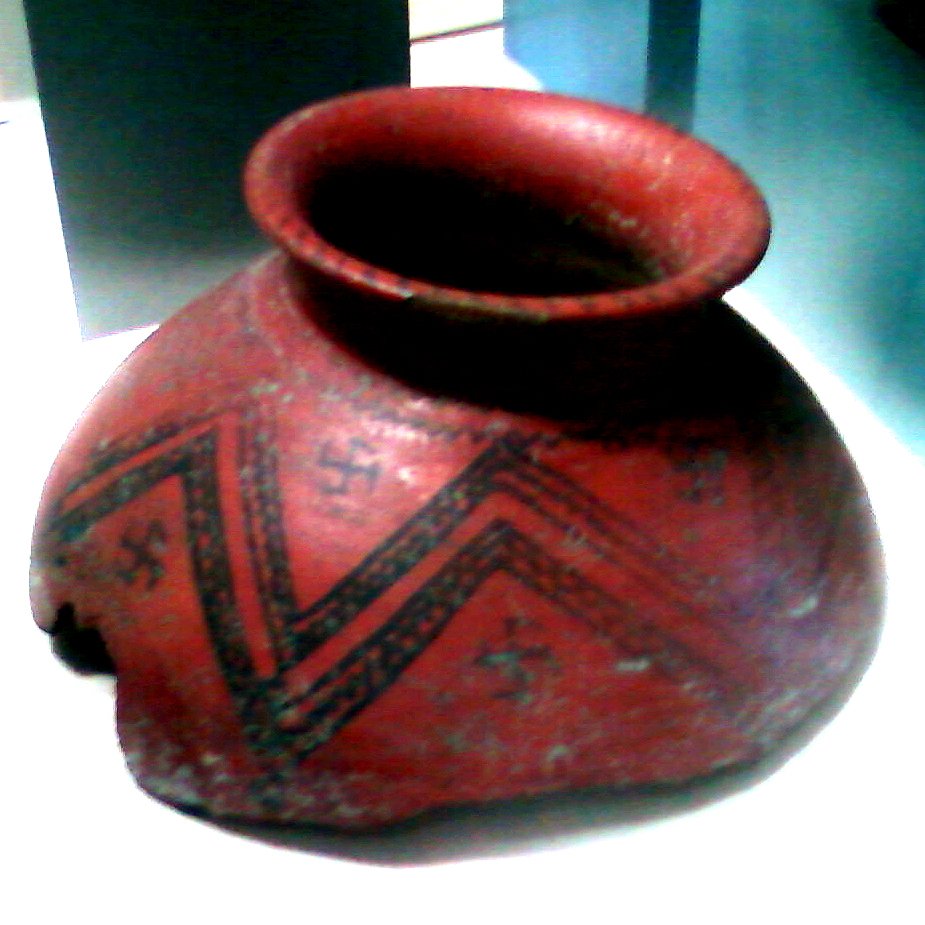
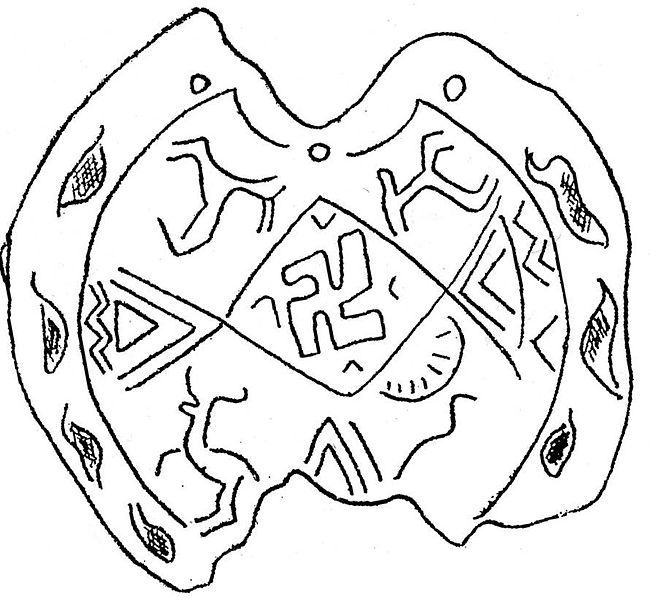
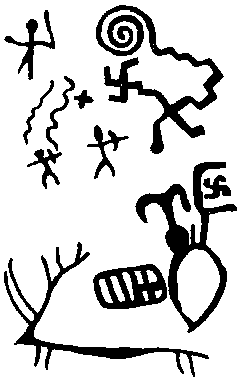
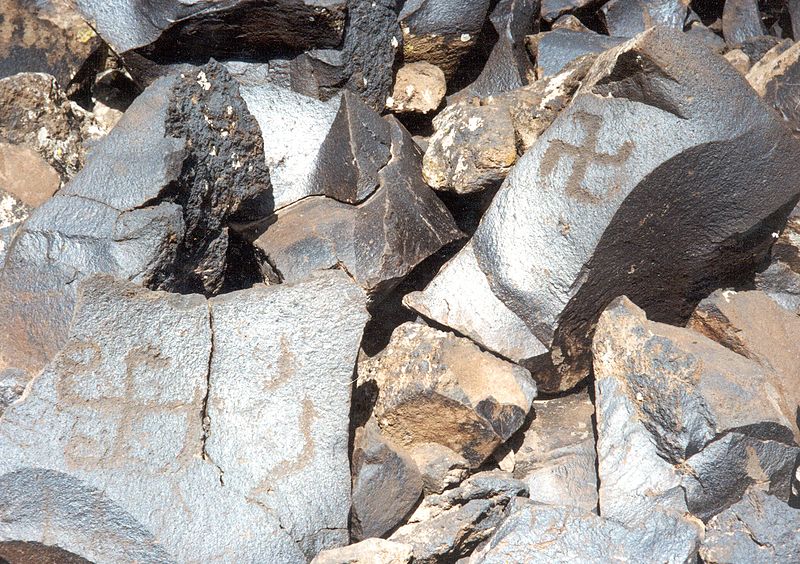
Armenian eternity symbol in Vahanavank monastery, Syunik, Armenia
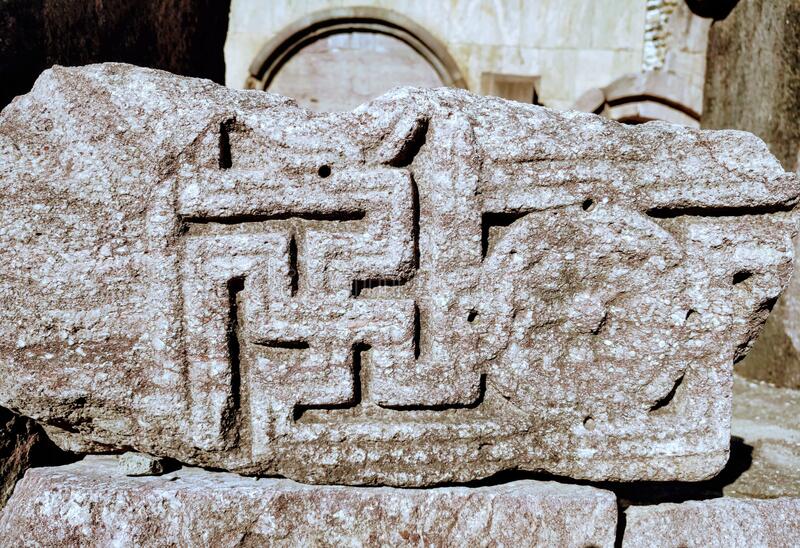
#Swastika engraving found on Remains of ancient temples dating 120 AD in Xin'anjiang Reservoir
https://x.com/GemsOfIndology/status/1485821308378107904?s=20&t=BydldKWfYxvz1ezmzqzfbw

Swastika at the Temple of Hadrian (123 AD) in Ephesus, built to commemorate the Emperor’s visit.

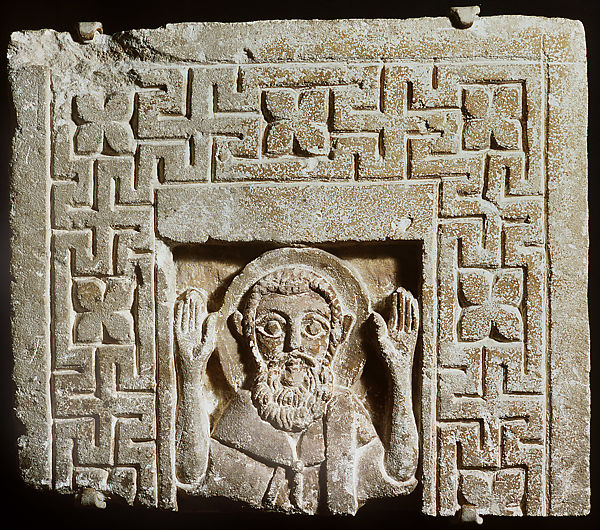
Fragmentary Stele with Orant Monk. The Monk is framed in Swastika and four petal flowers
Date: 6th–7th century
Geography: Made in Egypt, Saqqara (?)
Medium: Limestone
metmuseum.org/art/collection…
Date: 6th–7th century
Geography: Made in Egypt, Saqqara (?)
Medium: Limestone
metmuseum.org/art/collection…
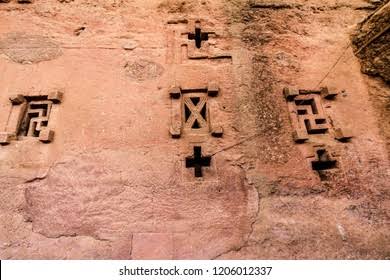
Skastika symbol in the window of Lalibela Rock hewn churches, Ethiopia
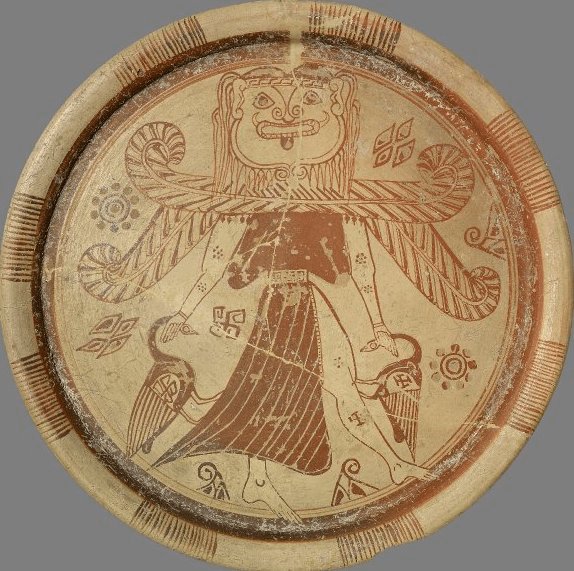
#Swastika was also used by Novajo people (Native American) until 1940. Novajo dropped their sacred symbol after it was desecrated by Nazis.
https://x.com/GemsOfIndology/status/1530800046261739520?s=20&t=K3xYOWjnE4ZgmgE7LuRqfA
Swastika type symbol on a Mycenaean Pot
~1200 BCE
Greece.
The oldest civilization of Greece: studies of the Mycenaean age
by Hall, H. R. (Harry Reginald), 1873-1930 archive.org/details/oldest…
~1200 BCE
Greece.
The oldest civilization of Greece: studies of the Mycenaean age
by Hall, H. R. (Harry Reginald), 1873-1930 archive.org/details/oldest…
• • •
Missing some Tweet in this thread? You can try to
force a refresh