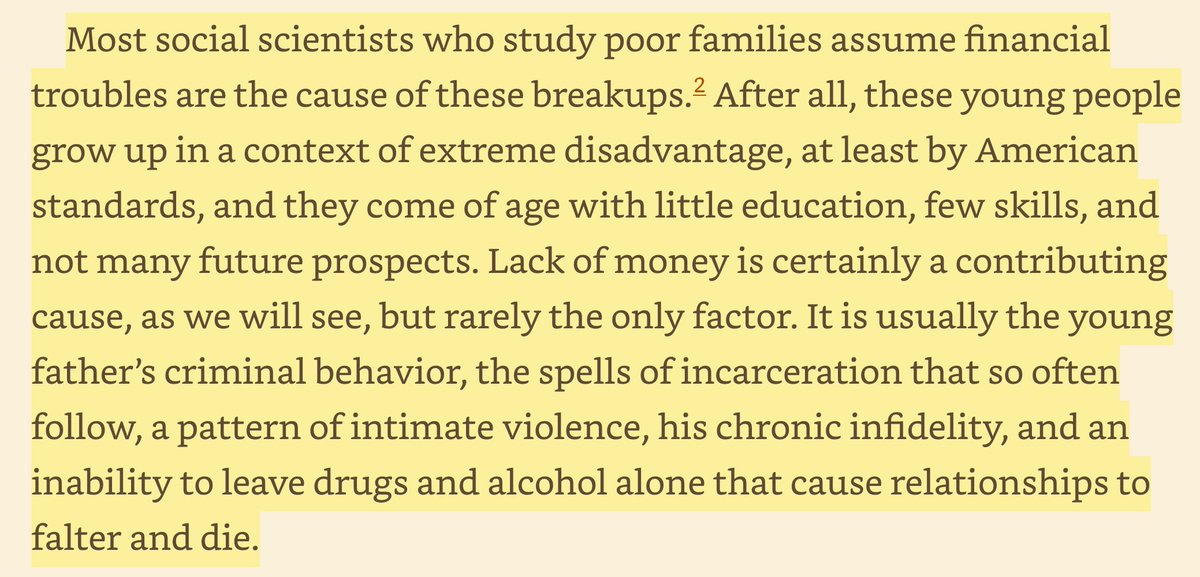
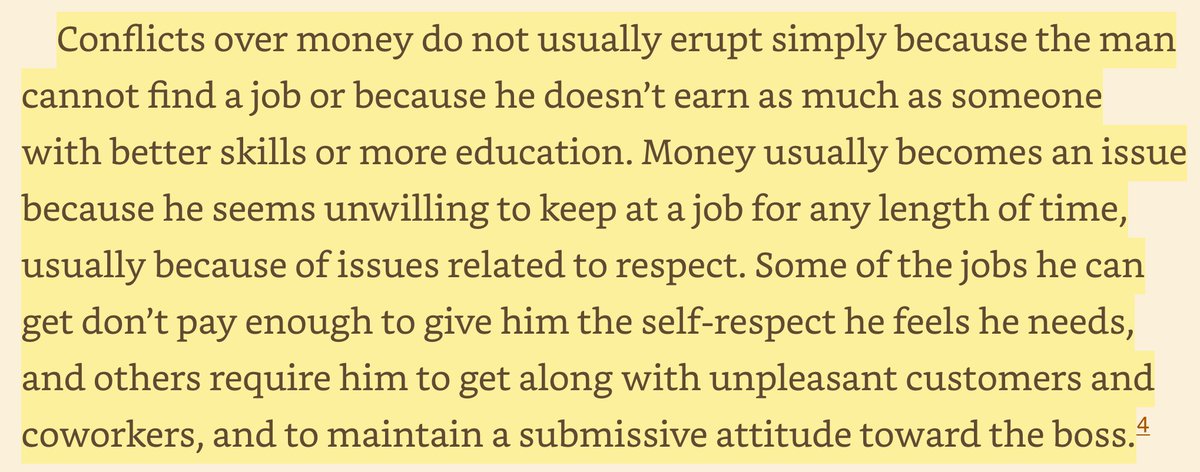
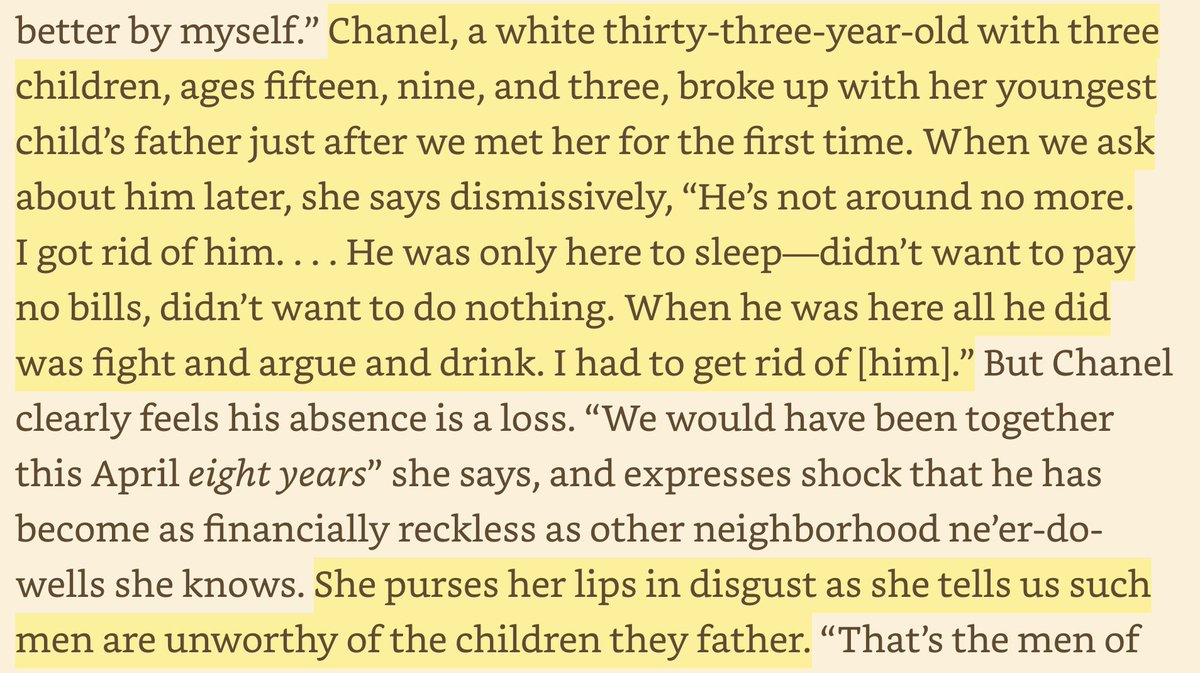
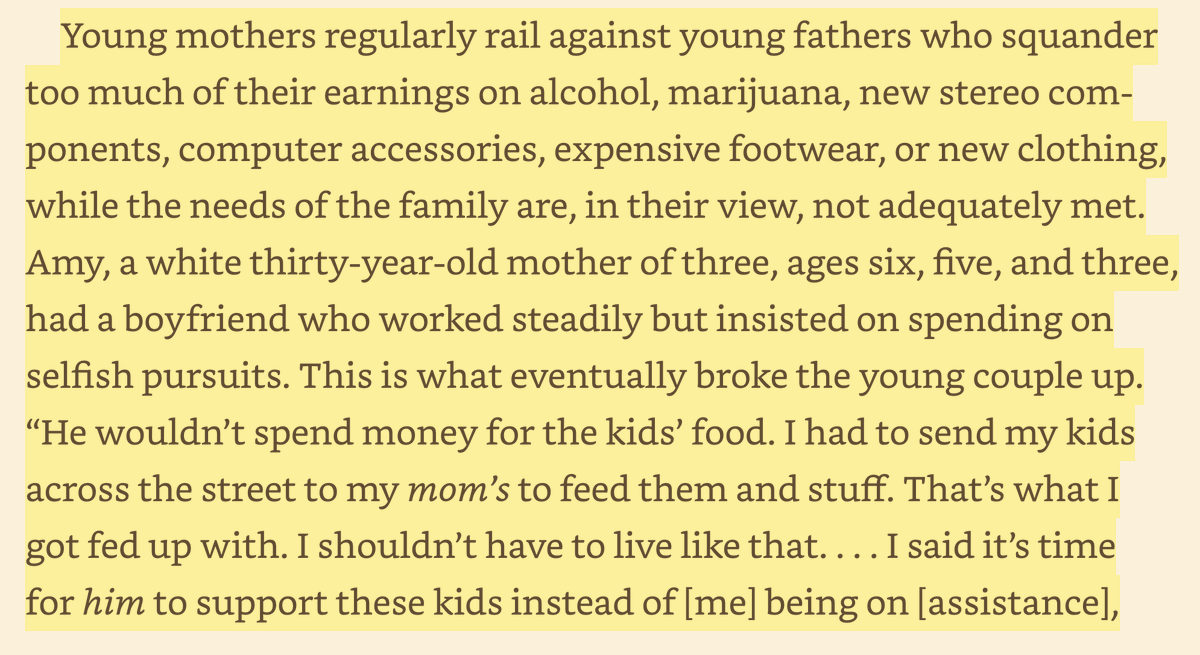
I grew up in foster homes, fled as soon as I could by enlisting in the military at age 17, and studied psychology at Yale and Cambridge with the GI Bill + scholarships.
Here are 31 things I learned from growing up in dysfunction and deprivation and climbing out of it
Thread
Here are 31 things I learned from growing up in dysfunction and deprivation and climbing out of it
Thread
1. You are what you do. Not what you say or what you believe.
People use words to strategically justify their actions and blind you to who they really are. Don't be fooled by cheap talk. Pay close attention to how people actually spend their time and effort.
People use words to strategically justify their actions and blind you to who they really are. Don't be fooled by cheap talk. Pay close attention to how people actually spend their time and effort.
2. Don't give unsolicited advice.
Advice-giving inherently implies unequal status. Unless people explicitly relinquish claims to equal status by asking for advice, offering it will cultivate resentment.
Advice-giving inherently implies unequal status. Unless people explicitly relinquish claims to equal status by asking for advice, offering it will cultivate resentment.
3. You don’t look like your favorite photos of yourself. When you say “That’s a bad photo of me” what you mean is “This is how I look to everyone else.”
4. Have friends outside of your profession.
5. Events, both good and bad, are more often enjoyable when they become memories.
6. Getting punched in the face once permanently reduces your fear of it happening again. It’s not fun. But it’s not as bad as you think.
7. Buy multiples of common use items. Nail clippers, scissors, screwdrivers, lighters, tape, etc. Spending a little extra to put one in each room is better than searching every room, drawer, and cupboard when the need arises.
8. Read at least ten pages of a book every morning. It doesn’t have to be the same book. Just start by building the habit.
9. Keep at least 50 bucks in your wallet.
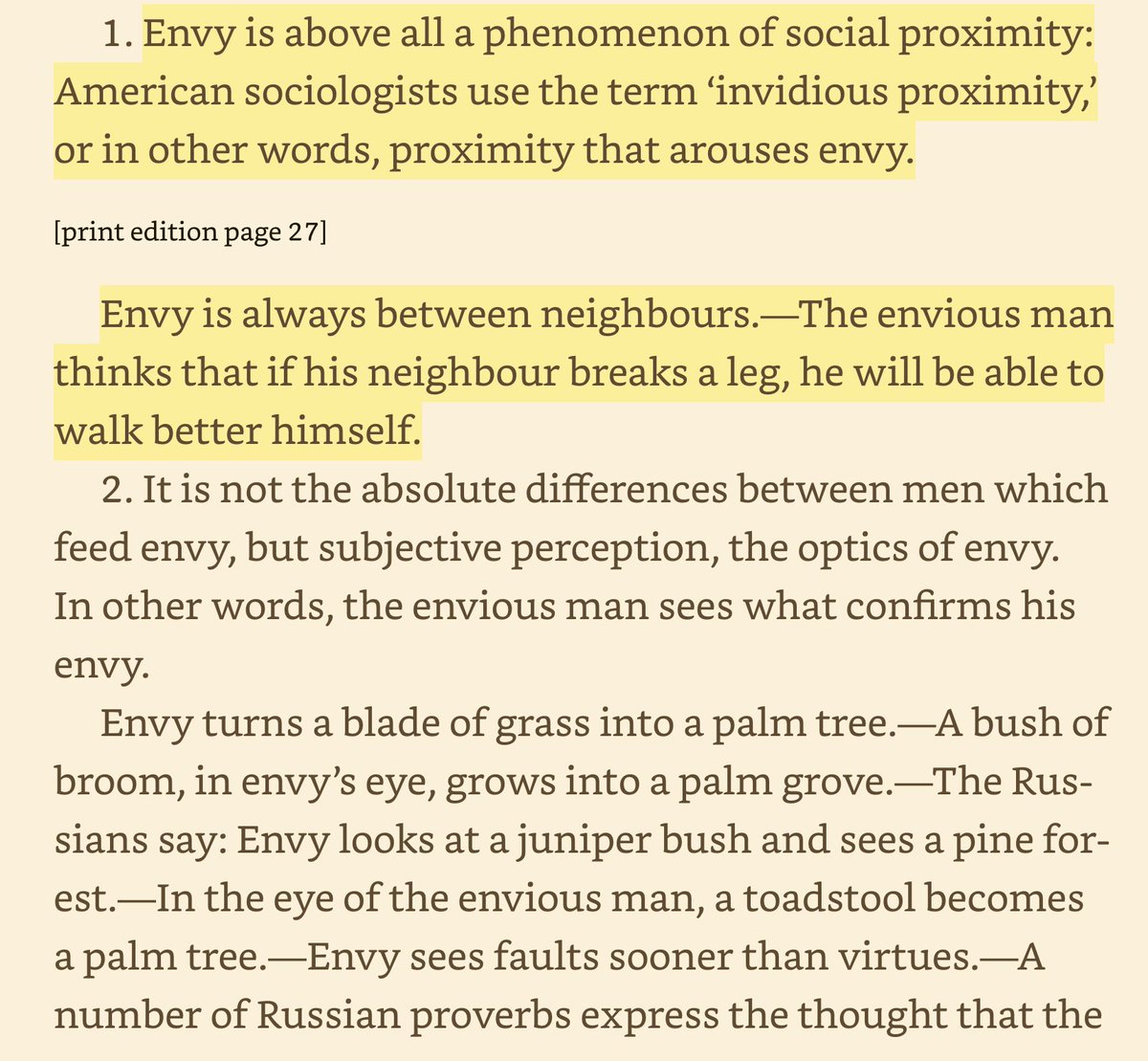
10. When seeking advice, ask people in a different life station than you—ahead or behind, older or younger
But people in the same position are often biased by envy, and this can color the advice they give.
But people in the same position are often biased by envy, and this can color the advice they give.
11. Good conversations are made up of questions. Avoid speaking for longer than three minutes without asking one.
12. Envy knows many disguises.
13. The qualities women favor for male friends: athleticism and success. The quality men favor in female friends: Physical attractiveness.
https://twitter.com/robkhenderson/status/1473802860840194048?s=20&t=ZclZ538lHMgrIlgRRA3VMA
14. Just as not all romantic relationships are meant to last, neither are all friendships.
15. Drink less.
16. Reading a badly-written book will remind you to appreciate well-written books.
17. Greed is better than envy. Greed means you want more for yourself. Envy means you want others to have less.
18. Sleep with your phone in another room. Or at least out of reach.
19. Be strict with yourself and forgiving of others.
20. Consciously exercise gratitude.
Shortcut to instantly improve your mood: Envision plausible scenarios in which your life right now could be far worse.
Shortcut to instantly improve your mood: Envision plausible scenarios in which your life right now could be far worse.
21. Don’t be the smartest person in the room.
22. People are busy, distracted, and tired. Always follow up.
24. Poor people pretend to be richer than they are, and rich people pretend to be poorer than they are.
25. Your choices shape your identity, not the other way around.
26. At funerals, people don’t talk about the accomplishments of the deceased. They talk about their character.
27. Originality is impossible. Just because it’s been said before doesn’t mean it’s not worth saying again.
28. Be kind, but always have a “fuck off” chambered and ready to go just in case.
29. If you can, tip more than you should.
30. Self-discipline beats motivation.
31. If you have a good idea or an interesting thought, always write it down
Your memory isn’t as good as you think.
Your memory isn’t as good as you think.
If you're interested in human nature, be sure to check out my newsletter
Sign up here: robkhenderson.substack.com
Sign up here: robkhenderson.substack.com
• • •
Missing some Tweet in this thread? You can try to
force a refresh