The currently best howitzer in Ukraine (on both sides) is the French CAESAR.
The reason is that the CAESAR arrived with its fire control system (FCS) intact and working.
It's FCS enables the CAESAR to stop, emplace via GPS, fire, and depart in under 3 minutes.
1/n
The reason is that the CAESAR arrived with its fire control system (FCS) intact and working.
It's FCS enables the CAESAR to stop, emplace via GPS, fire, and depart in under 3 minutes.
1/n

Modern FCS tie into an army's artillery command and control (C2) system to receive target information.
Some of NATO's artillery C2 systems are:
🇺🇸 AFATDS
🇩🇪 ADLER II
🇵🇱 TOPAZ
🇫🇷 ATLAS
🇮🇹 SIF (photo)
russia would love to gain access & hack these systems.
2/n
Some of NATO's artillery C2 systems are:
🇺🇸 AFATDS
🇩🇪 ADLER II
🇵🇱 TOPAZ
🇫🇷 ATLAS
🇮🇹 SIF (photo)
russia would love to gain access & hack these systems.
2/n

Therefore FCS systems are classified as secret.
Some of the older howitzers delivered to Ukraine didn't have an integrated FCS and therefore were delivered to Ukraine quickly: i.e. Norwegian M109A3GN and Italian FH70.
Ukraine now uses its own GIS Arta C2 system to calculate
3/n
Some of the older howitzers delivered to Ukraine didn't have an integrated FCS and therefore were delivered to Ukraine quickly: i.e. Norwegian M109A3GN and Italian FH70.
Ukraine now uses its own GIS Arta C2 system to calculate
3/n

the fire missions for these systems.
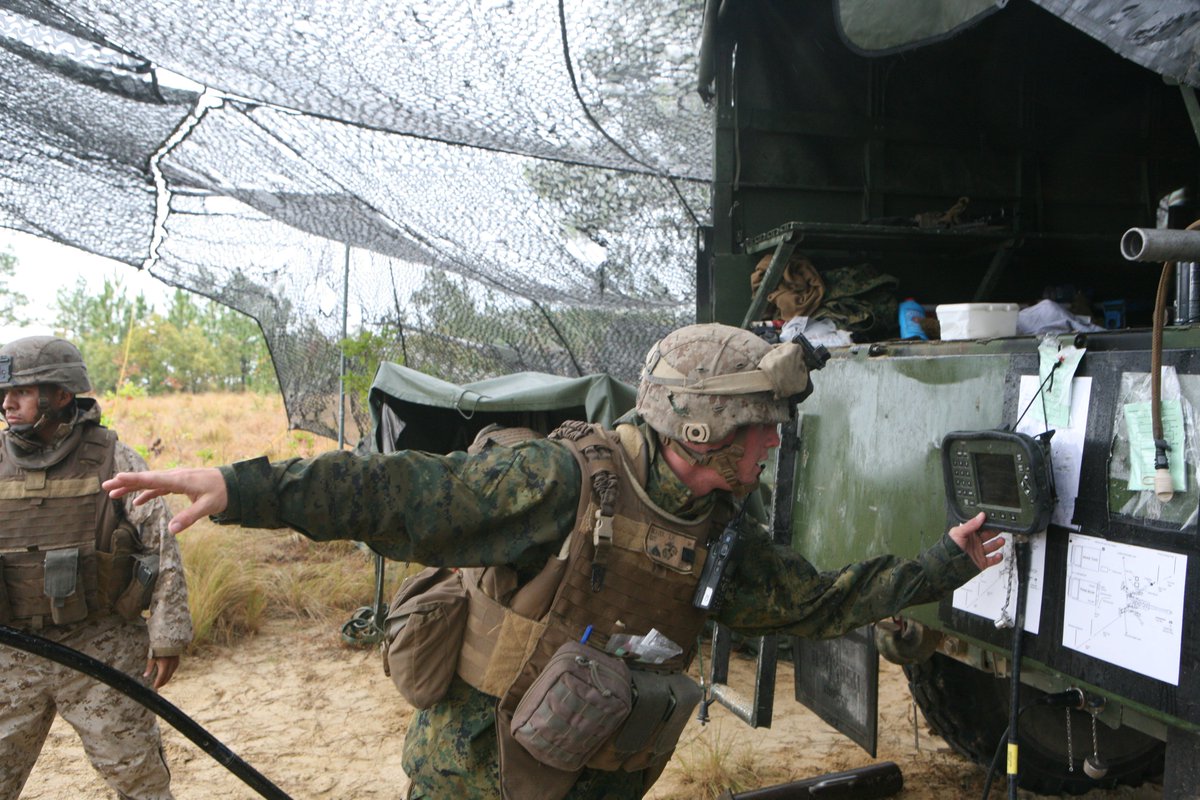
The US, Australia & Canada use the M777A2, which unlike the M777, has a FCS that allows for quickly emplacing the gun, receiving target information, & correcting fire.
Photo: a Marine gun chief looks at the targeting data for his M777A2.
3/n
The US, Australia & Canada use the M777A2, which unlike the M777, has a FCS that allows for quickly emplacing the gun, receiving target information, & correcting fire.
Photo: a Marine gun chief looks at the targeting data for his M777A2.
3/n
All of the A2 components were removed from the M777 donated to Ukraine to ensure russia would not capture one.
This is also the reason the German Army reprogrammed the PzH 2000 software from connecting to ADLER II to connecting to GIS Arta.
4/n
This is also the reason the German Army reprogrammed the PzH 2000 software from connecting to ADLER II to connecting to GIS Arta.
4/n
https://twitter.com/noclador/status/1533434770377658371
However the CAESAR arrived with its FCS suite intact. In a short video released by the Ukrainian Military we can see that the Ukrainian CAESAR use the newest touch screen FCS version.
This confirms that these CAESAR were originally destined for Morocco, which ordered 36x of
5/n
This confirms that these CAESAR were originally destined for Morocco, which ordered 36x of
5/n
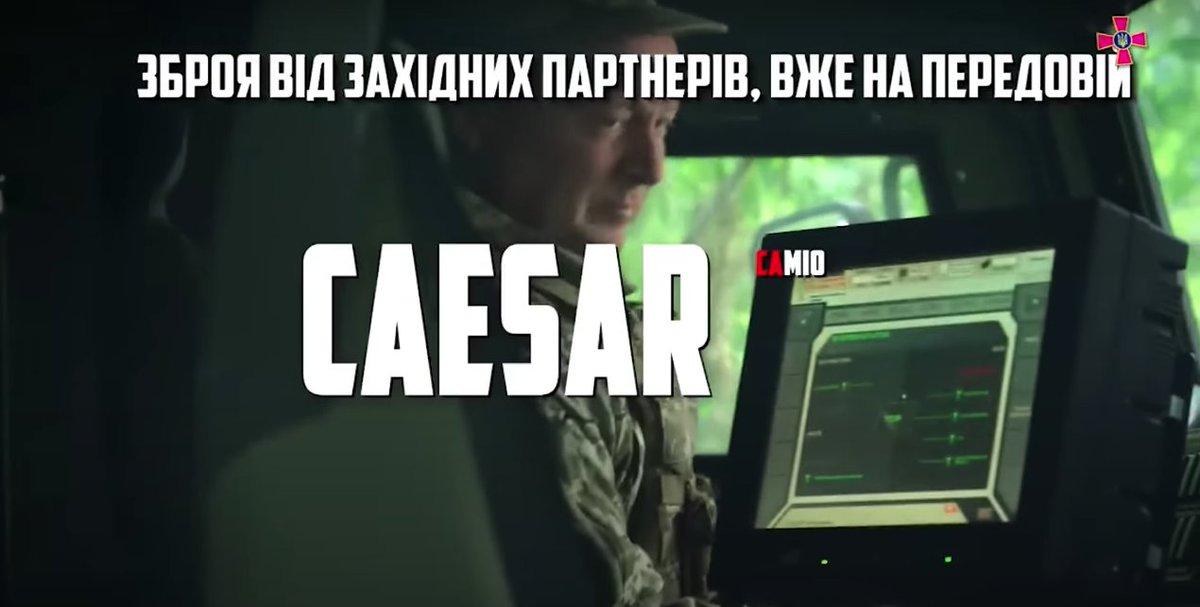
the newest version, but without the integration of ATLAS.
And as Nexter had to translate the FCS into English for the US Army's currently ongoing wheeled howitzer competition I assume that Ukrainians use the English software version.
6/n
And as Nexter had to translate the FCS into English for the US Army's currently ongoing wheeled howitzer competition I assume that Ukrainians use the English software version.
6/n
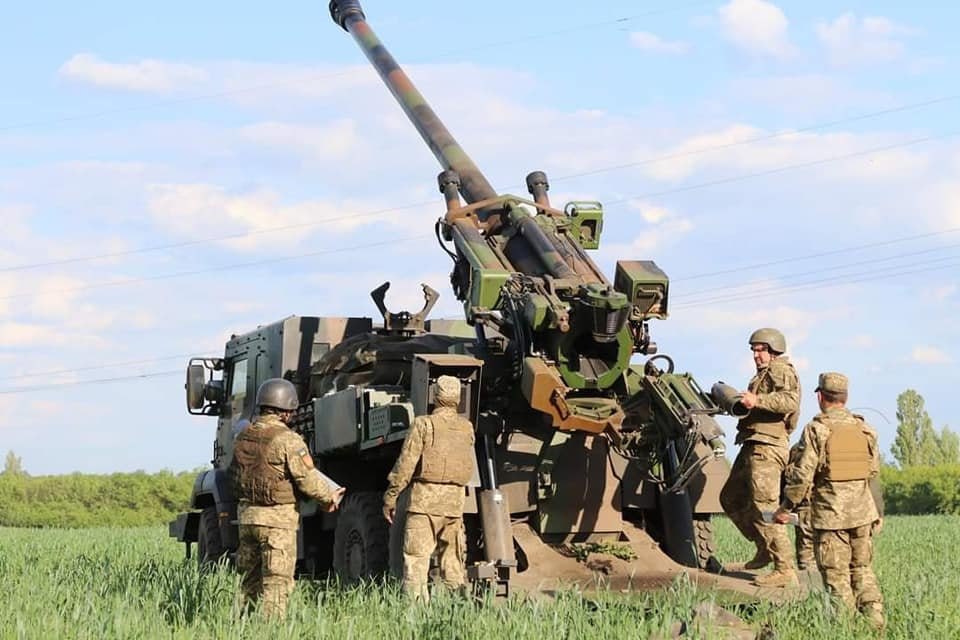
The inclusion of the complete FCS, the semi-automatic loading, the automatic ramming, the GPS-aided emplacing, the longest barrel (52 calibers) and the largest charge chamber make the CAESAR the fastest, most accurate, and furthest firing howitzer on both sides...
7/n
7/n

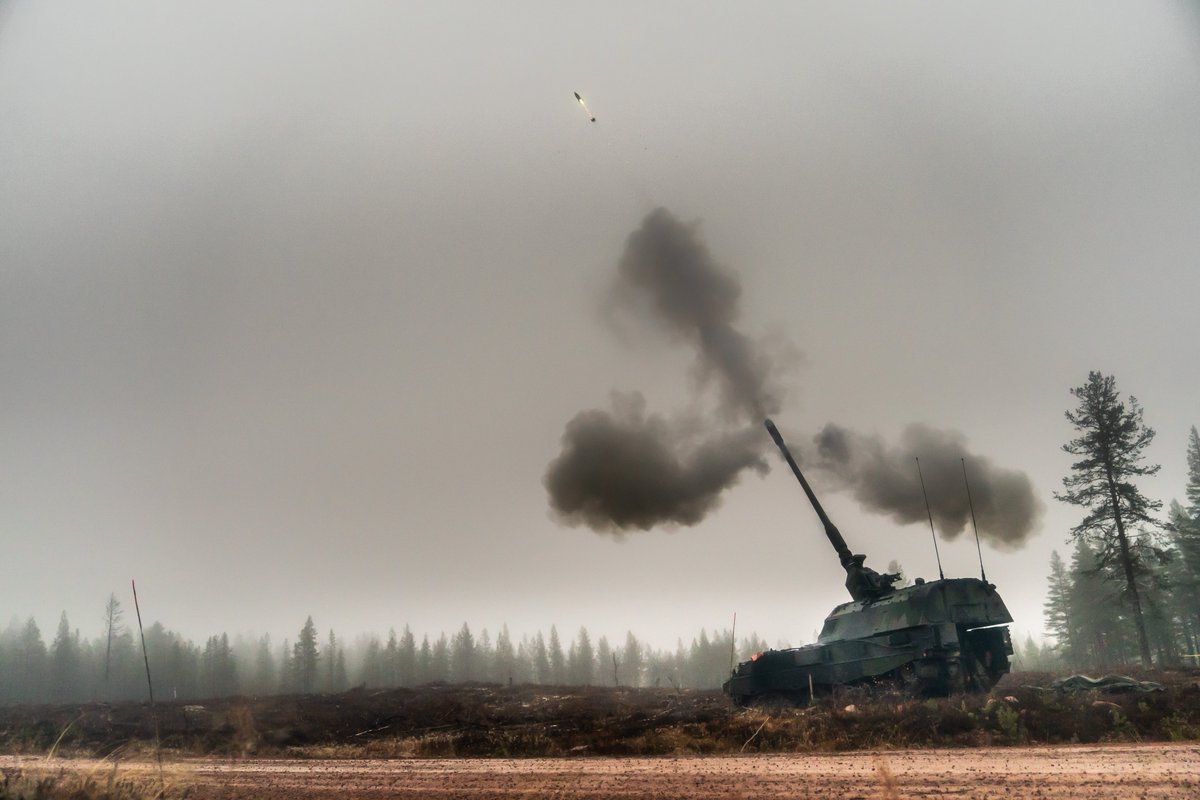
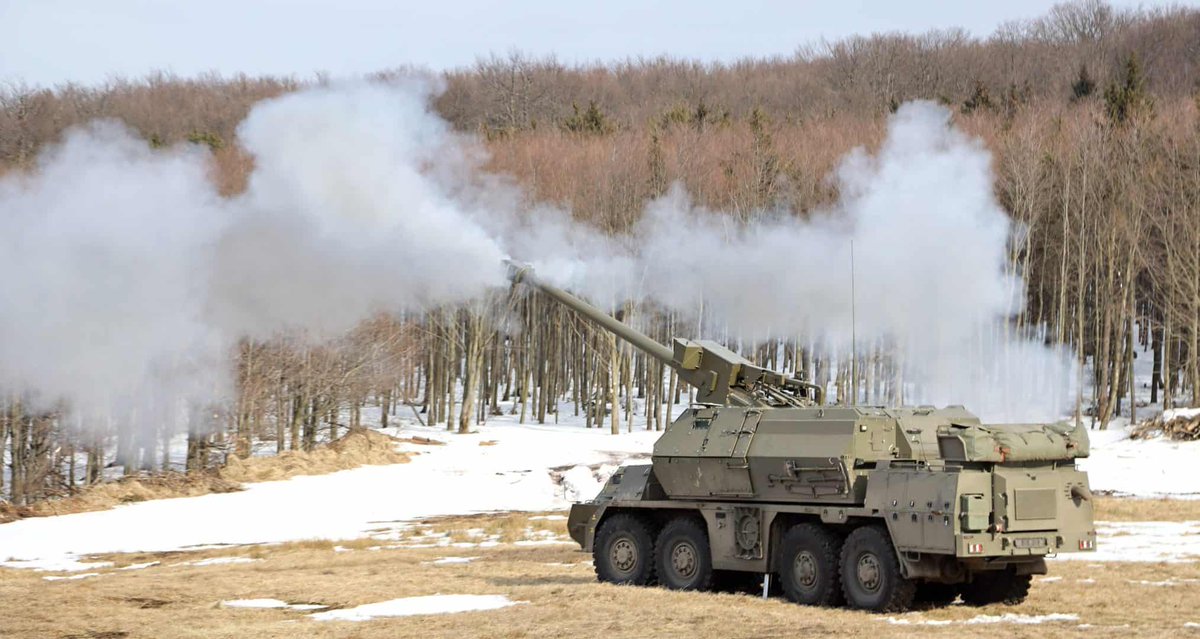
until the even better German PzH 2000 arrives, which will then have to compete with the Slovak Zuzana 2 for the crown of best artillery system in Ukraine.
8/n
8/n
• • •
Missing some Tweet in this thread? You can try to
force a refresh