NATO members can't sent their newest vehicles to Ukraine, because NATO members don't have vehicles anymore... what they have are computers on wheels.
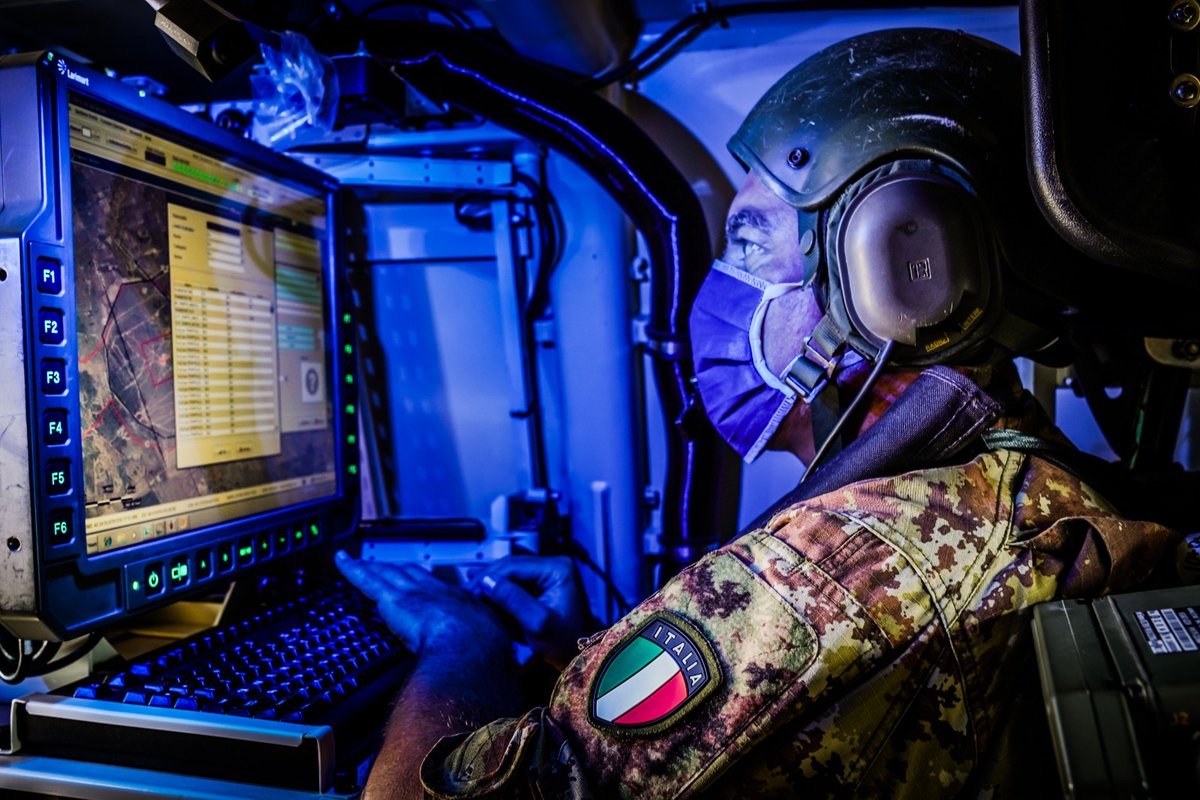
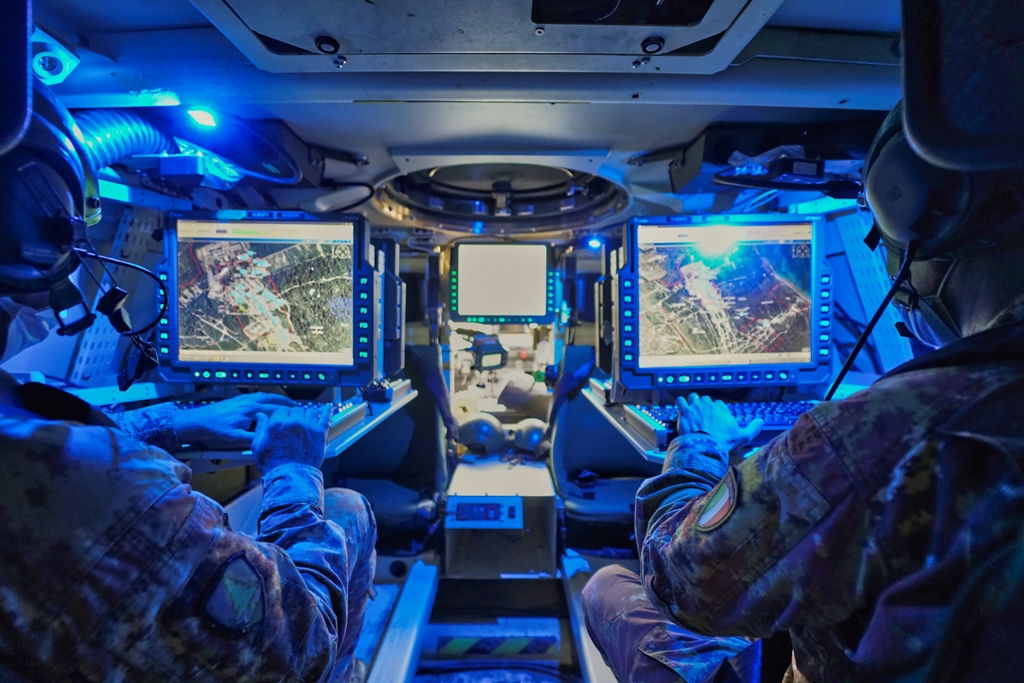
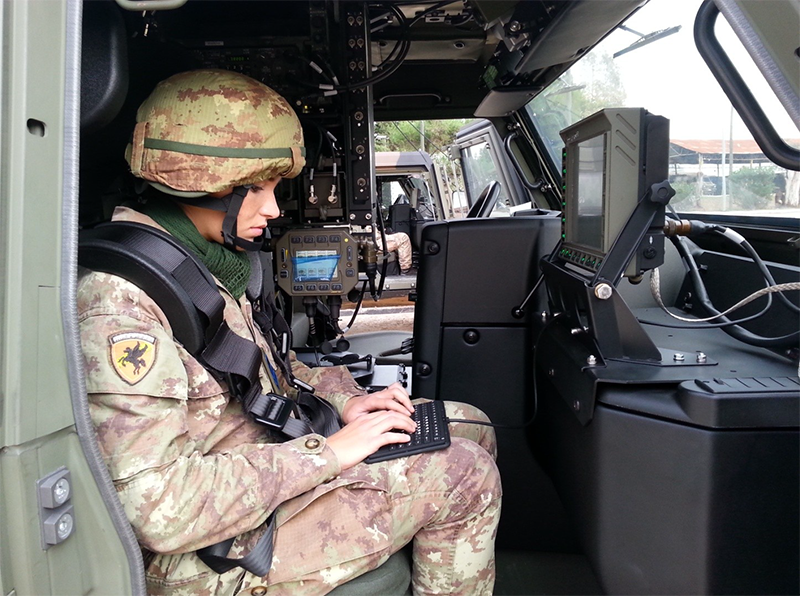
This is the interior of an Italian Army jeep. One soldier drives, the other operates the computer.
1/n
This is the interior of an Italian Army jeep. One soldier drives, the other operates the computer.
1/n

In between them is the secure, jamming-resistant, encrypted radio system. If russia would capture one of these, not only would the russians be able to hack the Italian Army's encrypted signal network... even worse
2/n
2/n

the russians would get access to various command and control (C2) systems. Like i.e. BFSA, which depicts every Italian vehicle and squad on all Italian units' maps in blue and every enemy position in red (photo).
If an enemy has access to that, it becomes really easy to
3/n
If an enemy has access to that, it becomes really easy to
3/n

target Italian units with artillery.
These computers are in every new NATO vehicle. This gives NATO a massive advantage in combat, as NATO forces are able to combine intelligence, surveillance, and reconnaissance data in real time, which allows NATO units
4/n
These computers are in every new NATO vehicle. This gives NATO a massive advantage in combat, as NATO forces are able to combine intelligence, surveillance, and reconnaissance data in real time, which allows NATO units
4/n
to quickly and accurately hit enemy units with all the available fire power.
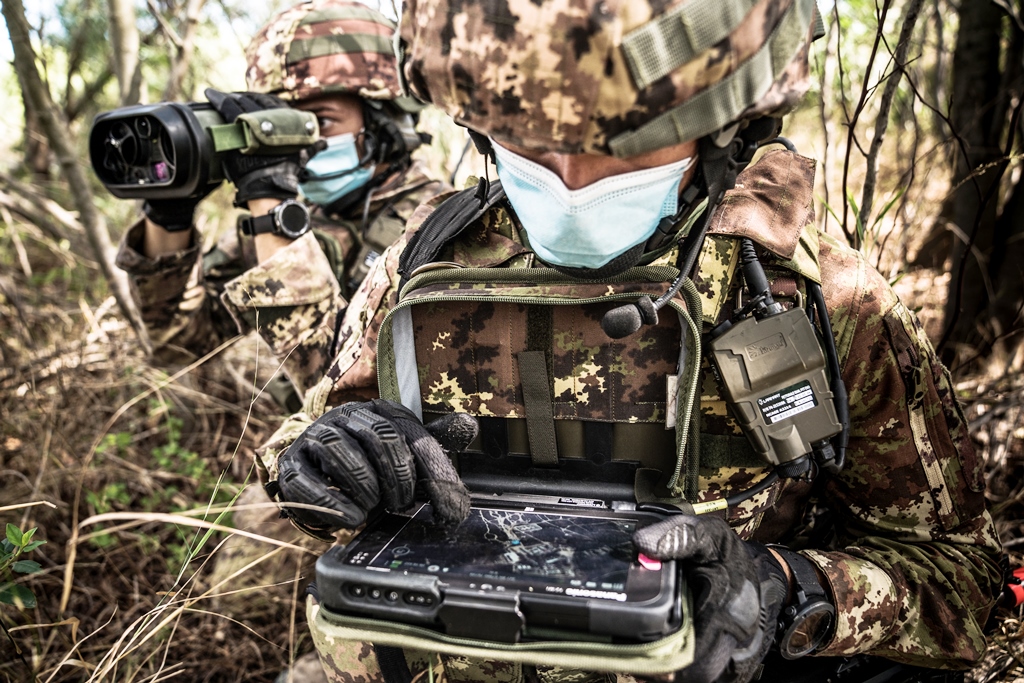
Example: a recon squad discovers an enemy unit, and enters this data into the C2 system. Every adjacent allied unit and all higher ups see that information the moment it is entered into the system.
5/n
Example: a recon squad discovers an enemy unit, and enters this data into the C2 system. Every adjacent allied unit and all higher ups see that information the moment it is entered into the system.
5/n
The commanding officers orders a drone to investigate and that order is also relayed via the C2 system.
The drone squad already knows where to fly, as they have the data entered earlier by the recon squad on their displays. The drone investigates and the drone squad enter
6/n
The drone squad already knows where to fly, as they have the data entered earlier by the recon squad on their displays. The drone investigates and the drone squad enter
6/n
their findings into the C2 system. The commander assesses that info and then orders and artillery strike.
An artillery section receives the order via the C2 system and sends the coordinates from the C2 system to their Fire Control System (FCS). The artillery accurately hits
7/n
An artillery section receives the order via the C2 system and sends the coordinates from the C2 system to their Fire Control System (FCS). The artillery accurately hits
7/n
the enemy unit thanks to the detailed GPS coordinates taken from the C2 system.
Drone and recon squads report about the effect of the artillery strike via the C2 system.
If the commander then orders an airstrike - also the JTAC teams are logged into the C2 system.
8/n
Drone and recon squads report about the effect of the artillery strike via the C2 system.
If the commander then orders an airstrike - also the JTAC teams are logged into the C2 system.
8/n
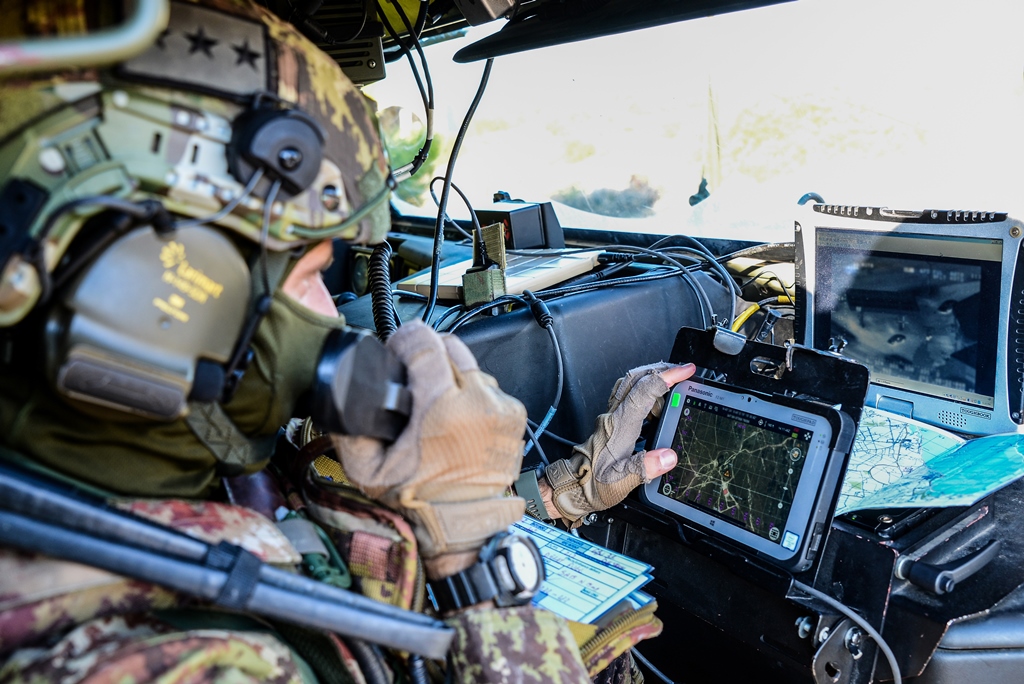
Want to send in an infantry squad to mop up the enemy - the squad leader is also logged into the C2 system, gets his orders from it, and plans his attack by using the C2 systems satellite map and the overlaid friendly/enemy icons on it.
9/n
9/n
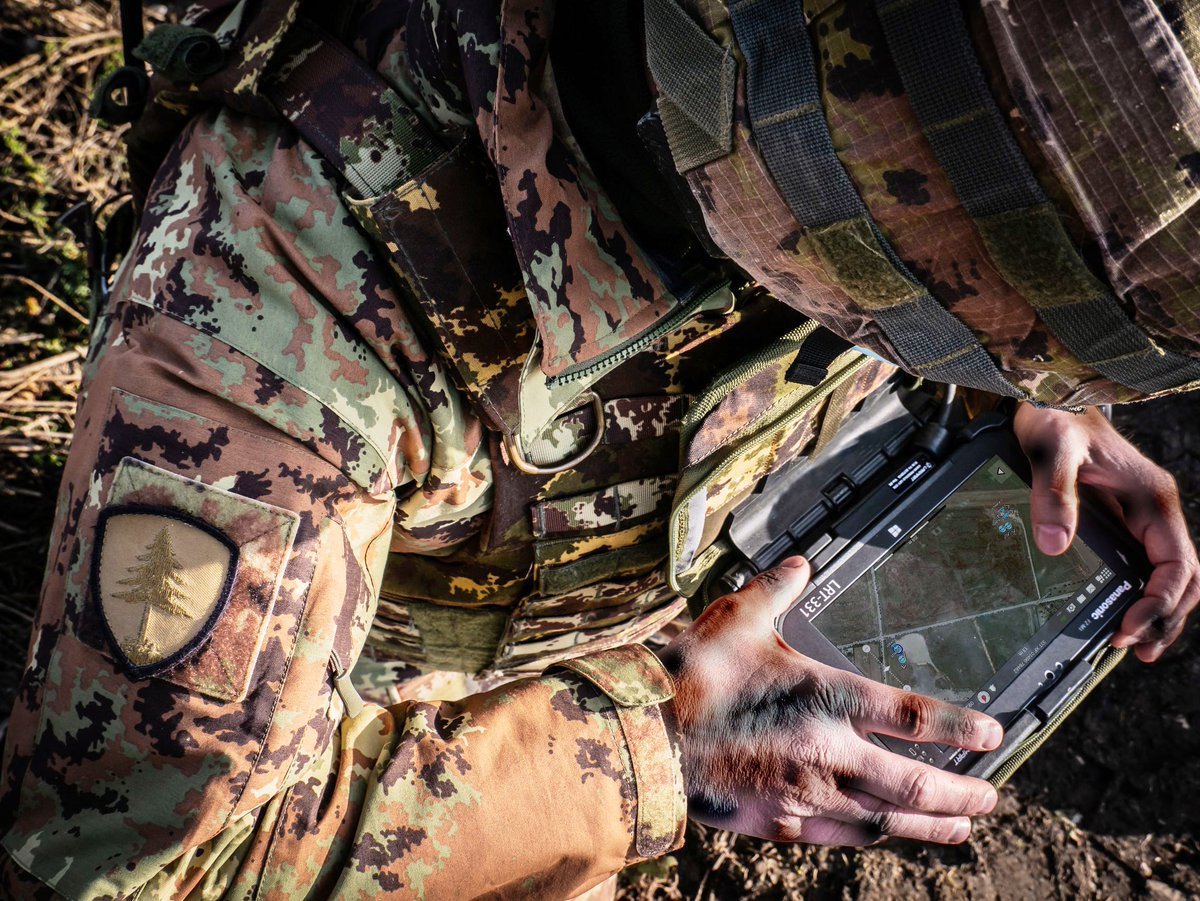
Need a tank or an infantry fighting vehicle to support the infantry squad - they are also logged into the C2 system.
NATO members are spending billions on these C2 systems. For a modern army it is paramount for its ability to fight that nothing compromises its C2 systems.
10/n
NATO members are spending billions on these C2 systems. For a modern army it is paramount for its ability to fight that nothing compromises its C2 systems.
10/n
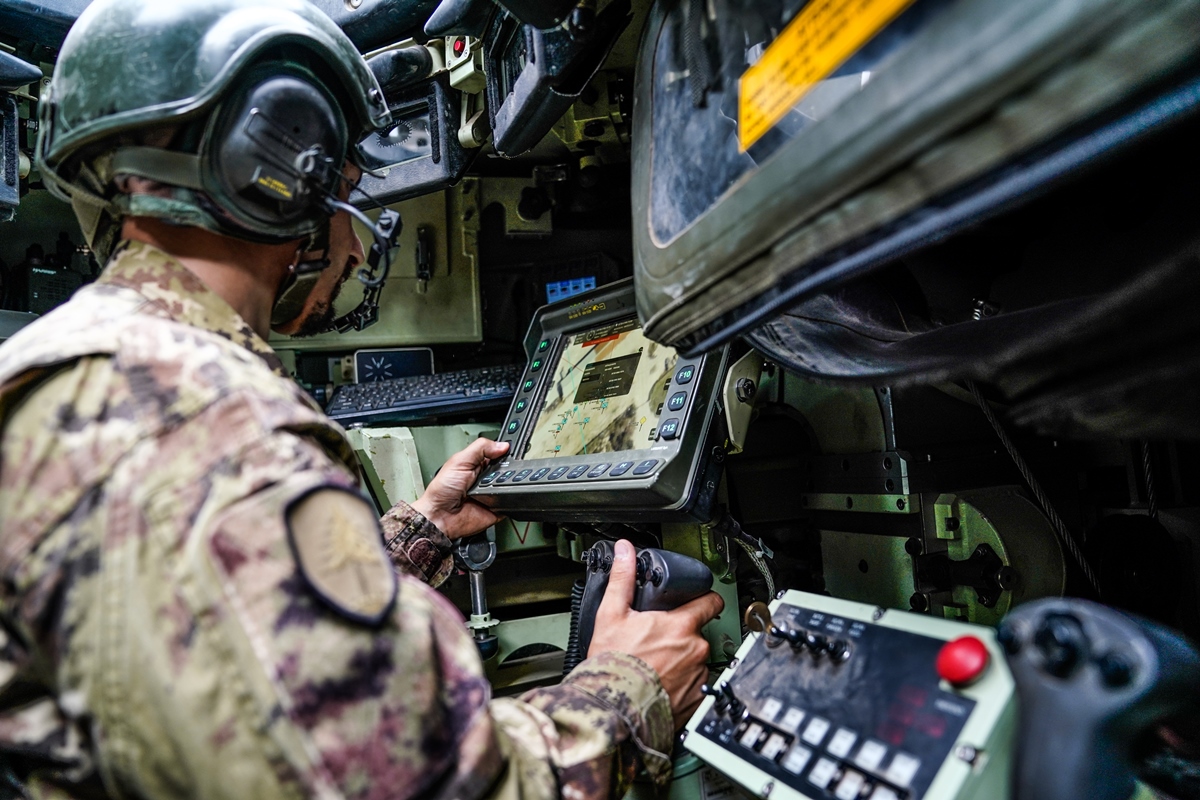
This is the reason why the US Army and Marine Corps are removing components from the M777 that are being sent to Ukraine. This is the reason why Italy doesn't send the newest version of the Lince (photo) to Ukraine. This is the reason the German Army reprogrammed part of
11/n
11/n
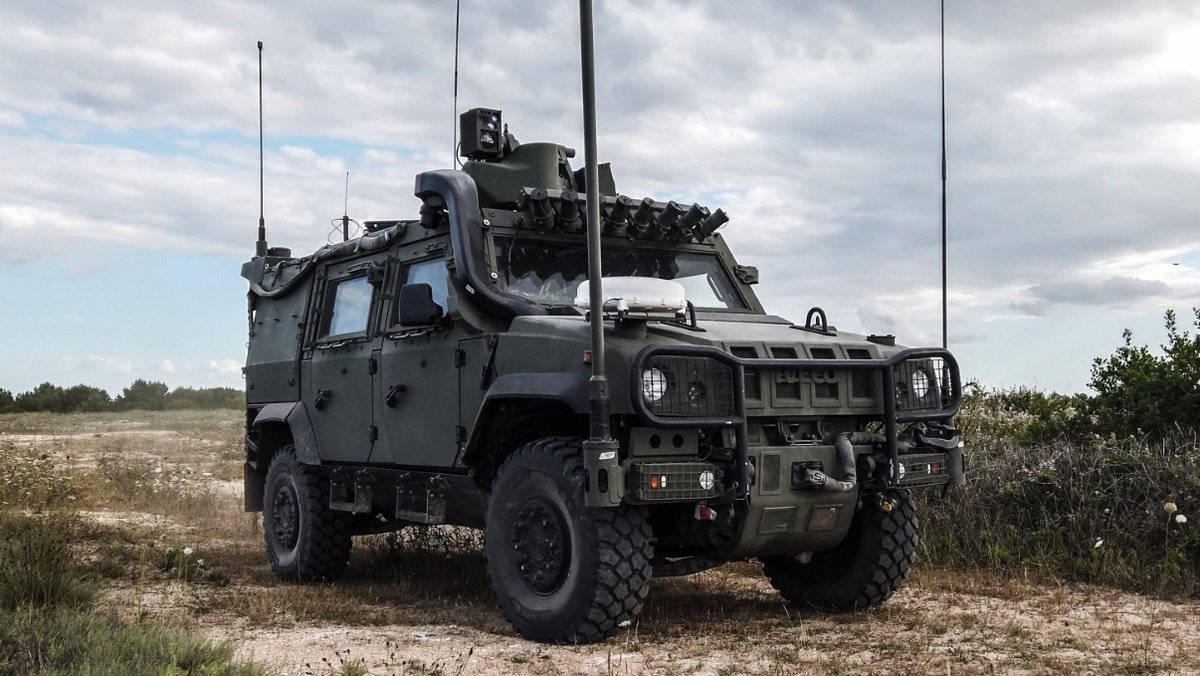
the PzH 2000 software. This is why the US removed the friend or foe identification system from the Stinger launchers it sent to Ukraine.
The reason Ukraine gets older and/or scaled down equipment is that no NATO military can risk russia capturing a working C2 system.
12/end
The reason Ukraine gets older and/or scaled down equipment is that no NATO military can risk russia capturing a working C2 system.
12/end
As people are wondering what happens if a NATO army loses a vehicle in war: there are procedures and technical solutions to render a captured vehicle useless for the enemy. Every detail about that is classified as SECRET. End.
• • •
Missing some Tweet in this thread? You can try to
force a refresh