🧵1/ Four New York Times Articles from 1928 -- and the Haunting Story of The Sugar Institute.
-While researching Ravenous (just released in paperback: amzn.to/39wIwsE), I came across a New York Times article from April 8, 1928 that led me to some disturbing findings…
-While researching Ravenous (just released in paperback: amzn.to/39wIwsE), I came across a New York Times article from April 8, 1928 that led me to some disturbing findings…


🧵2/ The 1928 Times headline is "Too Much Sugar for the World to Eat." Americans in 1928 consumed far less sugar than we do today, but, the article explains, there had already been an extraordinary increase: "For every pound [of sugar] consumed a century ago, today there is 20."

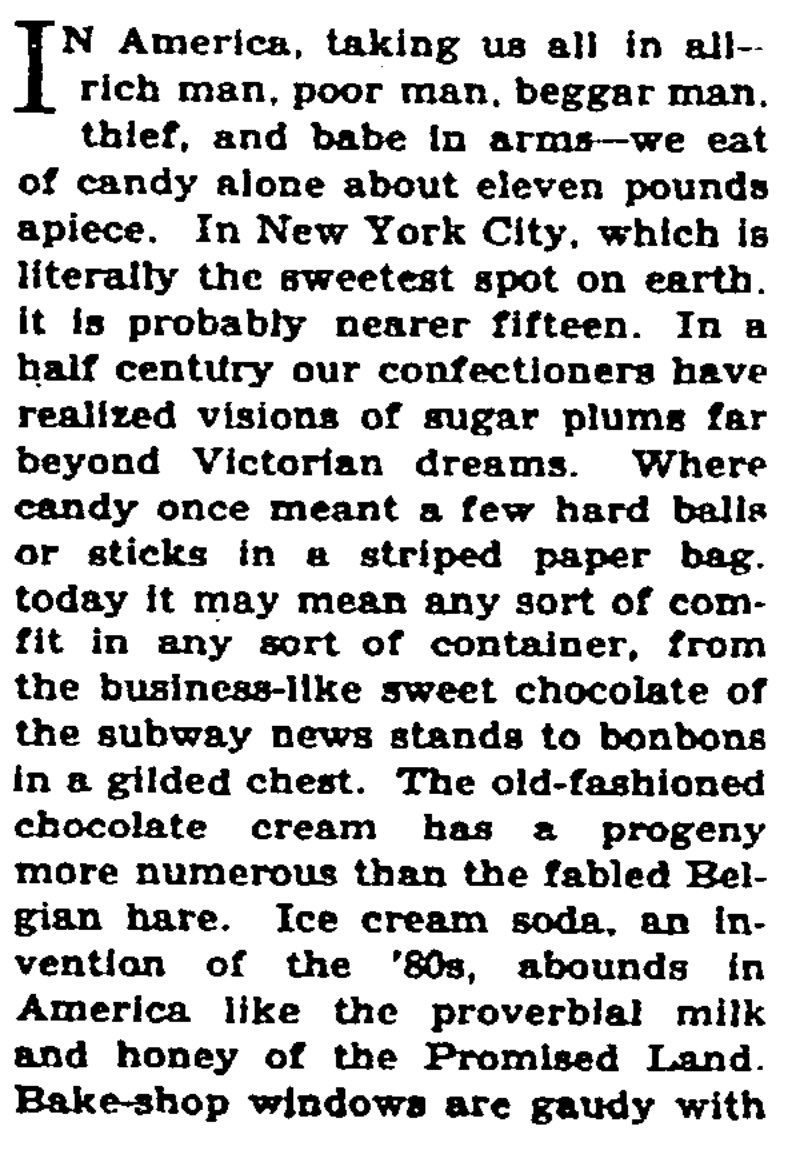
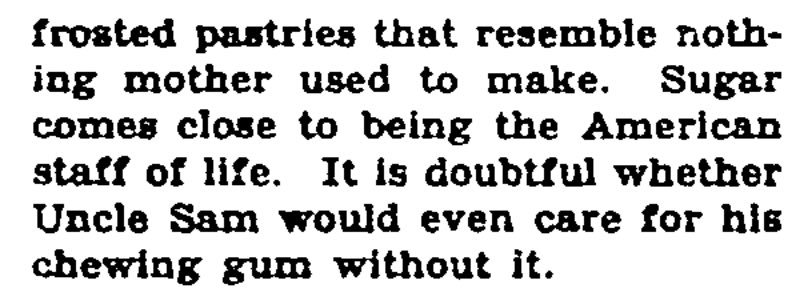
🧵3/ "Bake-shop windows are gaudy with frosted pastries that resemble nothing mother used to make. Sugar comes close to being the American staff of life."
(The attached paragraph from the 1928 New York Times article is really worth reading.)
(The attached paragraph from the 1928 New York Times article is really worth reading.)
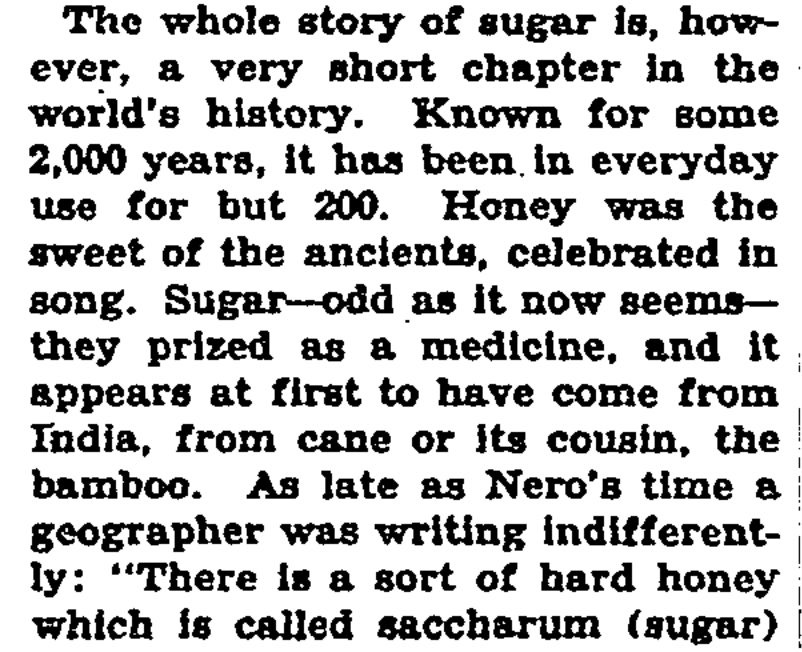
🧵4/ The 1928 article also notes that sugar had only been in everyday use for 200 years: "Honey was the sweet of the ancients, celebrated in song. Sugar—odd as it now seems—they prized as medicine..."
🧵5/ But, in 1928, there was a problem: The article explains that the global supply of sugar was growing even faster than the demand. The sugar industry anticipated we’d all soon be "drowned in sweetness, in a vast and swelling Niagara of sugar." Something had to be done. …
🧵6/ The 1928 article continues, "Either it [the sugar supply] must be dammed at the source or we must somehow eat our way out." Cuba planned to limit output. The American sugar industry settled on the "eat our way out" strategy.
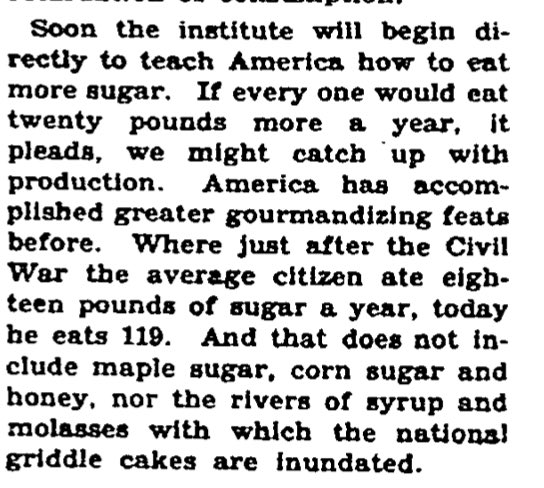
🧵7/ The article reveals that the sugar industry had recently launched "The Sugar Institute," a trade group that would "teach America how to eat more sugar." "If everyone would eat 20 pounds more a year, [The Sugar Institute] pleads, we might catch up with production."
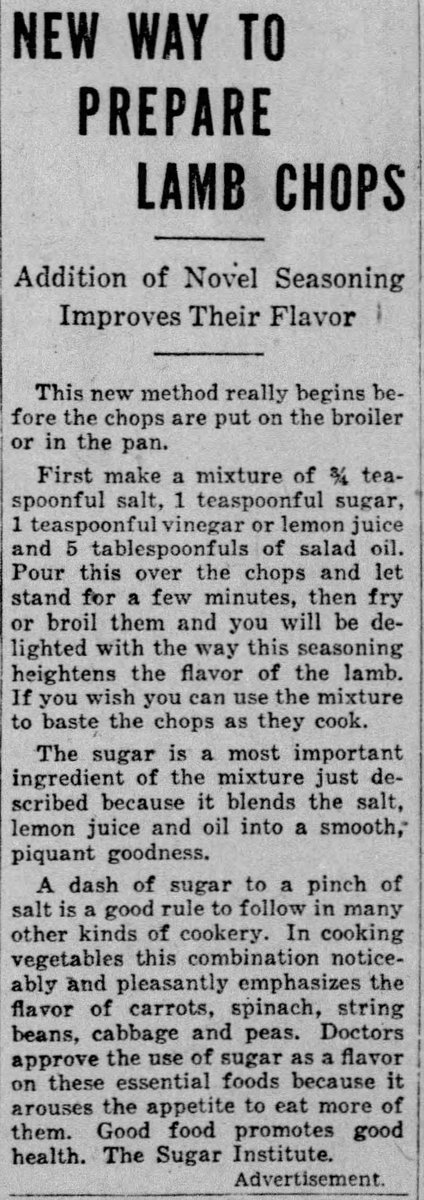
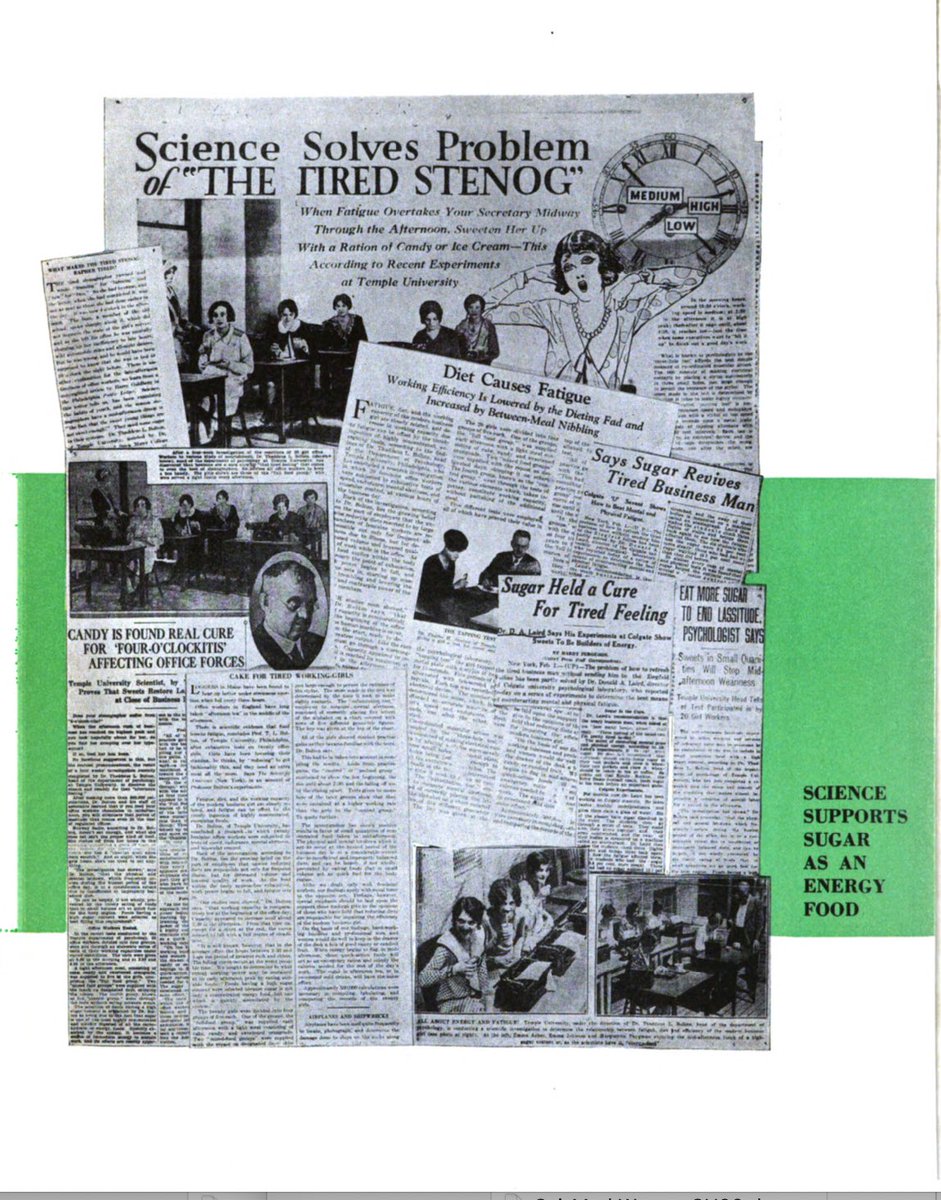
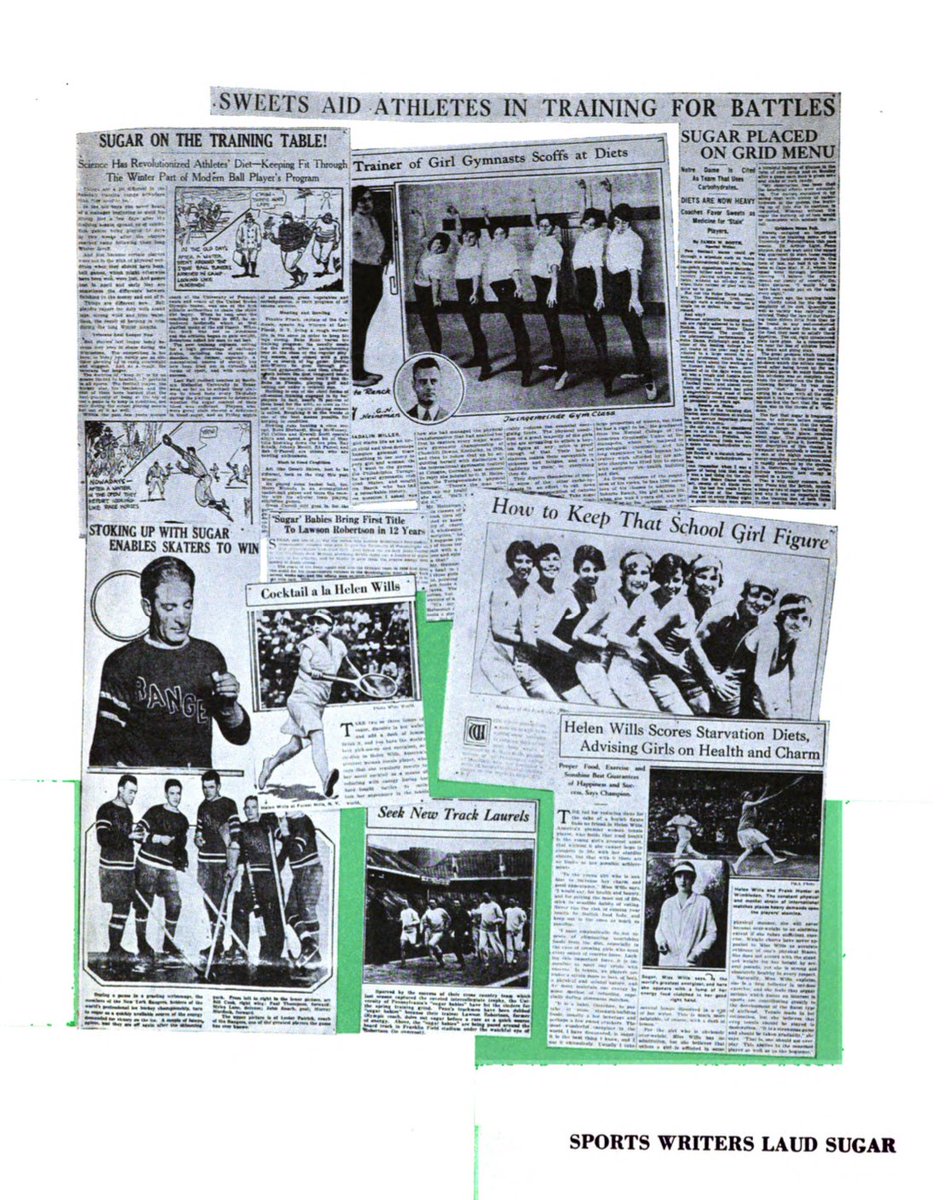
🧵8/ The Sugar Institute wasted no time. It began to flood American newspapers with advertorials about the benefits of adding sugar to almost everything. The articles appeared next to actual news articles. They were only identified as advertisements in small text at the bottom.


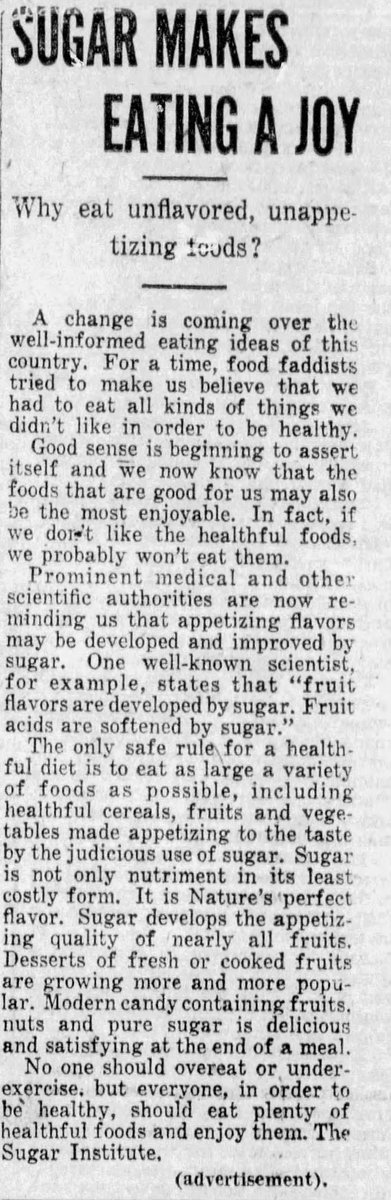
🧵9/ The Sugar Institute even maintained that sugar prevented colds and midday fatigue.

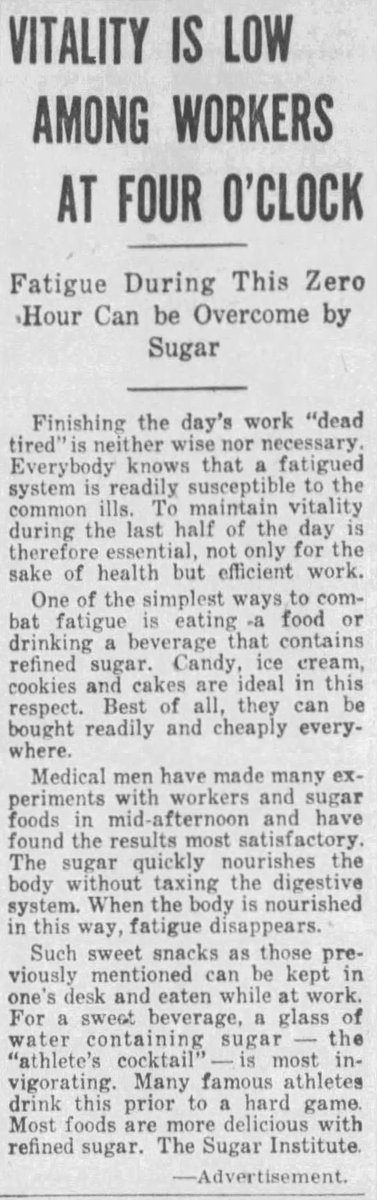
🧵10/ I do appreciate the dialogue in this one… 😀

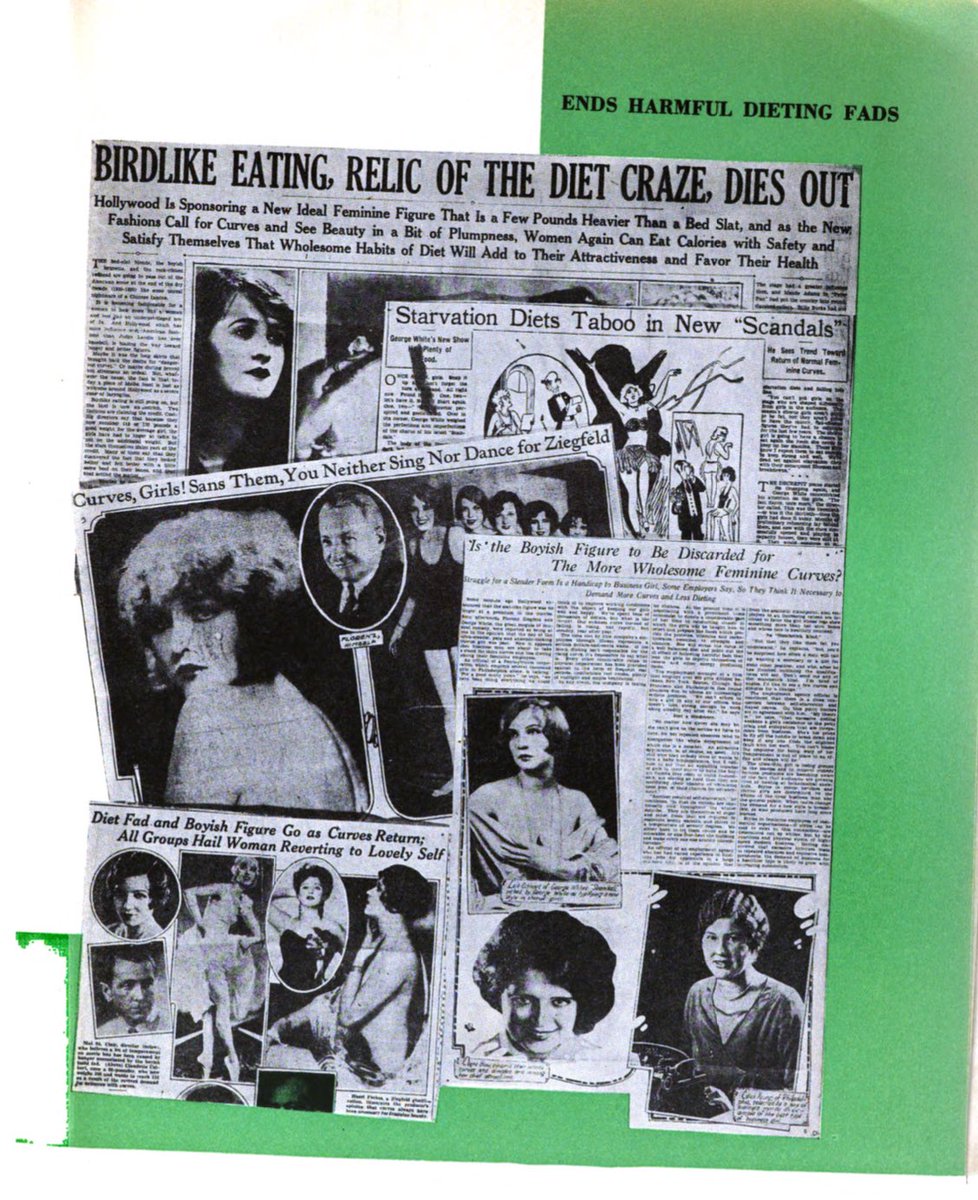
🧵11/ The Sugar Institute recognized that Americans knew sugar was fattening. So, the campaign also had to make the case that being skinny was unhealthy.
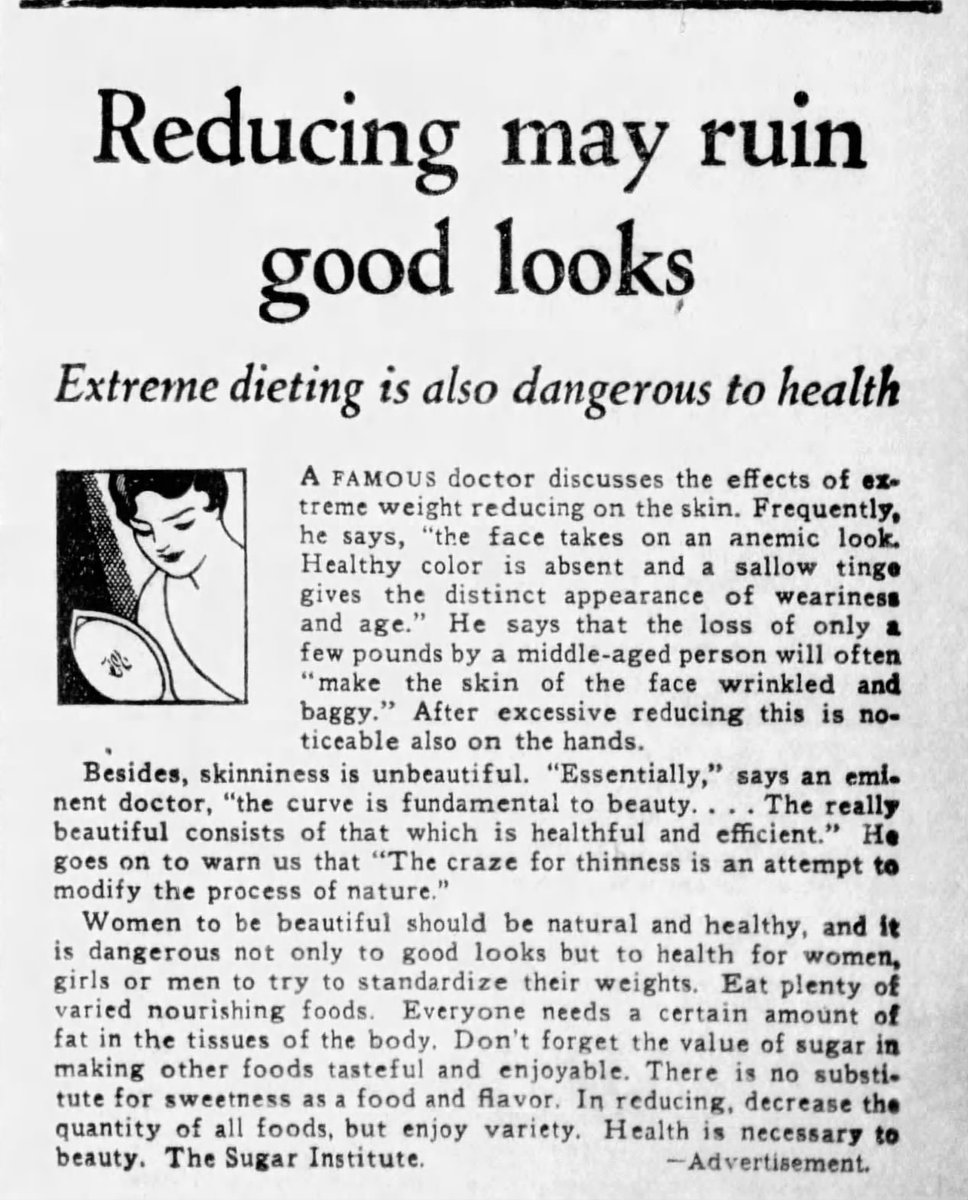
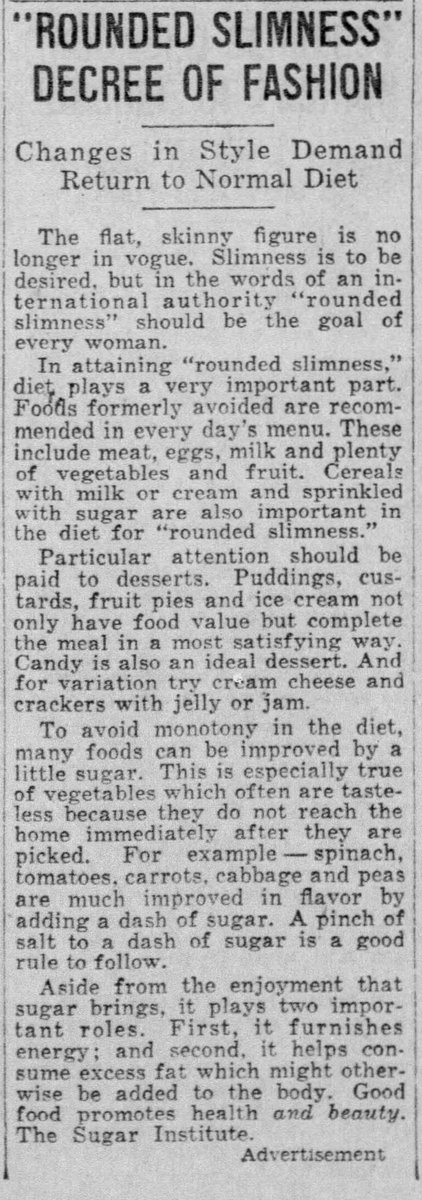
🧵12/ In 1930, the Sugar Institute released a booklet celebrating its successful campaign: "Quiet, persuasive advertisements, stating the truth from start to finish about sweets, were placed in hundreds of publications.”
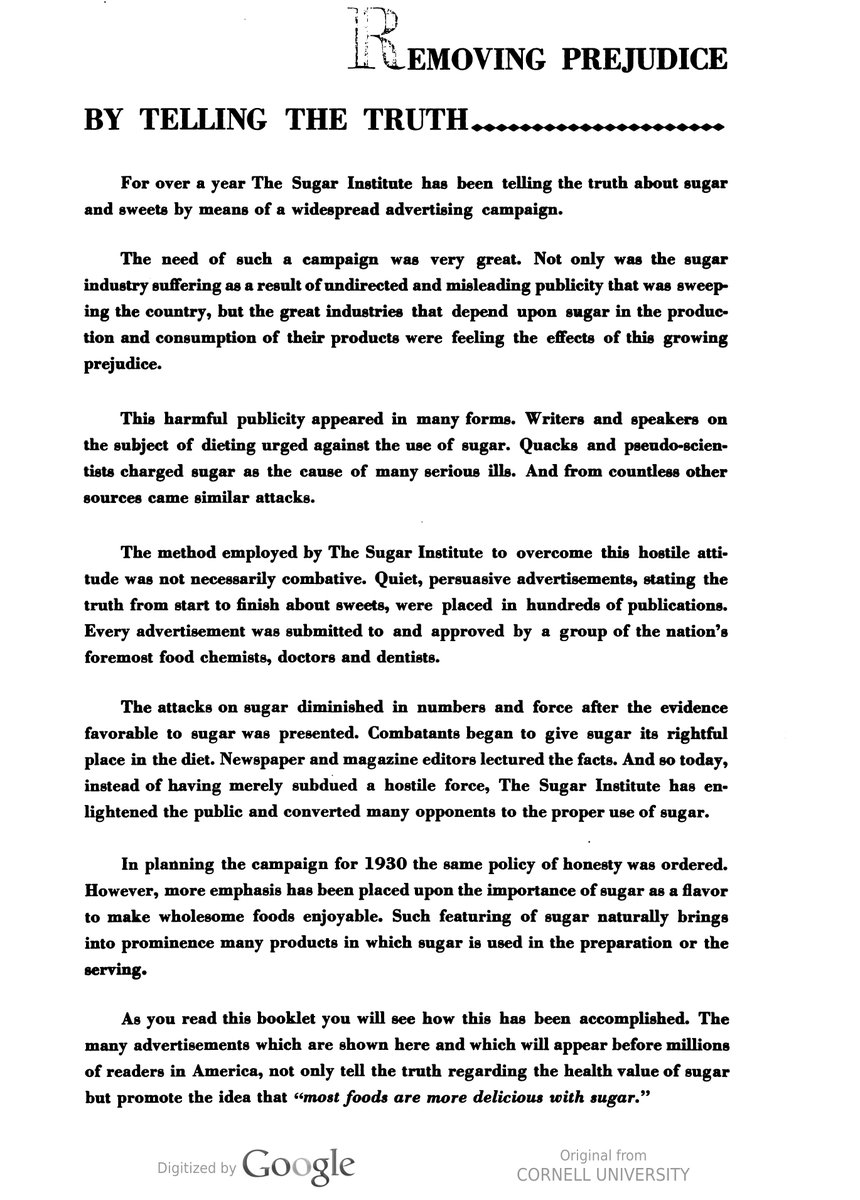
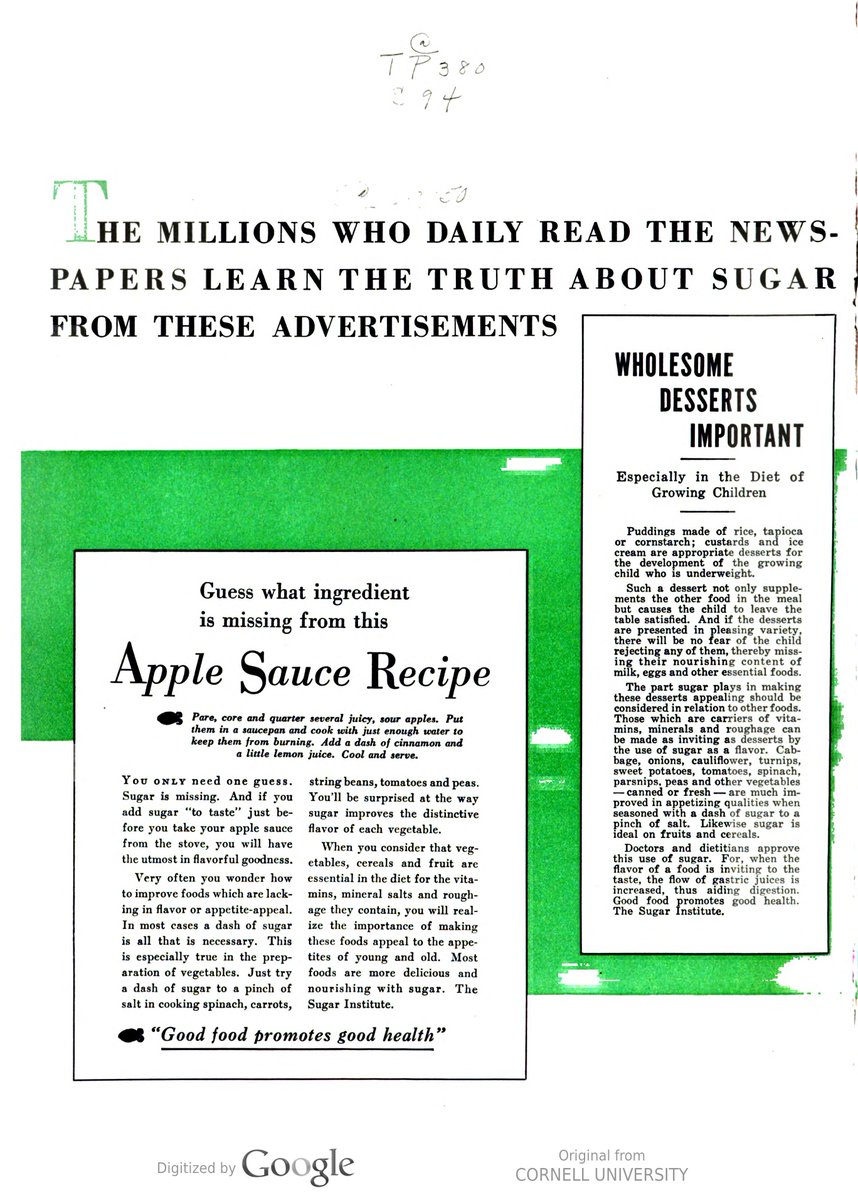
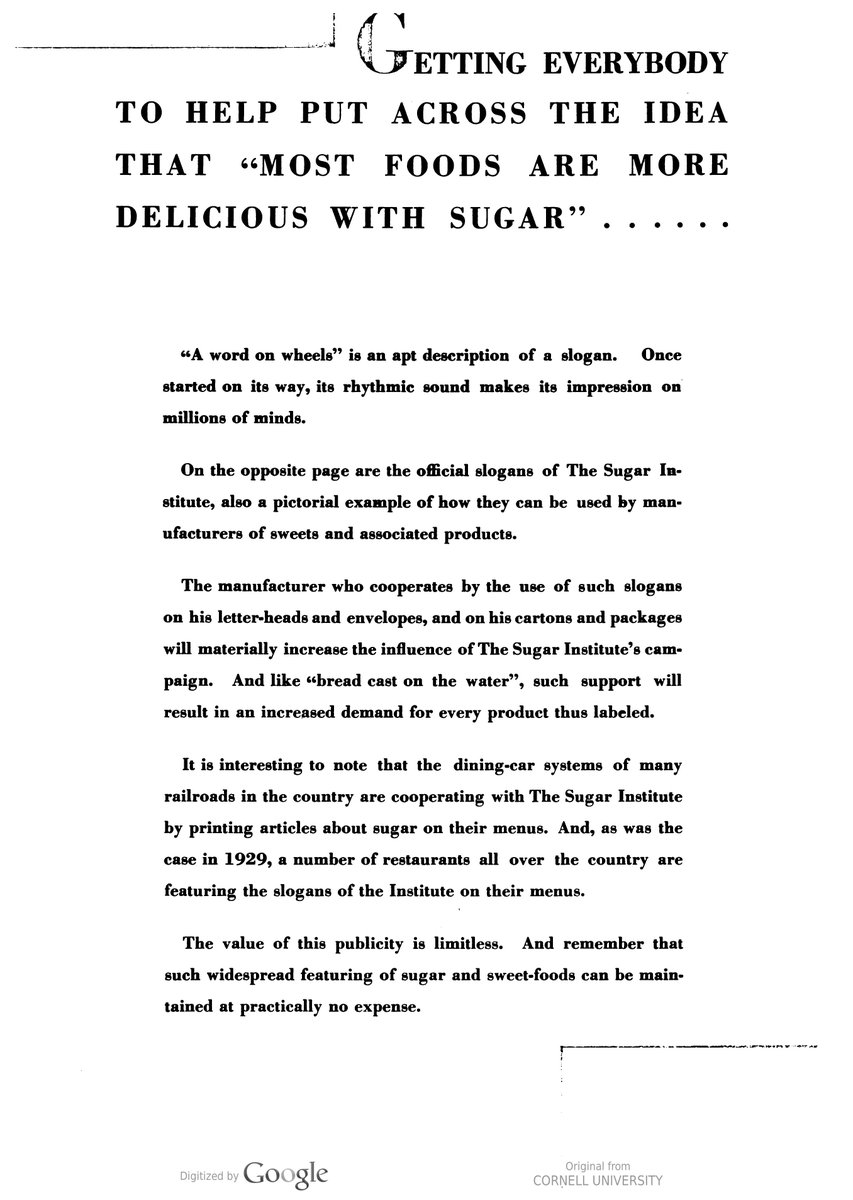

🧵13/ The Sugar Institute’s book also brags about how successful it was in getting news outlets to echo the messages of the advertisements. The book helpfully documents all the evidence.
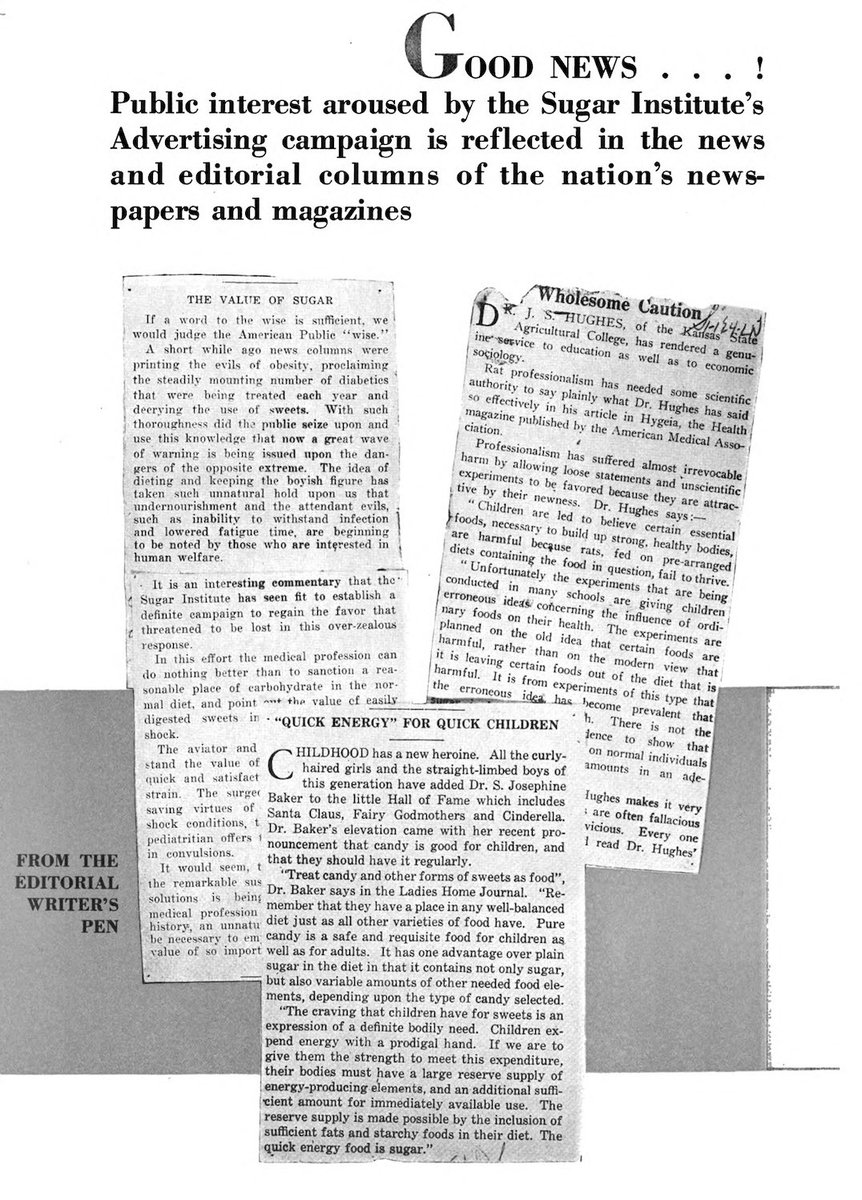
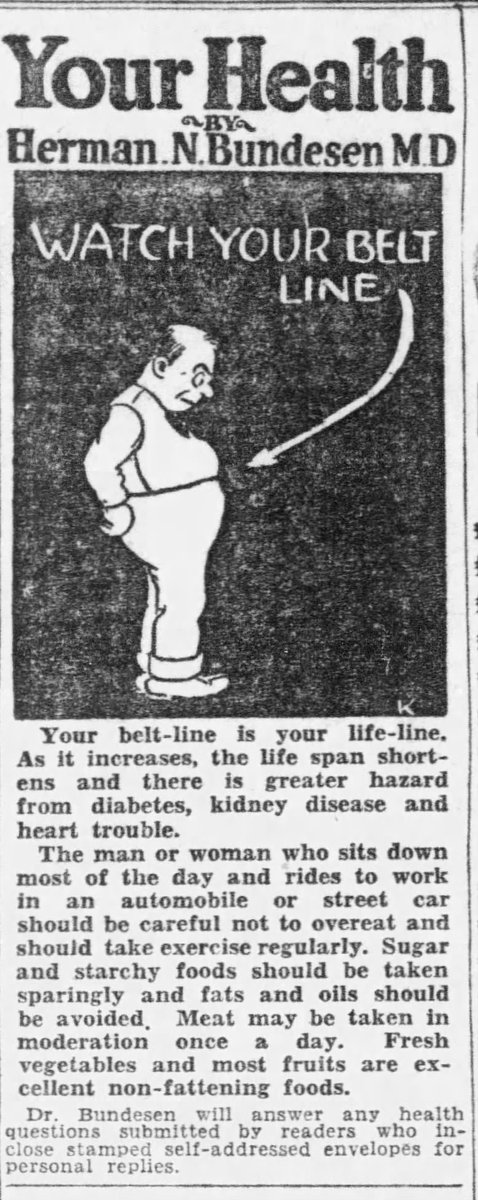
🧵14/ Which brings me to a second NYTimes article from 1928. This one is from November 18: “Candy Needed in Daily Diet, Says Chicago Health Director.” The official in question, Dr. Herman Bundesen, was a known fame hound. He had recently been fired for a self-promotional scheme.
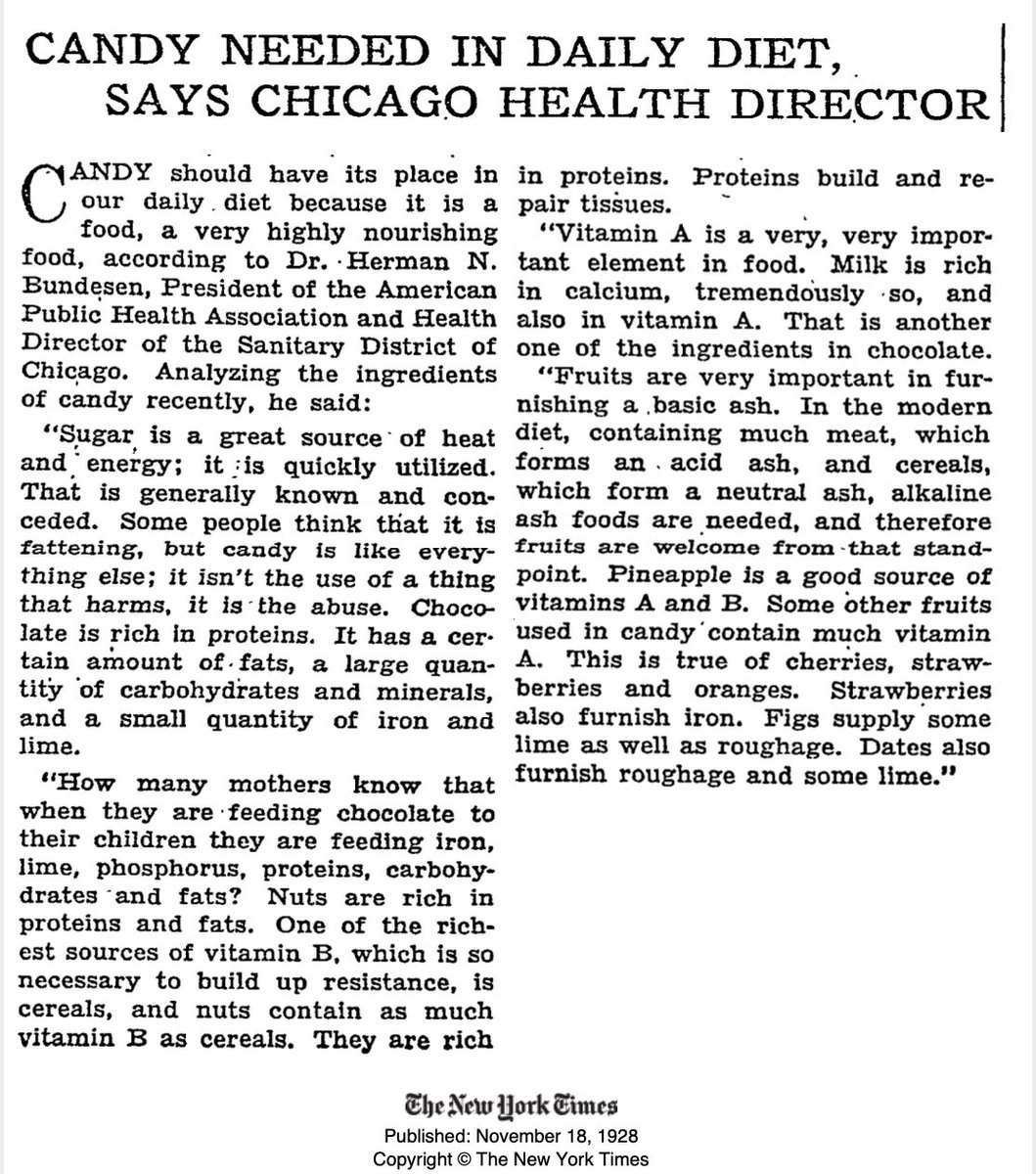
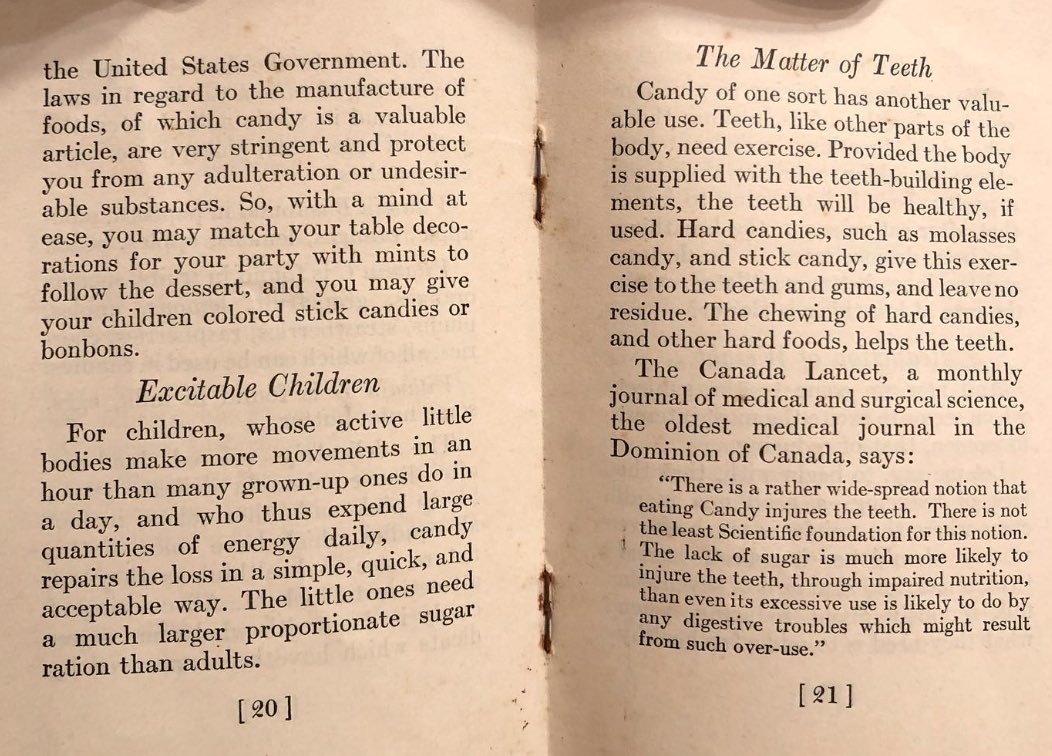
🧵15/ Less than a year before, Bundesen had warned in print that sugar should be consumed in moderation. Now, he was suggesting —among other outrageous claims—that a lack of sugar could be harmful to teeth. Had something changed Bundesen's mind about sugar? …

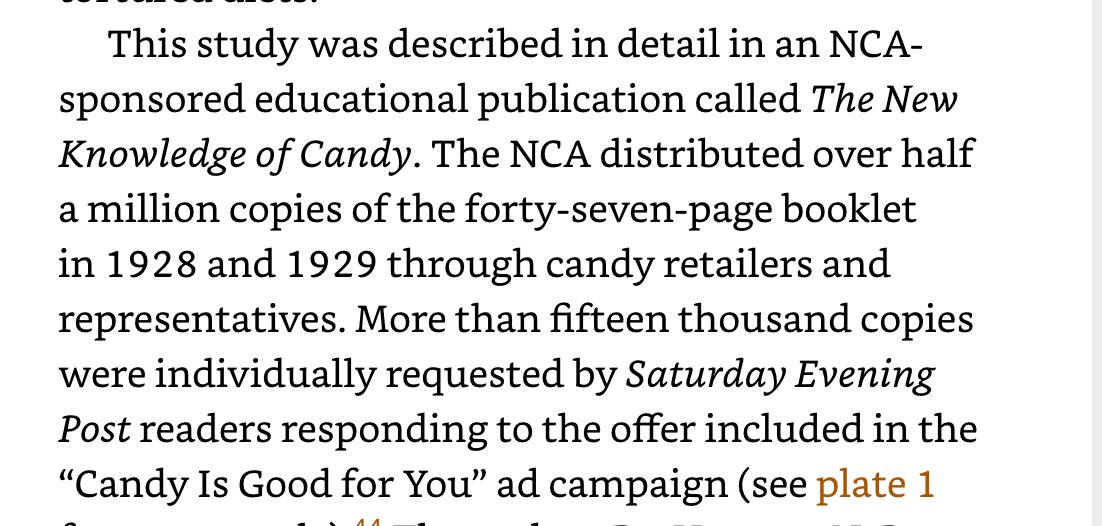
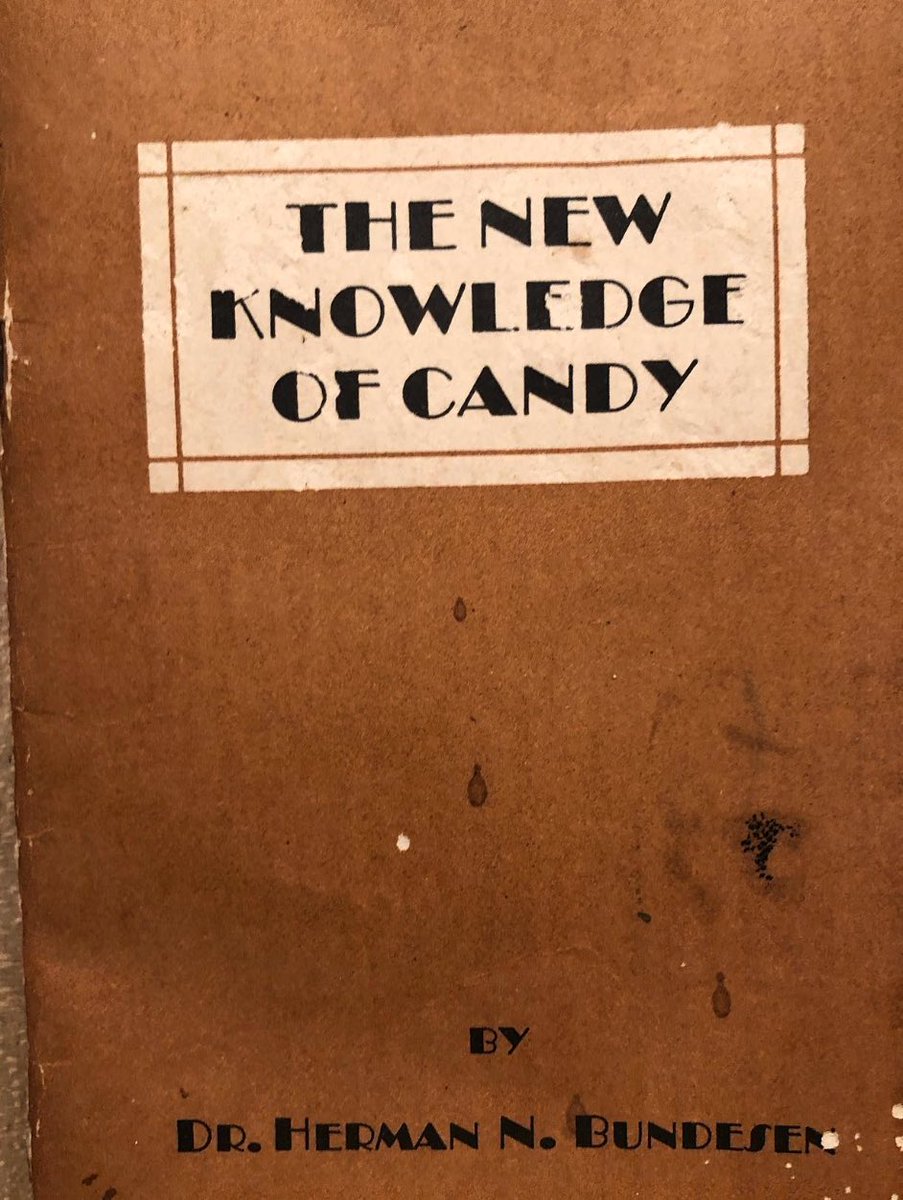
🧵16/ In 1928, Bundesen began working with the National Confectioners Association to produce an "educational" publication: "The New Knowledge of Candy." (Attached background on the publication is from Candy: A Century of Panic and Pleasure by Samira Kawash.)

🧵17/ There was far too much sugar for the world to eat in 1928, but the sugar industry convinced us to eat it anyway.
🧵18/ The third article from the New York Times in 1928 that I want to highlight appeared on September 2 — between the two 1928 articles mentioned above. It speaks for itself.
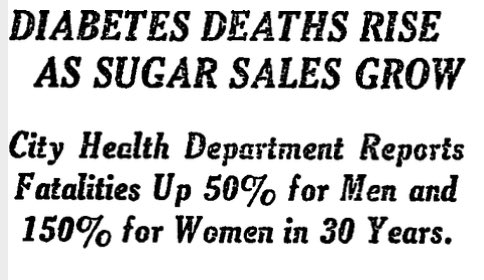
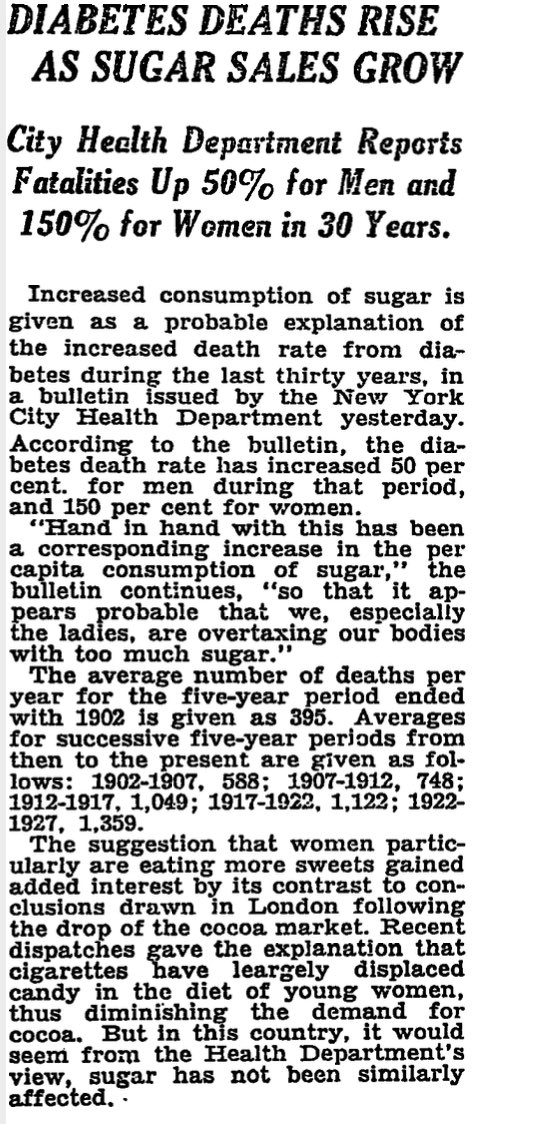
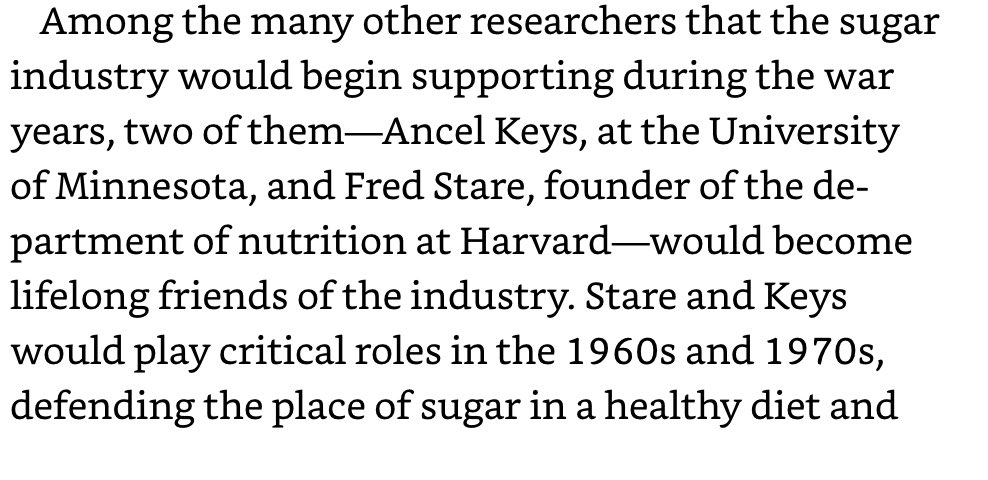
🧵19/ The U.S. Government sued The Sugar Institute for collusion, and it was shut down in 1936. Its mission would be taken up by The Sugar Association Inc. (SAI). In The Case Against Sugar, @garytaubes recounts the sad saga of how the SAI managed to muddy the science on sugar.

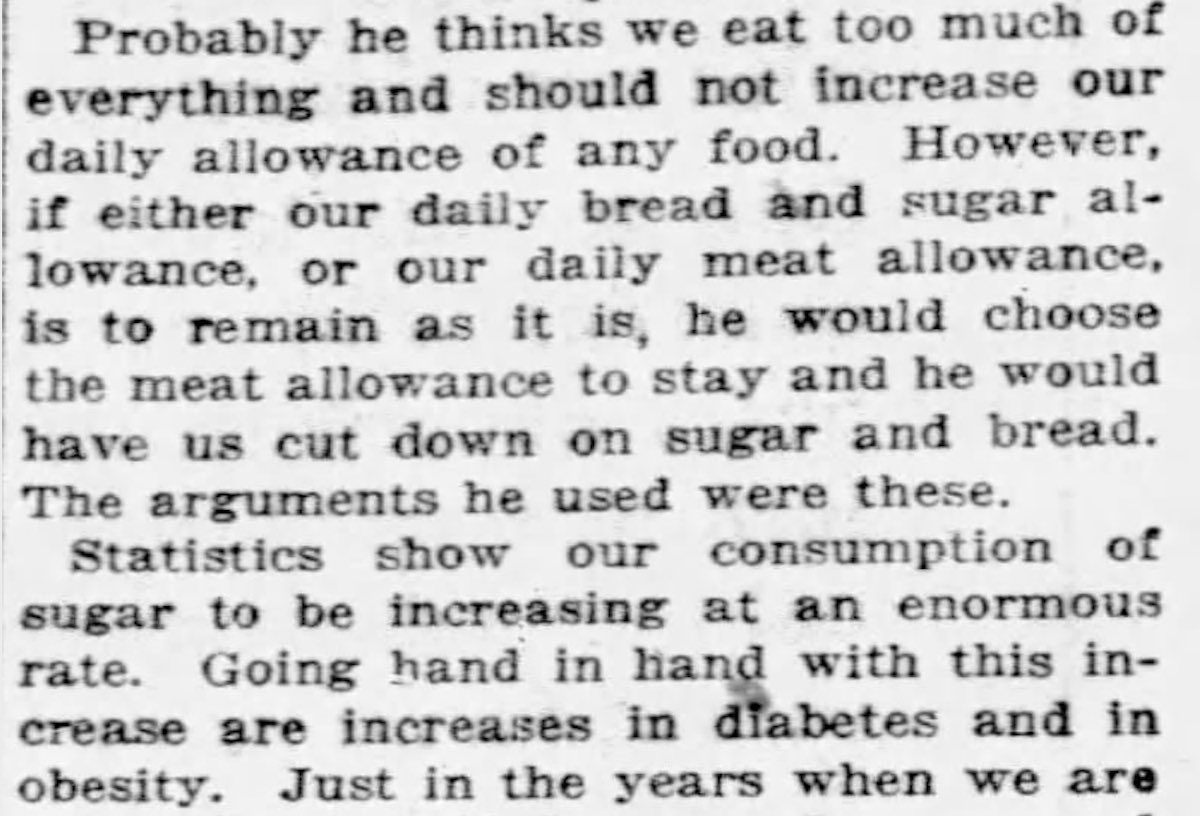
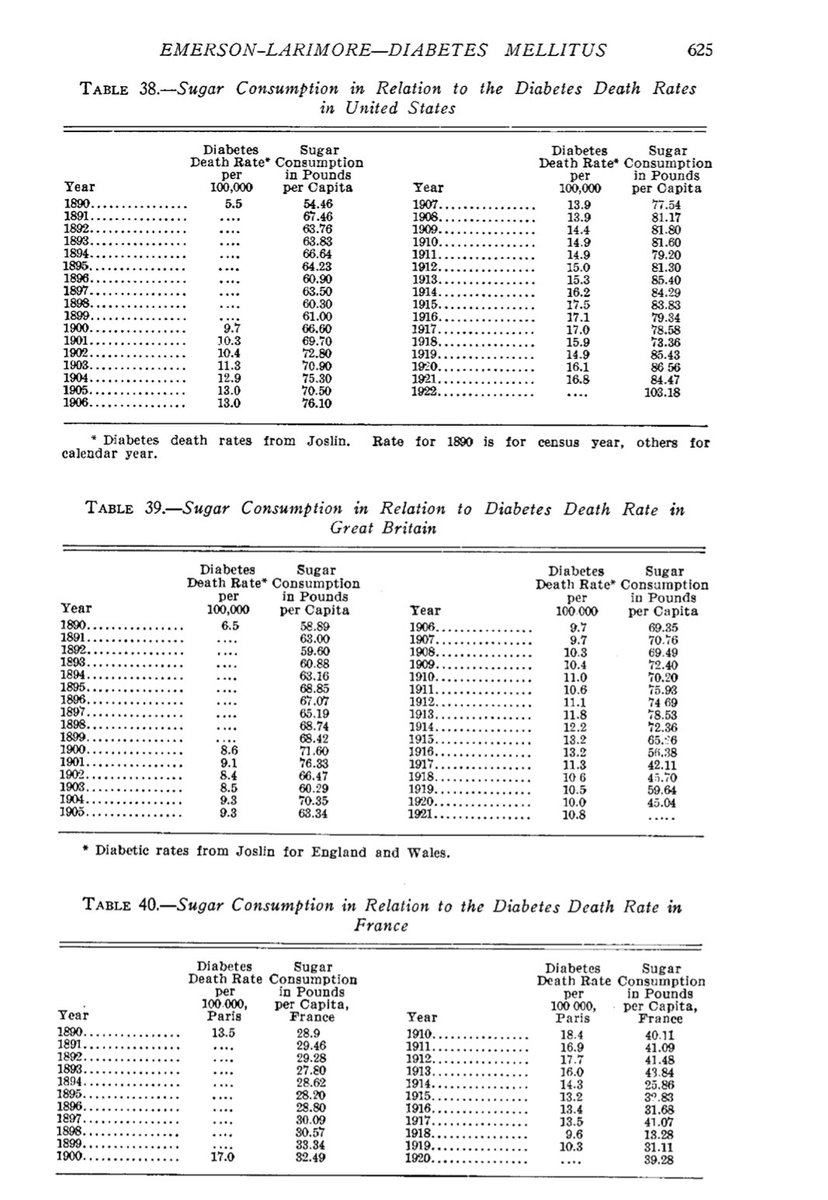
🧵20/ It’s, perhaps, fair to say that the harms of sugar were not as clear in 1928 as today. But the best scientists of the time grasped what was happening. Haven Emerson, a former Health Commissioner of New York City, saw the sugar-diabetes connection clearly 1924.

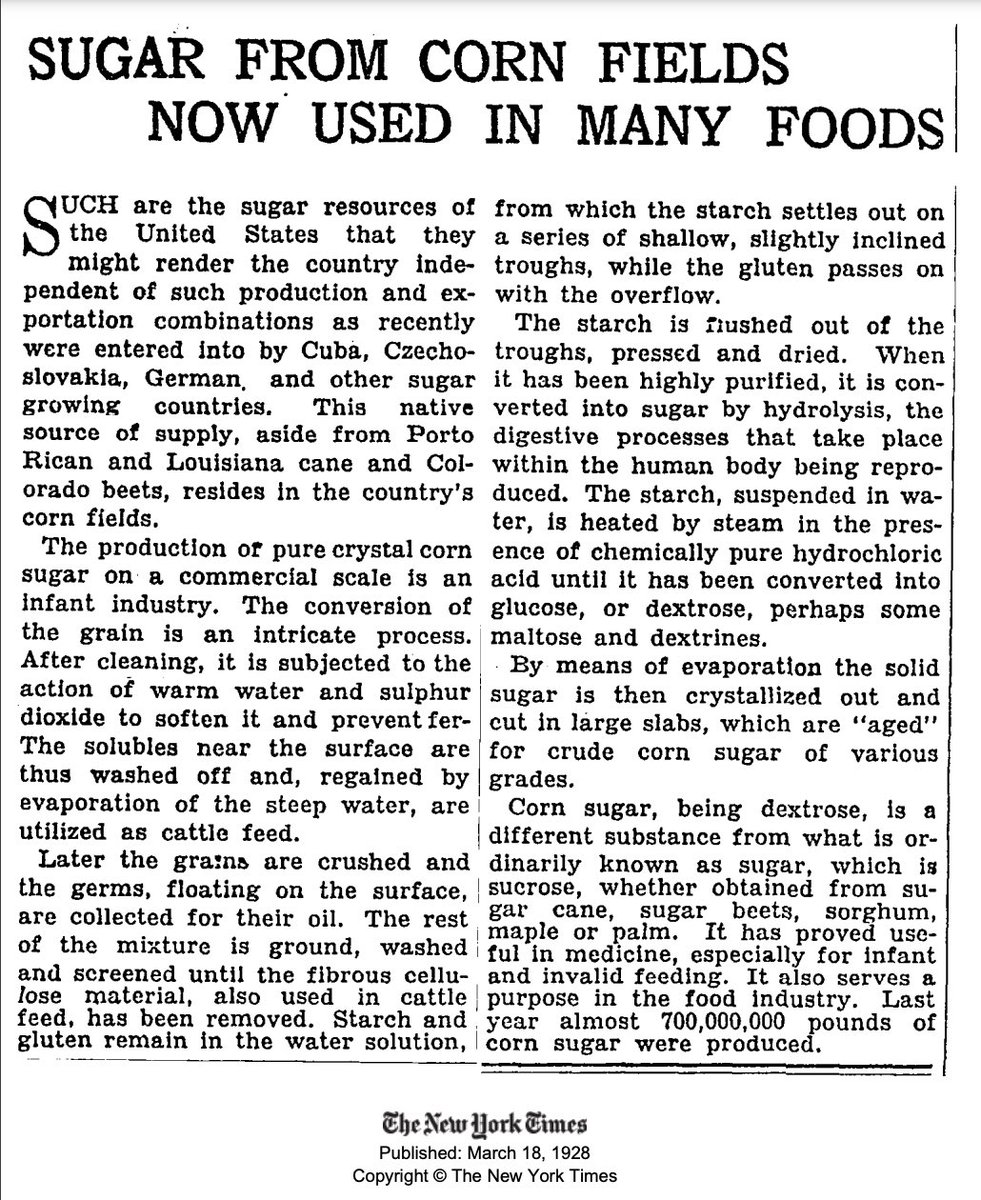
🧵21/ The 4th New York Times article from 1928 describes new methods for turning corn into sugar. It would be decades before the industry would arrive at high-fructose corn syrup. But, when it arrived in the 1970s, it would make the sugar habits of 1928 seem quaint.
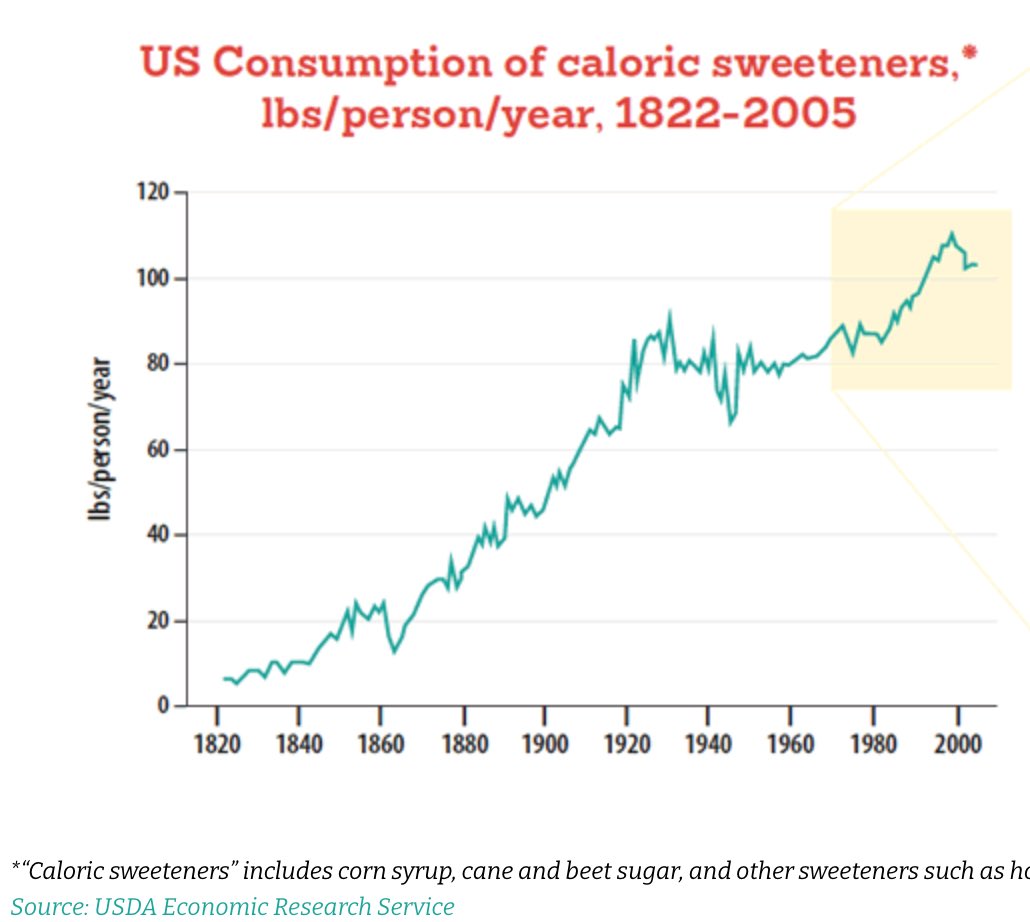
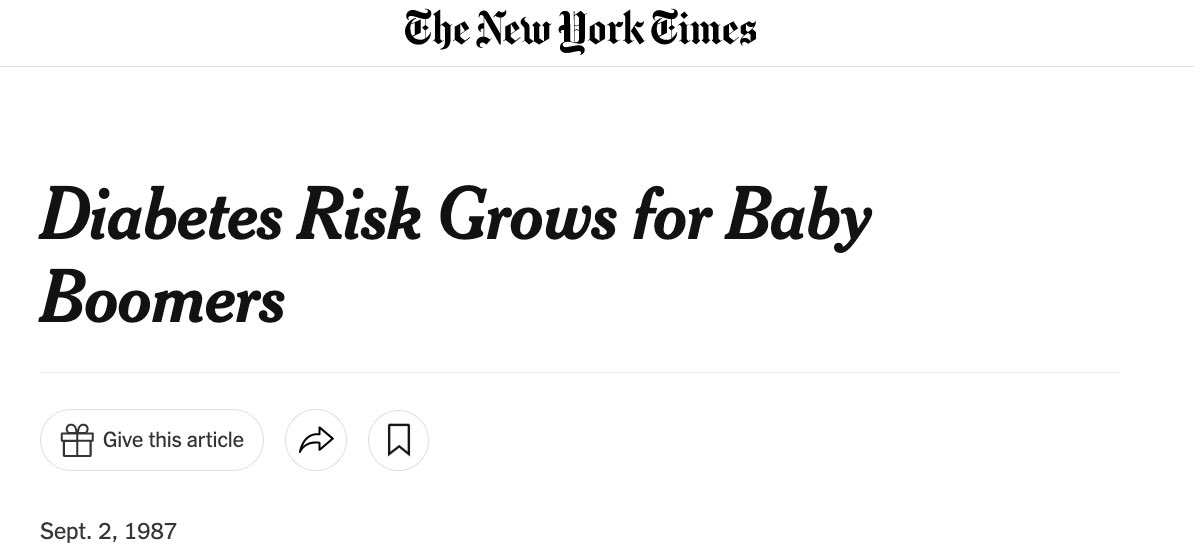
🧵22/ The next chapter of this story could also be told through New York Times headlines.

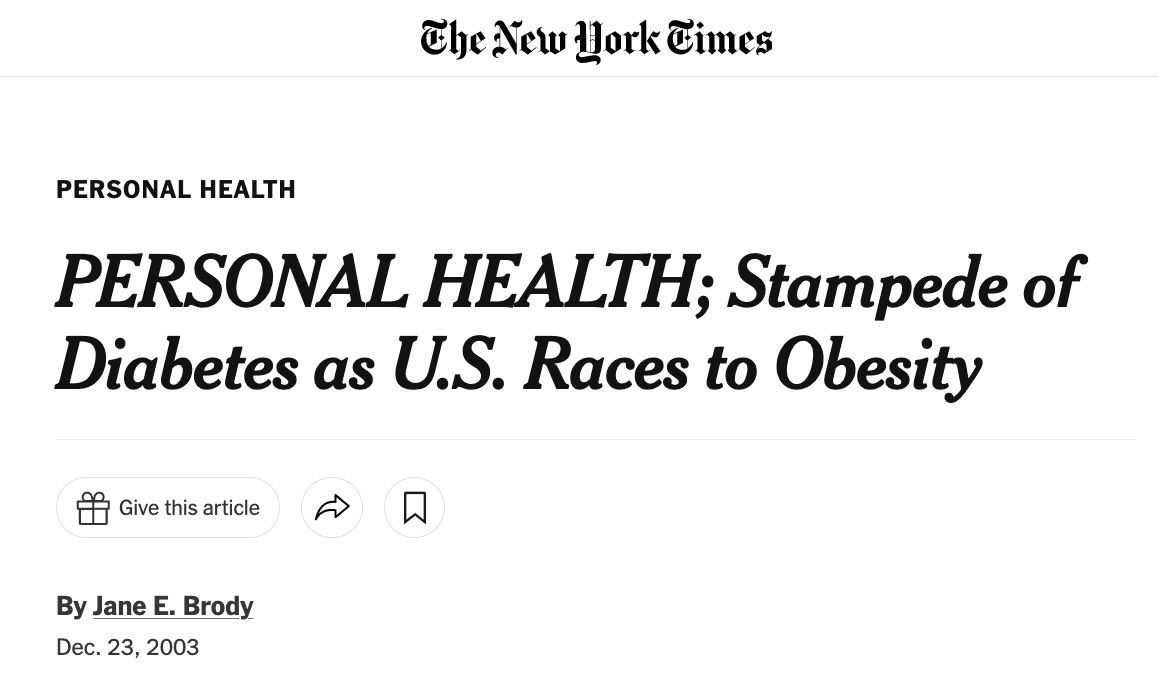
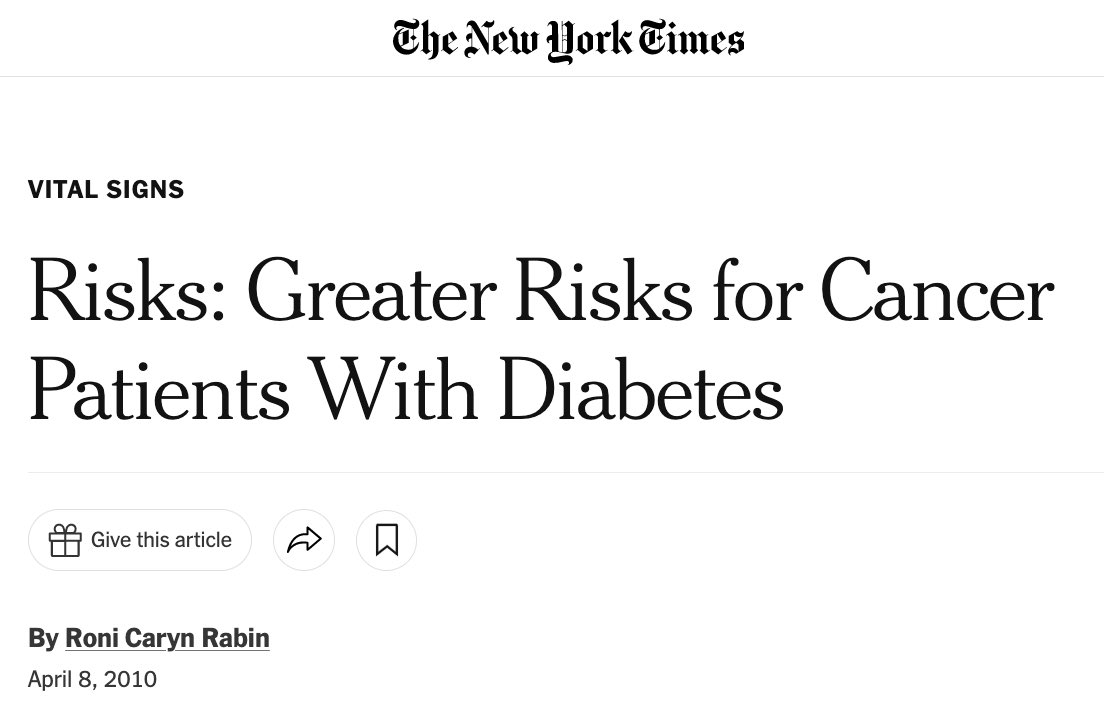
🧵23/ If you found this thread of interest, I hope you’ll check out Ravenous. amzn.to/2RHUy9H
[An easier way to read this thread: threadreaderapp.com/thread/1537835…]
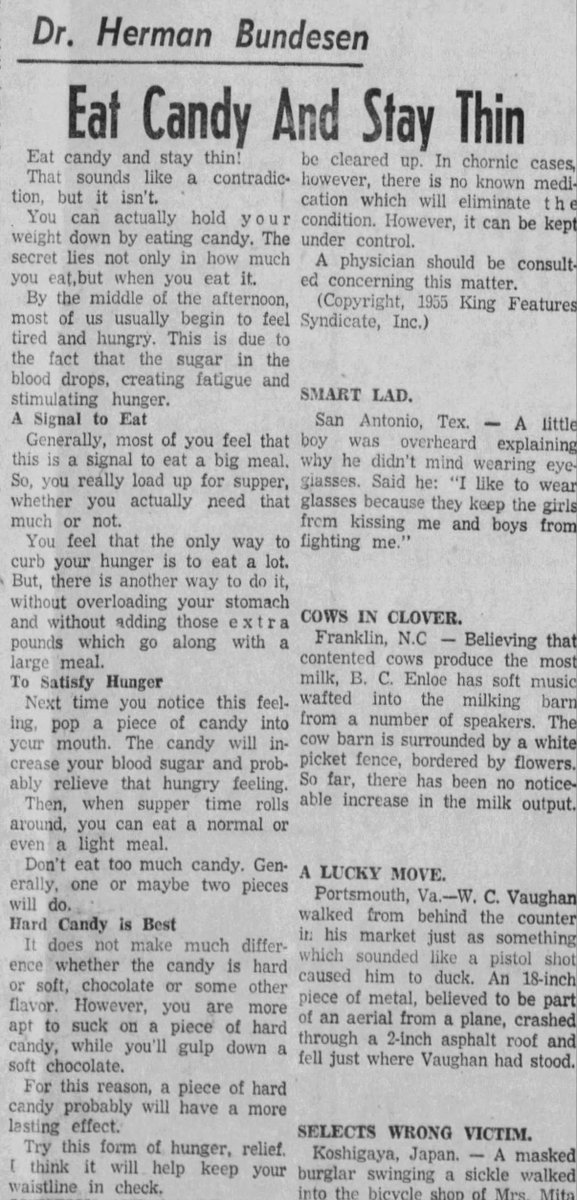
Bundesen continued to push this message for at least 25 years. This one is from 1955.
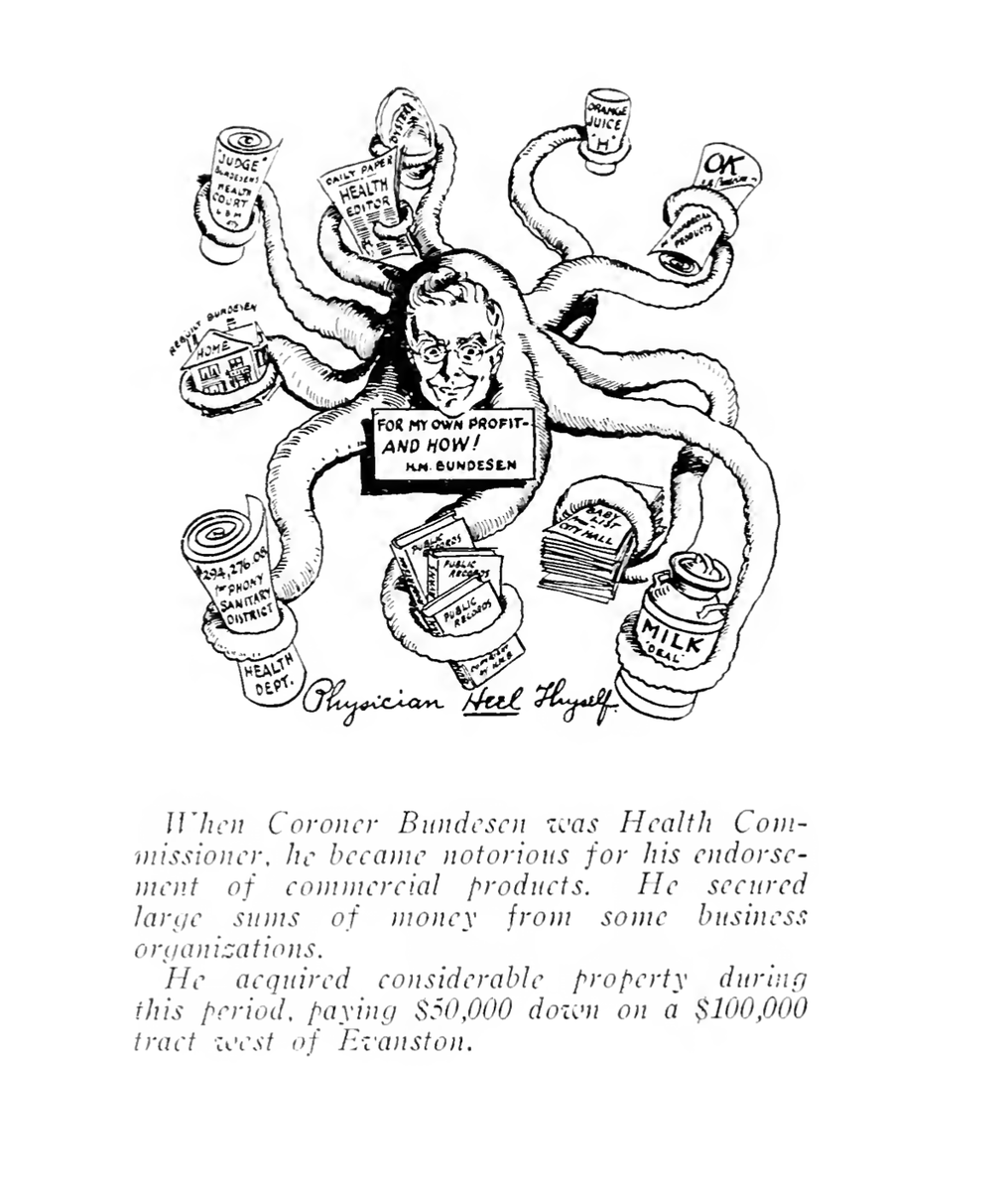
Just found an entire book from 1931 that exposes Dr. Herman Bundesen's corruption: That Man Bundesen, Vol. I. -- by Elmer L. Williams
(Love that it's only Vol. 1)
(Love that it's only Vol. 1)

• • •
Missing some Tweet in this thread? You can try to
force a refresh