
1/ Corrupt Russian general to corrupt colonel: "It's against the rules!". In this 4th 🧵 on Russian military corruption, I'll look at how the rules and structures of the Russian military and defence ministry contribute to its vast problem with corruption. 

2/ For the first thread in the series, on low- and medium-level military corruption, see below.
https://twitter.com/ChrisO_wiki/status/1531716422220632067
3/ For part 2, on corruption among Russia's military elite, see:
https://twitter.com/ChrisO_wiki/status/1536422857777025024
4/ And part 3, on the Russian military's problems with gangster culture, is here:
https://twitter.com/ChrisO_wiki/status/1539019204267057153
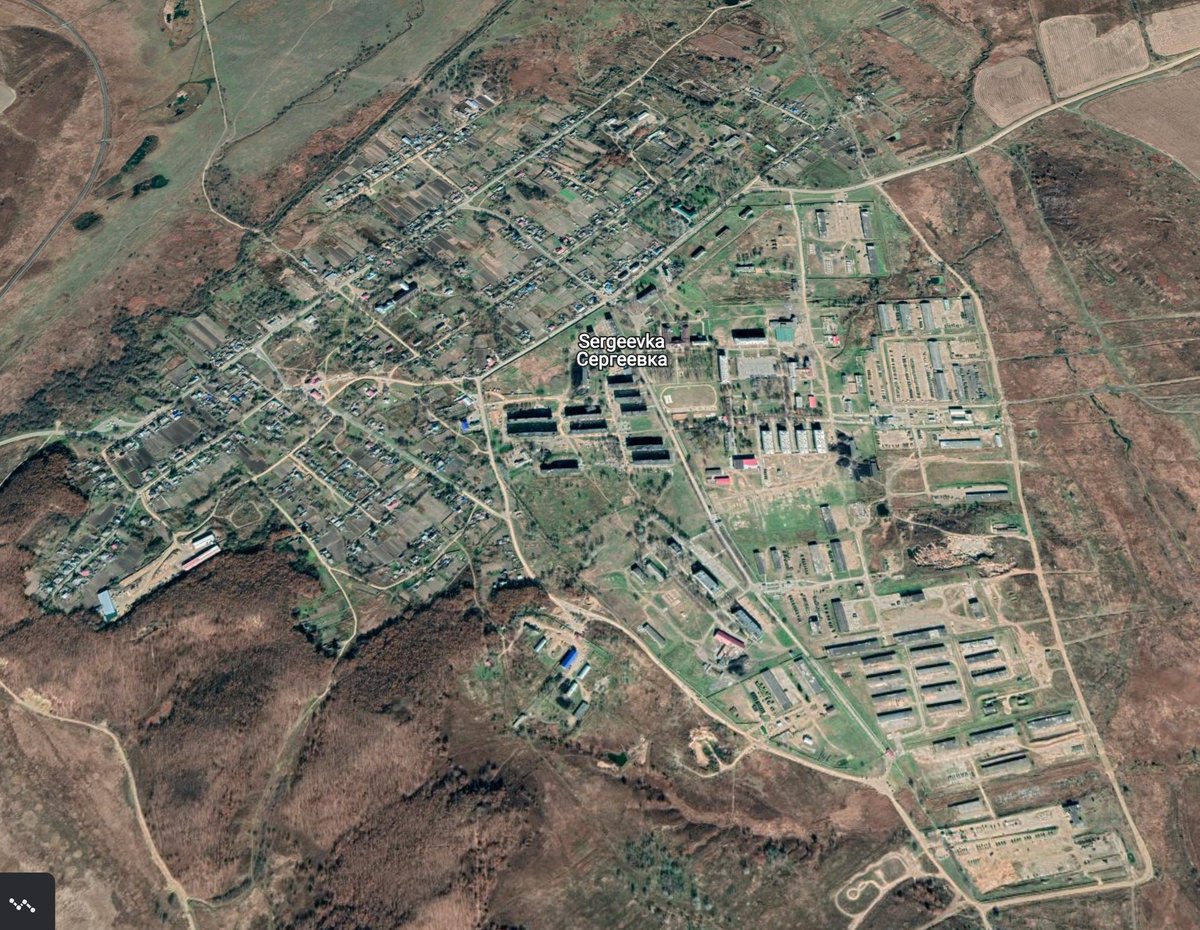
5/ Sometimes it's literally physical structures that are part of the problem. At the Russian army base in Sergeevka, Primorsky Krai, local mobster Ruslan Kobets and his gang had free reign for years to extort soldiers and steal equipment, helped by corrupt military allies.
6/ The base seems to have been barely guarded. Reporters found its perimeter fence was full of gaps, and were able to wander around freely talking to soldiers without being challenged. If anyone had wanted to keep out the gangsters, it would have been physically impossible.
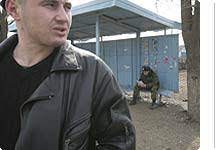
7 /The security problems at Sergeevka are indicative of wider problems in Russia's rear services, who are responsible for logistics in the Russian military. Their role as custodians of expensive equipment likely gives them more opportunities for corruption and covering it up.
8/ Similar problems also affect Russia's railway troops (ZhDV), who are responsible for transporting military equipment by rail - vital for such a vast country. The problems of theft from the railways is as old as the railways themselves, and not limited to Russia.

9/ But Russia's railway troops have a particular problem: they're a dumping ground for misfit officers and conscripts. They reportedly have a higher percentage of former criminals, alcoholics and drug abusers than the other services. This problem dates back to Soviet times.
10/ One former railway soldier recalls that in 1982 the USSR's railway troops "distinguished themselves by a phenomenal number of military crimes, among which murder, rape, grievous bodily harm, mockery of the person, and consequent mass suicides occupied a special place."
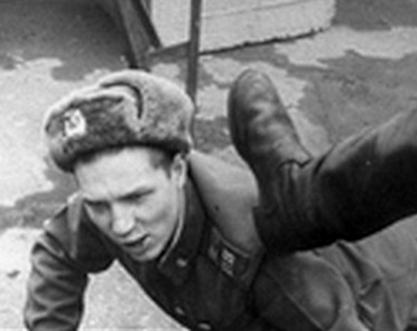
11/ "In the first two quarters of 1982 alone, 142 soldiers committed suicide. The number of victims of military crimes was in the thousands." Feuding was constant between "black" and "white" battalions. Central Asians and Caucasians were "blacks", Slavs and Balts were "whites".
12/ More recent reports suggest that corruption is still rife in the railway troops. In 2018, a former contract soldier in the railway troops described how in his unit, "darkness and impunity reign", eventually forcing him to quit.
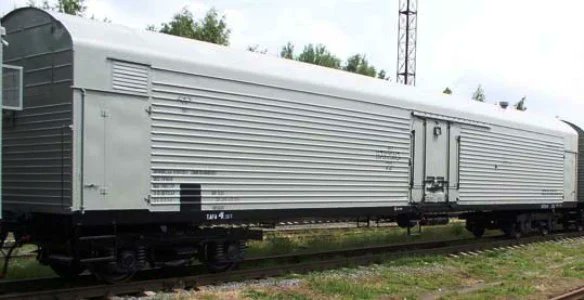
13/ He described officers using troops' labour to make things which were sold for their own profit, refrigerated rail cars being scrapped and the metal being trucked away to sell to scrap dealers. The unit's commander was said to be in cahoots with the local district head.
14/ Complaining to Moscow was pointless, as any complaints would be referred to the regional military prosecutor's office - where the brother of the unit commander worked. This is a classic example of krugovaya poruka or circular loyalty, mutual protection by corrupt officials.

15/ The acceptance of such corruption illustrates that it's become an institutional norm among many Russian officers. Russian prosecutors assert that many have said that they did it "to provide a decent living for themselves and their families". There's some truth in this.
16/ It's complicated to calculate Russian military salaries because of their structure - a basic rate plus numerous bonuses, allowances, extras and increments. But before recent pay rises, they were less than comparable Western military salaries and commercial wages.
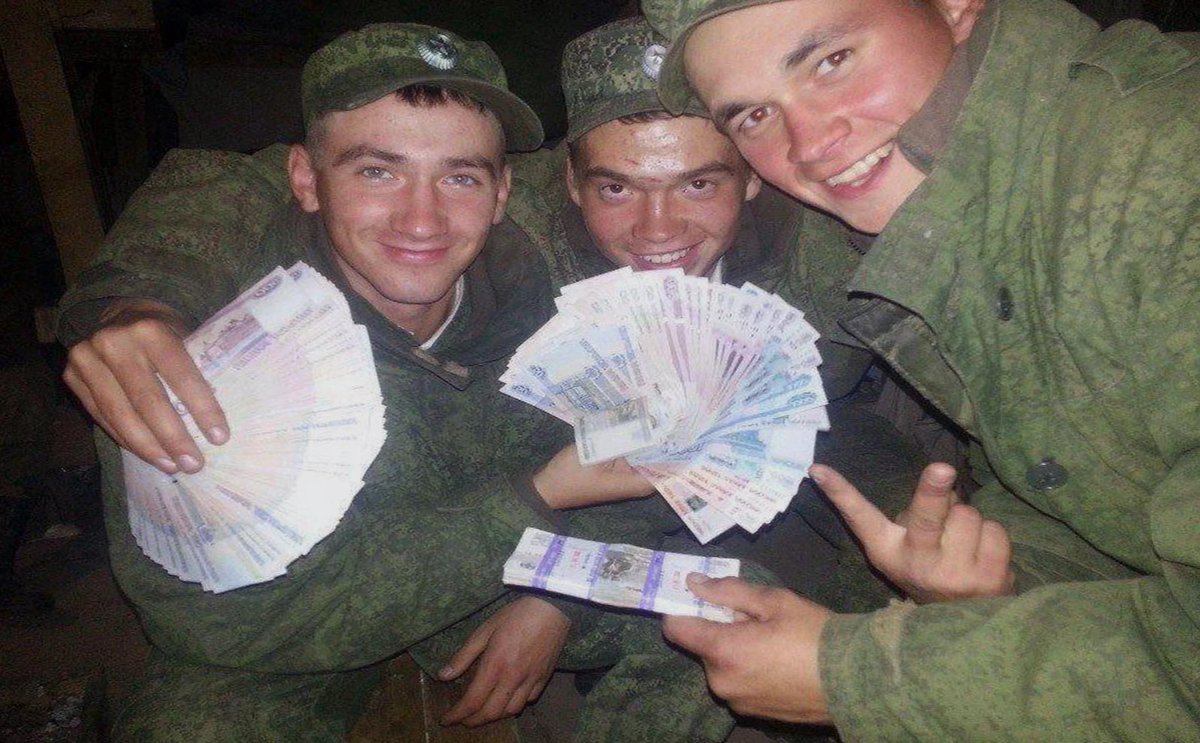
17/ One general charged with smuggling told investigators: "Why should I, a general, receive 30,000 roubles a month while businessmen grab millions? I have no apartment and no prospect of one ... Practically the whole army is dirtying its hands with this kind of thing."
18/ Another officer said: "We are not stealing, just compensating for what the government is not giving us". He complained that a general from Tanzania "who has barely climbed down from the trees" was now better off than a Russian general.
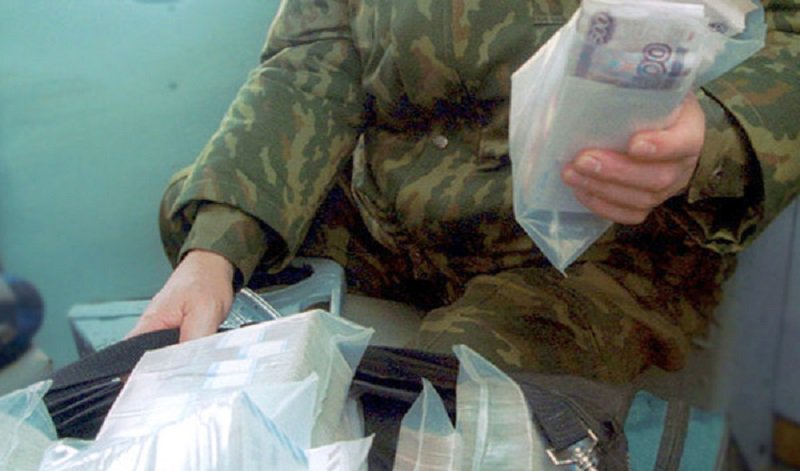
19/ Being part of the Russian elite is expensive. Russia is now one of the most unequal countries in the world. The top 0.001% of Russia's population - 500 people - are wealthier than the poorest 114.6 million, or 99.8% of the adult population.
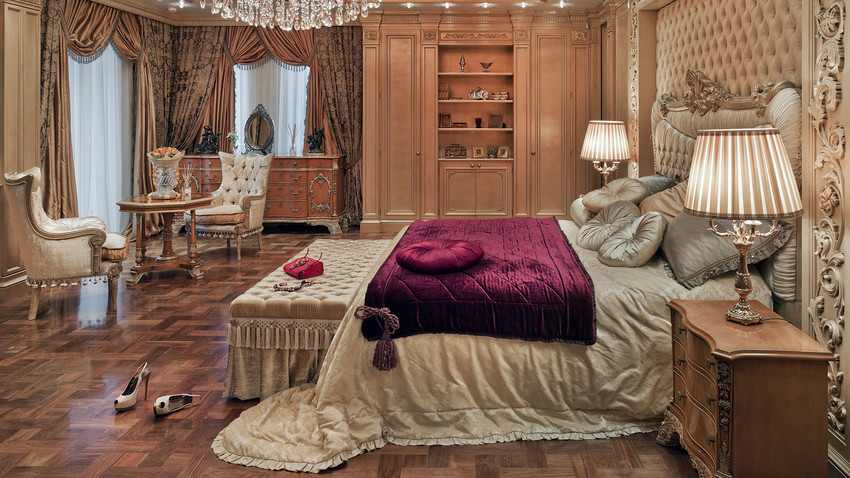
20/ Keeping up with the elite isn't possible on a regular military salary. This $18 million mansion linked to Russian Defence Minister Sergei Shoigu, for instance, is worth 150 times his $120,000 salary. Where did the rest of the money come from? Nobody's saying.
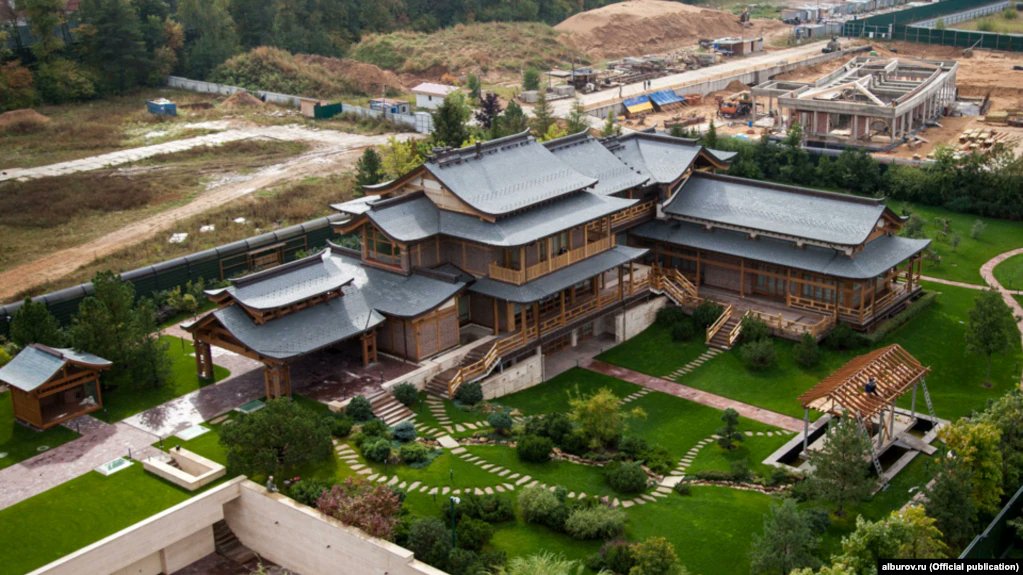
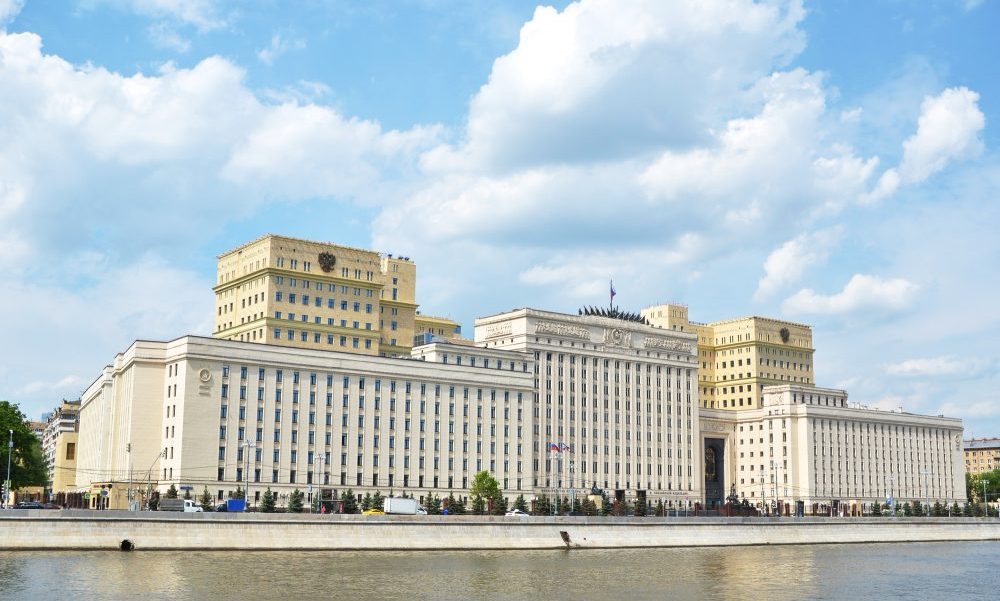
21/ Corruption is made far easier by the Russian Defence Ministry's industrial policy and its absolute lack of transparency. Under Sergei Ivanov (defence minister from 2001-2007), around 1,500 Russian defence companies were merged into a dozen vertically integrated concerns.
22/ To take one example, the giant state-owned conglomorate Rostec comprises about 700 enterprises, which together form 14 holding companies. They include famous names such as the helicopter makers Mil and Kamov, and vehicle makers AvtoVAZ and KamAZ.
23/ The creation of giant state-owned companies resulted in military production being monopolised. Each particular type of military equipment is now produced by a single enterprise. A competitive marketplace does not exist. This allows monopolists to dictate prices.
24/ Ivanov's successor Anatoly Serdyukov attempted to rein in cost inflation by establishing the so-called "20+1 formula". An enterprise can add no more than 20% of its costs to its profit and 1% to the cost of assemblies and components used. Unfortunately, this was easily gamed.
25/ Defence enterprises immediately began subdividing themselves into separate legal entities in order to add 20% profit at each stage of production. Even the cost of fuel and electricity in defence contracts are inflated by 15-20% as a rule. It's legal but very scammy.
26/ Lack of transparency is a further problem. Russia's defence procurement system is cloaked in secrecy, with even the Russian parliament unable to review spending. Oversight, such as it is, is confined to within the defence ministry, whose own departments collude in corruption.
27/ Quite apart from individual corrupt relationships, this gives the defence ministry a strong motive to keep quiet about violations. It has an institutional aversion to causing bad publicity, embarassment and harm to politically well-connected individuals.
28/ The defence ministry is often scammed by contractors, who hide behind secrecy to conceal price gouging from officials. In one reported instance, a company in Vladimir charged 332,000 roubles per unit for items costing 9-11,000 roubles to make - a nearly 3,600% markup.
29/ Yet another factor is weak controls over where money is paid to. Corrupt officials and contractors create so-called "one-day firms" - companies that only exist on paper for a very short time. They're used to cash payments before vanishing without trace.
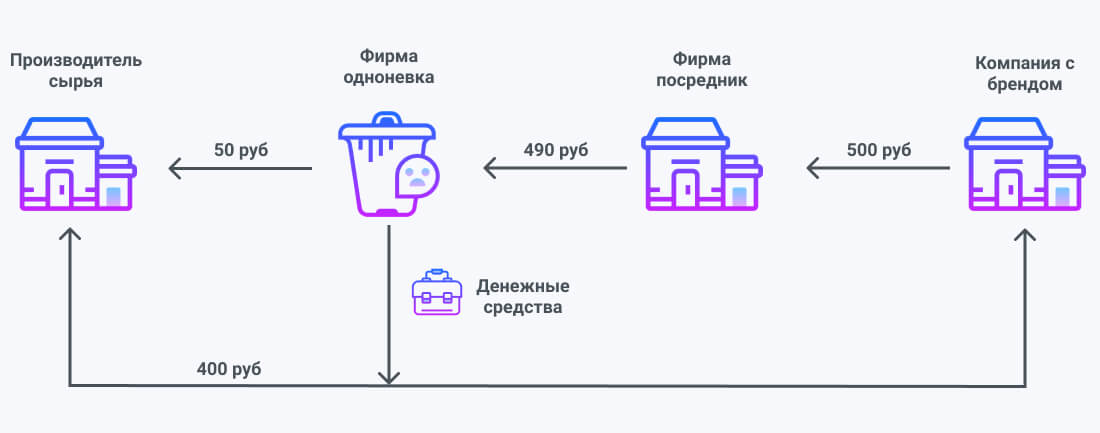
30/ One-day firms have been used to commit fraud on a huge scale. They accounted for an estimated $55 billion dollars of turnover in 2003 and $86 billion in 2004 - equivalent to 14% and 17% of Russia's GDP, and their use accounted for 50% of all taxes evaded.
31/ The scale of one-day firm fraud is hard to exaggerate. At one point in the 2000s, the amount of tax evasion caused by one-day firms in the regions of Altai and Kalmykia exceeded the entire GDP of both regions.
32/ According to Russia's Prosecutor General, Yuri Chaika, in 2018 alone, 3,700 one-day firms were used to corruptly cash and withdraw money from the Russian Ministry of Defence. This was likely an underestimate, as it represented only identified fraudulent transactions.
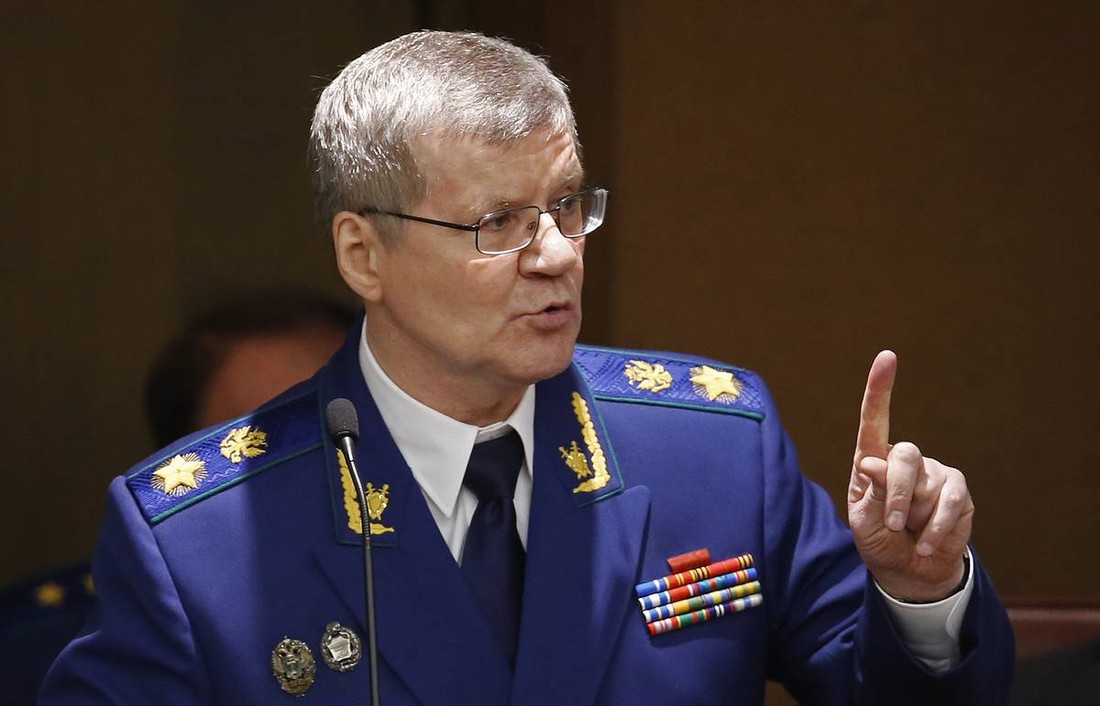
33/ The entire system could hardly have been designed better to encourage corruption. In fact, the people in charge of administering it - managers in the the 46th Central Research Institute of the Ministry of Defence - were discovered to be embezzlers themselves.
34/ An organised criminal group within the 46th Central Research Institute signed fictitious research contracts with contractors and employees, stealing 250 million roubles. The same people designed the state armament programme, worth over 19 trillion roubles.
35/ All of these factors combined have resulted in a situation where corruption is not only possible, but inevitable. The question is not, "why is Russia's military corrupt?" but "how could it not be corrupt?"
36/ In the next and final installment of this multi-part thread, I'll look at the impact that Russia's extreme level of corruption has likely had on military effectiveness. /end
@OSINTEng @RALee85 @Blue_Sauron @Osinttechnical @TrentTelenko @MarkHertling @DomNicholls @Nrg8000 @UAWeapons @TrueFactsStated @WarintheFuture @KofmanMichael @michaeldweiss @aravosis @JoshManning23 @general_ben @tomiahonen @PToveri @MarkGaleotti @MishaGlenny @mdmitri91
Final thread here:
https://twitter.com/ChrisO_wiki/status/1542269393945903105?t=dE4yUzez3g3CyMsrnRMVRQ&s=19
• • •
Missing some Tweet in this thread? You can try to
force a refresh




