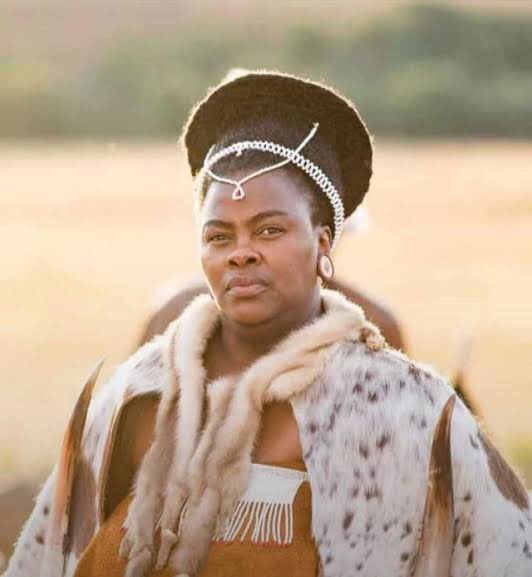
1. THE SPECIAL MARRIAGE RITUALS OF THE NDEBELE PEOPLE OF ZIMBABWE 🇿🇼 (PART 2)
Upon arrival at the groom's village, umthimba ensured that the bride was concealed from public view. At this point umthimba was called umtshitshi womthimba.
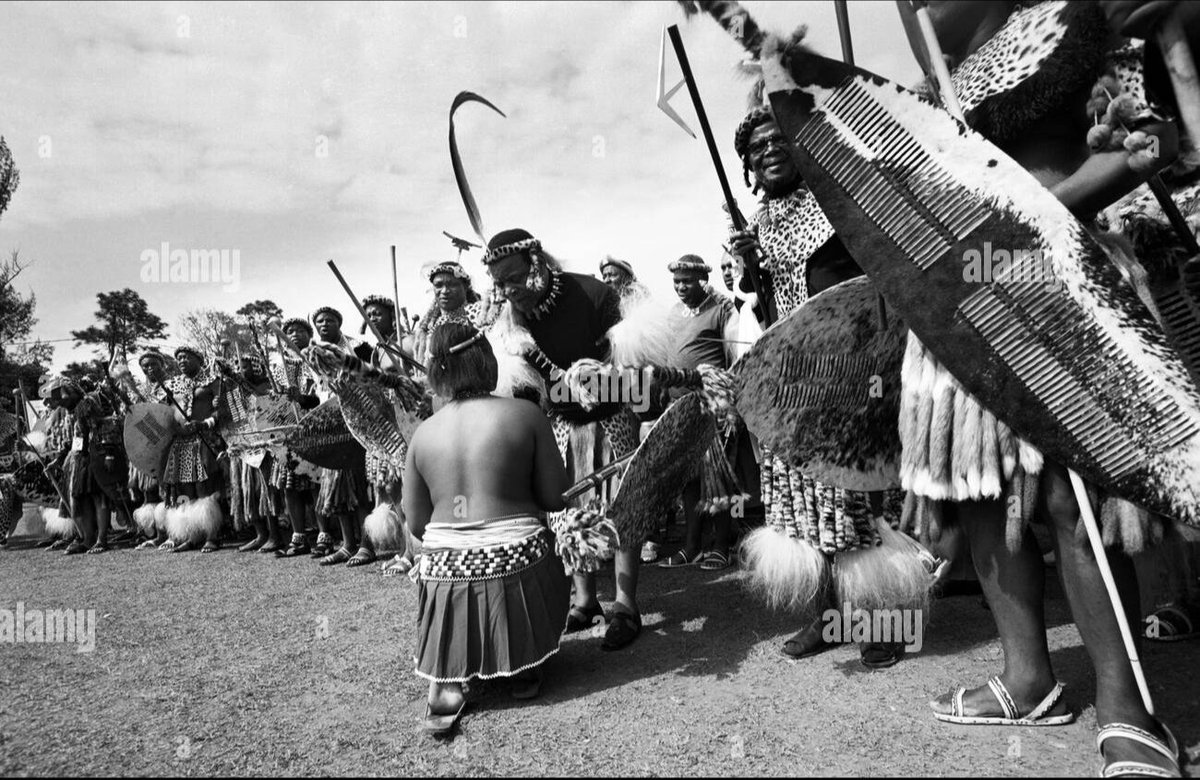
2. The bride was not allowed to step on the soil lest the witches stole her foot prints, ukucupha inyawo. Reed mats were thus placed along the path, ukudaya amacansi as the procession entered the village to wild celebrations and ululations.
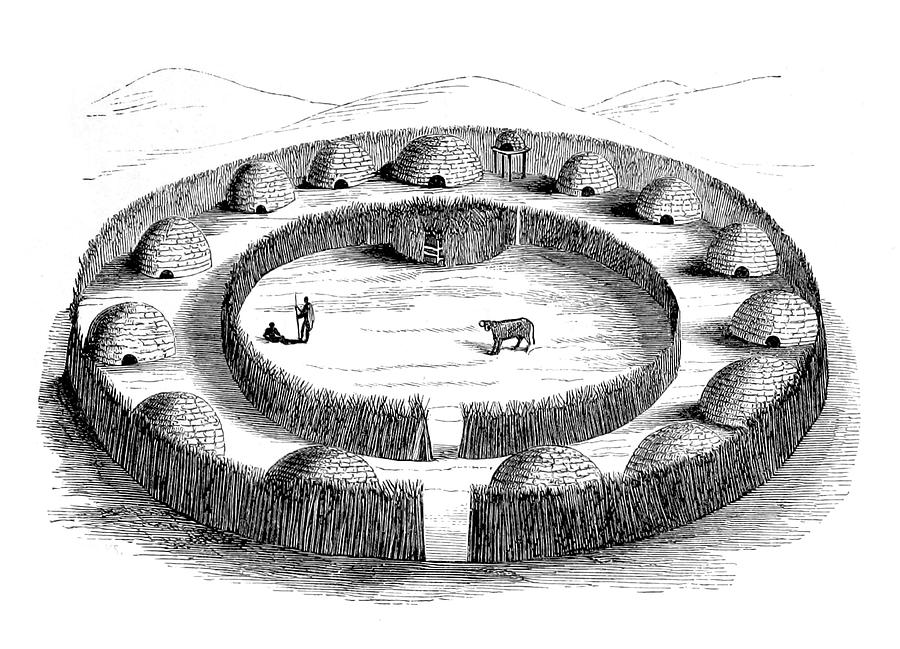
3. Umthimba would then wait by the groom's cattle kraal. After discussions and exchanges by the families a beast was paid for the entourage to sit down, inkomo yamacansi.
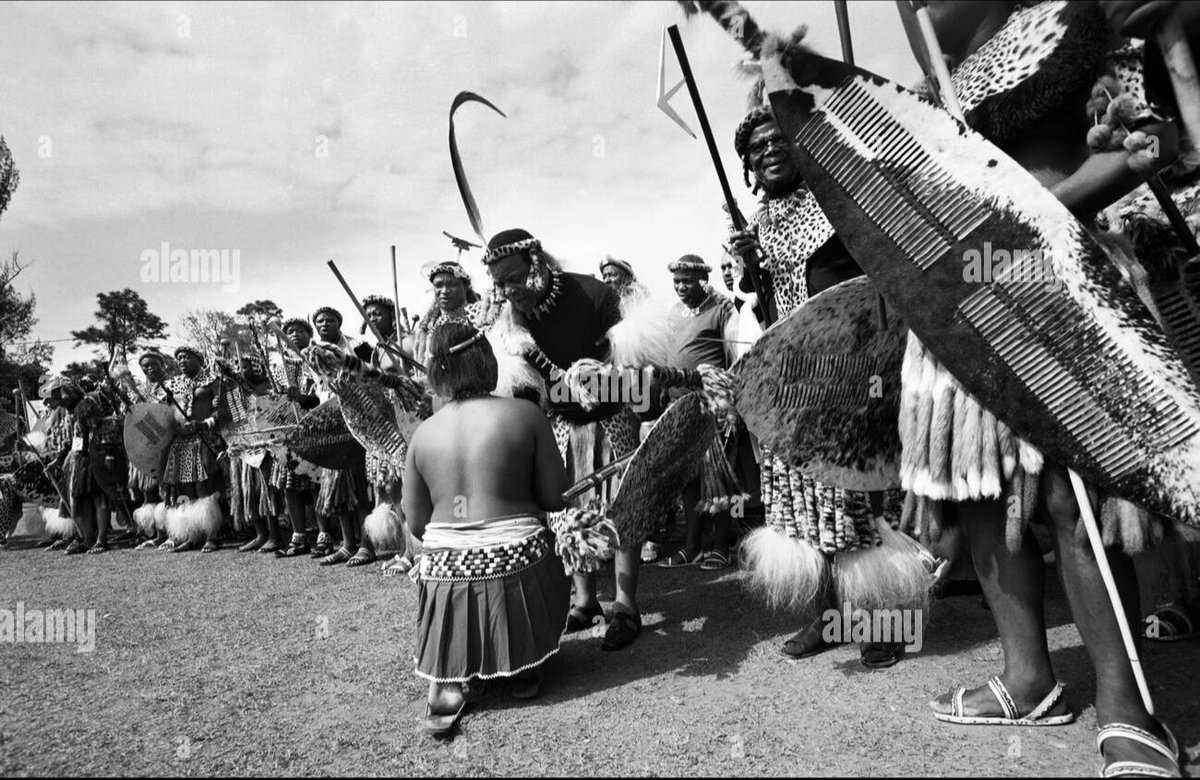
4. Some delegates traveling with the bride would then go to the cattle kraal to identify the beast that would be slaughtered to cola the bride, this time by the groom's father. A man from the groom's side was chosen to kill the beast.
5. If the man failed, another man from the bride's side was chosen to kill the beast. The father in law performed ukucola on the bride for the ancestors to receive her in the family. Ukucola process is as described in part 1of this thread. Usonyongwana wore the bladder as again.
6. The next phase was a ceremony known as UKUMEKEZA. For the ceremony, umlobokazi wore a crown, known as amantiya. It was made of beautiful feathers from doves or ifefe bird. She also applied a powder on her face known as isibhuda & had decorations known as ukubalaza or ukuloba.
7. The bridal dance /ukumekeza took place inside the cattle kraal. Osomthanyelwana danced first. The bride came next, holding the knife given to her by her father on one hand and indabula, small broom made from grass, on the other hand.
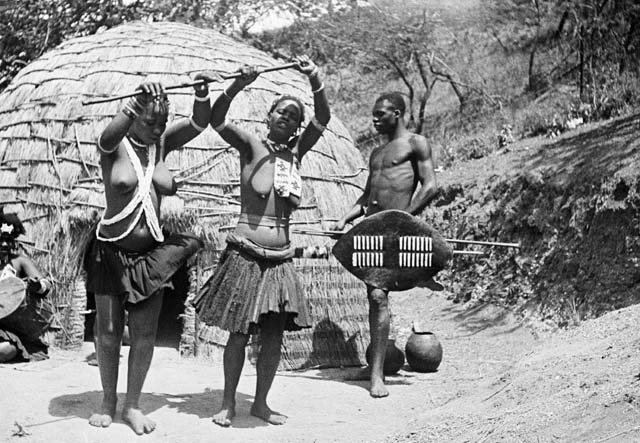
8. The bride would naturally advanced towards the groom, beckoning him to dance with her. Her dance was known as ukukhupha umqalo, as it involved a rhythmic movement of the head and neck, back and forth.
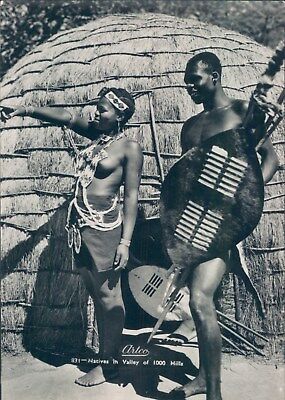
9. The two would dance until the matron, iqhikiza stopped them by using a short stick to tap the bride on the back to signal the end of ukumekeza. Thereafter, people would eat, drink and be merry!
10. After the celebrations the bride's family and friends returned home and performed a ritual known as ukwethula imincwazi, which were bands of skin or cloth worn around the head.
11. Usonyongwana remained behind to assist the bride at her new home. The last ritual the bride had to perform, at her home, was known as UKUPHINDA IMIKHONDO. The bride and usonyongwana returned to the bride's home after 3 weeks.
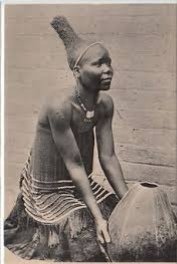
12. Upon returning home, her people shaved her hair and left a top knot, ukukhehla/ukubekwa isicholo. Isicholo head gear was worn by married women only. The bride also collected her gifts gathered from her relatives and friends.
13. The last ritual the burning of the gall bladders worn by usonyongwana. The two bladders from both families were burnt together in udengezi, potsherd. This symbolized the creation of a lasting union between the two families.
14. The ashes of the burnt bladders were finally deposited on the midden, esilotheni. At this point the bride was now a full fledged married woman wearing isicholo. She was handed over to her inlaws to build her new home. That's how the ancient Ndebele tied the knot!
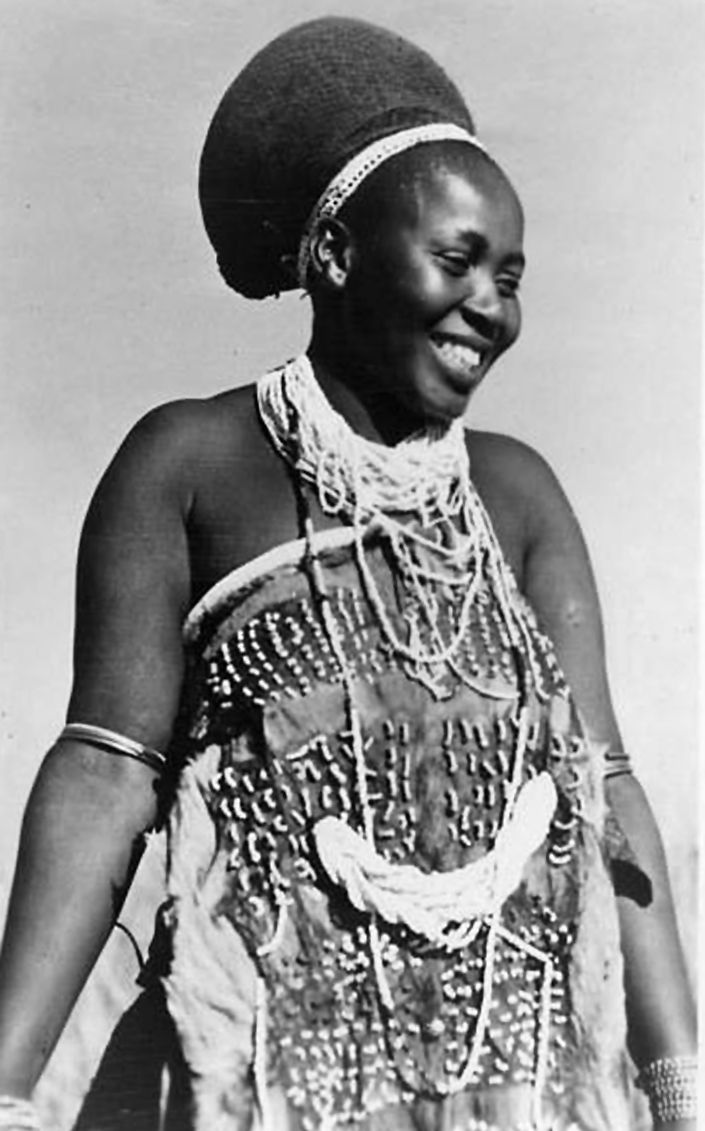
Queen Mother Ntombazi has been referred to as 'one of the most influential women in the pre‐Shakan and Shakan eras'.
From 1750 to 1820, the Ndwandwe kingdom was a dominant force in the area now known as Kwa‐Zulu Natal. The kingdom sought to dislodge the much larger Mthethwa confederation under Kings Dingiswayo.
However, in present day history conversations, the Ndwandwe kingdom is almost entirely forgotten and its role has often been overshadowed by the successor Zulu state, established and led by King Shaka ka Senzangakhona.
2. Queen Ntombazi was the daughter of the Ntshalintshali who married King Langa kaXaba. She gave birth to an heir by the name of Zwide who grew up to rule his father’s kingdom.
As the Ndwandwe kingdom grew and expanded it became a fierce threat to other neighbouring kingdoms, especially the Mthethwa confederation under King Dingiswayo and the Swati of King Sobhuza who had to relocate further inland.
3. During King Zwide's reign, his mother Queen Ntombazi played a critical role as his political advisor, diplomat and strategist in the expansion of the Ndwandwe kingdom. Queen Ntombazi advised her son on how to grow the Ndwandwe kingdom and manage his rivals.
Her main goal was to ensure that the Ndwandwe controlled the lucrative trade routes to the Delagoa Bay. Ndwandwe strength grew with their control of trade in the region.
King Dingiswayo of the Mthethwa kingdom was the son of King Jobe. The lineage of the Mthethwa kingdom up to King Dingiswayo is as follows:
Mthethwa - the ancestor.
Nyambose
Khubazi
Ndlovu
Simamane-wengwe born 1600s
Madangu
Xaba
Khayi 1710-1788
Khayi was the father of Jobe. Jobe had four sons - Tana , Godongwana (Dingiswayo) , Mawewe, Mondise and Myaka.
2. It is said that Tana and Godongwana, had a discussion as they were bathing in the cool waters of the uMfolozi River one afternoon. As they were talking excitedly Godongwana was heard saying:
" It will be for our people's good, Tana, to have you for their king instead of our father. Soon he will be full of foolishness and lacking in wisdom, so for our people's good we must help our father out of this world!"
3. When this political crime was reported to the king; he ordered men from eNhlambeni, one of Khayi's (Jobe's father) imizi, to execute the two princes without fail.
It would seem that these soldiers , reached an agreement that Godongwana should be saved and not killed. Therefore, Tana faced his death by the spear and Godongwana escaped with a barbed spear wound.
Zwide kaLanga was the king of the Ndwandwe (Nxumalo) nation from about 1802 to around 1820. He was the son of Langa KaXaba, a Nxumalo king.
2. In the late 18th and early 19th centuries three great leaders emerged in present day South Africa and Eswatini who brought large numbers of clans under their control. These leaders were King Sobhuza of AmaNgwane , King Zwide of the AmaNxumalo and King Dingiswayo of the Mthethwa. As these kings rose to prominence, wars became frequent.
3. Due to his military strength King Zwide eventually rose to prominence and became a defacto ruler of all the Nguni nations in that region.If any king resisted his control, he would launch an attack and bring that king’s clan under his control using brutal force and times he used deception and witchcraft. King Zwide's methods of witchcraft are fascinating.
Princess Mkabayi was the daughter of the Zulu inkosi uJama. She was a twin by conception. Her twin sister was known as Mmama. Inkosi uJama decreed that the twin girls were not to be killed at their infancy. This decision was not well received by the royalty and Zulu society.
2. The twin girls were not loved by the community as there was great fear that they would bring curses and attract ancestral wrath on the Zulu community. This fear was confirmed when the queen mother died before she could bear the king a male heir. Mkabayi and her twin sister bore the brunt of the people's hate and rejection.
3. Mkabayi became the focus of public attention because of her strong willed character and stubbornness. Her sister on the other hand was calm and mellow. As years progressed, inkosi uJama failed to produce a male heir. This was worrisome to the Zulu royals and the nation.
1. WHEN ALLIES FALL OUT : THE TRAGEDY OF KING LOBHENGULA AND CHAMINUKA PASIPAMIRE (Part 1) 🇿🇼
Two political dynasties in the present day Harare province and surrounding areas aligned themselves with the Ndebele in the mid to late 1800s. These were the Rwizi and Hwata dynasties. The relationship was one based on mutual benefits. These two dynasties were however, not the only allies of the Ndebele in present day Zimbabwe outside the borders of the erstwhile Ndebele kingdom. The focus of this thread is on the Rwizi Dynasty-Ndebele relations.
2. After clashes with the Ndebele between 1860-1864 over gold and trade routes , Hwata Nherera Gwindi, travelled to meet King Mzilikazi at his capital where they agreed to have a mutually beneficial alliance . It was agreed that the Ndebele would have partial access to the lucrative Shawasha gold mines and Portuguese trade routes controlled by the Hwata. The Hwata dynasty stretched from present day Harare, past the Mazoe Dam (then commonly known as pagomba) to modern day Glendale and to the heads of the Mazoe, Tateguru and Murowodzi valleys. In return the Ndebele had to assign personal and family bodyguards for Hwata Gwindi and dispatch regiments to protect him from his family contenders and external enemies. With Ndebele backing Hwata Nherera Gwindi and his son Mazarura maintained their territory and retained power for their house up to the late 1880s.
3. At the beginning of the 1880s the emerging Rwizi dynasty of Chitungwiza was ruled by Madzora, but his brother Pasipamire was much more famous. Pasipamire was the medium of the Chaminuka spirit. The Rwizi Dynasty was centred in present day Chitungwiza - Dungwiza – territory of long grass, where Chaminuka Pasipamire's shrine was located. The territory covered the area between the Mupfure and Manyame (Hunyani) rivers, extending as far as Mhondoro in the north-west and Hwedza Hills in the south east.
The contested coronation of King Lobhengula around 1870 was done in three phases over a period of about three months. This was in line with Nguni customs . The first stage was the welcoming of the new king at his father’s old capital, eMhlahlandlela where his ordination would commence.
2. On his arrival at the eMhlahlandlela town gate, he was welcomed with a black ox and invited to enter through the north gate. There were around 15 000 soldiers to welcome him at eMhlahlandlela, singing, dancing and parading.
3. From the gate he was ushered to the goat kraal, where he was welcomed by a senior inyanga yomuzi who,cleansed and purified him as part of an elaborate purification ritual for kings. The vessels to be used in the festivities for his coronation were also purified.