What's a 'board of shame' and why is the Russian army using them? Since this topic has come up a few times in recent days, it's worth doing a short thread to discuss how this very old Soviet institution has reappeared in the Ukraine war. /1 
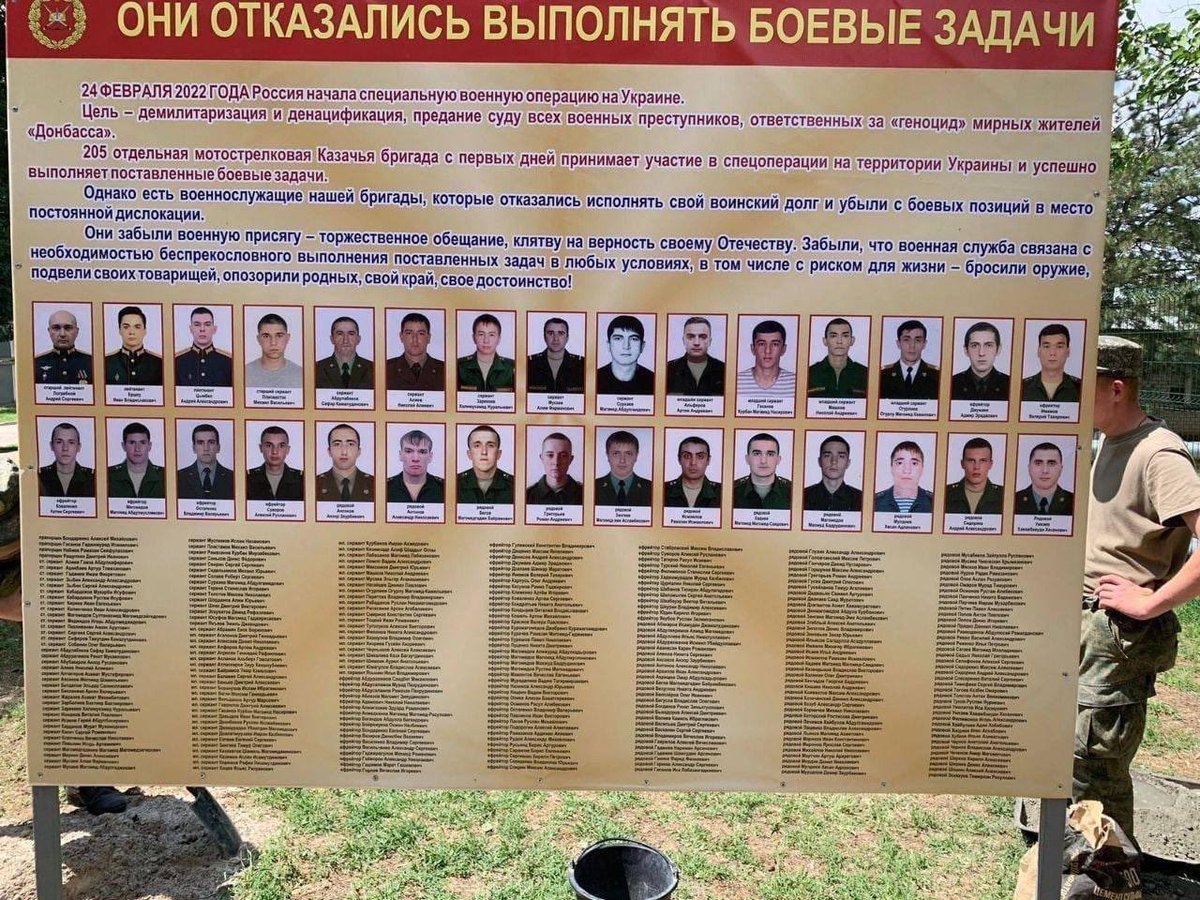
The example above was reportedly put up in Budennovsk, southern Russia, at the base of the 205th Separate Cossack Motor Rifle Brigade. It lists around 300 soldiers below the caption "THEY REFUSED TO CARRY OUT COMBAT MISSIONS". /2
The text below says:
"On 24 February 2022, Russia launched a special military operation in Ukraine. The aim is to demilitarise and denazify, to bring to justice all war criminals responsible for the "genocide" of the civilians of "Donbass" [quotation marks sic]. /3
"On 24 February 2022, Russia launched a special military operation in Ukraine. The aim is to demilitarise and denazify, to bring to justice all war criminals responsible for the "genocide" of the civilians of "Donbass" [quotation marks sic]. /3
From the first days of its existence, the 205th Cossack Brigade has been taking part in special operations on the territory of Ukraine and has been successfully fulfilling its military tasks. /4
But there are servicemen of our brigade who refused to fulfill their military duty and left the combat positions in the place where they had lost their military oath - solemn promise, oath of allegiance to the Motherland. /5
They have forgotten that military service requires unconditional performance of the assigned tasks under any circumstances, even at the risk of death - they have abandoned their arms, betrayed their comrades, dishonored their families, their country, their dignity!" /6
'Boards of shame' have likely been put up elsewhere. In a talk to the families of soldiers from the 35th Separate Motorized Rifle Brigade, Colonel Oleg Korotkevich said that 261 soldiers from the brigade had been discharged for refusing to fight in Ukraine. /7
From the transcript of the extracts published by @SvobodaRadio:
[Question from the audience]: "Can I ask you, is there a board of shame?"
KOROTKEVICH: "There's a board of shame, but it's in the subdivisions. We're not putting it up in the city yet. /8
[Question from the audience]: "Can I ask you, is there a board of shame?"
KOROTKEVICH: "There's a board of shame, but it's in the subdivisions. We're not putting it up in the city yet. /8
But we'll put it up, believe me, and we'll know everyone who's a disgrace, just like we'll know each of our heroes."
There were also indications at the start of the war, when many Russian soldiers were deserting, that boards of shame were being put up. /9
There were also indications at the start of the war, when many Russian soldiers were deserting, that boards of shame were being put up. /9
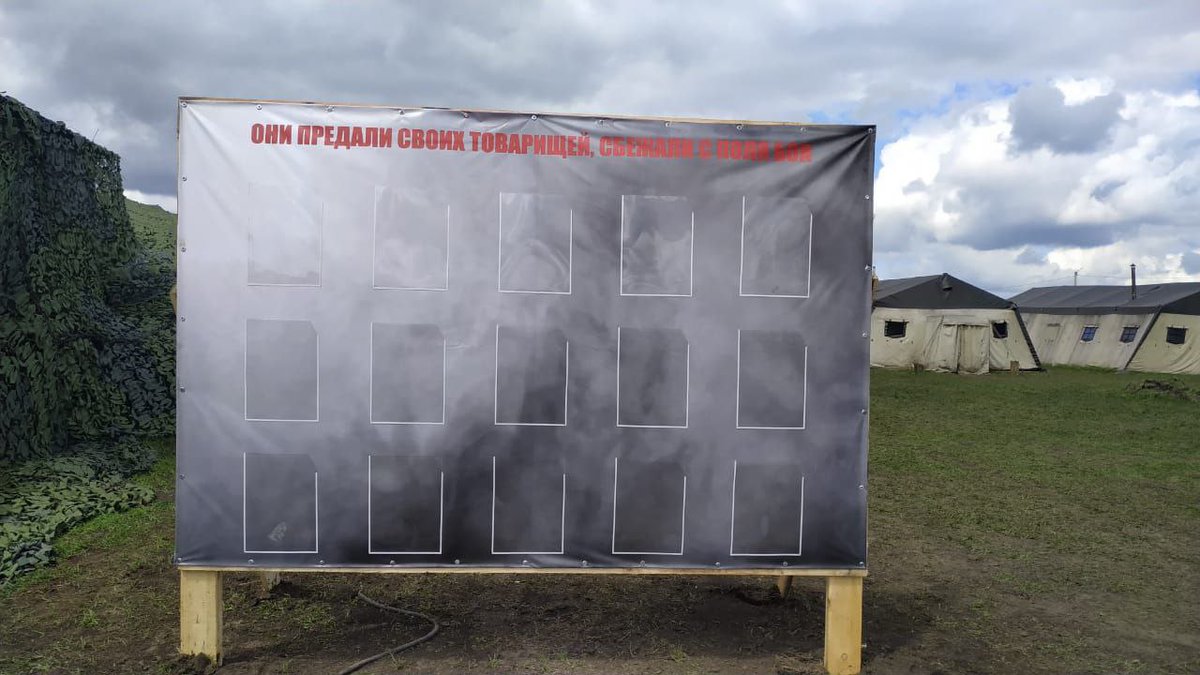
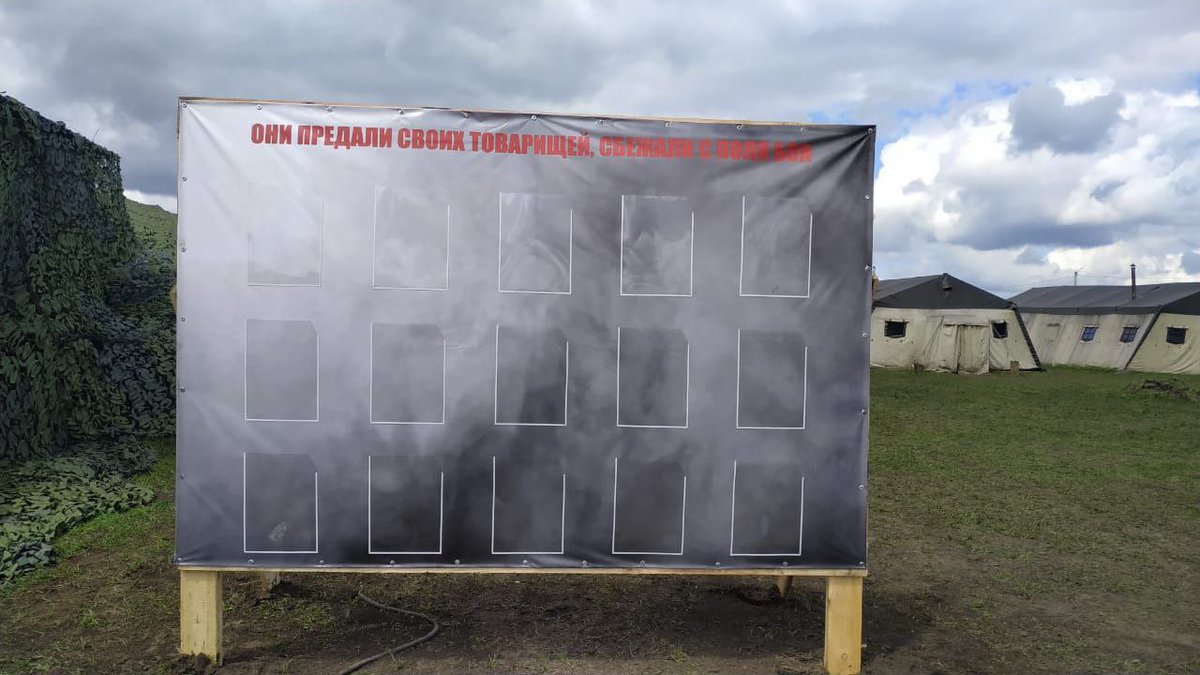
In April 2022, @RuslanLeviev of @CITeam_ru reported that a Russian unit on the Ukrainian border had put up blank boards for "bad men/good men". The grey board included spaces for displaying the photos of those who "betrayed their comrades, fled from the battlefield". /10
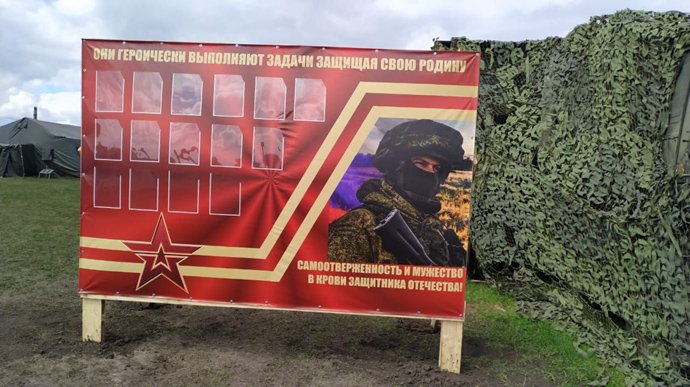
I have no idea how widely these are being used in today's Russian army, but the fact that they're being used at all is an interesting throwback to Soviet times. Let's look at the history of boards of shame. /11
Soviet society was heavily conformist, requiring citizens to abide by particular standards of behaviour at all times. Deviancy was punished. Even things like hair, music and clothes were policed by the state and by state-run youth groups like the Komsomol. /12
But there was only so much the state could do. Instead, it turned to encouraging a culture of shame (позор, pozor). What it couldn't police itself, it used social pressure to control. Which brings us to boards of shame. /13
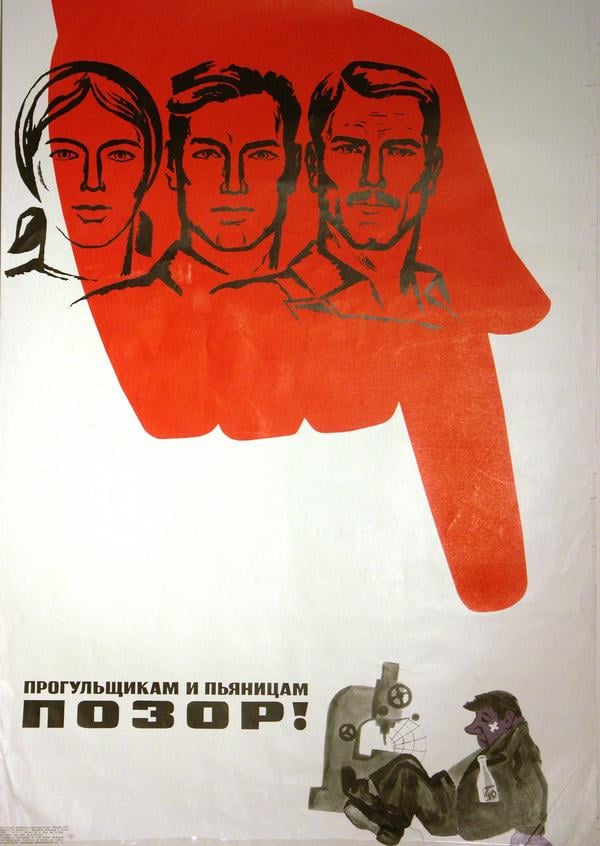
They are actually part of a duality, as the bad men/good men boards show. In Russian they're known as the doska pozora (board of shame) or 'black board' and its mirror-image, the doska pocheta (board of honour) or 'red board'. /14
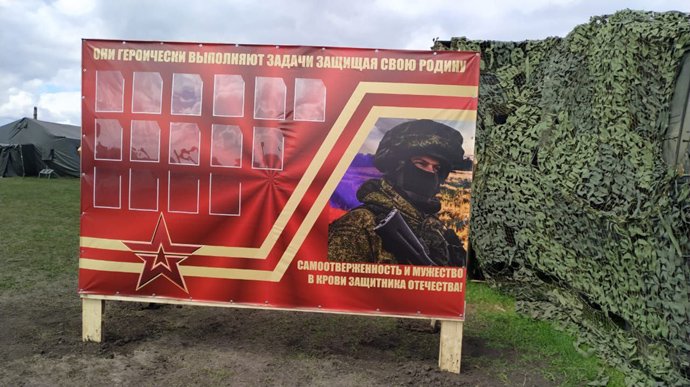
They were one of several mechanisms for public shaming, which included such things as comrades' courts - tribunals where neighbours or co-workers would sit in public judgement of someone accused of anti-social activity. The accused would have to confess and beg forgiveness. /15
Although the Soviet Union was nominally an egalitarian society, in reality status was all-important. Being featured on a red or black board could have significant consequences for your career, apart from the reaction of your peers. /16
Boards of shame or honour were used throughout the Soviet system, everywhere from schools to workplaces to collective farms and even in the camps of the GULAG, where getting food depended on meeting one's work quota. /17
The social pressure created by the boards was substantial: "Wives and children, friends and fellow workers, see there who has disgraced himself as a slacker. Children lecture their inefficient worker-fathers." /18
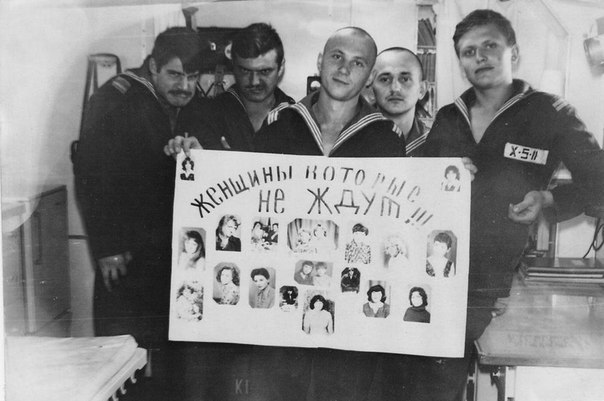
They could be used in other contexts too. These sailors aboard the Soviet cruiser Marshal Voroshilov in the 1980s compiled a 'board of shame' showing wives and girlfriends who had been unfaithful ("women who don't wait"). /19
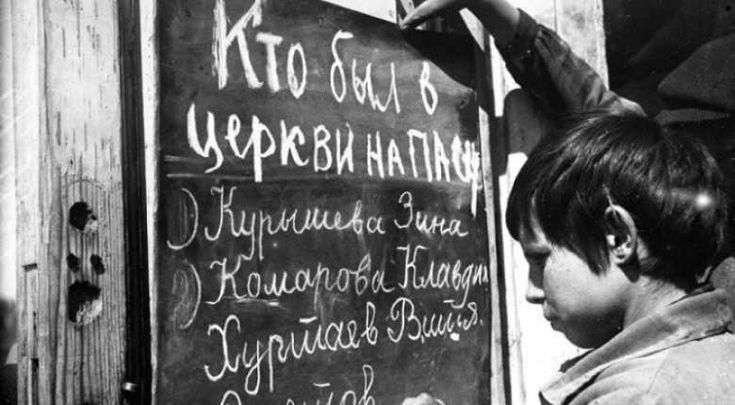
In another example from one of Stalin's anti-religious campaigns in the 1930s, the names of children who have observed Easter have been written on a board of shame in their school. /20
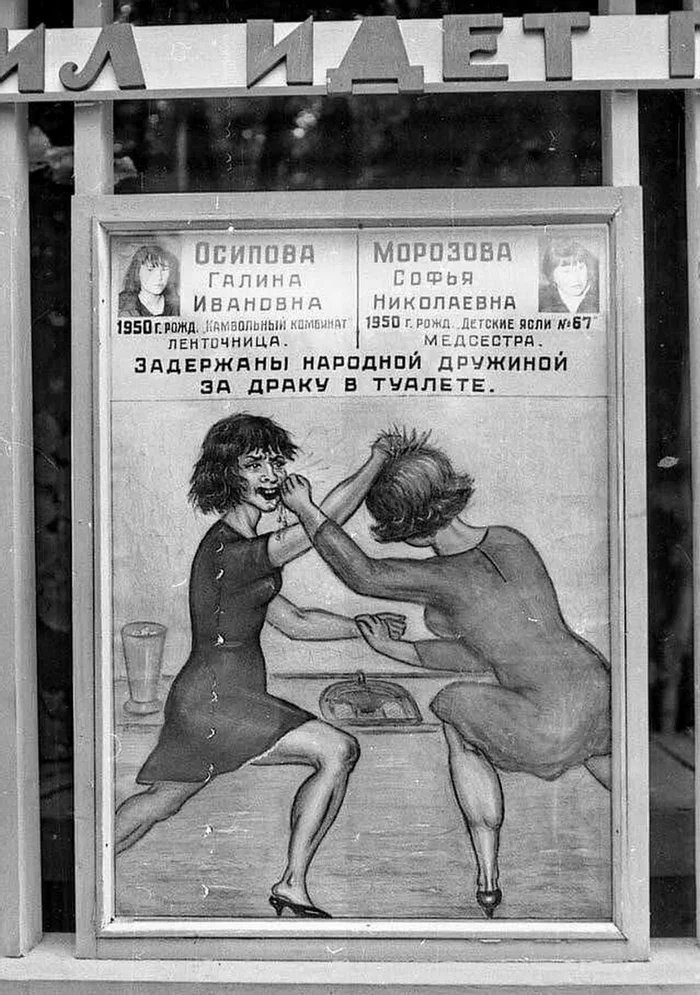
Sometimes a special effort was made to humiliate people seen as particularly egregious offenders. When two women were caught by the People's Patrol fighting in a public toilet in the 1970s, they were given their own illustrated board of shame. /21
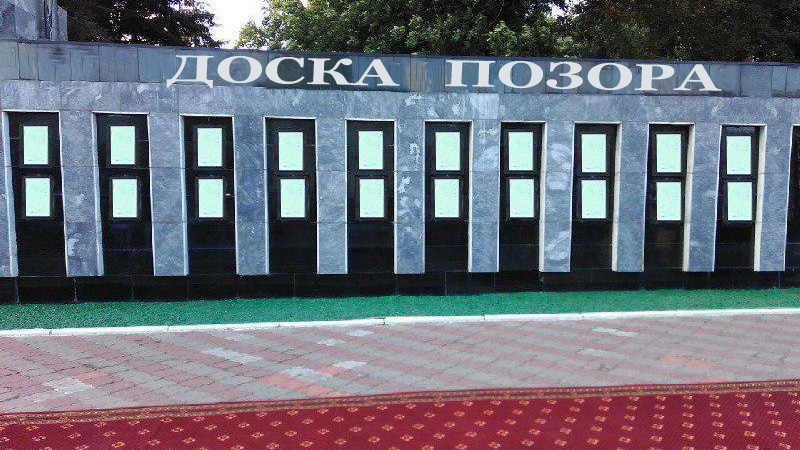
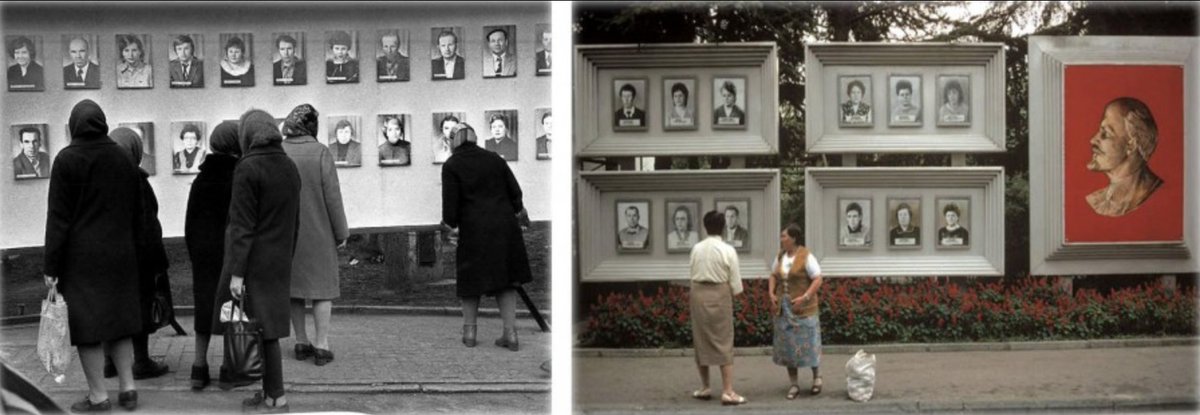
Soviet boards of shame and honour ranged in size and complexity from simple bulletin boards to grand, almost sculptural edifices in the centre of towns and cities, where passers-by would stop to see who had been misbehaving (or overachieving). /22
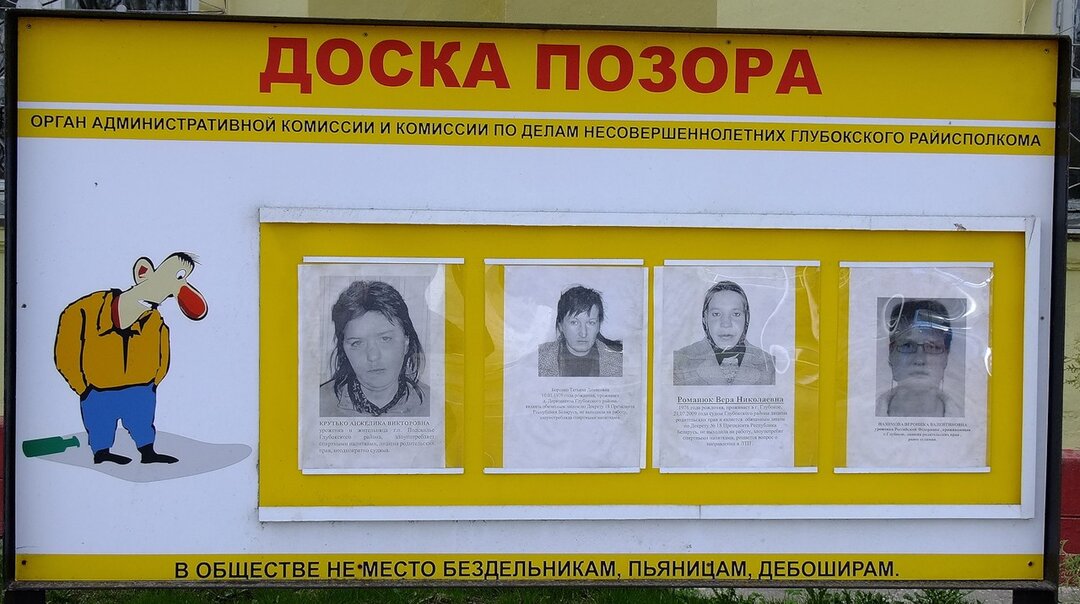
After the fall of the Soviet Union, boards of shame largely disappeared in Russia, but they appear to have continued in use in Belarus, which has continued to copy old Soviet practices. These boards of shame focus on drunkards (left) and debtors (right) respectively. /23
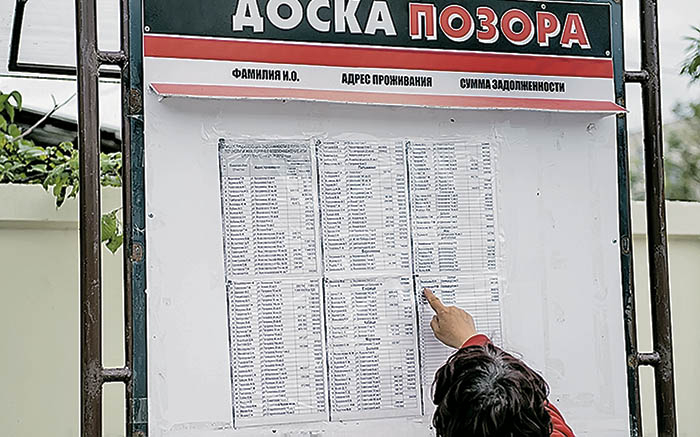
As Russian society has become more authoritarian under Vladimir Putin's rule, boards of shame have reappeared in many places to target debtors, corrupt officials, hooligans, underperforming private employees and even students who are late for a lecture. /24
Bringing the practice up to date, various public authorities have also created electronic boards of shame - or even searchable databases - listing corrupt officials or persistent driving offenders. /25
And boards of shame may become much more widespread in the future, if a draft law "On the Public Dissemination of Information on Socially Dangerous Persons" proposed in May 2022 by Communist deputy Yaroslav Kryukov is passed by Russia's parliament. /26
Kryukov proposes to reintroduced boards of shame in "squares, courtyards, squares, large shopping centers, billboards and city lights, as well as in the form of posters in public transport". /27
He suggests using them to denounce "persons convicted of participating in unsanctioned protests and writing negative comments on the Internet about the authorities and about the situation in the country". /28
And bringing things fully up to date with the information revolution, if you know someone who you think should be on a board of shame near you, you can report them through the 'My Denunciation' mobile app. Watch this space! /end
• • •
Missing some Tweet in this thread? You can try to
force a refresh