
There's been a lot of noise about risks stemming from UK-China science cooperation. The thesis is more or less predicated on the conviction that China is a threat to peace. It claims the UK is helping improve China’s capacity for war. Some recent developments. THREAD 1/50 (!) 

This thread will look at the thesis & developments largely through the lens of ‘Exploring Research Engagement with China’, a 100+ page report published some weeks ago by the RAND Corporation, & commissioned by the UK’s Foreign Office. What is RAND? 2/50 rand.org/pubs/research_…
RAND is one of the original think tanks. Formed by military men after WW2, it had strong links to the US gov't and worked with it on planning and strategy relating to nukes, the space race, computing, &c. - detailed strategic thinking melding futurism, geopolitics, tech. 3/50

100+ pages, RAND-authored, paid for by the UK government, & on such a key topic - yet I can’t find much analysis of it, even from some of the new outfits looking at the UK’s China policy. So I thought I’d write this. 4/50
First, context: the current UK government lacks a concerted and consistent strategy for relations with China. Not only is there no strategy, there's no basis for one, because there's no agreement on the extent to which China should be considered a hostile power/ threat. 5/50
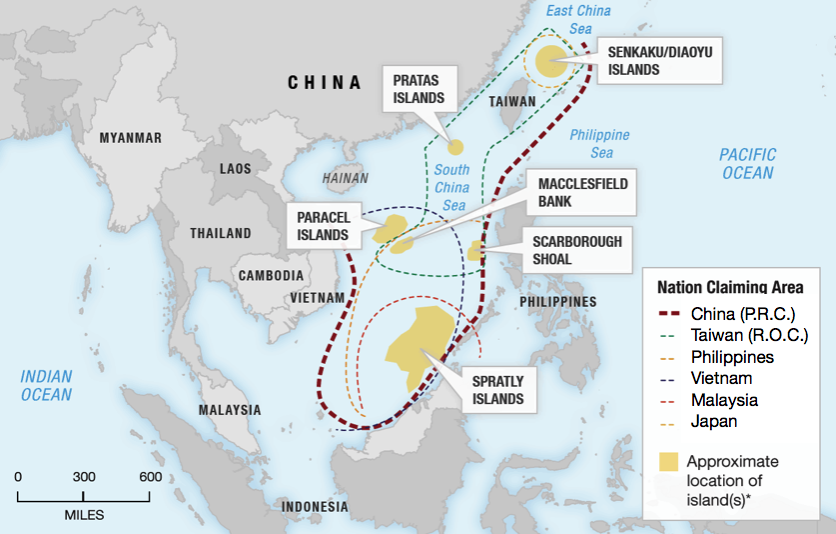
As for the reality, 🇬🇧is pulling in different directions, passing laws to reduce economic dependence on 🇨🇳 but deepening trade relationship, upping the security focus on 🇨🇳 whilst pursuing collaboration on AI, comms tech, advanced materials, etc. 6/50
https://twitter.com/samdunningo/status/1521793932702670849
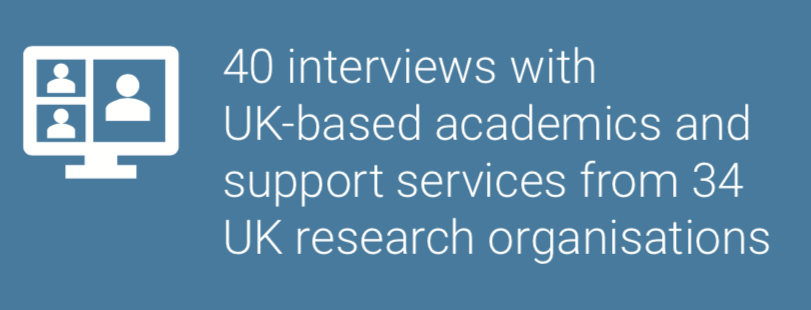
First & foremost, RAND looks at that collaboration, with the following new evidence: 1) new data on UK-China joint research centres; 2) a set of several dozen interviews with academics and “support services”.
1) gets this cool treatment
7/50
1) gets this cool treatment
7/50
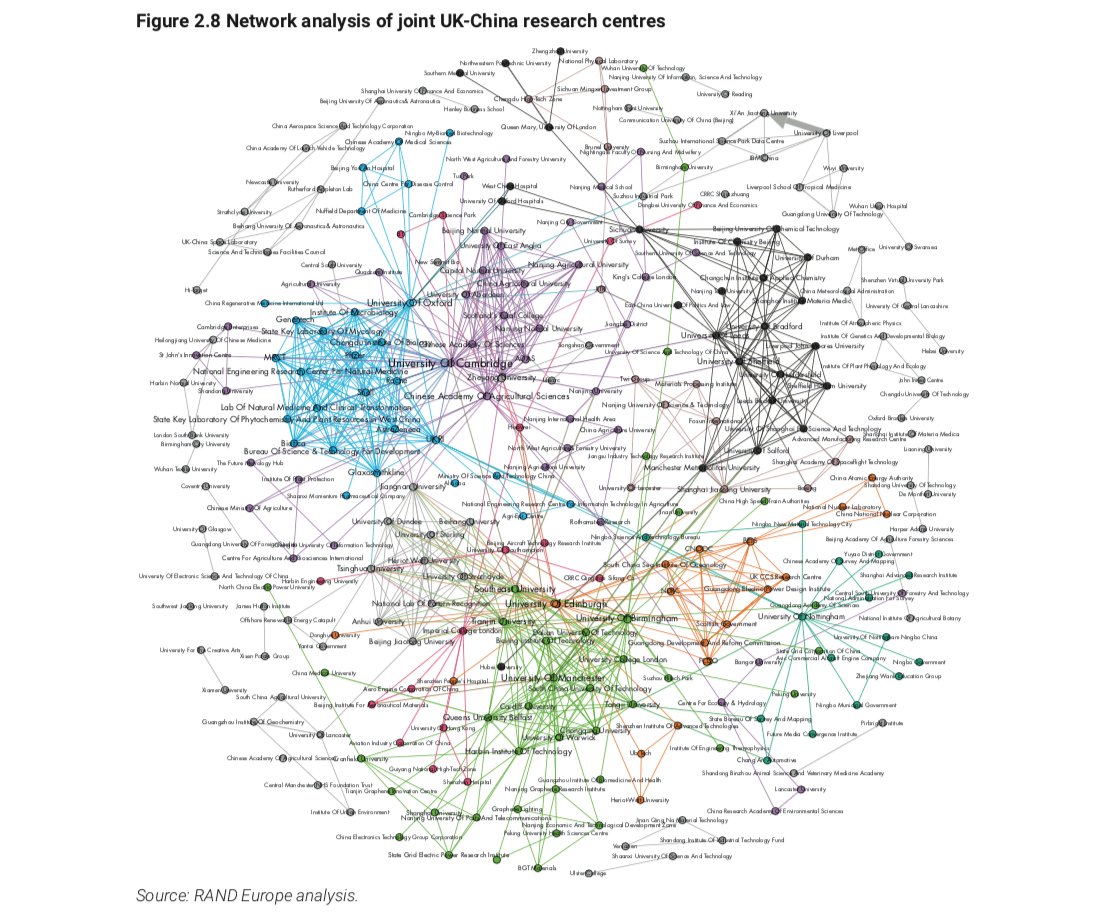
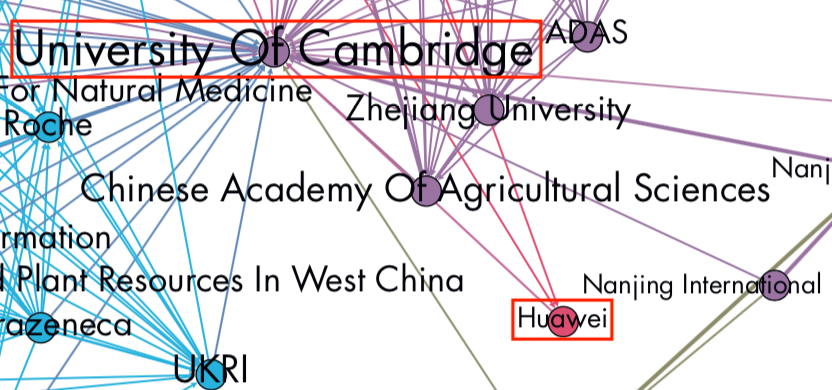
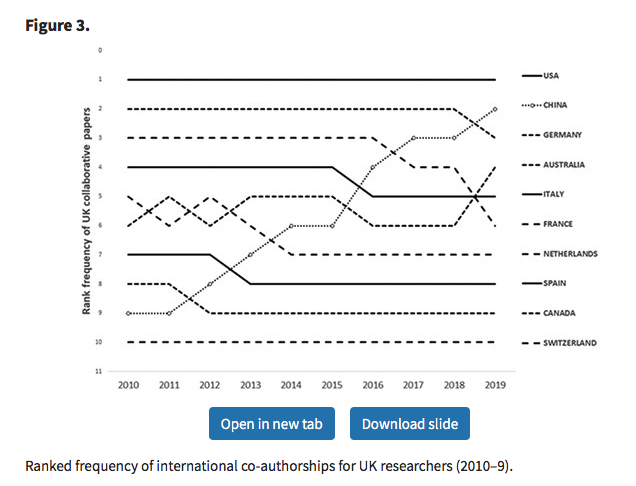
This network analysis reveals the ‘most connected’ institutions & highlights “nine main network clusters”. Cambridge comes first - and here’s its network - followed by Southeast University (China), Edinburgh, Oxford and Birmingham. However, there are some issues with this:
8/50
8/50
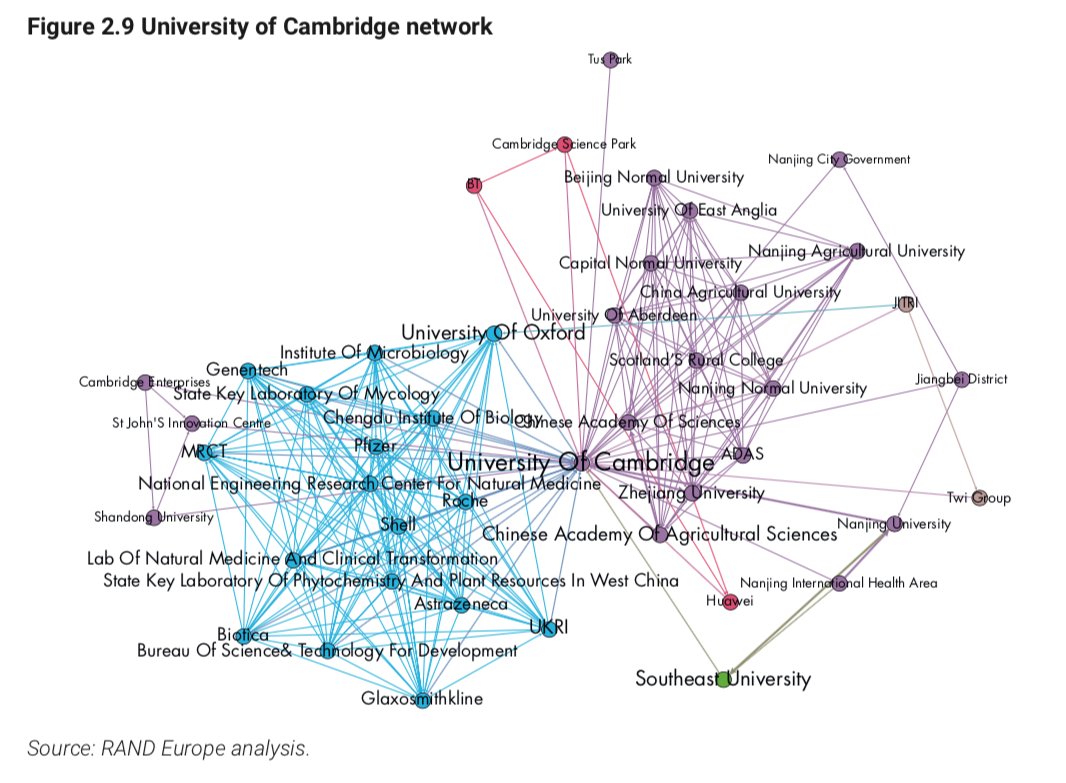
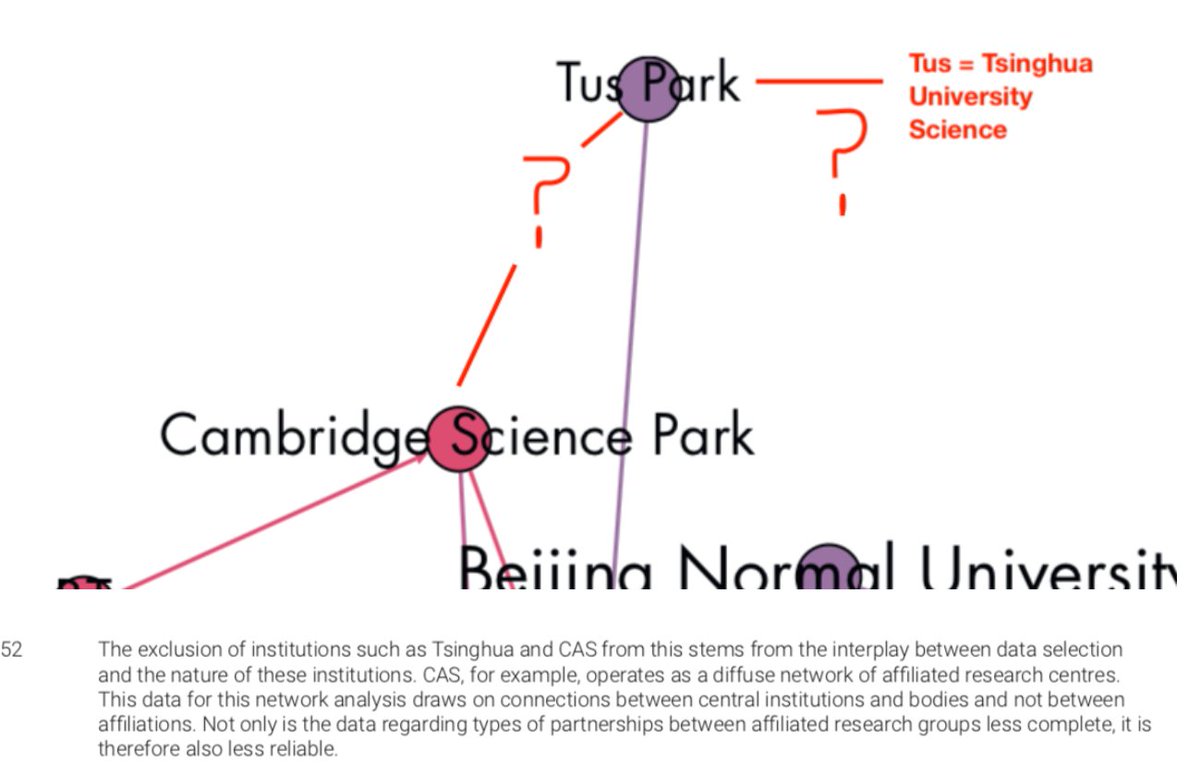
First, missing connections. E.g. Tuspark, shown in the Cambridge network, is actually owned by Tsinghua University. This is omitted (deliberately.) Its Cambridge site is part of the Cambridge Science Park. This too is omitted (deliberately?) 9/50
There is also no mention of the Global Issues Dialogue Centre at Jesus College, which has been funded by Huawei and the Chinese government. It produces minimally technical overview- / introduction-style research on comms tech & related issues. 10/50 jesus.cam.ac.uk/sites/default/…
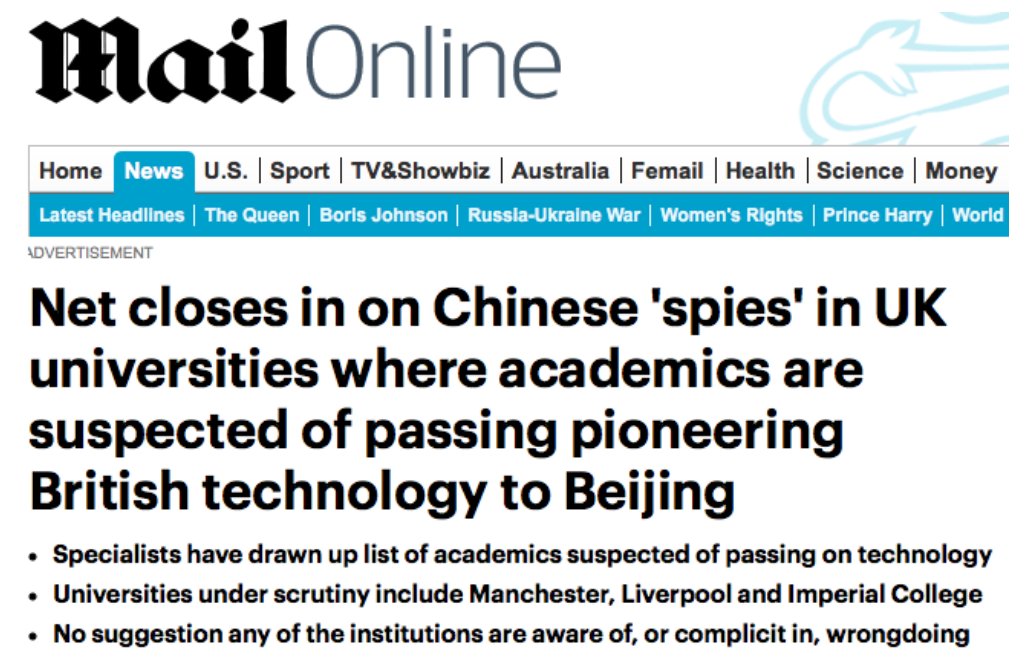
Glancing at e.g. Huddersfield, I see another seeming omission. Don’t know how many omissions overall... & this data doesn’t include informal groups, even those funded by / working with a 🇨🇳 entity, / containing scientists from 🇨🇳 military e.g. dailymail.co.uk/news/article-9… 11/50
Apparently “limited resources prevented the compilation of a fully comprehensive partnership database” - BUT the database is “non-exhaustive but nonetheless comprehensive”..! This despite getting “government furnished information”. Does 🇬🇧 yet have a database? ‘No’ = bad. 12/50
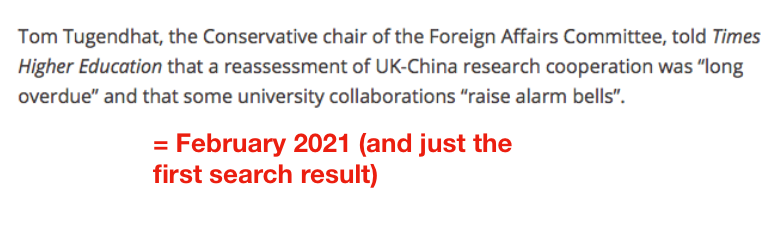
If the answer is no, how do scientific advisors help the government provide oversight and make decisions about what's unwise? @TomTugendhat @MPIainDS etc. who’ve been asking questions about this topic for ages, also @DavidLammy et al. 13/50
The interviews: interviewees say that "accessing Chinese human capital”, IE working with Chinese scientists, is a key incentive to work with Chinese institutions. It's not just about money; not just about 🇨🇳 'buying UK science’.14/50
This is key & sometimes overlooked. It’s about accessing top science talent from a nation of over 1 billion people. This is one of the opportunities that working with Chinese partners presents to UK scientists. 15/50

🇬🇧🇨🇳 science collaboration is not just a story of 🇬🇧 unis brown-nosing 🇨🇳 institutions in order to get mere money. 🇬🇧 scientists want to work with 🇨🇳 personnel too. This ties the matter into the larger picture of huge 🇨🇳 student numbers in the 🇬🇧 16/50
https://twitter.com/samdunningo/status/1521793384687587330
Critically, here lie the risks the RAND report ought to analyse: that 🇨🇳 researchers ‘steal IP’, ‘transfer technology' to 🇨🇳, 'go back & work for the military’ or ‘go back & strengthen 🇨🇳 science generally’. The report misunderstands 1 & 2 by ignoring 3 & 4. 17/50
The problem is that the key threat - 🇨🇳’s growing capacity to fight wars - is barely treated at all. The UK’s contribution to that threat, which is supposed to be the object of study of this paper, is thus obscured. How so? 18/50
Those first two key ‘risks’ - “transfer of dual-use technologies” & “IP theft” - are described in the context of 🇨🇳's Military-Civil Fusion strategy. 19/50
We get a ‘what it says on the tin’ definition of that strategy (it’s a plan to improve 🇨🇳's military “ through closer integration of Chinese civilian and military Research and Development (R&D) ecosystems”) but no analysis… 20/50
The report swiftly moves on to emphasise its ‘finding’ that UK ‘stakeholders’ have not “experienced” these risks, implying that ‘the media’ has exaggerated this issue. 21/50
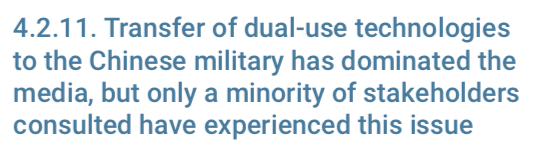
Now, I leave it to phenomenologists to question what it means to ‘experience a risk’. For me, this language is nonsense, nothing more than jargon/euphemism for ‘many stakeholders don’t care / conduct proper checks.’ 22/50
Could their lack of enthusiasm for proper due diligence perchance have something to do with that predilection for working with Chinese scientists mentioned earlier? This is not investigated. 23/50
Now, the report was published on the 21st of June. The next day it was promoted in the following press release. rand.org/news/press/202… 24/50
A few weeks later, on the 7th of July, we get the counterpoint, a.k.a. reality. MI5 and FBI do a joint conference touching on this topic. theguardian.com/world/2022/jul… 25/50
Now, if you read the text, which I got through @BeijingToBrit [beijingtobritain.substack.com/p/new-top-uk-a…], two relevant things stand out. First, since changing rules on Chinese researchers, *more than 50 military-linked individuals have left*. 26/50
So, RAND says “only a minority” of stakeholders have “experienced” transfer of dual-use technologies… but dozens of military researchers-to-be have left the UK, where most would have been studying ‘civilian’ science. What’s going on? 27/50
As I state above, you cannot understand IP theft and tech transfer without treating their lifeblood: large numbers of 🇨🇳 students coming here, studying STEM and then going back to 🇨🇳. 28/50
https://twitter.com/samdunningo/status/1549333312451317761
Now, I’ve not seen the RAND interviews/surveys, but asking scientists if they’ve ‘experienced the risk of transfer of dual use technology’ ≠ asking if they know what all the Chinese researchers they’ve worked with are up to back in China! 29/50
They may be working for a military or military-adjacent organisation (3), or they may be just doing good science (4). Actually, both matter! Military-civil fusion is not just about co-opting ‘civil’ science into military: it must be about improving ‘civil’ science too. 30/50
Which brings us back to that key threat - 🇨🇳’s growing capacity to fight wars. That capacity is as much improved by good science as applied to industry generally as by good science as applied to military rocketry. 31/50
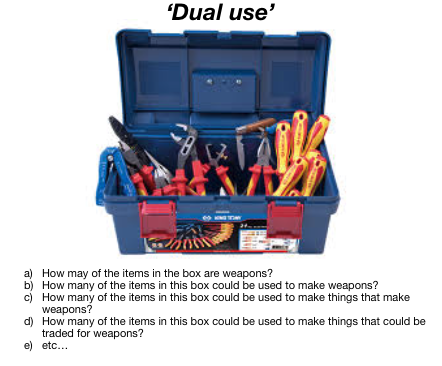
It is no wonder the RAND report creates the cloud of confusion that it does: it is biased. Commissioned by the British Embassy in Beijing (still tasked with promoting science collaboration..), its introduction states its predetermined position clearly. 32/50

‘Decoupling is bad’ —> ‘scientists haven’t experienced risks’ —> put the brakes on efforts to stop contributing to 🇨🇳’s growing capacity to fight wars. Except it’s not just an attempt to put the brakes on. It says, ‘more gas!’ 33/50
It proposes UK stakeholders do more grant-funded “regular visits to China” that are “project agnostic”, IE not about anything specific; that we “build a new generation of UK academics working with China”; that we introduce “dedicated UK-China partnering grants”. 34/50
The report is not without insights, but these are generally under-explored. E.g., there is an allusion to the huge language asymmetry in these partnerships (the Chinese speak English more than we speak Chinese), but this gets only a passing mention. 35/50

Anyone can see this asymmetry is important, & may explain why ‘UK stakeholders’ haven’t ‘experienced risks’. How are you going to do due diligence/ discover that good old Tim now works for the PLA when you’ve no access to impartial Chinese language skills? RAND ignores. 36/50
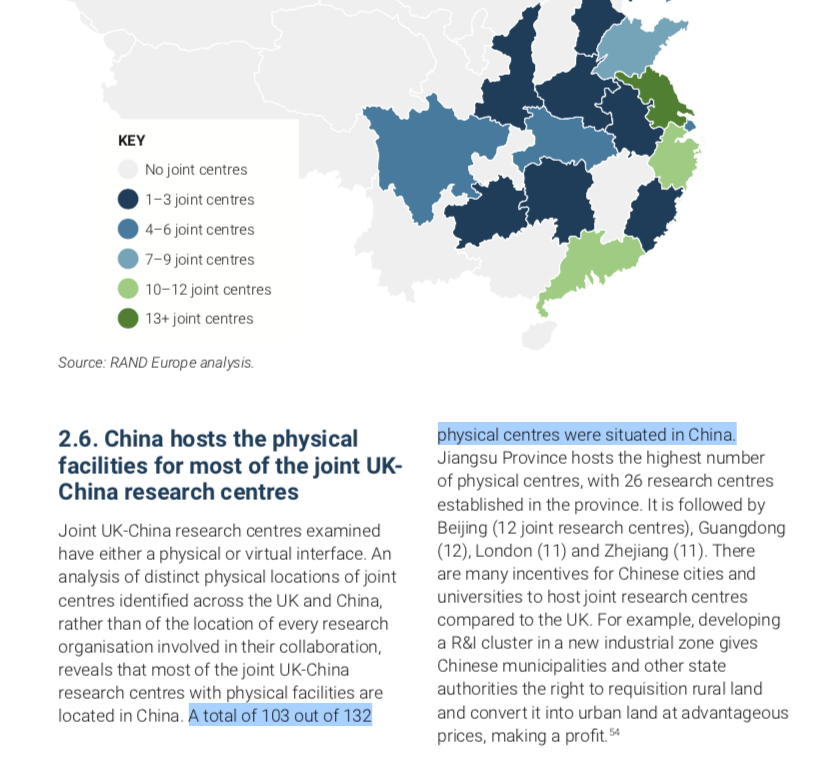
There is then the crucial finding that most of the labs where joint research centres work are in 🇨🇳. This is important, but gets just a few paragraphs of superficial treatment. But why is this? Were any labs specially built? What access does UK side get? No answers. 37/50
A final great point made by the report is its criticism of the “absence of… guidance” & “contradictory advice” on the part of the 🇬🇧 gov’t. Ironically, the report contributes to this… but it's a fair point & the recommend'n that advice be integrated & unified is good. 38/50
Which brings me back to the MI5/FBI talk. The second relevant point about this talk is who it was given to, its audience. It was the same group of people whose situation, role and responsibility was muddled by RAND. 39/50
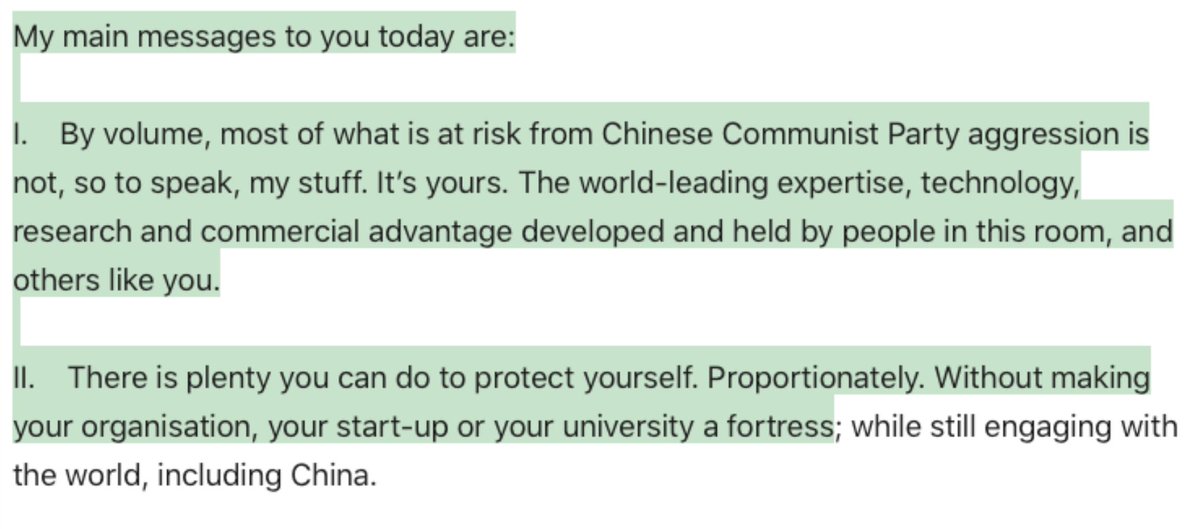
But **critically**, as the choice of audience for the MI5/FBI talk indicates, grassroots resilience & healthy skepticism are needed amongst the scientific/research community & its support. 40/50
The ‘anything for 🇨🇳 money’ dynamic explains some of this - I hear it was on full display at a recent @FoundSciTech event attended by Chinese embassy staff. Uni admin (thinking of 🇨🇳student fees) pursue science collab in order to strengthen the overall relationship with 🇨🇳 41/50
There’s also vapid cultural relativism. My feeling is that its influence amongst support staff & ‘experts’ is greater than many think. The racism of arguments like ‘dictatorship is unproblematic for East Asians’ (ignoring 🇰🇷🇯🇵🇹🇼et al.) should be challenged strongly. 42/50

But finally and most importantly, there is the basic fact that scientists want to collaborate. In my experience, they are often quite skeptical about the national and the political, and generally open-minded. 43/50
For Western scientists, this admirable tendency can fade into ignorance about the CCP system, a nasty one-party state that co-opts individuals on a scale unfamiliar to democratic society. See e.g. this recent story webtimes.uk/china-lured-gr… 44/50
This co-option sometimes remains secret for decades/-ever - again putting the lie to the ‘experiencing risks’ nonsense. 45/50
This story is about a Czech who worked on nuclear physics at Oxford alongside my late grandfather and a colleague of his whom she seduced. My grandparents' suspicions were only confirmed when the Czechs opened the relevant archives... last year. dailymail.co.uk/news/article-9… 46/50
At the end of the day, the capacity of the UK gov’t to provide direct oversight of this sprawling collaborative process is limited but must improve. There should be direct intervention to decouple in higher-risk areas with direct military uses. 47/50
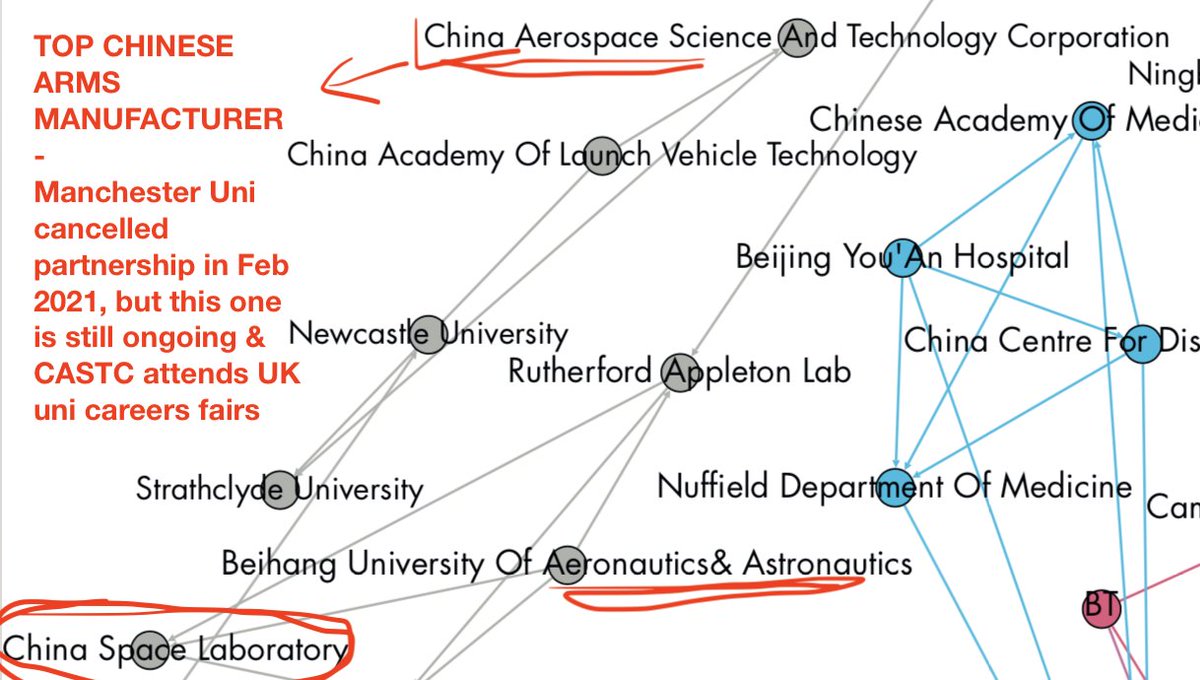
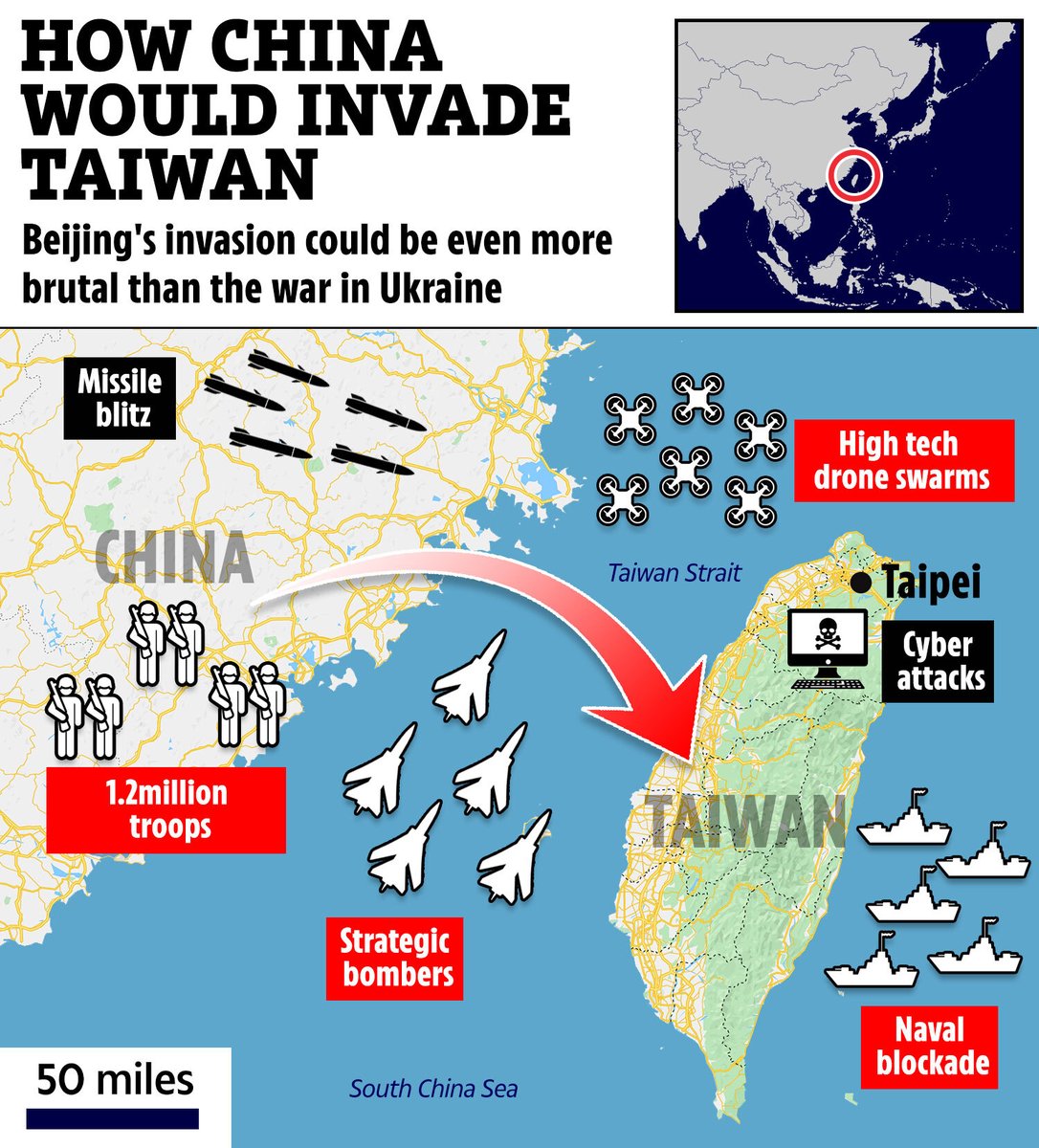
We should make preparations, with our allies, for winding down collaboration overall (including in civilian areas), given that the revisionist, irredentist CCP has never stopped expressing its determination to annex Taiwan. 48/50
https://twitter.com/samdunningo/status/1521793399803854848
This reality is starting to make an impression, thanks to likes of @viviennestern’s (about to take over at Universities UK) message covered here. This should aid the grassroots awareness of the basic context, which has been lacking and must improve. thetimes.co.uk/article/beware… 49/50
But, as in business, more work needed to de-normalise the centrality of a totalitarian state to 🇬🇧critical national activity. 🇨🇳’s importance grew rapidly from c. 10 years ago. We’re 2-3 years into being more skeptical, yet the pace of revision & reform IS NOT fast enough. 50/50
https://twitter.com/Ss1Xx13/status/1549338631977897984
For anyone confused about this - answer in my response to Layla's message. Technical cock up my end
@threadreaderapp unroll
• • •
Missing some Tweet in this thread? You can try to
force a refresh






