More on bridge-busting: an update to a thread I posted two months ago on the likelihood of Ukraine being able to take down the Crimea/Kerch bridge (actually bridges) with the US-made HIMARS rocket artillery system. /1
https://twitter.com/ChrisO_wiki/status/1530225558096949251
In the thread, I noted the difficulty of taking down bridges from a distance with anything short of a large laser-guided bomb. Note that the long-range ATACMS rocket that HIMARS can fire only has a 500 lb / 247 kg warhead - 1/4 of the weight of a 2,000 lb BLU-109/MK 84 bomb. /2 
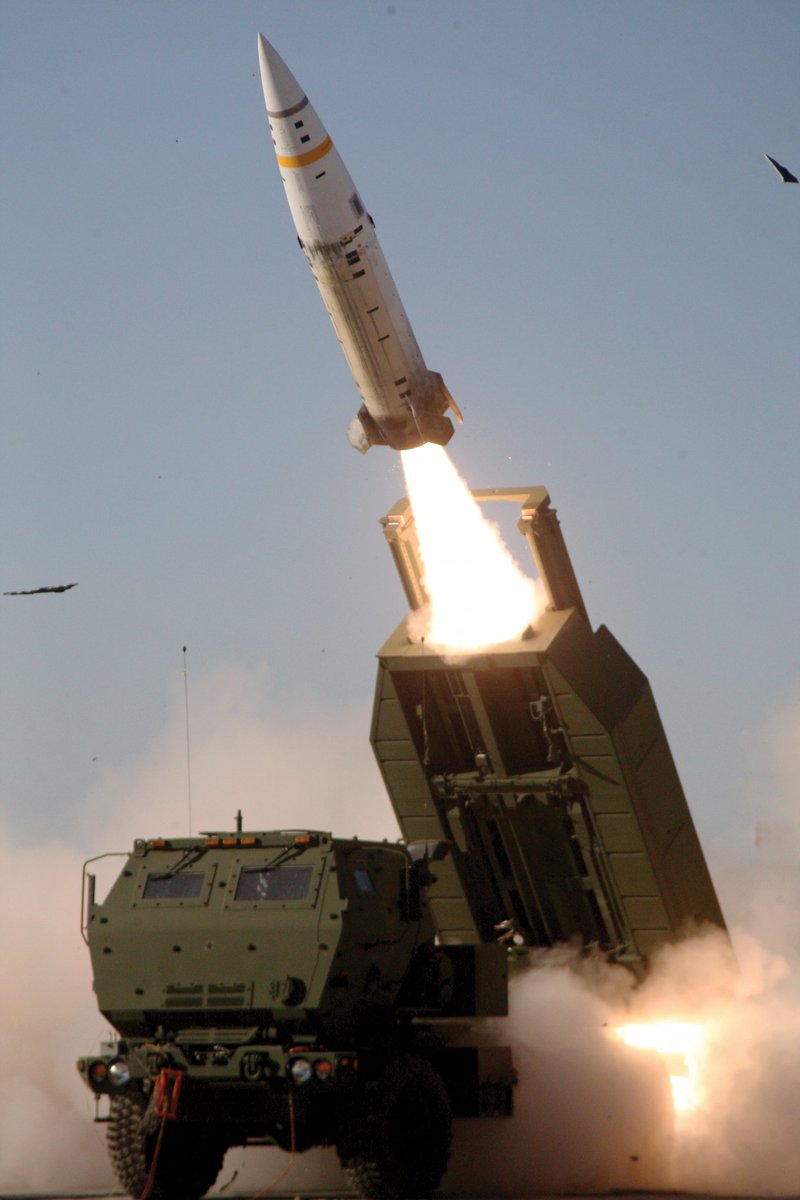
Ukraine doesn't appear to have been given any ATACMS missiles yet. It does however have M31 guided missiles, which have an even smaller warhead (200 lb / 90.7 kg). And we now have direct evidence of how well it performs against a bridge. /3
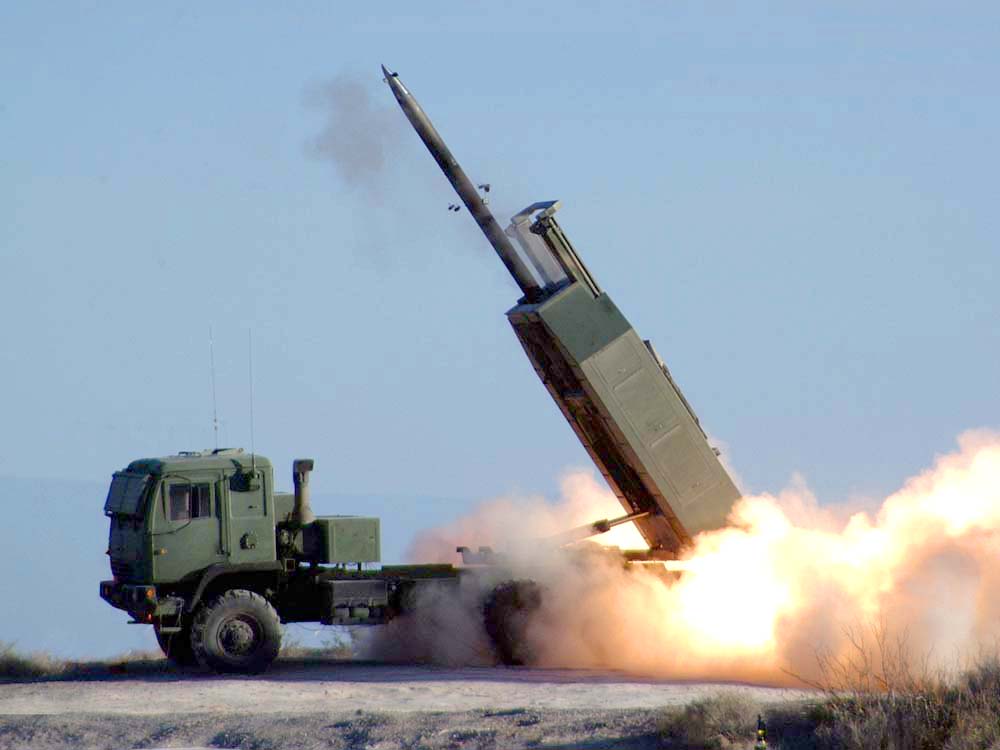
Earlier today, Ukrainian forces reportedly used HIMARS to attack the strategically vital Antonovsky bridge across the Dnipro river near Kherson. It was likely part of preparations for a Ukrainian offensive to retake the city. /4
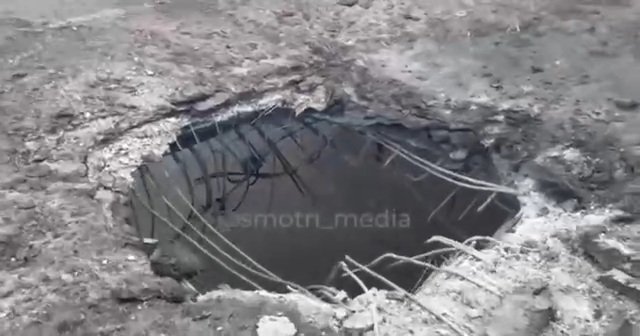
The Russians claim that five out of the six missiles were intercepted by their air defences, and that only one actually hit the bridge. (There is some dispute about the number of hits.) But the level of damage is clear enough. /5
https://twitter.com/i/status/1549353388713938945/video/1
I'd assess this as two holes, each approximately 1 m square, only one of which is in the roadway. The bridge itself doesn't look like it's been seriously weakened. It should be possible to patch the holes and carry on as before. /6

I think there are a few lessons to take away from this:
1) Even using a 500 lb warhead, HIMARS is more likely to punch holes in bridge decks rather than bring bridges down. It would have to get very lucky to hit a critical support structure. /7
1) Even using a 500 lb warhead, HIMARS is more likely to punch holes in bridge decks rather than bring bridges down. It would have to get very lucky to hit a critical support structure. /7
2) But HIMARS could put a bridge temporarily out of use another way - imagine hitting it once a day, every day, maybe in the same place each time. Harassing fire might be a workable tactic. However... /8
3) *If* the Russian claims of shooting down 5 of the 6 incoming missiles are true (and I have doubts about that), then it suggests they're getting better at countering HIMARS. If so, a heavily defended target like the Crimea Bridge will be very tough to take out. /9
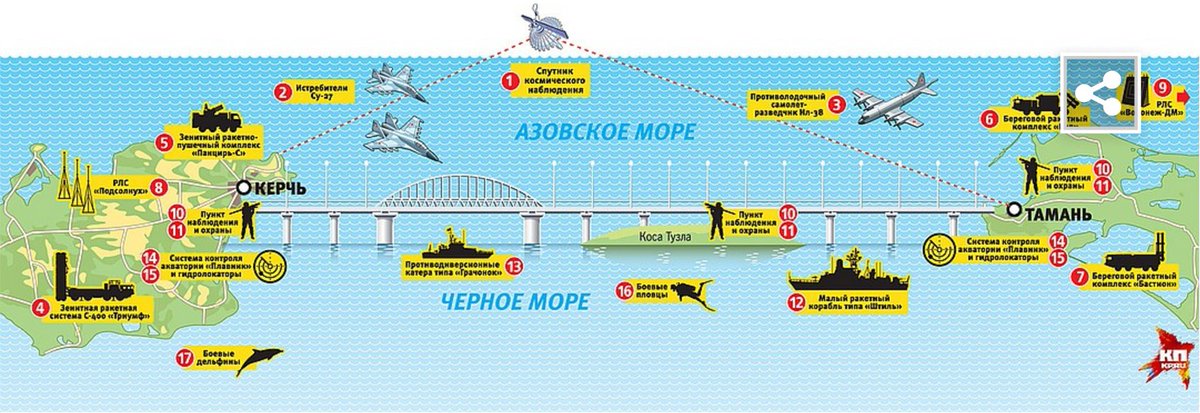
4) Following on from point 2, if the Russians can shoot down HIMARS missiles effectively, then using ATACMS against heavily defended targets may be a waste of resources. Only about 900 ATACMS missiles have ever been made and the US will want to keep most of them for itself. /10
So in conclusion, I continue to be sceptical of suggestions that the Ukrainians would use the small number of ATACMS missiles they might receive against the Crimea Bridge. There are many more targets they could hit with far more effective results. /11
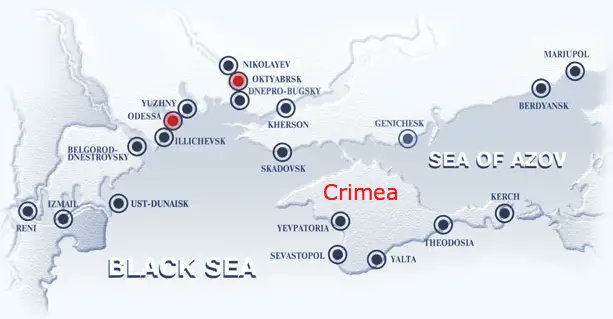
At the other end of Ukraine's Black Sea coast, Russia has had another go at destroying the road and rail bridge across the Dniester estuary at Zatoka, south-west of Odesa. /12

It has previously attempted to destroy the bridge with long-range cruise missile strikes. At the start of June, an attack finally succeeded in cutting the rail track and roadways. But the Ukrainians have kept repairing it. (Bridges are hard to knock out permanently!). /13
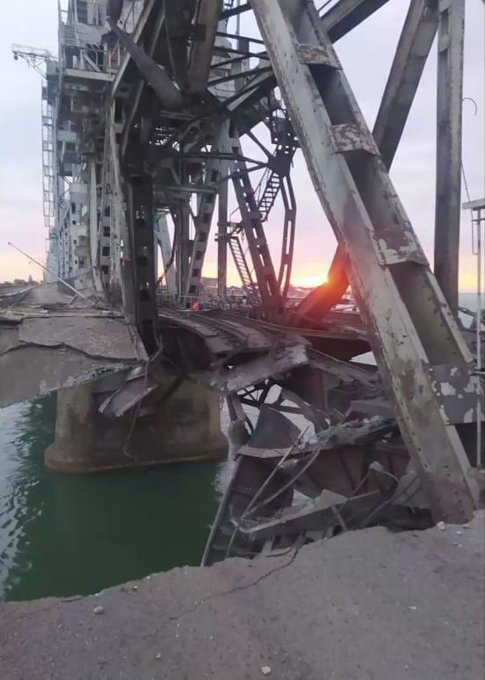
Today's attack took a different approach. Instead of using Kalibr missiles - which are accurate to within a few metres but are dumb about where they hit - Russia reportedly targeted a key bridge structure with a manually guided Kh-59 cruise missile. /14
https://twitter.com/i/status/1549434939602391040/video/1
The operator flew the missile into one of the bridge's pylons. It's a vertical lift bridge, where the centre section opens to allow ships to pass underneath. /15

It's likely that the vertical lift mechanism is now inoperable. This may mean that any large ships on the west side of the bridge are now trapped in the Dniester Estuary. If so, it would effectively put the Bilhorod-Dnistrovsky Seaport, 14 km north-west, out of use. /16
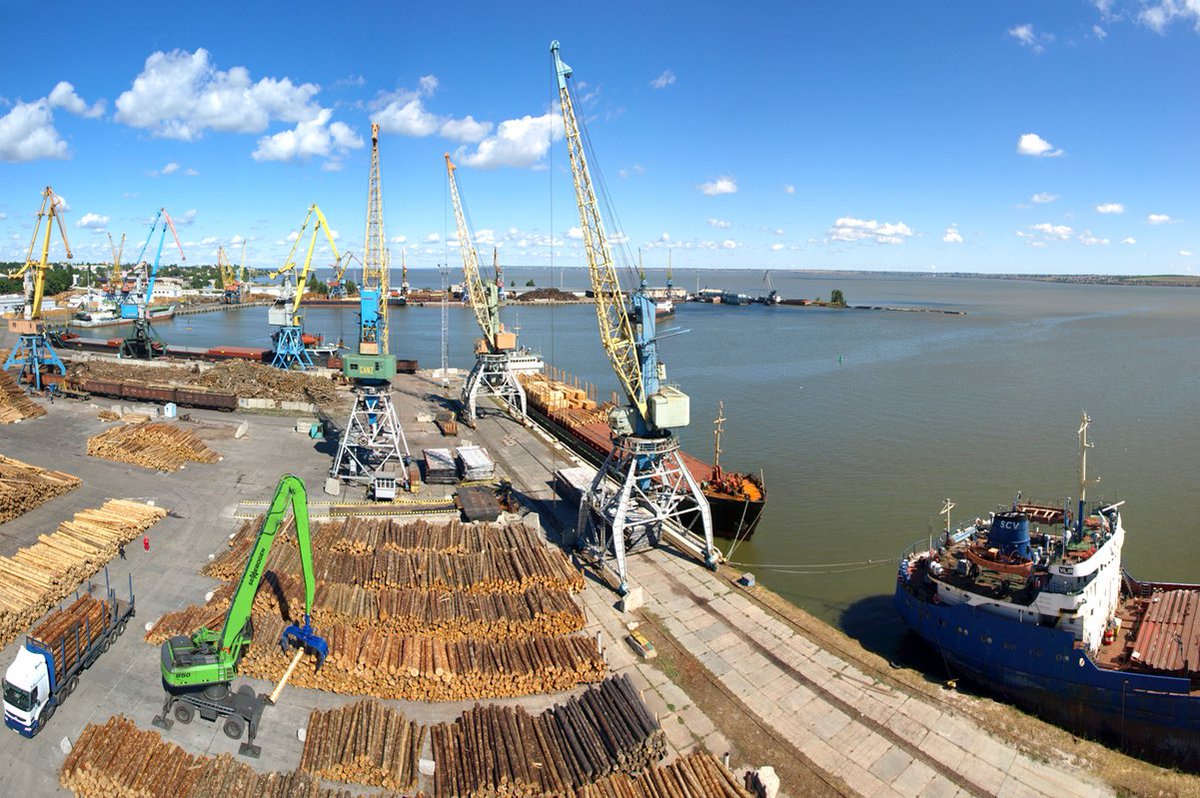
Bilhorod-Dnistrovsky is not Ukraine's biggest seaport by any means but with so few ports left in Ukrainian hands, the effective loss of use of one of the remaining ones would likely be a blow. /17
The Russian intention in targeting the bridge pylons may have also been to try to make the bridge permanently unusable by bringing down a key support structure, though with a 320 kg (705 lb) warhead on the Kh-59 missile, a single hit is unlikely to do that. /18
I would however expect them to keep trying, unless Ukraine can get hold of an air defence system that can stop them. Bridges may be tough, but they're unlikely to survive repeatedly being hit, and the Russians – unlike the Ukrainians presently – have the means to do that. /end
• • •
Missing some Tweet in this thread? You can try to
force a refresh