There's a "Museum of Failure" in Sweden which highlights 150+ failed products. It's meant to show that innovation requires risk-taking and failure.
Here are 10 gems you may not remember:
Here are 10 gems you may not remember:
ESPN phone (2006)
This ESPN-branded flip phone provided grainy video highlights and 24/7 sports news. It cost $399 or "free" with a $65-$225/month plan.
It lasted <1yr, with Steve Jobs telling ESPN execs "“Your phone is the dumbest f***ing idea I have ever heard.”
This ESPN-branded flip phone provided grainy video highlights and 24/7 sports news. It cost $399 or "free" with a $65-$225/month plan.
It lasted <1yr, with Steve Jobs telling ESPN execs "“Your phone is the dumbest f***ing idea I have ever heard.”

Ikea a.i.r. (1980s)
Ikea took "DIY" and "transportable" to new heights with its line of inflatable furniture (a.i.r.).
Valves constantly leaked and needed re-pumping. The line did last almost a decade, though.
Ikea took "DIY" and "transportable" to new heights with its line of inflatable furniture (a.i.r.).
Valves constantly leaked and needed re-pumping. The line did last almost a decade, though.

TwitterPeek (2009-2010)
A $200 handheld device that *only* ran Twitter. It was a disaster:
◻️You could only see 20 characters at a time
◻️Linked websites were inaccessible
◻️It only refreshed the 10 most recent Tweets
A $200 handheld device that *only* ran Twitter. It was a disaster:
◻️You could only see 20 characters at a time
◻️Linked websites were inaccessible
◻️It only refreshed the 10 most recent Tweets

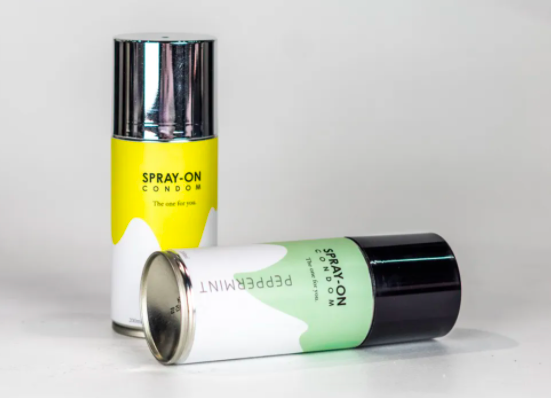
Spray-on Condom (2006-2008)
Step 1: Insert junk into spray apparatus
Step 2: Spray on melted latex
Step 3: Wait 3 minutes for it to dry
Step 4: This is the most insane thing ever seen in my life
Step 1: Insert junk into spray apparatus
Step 2: Spray on melted latex
Step 3: Wait 3 minutes for it to dry
Step 4: This is the most insane thing ever seen in my life
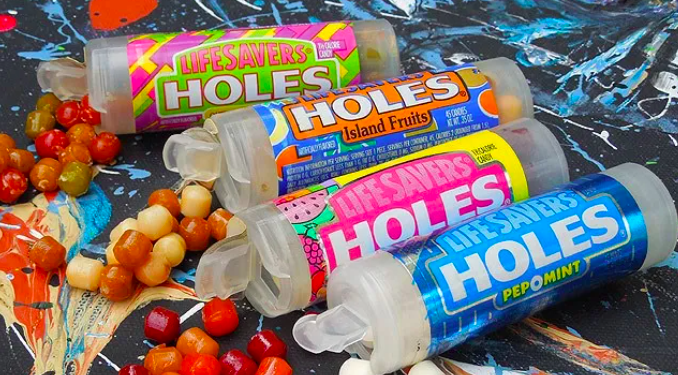
Lifesaver Holes (early 1990s)
Honestly, this was kind of a good idea.
Lifesaver launched a product that was supposed to resemble the punched out holes from the OG circular candies. It totally flopped.
Honestly, this was kind of a good idea.
Lifesaver launched a product that was supposed to resemble the punched out holes from the OG circular candies. It totally flopped.
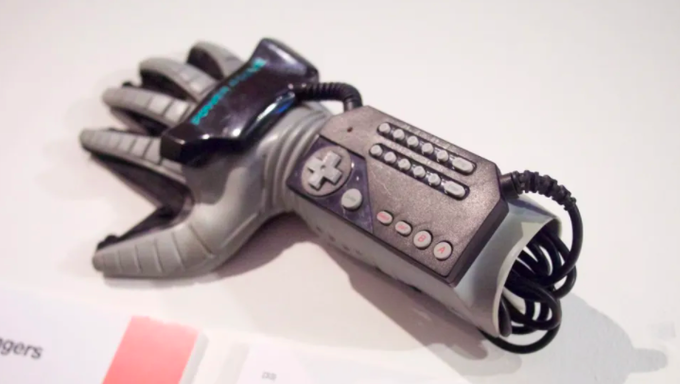
Nintendo Power Glove (1989-1990)
This was one of Nintendo's first forays into VR tech. It sold 600k units in the first 6 weeks but didn't actually do anything of note.
The hand-motion tech would later develop into the super successful Nintendo Wii controller, though.
This was one of Nintendo's first forays into VR tech. It sold 600k units in the first 6 weeks but didn't actually do anything of note.
The hand-motion tech would later develop into the super successful Nintendo Wii controller, though.
Harley-Davidson Cologne (1996-2005)
Harley has a strong brand and merch makes up ~5% of its sales. In the mid-90s, the motorbike manufacturer got a little ambitious w/ its brand extension strategy: eau de toilette (AKA cologne).
The scent was called -- wait for it -- "Hot Rod".
Harley has a strong brand and merch makes up ~5% of its sales. In the mid-90s, the motorbike manufacturer got a little ambitious w/ its brand extension strategy: eau de toilette (AKA cologne).
The scent was called -- wait for it -- "Hot Rod".

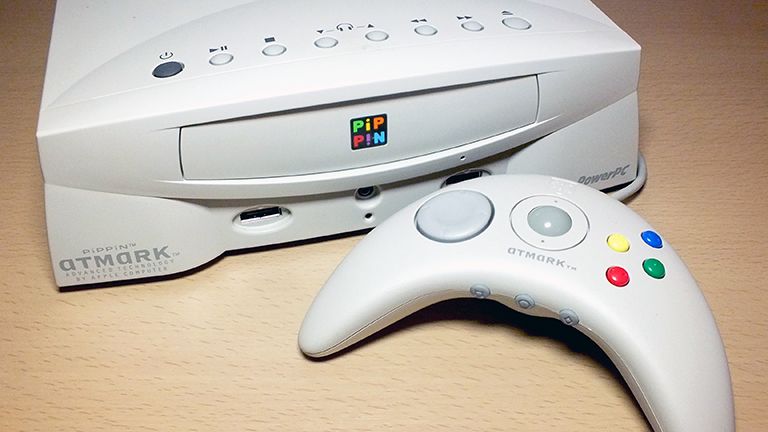
Apple Pippin (1996-97)
Pre-Steve Jobs return, Apple launched a gaming console. It used Macintosh tech, so was pretty powerful...but way overpriced.
It cost $600 vs. $200 for the N64.
In a year on the market, Apple sold 42k units (N64 sold 300k on the *first* day).
Pre-Steve Jobs return, Apple launched a gaming console. It used Macintosh tech, so was pretty powerful...but way overpriced.
It cost $600 vs. $200 for the N64.
In a year on the market, Apple sold 42k units (N64 sold 300k on the *first* day).
Arch Deluxe (1996)
It's McDonald's largest flop.
Facing pressure from BK, McD made an "adult" burger: patty on potato-flour bun w/ lettuce leaf (not shredded), tomato + fancy mustard.
It failed after $100m in ad spend (the ad copy had children criticizing the "adult" taste).
It's McDonald's largest flop.
Facing pressure from BK, McD made an "adult" burger: patty on potato-flour bun w/ lettuce leaf (not shredded), tomato + fancy mustard.
It failed after $100m in ad spend (the ad copy had children criticizing the "adult" taste).

Colgate Frozen Beef Lasagna (early 1980s)
The Museum of Failure can't confirm whether or not this *actually* existed (Colgate says "no"). If true, one of the more ludicrous product crossovers ever LOL.
The Museum of Failure can't confirm whether or not this *actually* existed (Colgate says "no"). If true, one of the more ludicrous product crossovers ever LOL.

Nike Magneto (1995-97)
Nike created a pair of futuristic sunglasses that didn't have temples (the part that goes over your ear).
One big catch: to wear them you had to glue frickin magnets on your face so the shades could clip on.
Nike created a pair of futuristic sunglasses that didn't have temples (the part that goes over your ear).
One big catch: to wear them you had to glue frickin magnets on your face so the shades could clip on.

If you enjoyed that, I write baller business threads like this 1-2x a week.
Def follow @TrungTPhan to catch them in your feed.
Here's one that might tickle your fancy:
Def follow @TrungTPhan to catch them in your feed.
Here's one that might tickle your fancy:
https://twitter.com/trungtphan/status/1445768087832182796?lang=en
PS. I also write a Saturday newsletter on glorious tech, business and internet topics like:
• Why is Linkedin so cringe?
• Buffett's $152 bet on Apple
• McDonald's $42B real estate empire
Sub here: trungphan.substack.com
• Why is Linkedin so cringe?
• Buffett's $152 bet on Apple
• McDonald's $42B real estate empire
Sub here: trungphan.substack.com
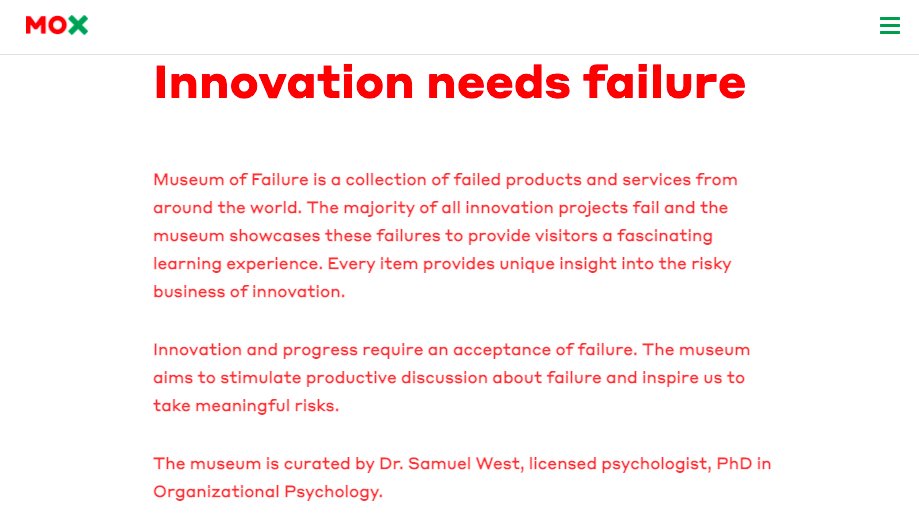
Here is the Museum of Failure explaining its philosophy.
Def check the whole website: museumoffailure.com
Def check the whole website: museumoffailure.com
Here’s a CNET review of the Twitter Peek, the handheld device that *only* does Twitter (from 2009).
It’s terrible.
🔗
It’s terrible.
🔗
Coloured Ketchup (2000-06)
Heinz made a line of kid-friendly ketchup and did wild food engineering to make different colors work: Blastin Green, Funky Purple, Stellar Blue, Passion Pink, Awesome Orange, Totally Teal.
It had a short run before folding (and is objectively insane)
Heinz made a line of kid-friendly ketchup and did wild food engineering to make different colors work: Blastin Green, Funky Purple, Stellar Blue, Passion Pink, Awesome Orange, Totally Teal.
It had a short run before folding (and is objectively insane)

The best quote on failure and innovation is probably from @JeffBezos in 2016 (after a $170m write down on the Amazon Fire Phone):

Last note on Arch Deluxe.
Mcdonald’s forgot who they were (not fancy burgers). As architect of its business model said below:
trungphan.substack.com/p/mcdonalds-42…
Mcdonald’s forgot who they were (not fancy burgers). As architect of its business model said below:
trungphan.substack.com/p/mcdonalds-42…

Thank you all for reading. It’s only appropriate to end the thread with a resounding corporate success:
https://twitter.com/trungtphan/status/1549905319517495298
• • •
Missing some Tweet in this thread? You can try to
force a refresh