Their internal Chinese language messaging is effective, but the CCP isn’t good at arguing in English.
Partly because their interface to the outside world is monetary & (increasingly) martial, not moral.
Their moral argument is “China should be #1” which only works within China.
Partly because their interface to the outside world is monetary & (increasingly) martial, not moral.
Their moral argument is “China should be #1” which only works within China.
https://twitter.com/mattyglesias/status/1555601093022859265
Consider this clip. That’s the Chinese ambassador to the US. Yet he can’t make his case in English.
Despite the fact that there are millions of Chinese nationals with far better English skills and cultural fluency, they weren’t tapped for this position.
Despite the fact that there are millions of Chinese nationals with far better English skills and cultural fluency, they weren’t tapped for this position.
Why? Perhaps someone who was very culturally fluent with the West would nowadays be suspect in China. Might not get an ambassador posting.
This extends to other parts of the PRC. They are internally focused. People aren’t selected for their ability to message out, but inward.
This extends to other parts of the PRC. They are internally focused. People aren’t selected for their ability to message out, but inward.
Basically, for China, their interface to the outside world is monetary & martial, not moral.
India is different. It’s not as strong monetarily or martially. But even a random Indian anchor shows a stronger penchant for moral argumentation in English than the Chinese ambassador.
India is different. It’s not as strong monetarily or martially. But even a random Indian anchor shows a stronger penchant for moral argumentation in English than the Chinese ambassador.
https://twitter.com/besurataansane/status/1500230278329270272
This is why the emergence of India will be quite different from the emergence of China.
China has its own internal Chinese language internet. All memes and messaging are there. Parallel universe.
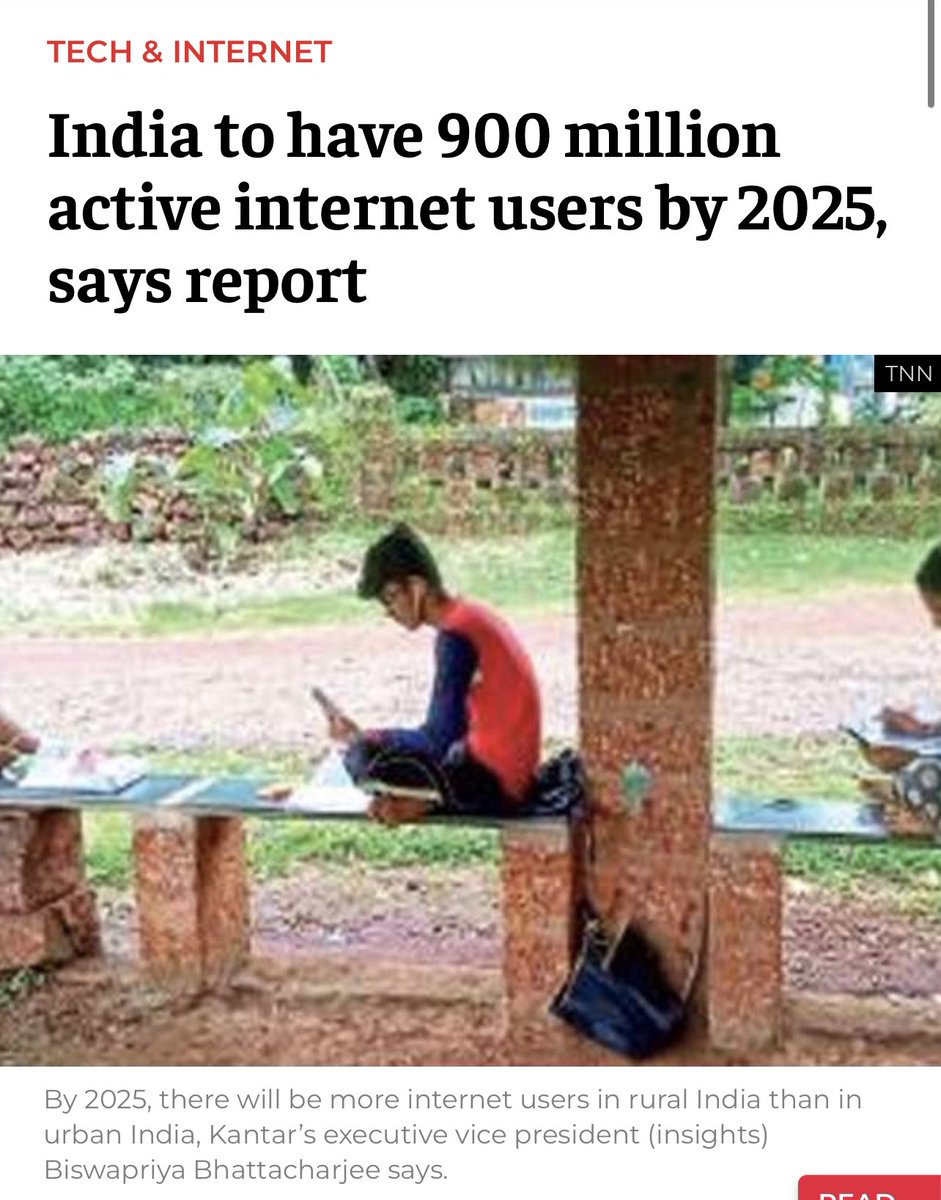
India is directly connected to the English internet & will shape it in a big way.
China has its own internal Chinese language internet. All memes and messaging are there. Parallel universe.
India is directly connected to the English internet & will shape it in a big way.
https://twitter.com/balajis/status/1468603896419393536
Another interesting contrast is to watch the Indian Minister of External Affairs, starting at 1:30 of the clip below.
He instantly apprehends the box the interviewer is trying to put him into, rejects the premise, and offers a different but substantiated view.
He instantly apprehends the box the interviewer is trying to put him into, rejects the premise, and offers a different but substantiated view.
https://twitter.com/vtchakarova/status/1532710206064496642
Yet another contrast to the CCP’s chosen spokesmen is Lee Kuan Yew, who helped Deng turn China away from Maoism and who was highly eloquent in English.
A bizarro-world thought experiment: imagine if the Chinese government could communicate like this.
A bizarro-world thought experiment: imagine if the Chinese government could communicate like this.
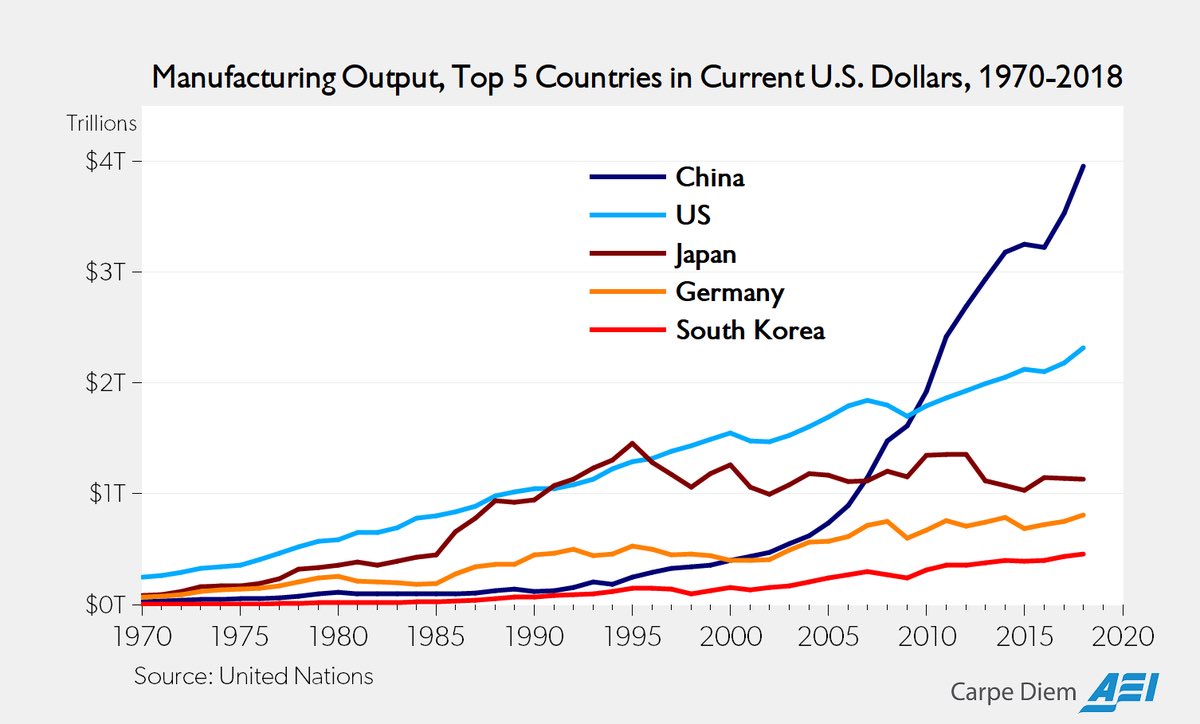
I don’t think CCP China will be easily out-manufactured, out-executed, or out-fought. They are strong on physical things.
But they can perhaps be out-innovated, and definitely out-argued. A big weakness is their inability to argue in English, to make a moral case to the world.
But they can perhaps be out-innovated, and definitely out-argued. A big weakness is their inability to argue in English, to make a moral case to the world.
By the way, a wildcard here is if AI gets so good that it can not just translate an argument into English, but make it convincing. I don’t think this is likely but can’t fully dismiss it.
Also, China *has* had global cultural success recently with (admittedly nonverbal) TikTok.
Also, China *has* had global cultural success recently with (admittedly nonverbal) TikTok.
• • •
Missing some Tweet in this thread? You can try to
force a refresh