Thread: Victory through Movement
We all know that maneuver plays a decisive role in warfare. There is an artistry to moving forces to reach the enemy's flank, sever his supply, or force him to fight on unfavorable terrain. (1)
We all know that maneuver plays a decisive role in warfare. There is an artistry to moving forces to reach the enemy's flank, sever his supply, or force him to fight on unfavorable terrain. (1)

Usually, a maneuver scheme exists for the purpose of creating optimal conditions for battle; the goal is to compromise the enemy so that he can be destroyed in combat. But on very rare occasions, maneuver creates a victory so complete that the battle is never fought at all. (2)
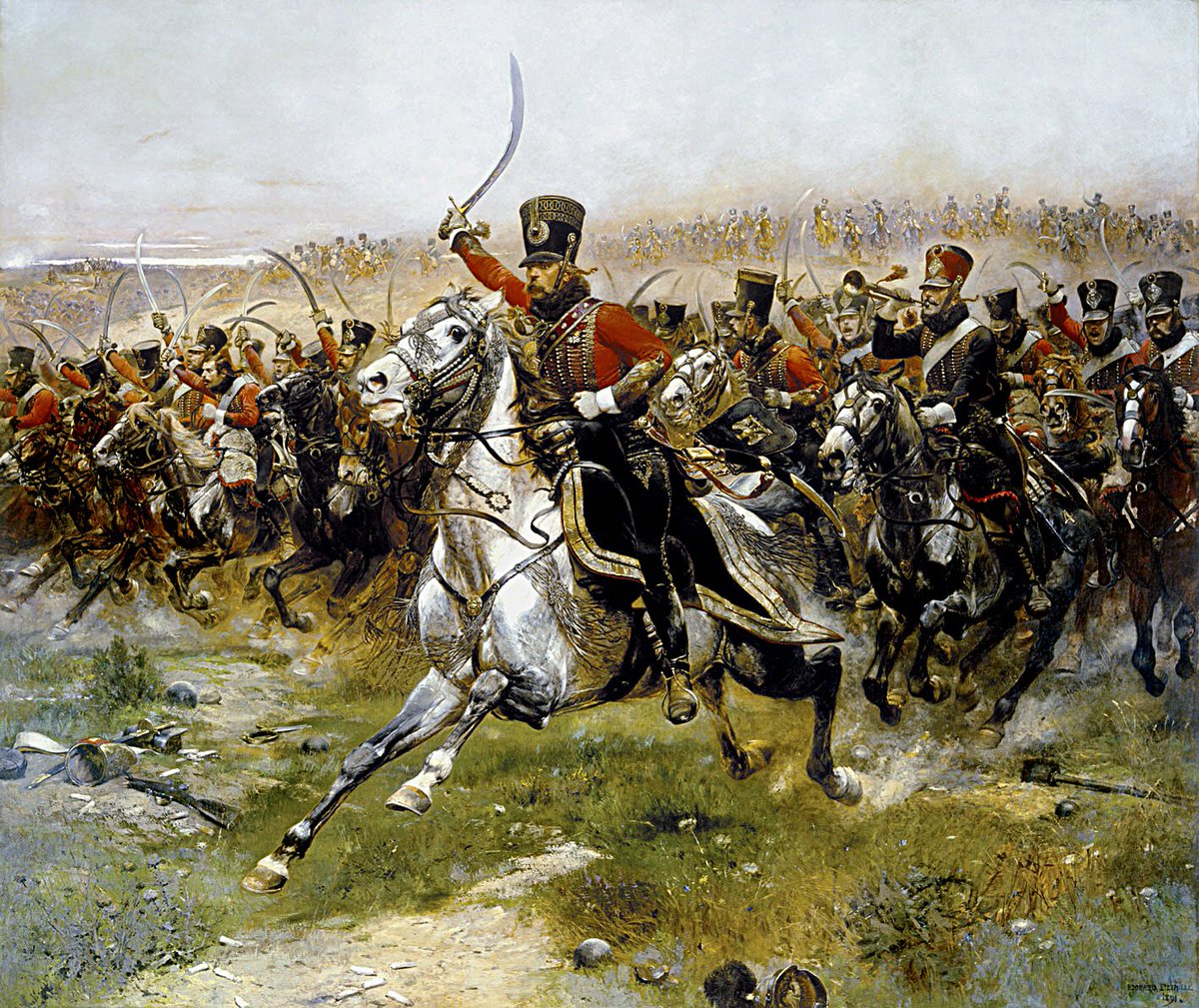
Let's take a look at one such achievement, in which an entire enemy field army was destroyed without a real battle ever being fought. We're speaking of Napoleon's Ulm Campaign in 1805, in which an Austrian force of 75,000 men was destroyed with almost no bloodshed. (3)
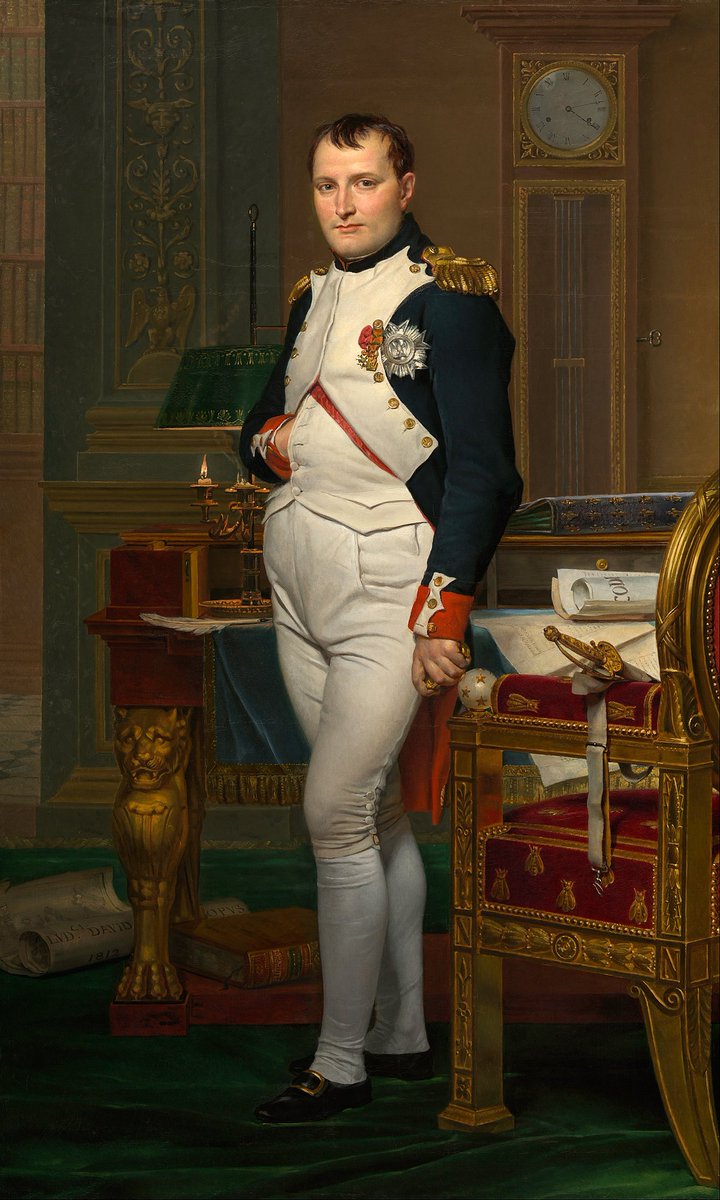
After a few years of uneasy peace, Napoleon's First French Empire found itself again at war against a coalition comprised of the United Kingdom, Austria, and Russia. This war would provide the setting for a demonstration of Napoleon's reimagined military system. (4)

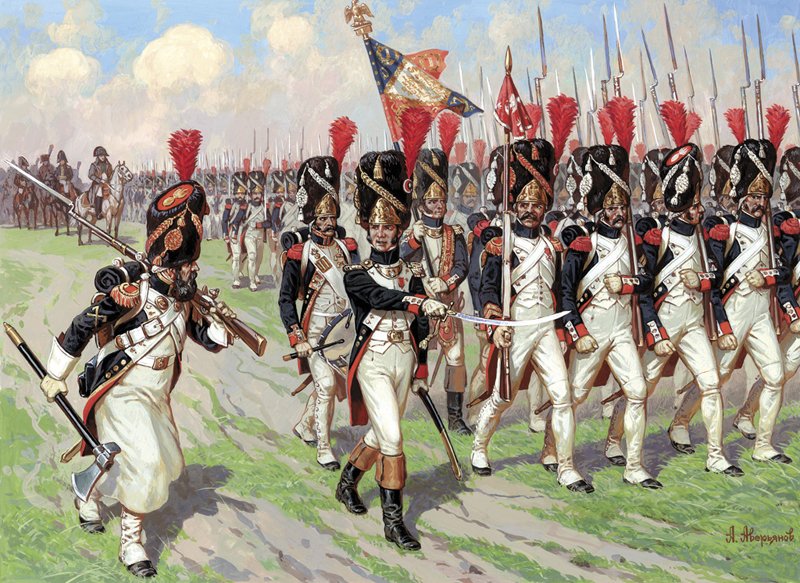
Napoleon had dramatically reorganized the French army into large units called "corps." The corps was a revolutionary organizational structure that gave the French an enormous operational advantage in an era where most armies did not organize higher than the battalion level. (5)
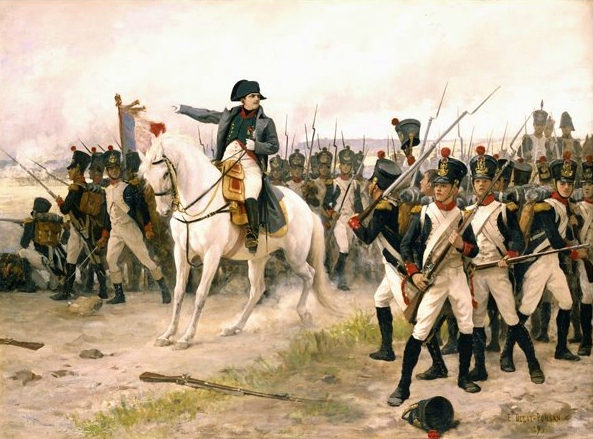
The corps was a force of around 30,000 men, organized into two or three infantry divisions, supported by a cavalry unit and a reserve artillery battalion. In short, this was a true combined arms division with great versatility. (6)
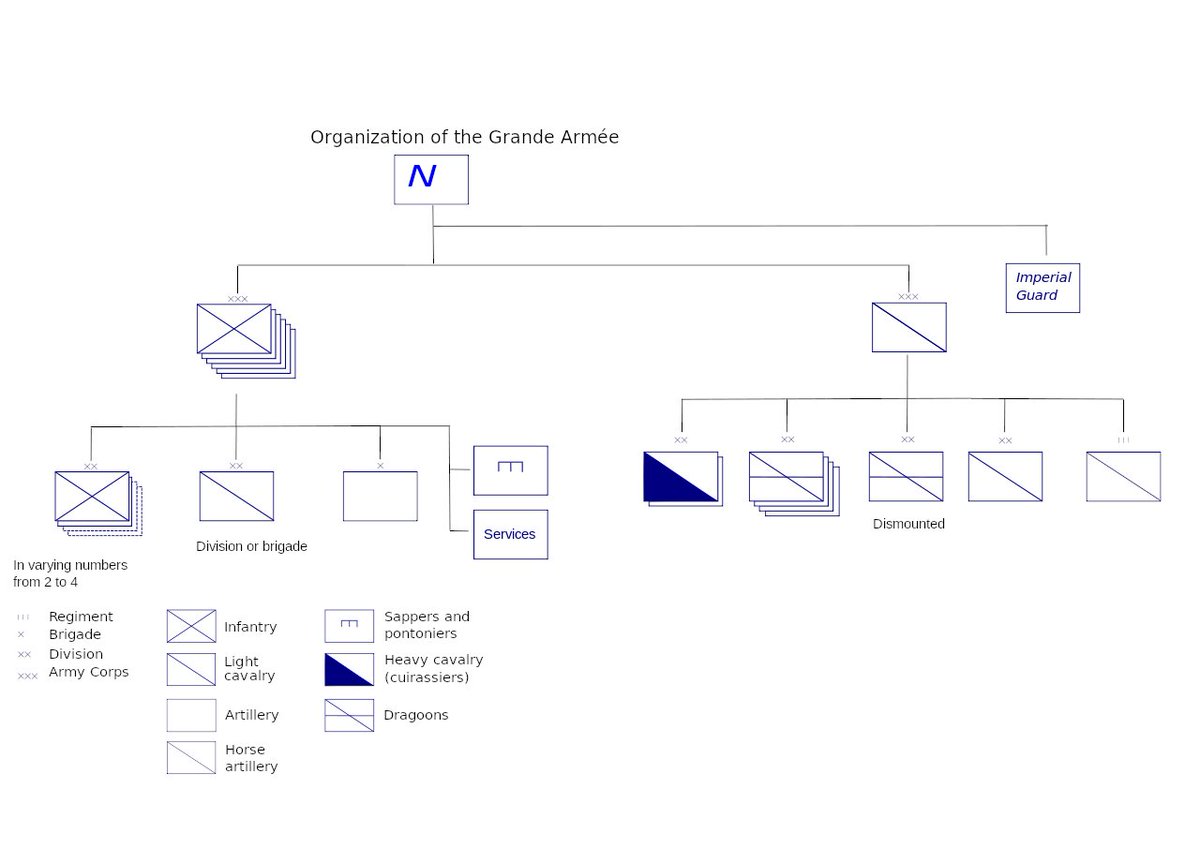
In organizing an army, there is a careful balance to be struck in regards to unit size. If a unit is too large, it becomes unwieldy and slow moving. If it is too small, it becomes vulnerable and unable to fight independently. The Napoleonic corps struck a perfect balance. (7)
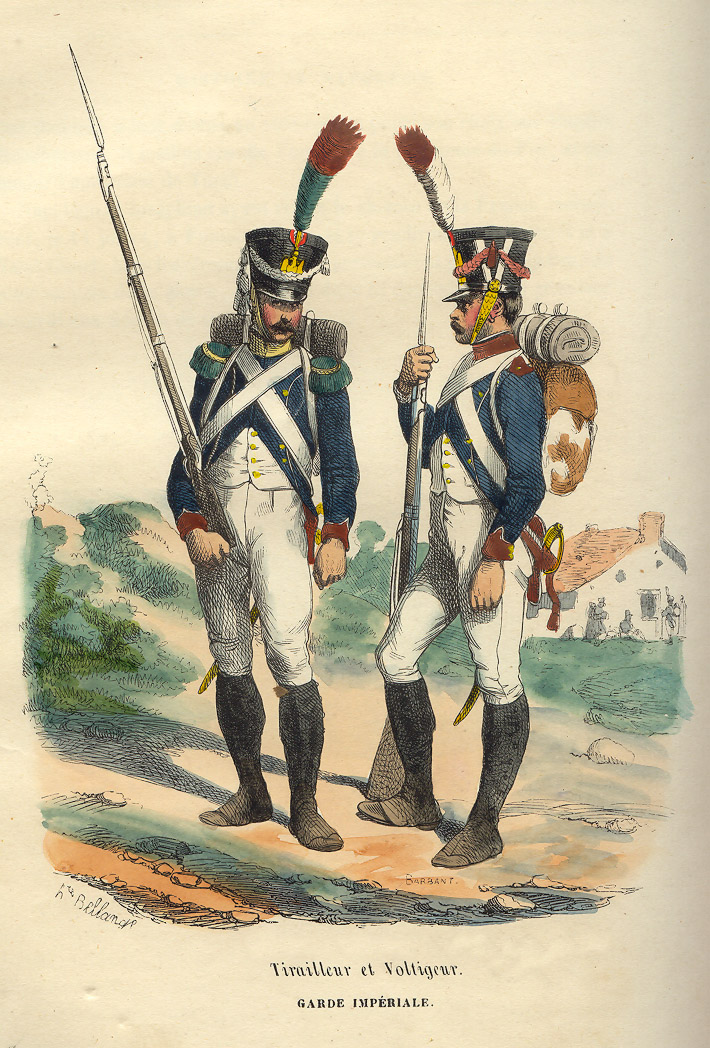
A single corps was capable of fighting independently, with its own cavalry screen and artillery. If attacked, it could defend itself until the other corps could come to the rescue. Yet this was also a unit small enough to move very quickly. (8)
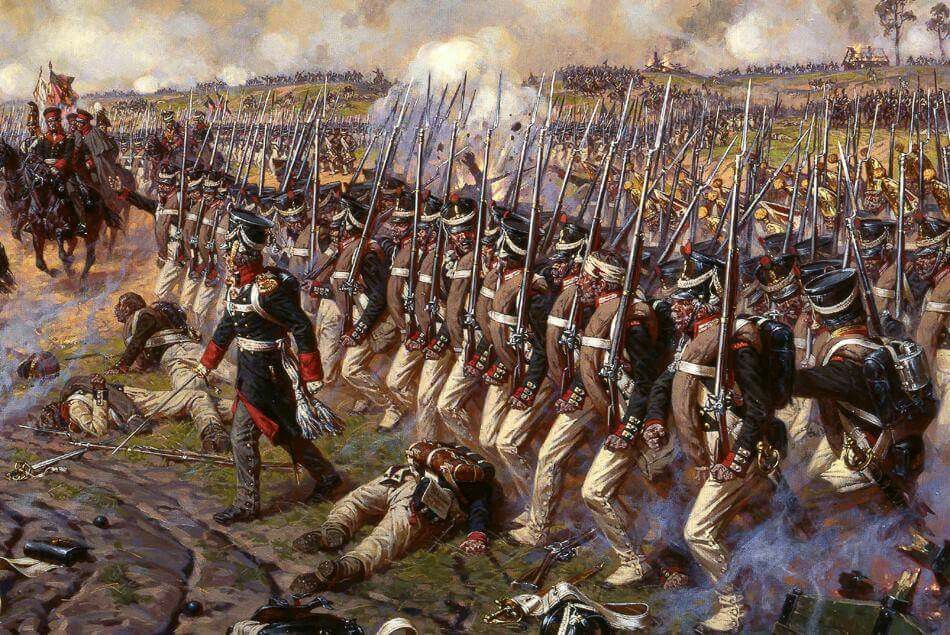
Napoleon's corps made it a practice to live by foraging - really, stealing or requisitioning food from the locals as they passed through. Hardly kind or moral, but it allowed the corps to advance with about 1/8 the baggage and supply train of other armies. (9)
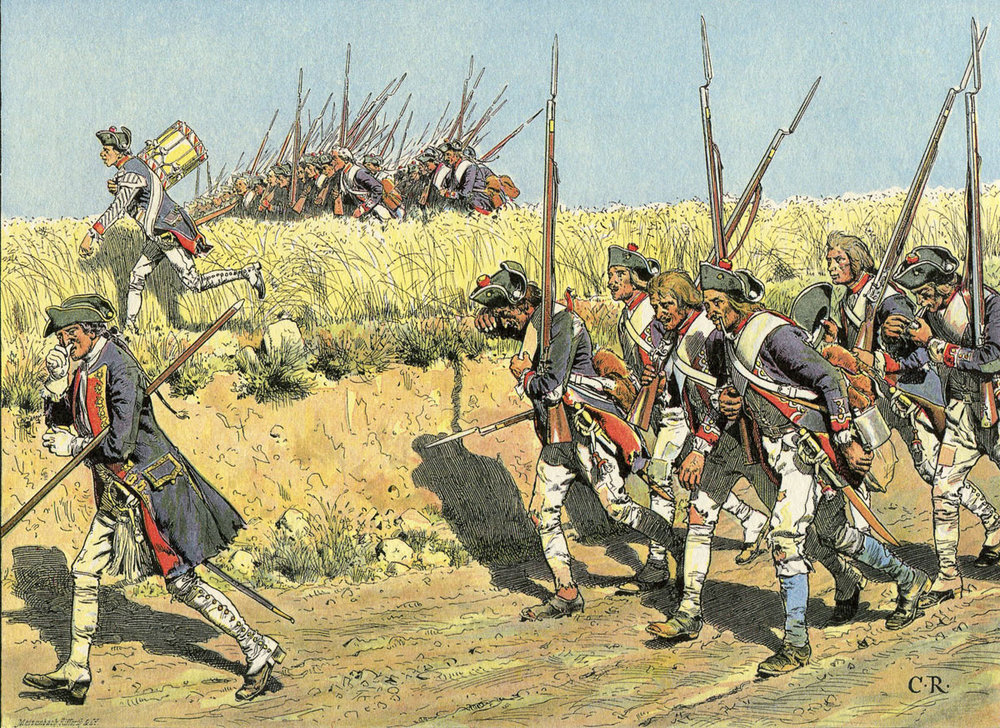
The size of the corps was beautifully balanced to allow the unit to march at high speed, living off the land and the locals, making it a unit capable of *independent maneuver*. Napoleon was not only a brilliant operational planner, but his army was built for the job. (10)

When war broke out with the enemy coalition, Napoleon faced a situation where he had a window of numerical advantage. His seven corps army was more powerful than the Austrian force, but would be at a disadvantage once the Russian army reached Central Europe. (11)
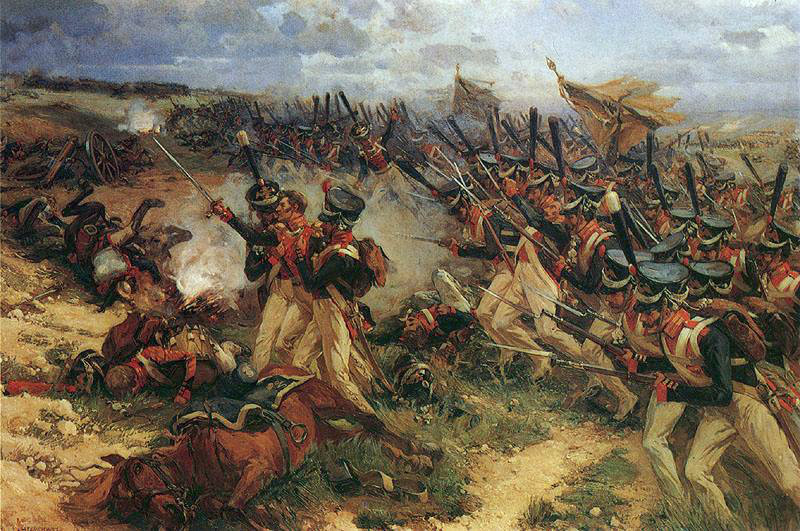
The strategic concept was simple: Austria needed to defend itself until the Russians arrived, and Napoleon wanted to deal a harsh blow to Austria before that could happen. This put the pressure on Napoleon to act, as the Austrians were content to wait in a defensive posture. (12)
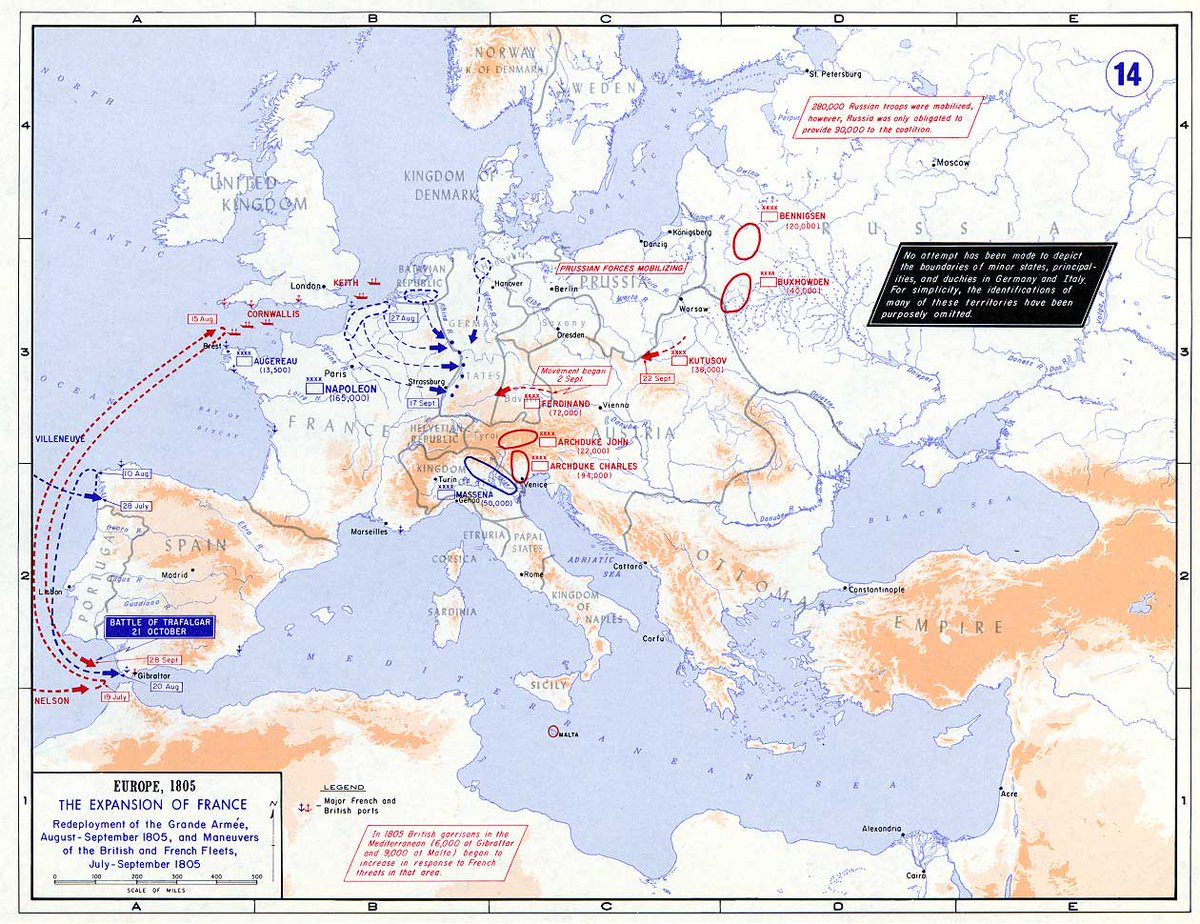
Austria assumed that there were two routes that Napoleon would take to attack. One route came directly eastward from France, marching through Bavaria toward Vienna. The other route (which Napoleon had used previously) came up through northern Italy. (13)

The Austrians deployed two formidable armies to block these approaches, with a reserve in between as the hinge between the two. The Army posted in Bavaria expected Napoleon to come directly east through the black forest, and took up a blocking position near the city of Ulm. (14)
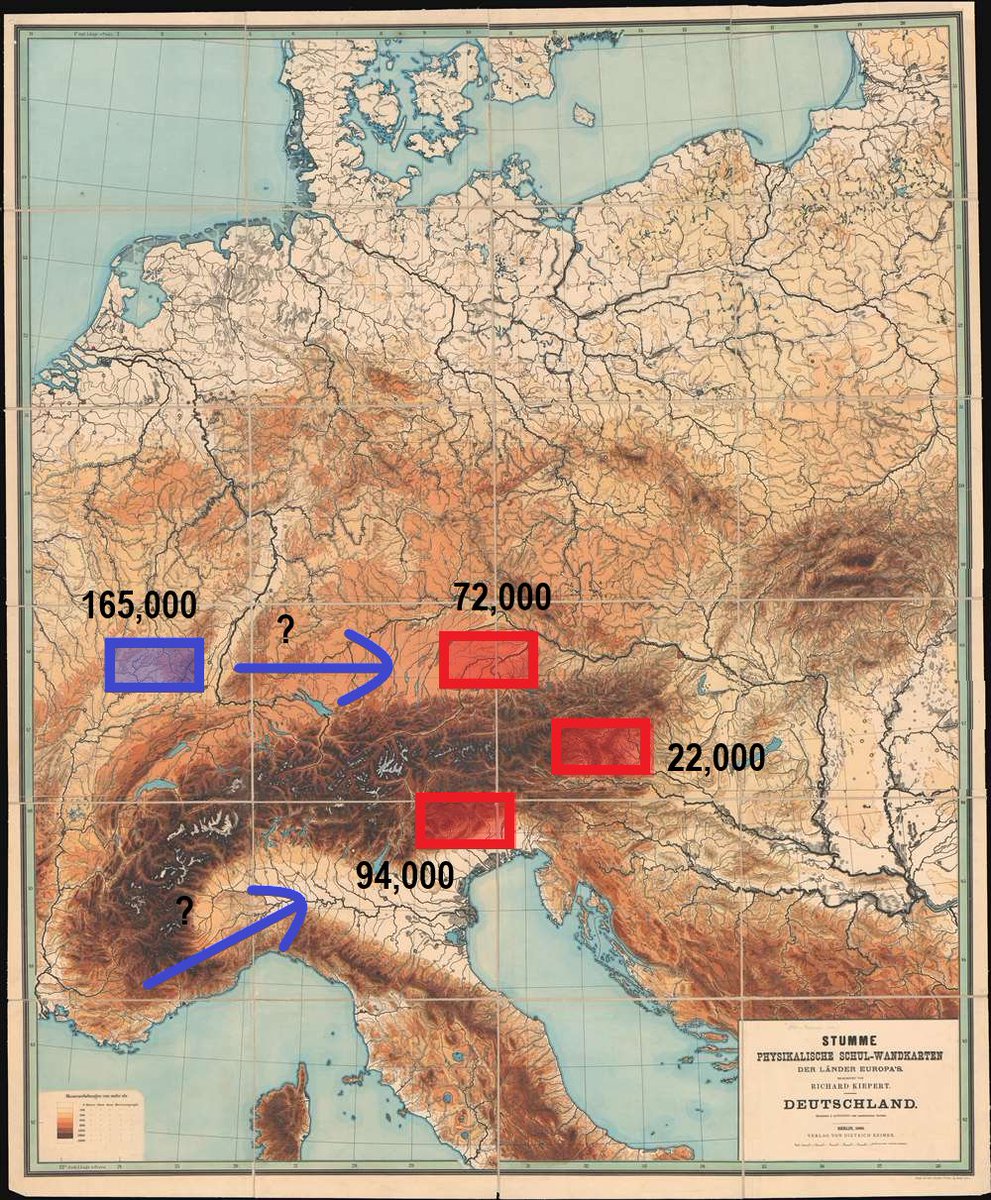
Before long, the Austrians became aware of cavalry activity all across the black forest, directly to the west of Ulm. This was strong confirmation that Napoleon was coming through, exactly as expected. The Austrians doubled down on Ulm and prepared to stonewall the French. (15)
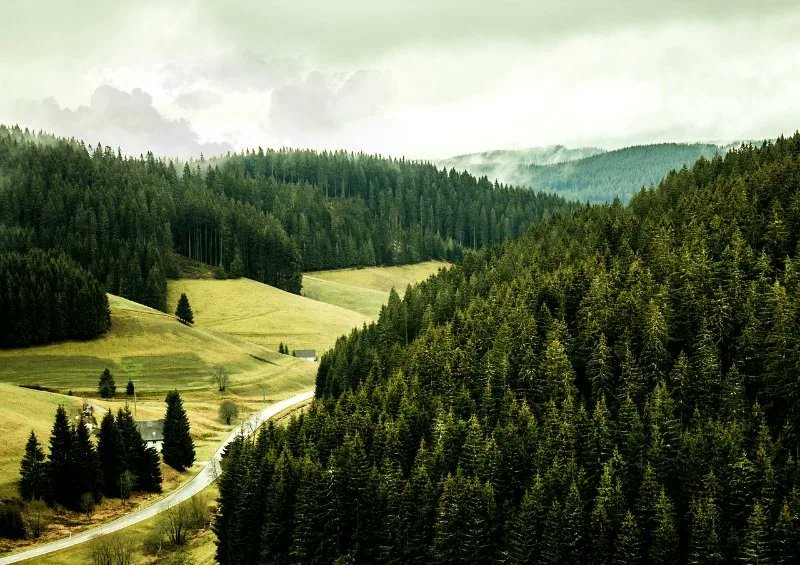
In fact, the cavalry action they were witnessing was a fixing maneuver by Marshal Joachim Murat, under orders to simulate a large scale advance through the black forest. The main French force was nowhere near - so where was Napoleon? (16)
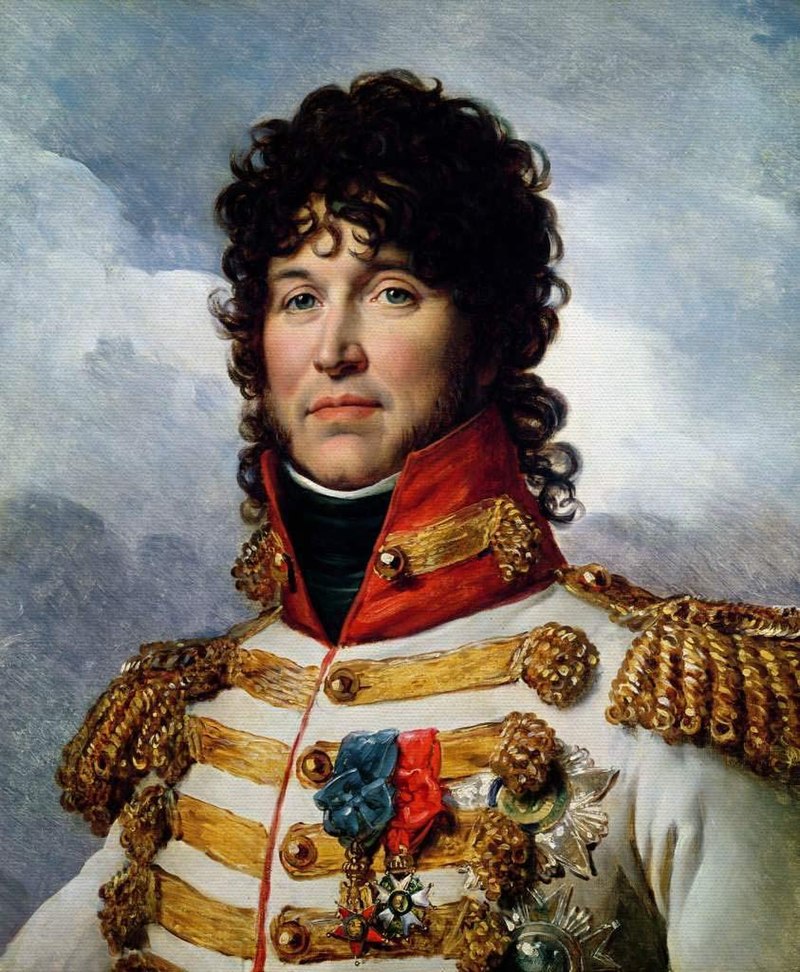
While the Austrians focused on Italy and Bavaria, Napoleon had massed the seven corps of his Grand Armee far to the north along the Rhine. Napoleon had prepared the mother of all flanking maneuvers. (17)

While the Austrians, under their commander, Karl Mack von Leiberich, remained fixated on Murat's cavalry activity to the west, Napoleon's corps - 210,000 men in all - were marching at high speed from the northwest in a massive sweep toward the Austrian rear. (18)
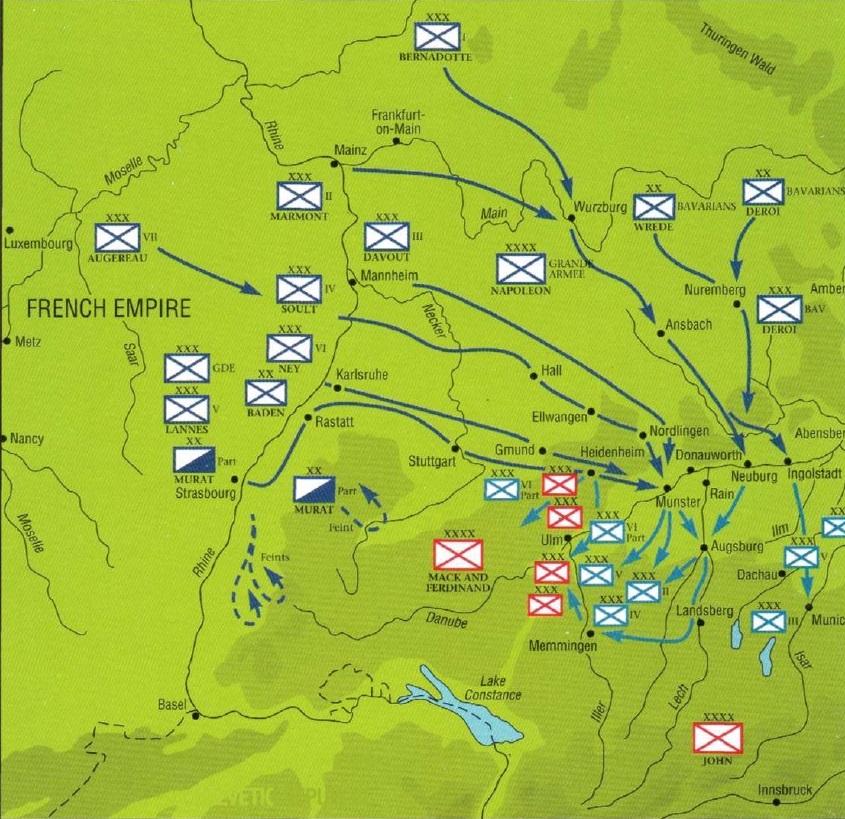
Napoleon's army covered almost twenty miles per day - a remarkable pace for a force on foot. They left their starting positions on the Rhine on Sept. 25, and only two weeks later they crossed the Danube *behind* Mack's army without the Austrians realizing they were there. (19)
The campaign was essentially over at this point. The realization that the French were behind him in force led Mack to panic and launch a series of flailing counterattacks, but these were swatted away in actions that amounted to little more than skirmishes. (20)
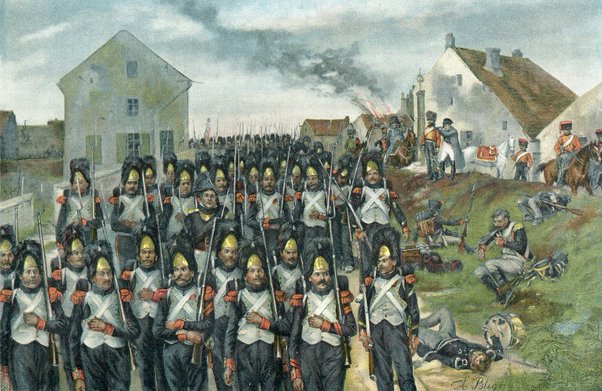
For Napoleon's part, he initially did not believe that the Austrians were still anchored on Ulm - largely because he could not believe that they had completely failed to react to his march to their rear. Once he gained a clear picture of the situation, he closed the net. (21)
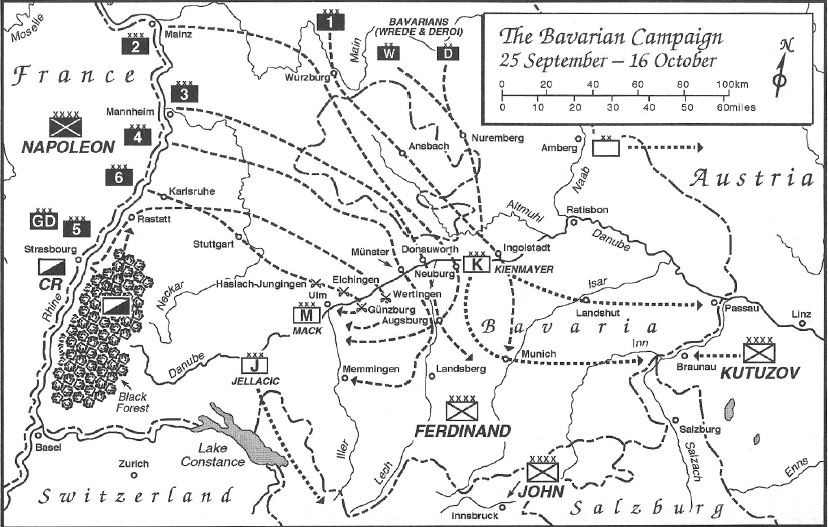
By October 15th, the entire Austrian force had been trapped in Ulm and French artillery were wheeled up to bombard the city. After a few days of negotiation, Mack surrendered his entire army. The Austrians capitulated without fighting a single set piece battle. (22)

Ulm was not a battle - it was something else; something truly rare. Napoleon forced the surrender of a full strength Austrian army in less than a month, essentially by walking. (23)
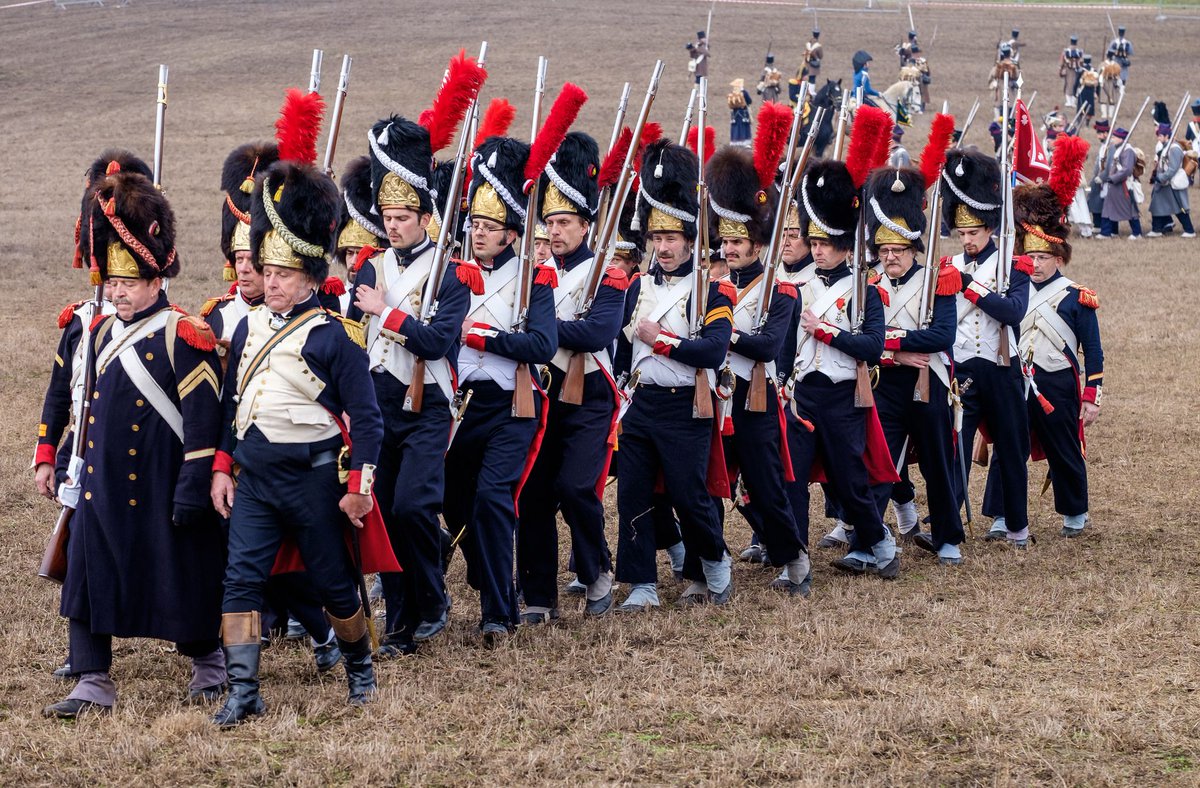
The rapid march to the rear left the Austrians without lines of supply, communication, or retreat, and created total operational paralysis which allowed Napoleon to close the net around Ulm. The defeat was so total that the Austrians did not bother to contest it in combat. (24)
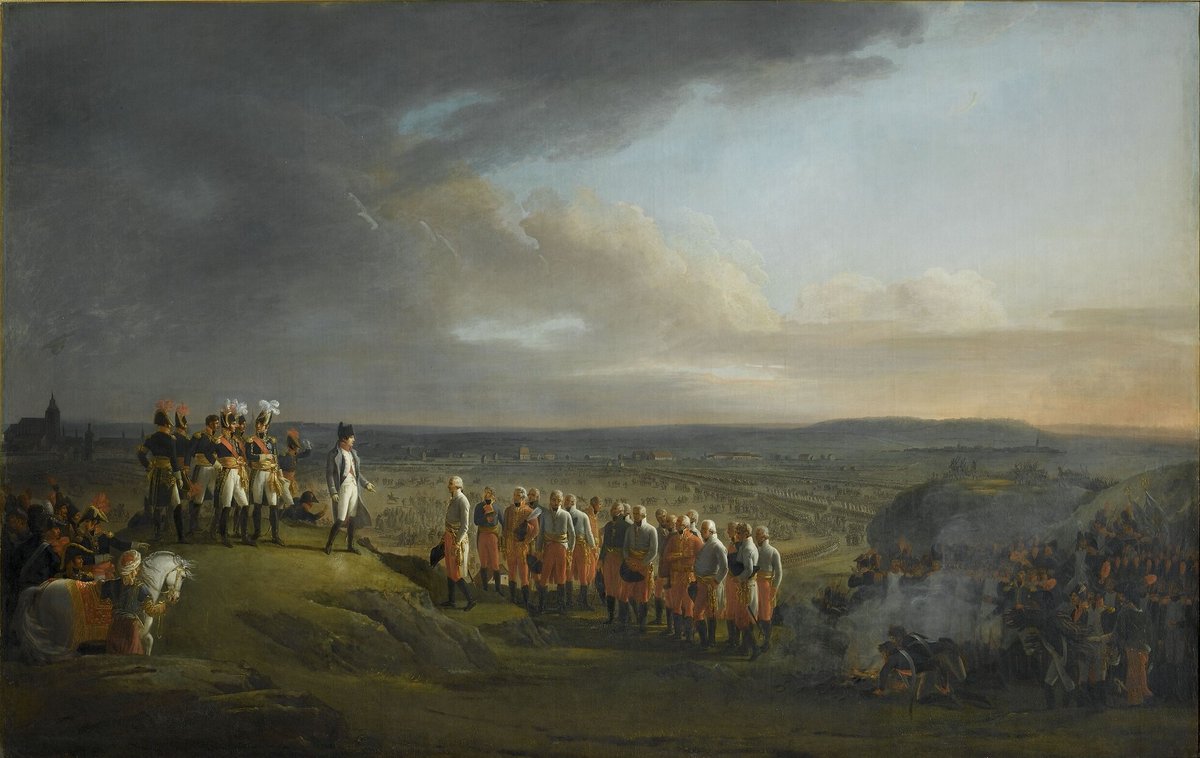
The Ulm maneuver was a potent display of the Napoleonic system of corps. The new structure allowed the army to advance quickly along independent axes of advance, before converging to close the net around Ulm. All European armies would soon imitate this organizational scheme. (25)
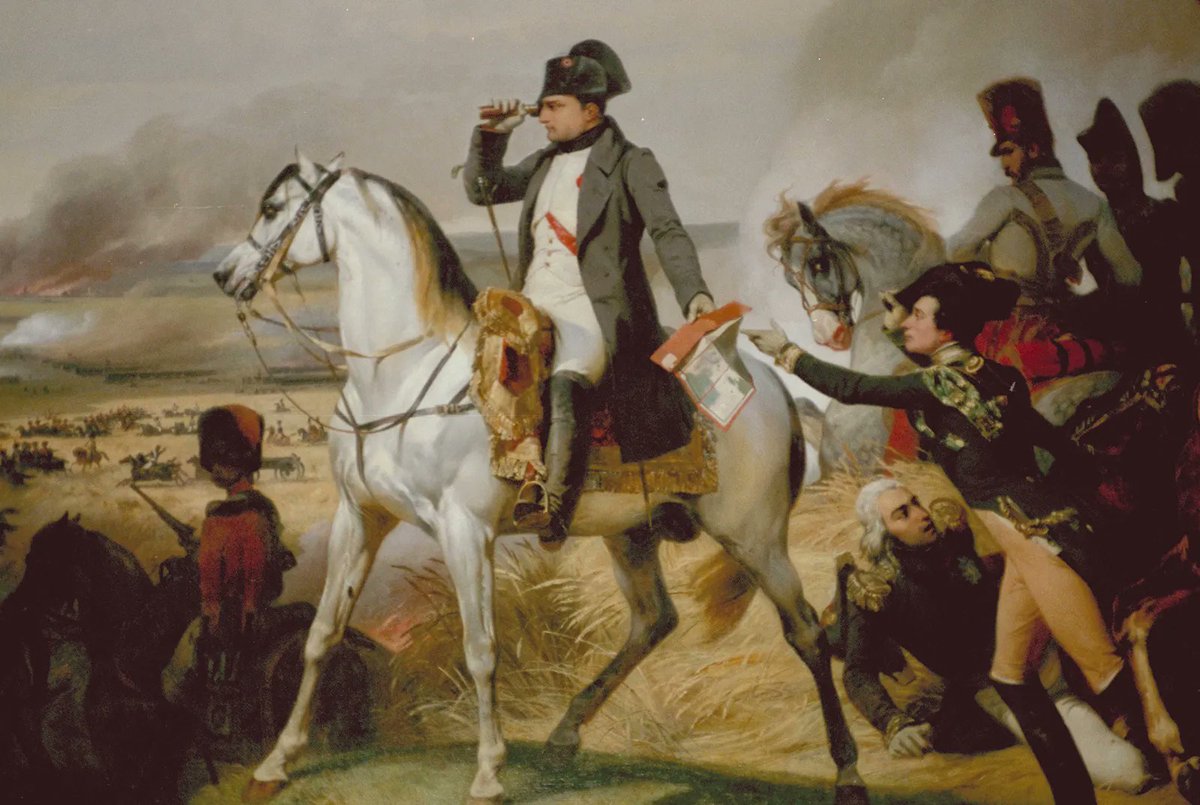
Napoleon's numerically superior army could have smashed the Austrians in a set battle, but even in a victory many French would have died. The turning maneuver at Ulm allowed for total victory with negligible casualties - total French killed and wounded were less than 6,000. (26)
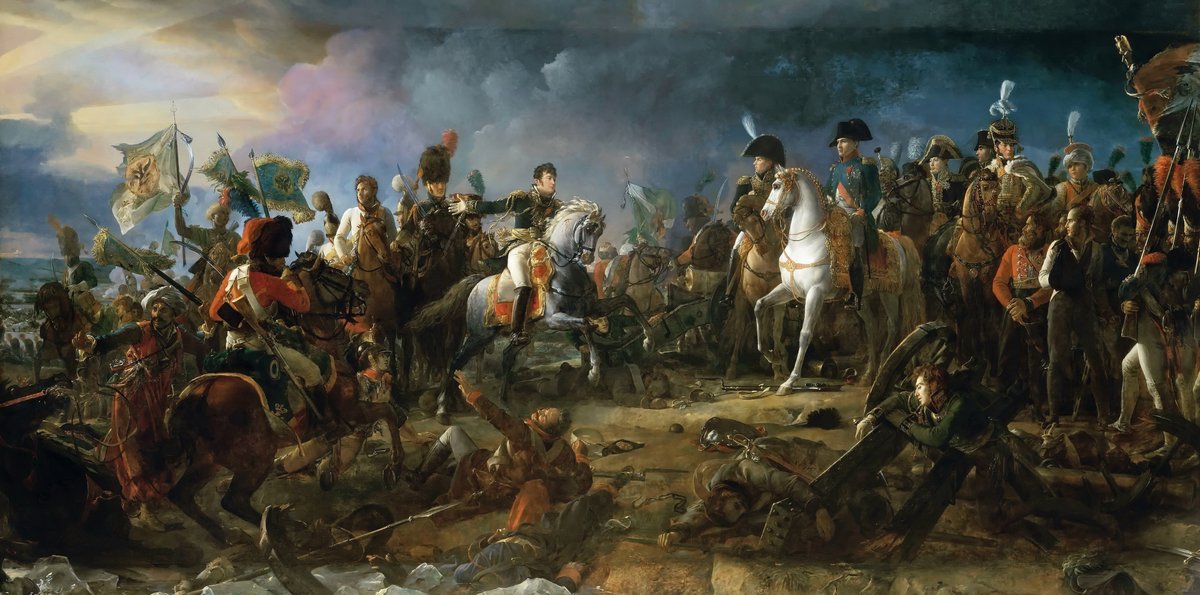
Even at the Battle of Austerlitz, which is widely viewed as Napoleon's greatest battlefield victory, the French suffered casualties of about 12%. In the Ulm campaign, Napoleon lost a mere 2.5% of his force. Perhaps the greatest battle is the one you don't have to fight. (27)

Side note, I’m always amused at the histories that refer to armies “foraging.” It makes it sound like they’re peacefully picking berries in the woods, when really they were looting granaries and confiscating poultry from villagers.
I like to imagine there's one group of soldiers who take the foraging order literally, and they're eating wild berries, dove eggs, and tree bark, trying to figure out how the rest of the army keeps finding chickens, pigs, and porridge.
• • •
Missing some Tweet in this thread? You can try to
force a refresh