Below, I discuss the critical period ahead for the war in Ukraine. Russia lays ground for annexing parts of Ukraine. However, there is, again, a mismatch between the Kremlin's goals and the exhausted forces it has remaining to deliver those goals (1/). foreignaffairs.com/ukraine/russia…
For months, Russia has installed Russian officials to administer occupied regions, changed area codes and ISPs to Russian ones, confiscated Ukrainian passports, imported teachers, + more, to "harmonize" the regions with Russia. This is most likely annexation groundwork (2/)
Why would Russia annex these oblasts? For many reasons, but the one I focus on is this: the Kremlin needs this phase of the war to end so it can repair and regenerate forces. I use the word phase because Russian goals for Ukraine are long-term and probably unchanged.(3/)
Russia may think annexation, followed with nuclear saber-rattling about territory that the Kremlin defines as Russia, may shock the system into slowing foreign weapons deliveries to Ukraine. Or would freeze the line of contact. Kyiv has already said no to that. (4/)
Ukrainian and Russian goals through the end of 2022 are therefore on a collision course: Ukraine seeks to prevent the conflict from ossifying along a frozen line of contact, and Russia is accelerating its efforts to attain that outcome. (5/)
If Russia annexes these territories, Moscow would need a large force to hold a highly contested front line and cope from organized partisan attacks within occupied Ukrainian regions. Where will this force come from, when....(6/)
Russia is already scraping the bottom of 9 barrels for personnel and taking old equipment in various states of serviceability from long term storage right now (7/)
Russian armed forces in Ukraine are depleted and need time to repair and regenerate. Russia's ad-hoc approach to finding more men, missiles, and equipment is keeping them afloat in the near term but in the mid or long-term requires a different strategy (8/)
I see signs they are attempting to kick start their defense industry to regenerate. But mass orders of new or modernized equipment is not so simple due to bottlenecks, setting aside sanctions and import restrictions (9/)
In my assessment, Russia is muddling through. Its adhoc approach to replacing personnel and equipment risks overcommitting its remaining forces to missions it could struggle to bear, and Russian armed forces are weakest in the next 1-2 years, assuming they can recapitalize (10/)
Moscow has not ordered a mobilization which could unlock a lot of resources for them in a way it's shadow/ad-hoc efforts cannot. Even if they did, it would probably take up to a year to see any benefit because their mobilization base has been dormant for so long (11/)
Ukrainian forces face significant challenges also. Both sides, from what I can observe and from soldiers' accounts, could struggle with large-scale offensives or counteroffensives. But there are opportunities for Ukrainian forces (12/)
The Russian General Staff is still capable of understanding when its objectives are at risk of collapse, through complicated assessments and mechanisms by which it judges combat effectiveness. I assume it pulled back from Kyiv and Kharkiv for these reasons/internal forecasts(13/)
Localized attacks on key locations, as Ukraine has been doing in western Kherson, can be a viable strategy, which I discuss in the article. (14/)
In sum, I flag probable Russian efforts to shock the system via annexation in the months ahead. Russia appears to be overcommitting its forces again to a difficult mission. Ukrainian and Russian forces are tired but for different reasons. The months ahead are critical (15/end).
• • •
Missing some Tweet in this thread? You can try to
force a refresh

The long-term damage to the Russian army, marines, VDV from this war cannot be overstated. It goes beyond the numbers of men killed and equipment destroyed. This will also be a story of a military generation that is damaged or gone, and who remains. /1
Heavy losses to what professional NCOs RS had, junior + field-grade officers means that the group of people who signed up in the last 10-15 years, when the military tried to reform and who knew something even a little different than 90s or Soviet military life, are gone /2
When this is over, the parts of those service branches left unscathed are conscripts, those officers or NCOs they didn't trust to go in the first place (who are back at home garrisons), senior officers who received commissions as Soviet officers (50/60 year olds) and/3
Update on Russian spring conscription thread. The spring cycle was due to conclude on 15 July. It's a data poor environment in general on this, but there are no signs that there were significant problems meeting quotas in the end. Raids minimal, only small surges for alt service/
and efforts to dissuade young men from signing up for alternative service show only a modest increase from already low numbers. some coercion at the voenkomat. /3 meduza.io/feature/2022/0…
I continue to look for signs of long-term stability or problems in Russian military personnel recruitment and retention for 2023+ as a result of their war on Ukraine. Some preliminary thoughts from about the Russian spring draft. Conscript intake numbers are low so far (/1).
The 2022 spring draft runs from April – 15 July; roughly 85% of the time has elapsed as of today. In the 8 Russian regions I found information on conscription intake, most are at 30% or less of their conscript quota as of mid-June (/2)
8 oblasts is only 17% of total in Russia, but all 8 are coming up short as of June. These regions are geographically diverse and diverse in population density. This suggests an overall trend of sluggish conscript intake. (/3)
The Russian military’s stumbles in Ukraine do not end at technical equipment issues, poor training, or corruption. Something is still wrong within the force, no matter how extensively it has been modernized. My latest, below. (1/x) foreignaffairs.com/articles/russi… via @ForeignAffairs
The Russian military’s stumbles in Ukraine are linked by a core underlying theme and unresolved problem: the continued disregard for the lives and wellbeing of its personnel (2/x)
In the war so far, Russia has struggled to accomplish basic functions like retrieving the bodies of its dead, or treating scared Russian military families with dignity. (3/x)
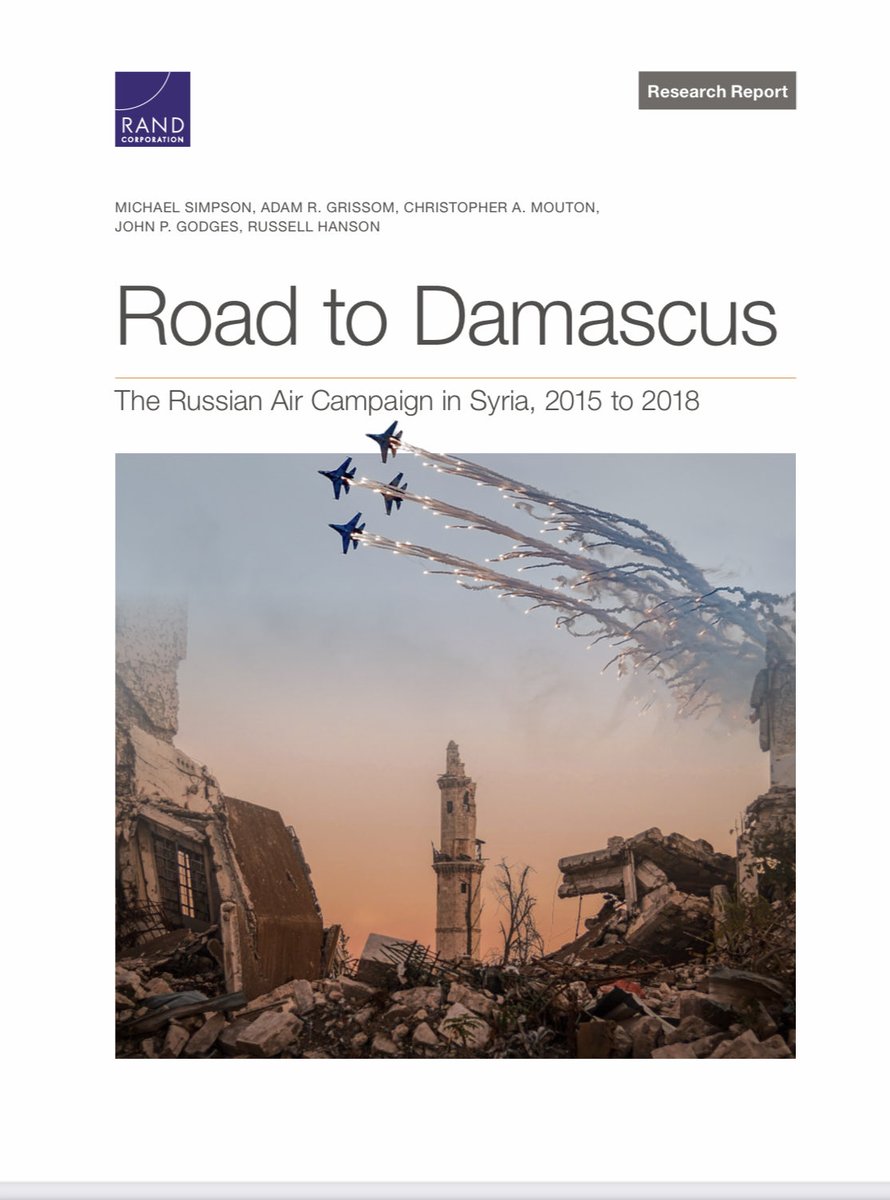
📣📣 New report with many relevant insights on Russian Air Force capability and operational patterns. Road to Damascus: The Russian Air Campaign in Syria: 2015 to 2018. rand.org/pubs/research_… via @RANDCorporation.
From research in 2019: “ Russia’s reluctance to invest in expensive precision-guided munitions,underdeveloped targeting and penetrating ISR capabilities, and lack of inter-theater tanking could be liabilities in future campaigns with a larger area of operations…”
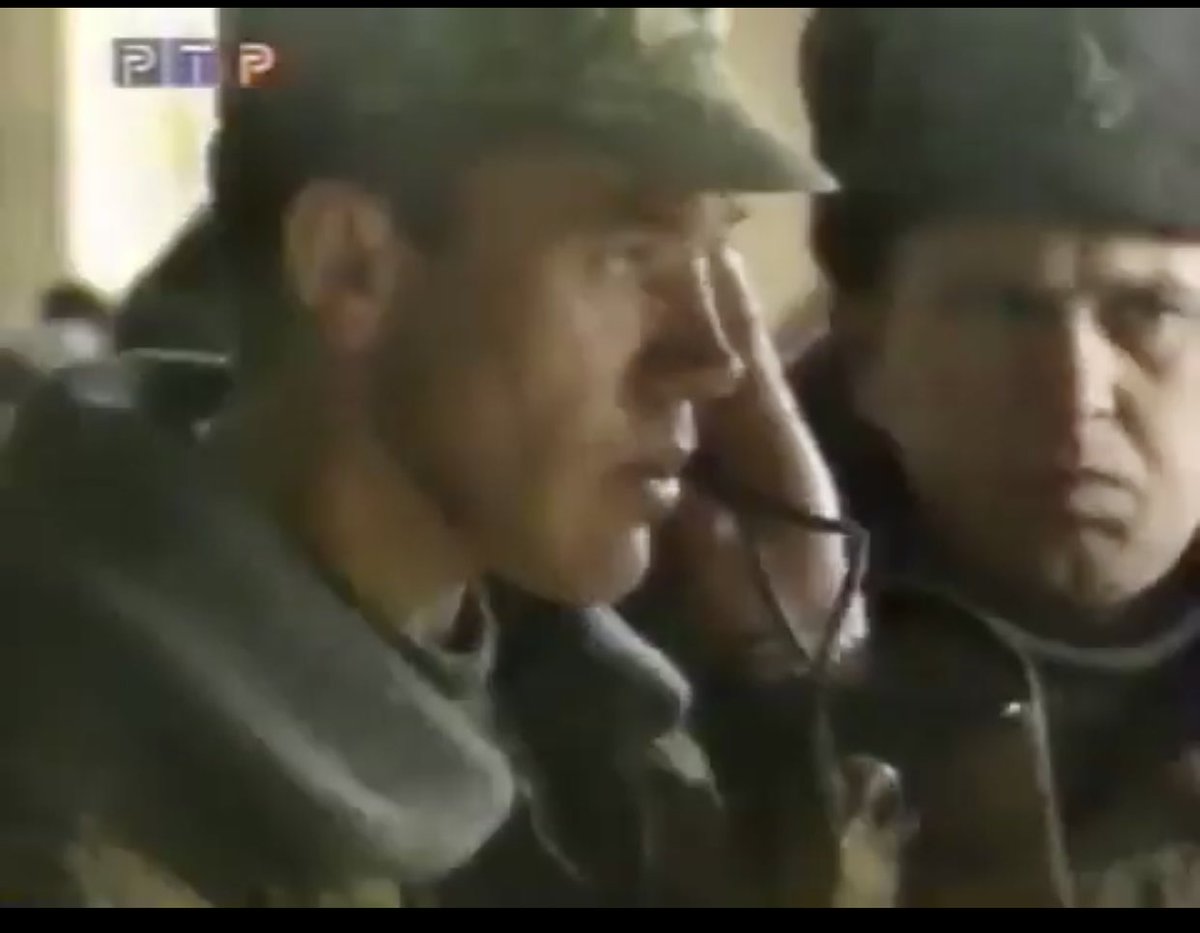
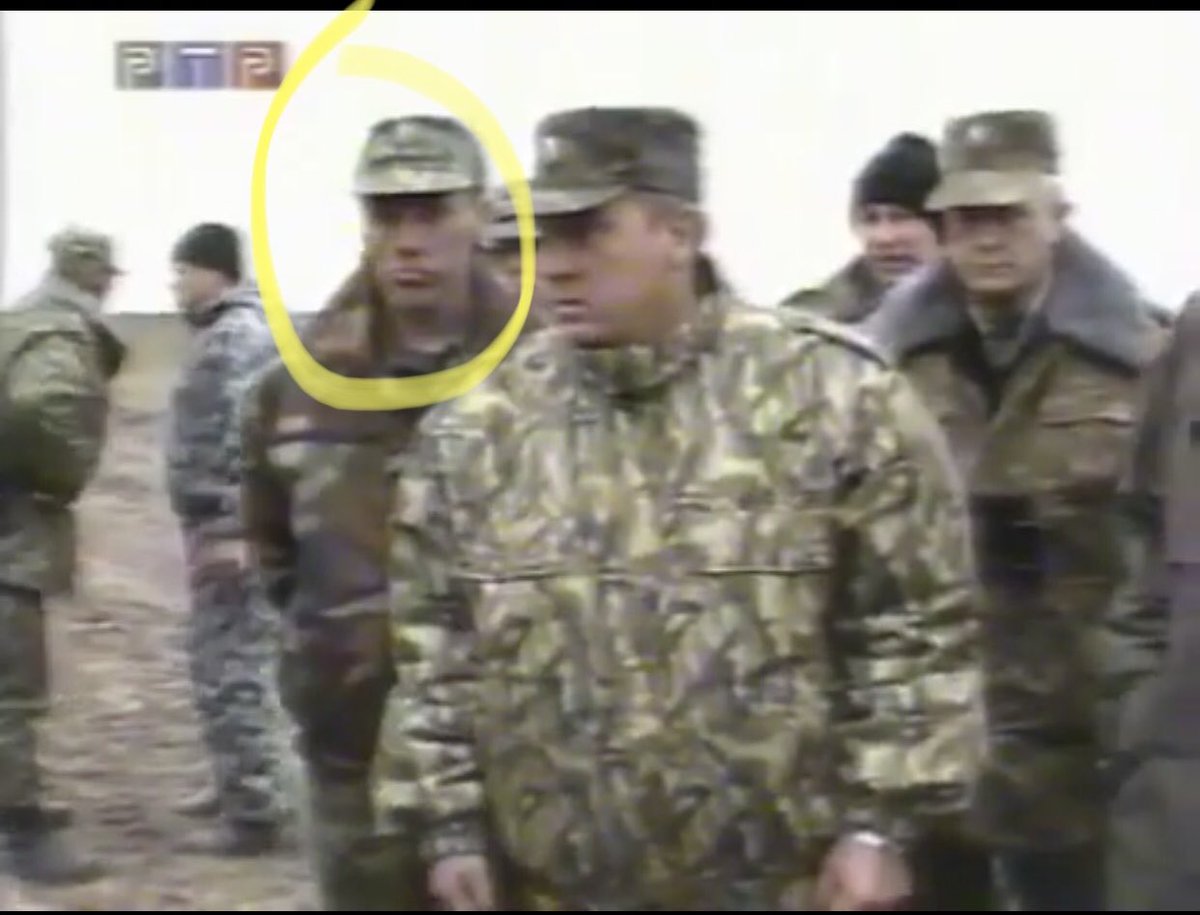
Much commentary about Gen Gerasimov’s presence in Ukraine & Russian military command. I wanted to open up the vault about his previous experience as a field commander and how that’s relevant too. (Below in Chechnya). /1
It’s surprising to many here in the west that someone of his rank would go to the front. There are larger issues and implications here at play about his visit, and I think @MarkHertling covered them well here /2
Gerasimov was a field commander in Chechnya and led combined arms armies and multiple military districts in his career. He is not what some would call a General Staff “arbat general” - a pejorative for staff officers with little field experience.He has been there a while though/3