π¬πͺ Georgia to host multinational military exercise Noble Partner for the 6th time
For the sixth time, Georgia will host the multinational military exercise Noble Partner. 1/
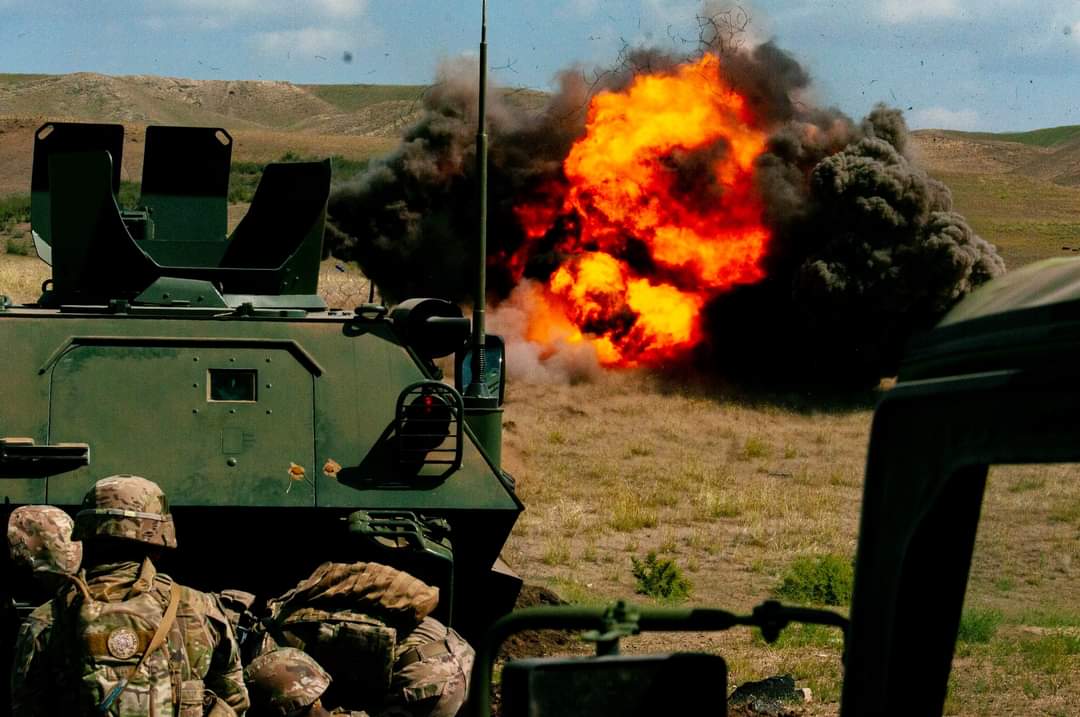
This year, for the first time in the history of the training, the representatives of the armed forces of Japan and Sweden will participate in the exercise.
More than 2,400 military personnel will be involved in the multinational exercise. 2/
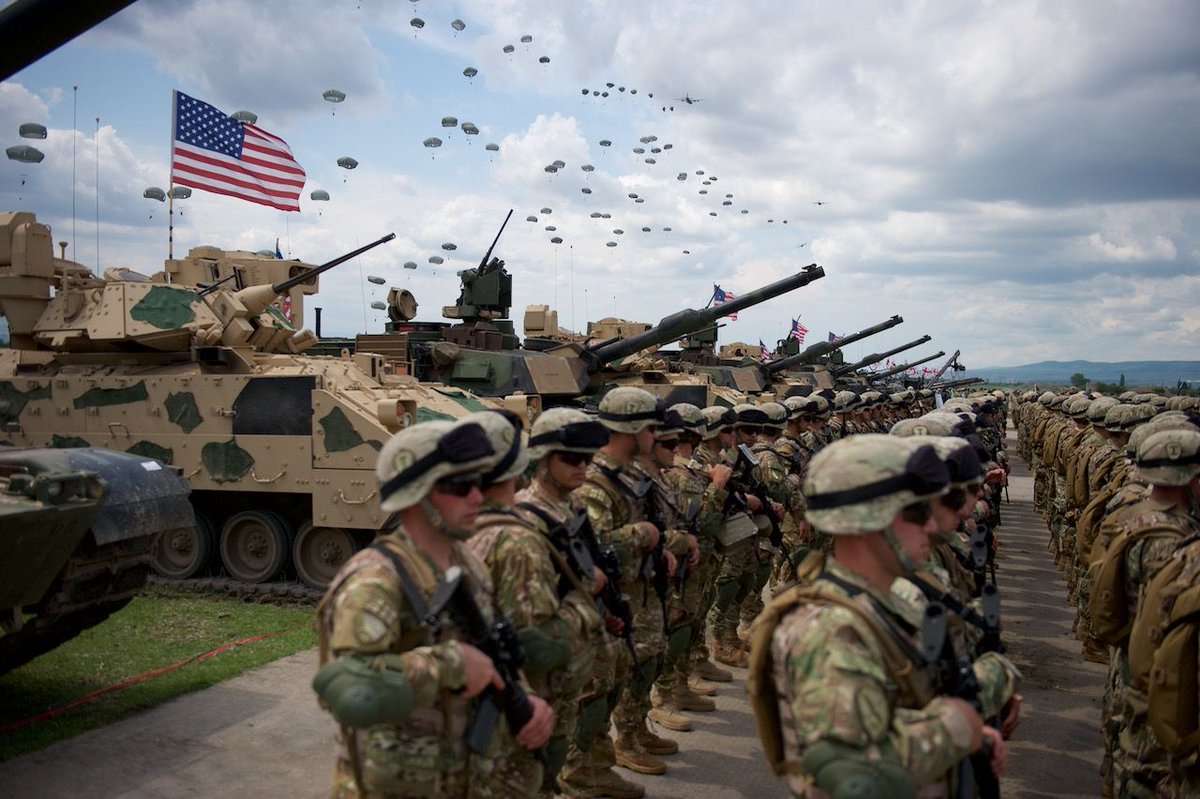
The participants of exercises:
Georgia
USA
Bulgaria
Romania
Moldova
Greece
Great Britain
Turkey
Slovakia
Norway
Hungary
Lithuania
Azerbaijan
Germany
Bosnia and Herzegovina
Estonia
Poland
Japan
Lithuania-Poland-Ukraine Multinational Brigade
Sweden 3/
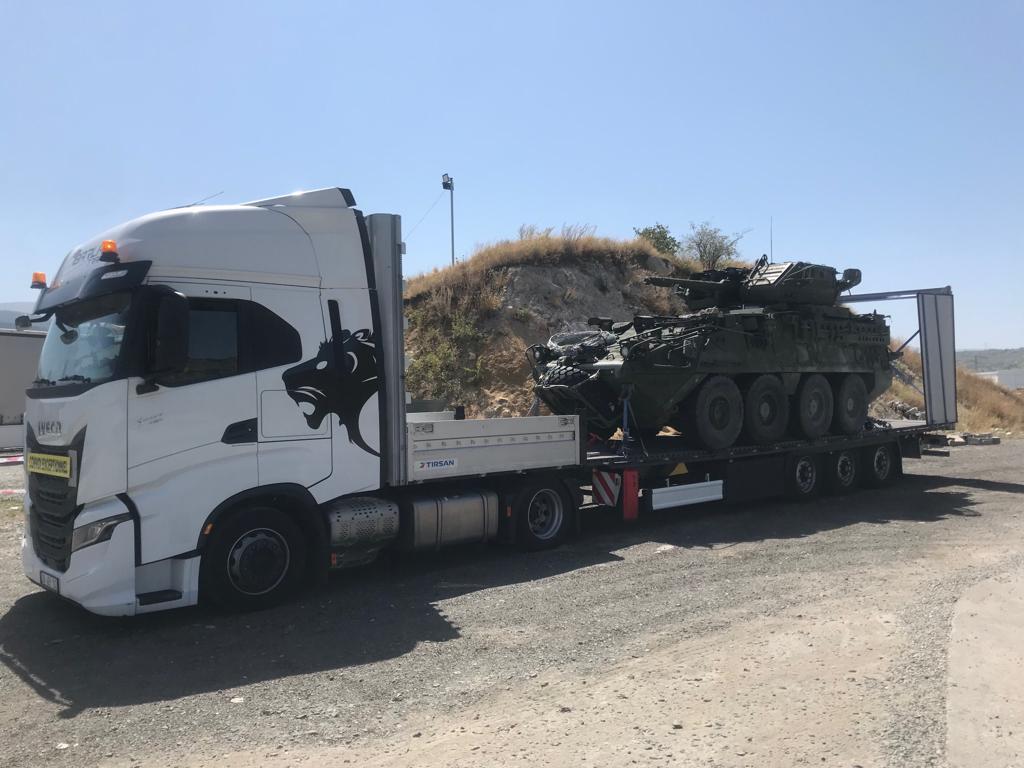
US Army Strykers are already in Georgia 4/
US Army Strykers 5/
β’ β’ β’
Missing some Tweet in this thread? You can try to
force a refresh

WHY THE βSECOND STRONGEST ARMY IN THE WORLDβ FAILED TO CONTROL THE SKIES OVER KYIV REGION
ββββββββββ
On February 24, 2022, russian aviation entered Ukrainian airspace with a sense of total impunity. In the aggressorβs headquarters, there was confidence that the first waves of βKalibrβ and βIskanderβ strikes would paralyze Ukraineβs command system, destroy its air defenses, disable airfields, and open the way for an airborne assault on Kyiv. According to this plan, the βsecond strongest army in the worldβ expected to dictate the terms within the first hours of the war.
Instead of the anticipated collapse over Kyiv region, the enemy encountered a completely different kind of defenseβmobile, coordinated, and composed. Ukraineβs system did not fall apart under the first ΡΠ΄Π°Ρ; it held, adapted quickly, and began operating in ways no russian scenario had anticipated.
What was supposed to be a lightning-fast air blitzkrieg turned into one of the most intense air battles of the 21st centuryβone that Ukraine won not through sheer numbers of missiles and aircraft, but through intelligence, flexibility, and resilience.
Every timely maneuver by air defense units saved thousands of lives in the capital. Every sortie by aging MiGs disrupted enemy doctrine and shattered the myth of invincibility.
π΅ The First Strike: The Fight for Command and Control
ββββββββββ
In the opening hours of the invasion, russian forces launched massive missile strikes against command centers, radar stations, air defense units, and airfields. The goal was clear: βblindβ Ukraineβs defenses and disorganize resistance. A key focus was the Hostomel airfield, intended as a staging ground for an airborne assault.
But the system held. Within the first two days alone, the attacker lost 14 aircraft, 8 helicopters, and dozens of missiles. What was expected to be an easy operation turned into exhausting air combat, where numerical superiority could not make up for a lack of adaptability.
π΅ S-300: Staying One Step Ahead
ββββββββββ
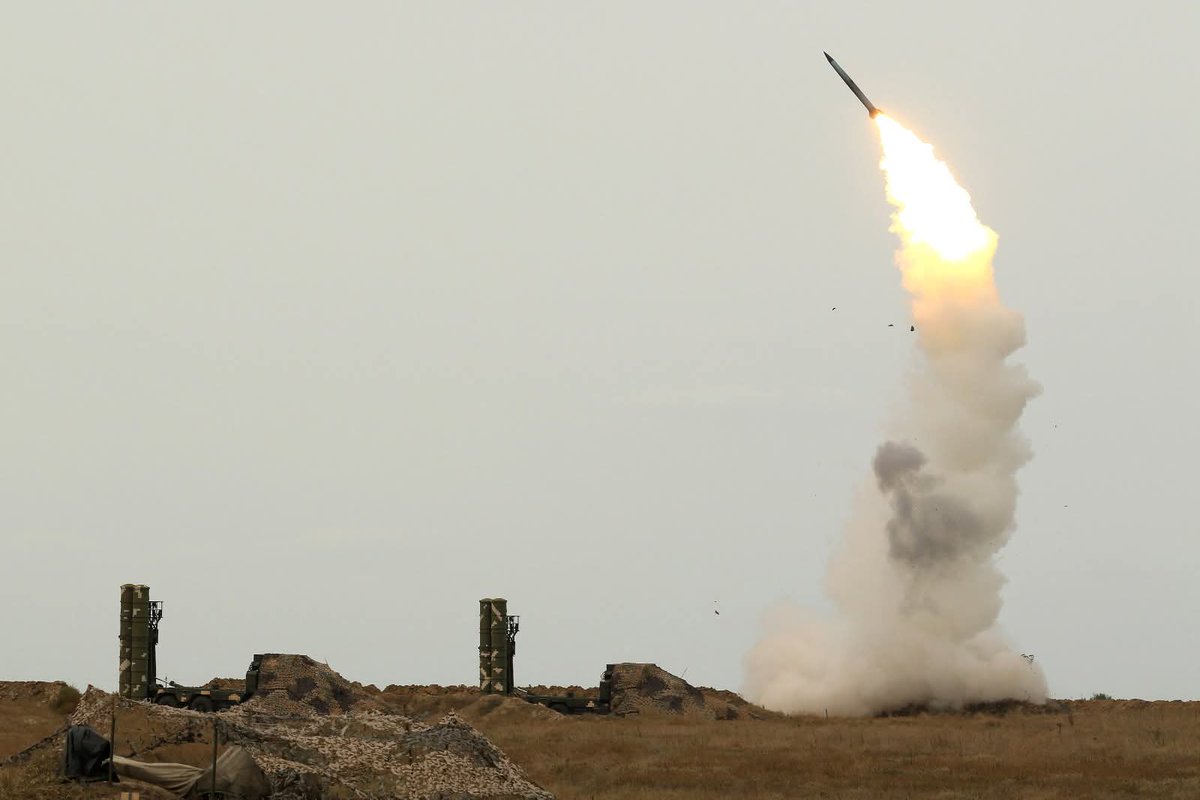
Dozens of missiles were launched at fixed S-300 positionsβbut most struck empty revetments. Ukrainian command had already dispersed its assets in advance.
The S-300 systems forced enemy aircraft to abandon high-altitude operations, effectively closing off the upper airspace and denying safe bombing runs. As a result, russian aviation was pushed down to lower altitudesβstraight into the range of tactical air defenses.
π΅ Buk-M1: Ambush Tactics and Mobility

ββββββββββ
While S-300 units controlled higher altitudes, Buk-M1 systems relied on ambush tactics. Mobile units kept their radars off most of the time, activating them only briefly based on observer reports, firing, and then quickly relocating.

This approach proved highly effective against a numerically superior enemy and worked in coordination with Ukrainian fighter aviation.
For russian pilots, this meant one thing: there were no safe routes over Kyiv region. These βroaming huntersβ brought down multiple Su-34s and Su-35s, turning them into burning wreckage in fields near Makariv and Borodianka.
π΅ The βGhost of Kyivβ: A Myth That Became a Weapon
ββββββββββ
With one Ukrainian pilot often facing five or six enemy fighters, the legend of the βGhost of Kyivβ was born. It became a collective symbol of the pilots of the 40th Tactical Aviation Brigade and other units defending the capital.
Flying older MiG-29s and Su-27s, and often outmatched technologically, Ukrainian pilots forced close-range dogfights. Using terrain masking, they flew low to ambush enemy aircraft and effectively channel them into air defense kill zones.
The legend itself had a psychological impact. Reports of Ukrainian fighters in the area sometimes caused russian pilots to jettison their bombs prematurely and turn back before reaching their targets.
1/
π΅ Strike Power: Su-24M and Su-25 vs. Long Columns
ββββββββββ
While fighters engaged in air combat, Su-24M bombers and Su-25 attack aircraft played a key role in disrupting enemy logistics.
During critical weeks, Ukrainian pilots flew at extremely low altitudes through dense air defense fire, striking long columns of armored vehicles near Hostomel, Bucha, and Makariv. Combined with artillery and drones, these strikes helped break the momentum of the offensive and threw enemy logistics into chaos.
Each sortie was extremely dangerousβpilots operated under constant threat to give ground forces a chance to counterattack.
π΅ Why Did They Lose the Skies Over the Capital?
ββββββββββ
On April 2, 2022, Kyiv region was fully liberated from russian forcesβmarking a turning point in the early phase of the war.
The failure was not due to a lack of equipment or manpower, but to systemic issues: overconfidence, outdated doctrine, and rigid centralized command that limited adaptability.
In contrast, Ukrainian forces operated with flexibility and initiative. Local commanders made rapid decisions, while air defense and aviation units constantly repositioned. Most importantly, every servicemember understood what they were fighting for.
π΅ The Foundation of Todayβs Strength
ββββββββββ
The battle for Kyiv was won not only with missiles, but through the relentless work of technicians, communications specialists, and operators who maintained a unified system under constant pressure.
With growing combat experience and support from partners, Ukraineβs air defense became stronger. Todayβs capabilities rest on the foundation laid by those S-300s, Buk systems, and MiG-29s that held the sky in the spring of 2022.
2/
π΅ THE FORMULA FOR SUCCESS: WORDS FROM THE COMMANDER
ββββββββββ
βAt the time, we had neither Western fighters nor modern systems like Patriot. We used everything we hadβdeception, demonstrative actions, false radio traffic. We deliberately created a distorted picture of the air situation for the enemy.
We knew the first strikes would target command and airfields. So hours before the attack, we dispersed our forces. Air defense and radar units moved to alternate positions, aircraft relocated to backup airfields. When the first missiles hit empty revetments, our defense was already in motion.
The first air encounter happened within an hour and a half. The enemy followed standard doctrine, assuming our defenses were suppressed. We proved otherwise. When our fighters moved to intercept, the enemy chose not to engage.
Commanders at all levels were given autonomy. Even with limited information, they could act independently. At the same time, we continuously analyzed the enemy, identified weaknesses, and adapted quickly.
Conditions were extremely difficultβfog, freezing temperatures, poor visibility. But not a single mission failed.
Thanks to this system, the determination of our pilots, and the resilience of our air defense crews, the enemyβs air blitzkrieg failed.
The sky over the capital was not luck. It was the result of decisions, preparation, and responsibility. We didnβt just hold the skyβwe broke their belief in their own invincibility.β
3/
πΊπ¦π«‘A 19-year-old serviceman of the ruSSian army helped eliminate at least 150 of his fellow soldiers and later surrendered to Ukrainian forces, according to the I Want to Live initiative.
Artem, a soldier from the 102nd Motorized Rifle Regiment of the 150th Division of the 1/
π·πΊ army, reportedly made contact with the project in November 2025 and said he wanted to help. For nearly 3 months, he provided up-to-date information on infantry and equipment positions, as well as movement routes of occupying forces within his unitβs area of responsibilityβ
2/
around the settlements of Sofiivka and Volodymyrivka.
Based on his coordinates, Ukrainian forces reportedly destroyed 4 UAV crews, 4 mortar teams, an MLRS and 2 tanks. In addition to around 150 killed, his information is said to have resulted in at least 50 more being wounded.
3/
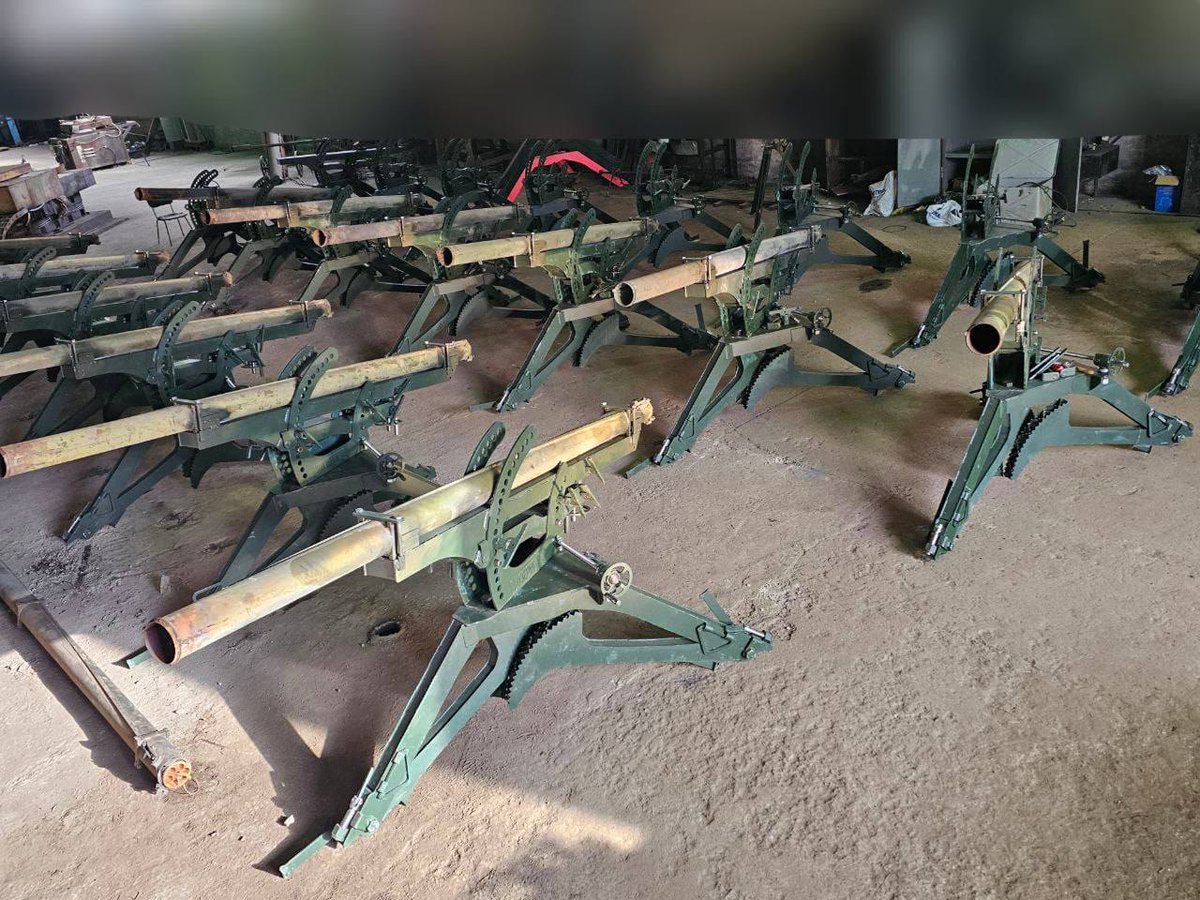
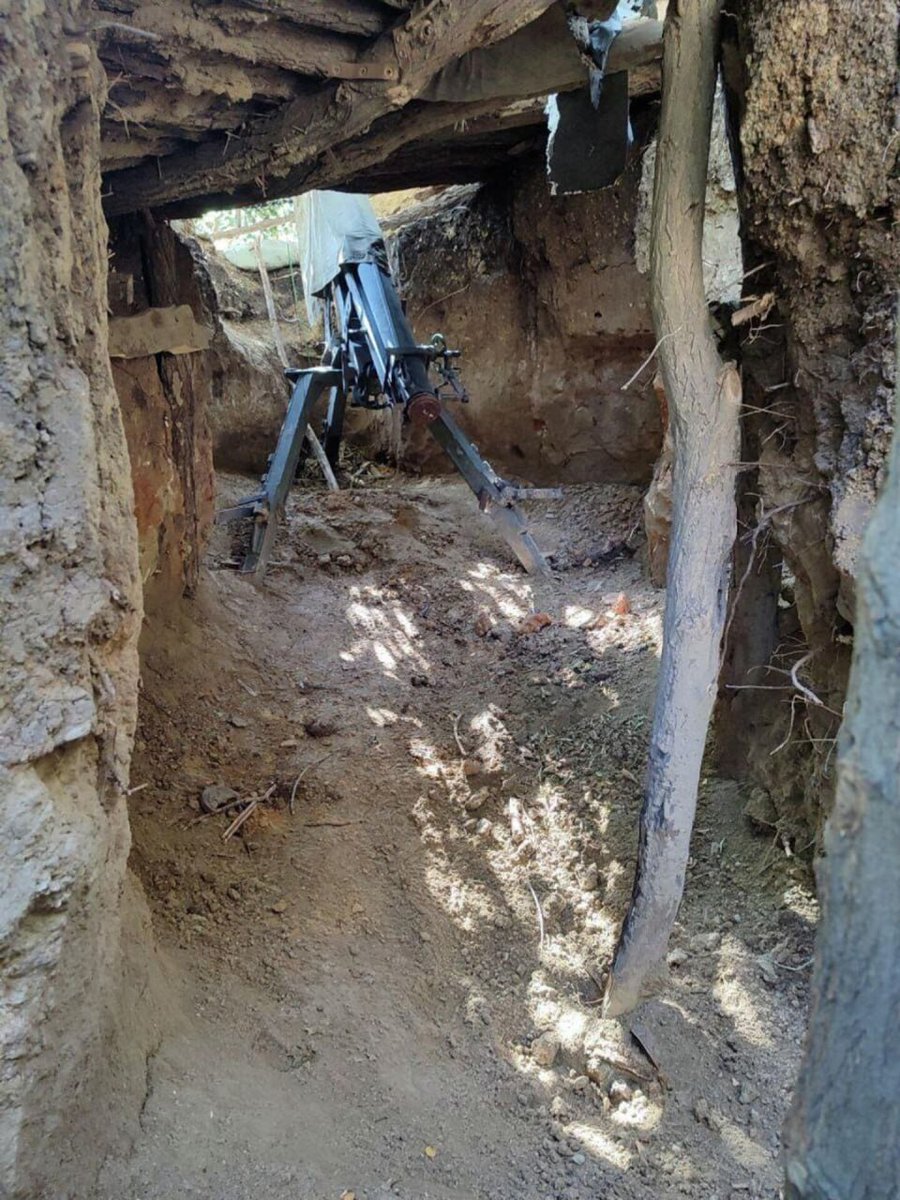
Due to effective Ukrainian counter-battery fire, ruSSian artillery is increasingly forced to switch to more guerrilla-style tactics. This time, they have essentially reinvented the 9P132 Grad-P.
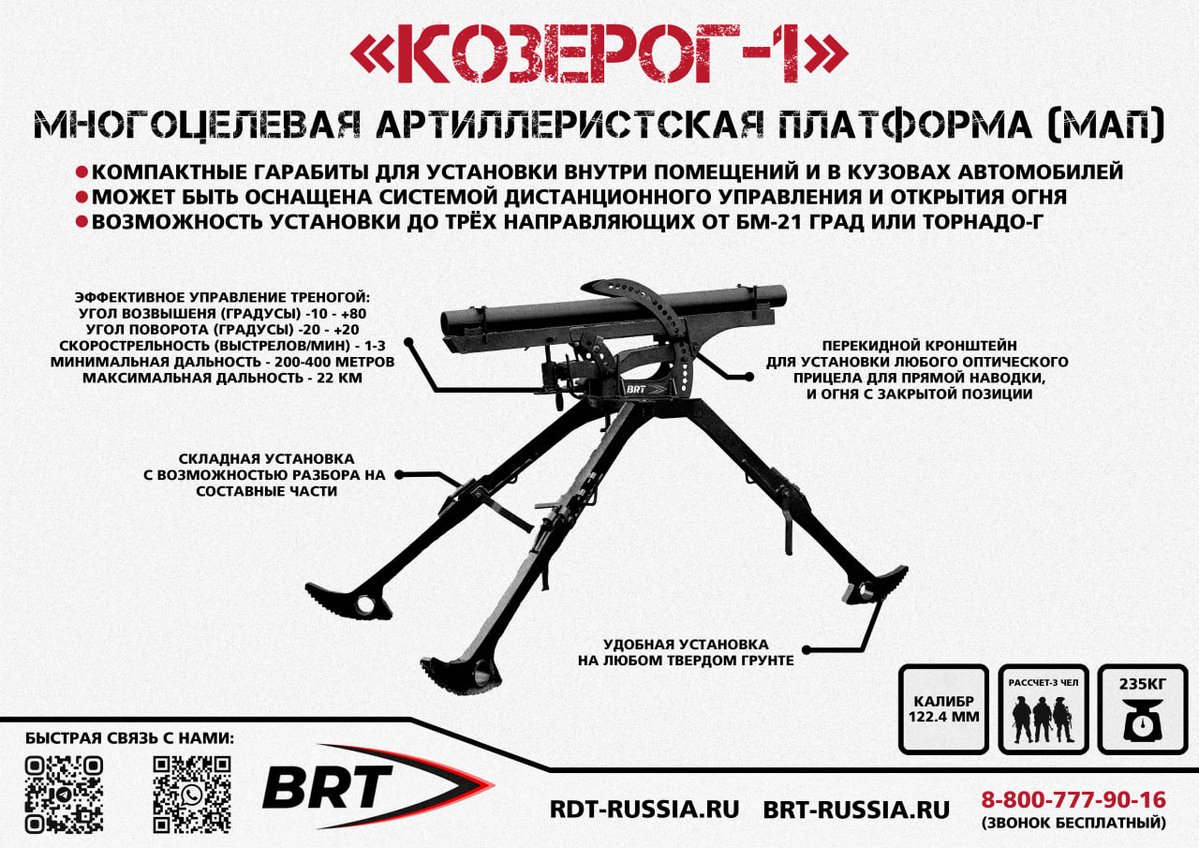
The system is called βKozerog-1β (Capricorn-1). It is an artillery mount designed 1/
to fire rockets from the BM-21 Grad MLRS. It consists of 3 main parts:
- a platform with stabilizing LEGS
- HORNS for vertical elevation with a subframe
- and launch rails taken from the Grad β up to 6 can be mounted on the carriage.
When disassembled, the Kozerog reportedly 2/
fits easily into a Bukhanka. A 3 man crew can bring it into combat readiness in about 15mins.
The system can use the full range of rockets designed for the BM-21, incl. the 9M22U w/ a range of up to 20km. It features coarse vertical elevation mechanisms as well as handwheels 3/
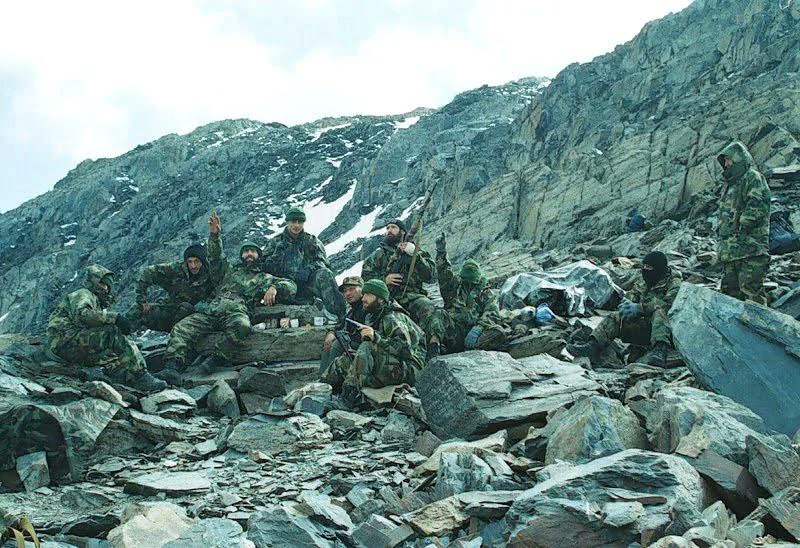
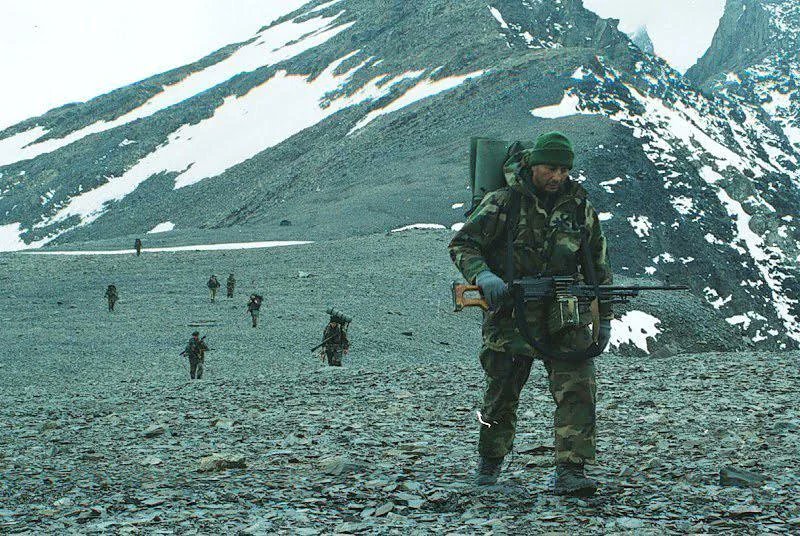
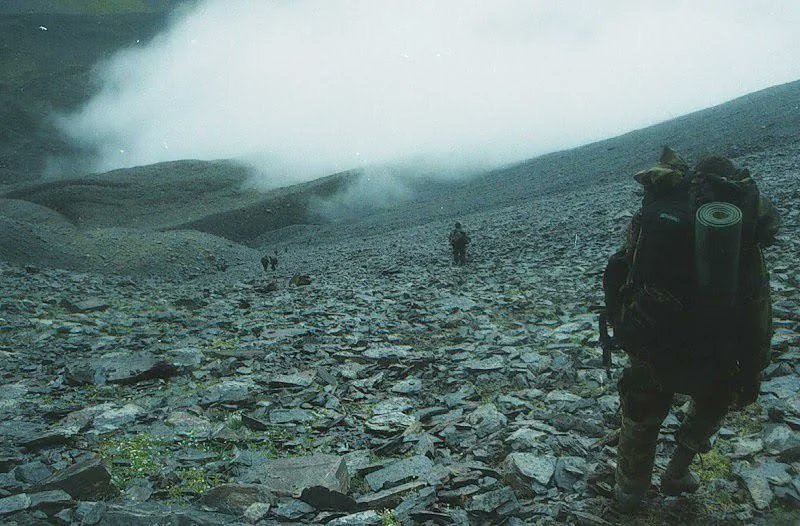
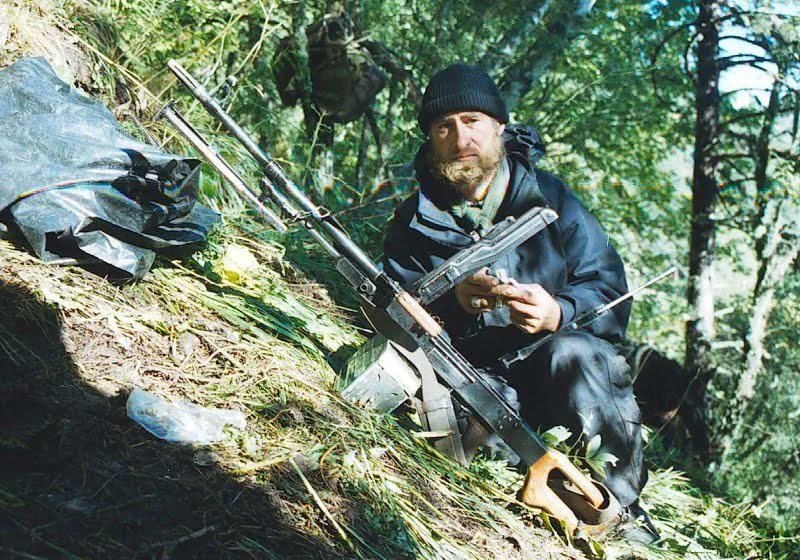
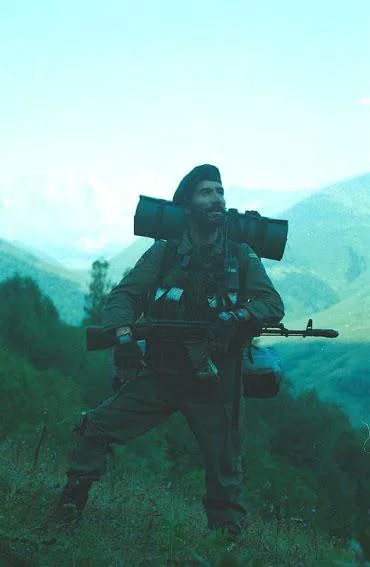
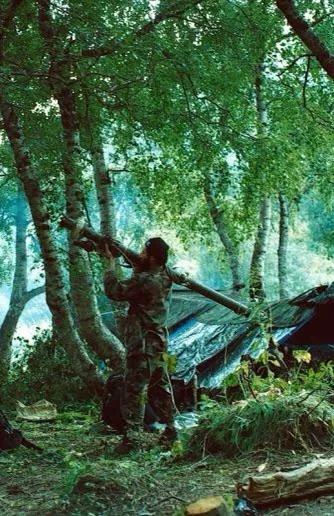
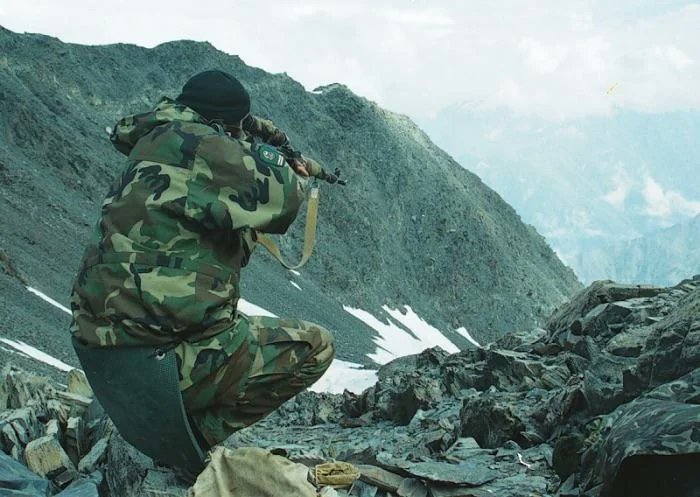
A group of militants under the command of Ruslan Gelayev on the Chechnya-Georgia route through the Caucasus Mountains, footage from August-September 2002.
During their activities, Chechen militants established several routes through the Caucasus Mountains, reaching the 1/
territories of two Transcaucasian countries, namely Georgia and Azerbaijan. These routes served as supply lines.
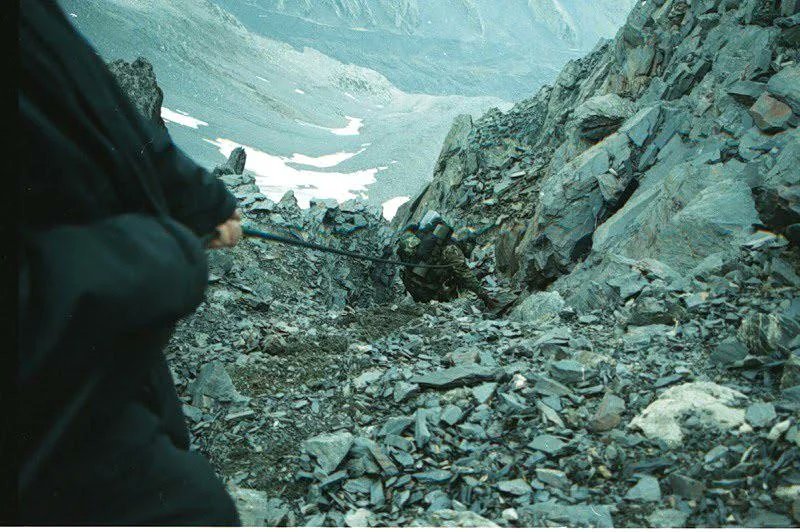
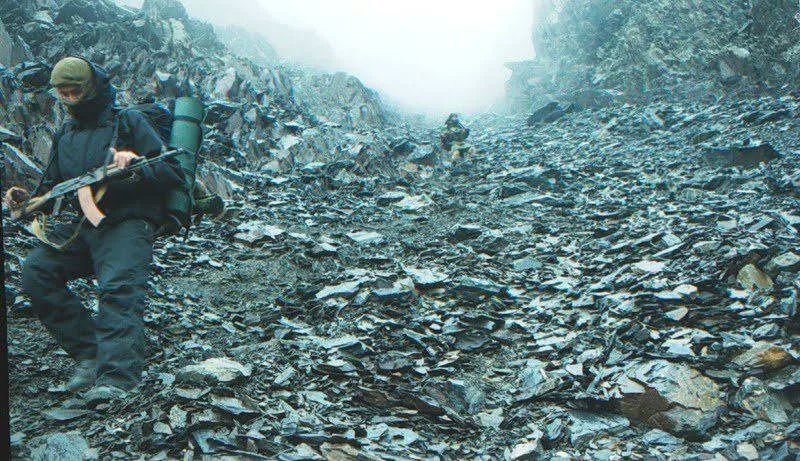
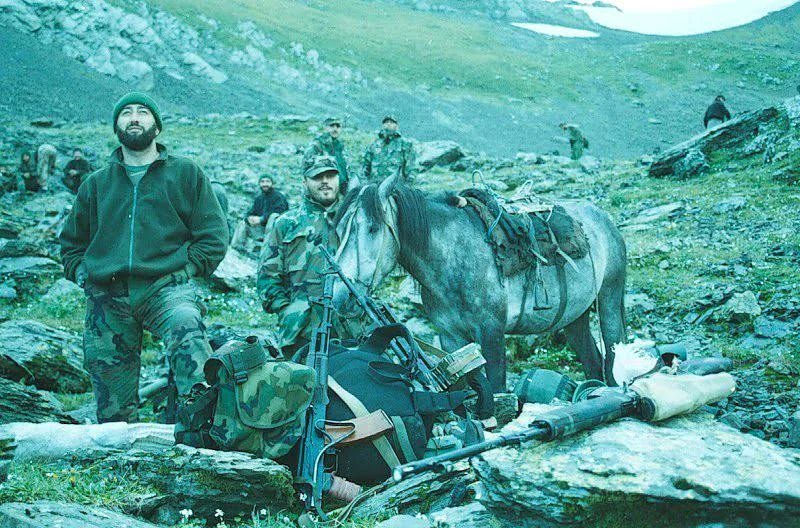
These photos are the final ones taken by Roddy Scott (He was a journalist) before his death in 2002. Scott had travelled to π¬πͺand embedded himself w/in a Guerilla 2/
unit that was operating out of the Pankisi Gorge and preparing to cross the mountains into Chechnya, and then into Ingushetia.The above photos chart that perilous journey the group took and, show how amazing a feat it was, and is, to cross such a natural barrier into a warzone 3/
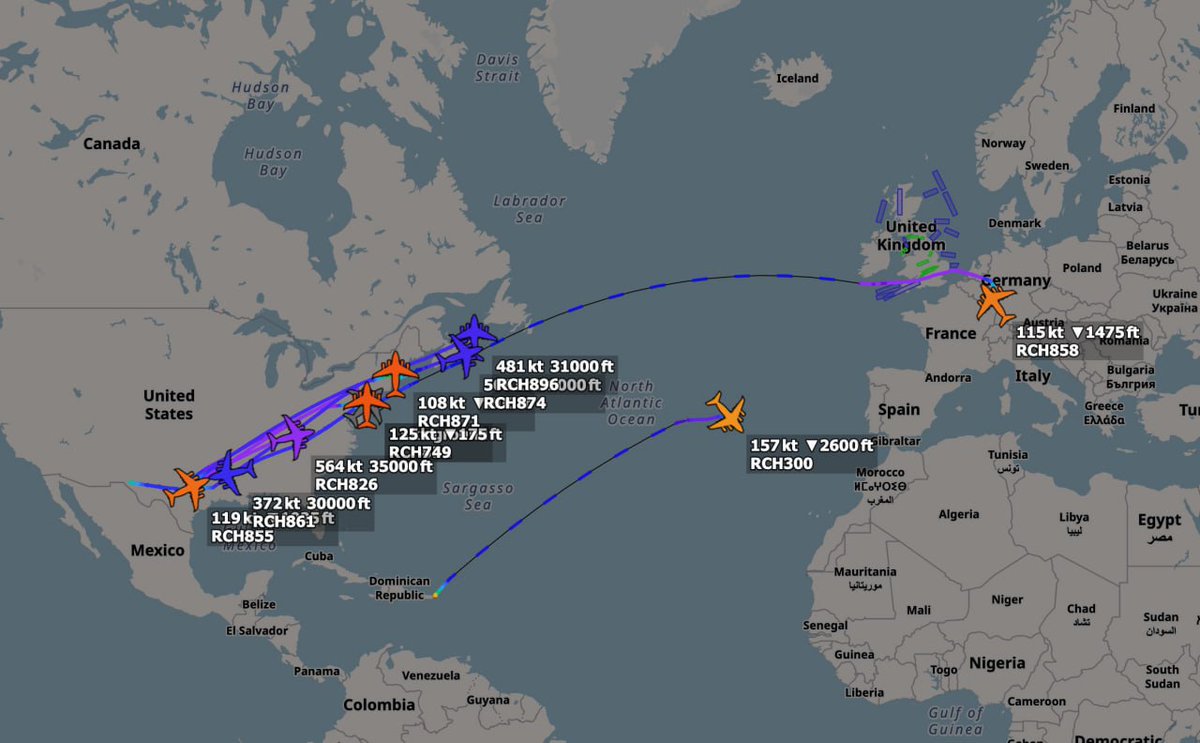
The USAF last days began a large-scale redeployment of aircraft and logistical assets toward the Middle East. Judging by the structure of the flight activity, this appears to be a planned reinforcement phase rather than scattered, unrelated movements.
Within a 24-hour period, 1/
several aerial refueling aircraftβfour KC-46 Pegasus tankers and one KC-135βdeparted from Homestead Air Reserve Base and Roosevelt Roads as part of CORONET East 035.
Notably, there is no formal confirmation of fighter aircraft being redeployed together with the tankers.However
2/
the flight routes and callsigns suggest a possible accompanying transfer of Vermont Air National Guard F-35A fighters.
Against this backdrop, the intensified activity of U.S. Army heavy airlift aviation is even more telling. From Robert Gray Army Airfield (Fort Hood), home to
3/