𝔗𝔥𝔢 𝕯𝔢𝔞𝔡 𝕯𝔦𝔰𝔱𝔯𝔦𝔠𝔱△ 🇬🇪🇺🇦🇺🇲🇬🇷 Profile picture
Apr 2 4 tweets 6 min read
WHY THE “SECOND STRONGEST ARMY IN THE WORLD” FAILED TO CONTROL THE SKIES OVER KYIV REGION
➖➖➖➖➖➖➖➖➖➖
On February 24, 2022, russian aviation entered Ukrainian airspace with a sense of total impunity. In the aggressor’s headquarters, there was confidence that the first waves of “Kalibr” and “Iskander” strikes would paralyze Ukraine’s command system, destroy its air defenses, disable airfields, and open the way for an airborne assault on Kyiv. According to this plan, the “second strongest army in the world” expected to dictate the terms within the first hours of the war.
Instead of the anticipated collapse over Kyiv region, the enemy encountered a completely different kind of defense—mobile, coordinated, and composed. Ukraine’s system did not fall apart under the first удар; it held, adapted quickly, and began operating in ways no russian scenario had anticipated.
What was supposed to be a lightning-fast air blitzkrieg turned into one of the most intense air battles of the 21st century—one that Ukraine won not through sheer numbers of missiles and aircraft, but through intelligence, flexibility, and resilience.
Every timely maneuver by air defense units saved thousands of lives in the capital. Every sortie by aging MiGs disrupted enemy doctrine and shattered the myth of invincibility.
🔵 The First Strike: The Fight for Command and Control
➖➖➖➖➖➖➖➖➖➖
In the opening hours of the invasion, russian forces launched massive missile strikes against command centers, radar stations, air defense units, and airfields. The goal was clear: “blind” Ukraine’s defenses and disorganize resistance. A key focus was the Hostomel airfield, intended as a staging ground for an airborne assault.
But the system held. Within the first two days alone, the attacker lost 14 aircraft, 8 helicopters, and dozens of missiles. What was expected to be an easy operation turned into exhausting air combat, where numerical superiority could not make up for a lack of adaptability.
🔵 S-300: Staying One Step Ahead
➖➖➖➖➖➖➖➖➖➖
Dozens of missiles were launched at fixed S-300 positions—but most struck empty revetments. Ukrainian command had already dispersed its assets in advance.
The S-300 systems forced enemy aircraft to abandon high-altitude operations, effectively closing off the upper airspace and denying safe bombing runs. As a result, russian aviation was pushed down to lower altitudes—straight into the range of tactical air defenses.
🔵 Buk-M1: Ambush Tactics and Mobility
➖➖➖➖➖➖➖➖➖➖
While S-300 units controlled higher altitudes, Buk-M1 systems relied on ambush tactics. Mobile units kept their radars off most of the time, activating them only briefly based on observer reports, firing, and then quickly relocating.
This approach proved highly effective against a numerically superior enemy and worked in coordination with Ukrainian fighter aviation.
For russian pilots, this meant one thing: there were no safe routes over Kyiv region. These “roaming hunters” brought down multiple Su-34s and Su-35s, turning them into burning wreckage in fields near Makariv and Borodianka.
🔵 The “Ghost of Kyiv”: A Myth That Became a Weapon
➖➖➖➖➖➖➖➖➖➖
With one Ukrainian pilot often facing five or six enemy fighters, the legend of the “Ghost of Kyiv” was born. It became a collective symbol of the pilots of the 40th Tactical Aviation Brigade and other units defending the capital.
Flying older MiG-29s and Su-27s, and often outmatched technologically, Ukrainian pilots forced close-range dogfights. Using terrain masking, they flew low to ambush enemy aircraft and effectively channel them into air defense kill zones.
The legend itself had a psychological impact. Reports of Ukrainian fighters in the area sometimes caused russian pilots to jettison their bombs prematurely and turn back before reaching their targets.
1/Image
Image
Image
Image
🔵 Strike Power: Su-24M and Su-25 vs. Long Columns
➖➖➖➖➖➖➖➖➖➖
While fighters engaged in air combat, Su-24M bombers and Su-25 attack aircraft played a key role in disrupting enemy logistics.
During critical weeks, Ukrainian pilots flew at extremely low altitudes through dense air defense fire, striking long columns of armored vehicles near Hostomel, Bucha, and Makariv. Combined with artillery and drones, these strikes helped break the momentum of the offensive and threw enemy logistics into chaos.
Each sortie was extremely dangerous—pilots operated under constant threat to give ground forces a chance to counterattack.
🔵 Why Did They Lose the Skies Over the Capital?
➖➖➖➖➖➖➖➖➖➖
On April 2, 2022, Kyiv region was fully liberated from russian forces—marking a turning point in the early phase of the war.
The failure was not due to a lack of equipment or manpower, but to systemic issues: overconfidence, outdated doctrine, and rigid centralized command that limited adaptability.
In contrast, Ukrainian forces operated with flexibility and initiative. Local commanders made rapid decisions, while air defense and aviation units constantly repositioned. Most importantly, every servicemember understood what they were fighting for.
🔵 The Foundation of Today’s Strength
➖➖➖➖➖➖➖➖➖➖
The battle for Kyiv was won not only with missiles, but through the relentless work of technicians, communications specialists, and operators who maintained a unified system under constant pressure.
With growing combat experience and support from partners, Ukraine’s air defense became stronger. Today’s capabilities rest on the foundation laid by those S-300s, Buk systems, and MiG-29s that held the sky in the spring of 2022.
2/Image
Image
Mar 25 5 tweets 1 min read
🇺🇦🫡A 19-year-old serviceman of the ruSSian army helped eliminate at least 150 of his fellow soldiers and later surrendered to Ukrainian forces, according to the I Want to Live initiative.
Artem, a soldier from the 102nd Motorized Rifle Regiment of the 150th Division of the
1/ Image 🇷🇺 army, reportedly made contact with the project in November 2025 and said he wanted to help. For nearly 3 months, he provided up-to-date information on infantry and equipment positions, as well as movement routes of occupying forces within his unit’s area of responsibility—

2/
Feb 24 6 tweets 4 min read
Total bullshit on your wall.

I would like to share with you some ruSSian and pro-ruSSian claims from the first days of the ruSSian invasion of Ukraine.
1/ Image 2/ Image
Image
Image
Image
Feb 19 5 tweets 2 min read
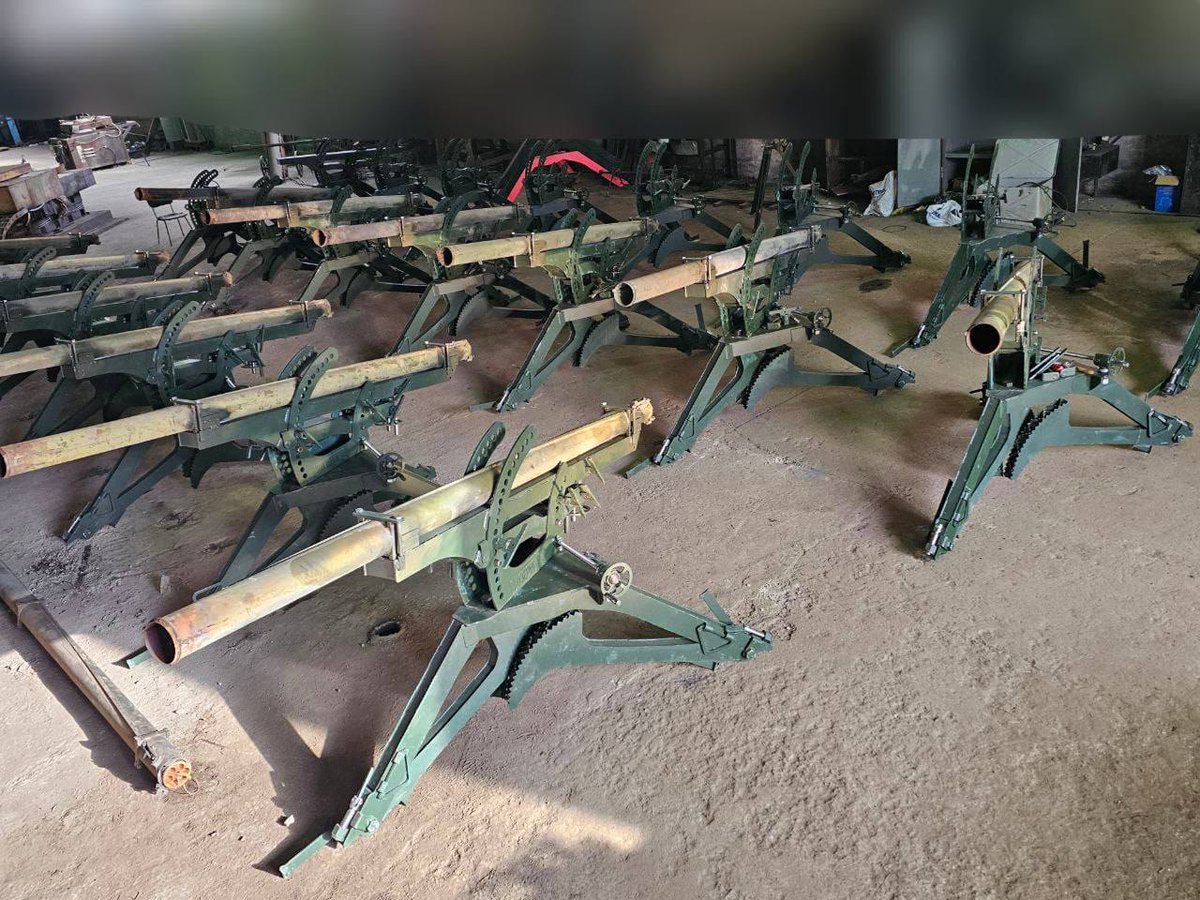
Due to effective Ukrainian counter-battery fire, ruSSian artillery is increasingly forced to switch to more guerrilla-style tactics. This time, they have essentially reinvented the 9P132 Grad-P.
The system is called “Kozerog-1” (Capricorn-1). It is an artillery mount designed
1/ Image to fire rockets from the BM-21 Grad MLRS. It consists of 3 main parts:
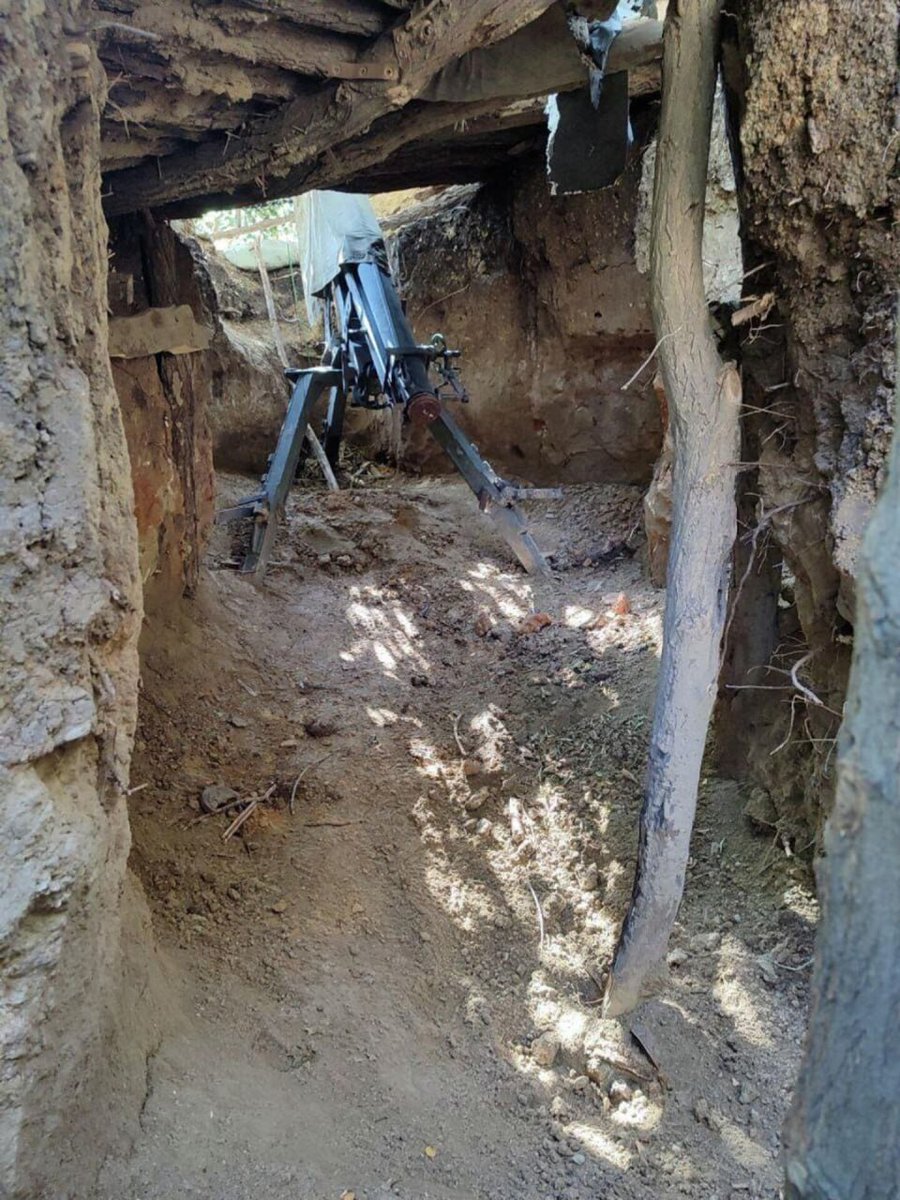

- a platform with stabilizing LEGS
- HORNS for vertical elevation with a subframe
- and launch rails taken from the Grad — up to 6 can be mounted on the carriage.
When disassembled, the Kozerog reportedly
2/ Image
Feb 8 5 tweets 5 min read
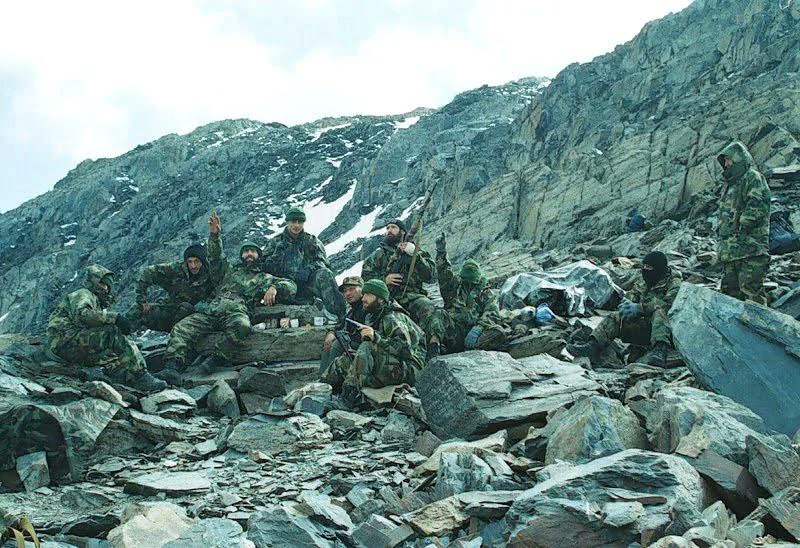
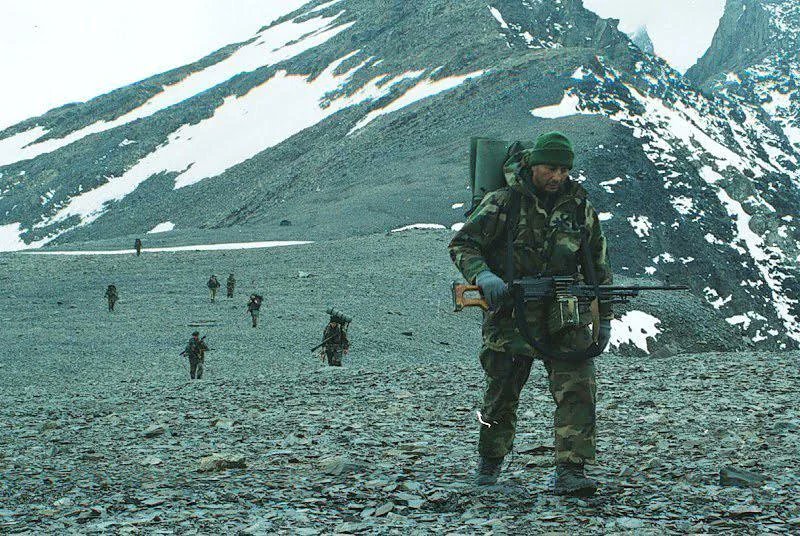
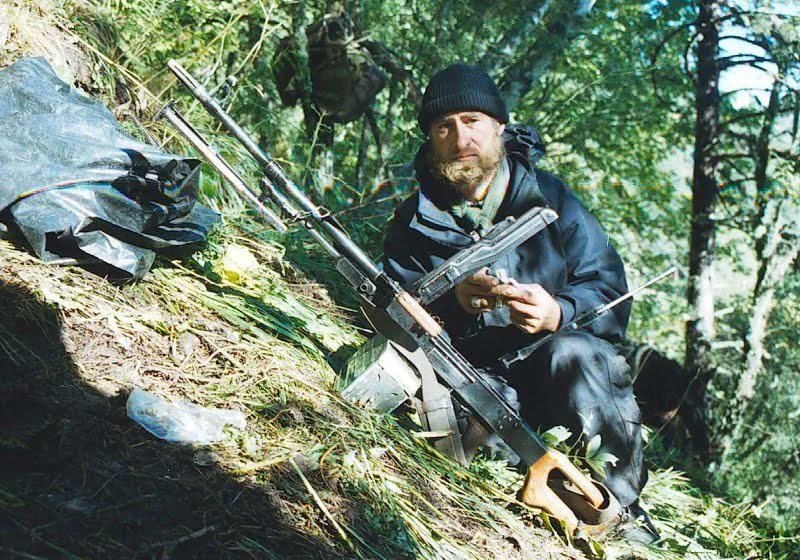
A group of militants under the command of Ruslan Gelayev on the Chechnya-Georgia route through the Caucasus Mountains, footage from August-September 2002.
During their activities, Chechen militants established several routes through the Caucasus Mountains, reaching the
1/ Image
Image
Image
Image
territories of two Transcaucasian countries, namely Georgia and Azerbaijan. These routes served as supply lines.
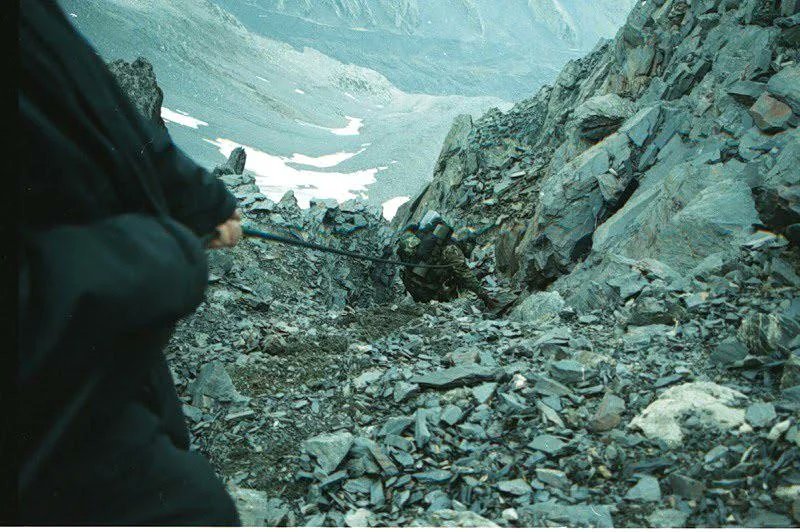
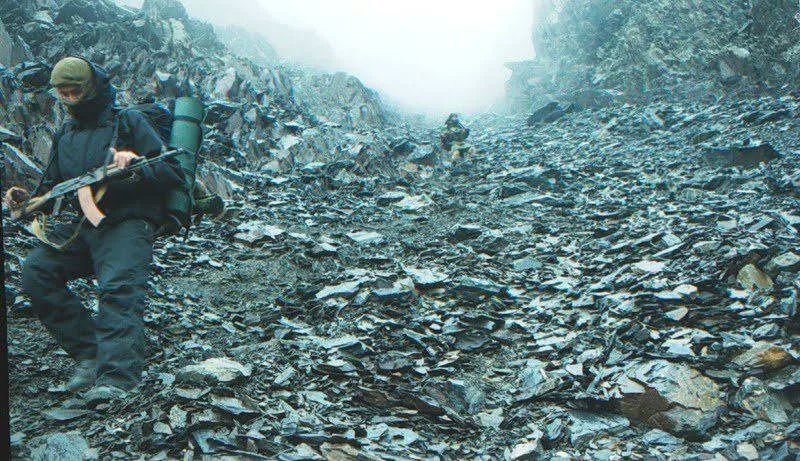
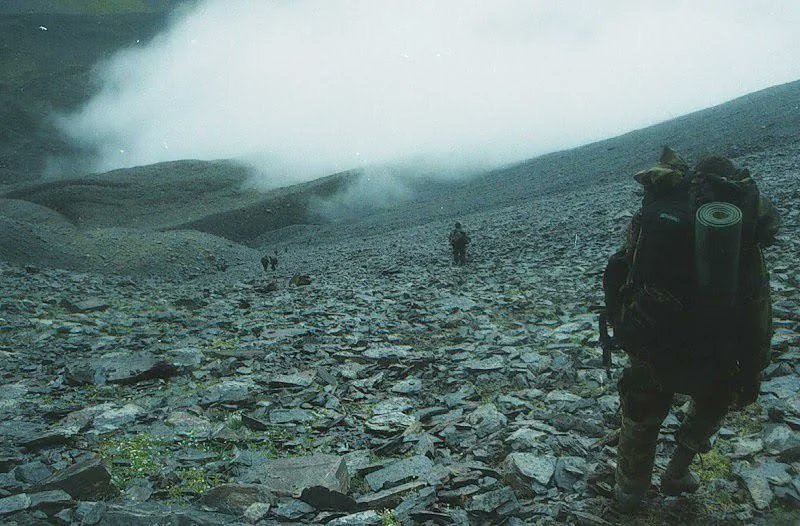
These photos are the final ones taken by Roddy Scott (He was a journalist) before his death in 2002. Scott had travelled to 🇬🇪and embedded himself w/in a Guerilla
2/ Image
Image
Image
Image
Jan 30 6 tweets 2 min read
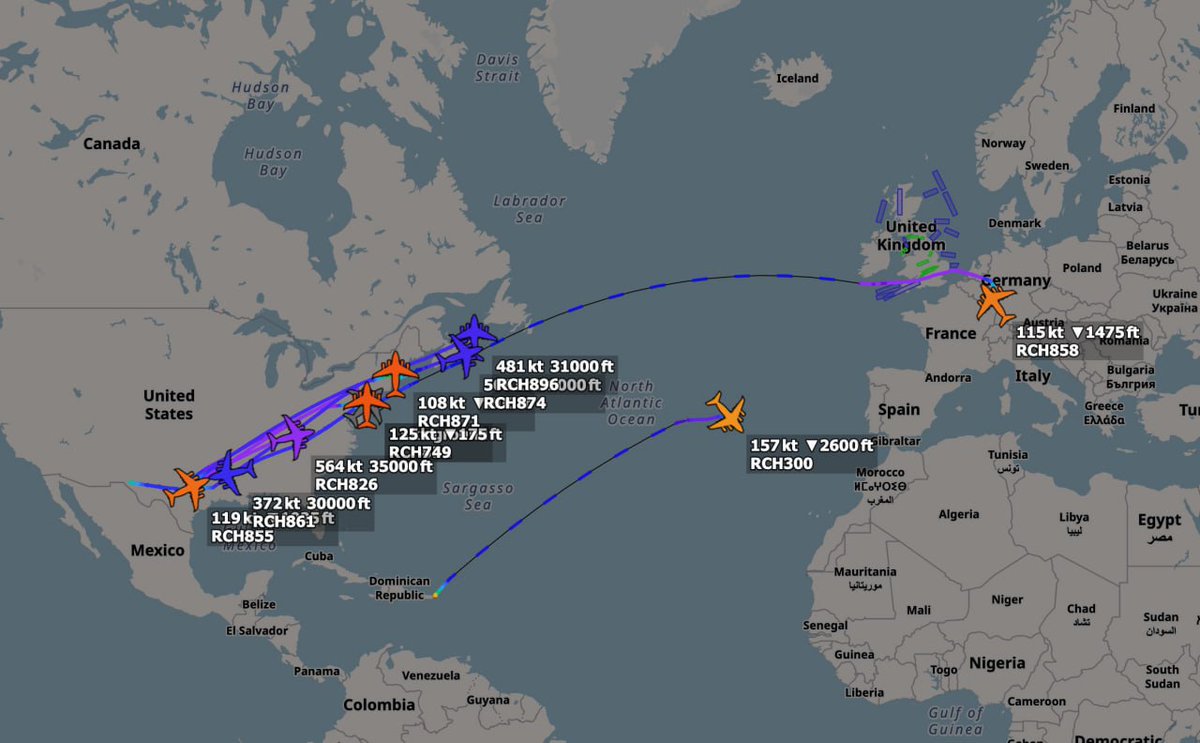
The USAF last days began a large-scale redeployment of aircraft and logistical assets toward the Middle East. Judging by the structure of the flight activity, this appears to be a planned reinforcement phase rather than scattered, unrelated movements.
Within a 24-hour period,
1/ Image several aerial refueling aircraft—four KC-46 Pegasus tankers and one KC-135—departed from Homestead Air Reserve Base and Roosevelt Roads as part of CORONET East 035.
Notably, there is no formal confirmation of fighter aircraft being redeployed together with the tankers.However
2/
Jan 5 4 tweets 2 min read
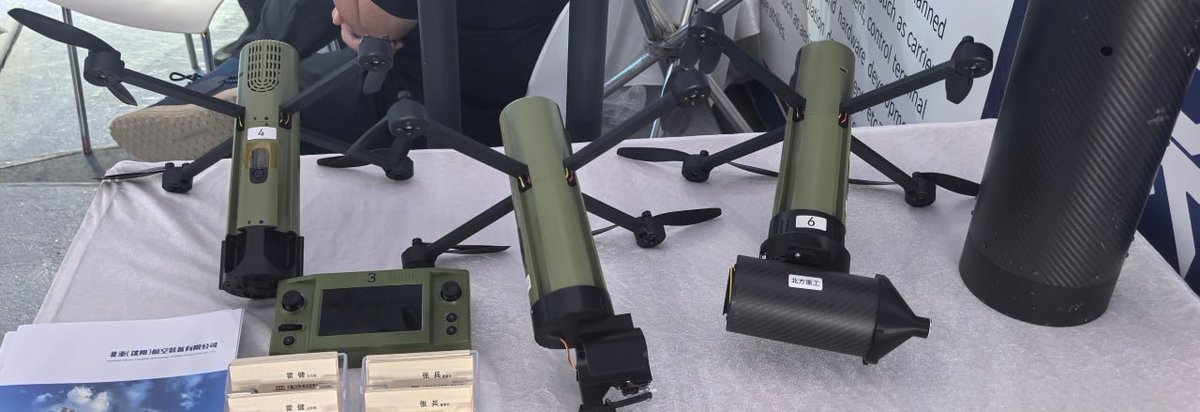
A Chinese company, North Heavy (Shenyang) Aviation Equipment Co., Ltd., has unveiled a new ND MINI reconnaissance-strike drone with vertical takeoff capability.
Its cylindrical body with foldable arms makes the drone highly compact: 65 mm in diameter and 350 mm in height.
1/ Image This allows a single soldier to carry up to four UAVs at once.
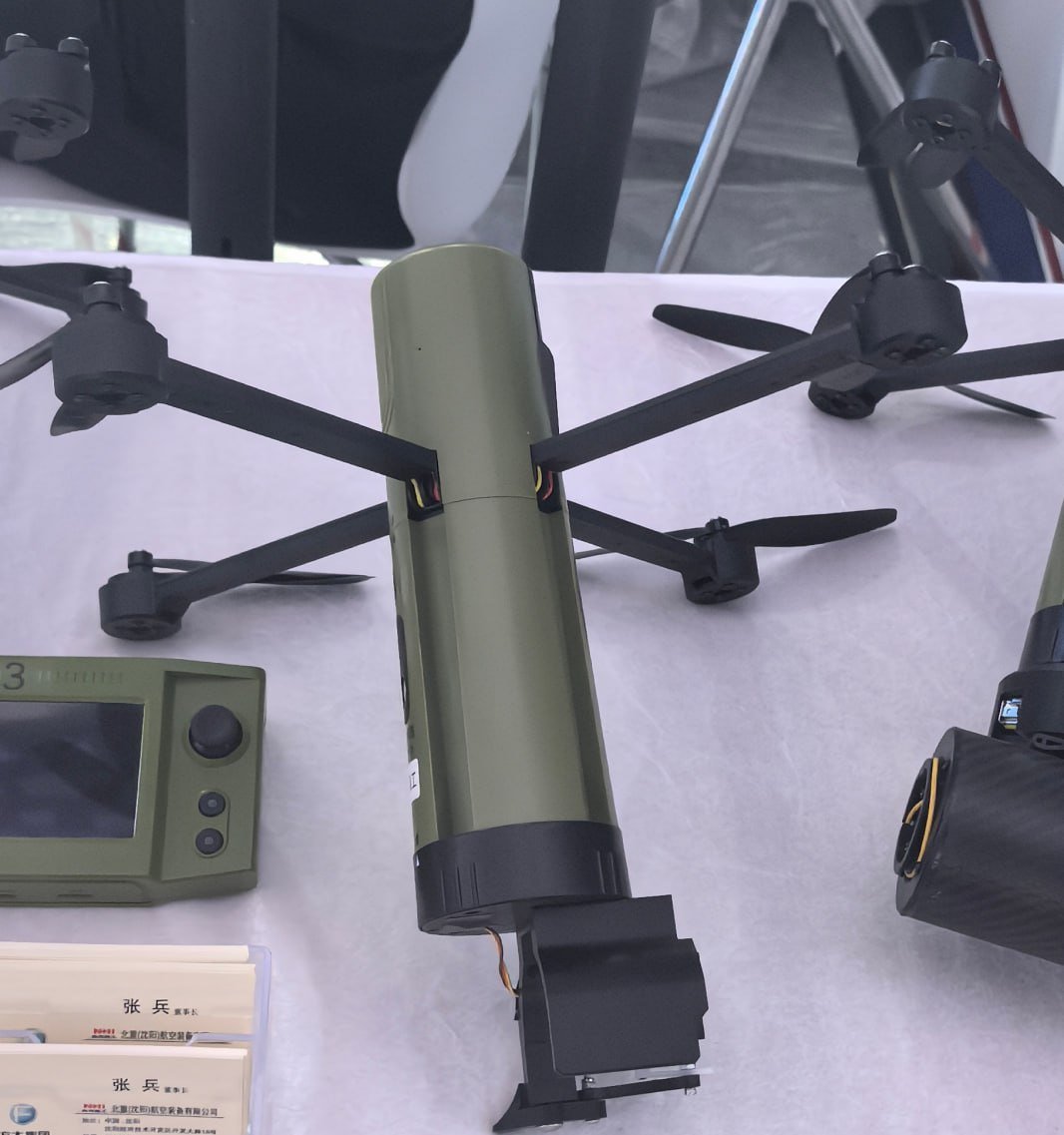
The ND MINI has a maximum speed of 90 km/h, a control range of 4 km, and a payload capacity of 400 grams. Claimed strike accuracy is within 1 meter, with an effective damage radius of up to 10 meters.
2/ Image
Jan 3 4 tweets 2 min read
2025 became a record year for international security assistance to Ukraine.
🇺🇦managed to secure more than $45bill in aid — the highest amount since the start of the fullscale war and nearly 30% more than last YR.
The key areas of support in 2025 were:
🔹 weapons and ammunition
1/ Image 🔹development of air and missile defense systems;
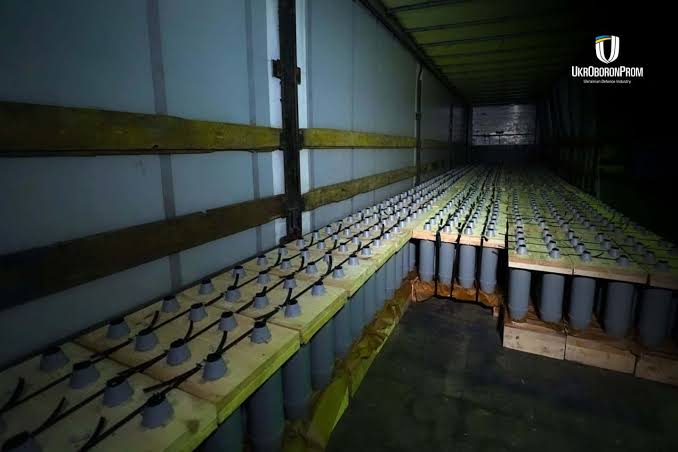
🔹 investments in joint production and procurement for Ukraine’s defense industry;
🔹 training, repairs, technical support, and logistics.
More than $6bill was allocated to the development of Ukraine’s defense industry,
2/ Image
Dec 31, 2025 6 tweets 2 min read
Butusov about the situation in Kupyansk:
"On Christmas, operations were underway in Kupiansk. 🇺🇦 soldiers are clearing the city house by house despite fierce enemy resistance.
Putin and Gerasimov—who claimed the city had been captured—are nowhere to be found. Putin even said
1/ Image he would invite foreign journalists to Kupiansk, but he lied about that too: both russian generals and Zbloggers are afraid to come here.
ruSSian soldiers are hiding in basements like rats, avoiding open movement. Heavy,painstaking work is underway to locate and eliminate them
2/ Image
Dec 18, 2025 4 tweets 2 min read
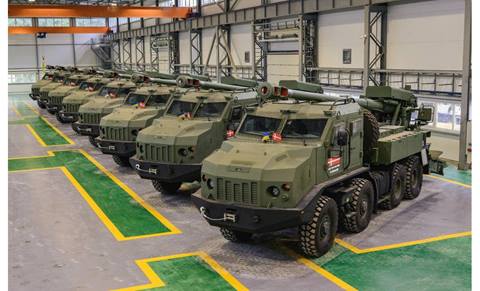
Ukraine’s Minister of Defense, Denys Shmyhal, announced the signing of agreements with Germany on military cooperation worth more than €1.2 billion, funded by German financing. In total, Germany has committed to providing Ukraine with €11.5 billion in military aid in 2026.
1/ Image The largest of the signed agreements is Germany’s €750 mill financing for the production of 200 Ukrainian 155mm Bogdana SPHs, on a new Mercedes-Benz Zetros chassis. At present, the Bohdana SPHs are produced on the Tatra 158 Phoenix (4.0) and the Tatra T815-7 chassis (3.0).
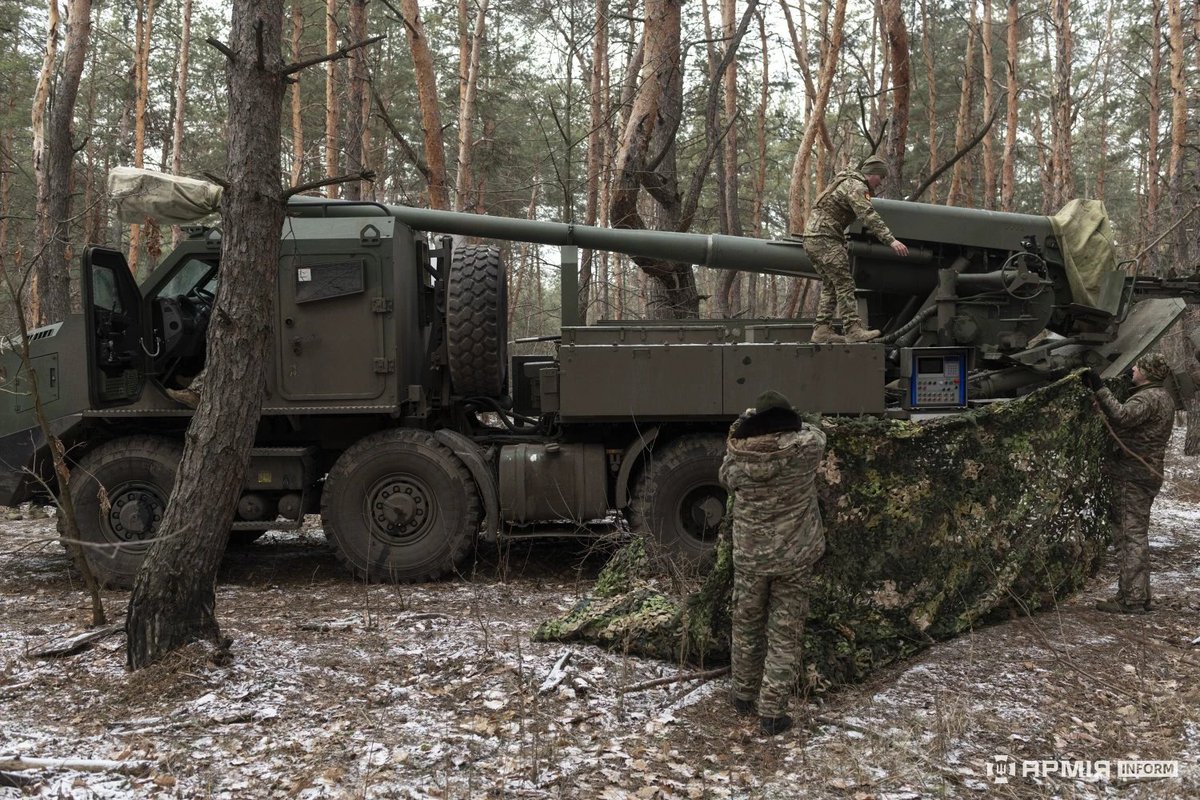
2/ Image
Dec 15, 2025 11 tweets 3 min read
Remember the accident at the Baikonur launch pad? There’s an update.

Text from Russian sources:

"The cabin fell because the “stoppers were not secured.” Why? That’s still the main question. The higher-ups were warned that there was a serious problem and tried to secure it,
1/ Image but due to misalignment, the cabin couldn’t be fixed. Officially, of course, nothing is being communicated since the commission is still investigating (within the expected timeline).
In other words, the cabin crew warned that the stoppers weren’t in place, but were still given
2/
Nov 7, 2025 14 tweets 3 min read
A gunner of a ruSSian T-80BVM talks about the quality of his tank:

"About the BVM — like about the dead: either speak well, or not at all… The situation is like with the AK-12 — something that looks quite good on paper, but the quality of execution… bolts made of silumin,
1/ Image they break instantly, and you’re afraid to even tighten them.
The electronics are buggy, acting on their own.The components — pure luck.I wasn’t lucky: the hydraulics in the turret started leaking as soon as the vehicle rolled off the trailer.And it’s still leaking to this day
2/
Oct 28, 2025 11 tweets 3 min read
Project "Hochu Zhit" publisher the names of the 2000 Dead GRU Spetsnaz Soldiers

"We continue to study the losses of the ruSSian army in Ukraine. Earlier, we published a small list of those killed from elite SF centers such as Kubinka, Senezh, and several others.
1/ Image Now we are publishing a list of those killed from the GRU, Navy, and Ground Forces special units.
The list is not complete and reflects only part of the losses from the beginning of the 🇷🇺 invasion to March 2025. It includes 2285 servicemen, most of whom were Spetsnaz soldiers
2/ Image
Oct 13, 2025 4 tweets 2 min read
A small UPD about the Pokrovsk direction by Kindratyuk
"Well, the situation near Pokrovsk is once again gradually turning critical.
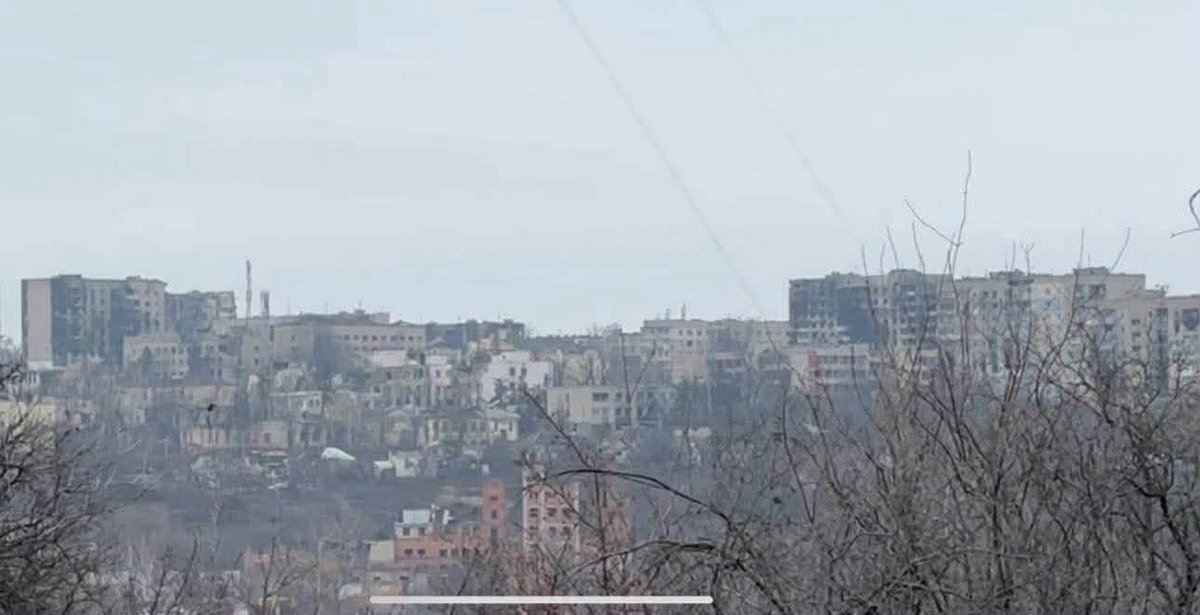
ruSSians has re-occupied Kotlyne and Udachne (yet again) and is moving toward the Pokrovske mine management area — the very same coking coal mine
1/ Image They enter the mine’s territory in small groups but fail to hold positions for long, as they are quickly eliminated. Still, these are worrying signs.
In the southern part of the city, the occupiers constantly infiltrate the southern neighborhoods in small groups, taking
2/ Image
Oct 10, 2025 4 tweets 2 min read
“We Had None, Today We Have a Surplus”: Zelenskyy on Ukraine’s Artillery Comeback.
President Zelenskyy reflected on 🇺🇦 progress in overcoming past shortages of artillery and ammo, noting that the country has gone from having almost none to producing its own systems in surplus
1/ Image Zelenskyy made this statement in an interview on Oct 9.
“For exple, when we had major problems w/ artillery—at one point, we simply had none—we started using other means,” he said -Today we have artillery systems that we manufacture ourselves; we already have a surplus of them
2/ Image
Aug 30, 2025 5 tweets 2 min read
The War Zone has published an interesting interview with Andriy Hertsenyuk, the new head of Ukraine’s state defense technology cluster Brave1, regarding ongoing efforts to develop indigenous air defense systems.

According to him, a missile program was launched in 2024, and
1/ Image currently dozens of companies are working on missiles of various classes, particularly surface-to-air. Several companies already have ready-made solutions undergoing testing at proving grounds and, in some cases, under combat conditions. At least some interceptors designed to
2/
Jul 27, 2025 6 tweets 2 min read
🇷🇺 banks have reduced lending by more than 4 times in the first half of the year, from 11 trillion to 2.5 tn.

But at the same time, they have sharply increased the purchase of federal bonds, from 0 to 1.2 tn ₽.

Banks have started lending for government debt!

What it means⤵️ Image What’s Happening with Russian Banks?

❗️1. Lending has crashed

Banks gave out 4 times less money in loans this year.

That means businesses and people are not borrowing, and banks are afraid to lend.

It’s a sign the economy is in big trouble.

2/
Nov 5, 2024 6 tweets 3 min read
The 1st documented use of the M712 Copperhead 155mm shell by the ZSU.
- Unit - SOF
- Location - Kursk
- Target - communication tower (between the Pravda and Martinivka settlements)
- Aiming device - a Leonardo's Type 163 LTD.
- Distance to the target 2256 meter.
- Gun - M777.
1/ Image - The 1st round - direct hit to the target (most antennas were damaged or destroyed)
- The 2nd round - direct hit, the tower was partially leaning
- The 3rd round - missed its target, reason - seeker's malfunction
The M712 is a ShCh round, so it was unable to destroy the tower
2/ Image
Image
Image
Oct 11, 2024 4 tweets 2 min read
According to our various sources, France will supply between twelve and twenty Mirage 2000-5Fs to war-torn Ukraine next year. The Minister of the Armed Forces has targeted the first quarter, i.e. between January 1 and March 30, 2025.
1/ Image By then, the French teams must ensure the operational transformation of pilots and the advanced training of mechanics and gunsmiths. It is currently unknown whether one or more Mirage 2000B two-seaters will be integrated into the batch of aircraft supplied.
2/ Image
Oct 4, 2024 5 tweets 4 min read
K3 - South Korean Next Generation MBY.
K3 has traditional layout - a driver's compartment at the front, aturret in the center, and a rear-mounted powertrain.
Tank have 3 crew members - driver, commander, and gunner, all housed in an armored capsule located in front of the hull
1/ Image
Image
Image
Image
The unmanned turret is armed with a 130mm smoothbore cannon, capable of engaging targets up to 5km away. The tank is also equipped with multi-purpose ATGMs with a range of 8 km, including advanced modes for NLOS and BLOS engagements.
2/ Image
Image
Image
Image
Dec 18, 2023 4 tweets 4 min read
The russian Army radio communication issue.
russian Army in AFVs uses three basic types of the radios:
- R-123 (Frequency range 27 - 51 MHz)
- R-173 (Frequency range 30 - 75,999 MHz)
- R-168 (Frequency range 30 - 107,975 MHz)
The first two can connected with the R-124 or R-174 tank internal phone. The third one is uses the R-184 AVSK (Аппаратура внутренней связи и коммутации - АВСК)

All these radios can't provide the good communication, first two are very old. The third one is the newest what the russian army has. It is digital and also has Frequency Hopping (FH) and this is the biggest problem of this radio - he can't use the FH to connected with the other old types of the russian army radios, for them it using open frequency, so it's the same shit with the old ones. In case the using the FH, it's also shit - is able to jump frequencies up to 100 hops per second. It's easily intercepted and jammed.
1/Image
Image
Image
Image
For the last two years, the Russian army and volunteers have been trying to solve the problem with radio communications.
The army chose the R-187 Azart-BV radio (Frequency range 27 - 220 MHz; 220 - 520 MHz). As you can see on the image they trying to adapt these radio to the tank via these metallic construction and connection adapters for the headphones and antenna, but it's quite ineffective and army didn't get any result yet (radios aren't in service, or they are in very small numbers).
2/Image