

New @nberpubs working paper out today:
"Race and Redistribution in the United States: An Experimental Analysis"
nber.org/papers/w30426
with @jesper_akesson, Bob Hahn, & Itzhak Rasooly
#econtwitter
"Race and Redistribution in the United States: An Experimental Analysis"
nber.org/papers/w30426
with @jesper_akesson, Bob Hahn, & Itzhak Rasooly
#econtwitter
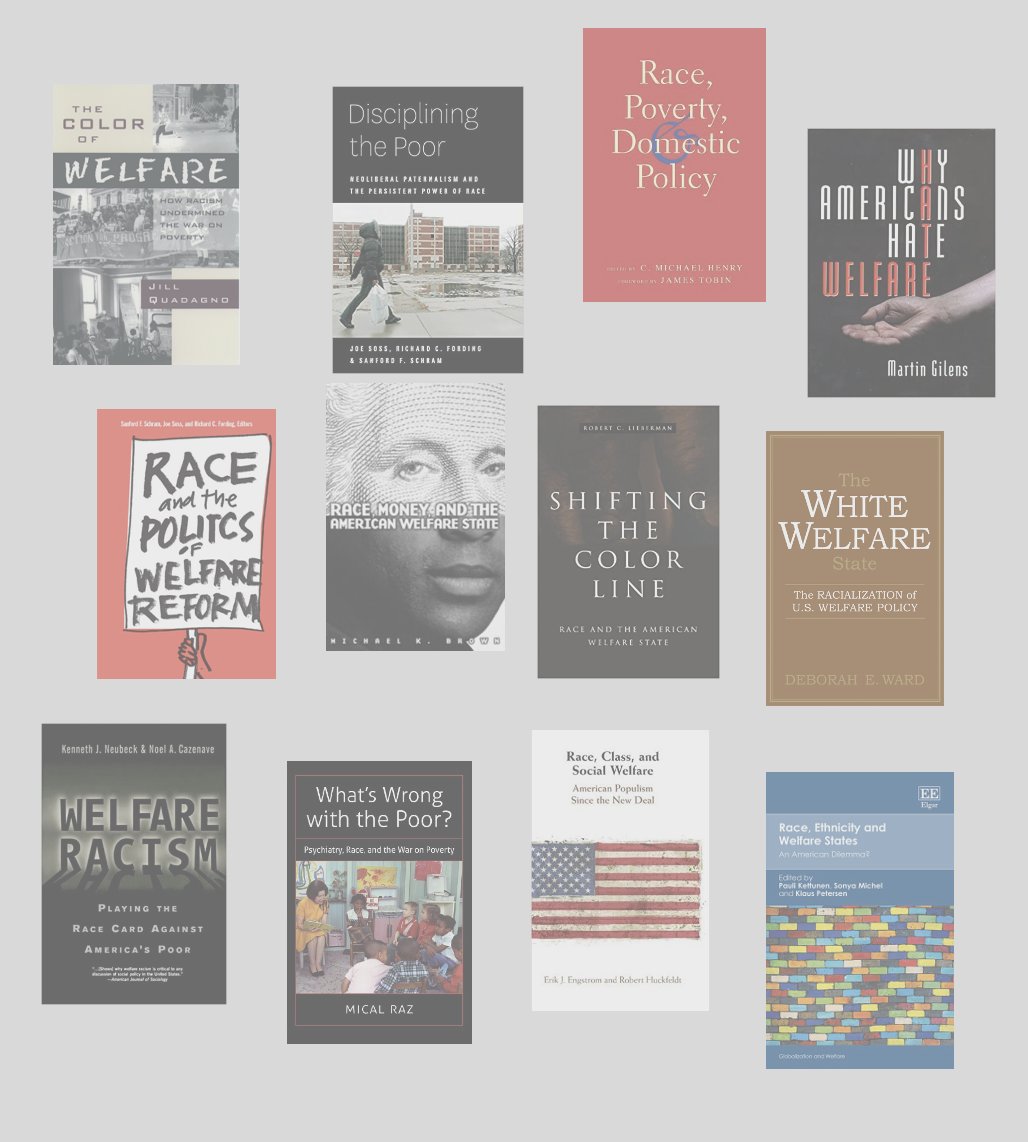
Motivation: Many observational studies suggest that people's (incorrect) beliefs about welfare recipients being disproportionately Black limit their support for related spending.
In our paper, we test this hypothesis using the tools of randomized inference.
In our paper, we test this hypothesis using the tools of randomized inference.
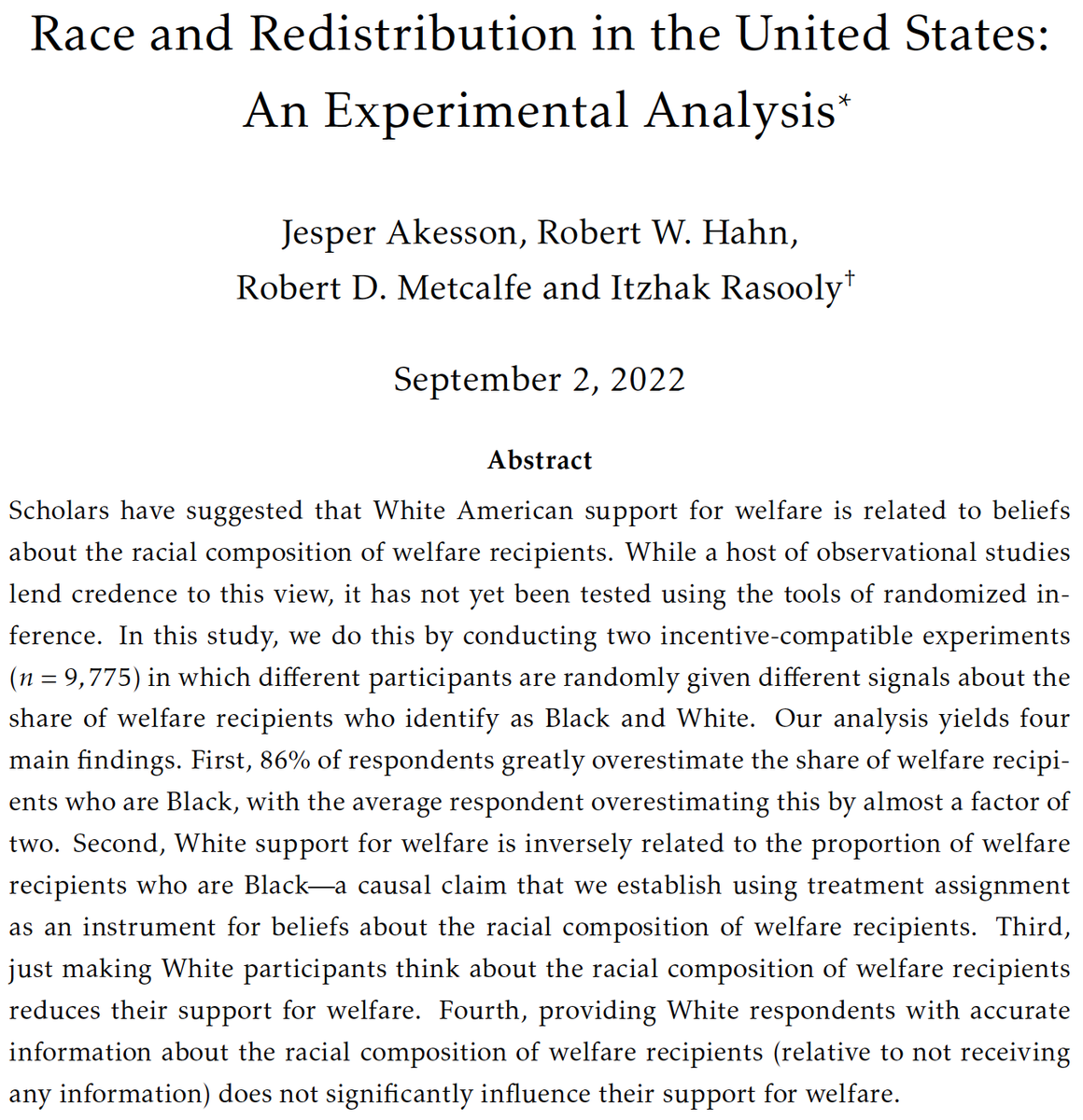
We conduct 2 large survey field experiments, randomly providing ppl with different (but accurate) slices of info about the racial composition of welfare recipients.
With this exogenous variation in beliefs, we then measure individuals’ incentive-compatible support for welfare.
With this exogenous variation in beliefs, we then measure individuals’ incentive-compatible support for welfare.
Results:
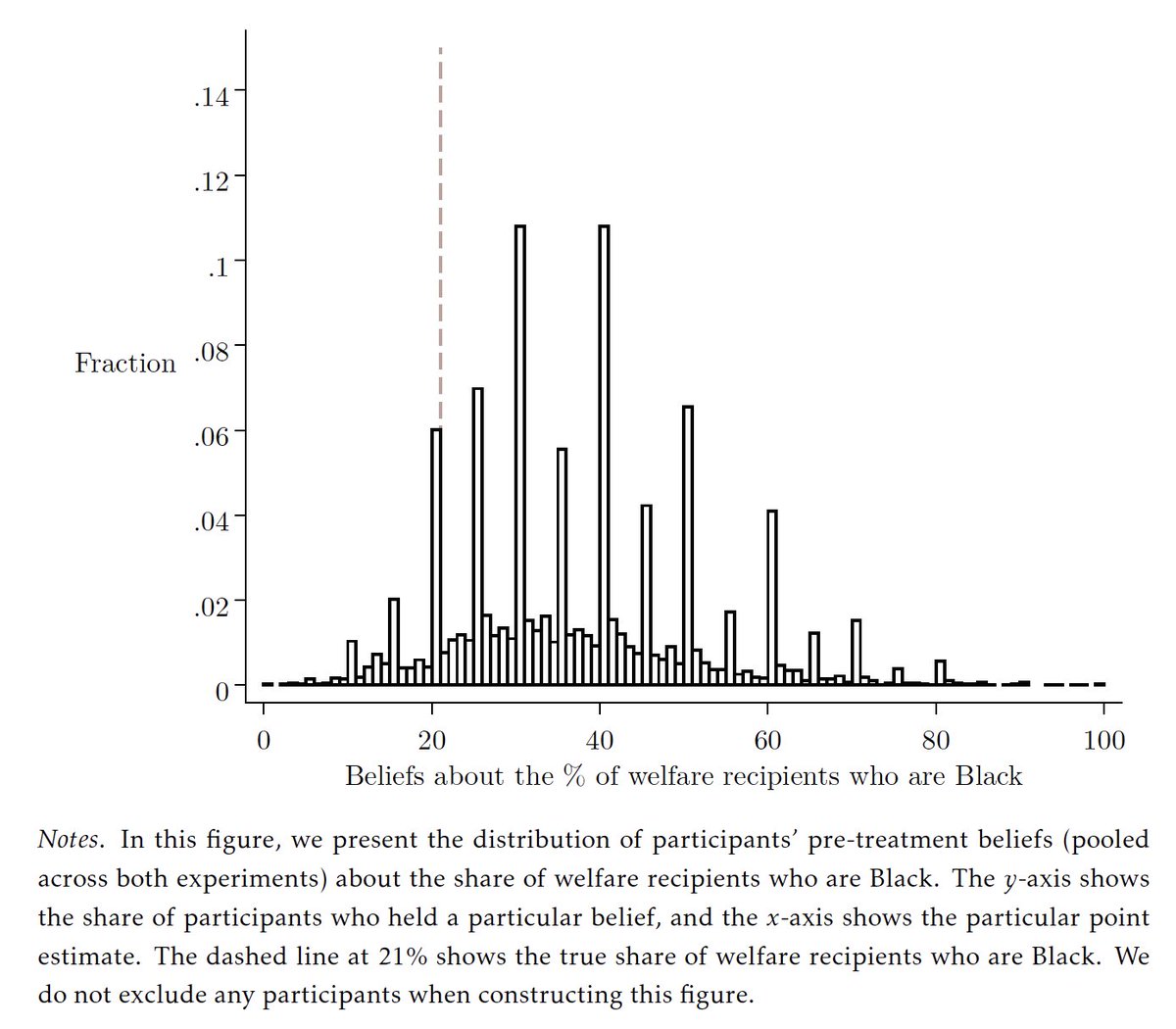
1. In both experiments, we find that people have (again, incorrect) inflated beliefs about the proportion of welfare recipients who are Black. For white respondents, this was exaggerated by a factor of 2.
1. In both experiments, we find that people have (again, incorrect) inflated beliefs about the proportion of welfare recipients who are Black. For white respondents, this was exaggerated by a factor of 2.
2. Using our randomized information provision design, we also find that these exaggerated beliefs diminish support for welfare spending.
A 1 pp increase in beliefs about the share of welfare recipients that are Black leads to a 0.7 pp reduction in support for welfare.
A 1 pp increase in beliefs about the share of welfare recipients that are Black leads to a 0.7 pp reduction in support for welfare.
3. Our findings echo previous research on perceptions of worthiness by Fong & @Erzo_FP (2011).
Respondents' inflated beliefs about the share of welfare recipients that is Black may lead to lower assessments of the perceived worthiness of welfare recipients.
Respondents' inflated beliefs about the share of welfare recipients that is Black may lead to lower assessments of the perceived worthiness of welfare recipients.
4. We find that information provision alone is unlikely to alter support for welfare.
This is because priming people to think about race makes them more likely to be against welfare - supporting the priming results in Alesina, @matteoferroni93, & @S_Stantcheva
This is because priming people to think about race makes them more likely to be against welfare - supporting the priming results in Alesina, @matteoferroni93, & @S_Stantcheva
As a result, while we find that race-related beliefs matter for welfare support, our findings suggest that they matter in a complex way, opening questions for future research.
Might be of interest to @Noahpinion @tylercowen @mattyglesias @ezraklein
[END]
Might be of interest to @Noahpinion @tylercowen @mattyglesias @ezraklein
[END]
• • •
Missing some Tweet in this thread? You can try to
force a refresh



