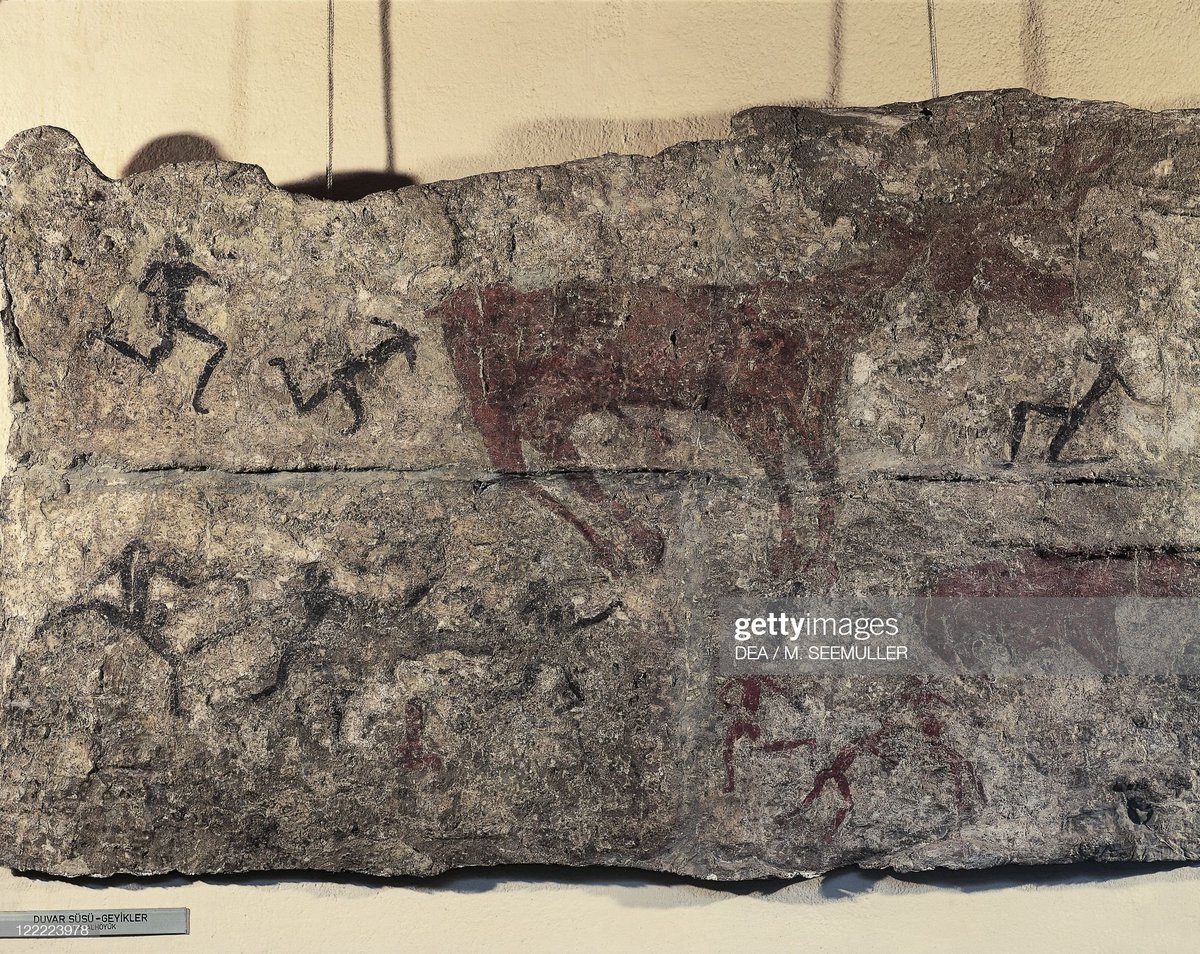
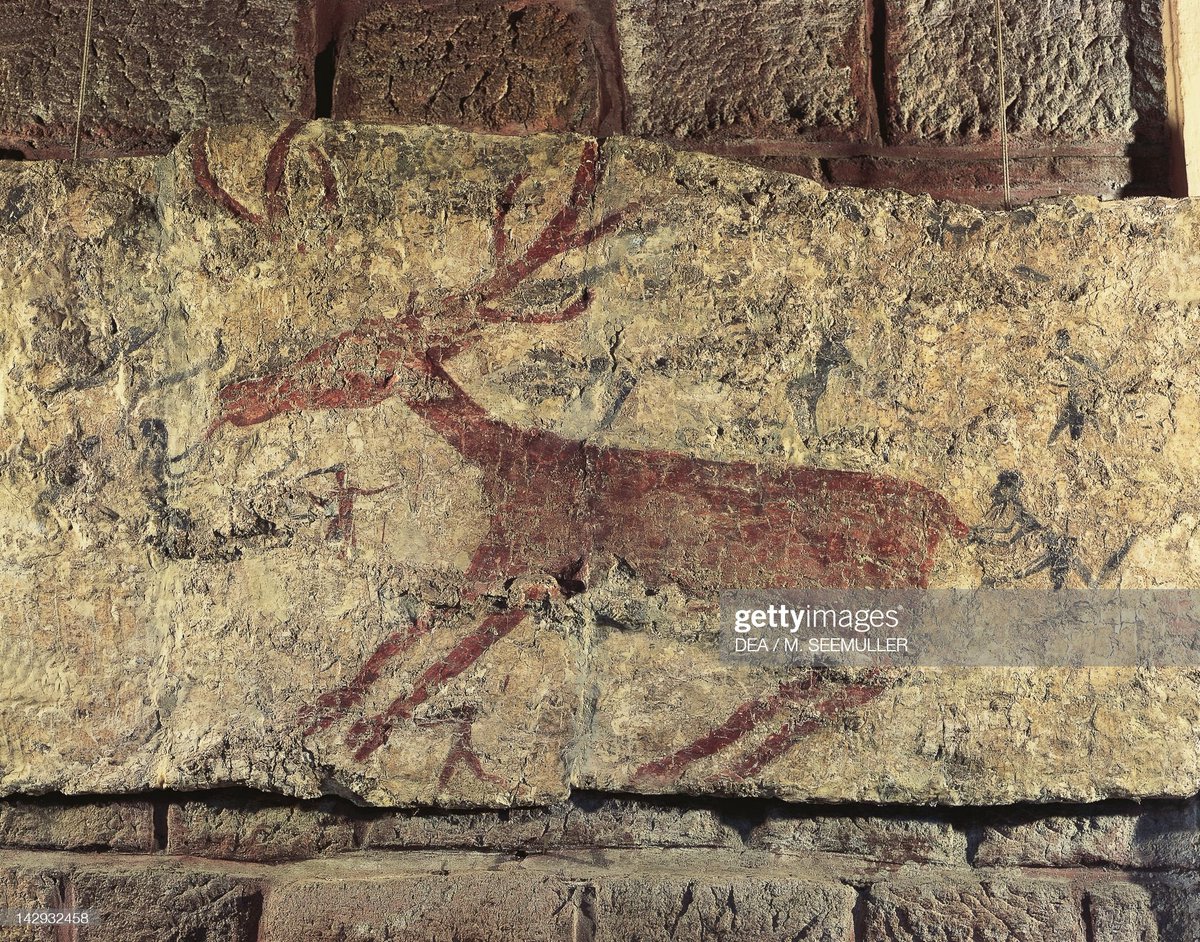
"Lake Mega Chad had its largest extent between
5‚500–4‚950 BCE, when the lake’s surface area measured approximately 361,000 km2. The lake was
therefore equivalent in surface area to the Caspian Sea, in surface area the largest lake that exists on earth today." — Thomas Schneider
5‚500–4‚950 BCE, when the lake’s surface area measured approximately 361,000 km2. The lake was
therefore equivalent in surface area to the Caspian Sea, in surface area the largest lake that exists on earth today." — Thomas Schneider
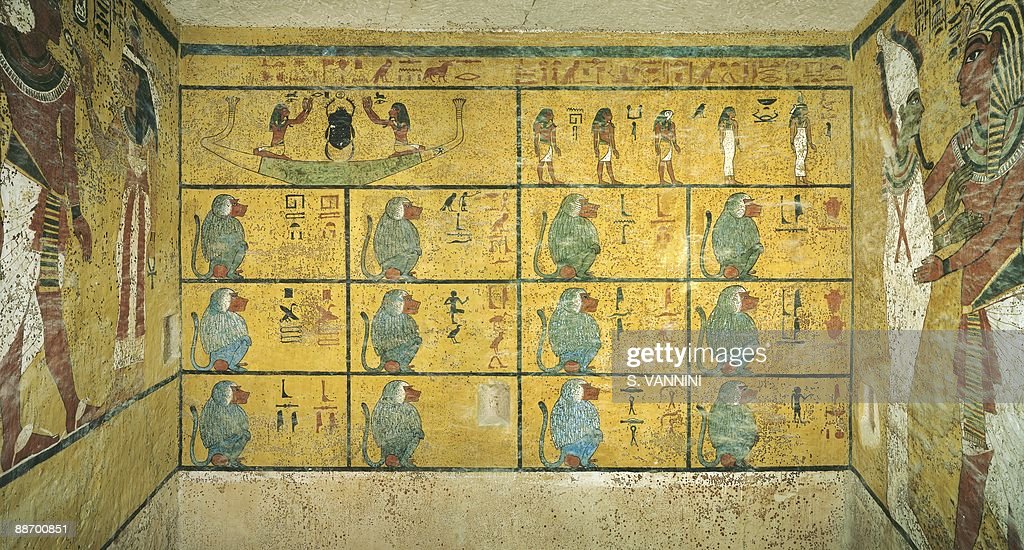
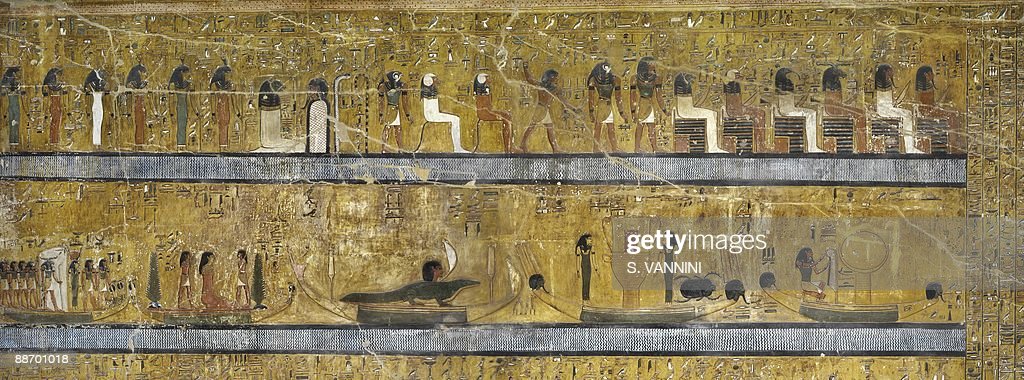
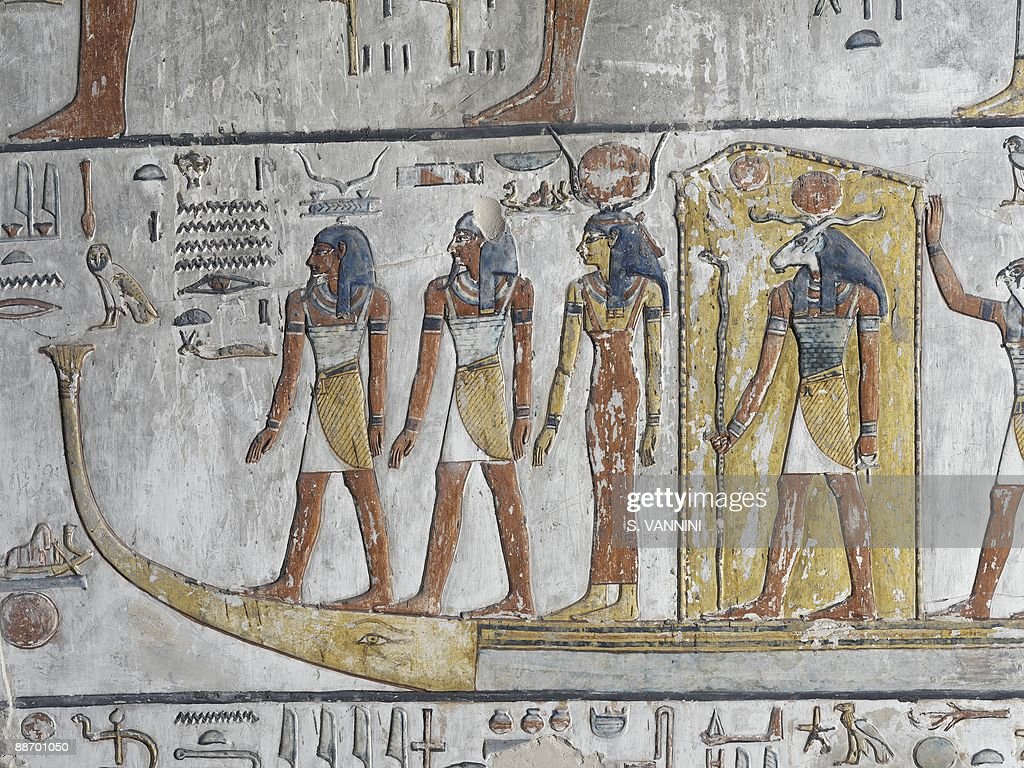
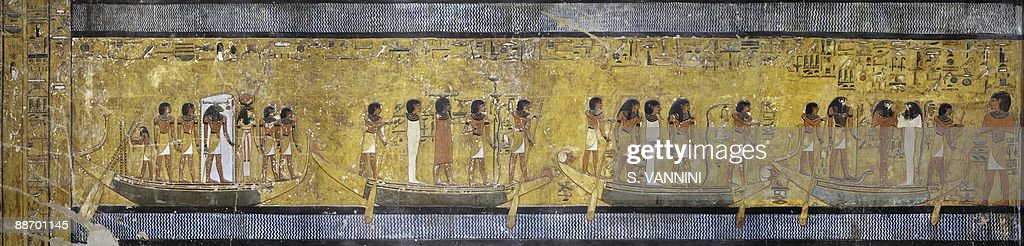
"The first three hours of the Egyptian Book of the Underworld—Amduat—were inspired by the palaeoecological environment of the Western Desert of Egypt and northeastern Chad in the early 2nd millennium BCE." — Thomas Schneider
"The Amduat...was inspired by actual knowledge of the environment of the region to the distant southwest of the Nile Valley ... Recent evidence has made plausible that the Abu Ballas Trail connected Egypt with the Chad Basin of Central Africa." — Thomas Schneider

"Southward shifting of the desert margin helped trigger the emergence of pharaonic civilization along the Nile, influenced the spread of pastoralism throughout the continent, and affects sub-Saharan Africa to the present day." — Rudolph Kuper
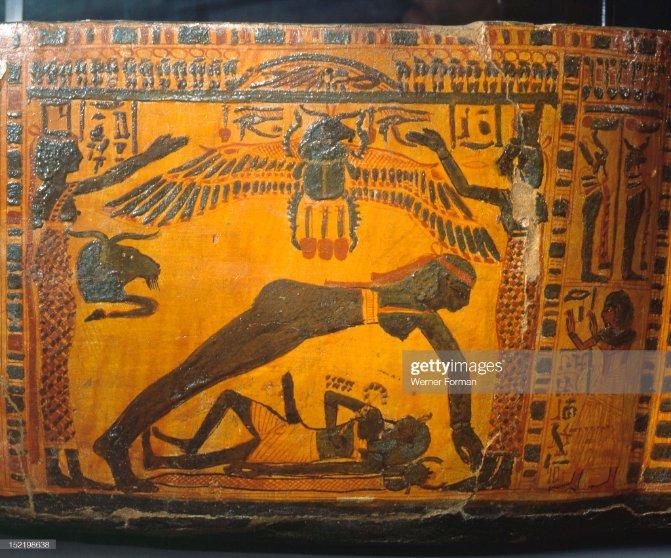
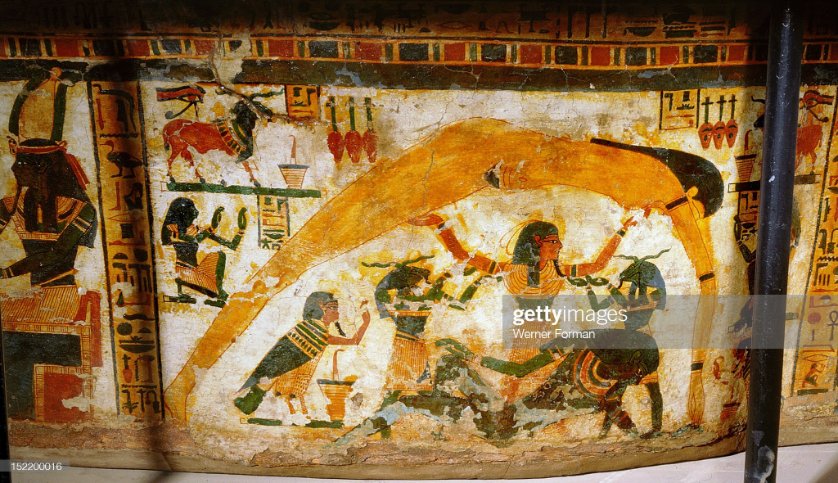
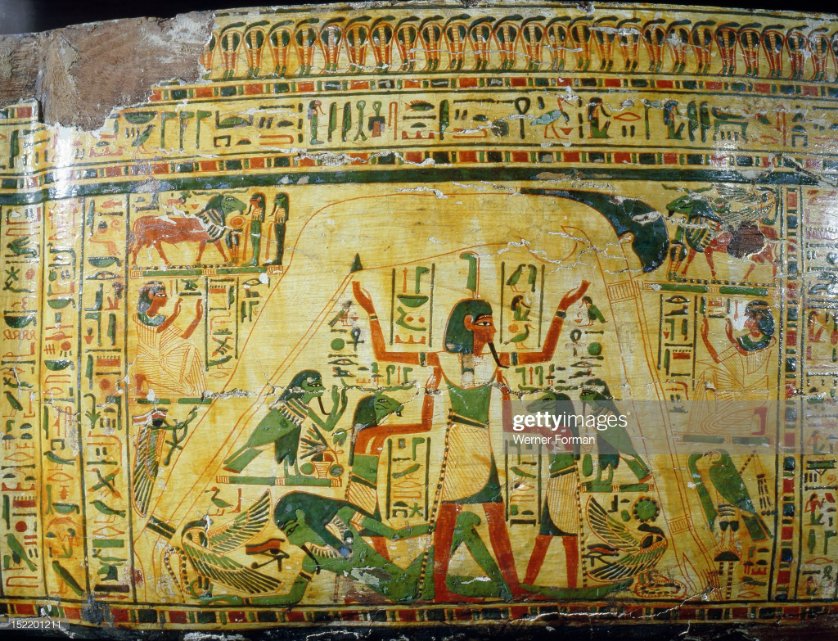
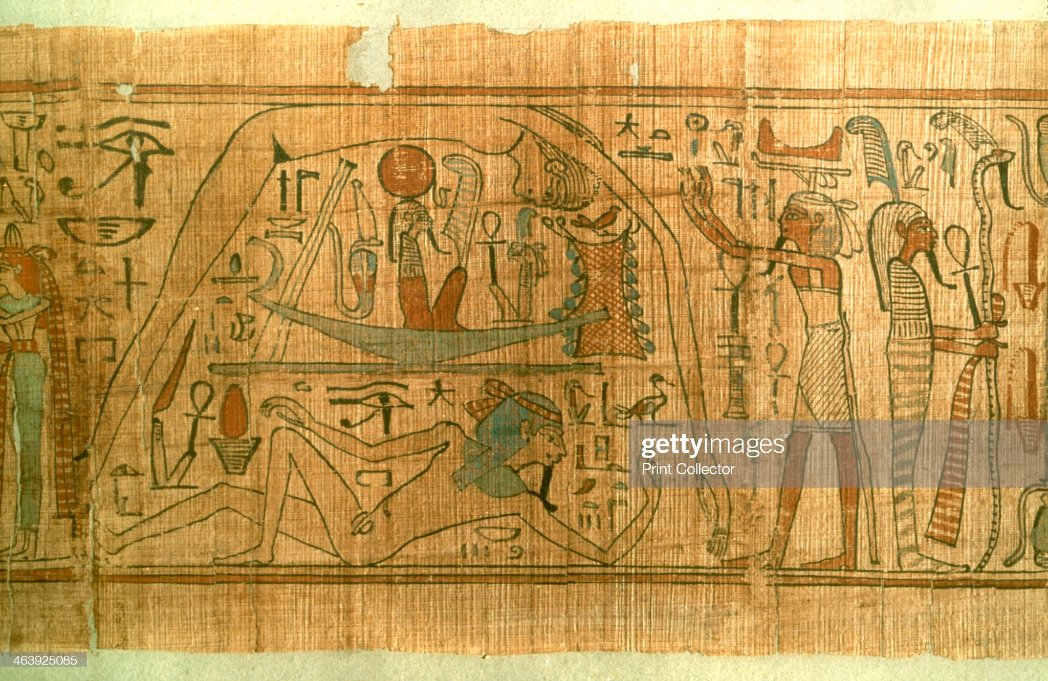
"The scene reproduced here is from the Foggini Mestekawi Cave (or Cave of the Beasts, discovered in 2002 at the Gilf Kebir) and would...prefigure the Classical Egyptian concept of the separation of Geb and Nut, Earth and the Sky." — Thomas Schneider
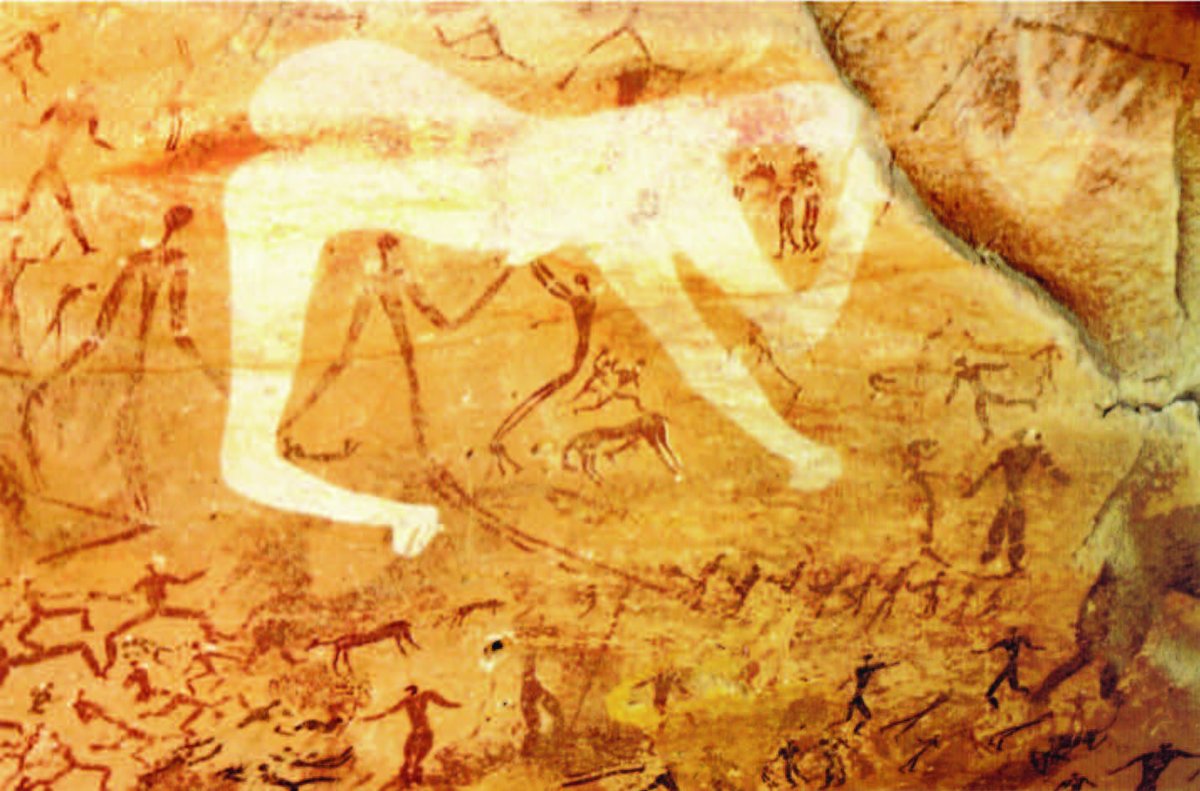
Geb and Nut
“There are numerous rock paintings in the Central Sahara that date to 8,000–6,000 BCE, that depict herders of cattle, goats and horses, who resemble the Fulani; and represent the same celebrations and way of life that remain important to the Fulani today.” – Christopher D. Roy
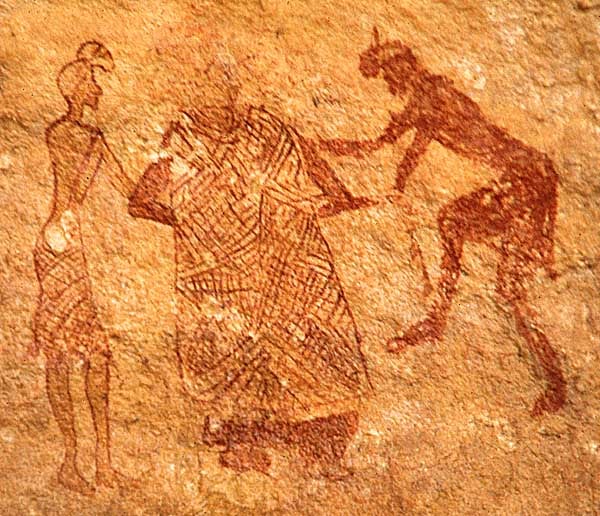
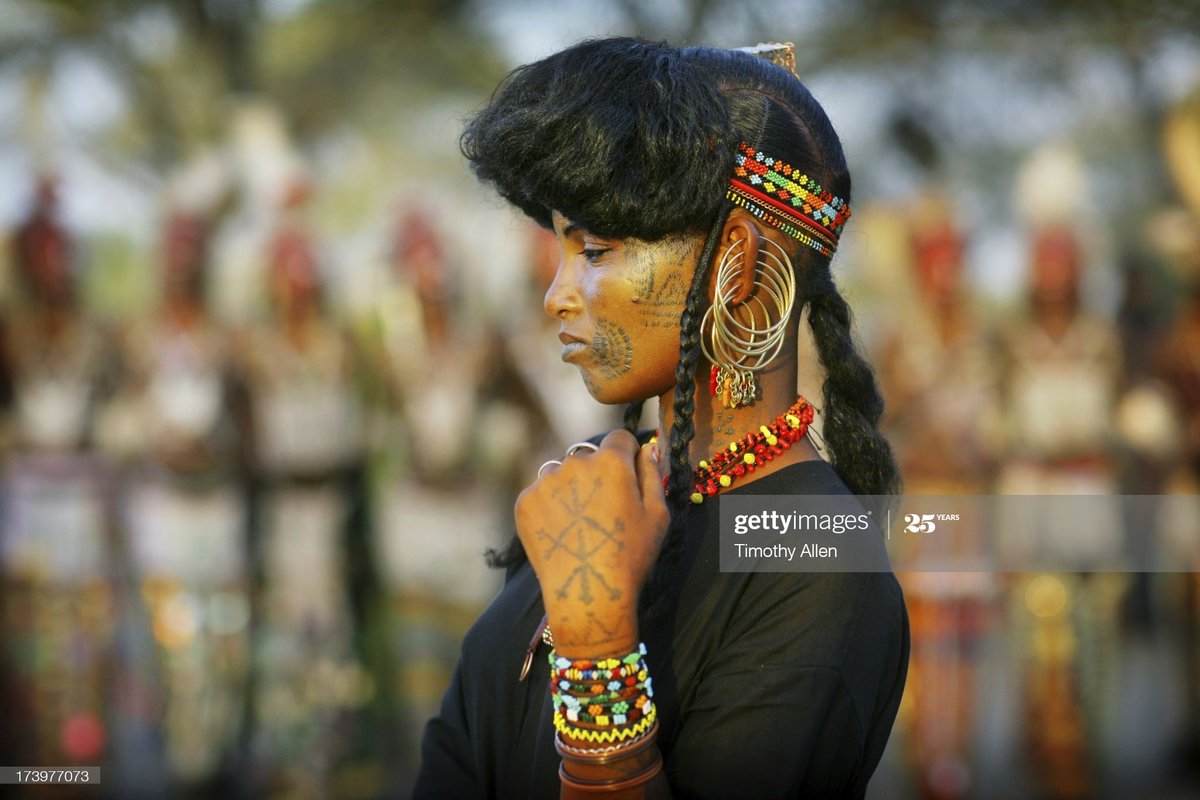
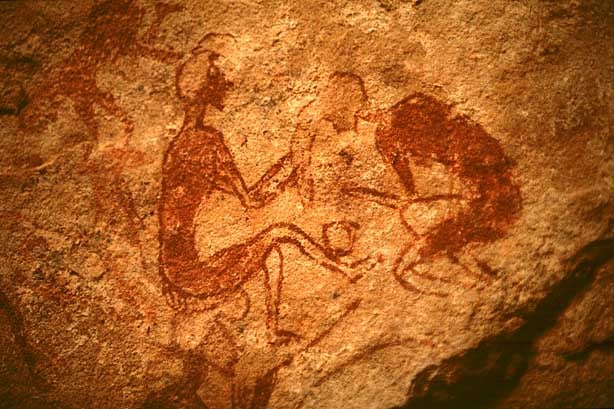
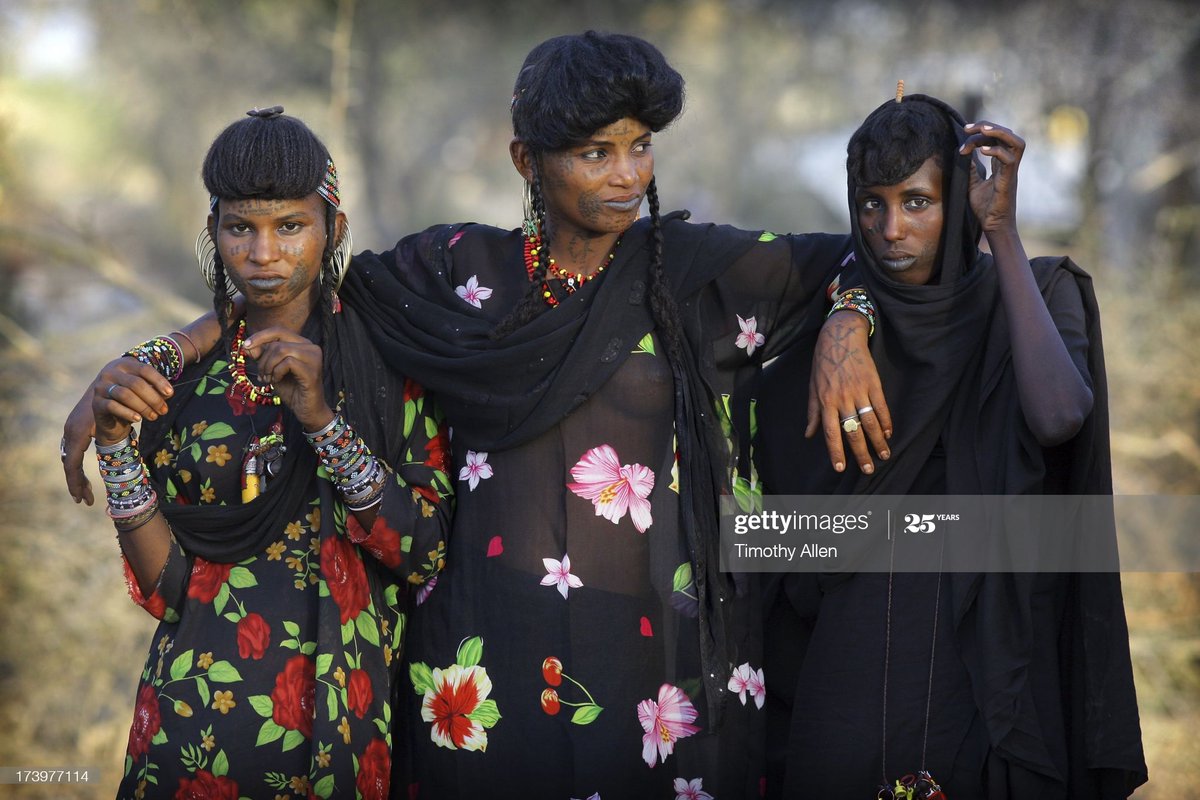
"George Murdock assembled evidence of the priority of 'Negroids' in the Sahara before the advent of Berbers and Arabs there and associated them with the Niger-Congo and Nilo-Saharan linguistic phyla." – H. C. Fleming
"Early Neolithic Moroccans did not possess any of the European SNPs associated with light pigmentation, and most likely had dark skin & eyes... Late Neolithic Moroccans exhibit some European derived alleles that predispose individuals to lighter skin and eye color." – R. Fregel
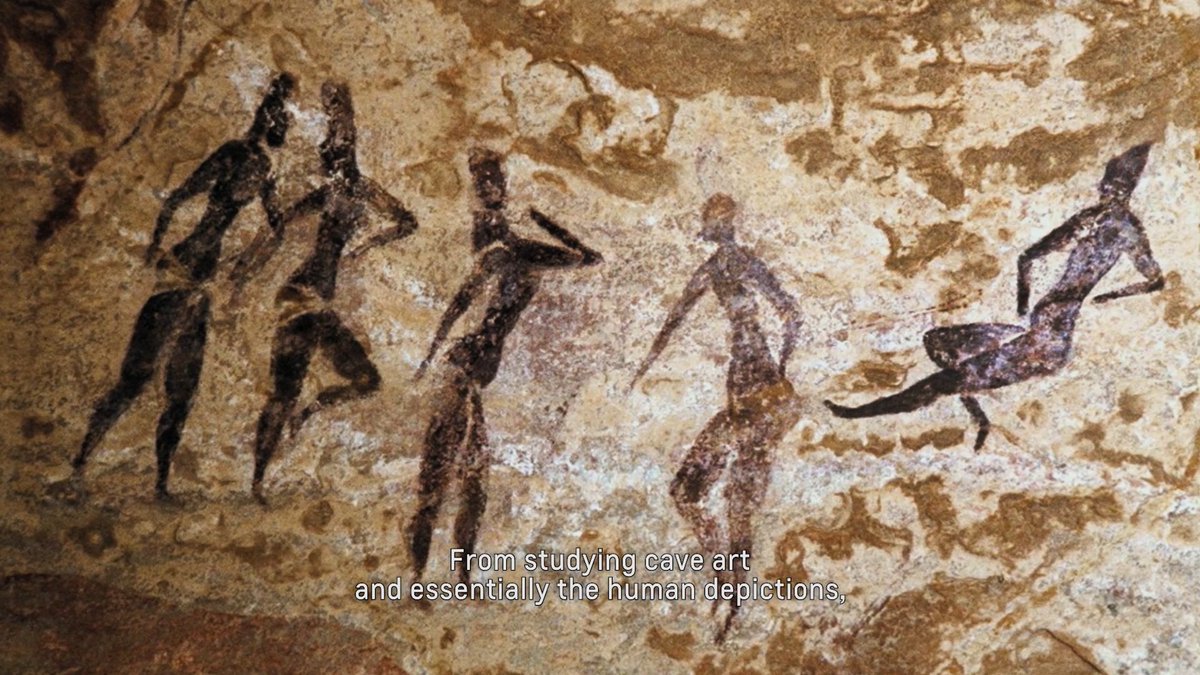
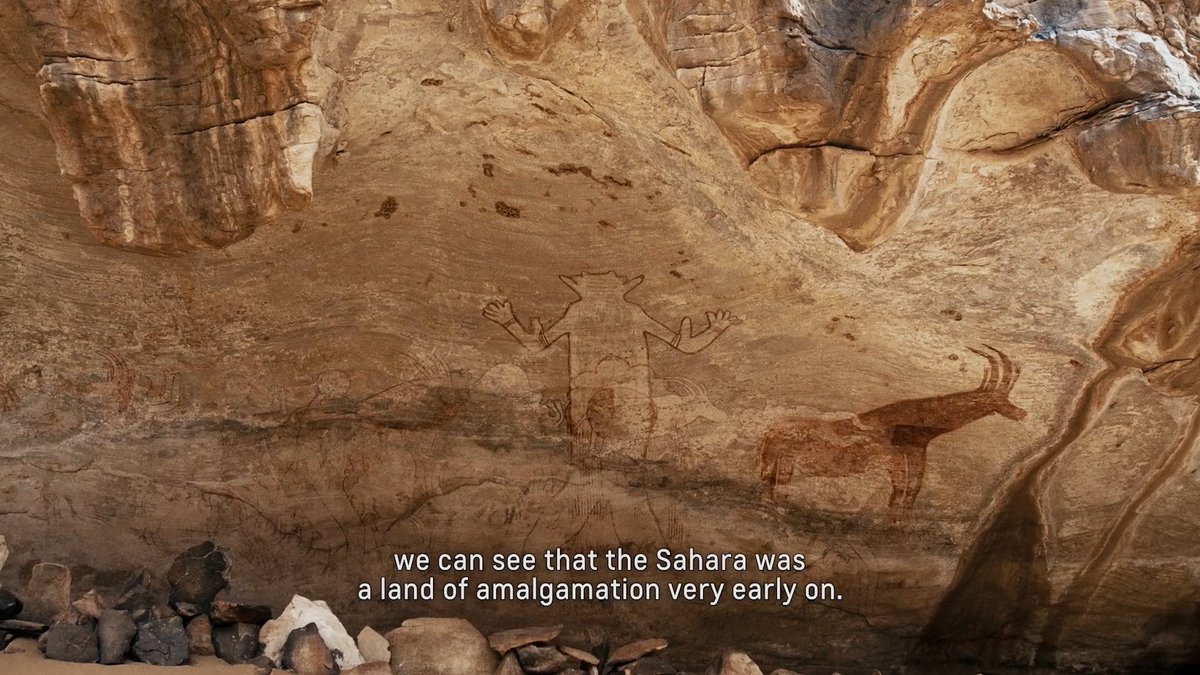
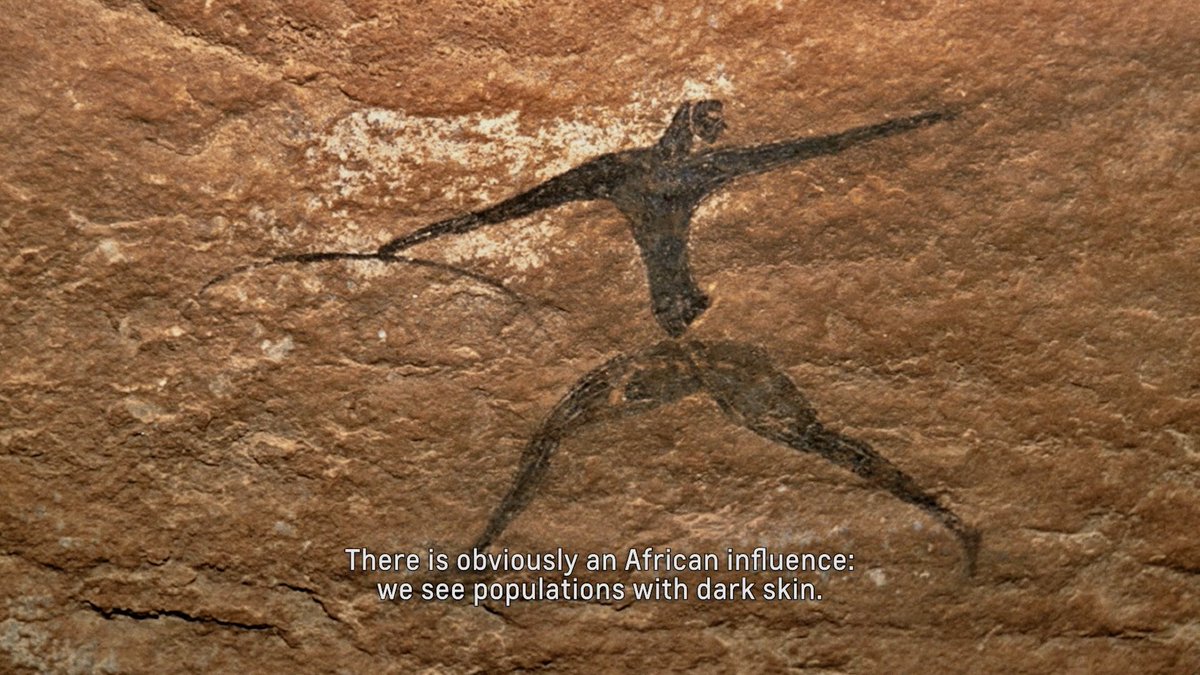
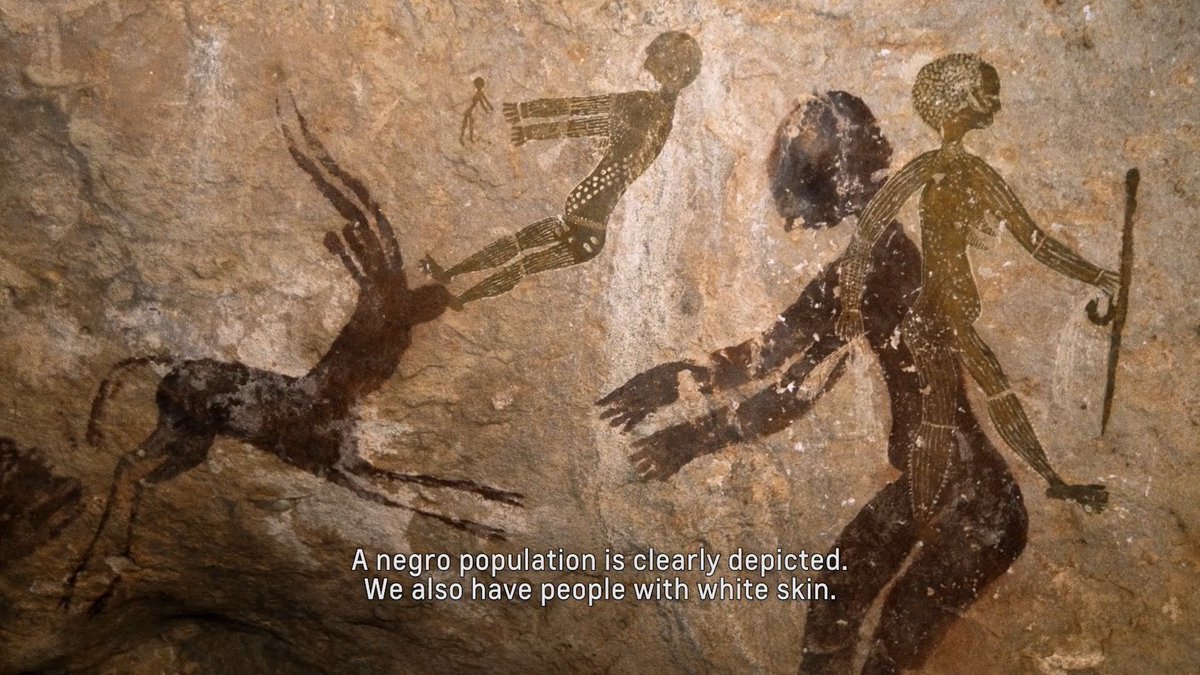
"Late Neolithic Moroccans share an Iberian component, supporting theories of trans-Gibraltar gene flow ... similarities between Iberian & North African Neolithic traditions further reinforce the model of an Iberian migration into the Maghreb." – R. Fregel
https://t.co/CyZlHNhrO9
https://t.co/CyZlHNhrO9
https://twitter.com/TRPL__DRKNSS/status/1568714646831374341?s=20&t=t6pE4k_YNYHKkZsSbFqnww
"There is evidence that cattle domestication occurred independently in the early Holocene eastern Sahara, earlier than in the Near East, casting doubt on the idea of a single origin of food production in the Levant." — Christopher Ehret
"Evidence of cattle domestication in the Eastern Sahara has been supported by genetic comparisons of 50 African cattle breeds, which suggest cattle were independently domesticated in North Africa prior to interbreeding with domesticated cattle from the Near East" — Anne Starling
"In spite of their genetic differentiation, northern & sub-Saharan Africa share at least 4 patrilineages at different frequencies, namely A3-M13, E-M2, E-M78 & R-V88... The Arab slave trade had only a marginal role in the Y genetic composition of African people." – E D’Atanasio
"Aterian peoples were ultimately of sub-Saharan origin... they dispersed from Ethiopia by way of the Sahel & Lake Chad & the (interglacial) Saharan wet spots. The pattern is strongly reminiscent of a much later one of the pastoral Neolithic in the Saharan region." – H. C. Fleming
"In the 3rd millennium BC, new cultures of sub-Saharan type came to dominate the Nile...and played a significant role in Egypt down to 1600 BC. The culture of Upper Egypt, which became dynastic Egyptian civilization, could fairly be called a Sudanese transplant." – Bruce Williams
"Links between Africa and Eurasia [during the Holocene] are documented in studies of several mitochondrial haplogroups, such as U5 and H1 in Africa and L1b in Eurasia, as well as Y chromosome haplogroups, such as E-M35 in Eurasia and R1b-V88 in Africa." – Edita Priehodová et al.
"The history of human occupation in the Egyptian
Delta begins slightly before 5‚000 BC ... Between 4‚500—4‚000 BC, archaeological remains are related to the Saharo-Sudanese cultures that are attested at the same time in the Western Desert." — Yann Tristant & Béatrix Midant-Reynes
Delta begins slightly before 5‚000 BC ... Between 4‚500—4‚000 BC, archaeological remains are related to the Saharo-Sudanese cultures that are attested at the same time in the Western Desert." — Yann Tristant & Béatrix Midant-Reynes
“There is evidence that the inhabitants of the Nile Valley considered the population of the Delta to be as different from the population of Upper Egypt as an Egyptian is different from someone from the Levant.” – Uroš Matić https://t.co/L77w4XAhpC
https://twitter.com/TRPL__DRKNSS/status/1567635641021747200?s=20&t=0VME0_IT7H65czfThTAOcA
"In the Early Bronze Age I an Egyptian colony of unparalleled size and importance was established [in the Levant]. Primary publications indicate Nilotic peoples settled there and apparently fortified the site by building successive phases of massive mudbrick walls." — Eliot Braun
"There was some shared iconography in the kingdoms that emerged in Nubia & upper Egypt around 3300 BCE. The ancient Egyptians interpreted their unifying king, Narmer, as having been upper Egyptian & moving from south to north with victorious armies." – A.J. Boyce
"Early West Asians resemble Africans." — Tsunehiko Hanihara
"The Teda [Toubou] appear to have Berber blood in Negro bodies." — Dr. L. Cabot Briggs
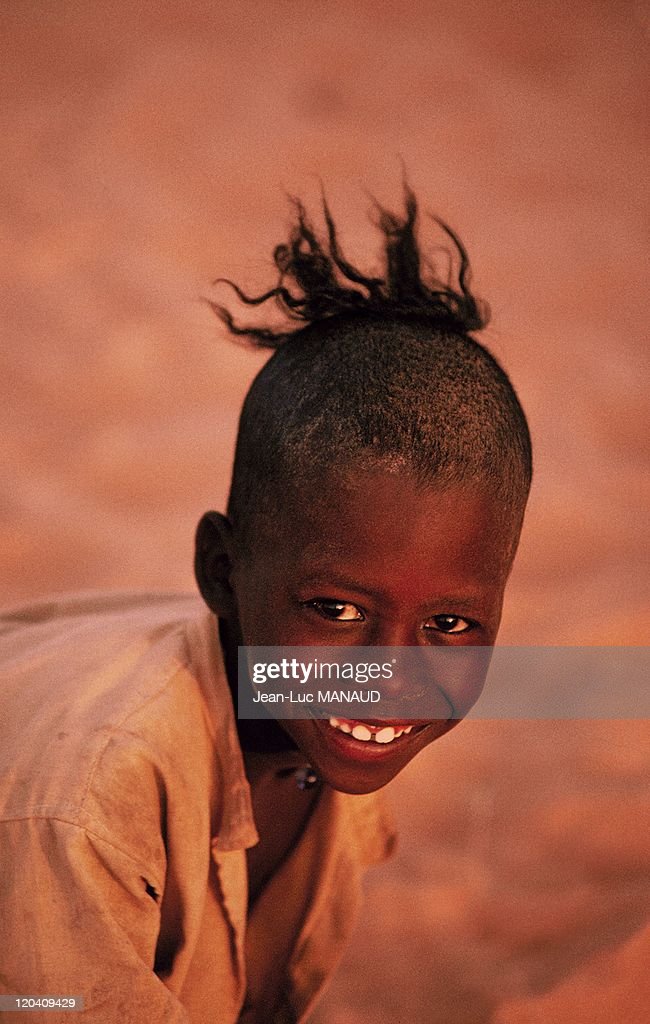
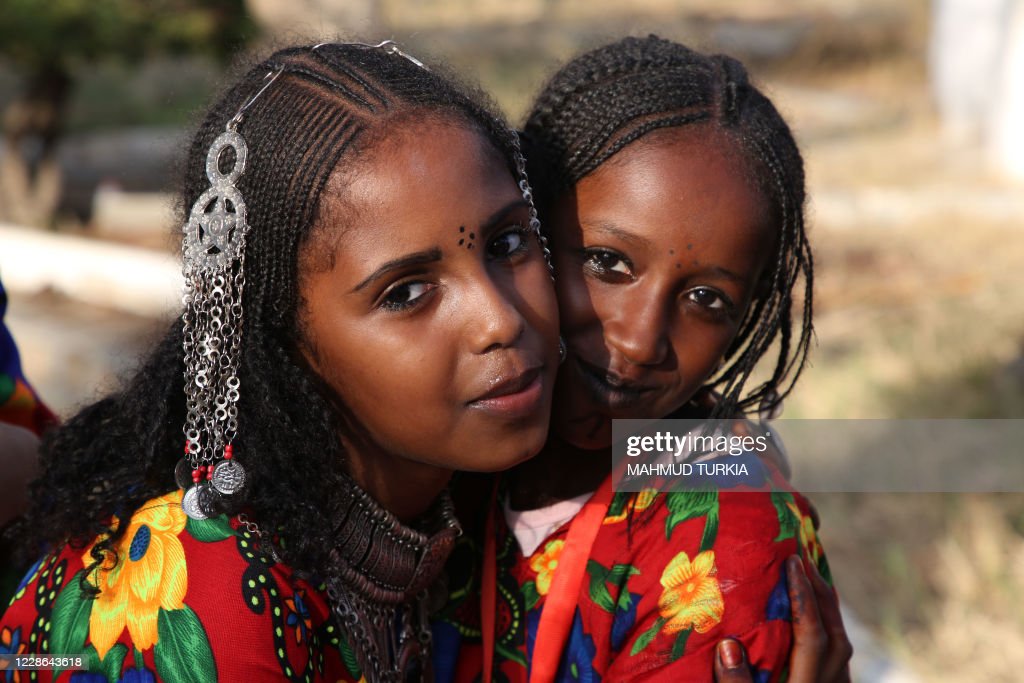
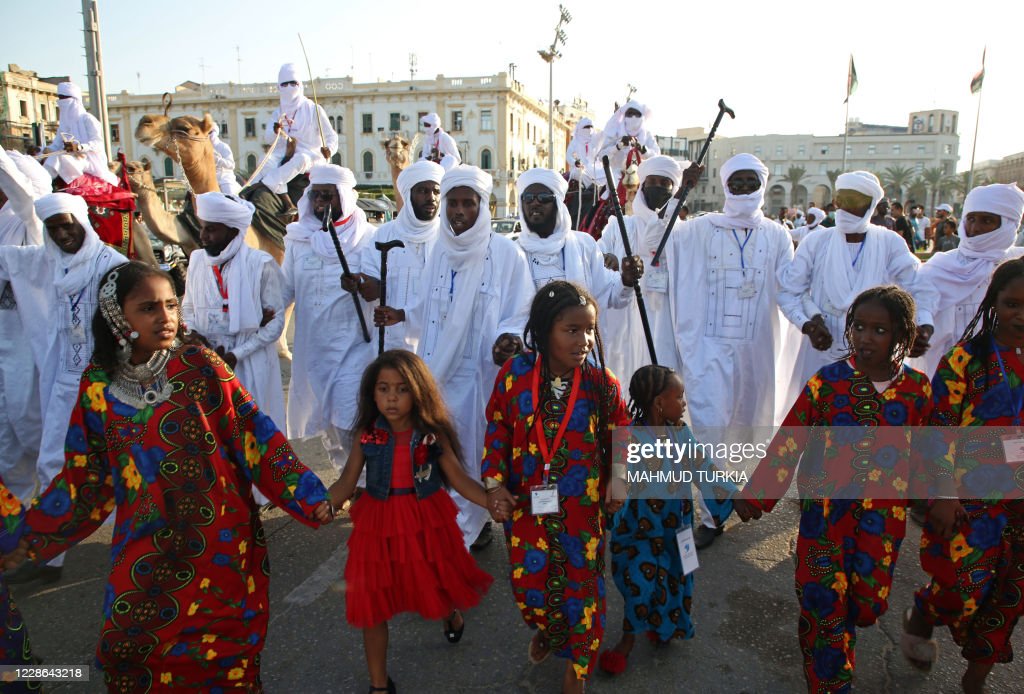
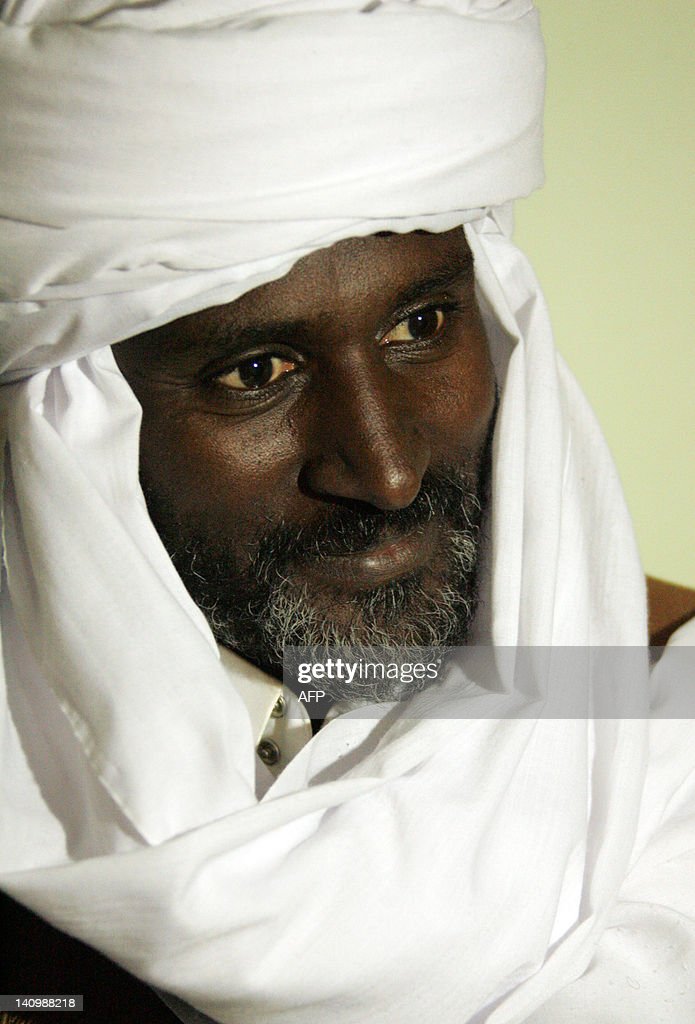
"When analysis of the skull of "TK RS H1" (7000-year old individual from Libya) is compared with a large published dataset it shows closer affinities with sub-Saharan contests, such as Gobero in Niger whose occupation is dated from about 9,600–4,800 years ago." – Stefania Vai
"By 3,000 BCE...the Neolithic spread brought Mediterranean-like ancestry to the Maghreb ... Some of the European ancestry in North Africa is related to prehistoric migrations, and local Berber populations were already admixed with Europeans before the Roman conquest." — R. Fregel
"The Saami of Scandinavia & the Berbers share an extremely young branch [of mtDNA haplogroup U], aged merely 9,000 years ... The Franco-Cantabrian refuge area was the source of late-glacial expansions that repopulated northern Europe after the Last Glacial Maximum." — A. Achilli
“An age of about 60‚000 years indicates that haplogroup U arose very soon after the 'out of Africa' exit ... U5b1b, the subclade encompassing mtDNAs from the Saami, Yakut [from northeastern Siberia], Berbers, and Fulbe [is about] 8‚600 years old.” — A. Achilli (@AlessandroAchil)
"The Toubou appeared to split from Eurasians 30,000–40,000 years ago, a time more recent than expected considering the African-Eurasian split 60,000–80,000 years ago... The Yoruba split from Eurasians, as expected, 70,000–80,000 years ago." — Marc Haber
https://t.co/vT91mS6IQt
https://t.co/vT91mS6IQt
https://twitter.com/TRPL__DRKNSS/status/1578477944724283393?s=20&t=gvgkLZiYh625cYLGLNfHrQ
"The genetic evidence supports the hypothesis that Chadic speakers were originally from the Nile Valley and that these people reached the west approximately 3,700 years ago." — Daniel Shriner
"Haplogroup L3e5’s contemporary location in North Africa approximately matches the locations of the Iberomaurusian & Capsian cultures... Skeletons unearthed recently in the western part of the Lake Chad Basin bear morphological traits common in Northwestern Africa." — E. Podgorna
“The Taforalt and Moroccan Early Neolithic have a higher sub-Saharan affinity than most current North Africans...” — Gerard Serra-Vidal
"Site E-75-8 (Nabta Playa) was occupied by people dissimilar to the northwestern African type and much closer to Negroes living south of the Sahara." — Maciej Henneberg
"[There's] a higher number of sub-Saharan L lineages in Tunisia (48%) as compared with Morocco (25%)...the sub-Saharan component found in Tunisia is ancient & could be traced back to the first stage of the Neolithic Age (9‚000 years ago)...from present-day Sudan." — W. E. Moncer
"The palaeoecology of the Chad palaeolakes confirms the presence of pythons and other animals mentioned in the 2nd and 3rd hours of the Amduat, such as baboons and the crocodile." — Thomas Schneider
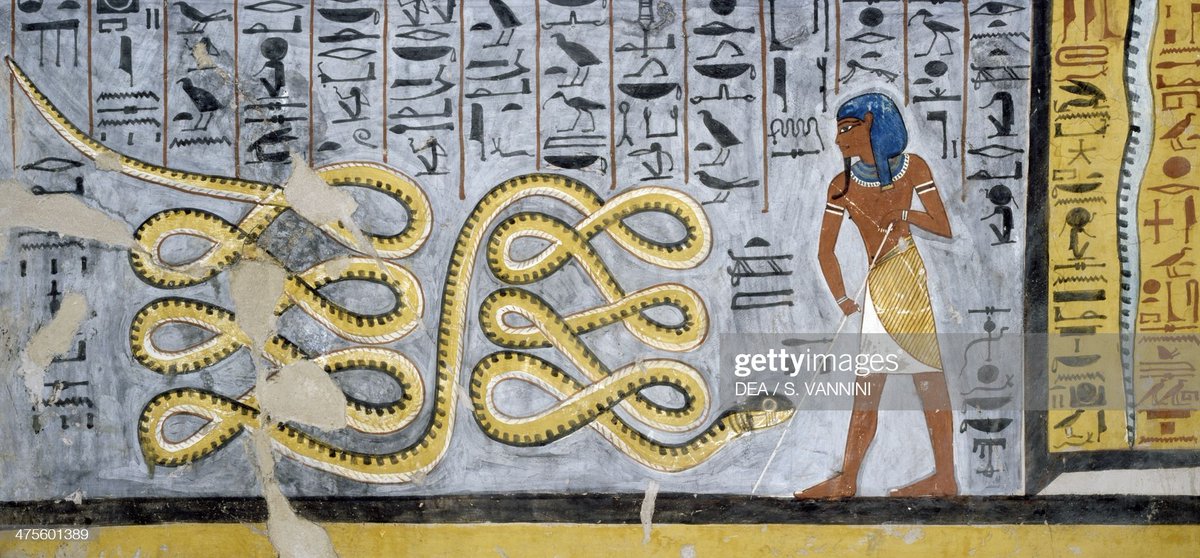
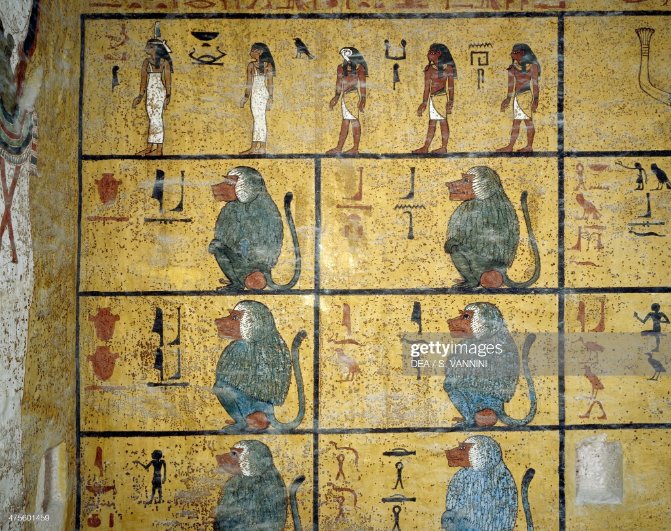

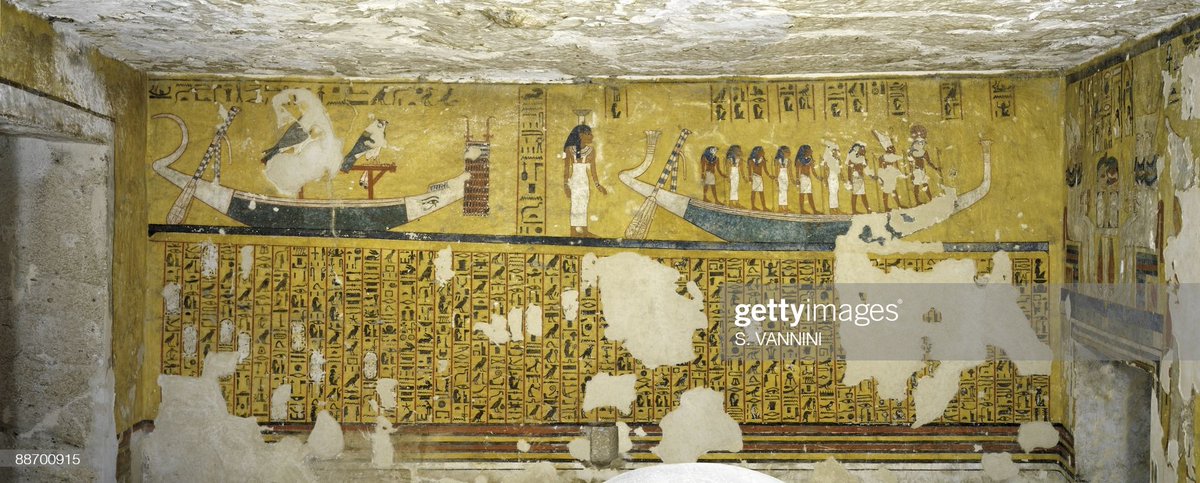
“The term 'Wernes' [given to the lake and the region of the 2nd hour of the Amduat], has no obvious Egyptian etymology ... the term, like 'Apophis,' is a loanword from Tubu/Teda whose Egyptian translation was 'waterway/water expanse of Re.' — Thomas Schneider
THE END.
@bot4thread
• • •
Missing some Tweet in this thread? You can try to
force a refresh