



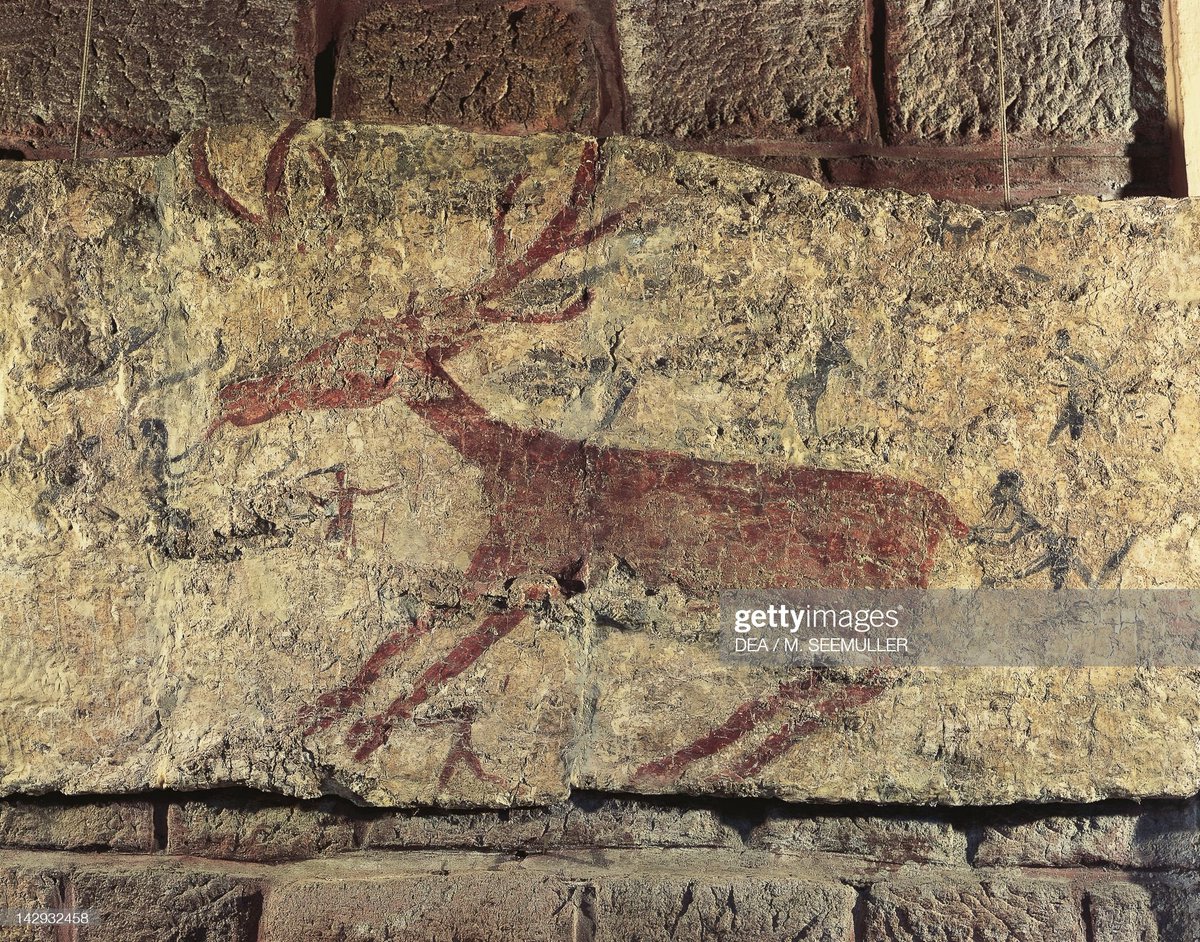
 “Populations of the Near East & Europe show the presence of young subclades of haplogroup E which likely reflect recent gene flow from Africa within the last 25‚000 years…haplogroup E was characteristic of the Natufians, pre-pottery farmers of Levant & Ethiopians” — T. Kivisild
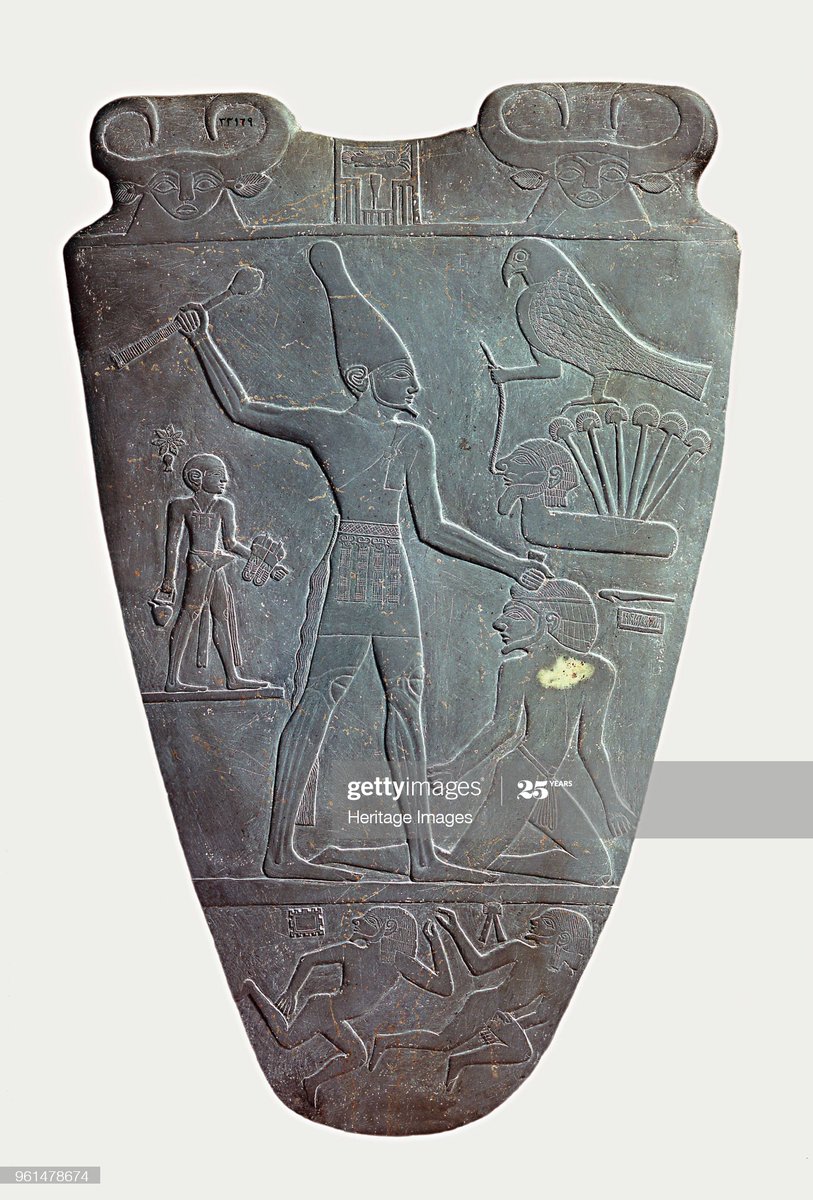
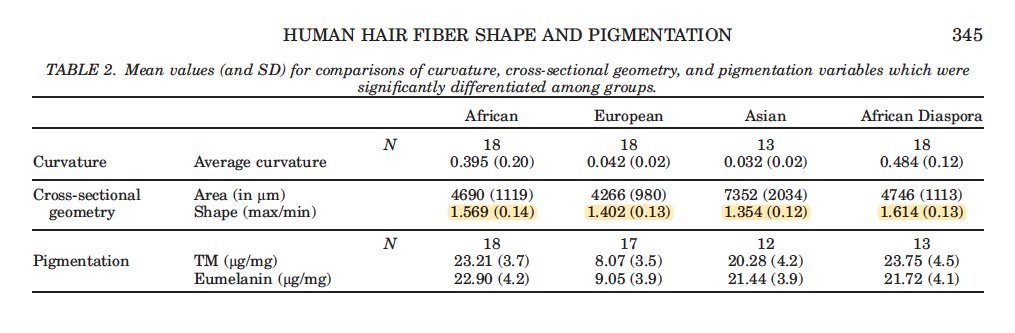
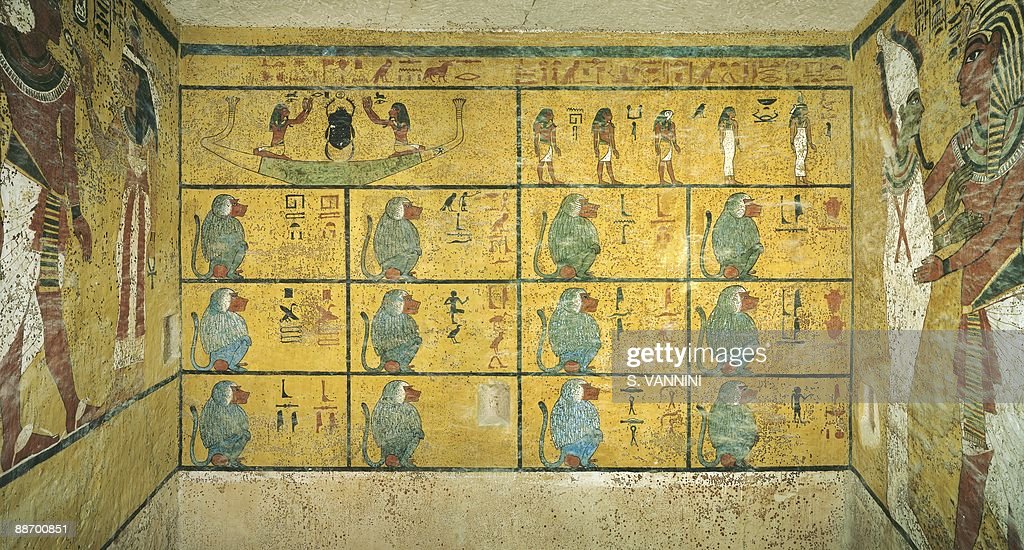
 “Much of evolution does not consist in the invention of new structures‚ new inventions‚ it comes down to using old inventions in new ways. ” — Neil Shubin