Happening now - updates from Rocket Lab's Investor Day in New York City. Thread below with news from the day:
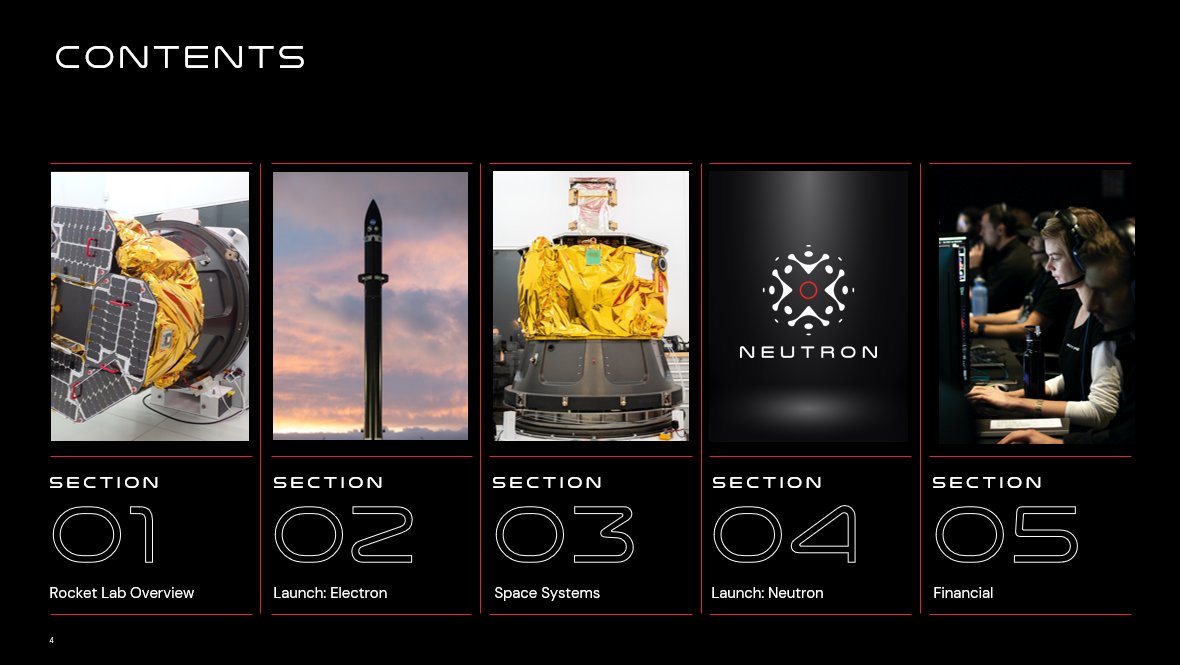
What's on the agenda at Investor Day: 
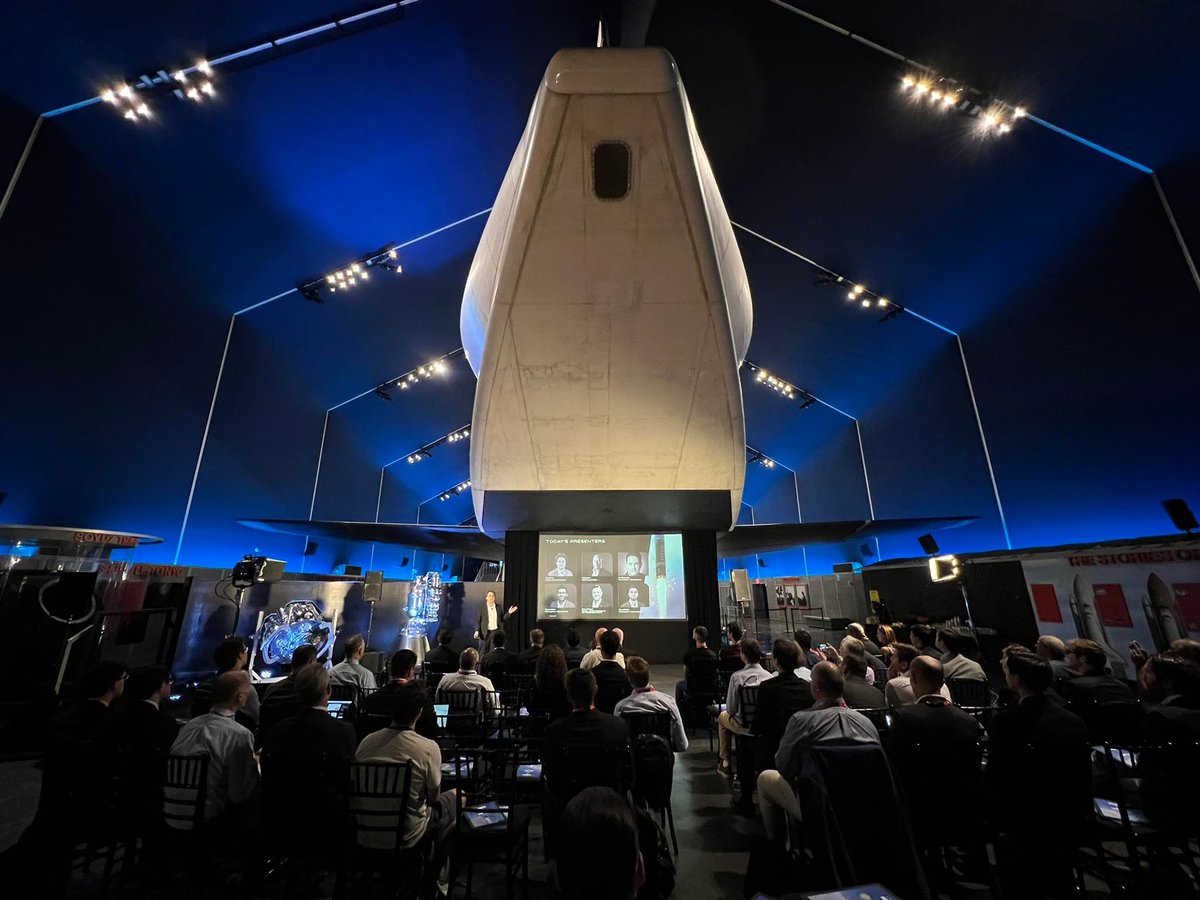
Our CEO Peter Beck underneath the space shuttle in New York City about to detail our progress since we debuted on the @Nasdaq last year.
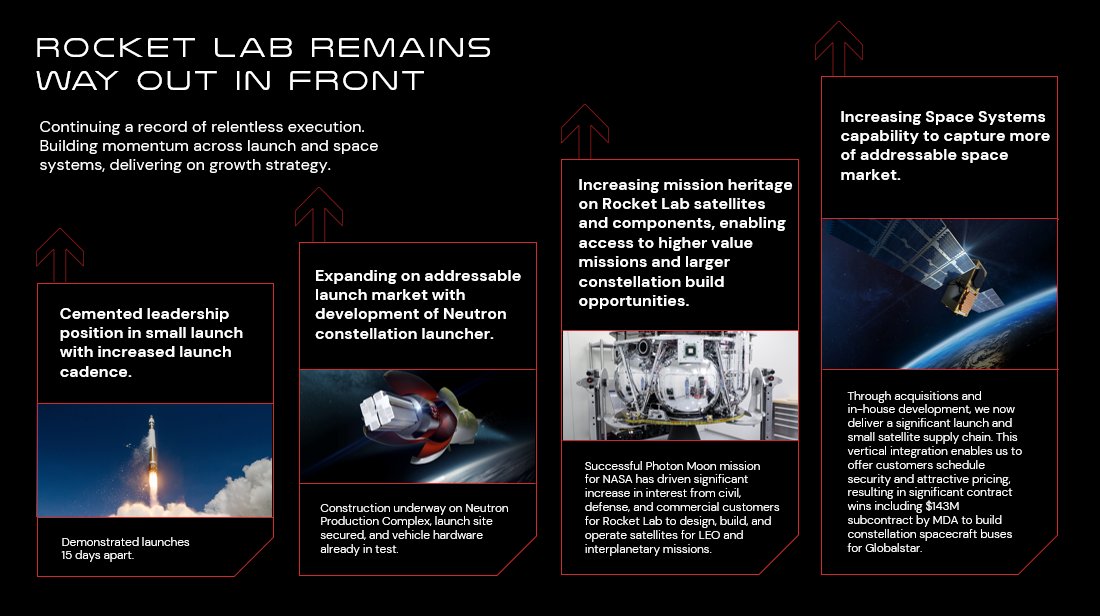
What we've been up to lately.

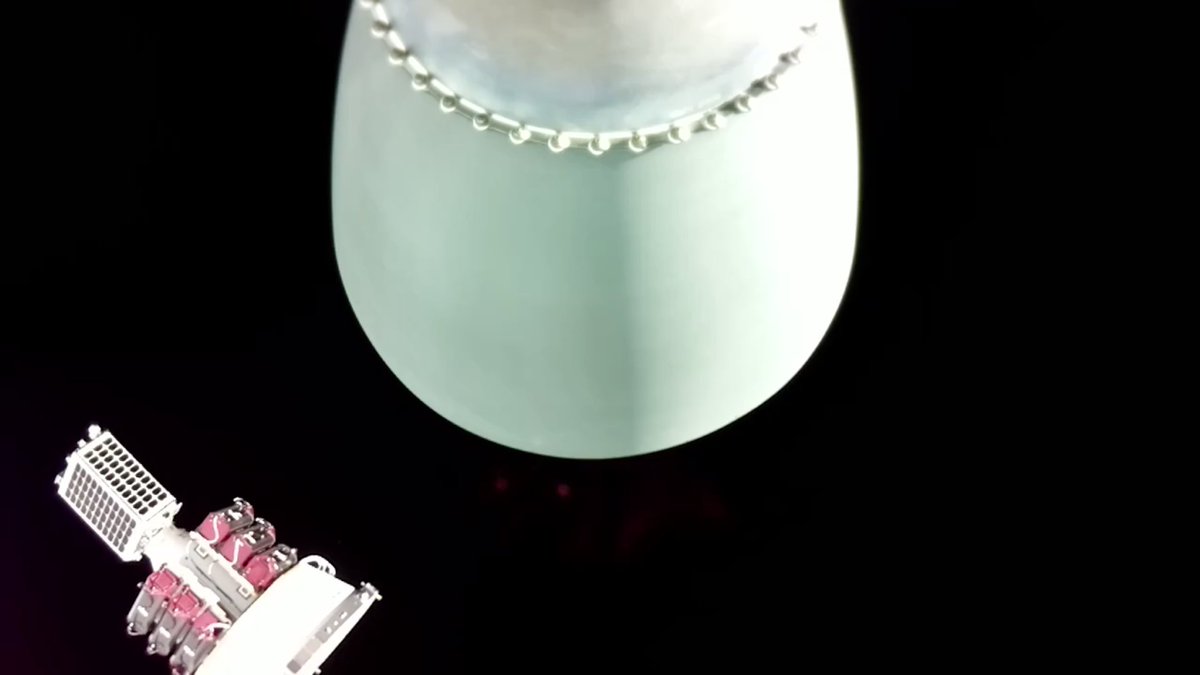
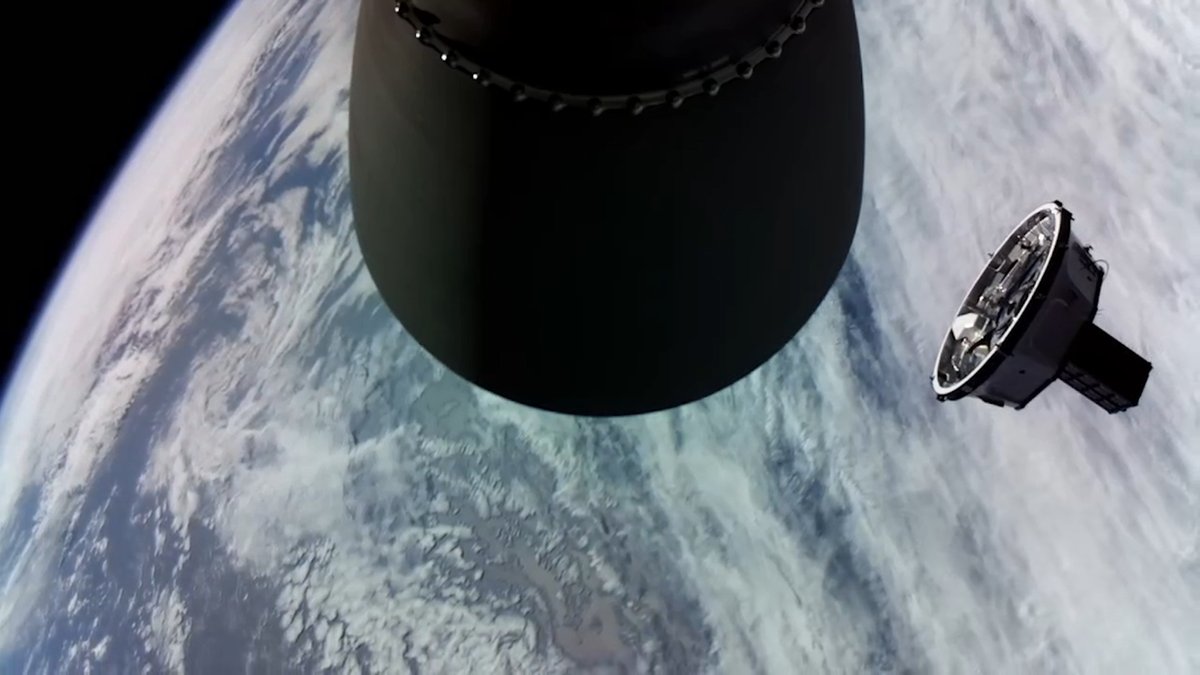
Electron is the small launcher leader but there are more than just rockets in our lab.
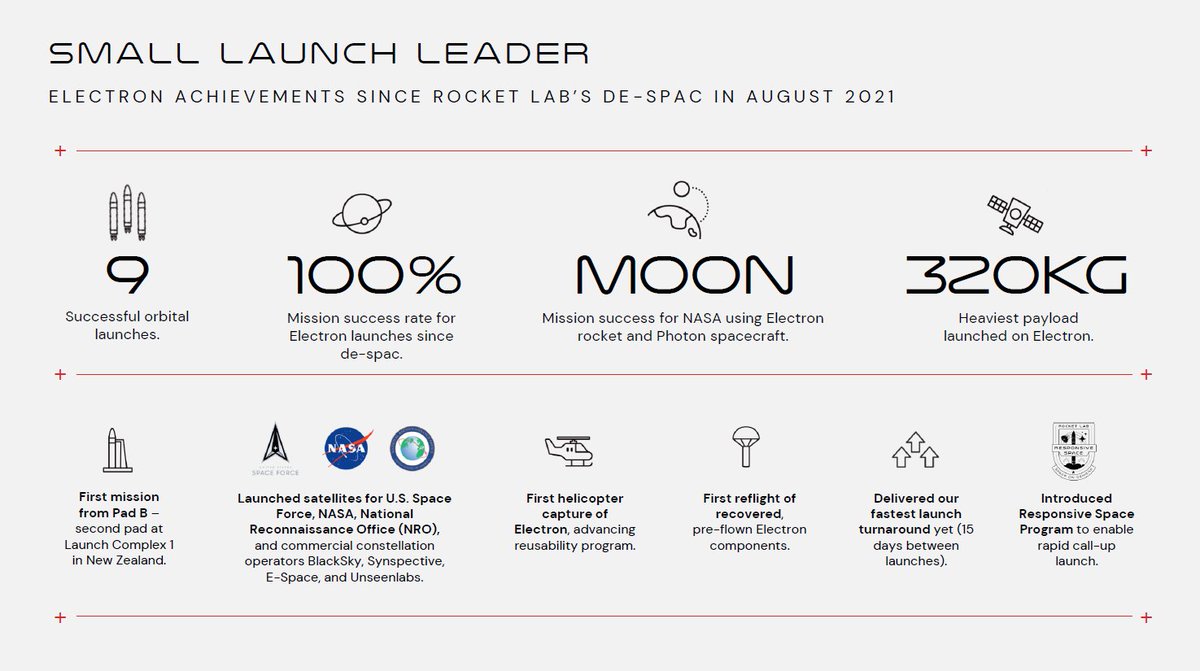
Electron milestones since our @Nasdaq debut.
"The reality is, responsive space is just what we do" - @Peter_J_Beck
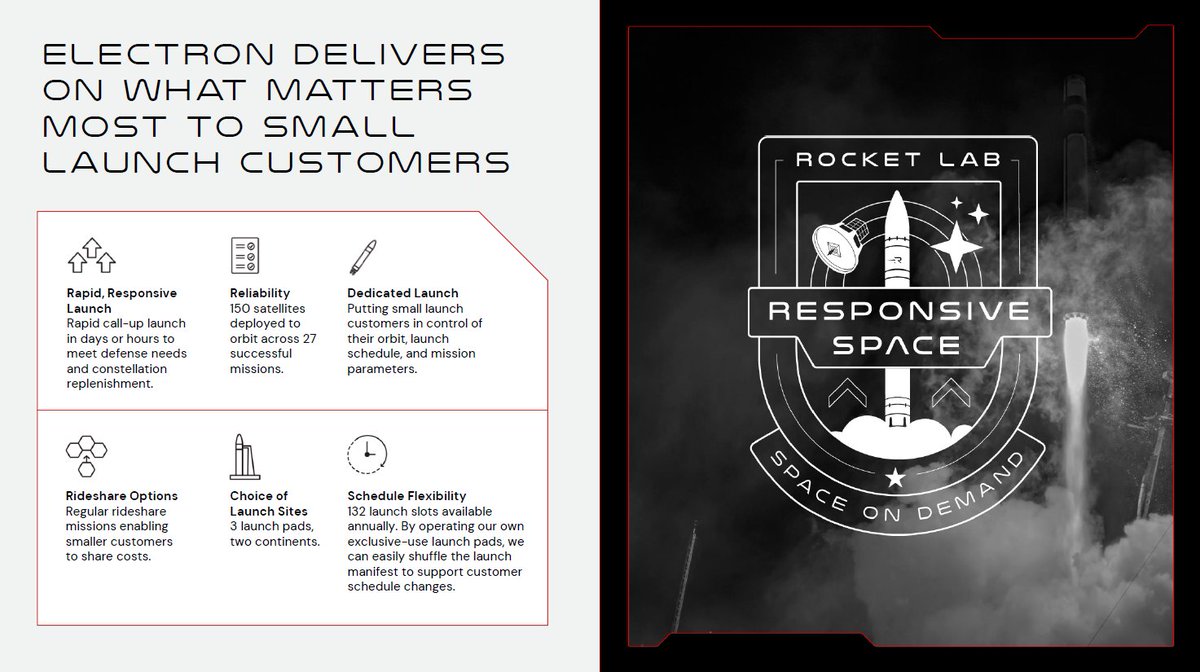
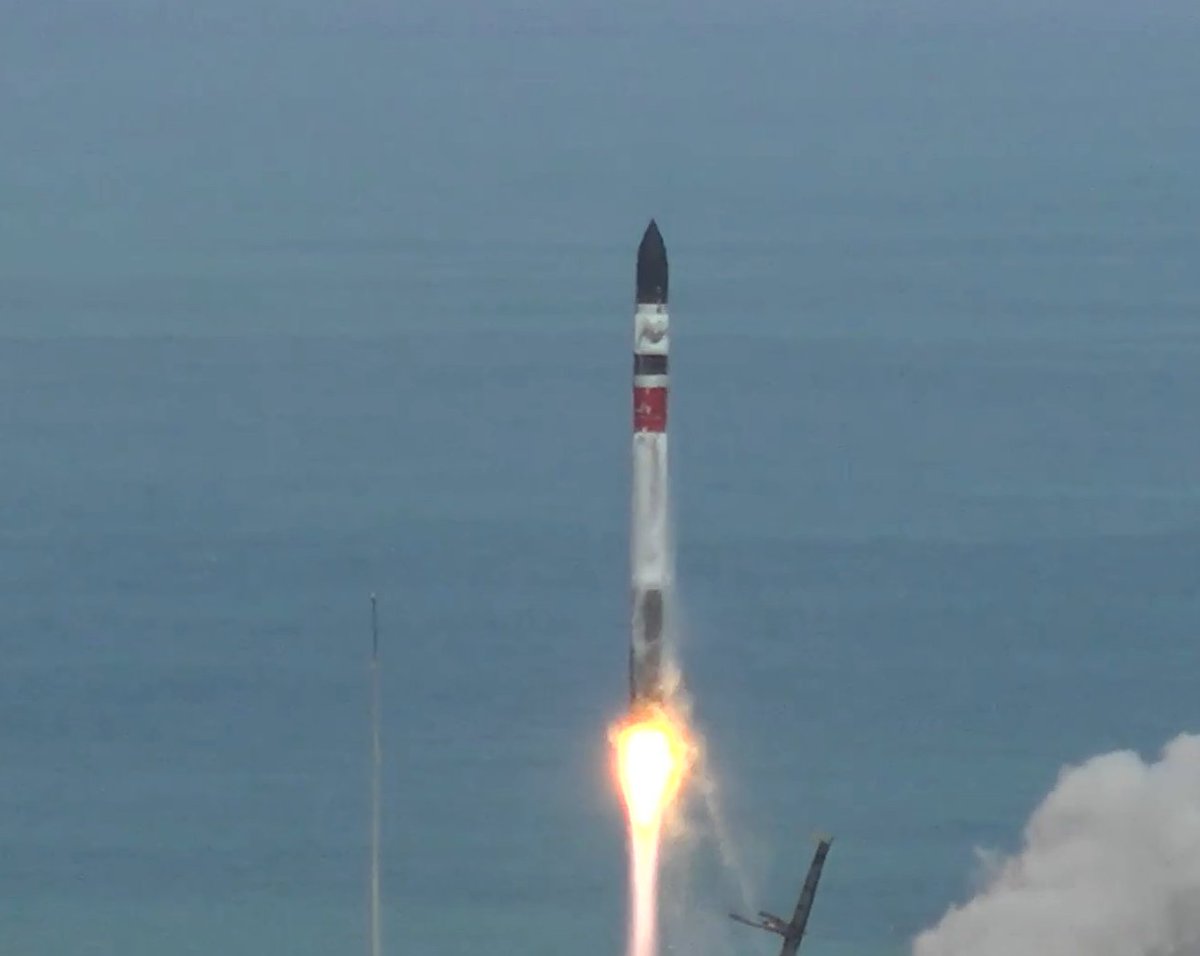
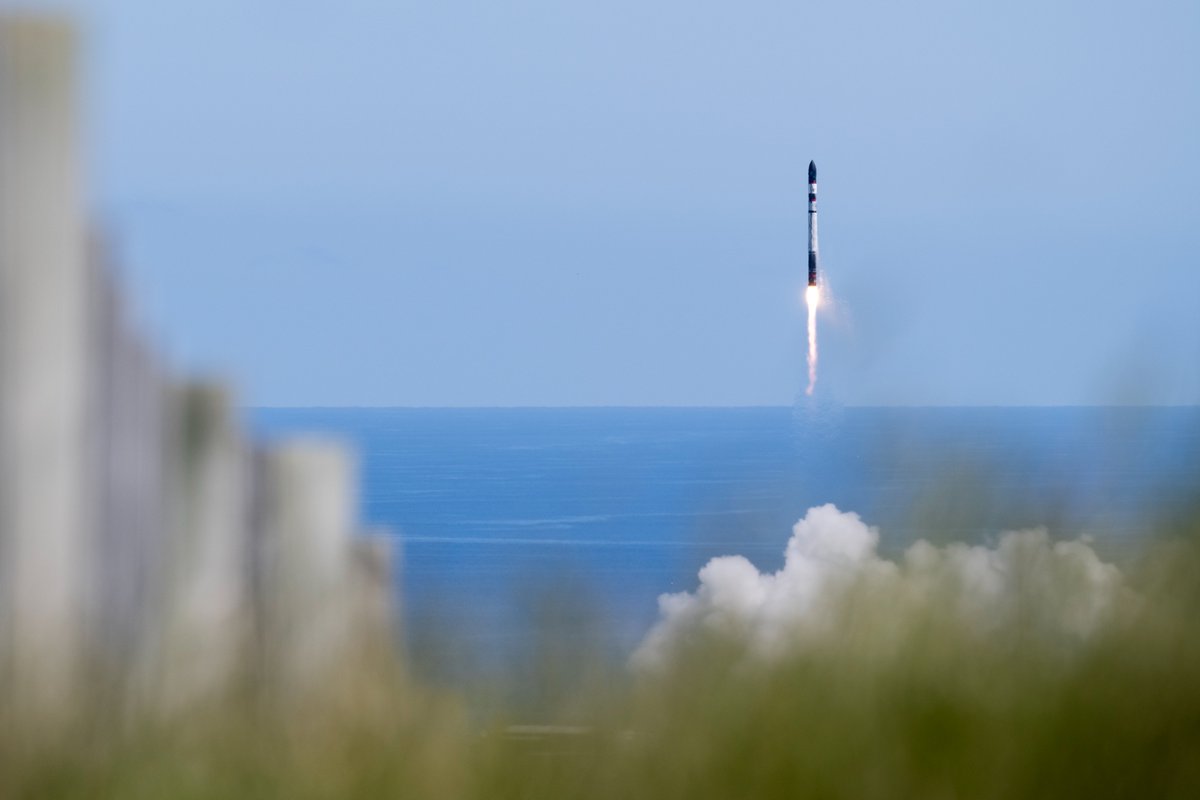
Our global launch capability with Electron.
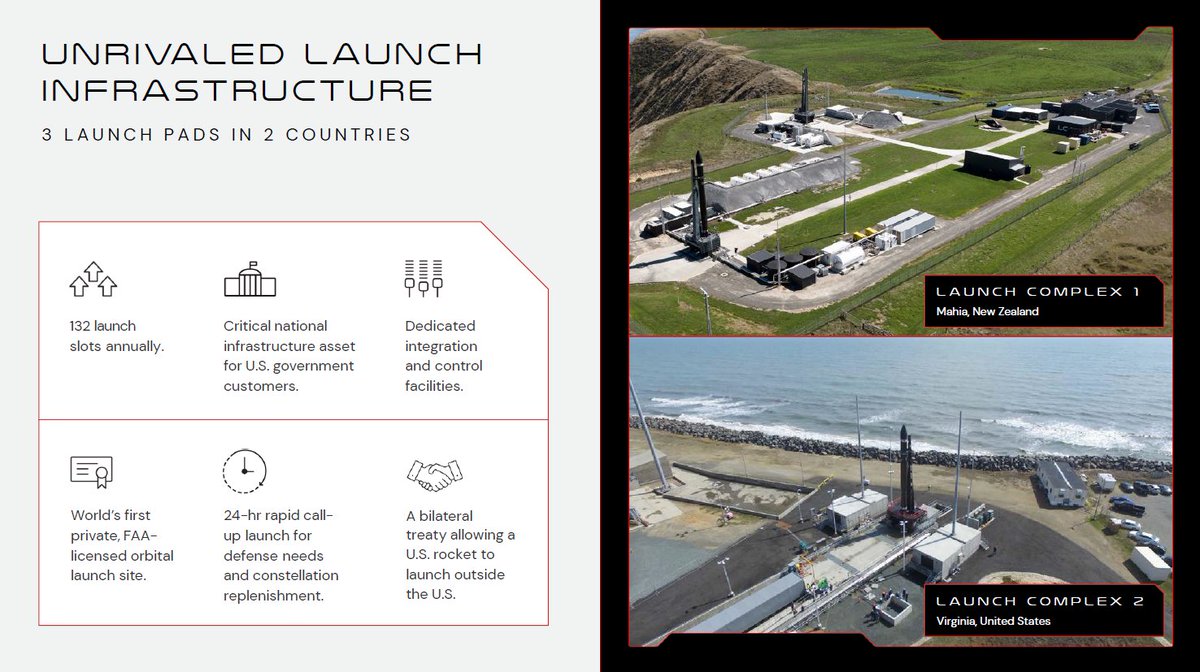
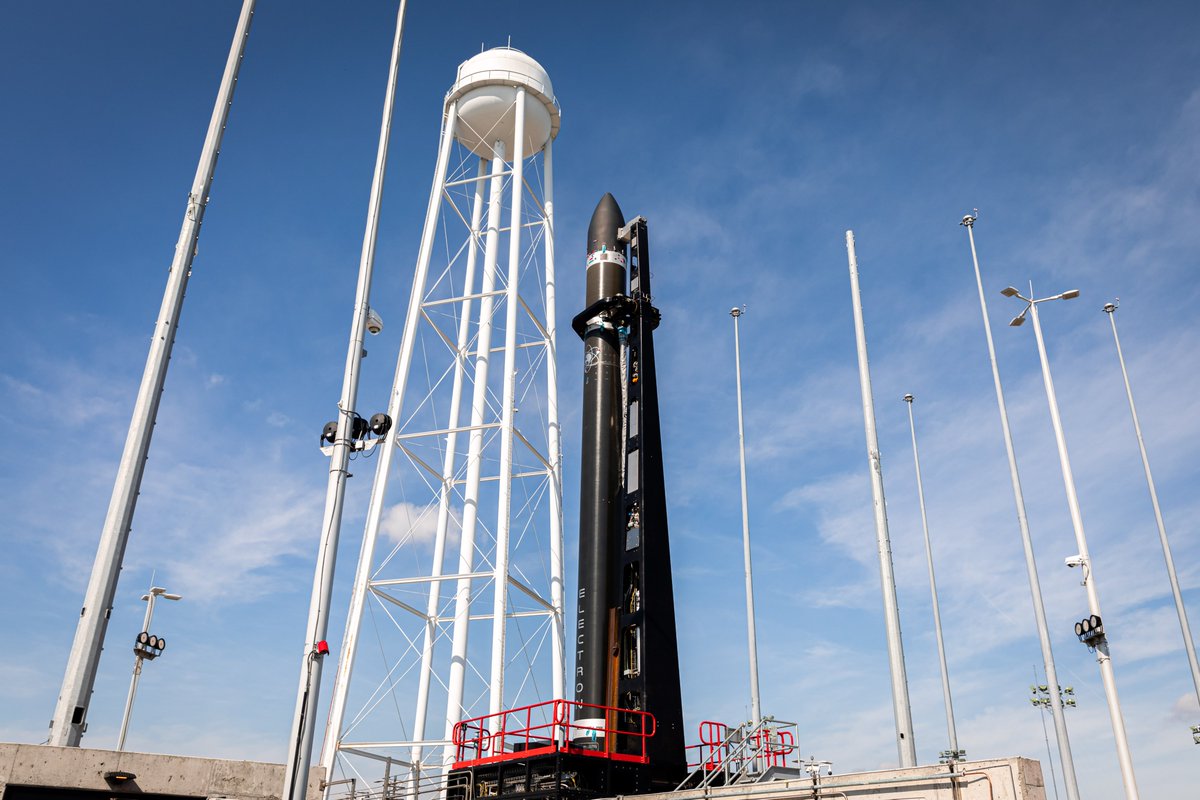
Confirmed: Electron is on its way to Virginia for first launch at Rocket Lab Launch Complex 2 this year.
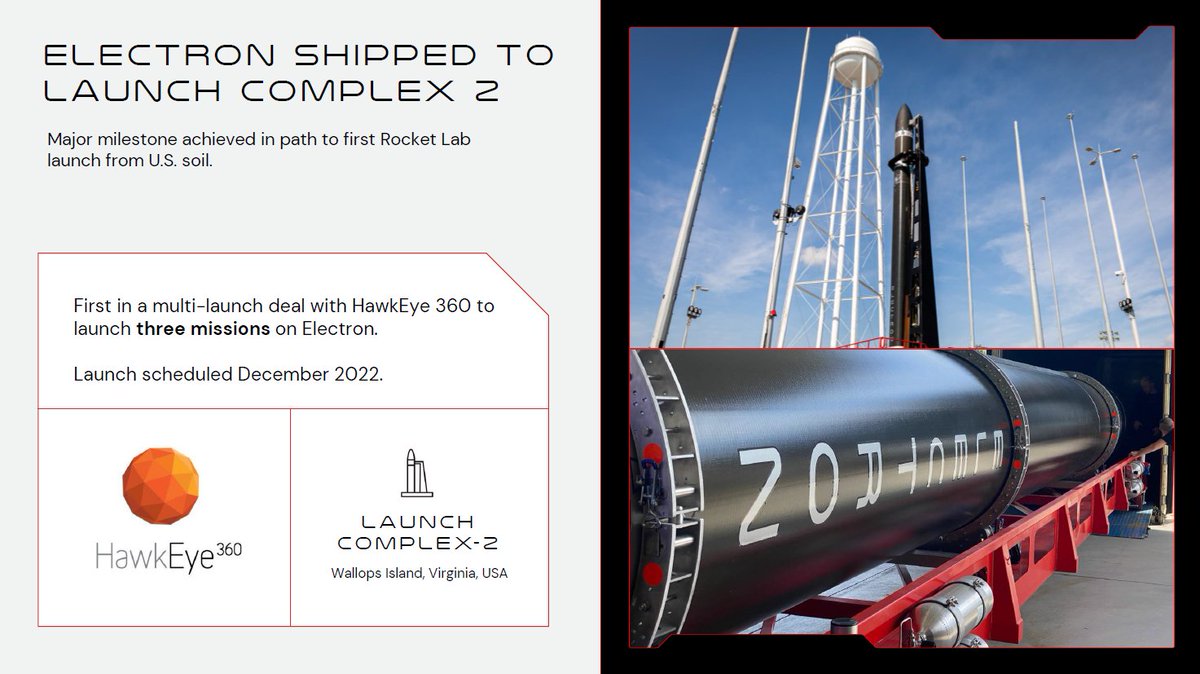
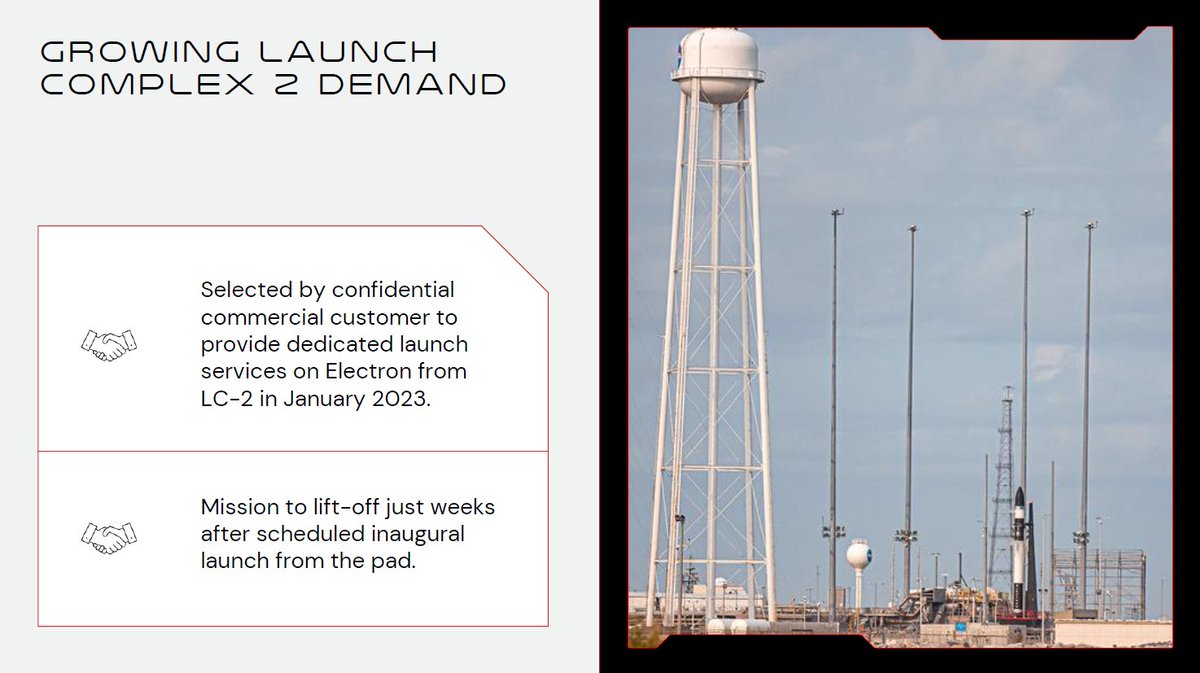
What's better than one upcoming launch at LC-2? How about our second Electron launch from Virginia scheduled for lift-off just weeks later:
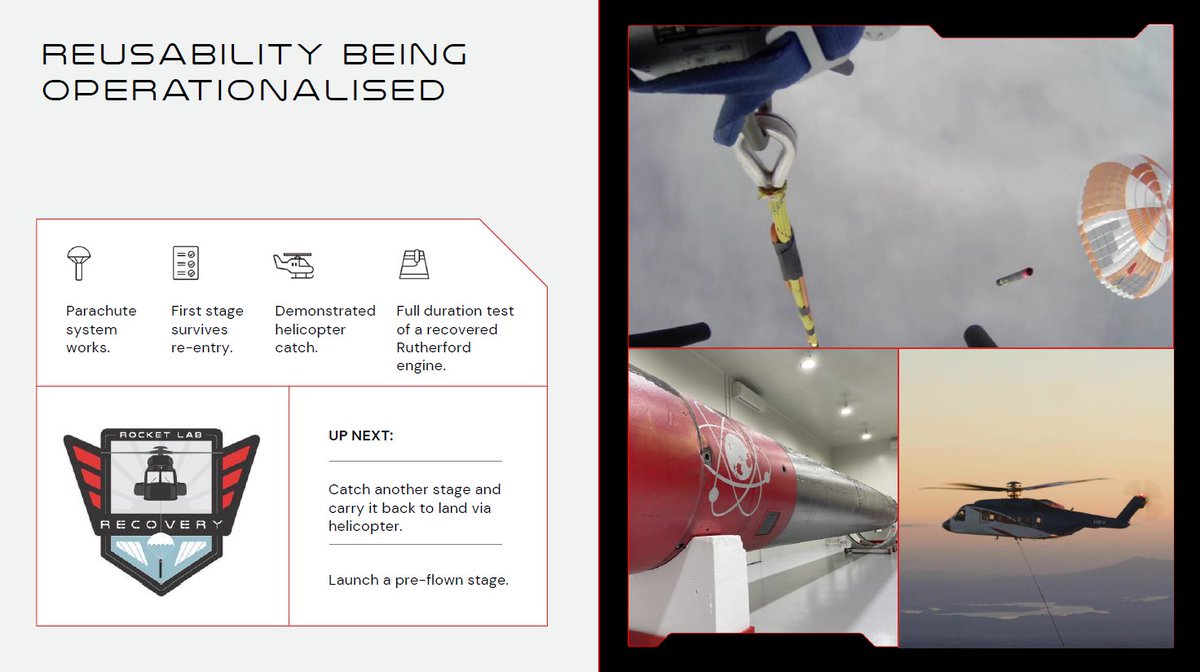
Because we know you'll ask about Electron reusability...
Next up: our Space Systems business.
Our Space Systems business in a nutshell.

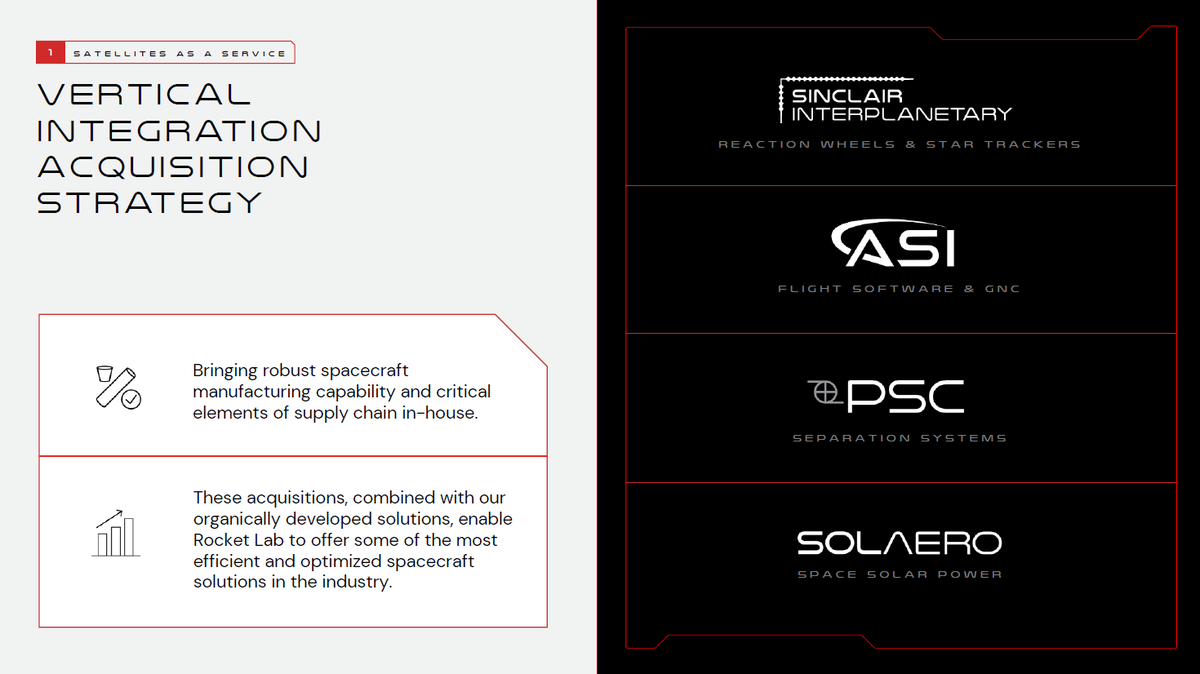
With the acquisitions we've made over the past 18 months, we've strengthened our systems offering across satellite components, mission software, separation systems, and space solar power.
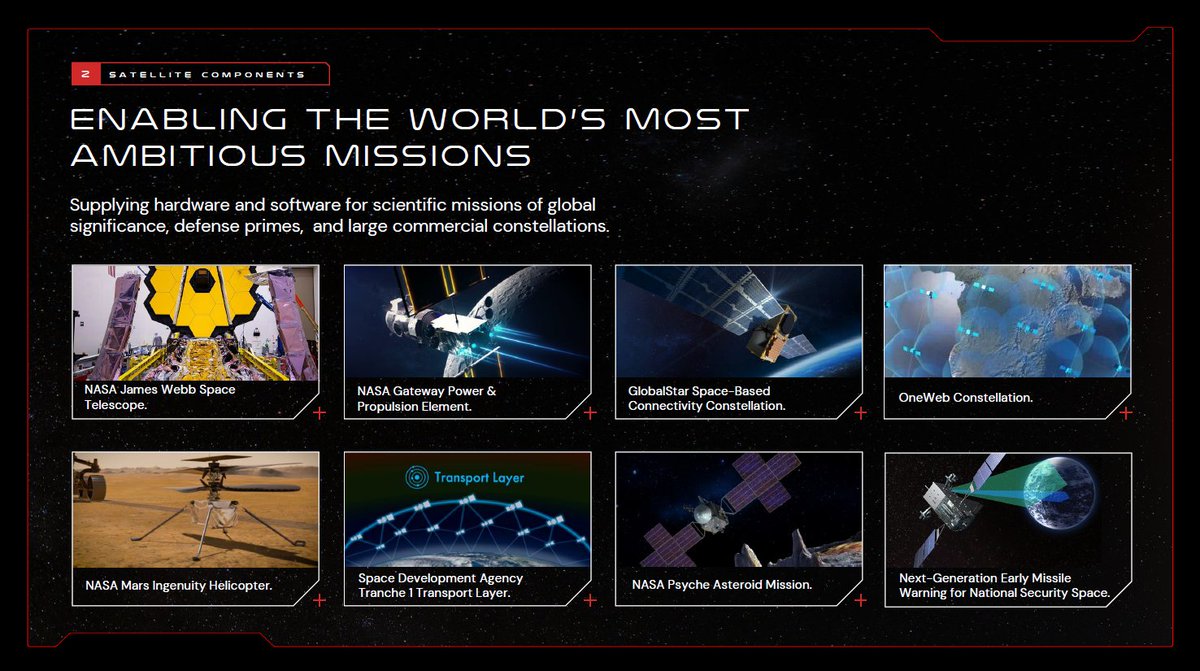
"We're out there amongst some of the most challenging missions in space today" - Brad Clevenger, Rocket Lab VP - Space Systems.
With our spacecraft Photon, we're supporting big science in a small package.
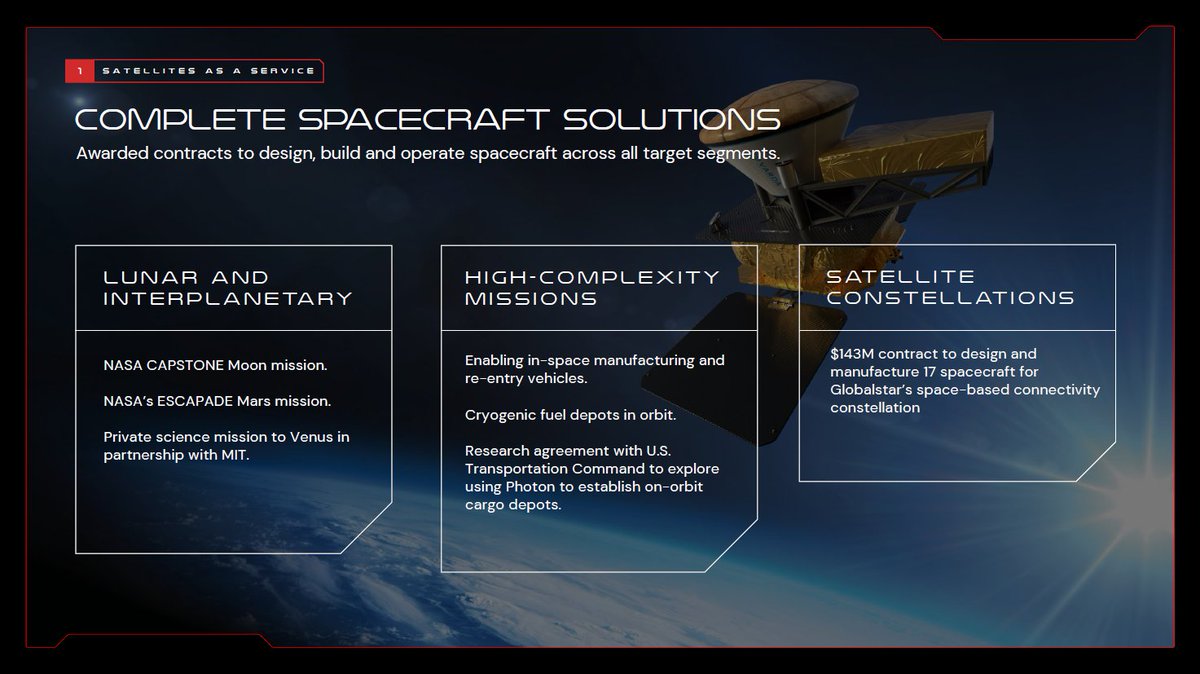
Photon's big moment this year was supporting the @NASA CAPSTONE mission to the Moon. Here's what we achieved in the two-year program to deliver that first mission in NASA's Artemis program.

Since we went to the Moon with Photon, it'd be rude not to go farther.
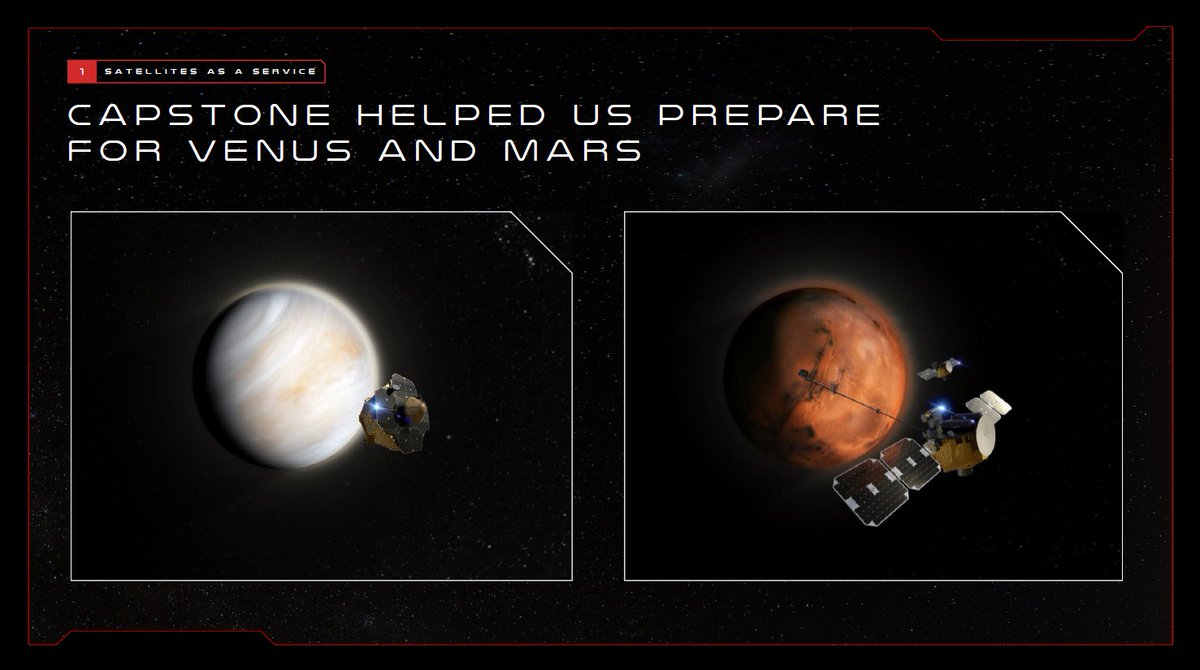
From science missions to operational constellations using Photon.
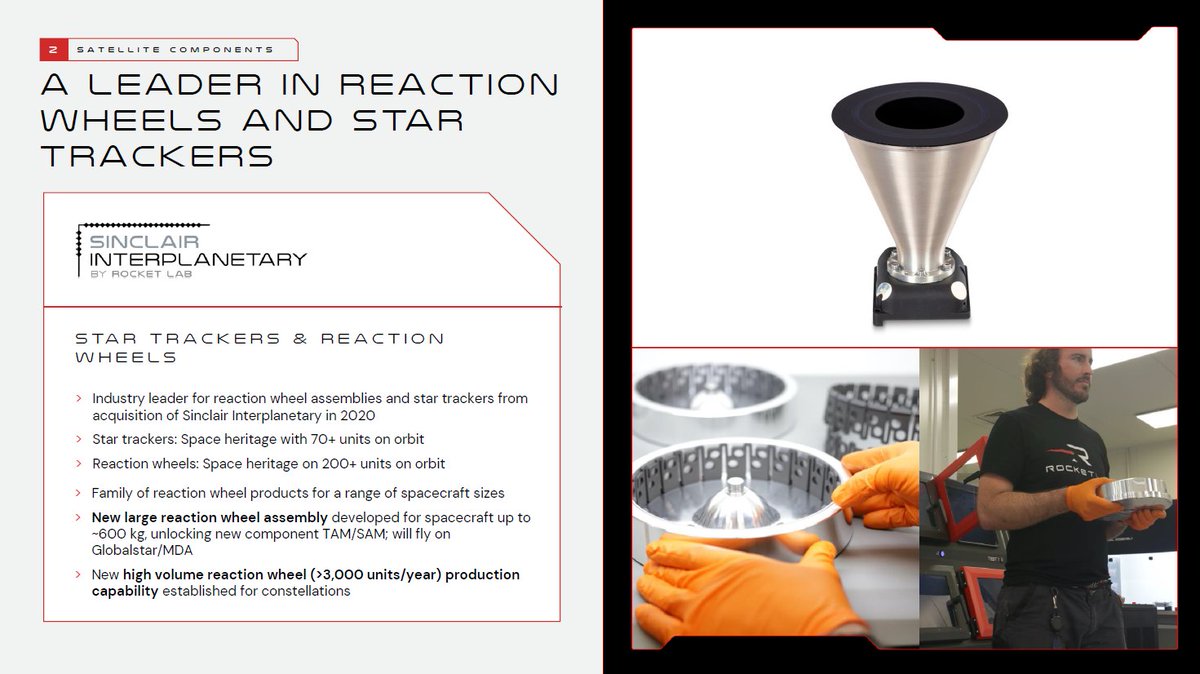
A run through our space systems products supporting missions across civil, commercial, and defense sectors. First up: reaction wheels.
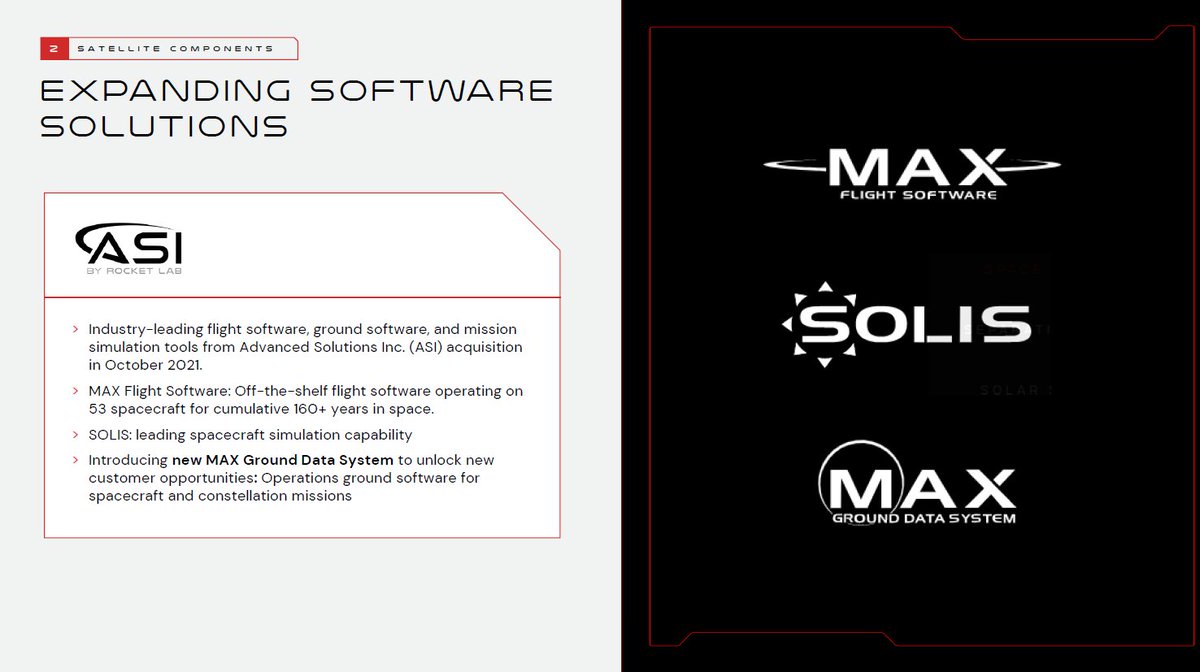
Our flight software commanding missions in space.
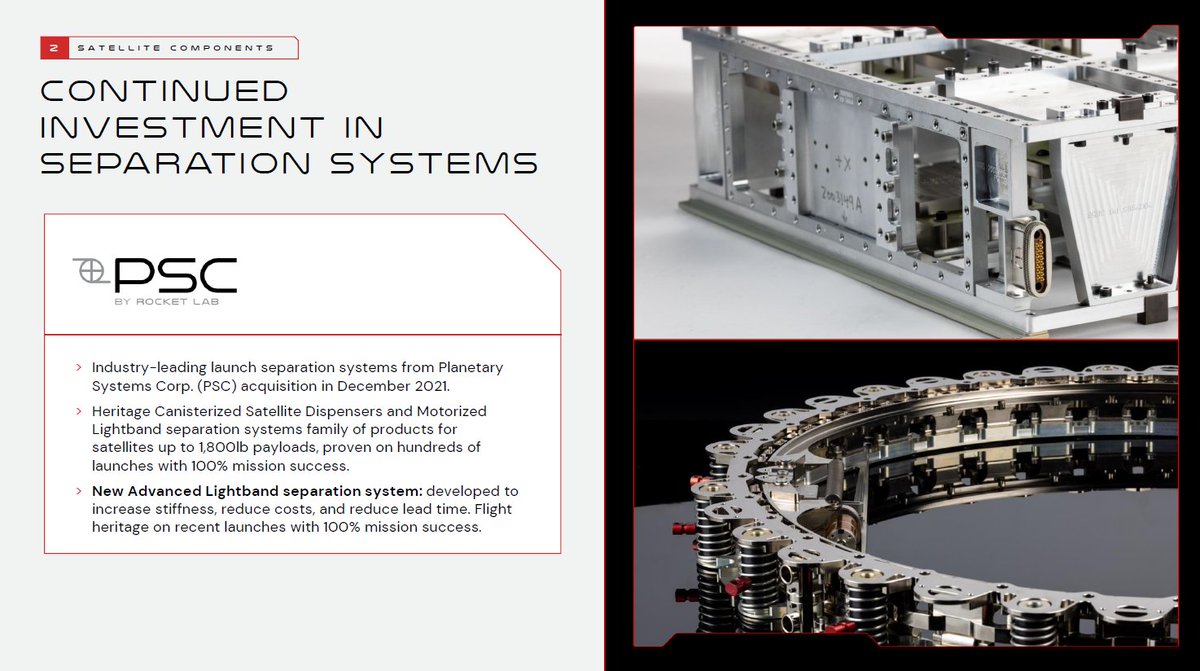
Separation systems providing a smooth and secure ride to space for satellites.
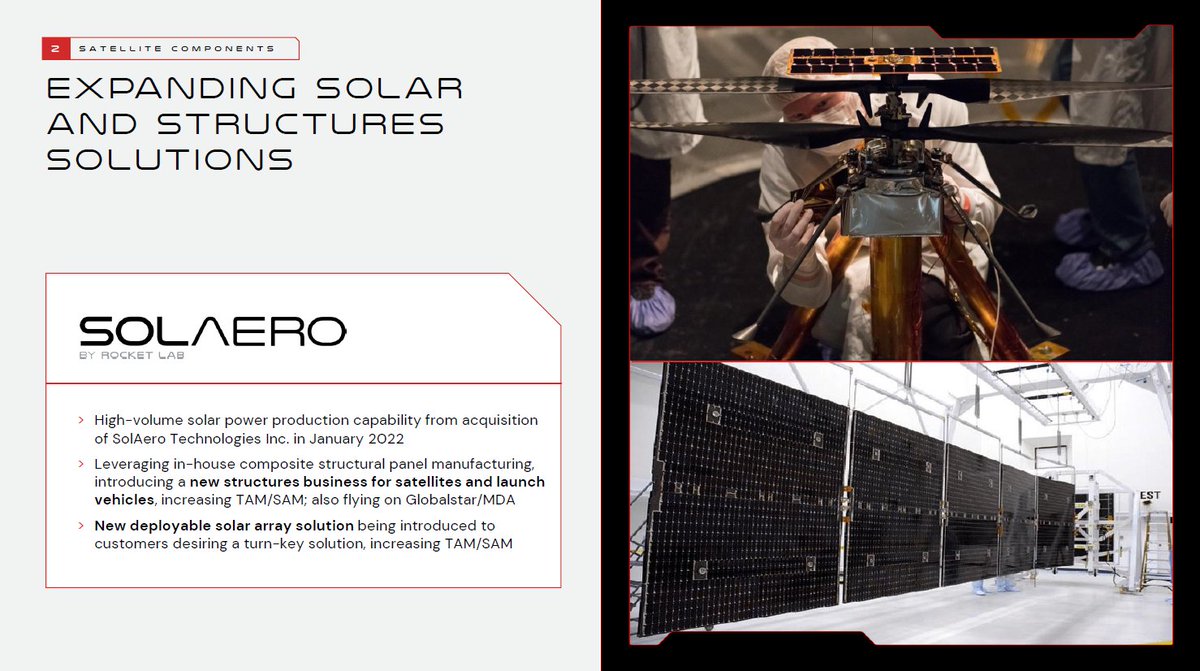
Solar cells powering missions in Earth orbit and beyond, even on other planets.
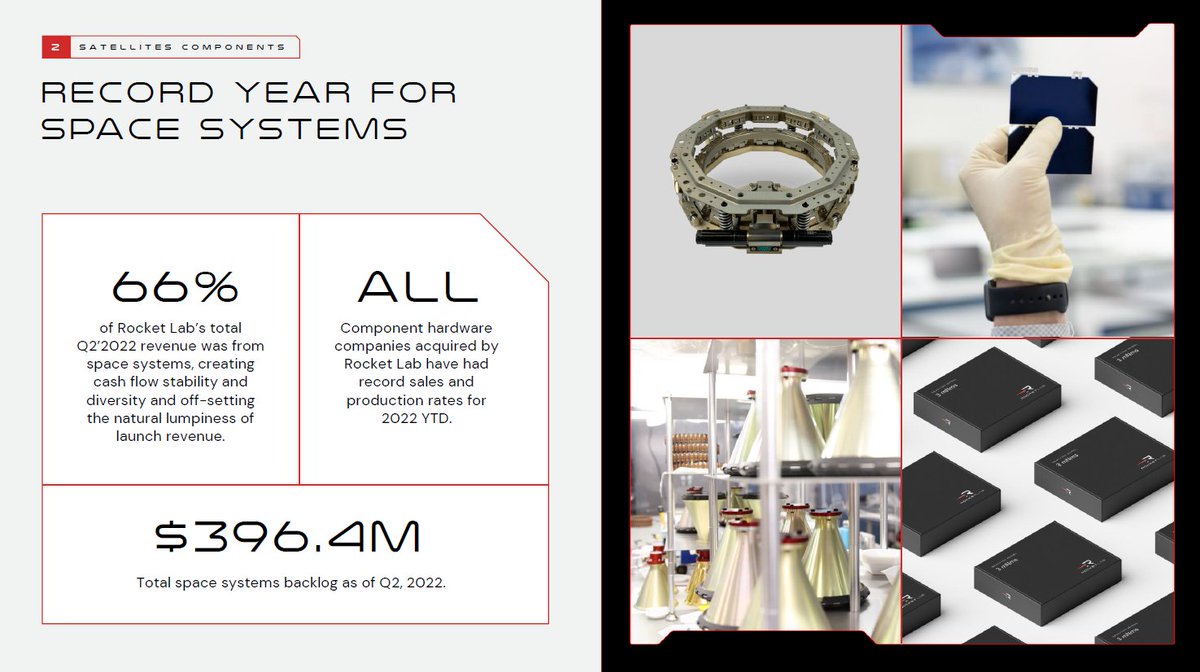
It's been a big year in space systems.
And now, what you've all been waiting for - our update on Neutron.
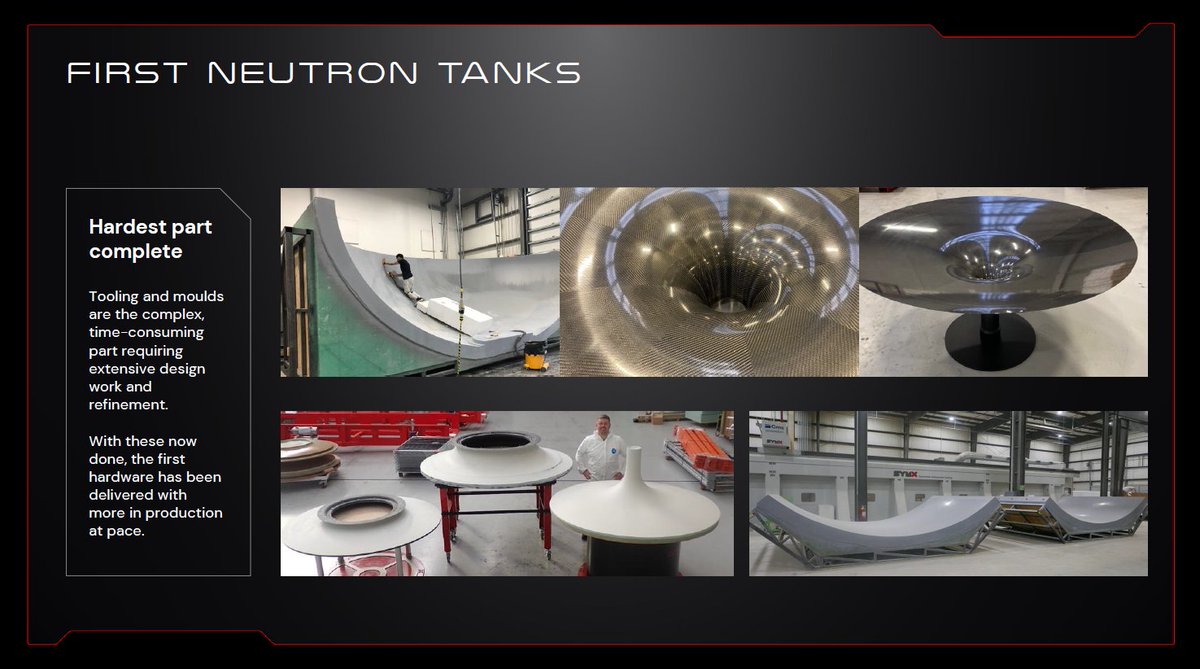
"The toughest bit is getting through the design phase, into the moulds, and producing hardware. But we've made it, we're there now - real hardware coming off real machines" - Peter Beck.
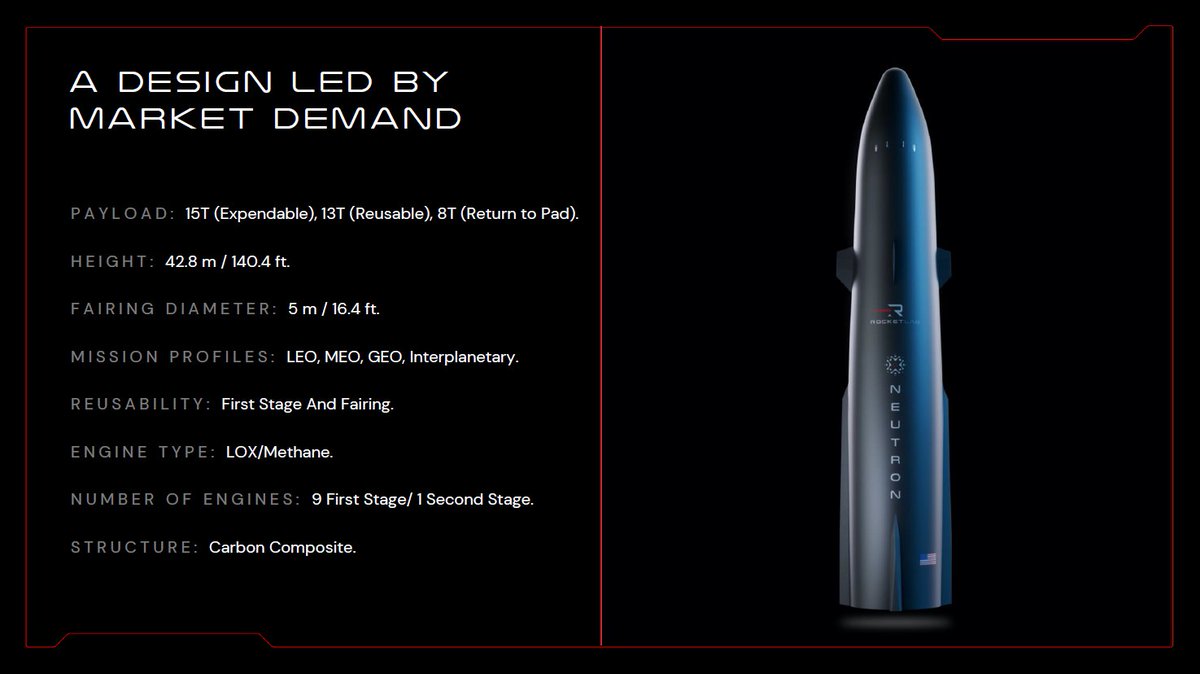
Neutron's had a makeover.
A slightly less hungry hippo fairing.

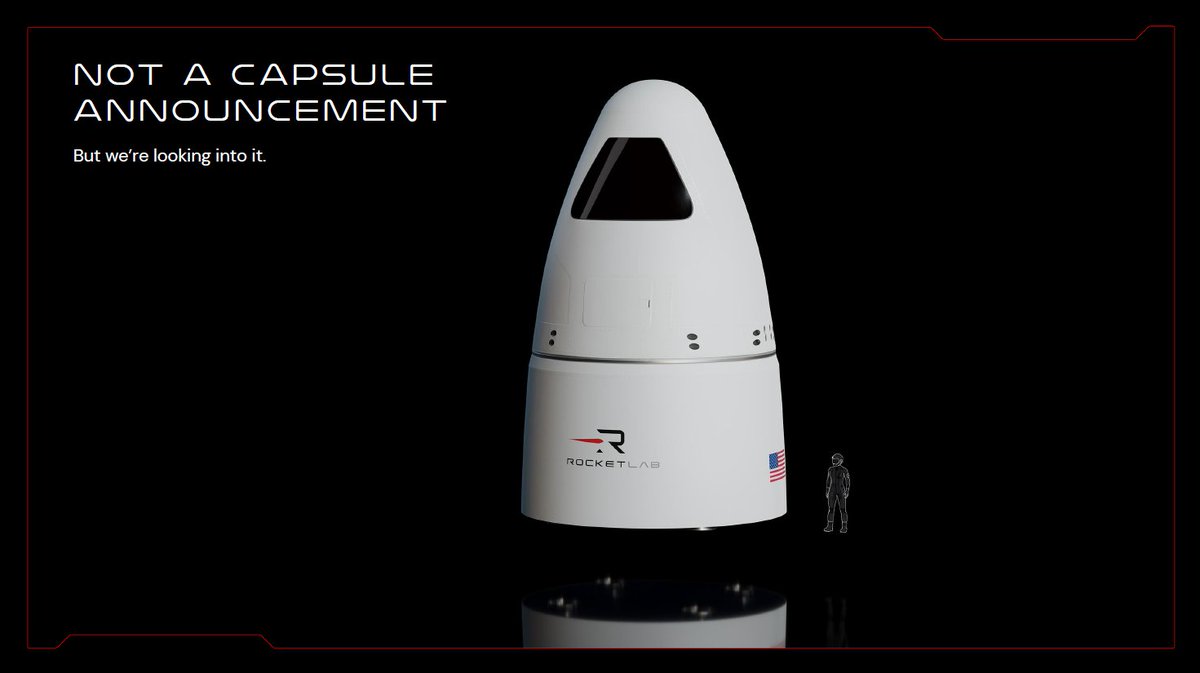
"If we were going to do something, this is what it'd look like" - Peter Beck.
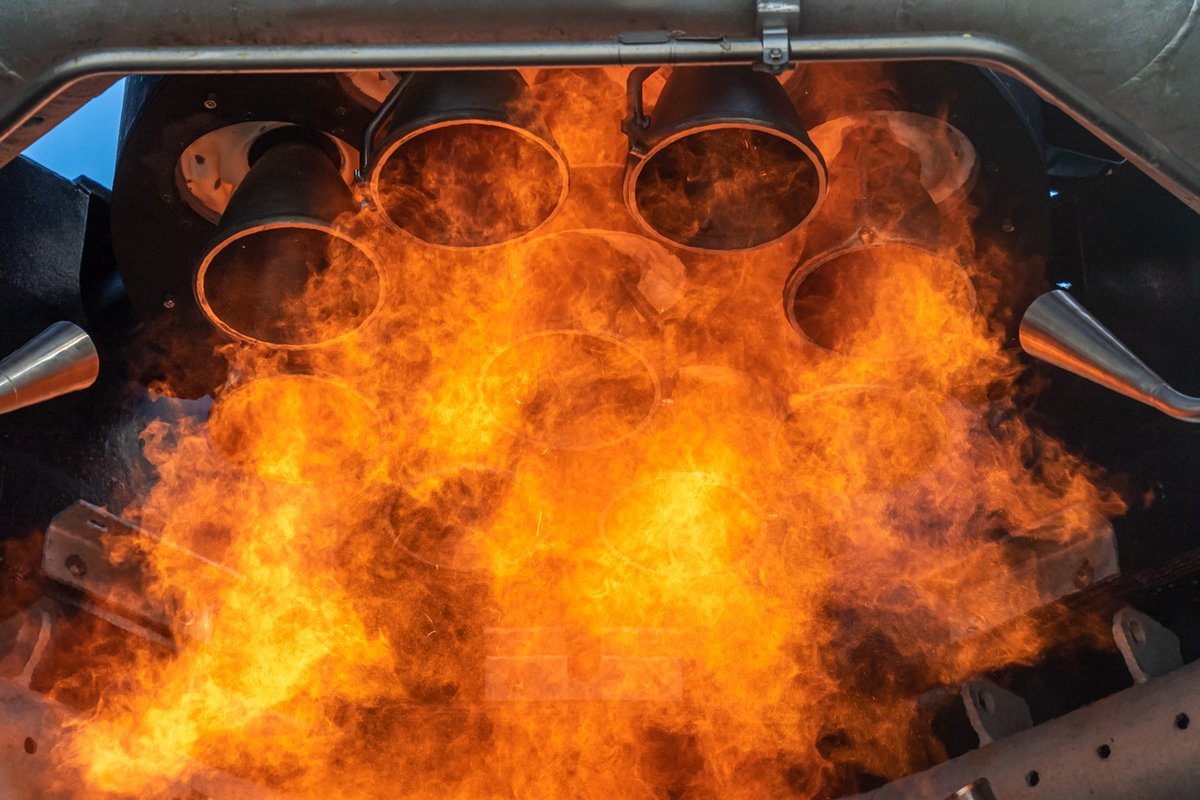
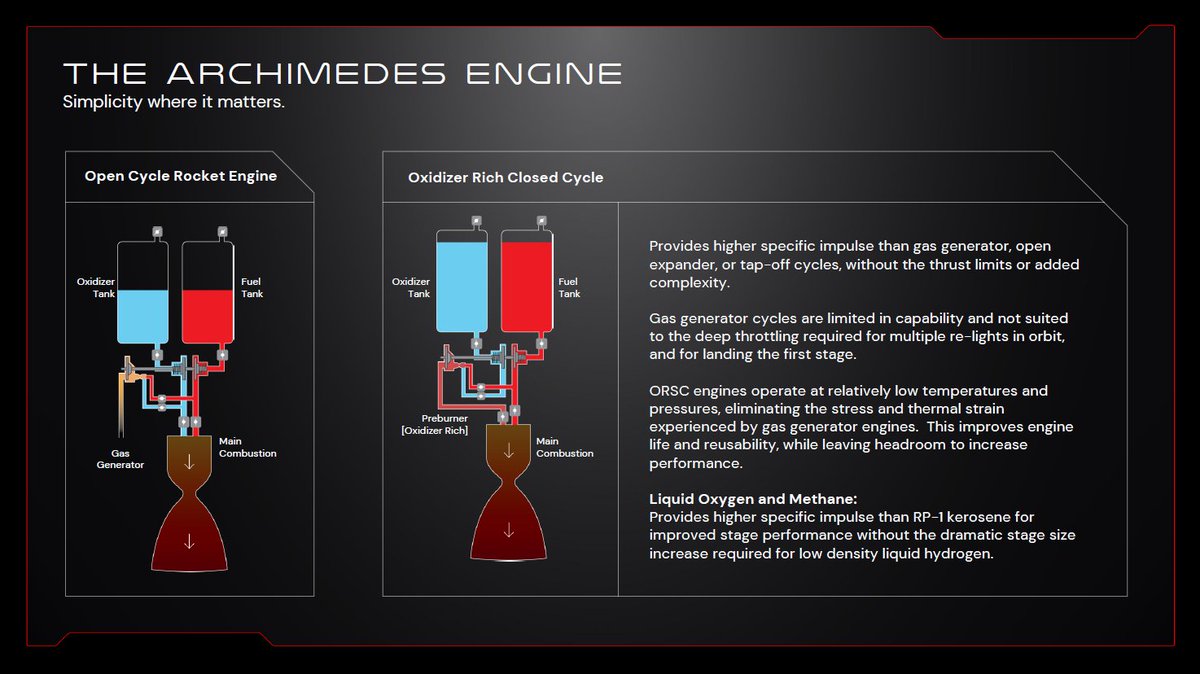
How we're building the Archimedes engines to power Neutron.
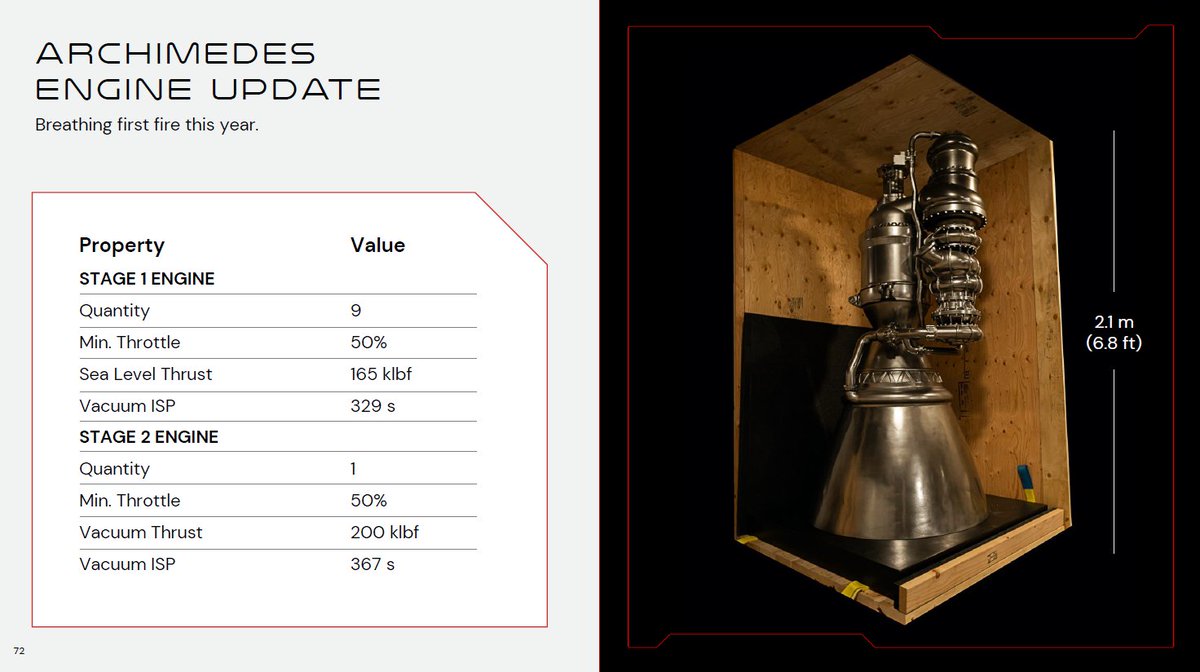
One for the rocket engine fans among us.
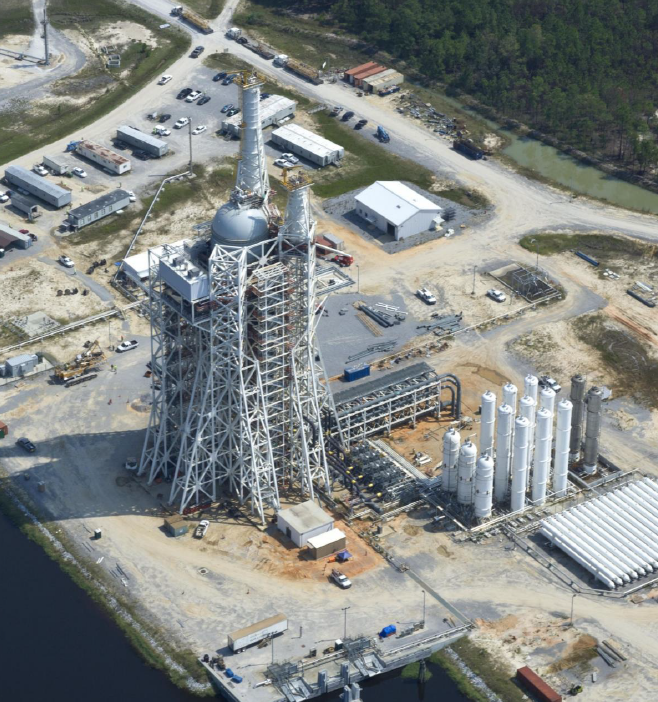
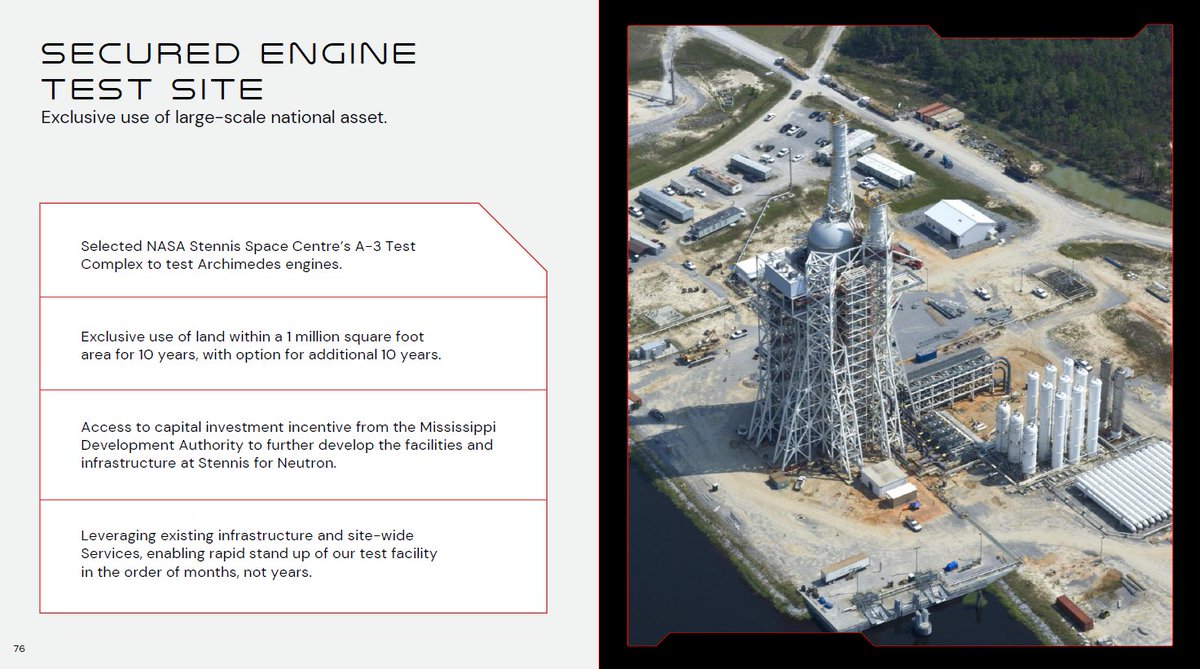
Neutron is coming to Mississippi! We’re thrilled to announce we’ve selected @NASAStennis as the test site for our reusable Archimedes engines to power Neutron to LEO, GEO, and beyond. Read more bwnews.pr/3BCRHlw
Details about our move to Mississippi and @NASAStennis
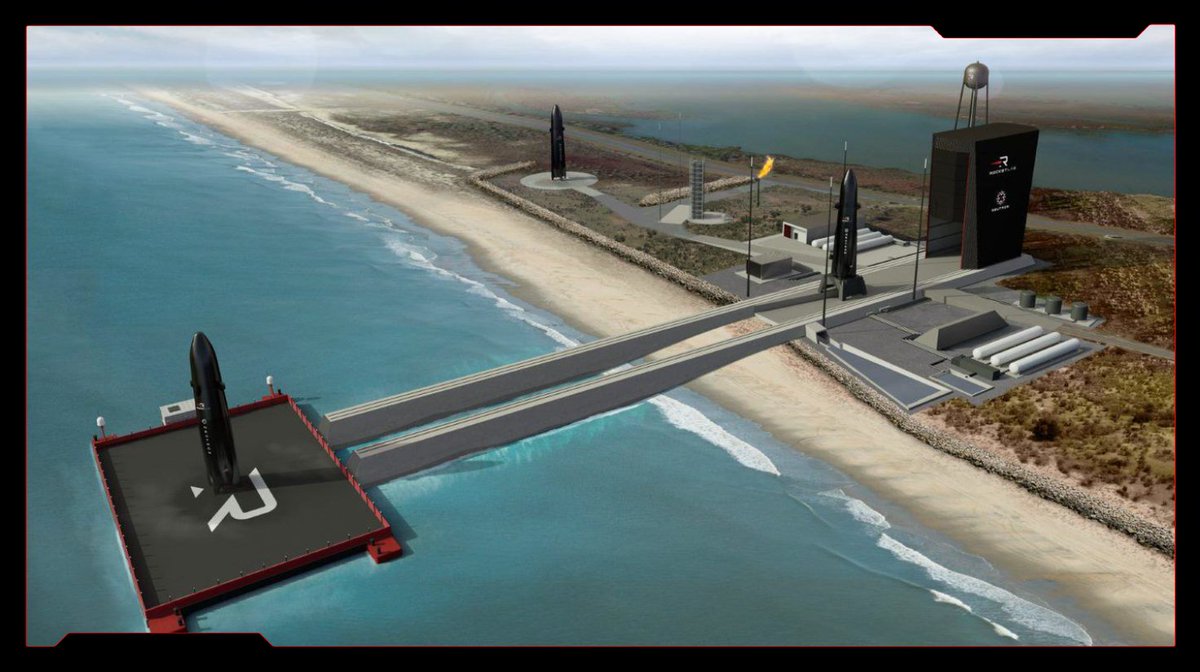
"The art of what's possible" - Shaun D'Mello, VP - Launch Systems reveals our vision for Neutron's launch and landing pad in Virginia.
From program start to hardware in less than 18 months - our Neutron program is well on-track. Here are some key upcoming milestones in the next 12 months.

Now on to our finance and business strategies from our CFO Adam Spice, taking us through what we said we'd do and what we've gone on to achieve since our @Nasdaq debut.
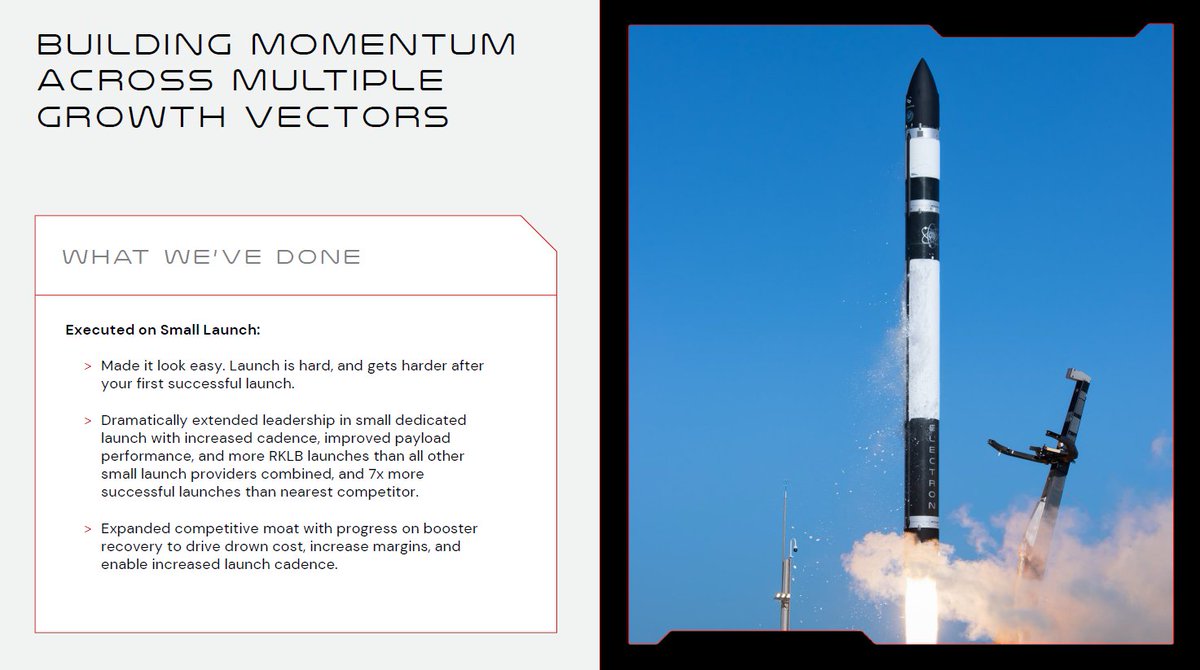
Electron continues to go from strength to strength.
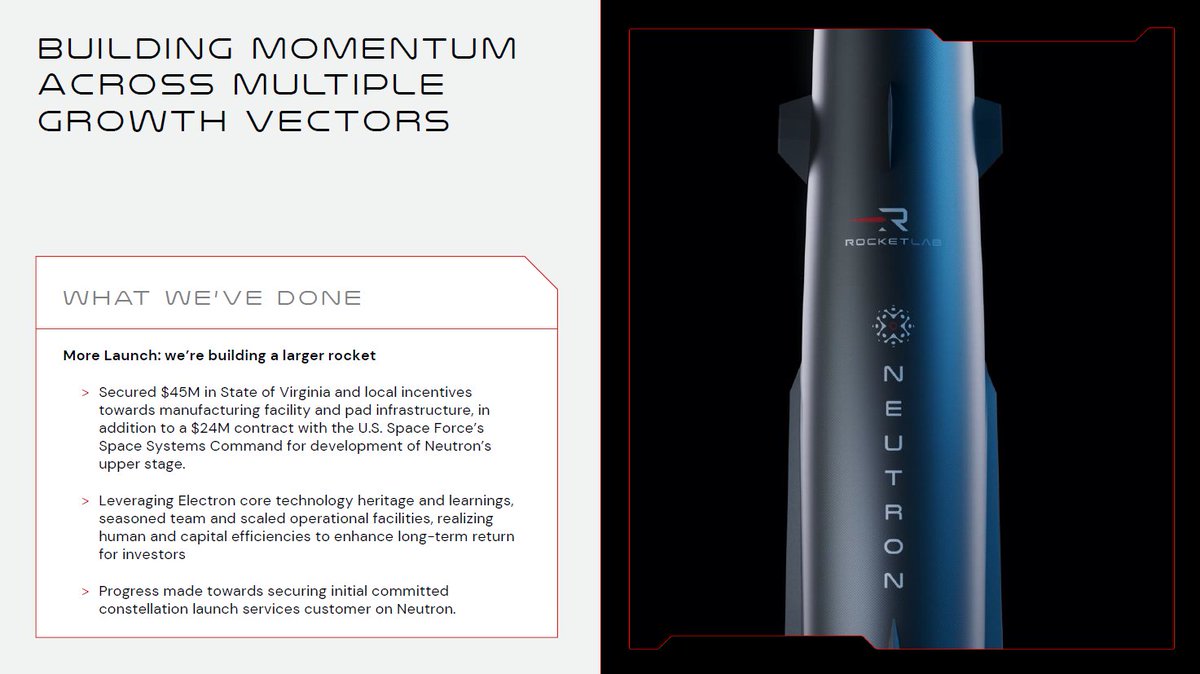
Neutron will be a key part of our company growth.
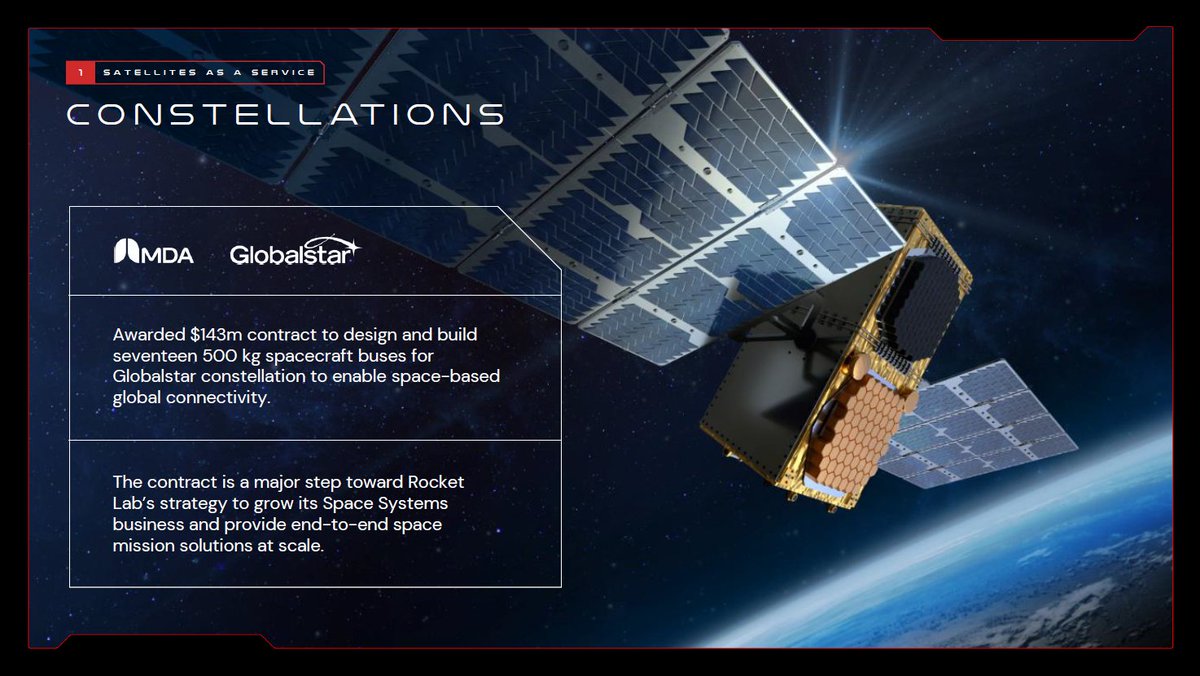
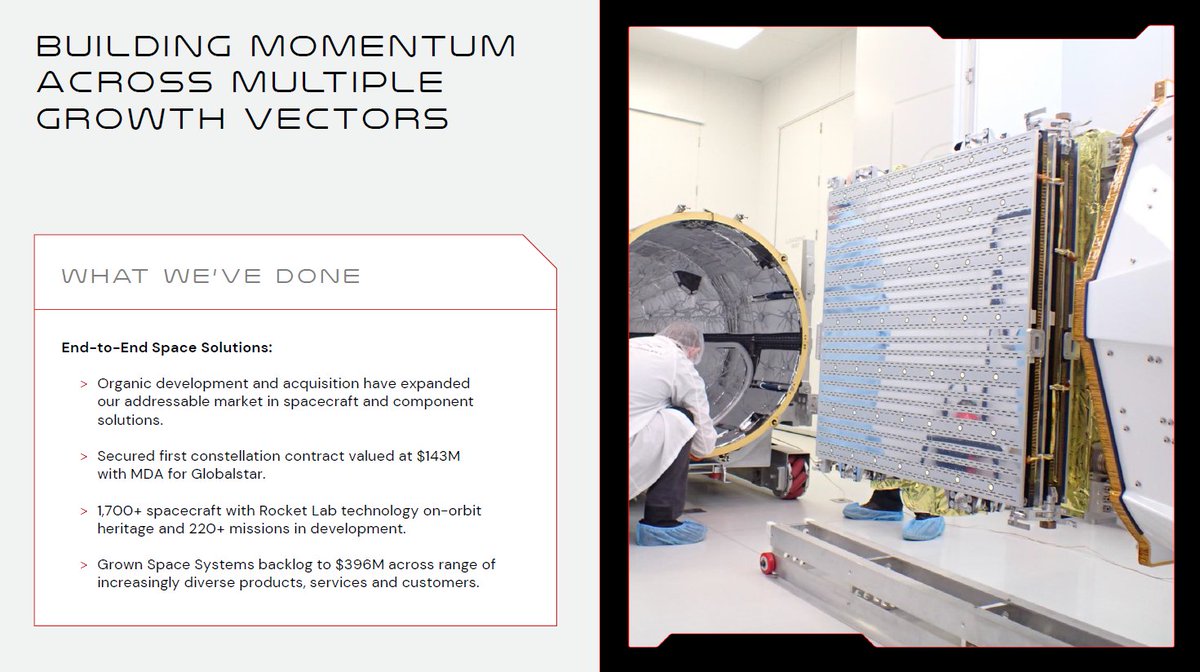
Building on space systems to offer an end-to-end full mission solution for satellite operators, whether they want only bits and pieces or the full spacecraft and command support.
We've wrapped with the presentations for Investor Day. Again, we will make a recording of today's event available on our website later today.
• • •
Missing some Tweet in this thread? You can try to
force a refresh