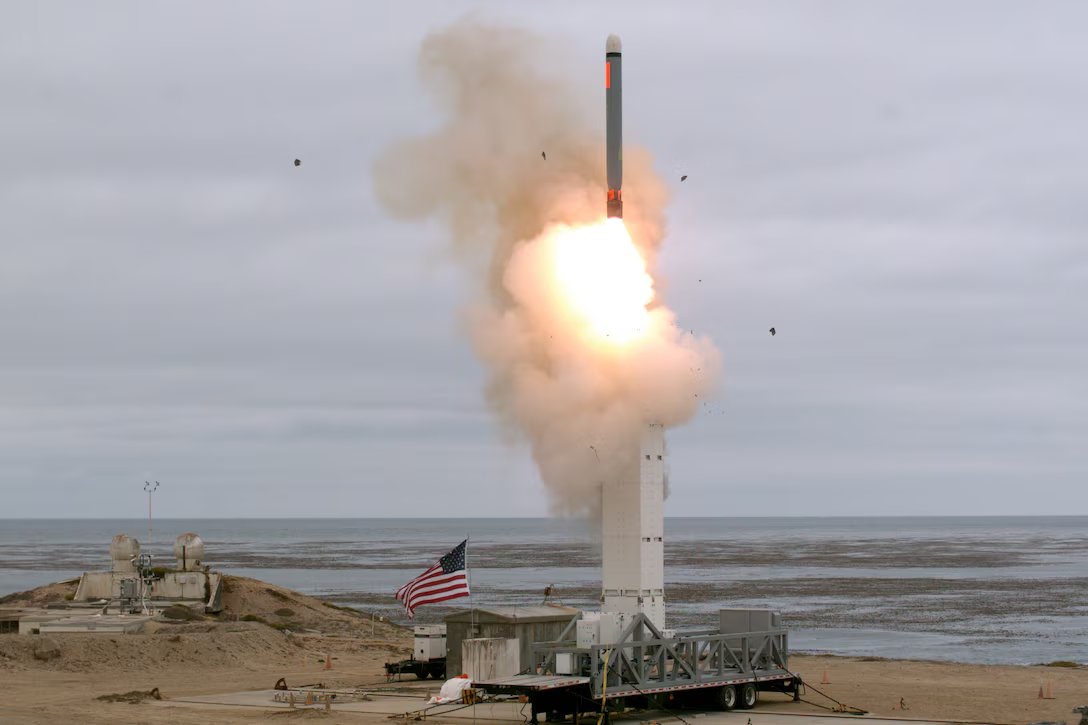
Pentagon budget realignment files are a magnificent source of info about what the US military is up to, what classified programs US Special Operations Command runs in Ukraine, and what equipment has been sent to Ukraine.
Let's dive in - a thread 🧵:
1/n
Let's dive in - a thread 🧵:
1/n
These Pentagon papers include all items the Pentagon ordered to replace equipment sent to Ukraine up to 12 August 2022.
I.e the Pentagon ordered:
• $1,381,308,000 of Javelins and $73,123,000 of Javelin Command Launch Units (CLU) to replace the Javs sent to Ukraine.
2/n
I.e the Pentagon ordered:
• $1,381,308,000 of Javelins and $73,123,000 of Javelin Command Launch Units (CLU) to replace the Javs sent to Ukraine.
2/n

• $808,811,000 of Stingers. Interestingly $505,054,000 worth of the Stingers are for the Marine Corps, which hasn't ordered Stingers since 2005.
• $31,136,000 M777 howitzer spare parts have been ordered to replace the spares sent by the Marines to Ukraine
3/n
• $31,136,000 M777 howitzer spare parts have been ordered to replace the spares sent by the Marines to Ukraine
3/n

Speaking of M777 howitzers:
• $237,188,000 of M795 projectiles have been ordered and $92,108,000 of M982 Excalibur projectiles
• $396,944,000 are being spent on M232A1 propelling charges, various fuzes, and M82 primers
• $1,698,000 for EPIAFS fuze setters to set Excaliburs
4/n
• $237,188,000 of M795 projectiles have been ordered and $92,108,000 of M982 Excalibur projectiles
• $396,944,000 are being spent on M232A1 propelling charges, various fuzes, and M82 primers
• $1,698,000 for EPIAFS fuze setters to set Excaliburs
4/n
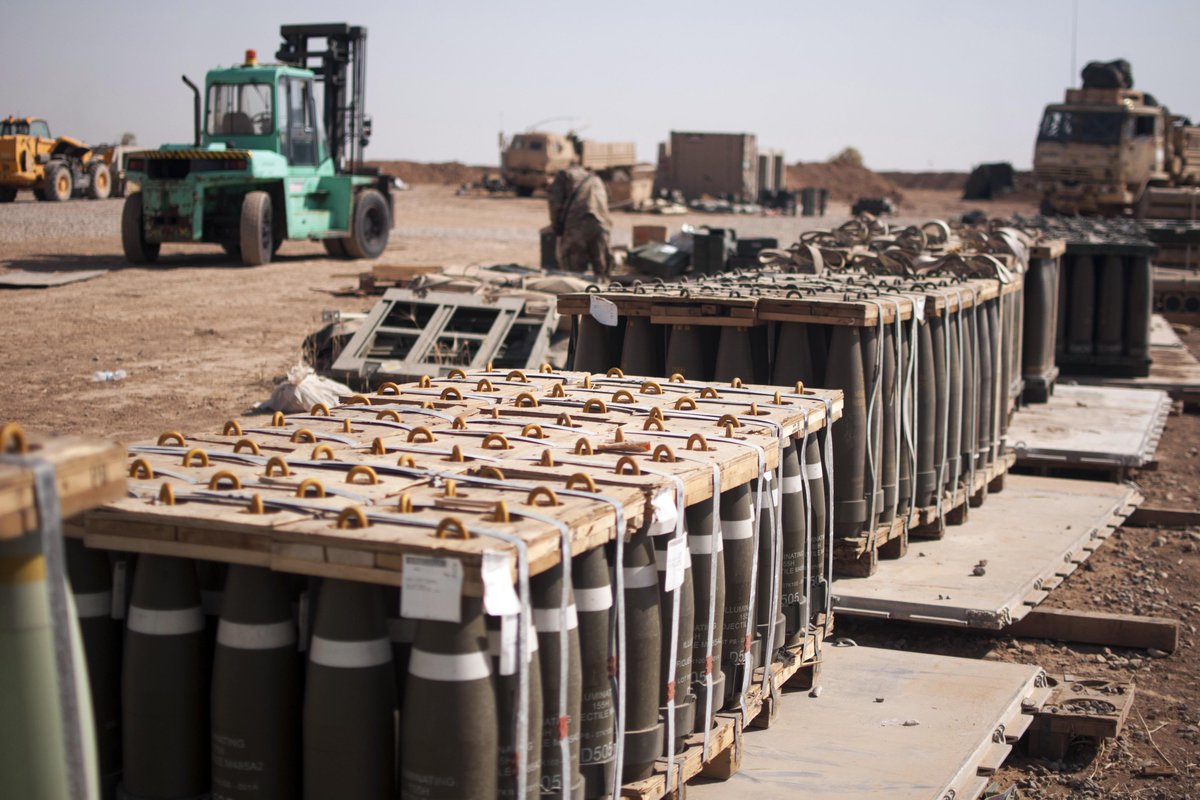
Even more interesting - the Pentagon spends:
• $10,000,000 to increase 155mm ammo production at the existing plant
• $200,000,000 for a new M795 metal parts plant
• $30,000,000 for a new M795 load, assemble and pack plant
• $265,850,000 for a new propelling charges plant
5/n
• $10,000,000 to increase 155mm ammo production at the existing plant
• $200,000,000 for a new M795 metal parts plant
• $30,000,000 for a new M795 load, assemble and pack plant
• $265,850,000 for a new propelling charges plant
5/n
• $33,000,000 to increase M739A1 fuze production
• $7,000,000 to increase M82 primer production
• $8,000,000 for 155mm production line spare parts
• $30,000,000 for a dedicated XM1113 and XM1210 production line to speed up introduction of these new projectiles
6/n
• $7,000,000 to increase M82 primer production
• $8,000,000 for 155mm production line spare parts
• $30,000,000 for a dedicated XM1113 and XM1210 production line to speed up introduction of these new projectiles
6/n
Staying with artillery:
• $298,000,000 for counter battery radars (and $53,000,000 for AN/MPQ-64 Sentinel air-defense radars)
To replace M777 howitzer towing trucks and ammo transporting trucks the Pentagon ordered:
• $74,267,000 worth of FMTV
• $13,361,000 worth of FHTV
7/n
• $298,000,000 for counter battery radars (and $53,000,000 for AN/MPQ-64 Sentinel air-defense radars)
To replace M777 howitzer towing trucks and ammo transporting trucks the Pentagon ordered:
• $74,267,000 worth of FMTV
• $13,361,000 worth of FHTV
7/n

Now let's have a look at everyone's favorite American icon - the M142 HIMARS. The Pentagon ordered $399,913,000 worth of M142 HIMARS launchers. That's at least 100 launchers... but in the Pentagon papers one can find a hint that the Army is replacing its M777 with M142.
8/n
8/n

Until 12 August the Pentagon ordered $139,599,000 of GMLRS rockets. According to these Pentagon papers M31A2 rockets cost $774,750 per pod of six... so we can assume (with a margin of error) that Ukraine received around 180 pods with 1,080 rockets in July.
9/n
9/n

And the Pentagon is also increasing M142 and GMLRS production:
• $77,000,000 to procure long lead items for GMLRS
• $44,000,000 to shorten GMLRS production times
• $71,500,000 to increase M142 HIMARS production
10/n
• $77,000,000 to procure long lead items for GMLRS
• $44,000,000 to shorten GMLRS production times
• $71,500,000 to increase M142 HIMARS production
10/n
Other interesting info in the ammo section:
• $30,913,000 for 7.62mm machine gun ammo
• $74,750,000 for .50 machine gun ammo
• $72,415,000 for 40mm grenades for Mk 19 automatic grenade launchers ($12,094,000) and M320A1 grenade launchers ($5,268,000)
11/n
• $30,913,000 for 7.62mm machine gun ammo
• $74,750,000 for .50 machine gun ammo
• $72,415,000 for 40mm grenades for Mk 19 automatic grenade launchers ($12,094,000) and M320A1 grenade launchers ($5,268,000)
11/n

• $26,832,000 for AT-4 anti-tank rockets
• $19,115,000 for M72 LAW
• $47,323,000 for a non defined "shoulder launched munition" (I have no clue what that could be)
The ammo section has just small amounts for hand grenades ($3,618,000) and mines ($1,635,000) - either the
12/n
• $19,115,000 for M72 LAW
• $47,323,000 for a non defined "shoulder launched munition" (I have no clue what that could be)
The ammo section has just small amounts for hand grenades ($3,618,000) and mines ($1,635,000) - either the
12/n
US Army has enough of these or Europeans deliver most of the stuff here.
Mortar ammo orders are also rather small:
• $11,204,000 for 60mm ammo
• $11,308,000 for 81mm ammo
But a lot of body armor, helmets etc. have been ordered: $321,068,000
13/n
Mortar ammo orders are also rather small:
• $11,204,000 for 60mm ammo
• $11,308,000 for 81mm ammo
But a lot of body armor, helmets etc. have been ordered: $321,068,000
13/n
Other interesting stuff:
• $867,020,000 for Armored Multi-Purpose Vehicle (AMPV) to free up M113 for Ukraine
• $77,508,000 to replace "small, medium, and large assault craft" for the US Navy
But now comes the REALLY juicy stuff!
14/n
• $867,020,000 for Armored Multi-Purpose Vehicle (AMPV) to free up M113 for Ukraine
• $77,508,000 to replace "small, medium, and large assault craft" for the US Navy
But now comes the REALLY juicy stuff!
14/n

• $50,000,000 for a program "to integrate design features that enhance interoperability of systems [identified for possible future export] with those of friendly foreign countries"
Likely this program includes stuff like the AGM-88 HARM on Ukrainian Mig-29 integration.
15/n
Likely this program includes stuff like the AGM-88 HARM on Ukrainian Mig-29 integration.
15/n
Air-defense missiles:
• $74,264,000 for 78 AIM-120D for the Navy
• $112,348,000 for 118 AIM-120D for the Air Force
which makes sense as the US needs to replace the AIM-120 that will be sent to Ukraine with the NASAMS 3 systems, but the Pentagon also ordered
16/n
• $74,264,000 for 78 AIM-120D for the Navy
• $112,348,000 for 118 AIM-120D for the Air Force
which makes sense as the US needs to replace the AIM-120 that will be sent to Ukraine with the NASAMS 3 systems, but the Pentagon also ordered
16/n

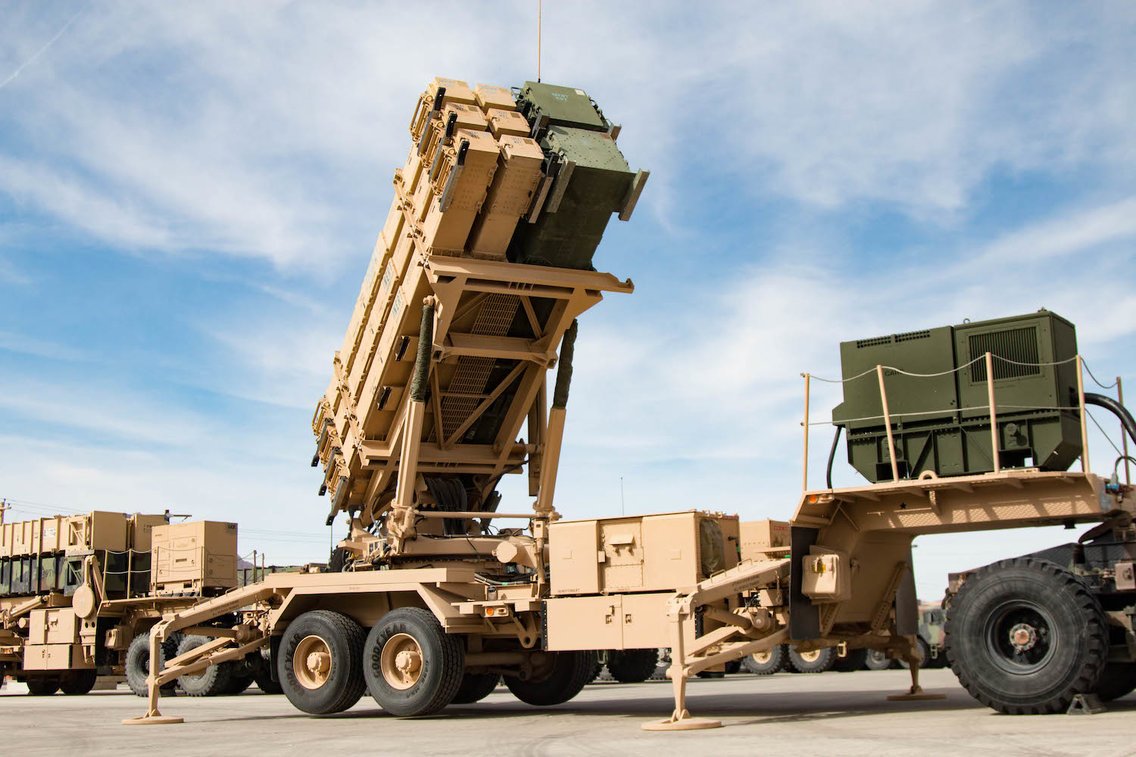
• $288,491,000 for 76 Patriot PAC-3 MSE missiles
Either these are for the US Patriot battalions in Poland or they are the first sign of US Lend-Lease for Ukraine.
Also in the Pentagon papers is a $3 million funding for an undefined classified program... and
17/n
Either these are for the US Patriot battalions in Poland or they are the first sign of US Lend-Lease for Ukraine.
Also in the Pentagon papers is a $3 million funding for an undefined classified program... and
17/n
$9,123,000 for two "Military Intelligence Programs" run by the US Special Operations Command for a "classified requirement".
Where these programs are taking place - I don't know. What these programs are about - I don't know.
18/n
Where these programs are taking place - I don't know. What these programs are about - I don't know.
18/n
But as the funding for these two is listed in a publicly accessible Pentagon document I assume they are not classified as "secret" and therefore more likely something like "training Ukrainian Special Forces", rather than something like "ISTAR behind russian lines".
19/n
19/n
There are also dozens of entries for the funding of US forces deployed to Europe, but I believe what the US has sent to Ukraine and is now backordering to be more interesting.
As the @DeptofDefense released the last file on 12 August I am looking forward to the next one,
20/n
As the @DeptofDefense released the last file on 12 August I am looking forward to the next one,
20/n
as that will have more GMLRS ammo, 105mm ammo, likely HARM backorders, and I am sure a lot of unexpected stuff.
21/end
21/end
• • •
Missing some Tweet in this thread? You can try to
force a refresh