1/ Minoan Crete was a complex society, where the engagement with the war was one of the main components of male identity. The violence was well-rooted among the Minoans and was related to the most important factor of shaping, influencing and social control: the Minoan religion. 
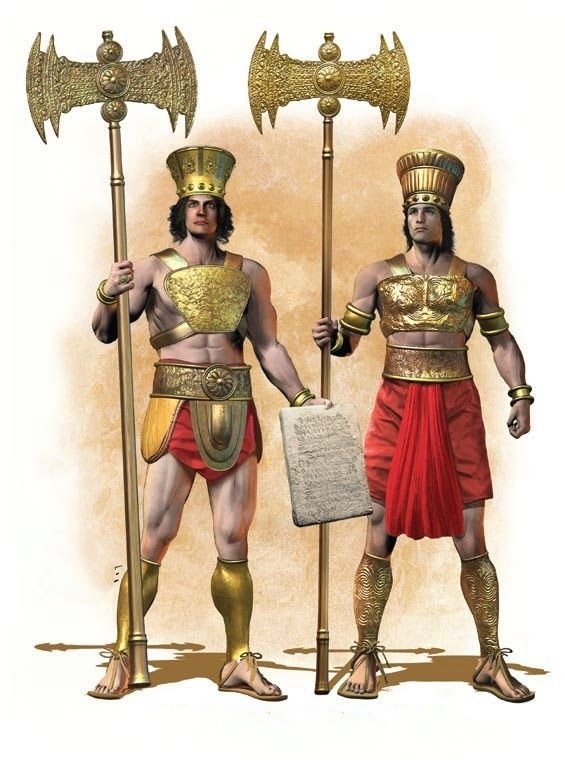
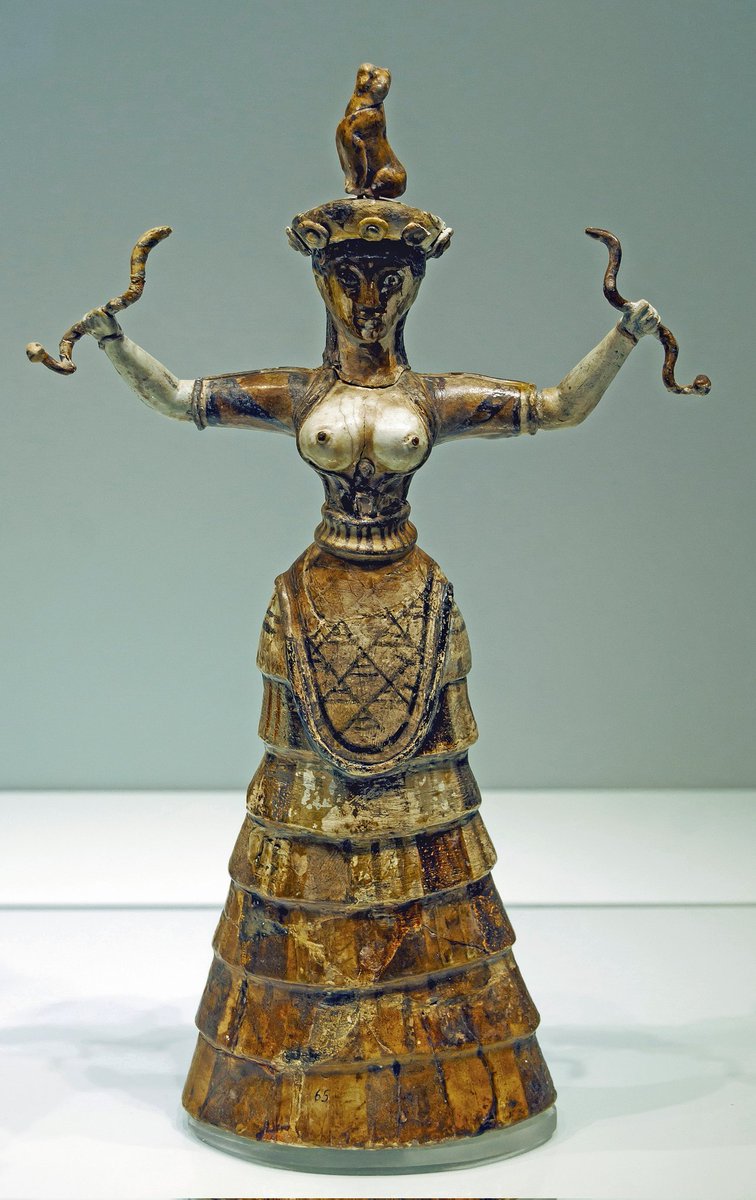
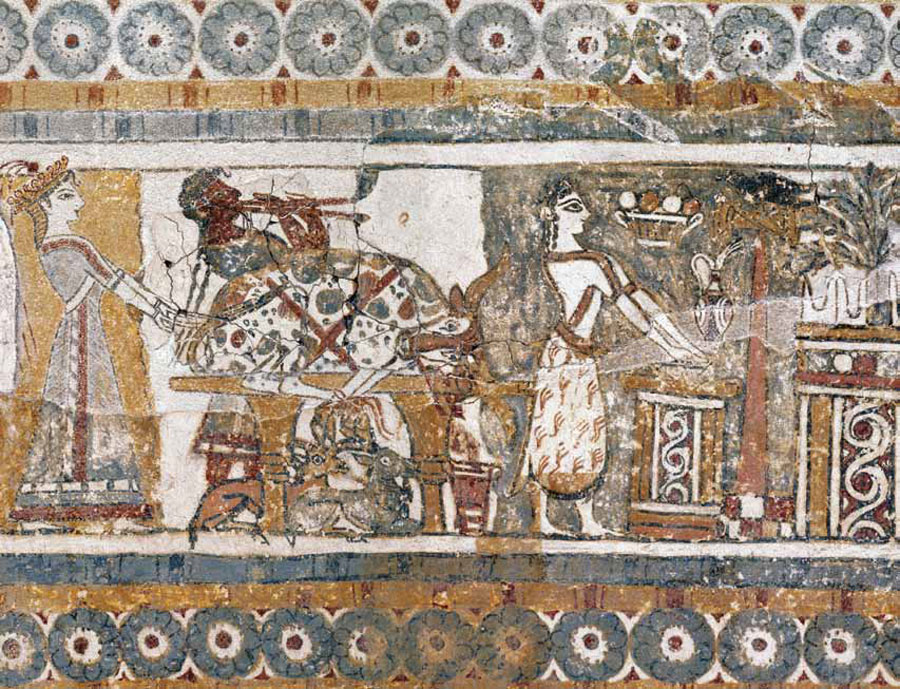
2/ One of the most important Minoan cult ceremonies was the sacrifice of the sacred bull, as shown in the famous depiction from the sarcophagus of the Haghia Triada, where the blood of the bull was used as a libation to appease the chthonic deities.
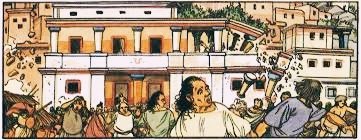
3/ But sometimes the wrath of the gods was merciless, spreading death through pandemic diseases and prolonged destructive earthquakes, undermining the power of the priesthood in the eyes of the Minoans and disturbing the social balance.
4/ The sacrificial blood of the sacred bull was not enough to drive away the divine anger. It was time of maximum purification, propitiation and appeasement of the chthonic deities; it was time of the offering of human blood; the darkest side of Minoan Crete.
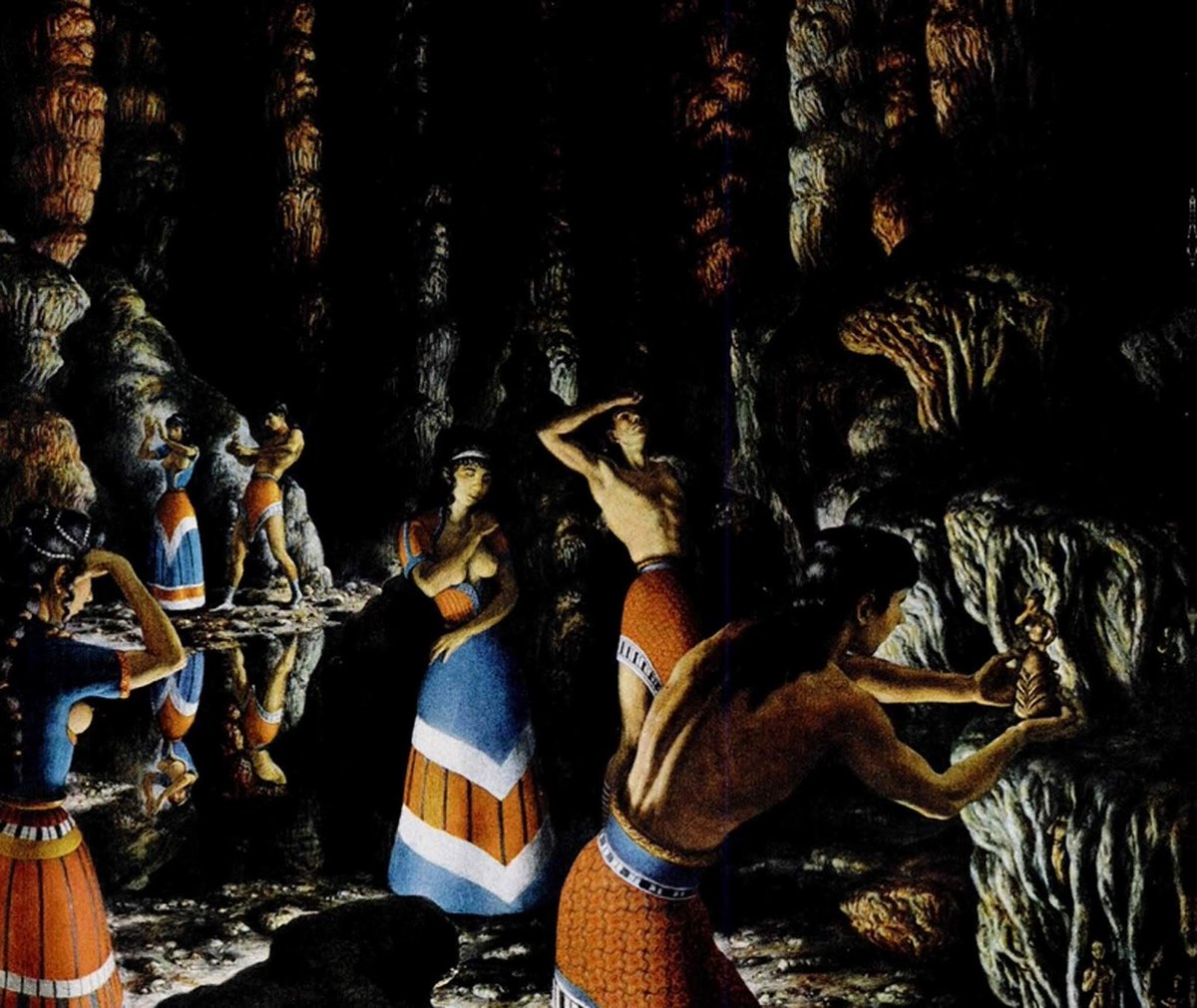
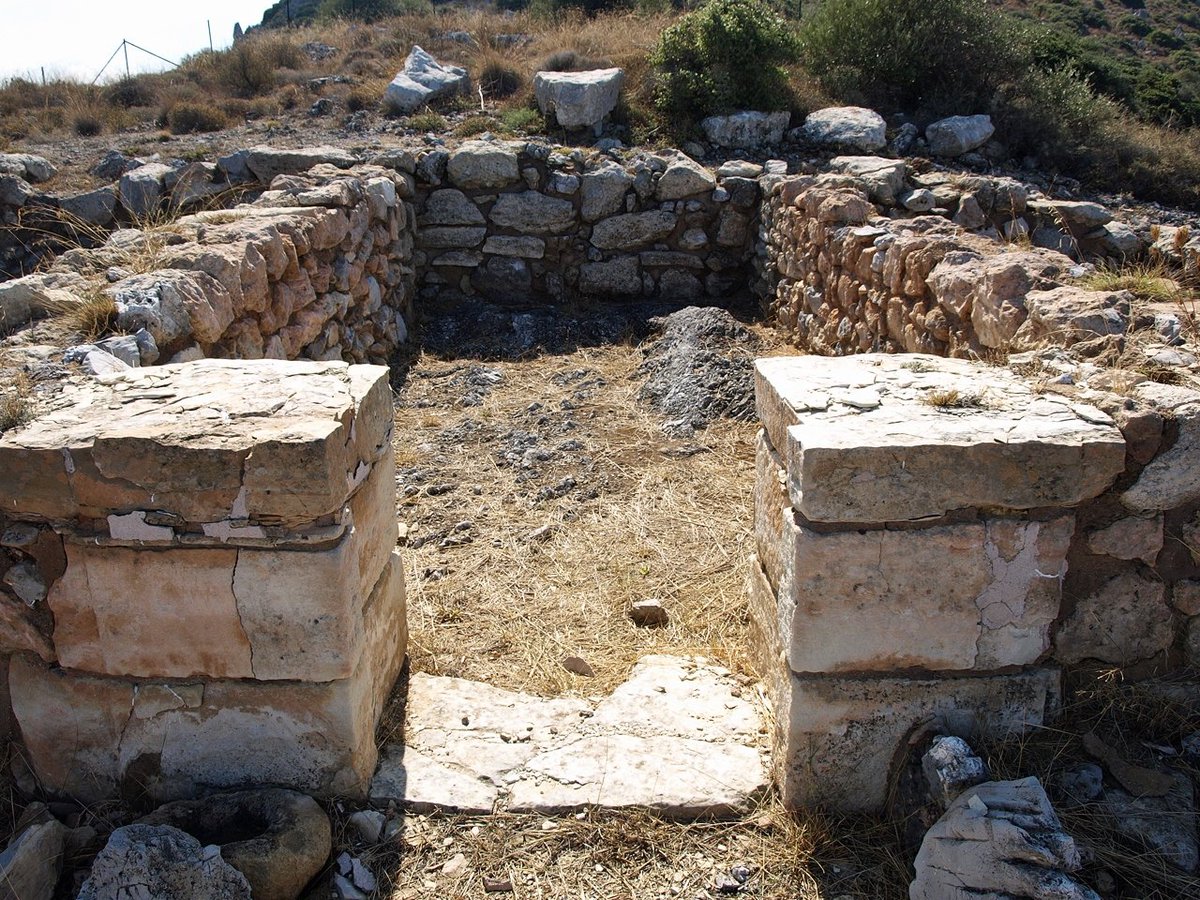
5/ In the summer of 1979, the most important couple of Greek archaeology, Giannis and Efi Sakellarakis, excavated the so-called Temple of Anemospilia, which was located at the northern foothills of Mount Juktas and in close proximity to the important Minoan site of the Archanes.
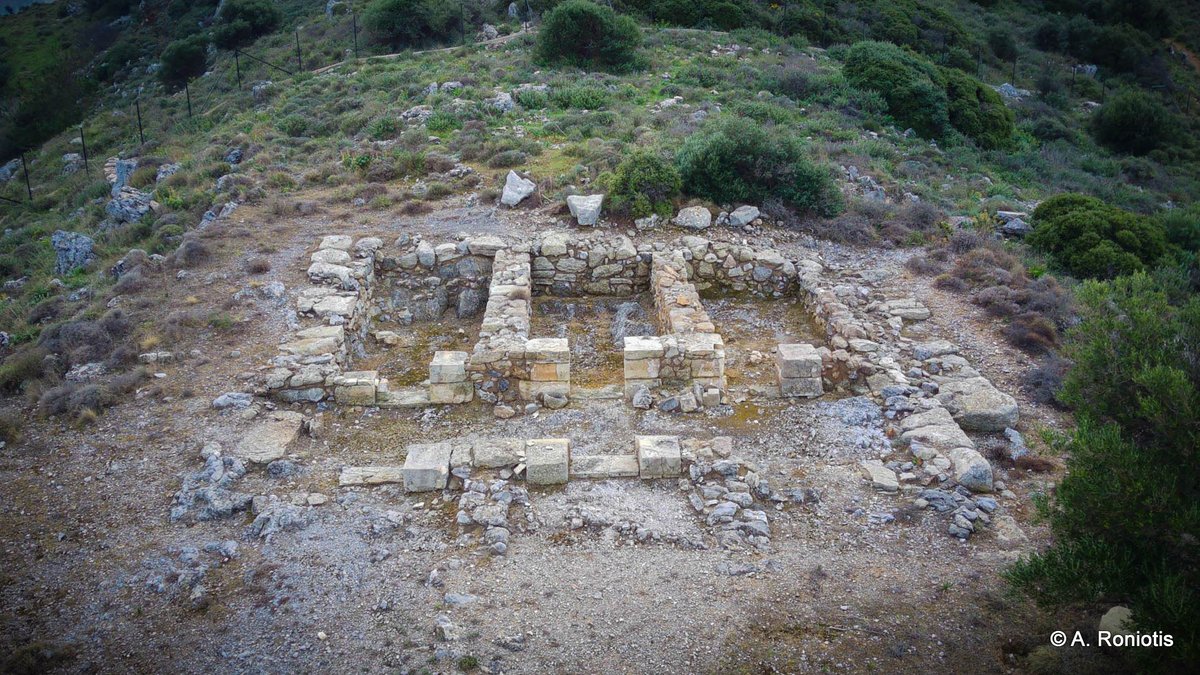
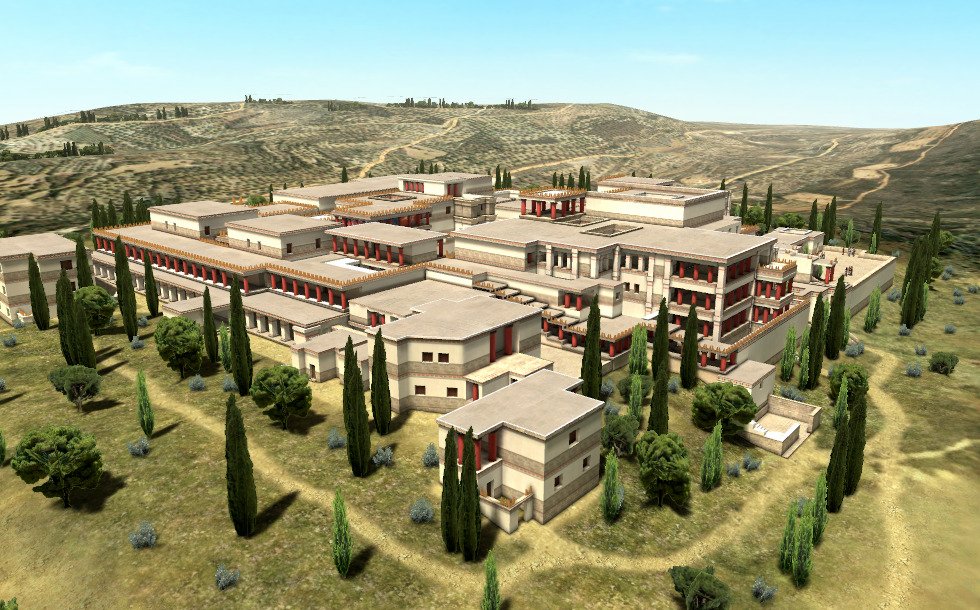
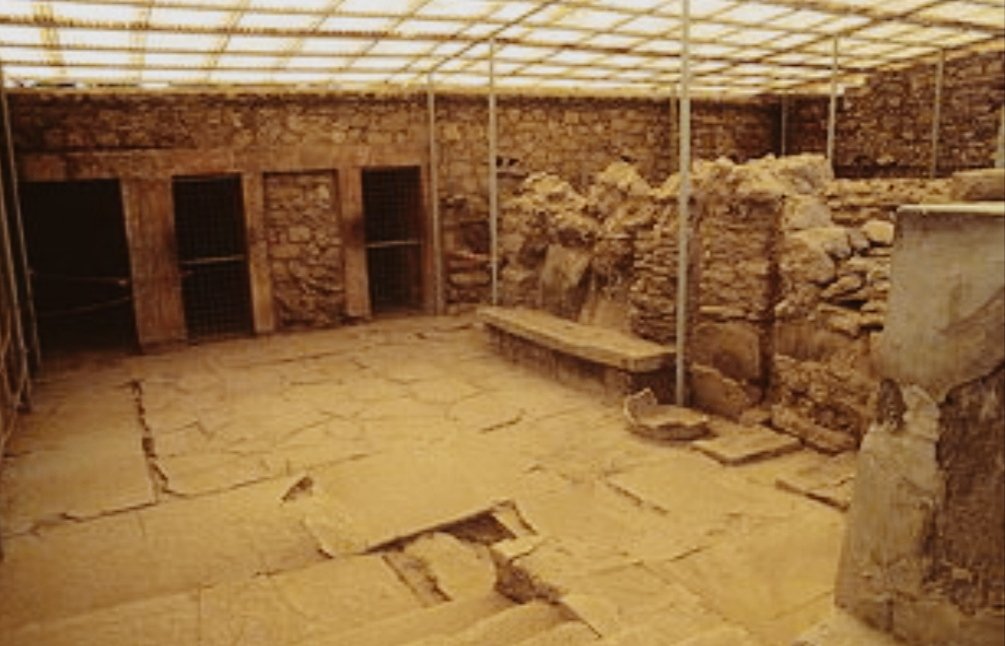
6/The Temple was a symmetrically rectangular building,consisting of three rooms on the south side and a vestibule on its north side, having a clear palatial orientation. In this building a unique finding was found that shocked the scientific community of the time - a Minoan drama
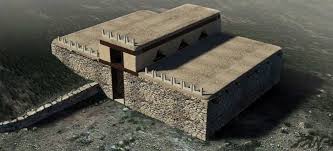
7/ It should be noted that the building was destroyed by an earthquake and subsequent fire around 1700 BC, as evidenced by the elaborate Minoan pottery, the fallen stones along with the roof and the traces of fire in various areas and objects of the Temple.
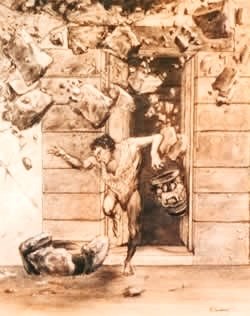
8/ Initially, sherds of 150 different vessels were found in the vestibule along with animal bones. In this area and towards the exit of the building, a disturbed human skeleton was found, with his death determined to be violent and result of the roof falling.
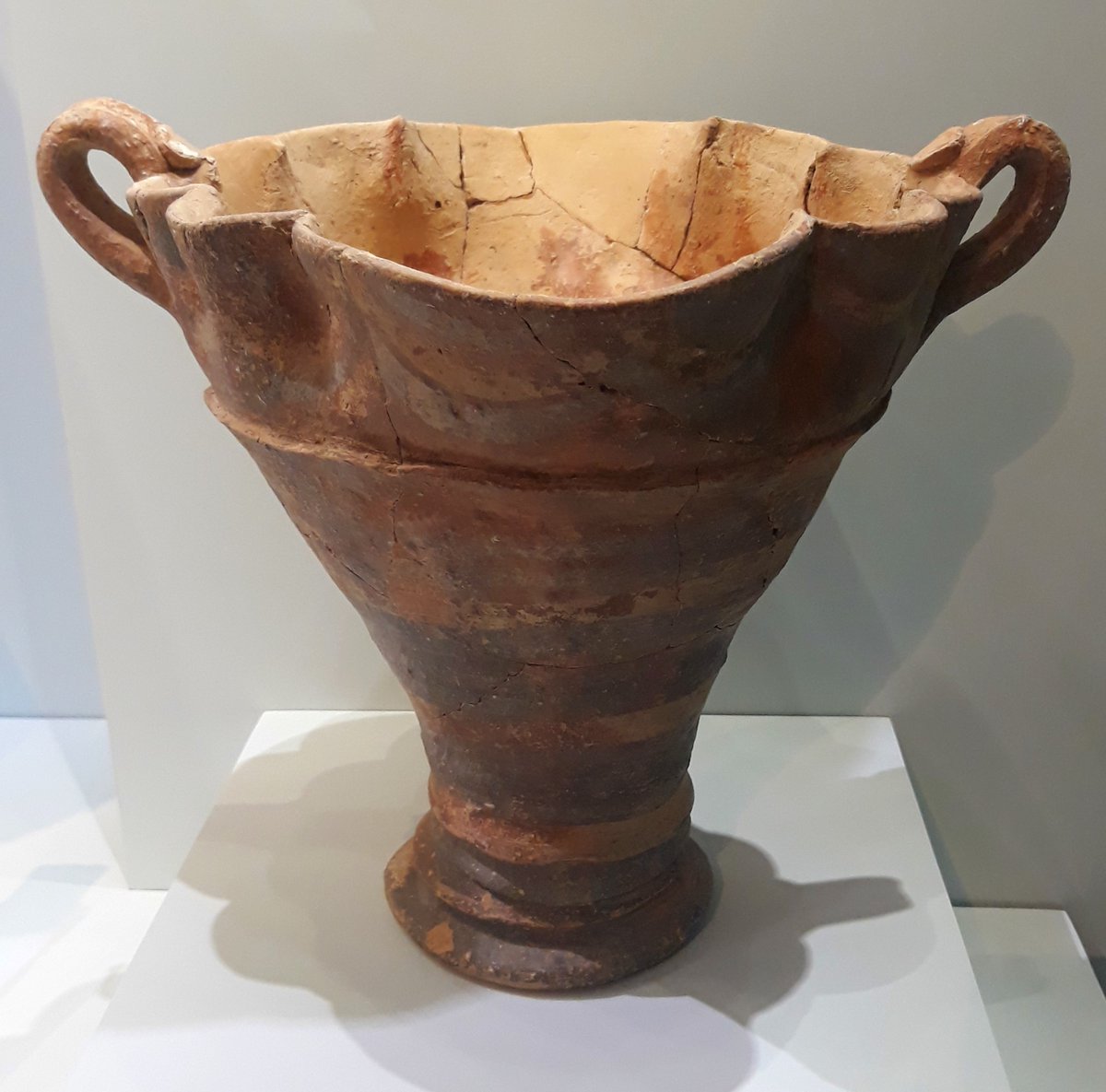
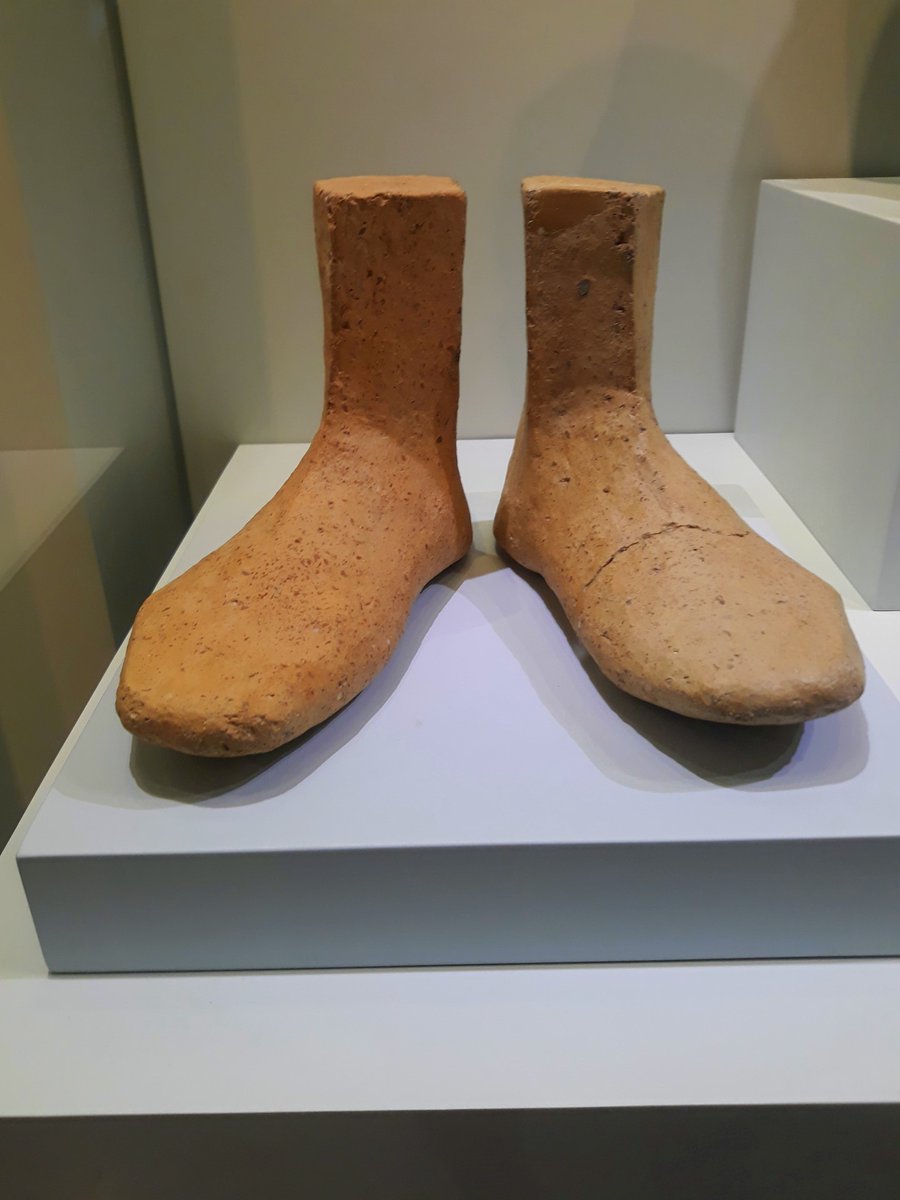
9/ In the central room, which was filled with pithoi and various other vessels, the rock on its southern side had been hewn away to create a platform, on which stood an oversized wooden cult xoanon, which stood on two clay feet.➡️
➡️ At the entrance of the room there was a typical Kamares-style pithus, which was used to collect sacrificial blood, mainly from animals, for the actualisation of libations.
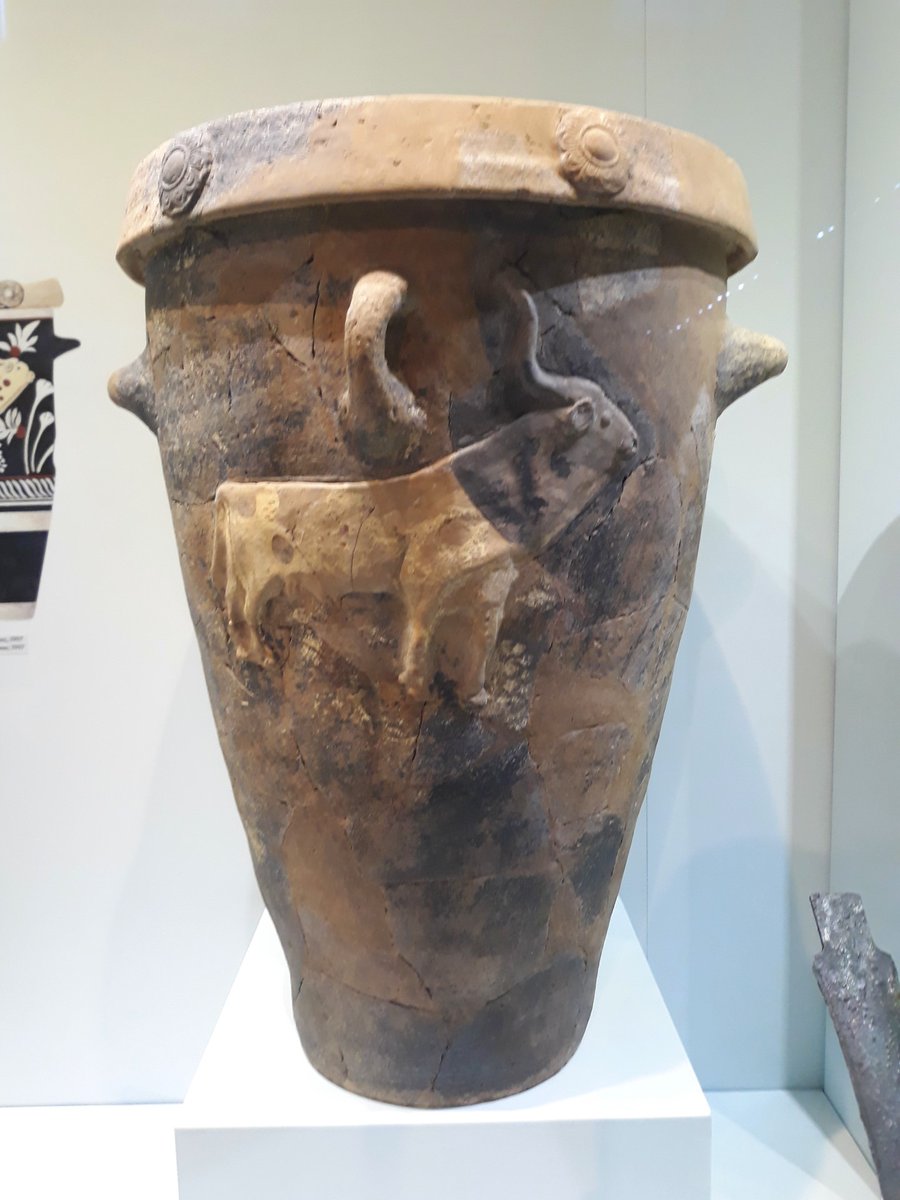
10/ In the eastern room there was a stepped altar on which offerings were placed, while all around were pithoi with depictions of religious ceremony scenes, which contained traces of milk, honey and peas, as well as various other ritual vessels.
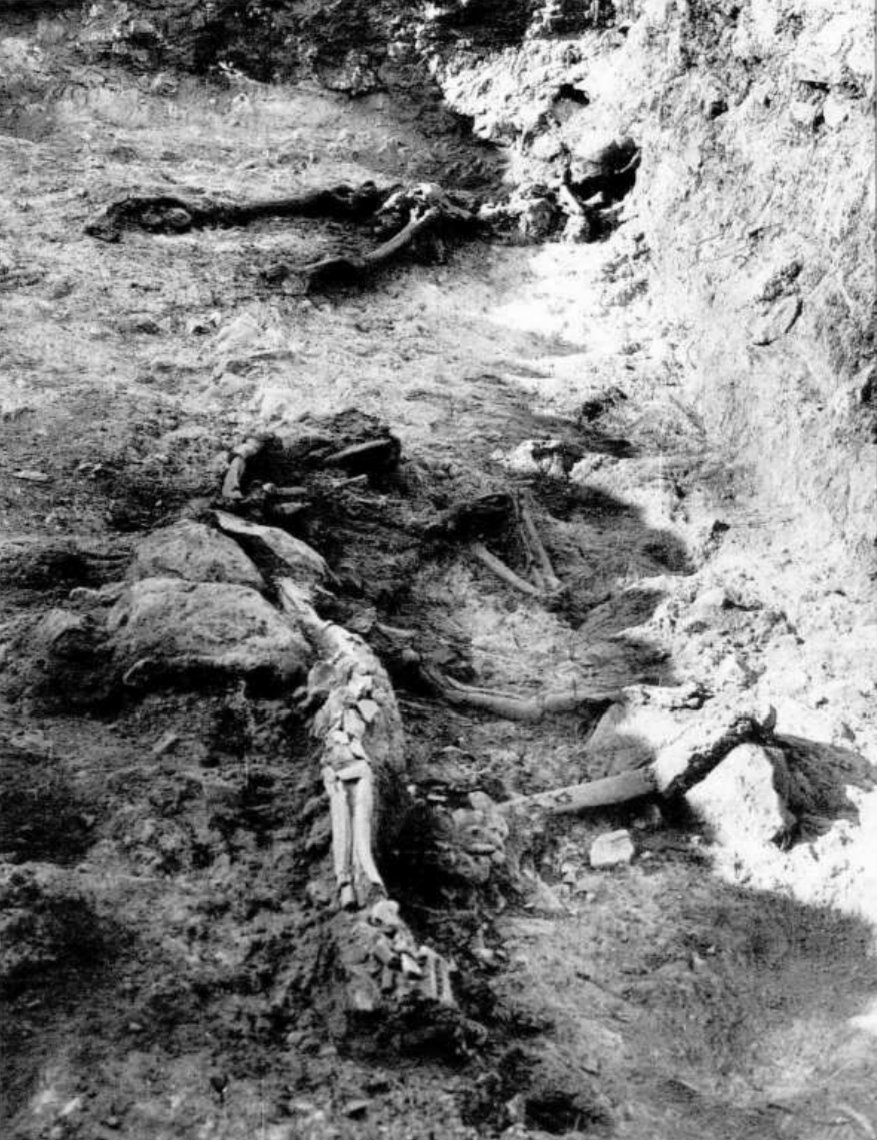
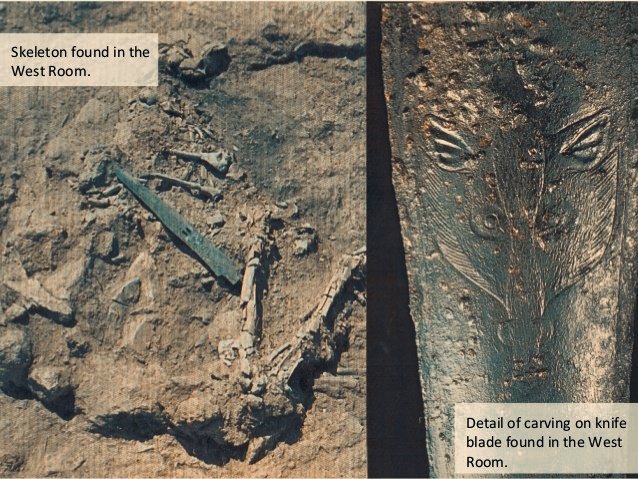
11/ In the western room, a bronze sacrificial knife was found, on a skeleton of a young man aged about 18 years old and 1.65 m. in height, having a characteristic depiction of a wild boar's head. ➡️
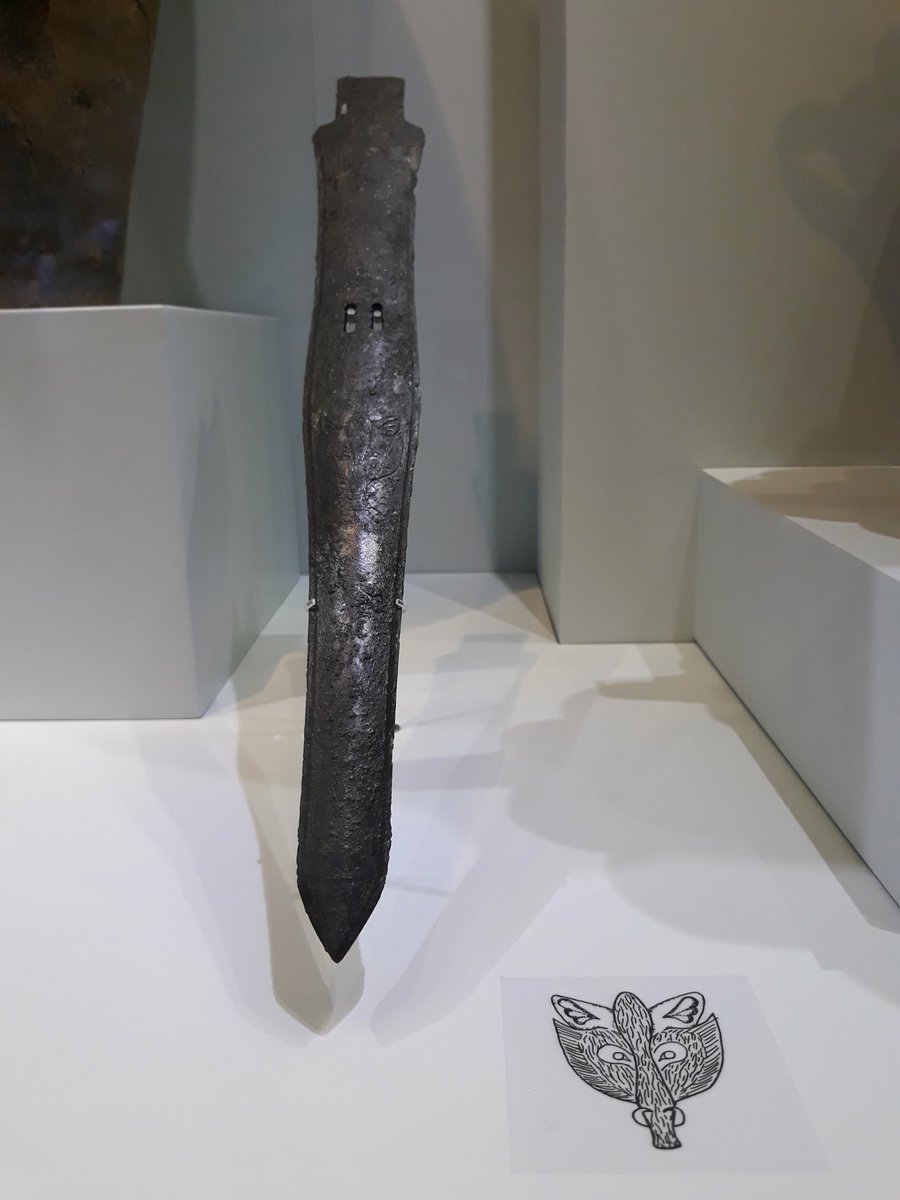
➡️ The young man appears to have been in a fetal position with his legs possibly tied, and had lost a lot of blood before being burned by the fire.
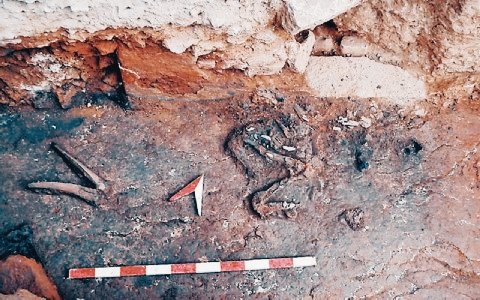
12/ Next to him was found the skeleton of a mature man aged about 37 years old and imposing stature of 1.78m. with a characteristic attitude of man who was suddenly crushed with his hands instinctively raised to protect his head and retreating slightly.
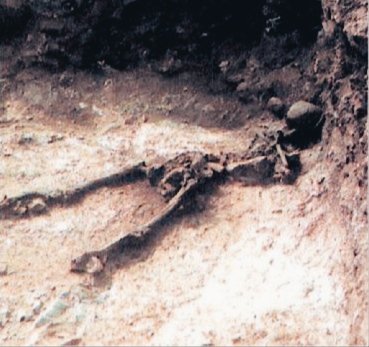
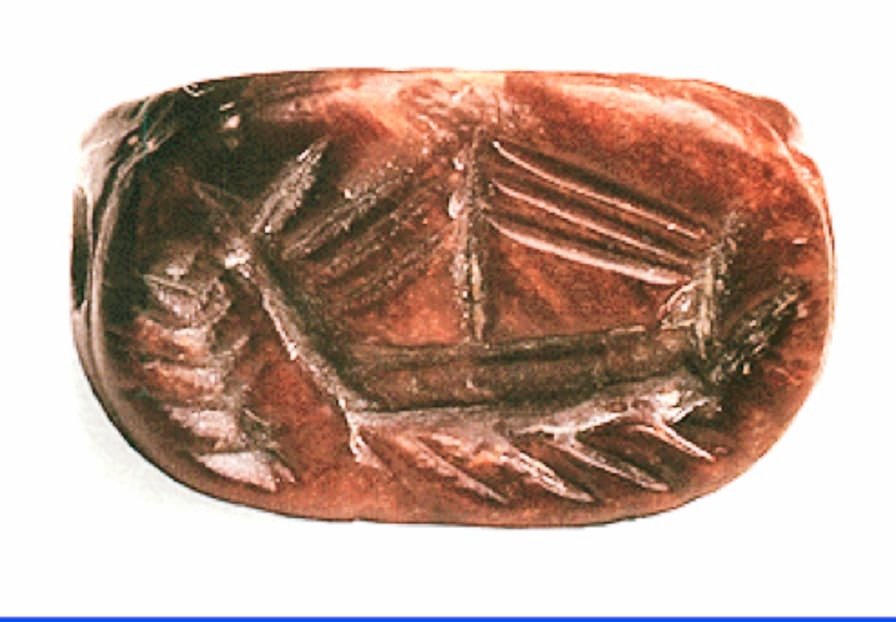
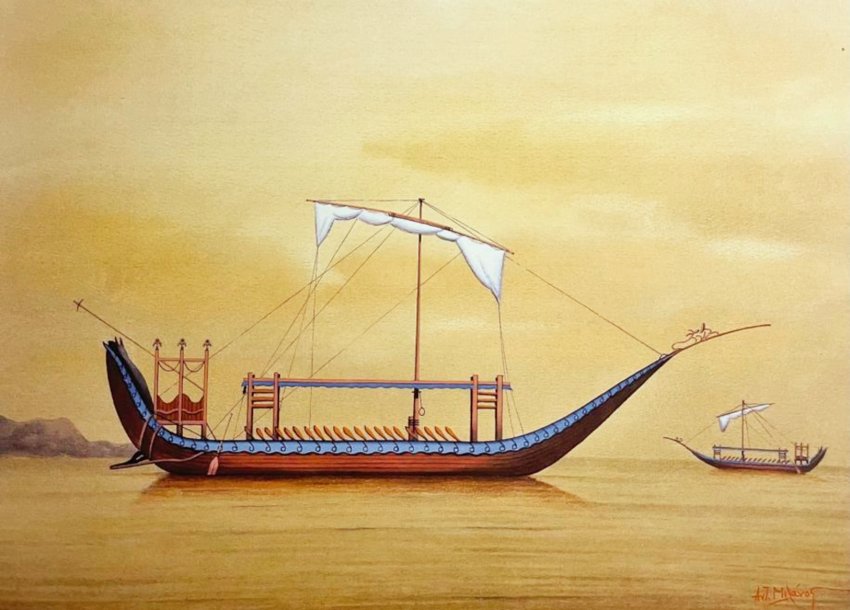
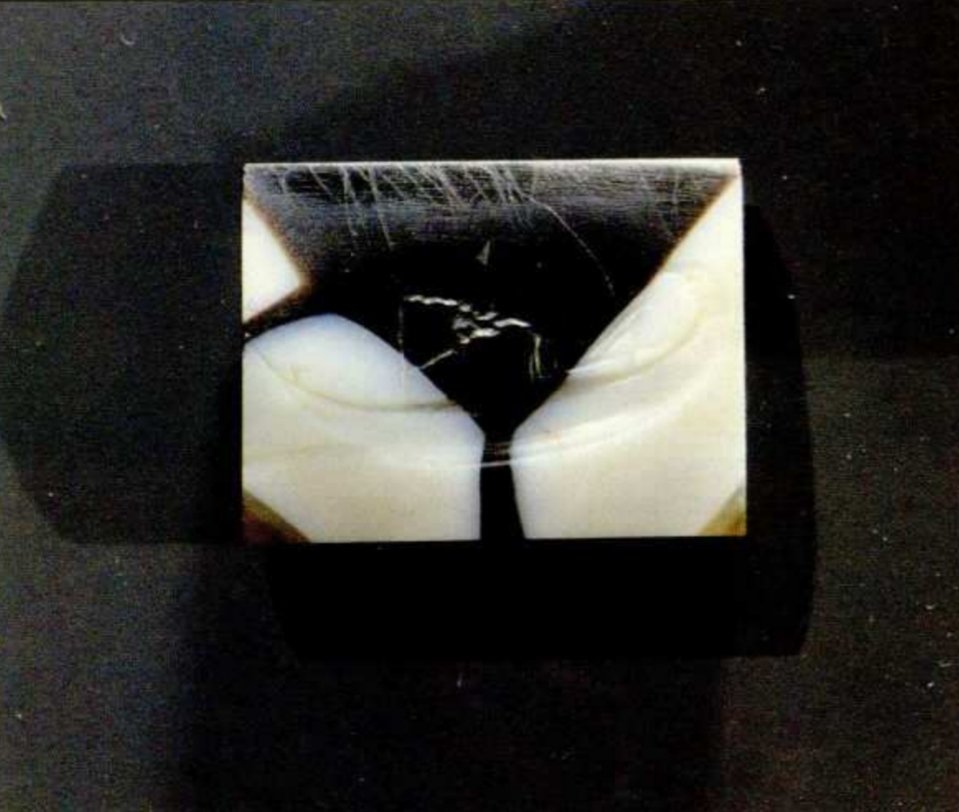
13/ On his hand he wore two significant objects denoting his high social status: a silver ring lined with iron, rare for the time, and a veined agate seal depicting a ship with its oarsman.
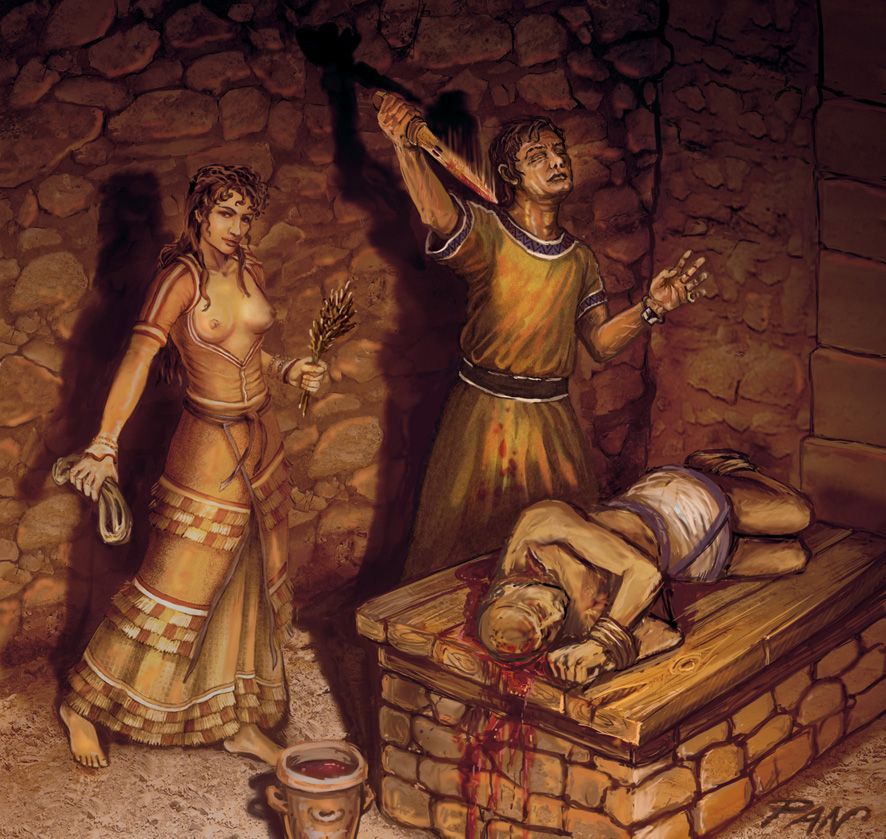
14/In a corner of the western room also came to light a skeleton of a woman aged about 28 years old and 1.45m. in height, who suffered from Mediterranean anemia. A special element is the fact that, apart from the human skeletons, the western room was completely empty of ceramics.
15/ The excavators proceeded with a courageous for the time interpretation of the data found. The priesthood alarmed by strong pre-seismic tremors proceeds to the supreme act of appeasing the chthonic deities to avoid the great earthquake' in a human sacrifice of a young man.
16/ However, the earthquake occurred at the time of the ritual and was so powerful that it destroyed the Temple of Anemospilia, killing the three members of the priesthood and burying them in the ruins, while at the same time leveling all the important palatial centers of Crete.

17/ The excavators' theory of human sacrifice, although initially met with intense criticism, over time was accepted by the majority of the scientific community, when similar findings came to confirm the practice of human sacrifice in Minoan Crete.
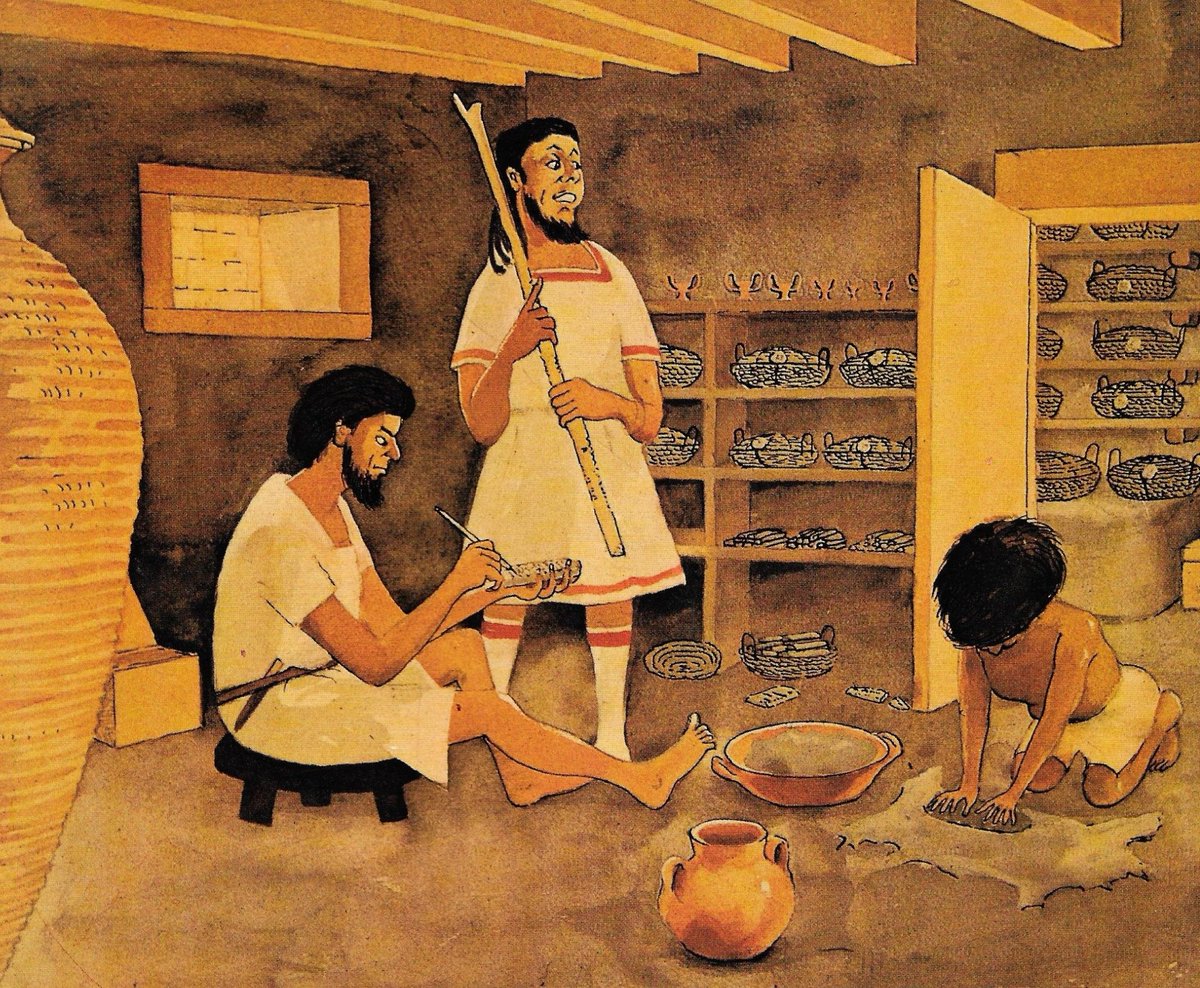
18/ Around the same period, the leading British archaeologist Peter Warren, during systematic excavations in the "North House" of the palace of Knossos, which is considered a ritual space, discovered along with animal bones (lambs and goats),➡️
➡️ the existence of the bones of at least four healthy children, which bore characteristic signs of sacrificial victims, similar to those of sacrificial animals.
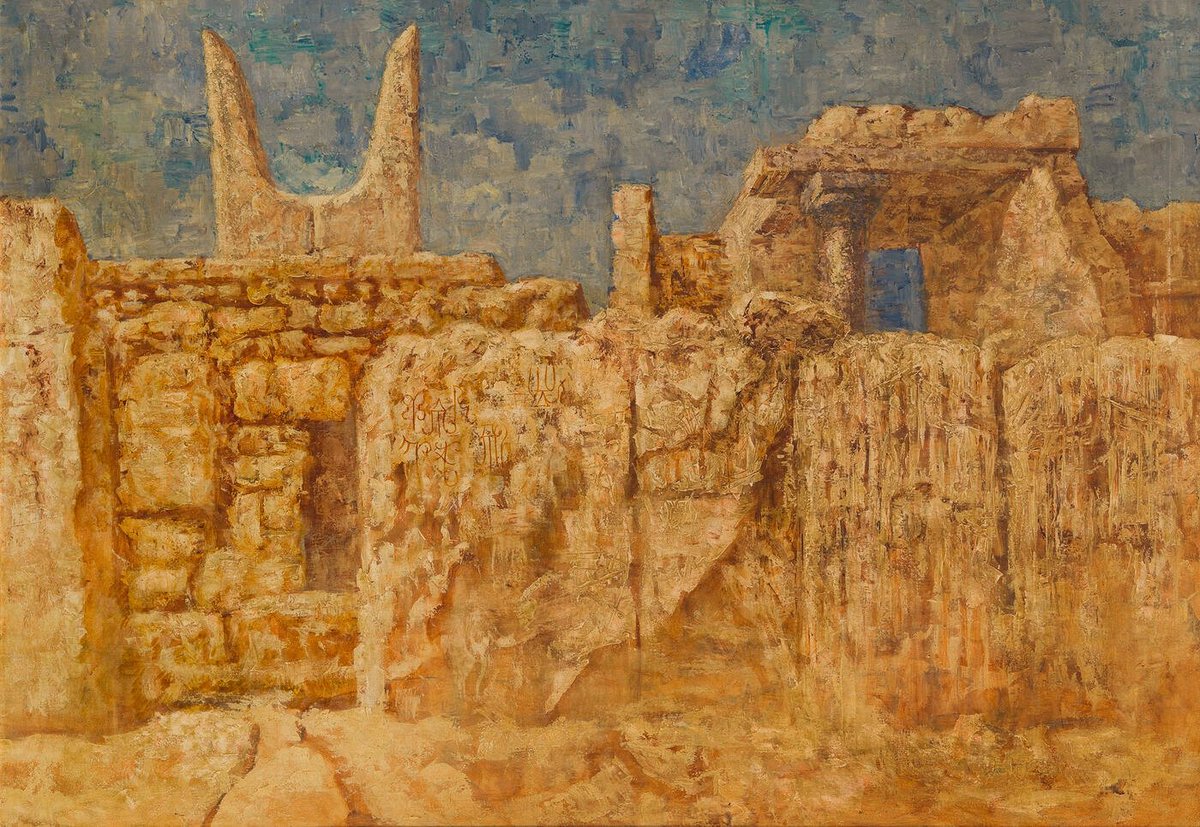
19/ According to the excavator, the sacrifice of the children was not a simple case of human sacrifice, but the available evidence shows that we are dealing with a case of cannibalism,➡️
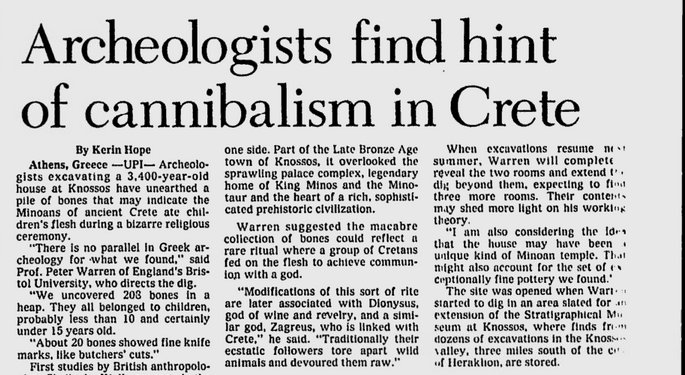
➡️ in which the children, after being butchered, their flesh was cooked and was then eaten within a hideous ritual sacrifice associated with some chthonic deity of the rebirth of nature. These bones date back to the LM IB period, before the arrival of the Mycenaeans in Crete.
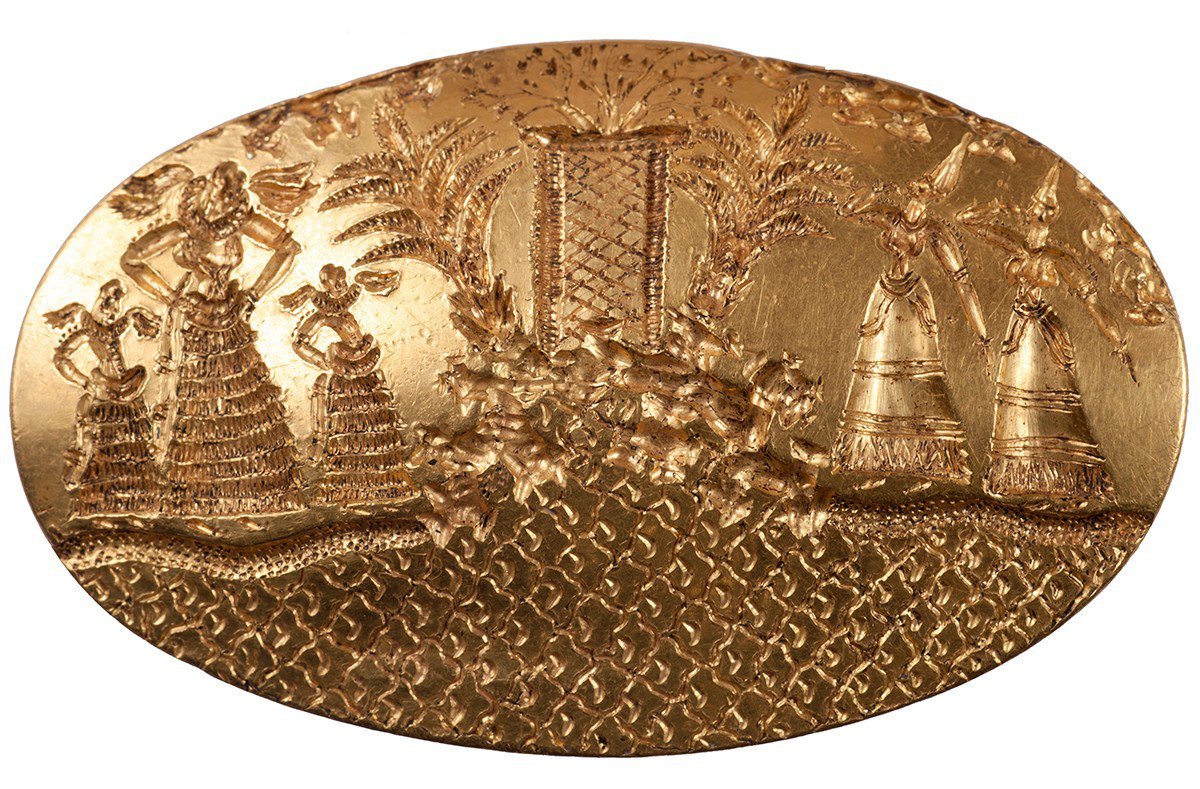
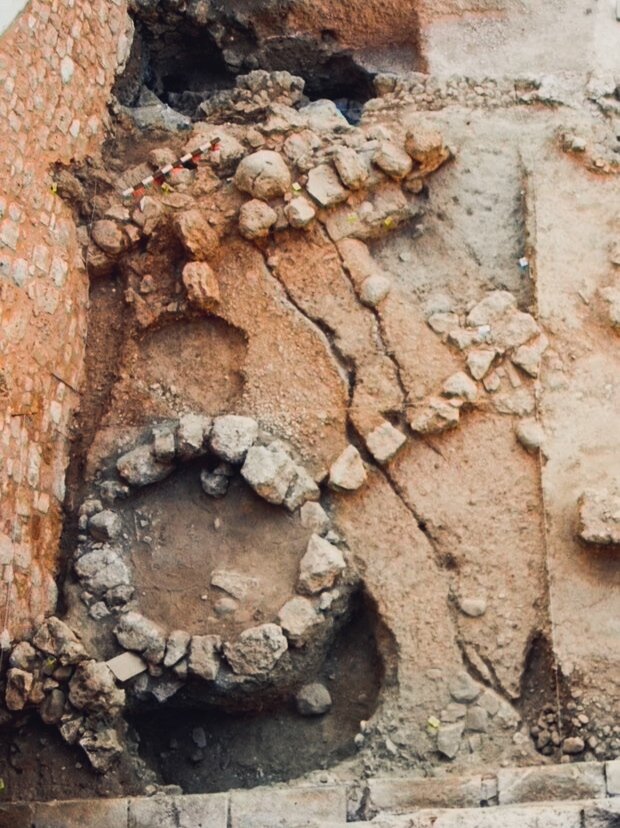
20/ Recently (2007) Greek archaeologists discovered traces of a human sacrifice in the Mycenaean palace of Kydonia (Chania) after a strong earthquake that caused a fire and total destruction of the building. The above event must have taken place around 1280 BC.
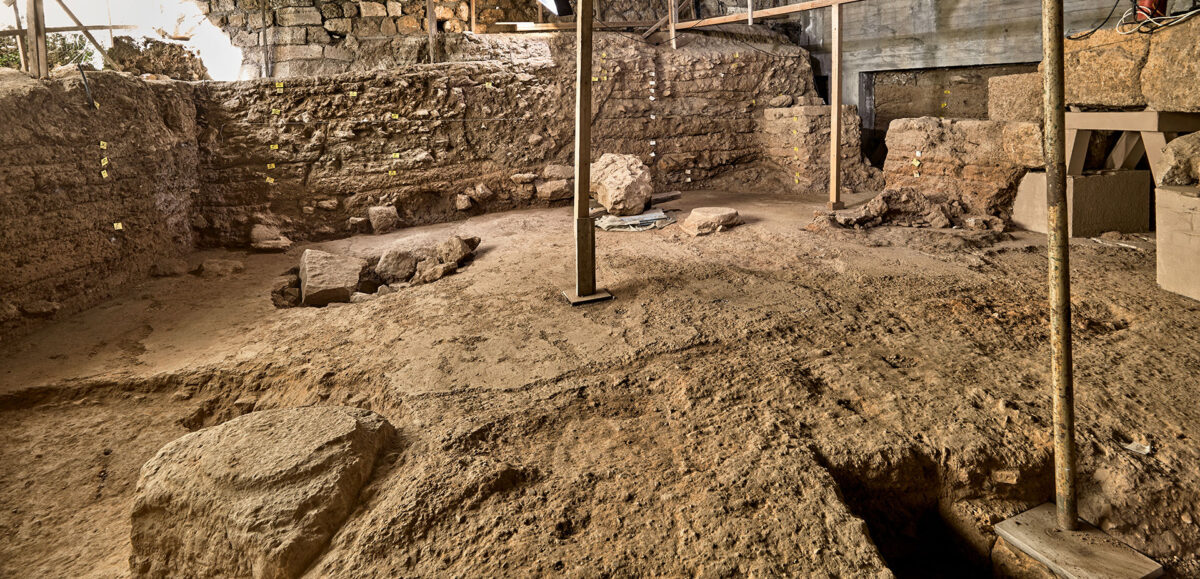
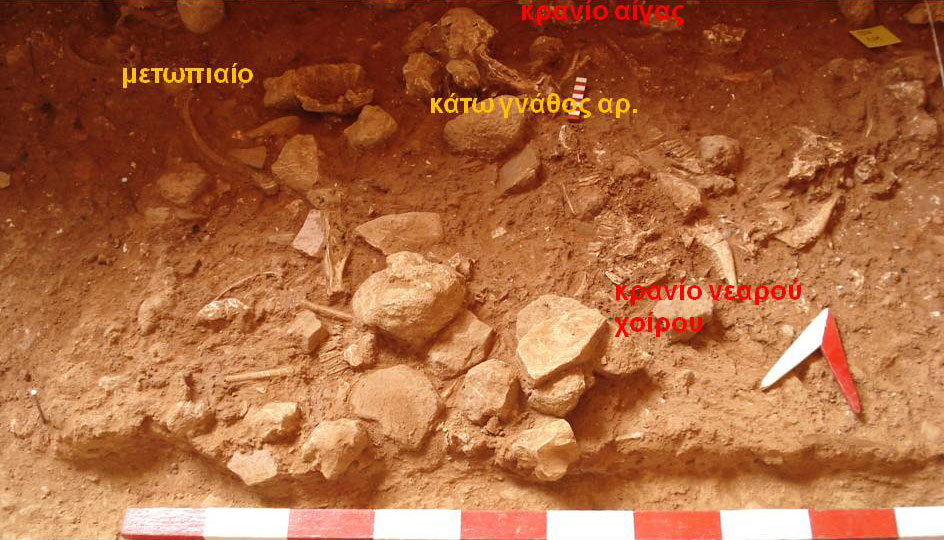
21/ After the destruction, the palace members wanted to appease the chthonic deities by performing a ritual sacrifice of a young woman together with 43 sheep and goats and chamois, 4 pigs and an ox.➡️
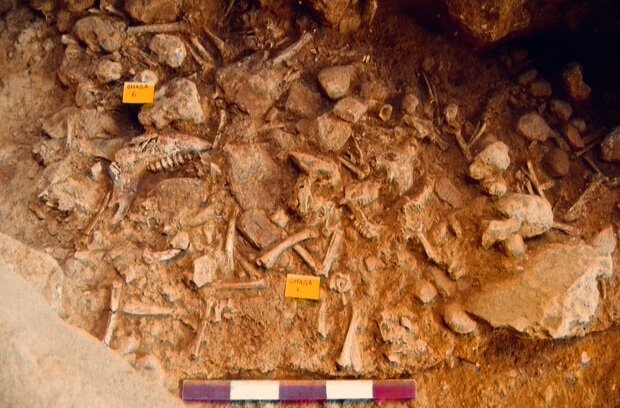
➡️ They then dismembered the limbs of the young woman and the animals and deposited them on various raised parts of the palace floor.
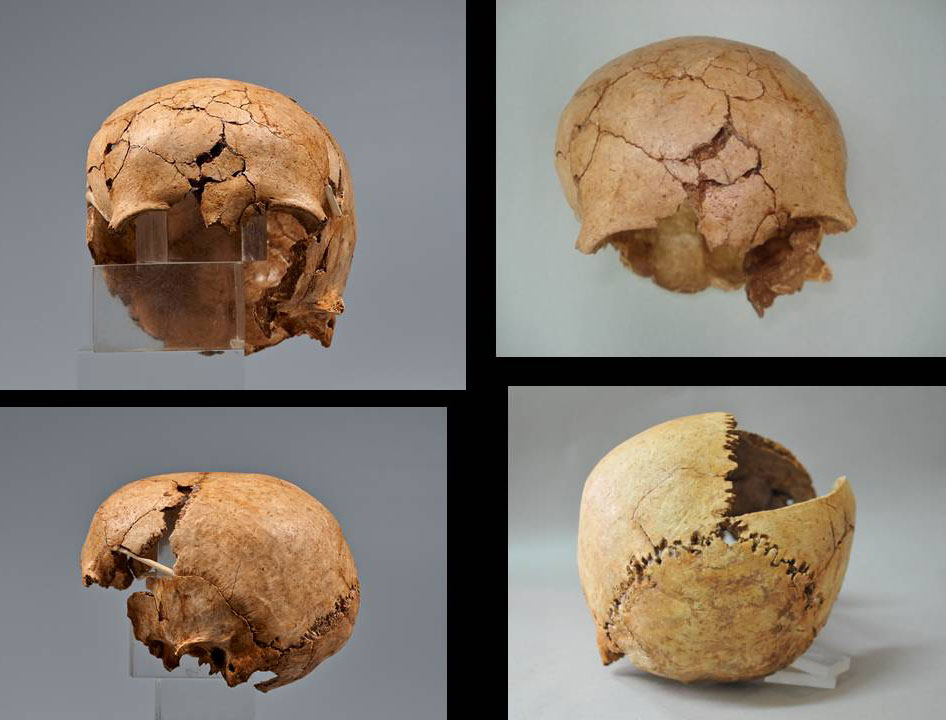
22/ In fact, the skull of the young lady was carefully dismembered with the use of a sword; the two parietal bones, the occipital and the frontal, are not fragmented, but were opened by their natural seams and scattered, while the right lower jaw was also found near them.
23/ Although the framework of the palace of Kydonia is Mycenaean, the Minoan influences are evident, probably also in the realization of these shocking ritual practices. In the end the Minoan Cretans have nothing to do with what our textbooks want to show us.
• • •
Missing some Tweet in this thread? You can try to
force a refresh