1/ The pro-Kremlin Telegram channel Mash has posted more biographical information on Mahir Yusubov, the man who the Russian authorities say drove the truck that exploded and partly destroyed the Crimea/Kerch Bridge. Translation follows: ⬇️
2/ Relatives of Mahir Yusubov, the alleged driver of the truck that exploded on the Crimean bridge, live in Kazan.
The family moved here back in Soviet times.
3/ His cousin said that the 52-year-old man was in the trucking business: he carried fruit, groceries and other things and worked at the Kolkhozniy market. He had 'Valdai' trucks, 'Gazelles', and was now driving an 'American'.
4/ Mahir moved to Krasnodar two years ago: his three children (a daughter and two boys) and wife wanted to live in a warmer climate.
5/ In the south, the family took out a mortgage on the house; they wanted to sell the Kazan property and asked their relatives to make repairs to make it more profitable.
Today a cousin received a video of Mahir's truck being blown up.
6/ His cousin thinks that Yusubov might have been set up - he has allegedly never been a bad friend of anyone and kept in touch with his cousin and called him. He told me the other day that he was going to Crimea.
7/ The relative was surprised, because he usually went the other way - Kamyshin, Volgograd. Now Mahir cannot be reached. /end t.me/breakingmash/3…
• • •
Missing some Tweet in this thread? You can try to
force a refresh

1/ Russia is reportedly considering proposing a wide-ranging economic partnership with the Trump administration, including joint cooperation to push fossil fuels as an alternative to Chinese and European clean energy solutions, in opposition to curbing climate change. ⬇️
2/ Bloomberg is reporting that Russia has prepared a seven-point memo that includes a return to the dollar settlement system, reversing Putin's by now well-established policy of creating an alternative system insulated from US economic pressure.
3/ The proposals also include joint US-Russian ventures in manufacturing, nuclear energy, oil and LNG extraction, preferential conditions for US companies in Russia to compensate for past losses, cooperation on raw materials, and jointly working against clean energy.
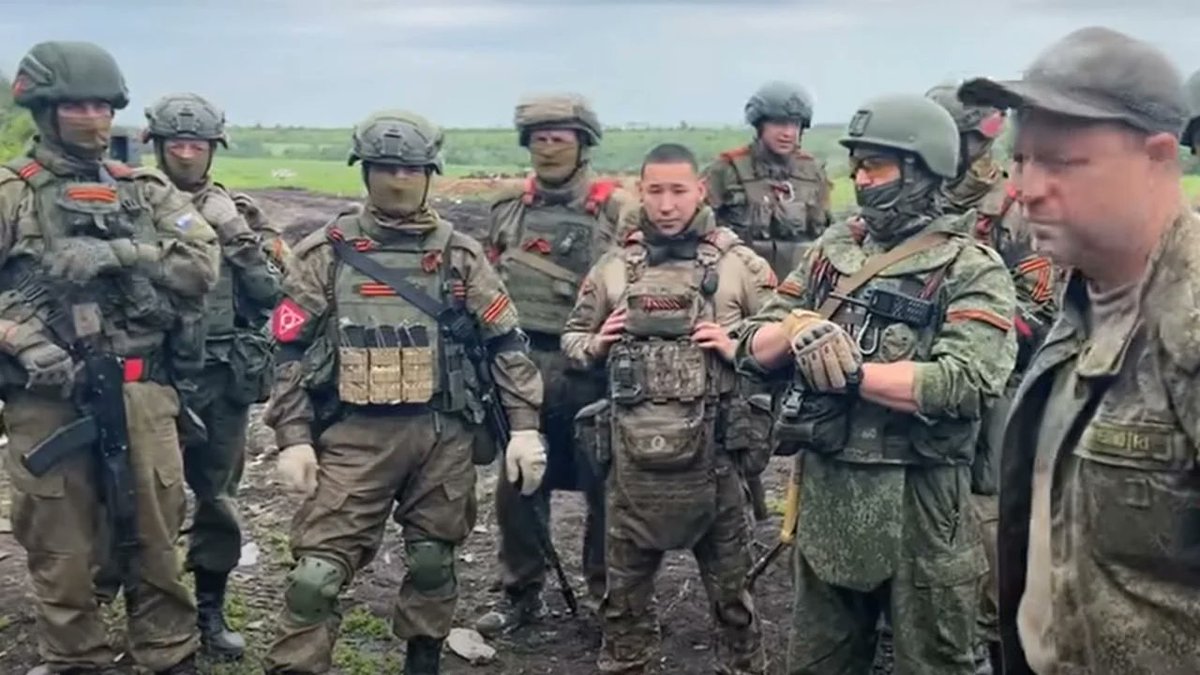
1/ Why does the Russian government appear to be so clueless about the role Telegram plays in military communications? The answer, one warblogger suggests, is that the military leadership doesn't want to admit its failure to provide its own reliable communications solutions. ⬇️
2/ Recent claims by high-ranking officials that Telegram isn't relevant to military communications have prompted howls of outrage and detailed rebuttals from Russian warbloggers, but have also pointed to a deeper problem about what reliance on Telegram (and Starlink) represents.
3/ In both cases, the Russian military has failed abysmally to provide workable solutions. Telegram and Starlink were both adopted so widely because the 'official' alternatives (military messngers and the Yamal satellite constellation) are slow, unreliable and lack key features.
1/ Telegram is deeply embedded into Russian military units' internal communications, providing functionality that MAX, the Russian government's authorised app, doesn't have. A commentary highlights the vast gap that is being opened up by the government's blocking of Telegram. ⬇️
2/ The Two Majors Charitable Foundation writes that without Telegram, information exchange, skills transfer, and moral mobilisation work within the Russian army will be crippled:
3/ "I'd really like to add that for a long time, we've been gathering specialized groups in closed chats, including those focused on engineering and UAVs, to share experiences and build a knowledge base. Almost everyone there is a frontline engineer.
1/ Russia's Federal Customs Service is seeking to prosecute Russian volunteers who are importing reconnaissance drones from China to give to frontline troops. It's the latest chapter in a saga of bureaucratic obstruction that is blocking vital supplies to the Russian army. ⬇️
2/ Much of the army's equipment, and many of its drones, are purchased with private money by volunteer supporters or the soldiers themselves. High-tech equipment such as drones and communications equipment is purchased in China or Central Asia and imported into Russia.
3/ However, the Federal Customs Service has been a major blocker. Increased customs checks on the borders have meant that cargo trucks have suffered delays of days or even weeks, drastically slowing the provision of essential supplies for the Russian army.
1/ Leaked casualty figures from an elite Russian special forces brigade indicate that it has suffered huge losses in Ukraine, equivalent to more than half of its entire roster of personnel. Scores of men are listed as being 'unaccounted for', in other words having deserted. ⬇️
2/ The 10th Separate Guards Special Purpose Brigade (military unit 51532) is a special forces (spetsnaz) unit under the GRU. It is a 2002 refoundation by Russia of a Soviet-era spetsnaz unit that, ironically, passed to Ukraine when the Soviet Union broke up in 1991.
3/ Since the invasion of February 2022, the brigade has been fighting on the Kherson front, which has seen constant and extremely bloody fighting over the islands in the Dnipro river and delta. Russian sources have reported very high casualties.
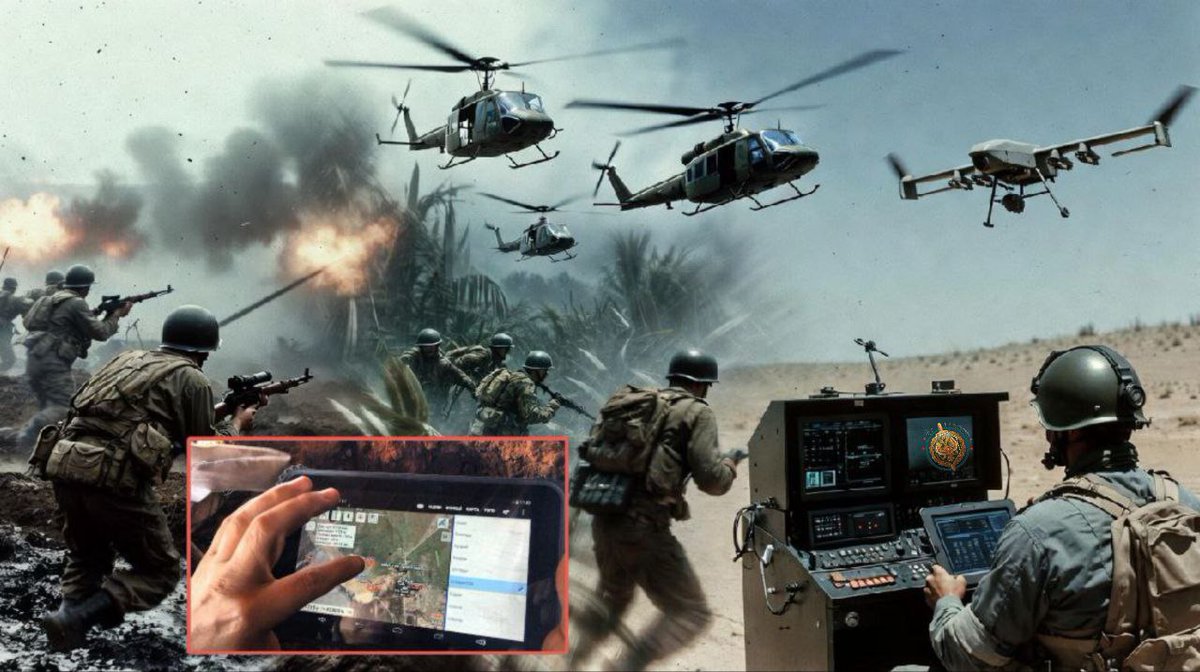
1/ Russian warbloggers are continuing to provide examples of how Telegram is used for frontline battlefield communications, to refute the claim of presidential spokesman Dmitri Peskov that such a thing is "not possible to imagine". ⬇️
2/ Platon Mamadov provides two detailed examples:
"Example number one:
Aerial reconnaissance of Unit N spotted a Ukrainian self-propelled gun in a shelter in the middle of town N."
3/ "Five minutes after the discovery, the target's coordinates and a detailed video were uploaded to a special secret chat group read by all drone operators, scouts, and artillerymen in that sector of the front.