A video of a Ukrainian M777 crew firing Excalibur rounds from the same spot for hours without any fear of russian counter battery fire.
That is very interesting as it tells us a lot about the artillery battle. A short thread 🧵:
1/n
First, if you fire M982A1 Excalibur rounds (range 40+ km) you're outside the range of all russian tube artillery, Grad, and Uragan. You can hit them, but they can't hit you.
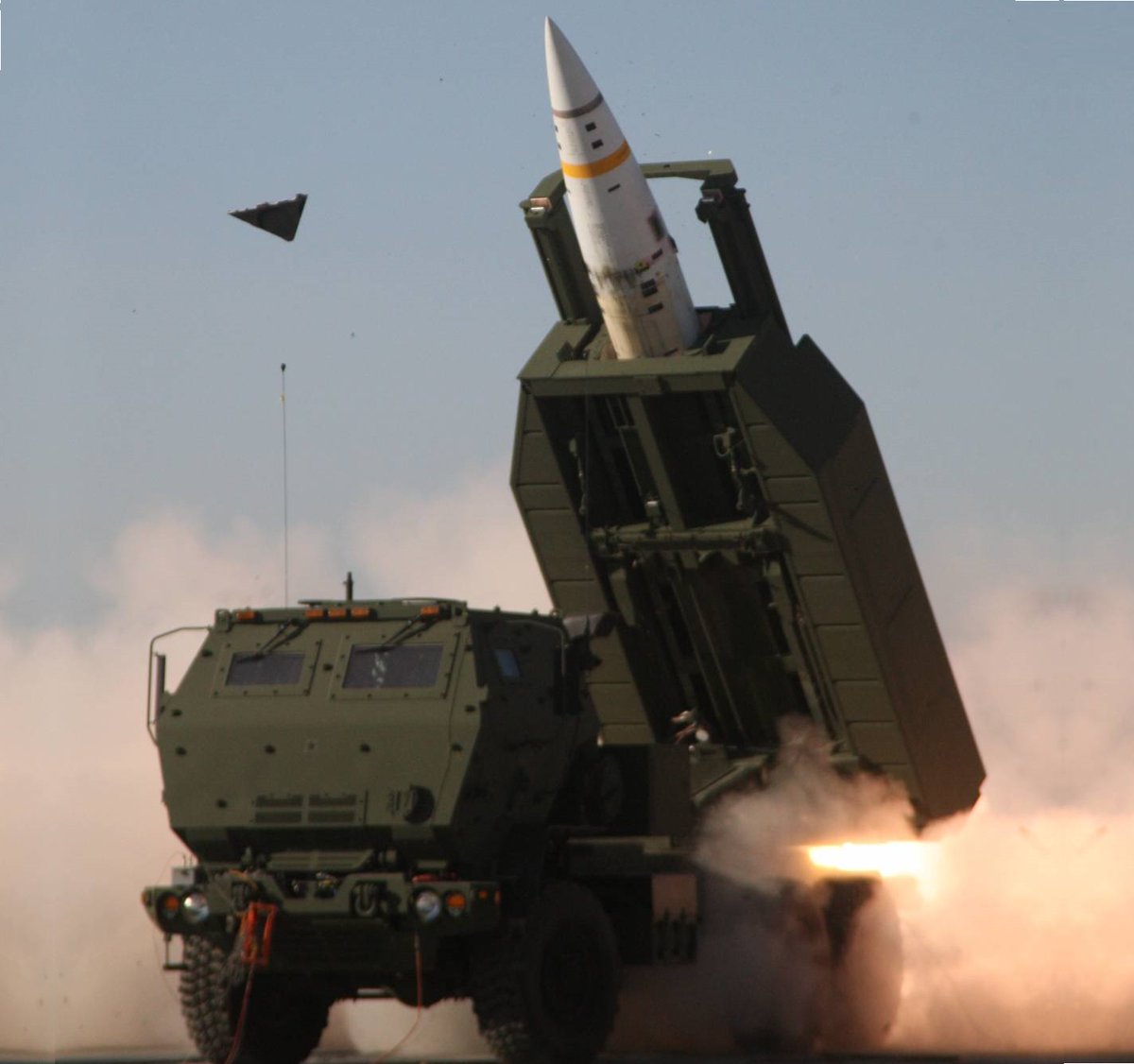
Secondly, M142 HIMARS and M270 MLRS have destroyed massive amounts of russian 2/n
artillery ammo. And thanks to the range and precision of GMLRS rockets Ukraine can hit and destroy all russian artillery it discovers.
russia has now less artillery systems and less ammo, and russian gunners have learned by now that if they fire a few rounds, then 3/n
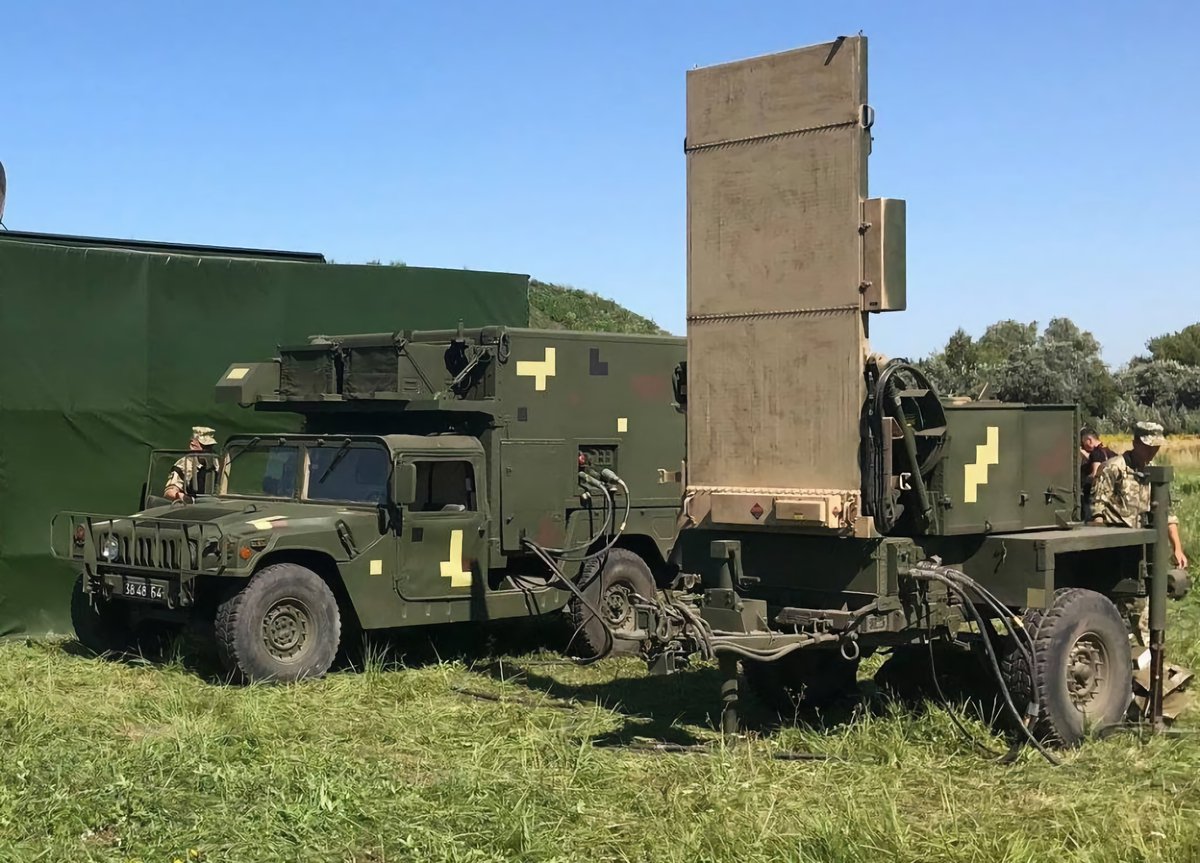
Ukraine's counter battery radars, like i.e. the German COBRA or the American AN/TPQ-36 will pinpoint the russian gunner's location within seconds and then Ukrainian shells and rockets come flying.
russia has counter battery radars of its own... but if russian operators 4/n
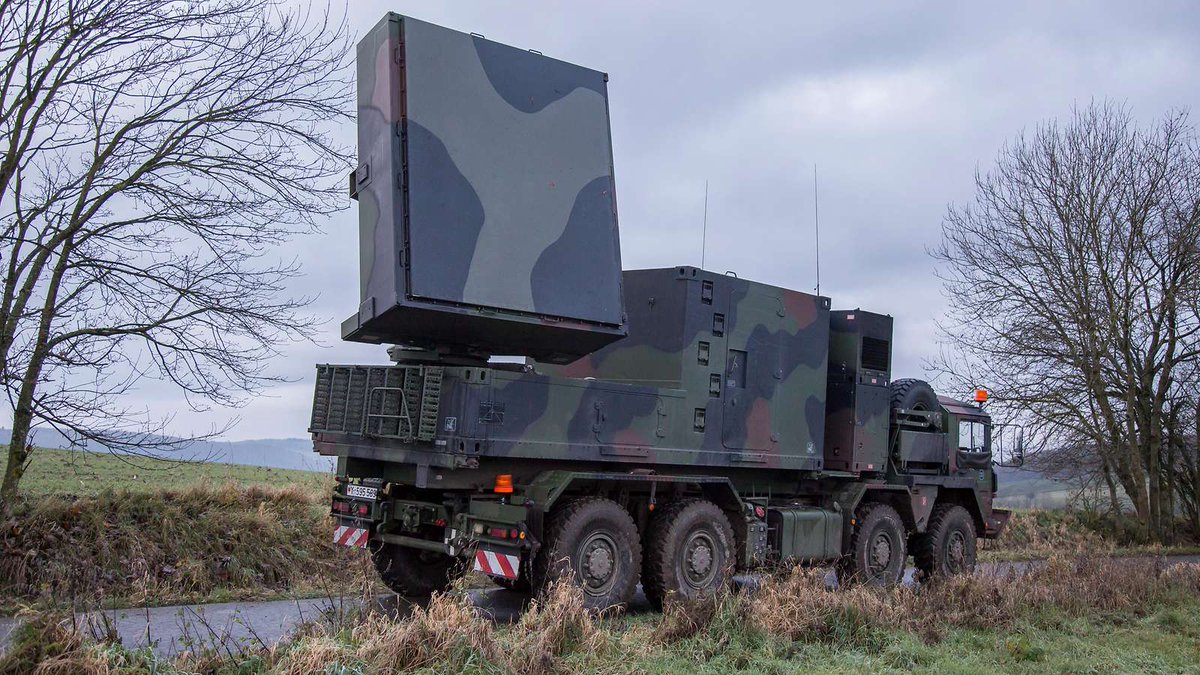
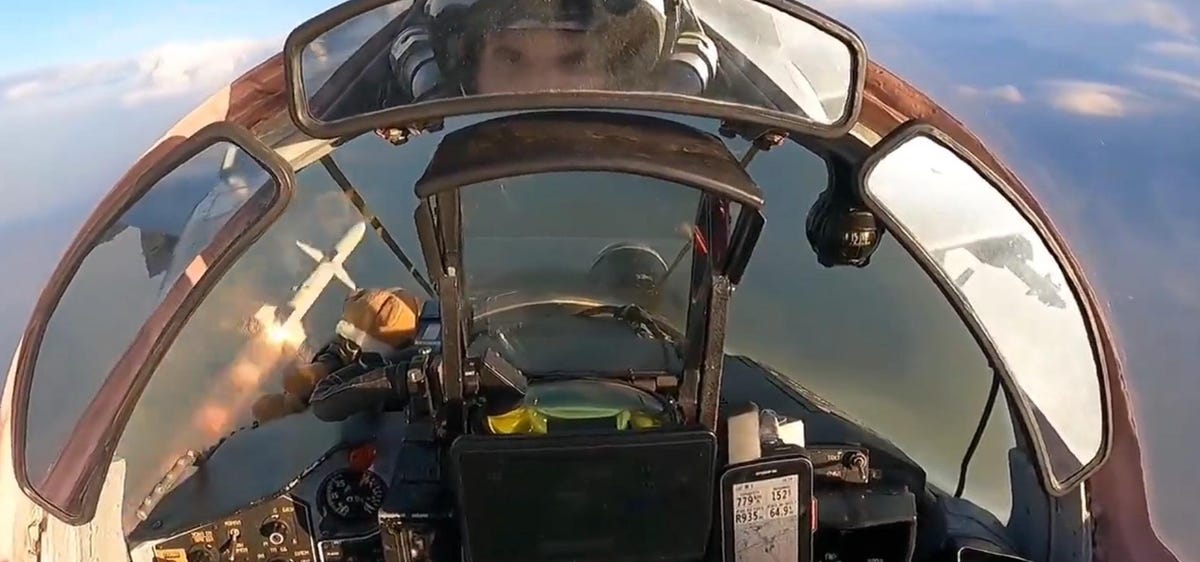
switch their counter battery radars on, they are gonna attract a AGM-88 HARM anti-radiation missile, which the US and Ukraine integrated on Ukraine's Mig-29.
And getting hit by a HARM is deadly. So, all that russia can do now to spot Ukrainian artillery is use their drones. 5/n
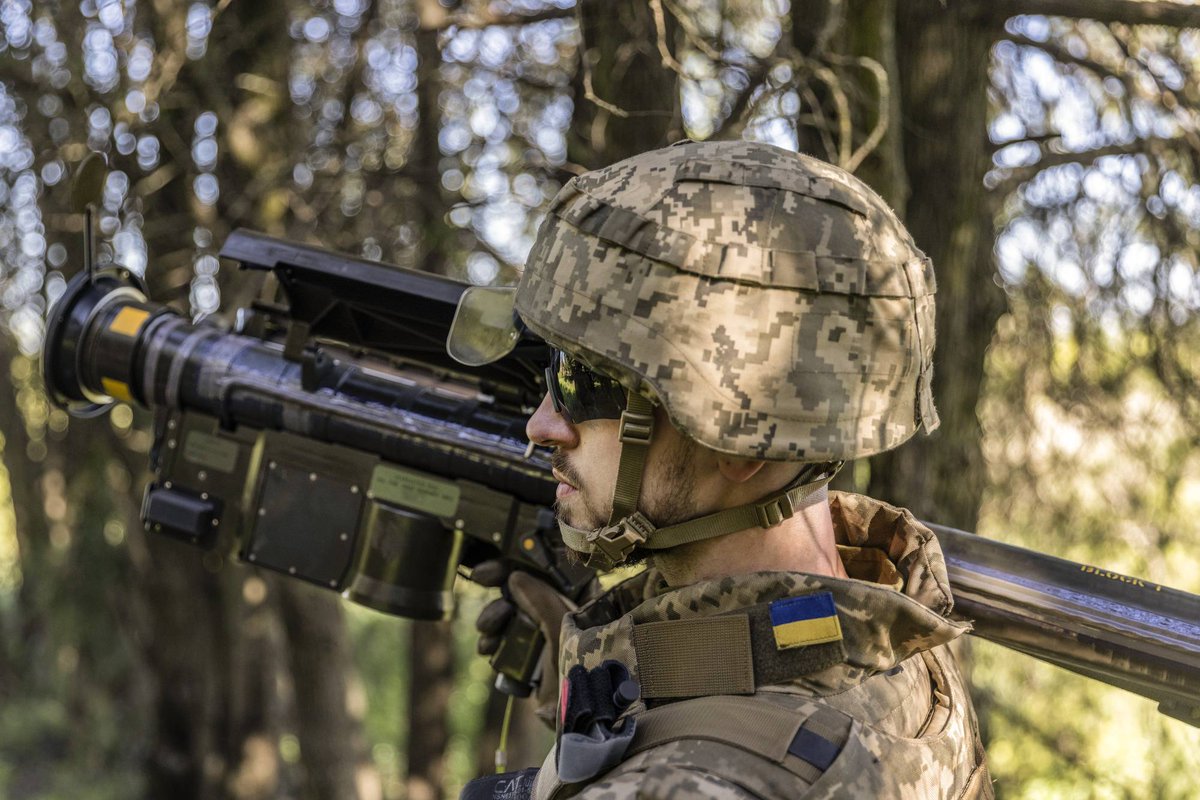
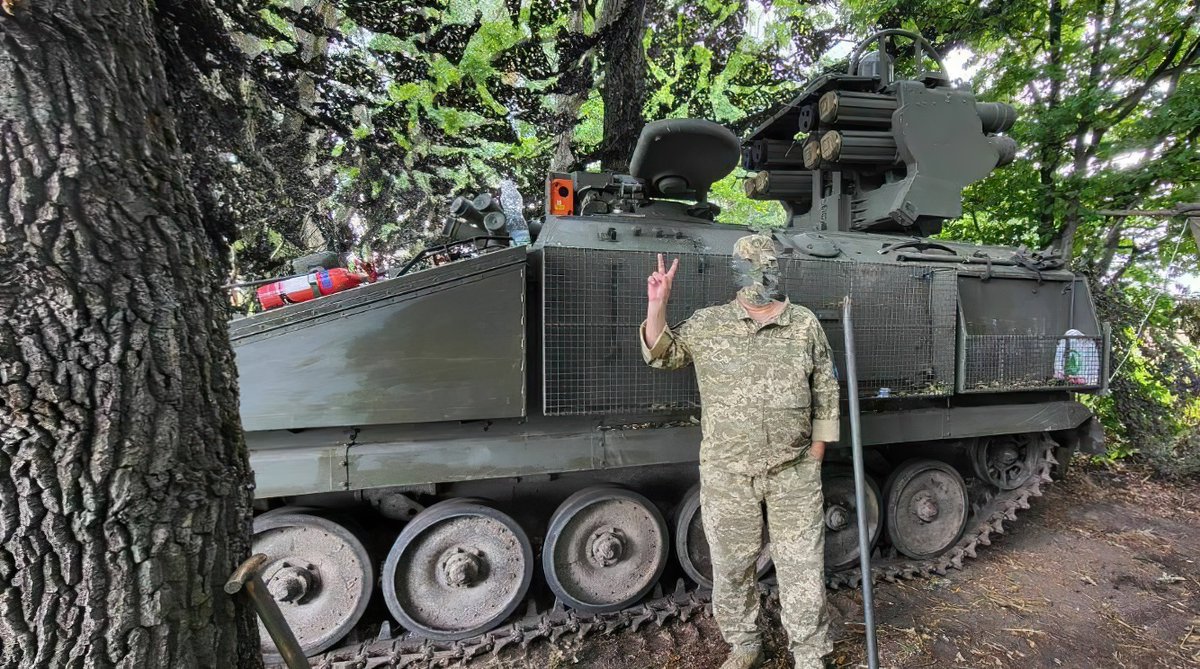
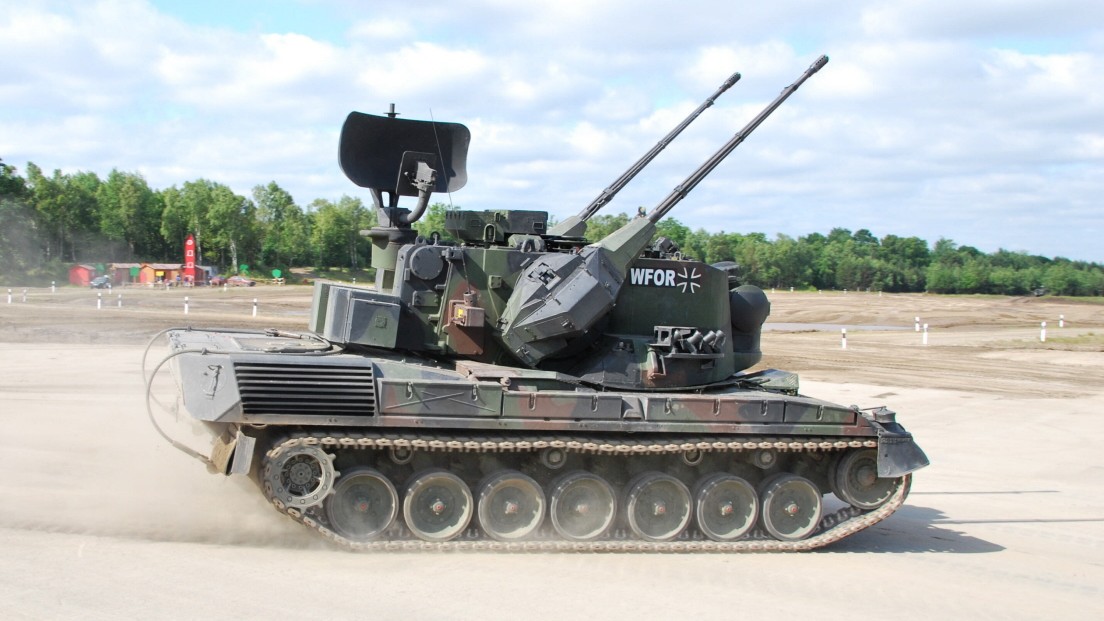
But with thousands of Stingers all over the front, and now also heavier weapon systems like the British Stormer HVM and German Gepard, using drones becomes riskier and riskier for russia, which as we know is unable to replace the drones it lost so far (that is why putin had 6/n
to buy drones in Iran).
The Red Army and the russian army were both artillery-centric, and until HIMARS arrived the russians just smashed entire cities to rubble with their artillery to then conquer the ruins. That is over.
GMLRS, HARM, Stinger, Excalibur, etc. all
7/n
contributed to help Ukraine crush russia's artillery advantage... but advantage is not victory.
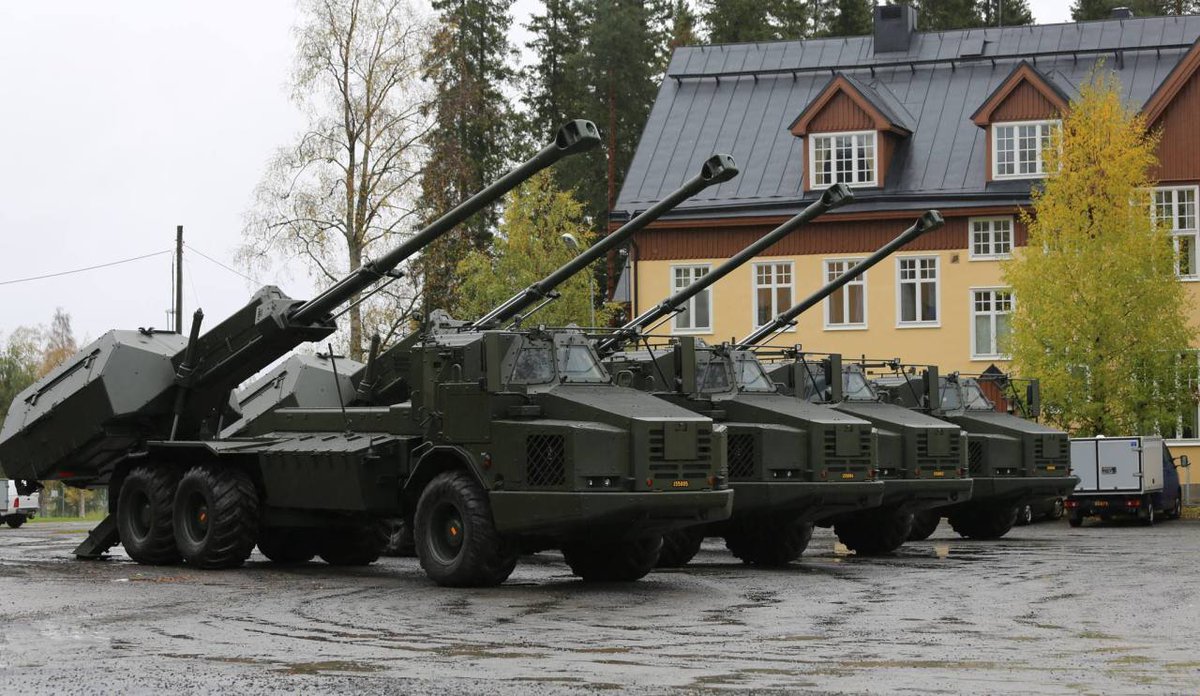
Ukraine needs more howitzers (especially self-propelled), more ammo (especially precision guided ammo), more air defense, and more radars to fully annihilate russia's artillery.
8/end
• • •
Missing some Tweet in this thread? You can try to
force a refresh

Gripen fans continue to spam my mention with claims how fantastic Sweden's Bas 90 and Gripen combination is... and that it would work for Canada's North too...
Ok, let's quickly compare Canada's three northern territories (Yukon, Northwest, Nunavut) and Sweden... ... 1/6
Land area:
🇸🇪 450,295 km2 (173,860 sq mi)
🇨🇦 terr.: 3,593,589 km2 (173,860 sq mi)
The land area of just the three territories (without Canada's 10 provinces) is already 8 times bigger than all of Sweden...
(In total Canada's land area is 9,984,670 km2
2/6
(3,855,100 sq mi) or 22 times Sweden).
Population:
🇸🇪 10.61 million
🇨🇦 terr.: 0.13 million
Sweden's population is 81.6 times bigger than that of the three territories... and if you look at population density:
🇸🇪 23,6/km2
🇨🇦 terr.: 0,013/km2
3/6
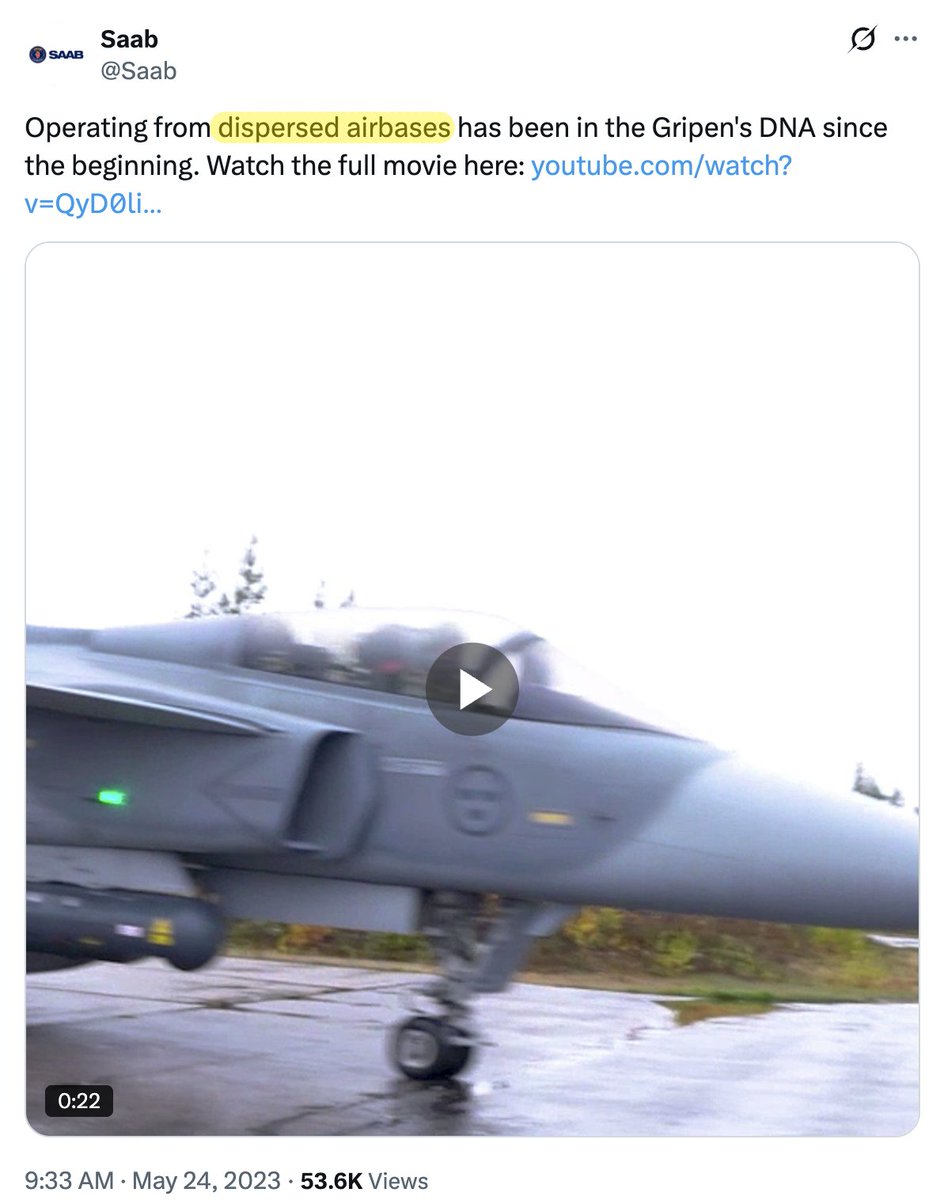
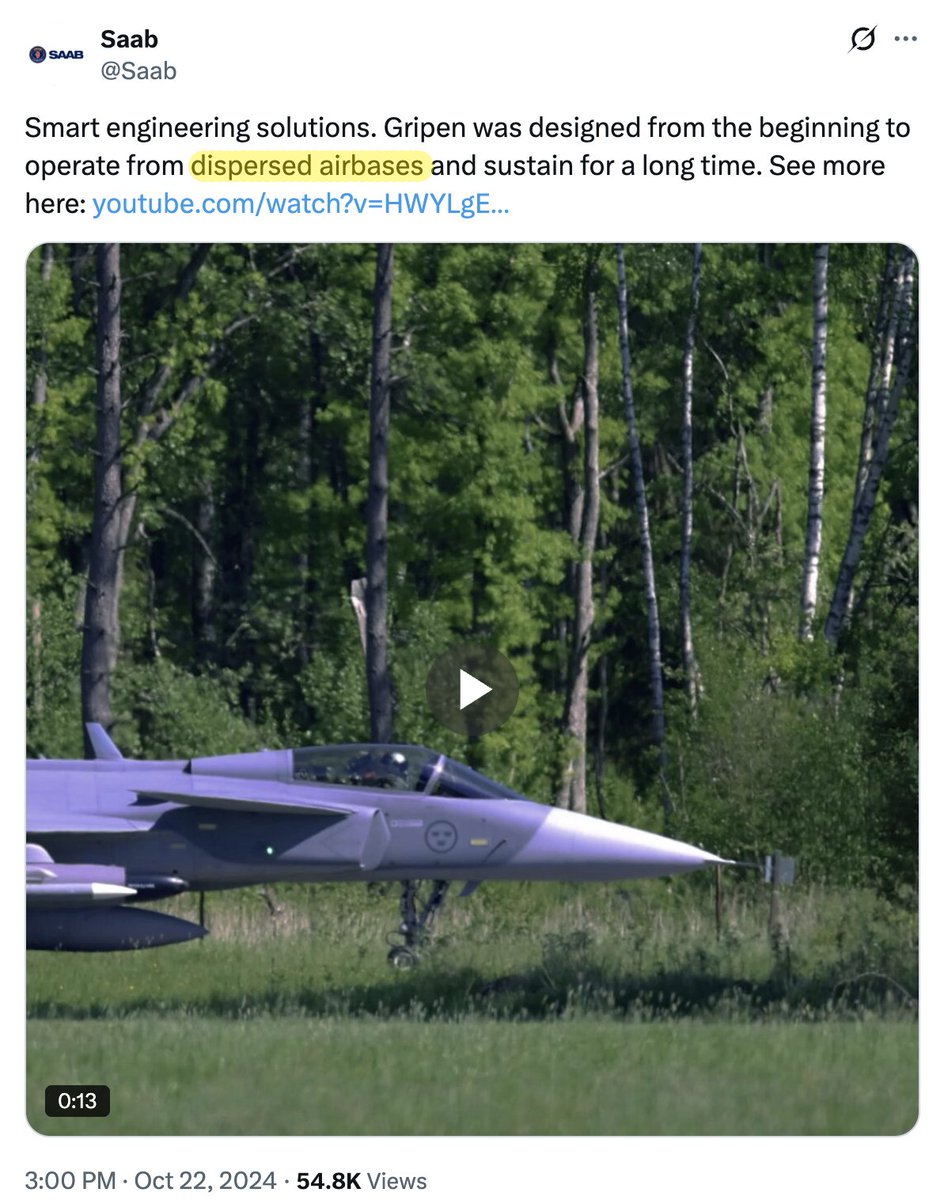
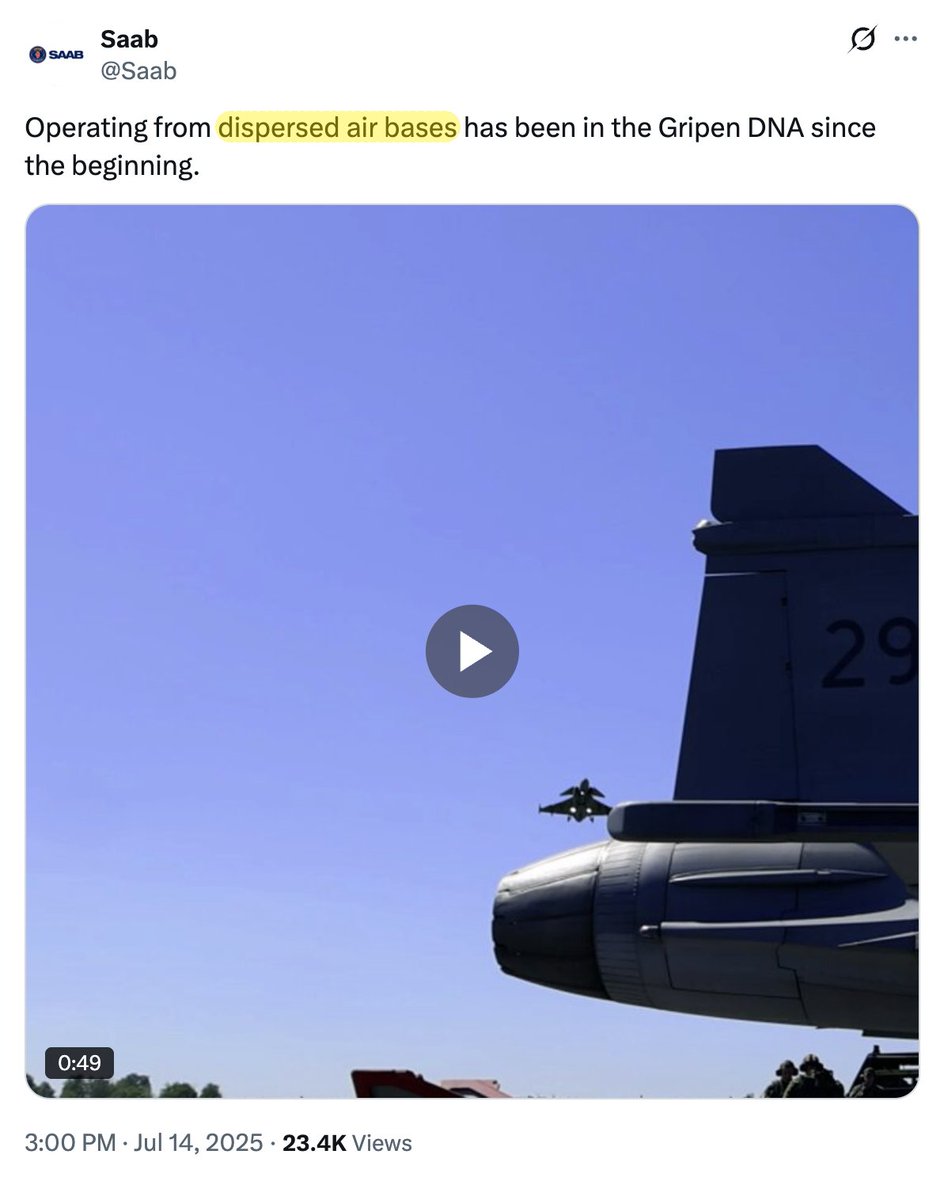
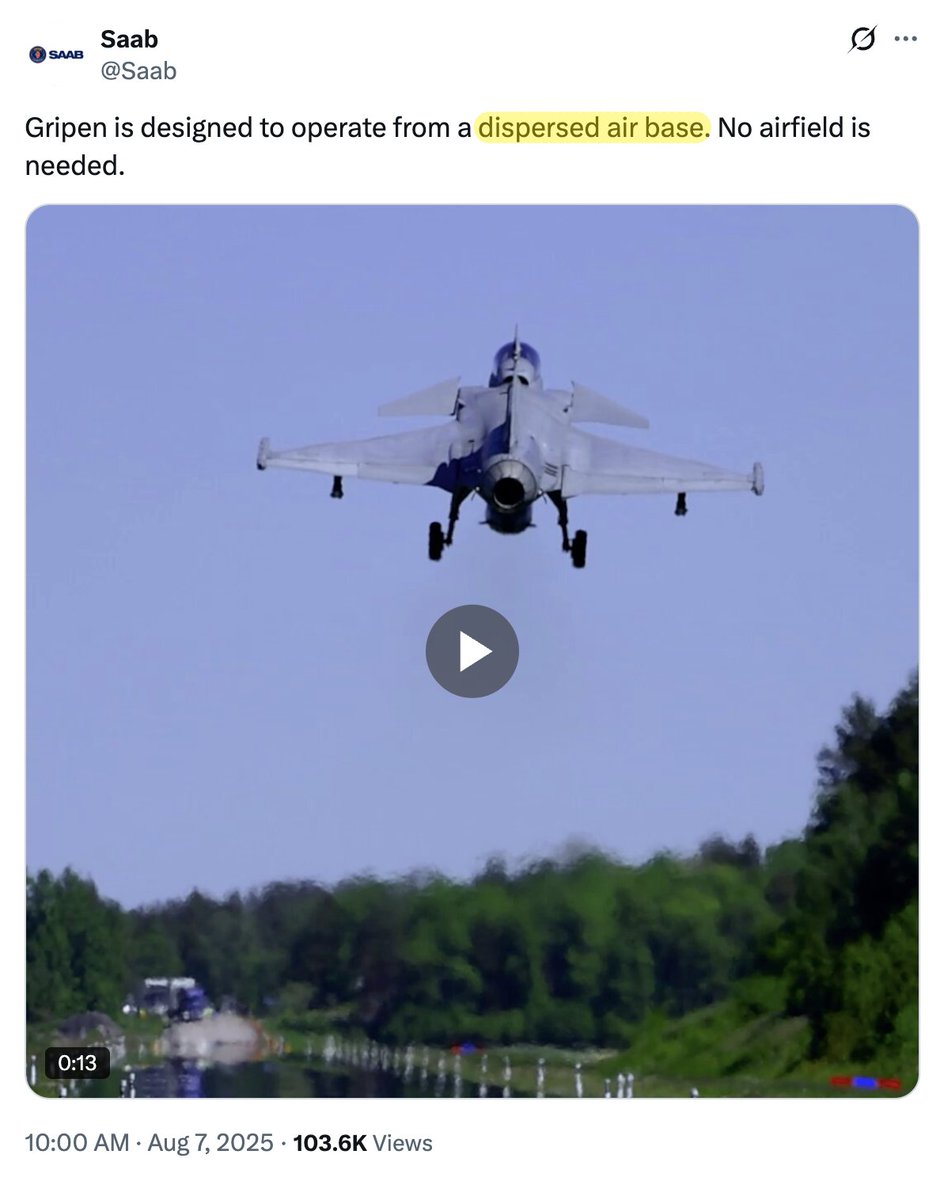
Saab loooves to tout the claim that the Gripen can "operate from dispersed air bases".
They do that, because they know no one of you knows what it means. And every time I see someone regurgite "dispersed air bases" (or "road runways" or "short runways") I know I am dealing
1/36
with someone, who knows absolutely nothing about the topic.
So allow me to take you on a deep dive into what "operating from dispersed air bases" actually means.
Let's start with Såtenäs Air Base in Southern Sweden - the most important Swedish air base. 2/n
When the Viggen entered service, Såtenäs received it first.
When the Gripen entered service, Såtenäs received it first.
When the Gripen E entered service, Såtenäs received it first.
In the 1950s Sweden developed the Bas 60 system, which would have dispersed the Swedish 3/n
The 11th Airborne Division is the least likely to be used to invade #Greenland.
The division's deputy commander is Canadian. He is responsible for Operations. The 11th would have to arrest part of their own officers, before being able to plan a Greenland invasion.
Also
1/6
there are just 8 C-17 Globemaster aircraft at Elmendorf Air Force Base. The USAF would need to fly a dozen more up to Alaska, which of course Canada would notice. Then to reach Greenland the C-17 would have to cross Canada's North, which NORAD's Canadian officers would report
2/6
to the Canadian and Danish governments.
It is much more likely the US will inform allies that a brigade of the 82nd Airborne Division at Fort Bragg will fly to the Middle East, which means the air route will take them right over Greenland. And at Fort Bragg you also have the
3/6
This is a typical clown tweet by someone, who knows nothing about WWII.
3 years before D-Day, the Soviets & nazis were in a love-feast, while the US had not entered the war; & when it did it had to cross an ocean full of nazi submarines to stage troops & materiel for D-Day.
1/14
And unlike the warmongering Soviets, which in June 1941 fielded 304 divisions, the US Army fielded just 37 divisions when Japan attacked Pearl Harbor (+ two Marine Corps divisions).
Before any D-Day the US Army had to start forming new divisions (38 in 1942 and 17 in 1943) &
2/n
then ship those divisions across the Atlantic, which was teeming with German subs, while the Soviets just used trains to bring troops and materiel to the front (& if the Soviet had had to ship troops across an ocean, they would have just accepted that a third of their troops
3/n
The @RoyalAirForce - once the strongest air force in Western Europe... but now...
7 Eurofighter Typhoon squadrons are expected to fulfill the tasks, for which 35 years ago the RAF fielded 40 squadrons (31 active & 4 reserve + 5 shadow squadrons, which would have been formed
1/27
from the personnel & fighters of the RAF's operational conversion units).
At the end of the Cold War these 40 squadrons were assigned to 4 commands, each with a specific mission & enough aircraft to fulfill their mission.
No. 1 Group was tasked with striking Soviet forces
2/27
in Northern Germany, including with WE.177 tactical nukes.
The Group fielded 8 active, 4 reserve and 2 shadow squadrons, which flew Tornado GR1, Jaguar GR1A, and Harrier GR5 fighters (the reserve squadrons flew Hawk T1A). The group also included the RAF's 3 aerial
3/27
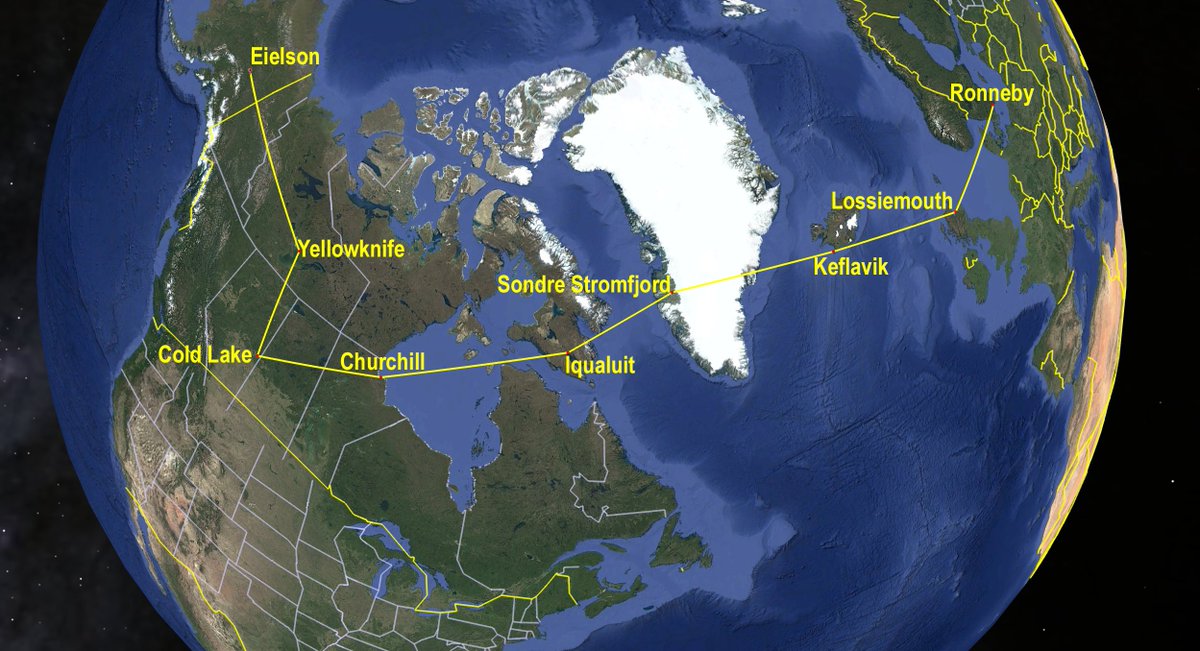
Since there are still people claiming the Gripen is the "ideal fighter for Canada"... here are the refueling stops the Gripen C/D needed to get from Ronneby in Sweden to Eielson Air Base in Alaska.
So of course this is an "ideal fighter" for Canada... as it will have to stop 1/5
at every Canadian airfield to refuel...
For the curious ones:
On 13 July 2006 five Gripen C and two Gripen D left
their base in Ronneby Sweden. They refueled at RAF Lossiemouth in Scotland, then flew to NAS Keflavik in Iceland, where they refueled and stayed overnight.
2/5
On 14 July the Gripens flew to Sondre Stromfjord in Greenland for another refueling, then proceeded to RCAF Iqualuit in Canada for refueling and the night.
On 15 July the Gripens flew to Churchill, refuelled and then flew to RCAF Cold Lake, where they spent 16 July to rest.
3/5