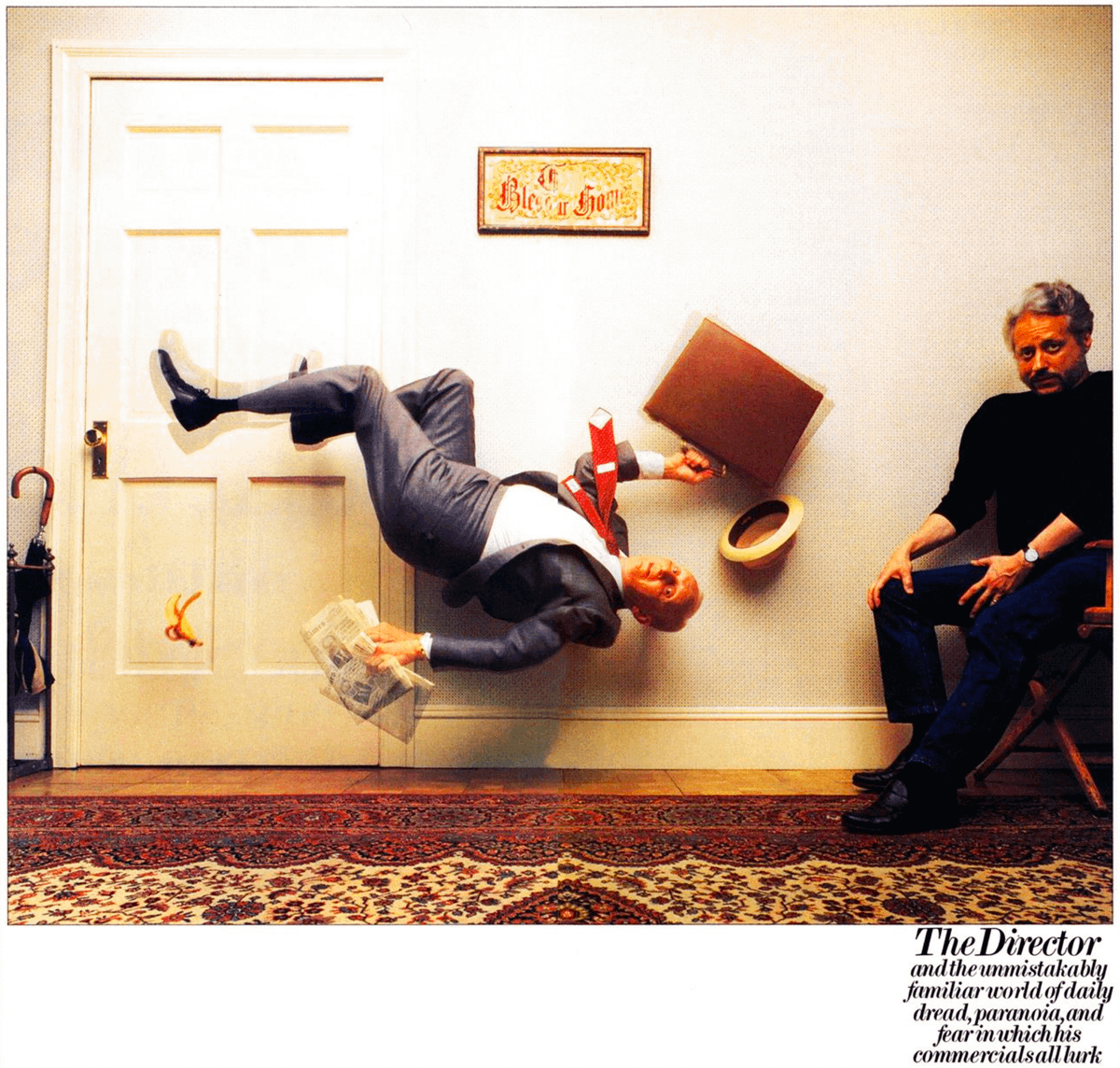
Before 1993, milk consumption was on the decline for 40 years straight.
Then, one ad agency took a radical approach to the problem.
Here's how the "Got Milk?" slogan became one of the most successful ad campaigns of the last century:
Then, one ad agency took a radical approach to the problem.
Here's how the "Got Milk?" slogan became one of the most successful ad campaigns of the last century:

After WWII, lifestyles were changing quickly.
The economic boom in the 40s and 50s meant people were eating at home less often.
Coffees, teas, and sodas were all growing in popularity, offering exciting alternatives to milk and water.
The economic boom in the 40s and 50s meant people were eating at home less often.
Coffees, teas, and sodas were all growing in popularity, offering exciting alternatives to milk and water.
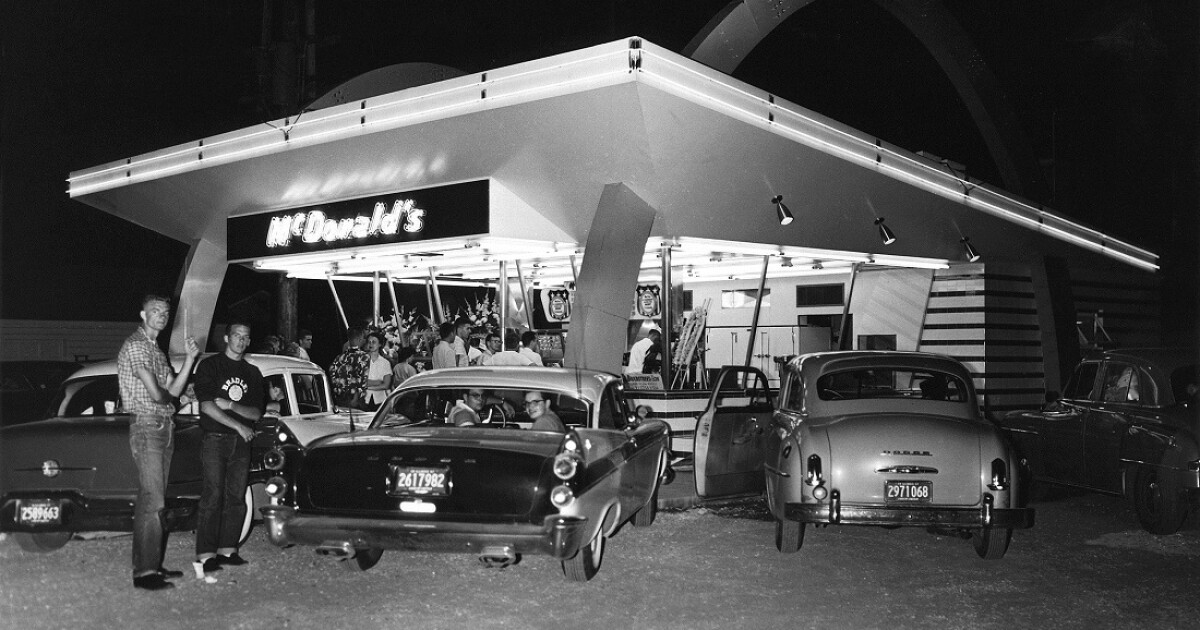
By the early 1990s, milk sales had been declining for decades.
For years, California dairy organizations had spent money on advertising to change the way that people perceived milk.
Advertising agencies tried everything to convert non-milk drinkers, with little luck.
For years, California dairy organizations had spent money on advertising to change the way that people perceived milk.
Advertising agencies tried everything to convert non-milk drinkers, with little luck.
Up to this point two small trade organizations (The National Dairy Board and the California Milk Advisory Board) spent $13M a year on advertising dairy products.
But, they were still losing ground to their well-funded competitors like Pepsi Co. and the Coca-Cola Company.
But, they were still losing ground to their well-funded competitors like Pepsi Co. and the Coca-Cola Company.
In response, the California Department of Food and Agriculture formed a new organization - The California Milk Processor Board (CMPB).
Armed with a yearly budget of $23M, their sole mission was to advertise on behalf of the dairy industry and increase sales of milk.
Armed with a yearly budget of $23M, their sole mission was to advertise on behalf of the dairy industry and increase sales of milk.

So, in 1993, the CMPB hired ad agency Goodby, Silverstein and Partners (GS&P) to take their yearly budget and develop a statewide marketing campaign for milk.
But first, the agency needed to conduct extensive market research to figure out why sales had declined for so long.
But first, the agency needed to conduct extensive market research to figure out why sales had declined for so long.

In the process, GS&P made a few discoveries:
- 88% of milk was being consumed at home.
- Milk is typically used as a complement to specific foods, but the food is always the center of attention.
- 70% of Californians ALREADY drank milk on a frequent basis.
- 88% of milk was being consumed at home.
- Milk is typically used as a complement to specific foods, but the food is always the center of attention.
- 70% of Californians ALREADY drank milk on a frequent basis.

The agency had a realization:
‘‘Milk is usually consumed with something else, and that the only time people really think about milk is when they’ve run out of it.’’
Previous ad agencies were targeting the wrong market.
GS&P would convince CURRENT milk drinkers to consume more.
‘‘Milk is usually consumed with something else, and that the only time people really think about milk is when they’ve run out of it.’’
Previous ad agencies were targeting the wrong market.
GS&P would convince CURRENT milk drinkers to consume more.
The brand new "Got Milk?" campaign debuted in October 1993 with the now famous Aaron Burr ad.
Immediately after, the CMPB launched a full-on "Got Milk?" campaign via print, TV, radio, and billboard placements.
Immediately after, the CMPB launched a full-on "Got Milk?" campaign via print, TV, radio, and billboard placements.
Every ad followed the same basic premise - A story of deprivation that actually hinges on these complementary foods.
People eating cookies, brownies, PB&Js and realizing they've run out of milk.
Remember? The only time you think about milk is when you've run out of it.
People eating cookies, brownies, PB&Js and realizing they've run out of milk.
Remember? The only time you think about milk is when you've run out of it.
By focusing on the feeling of anxiety caused by milk deprivation, the ads brought milk to peoples' attention.
But by linking milk with complementary food items, they were able to create an occasion and a RITUAL around milk consumption.
But by linking milk with complementary food items, they were able to create an occasion and a RITUAL around milk consumption.
One year after the campaign launch, milk sales had already INCREASED by 7% for the first time in four decades.
Then, in 1995, the "Got Milk?" campaign expanded nationwide with an $80M yearly budget.
Then, in 1995, the "Got Milk?" campaign expanded nationwide with an $80M yearly budget.
In only a few years The CMPB was able to achieve far greater brand recognition with $80M than Coca-Cola or Pepsi could do with $300M - $500M EACH.
By 2003, a U.S. Newswire study found that 9 out of 10 Americans could identify the phrase “Got Milk?”
By 2003, a U.S. Newswire study found that 9 out of 10 Americans could identify the phrase “Got Milk?”

The Executive Director of the CMPB, explained in a 2003 interview:
‘‘A brand’s strength and power comes from the immovable belief that it will live forever... ‘Got Milk?’ will live forever because we, the dairy industry, will it so. Not very scientific, but true nonetheless.’’
‘‘A brand’s strength and power comes from the immovable belief that it will live forever... ‘Got Milk?’ will live forever because we, the dairy industry, will it so. Not very scientific, but true nonetheless.’’
If you loved this thread, I write a weekly newsletter focused on all the amazing things happening in brand and marketing.
Subscribe below and join the community of Marketing Besties!
workweek.com/discover-newsl…
Subscribe below and join the community of Marketing Besties!
workweek.com/discover-newsl…
Sources:
marketing-case-studies.blogspot.com/2008/04/got-mi…
cbsnews.com/news/got-milk-…
vox.com/2016/5/2/11565…
marketing-case-studies.blogspot.com/2008/04/got-mi…
cbsnews.com/news/got-milk-…
vox.com/2016/5/2/11565…
• • •
Missing some Tweet in this thread? You can try to
force a refresh