During the tense general election of 1967, India witnessed an incident that went on to become an international scandal and political sensation. Svetlana Alliluyeva,the only daughter of Soviet dictator Josef Stalin, defected to the US using Delhi as her gateway to freedom.A 🧵1/21 

The 1967 general election of India was the first post Nehru era. The internal tussle between two heavyweights of INC - Indira Gandhi and Morarji Desai, for the Prime Minister’s post made the headlines of daily news. 2/21

While the national press and media were busy keeping everyone updated on the proceedings, officials from the Soviet Embassy of Delhi ensured that the press never got wind of the arrival of Josef Stalin’s only daughter. 3/21
Svetlana’s purpose of visit to India was to bequeath her husband Brajesh Singh’s ashes to the Ganges as per Hindu ritual. Her visit was kept a top secret as she had already angered the then Prime Minister Alexi Kosygin by going against his advice to travel to India. 4/21
Upon her arrival, her passport and other official documents were initially confiscated and she was asked to always remain inside the Embassy compound under close surveillance. She didn’t comply. 5/21
She even had to face strong resistance to her wish to travel to her husband’s ancestral house at Kalakankar and perform the rituals there. She won that debate too. She was due to travel back to Moscow within a week of the ceremony. 6/21
Neither the Soviet nor the Indian government were aware of Svetlana’s real intentions. She wanted a fresh start away from her homeland. She also had a plan to acquire the necessary funds to begin her new life; a manuscript that she intended to publish and sell. 7/21
The manuscript wasn’t a political one. It was a collection of letters, her memoir of the internal life and family of Josef Stalin, something that she had kept secret from everyone. She was sure it would be of great interest to people around the world. 8/21
Determined to make the plan work, she once again went against the orders from the Soviet Embassy and delayed her return to Moscow for another 3 weeks. When Indira Gandhi visited Kalakankar for the election campaign, Svetlana met her and requested her to extend her visa. 9/21
Indira was aware that if Svetlana were to stay back against her country’s will, it could jeopardize the diplomatic relation between India and Soviet Union. Hence, she encouraged her decision with a smile but decided not to officially act on it. 10/21
As her time in India drew towards closure, she did what could be dubbed as unthinkable for someone of her stature. On the evening of 6th March 1967, she took a cab, went to the Embassy guest house to take her luggage, and asked the driver to take her to the US Embassy. 11/21
The driver was initially surprised by her request but seemed to have understood her intentions. So, he drove her through a dark alley to avoid any skeptical eyes from the nearby Soviet Embassy and reached the destination without arousing anyone’s suspicion. 12/21
By the time she reached there, the Embassy’s official hours were closed and there was no one left who could attend her discreet emergency meeting.When the Marine guard refused to let her in, she revealed her identity and requested they call the US Ambassador Chester Bowles.13/21
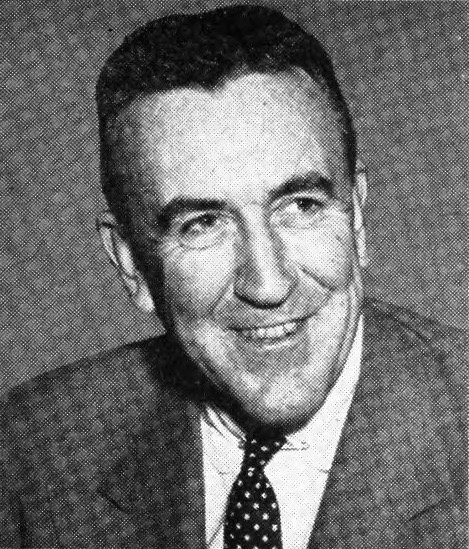
Understanding the gravity of the situation, Bowles rushed back to the Embassy and after a brief conversation with her, decided to support her to seek asylum in the US. The US government however was reluctant to officially grant her asylum. 14/21
Her identity was enough to create another cold war between the two powerhouses and worsen the already long damaged diplomatic relationship between the two countries. 15/21
Bowles however, refused to wait for the official confirmation from his government as it would be too late for Svetlana. Hence, he took the matters into his own hand and asked CIA officer Robert Rayle to assist her in her pursuit. 16/21
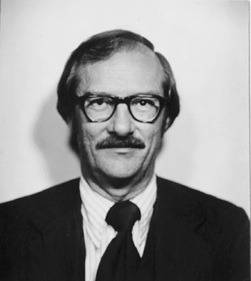
With the help of Rayle, Svetlana flew out to Rome from Delhi and a few days later reached Washington from there. 17/21
Meanwhile, Tony Lucas, a New York Times journalist living in Delhi was stitching the pieces of the puzzle and concluded that the daughter of Stalin had secretly flown out of Delhi with the assistance of an US Embassy official. 18/21
As the news reached the international press and media houses, the political tension rose to its peak. The Soviet government turned furious towards India and the US. To make things worse, Svetlana held a press conference upon her arrival in the US. 19/21
Much to everyone’s surprise, she denounced her father’s regime as authoritarian and brutal. She also published her manuscript and later an autobiography that would allow the world a closer look to the previously unconfirmed side of Stalin. 20/21
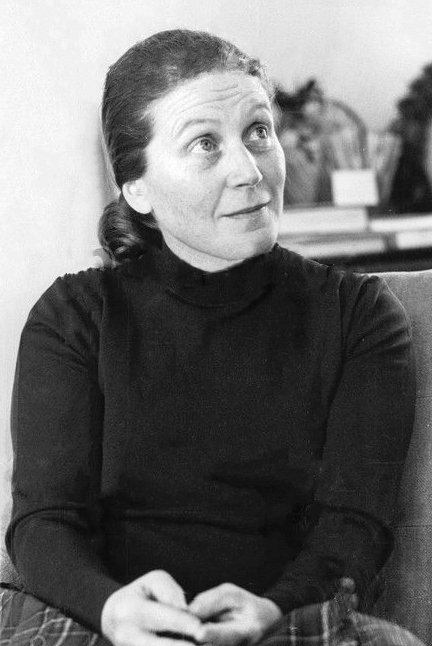
The incident will probably remain as one of the most infamous international scandals where a communist sympathizer sought asylum to the US and exposed one of their greatest leaders in history, and fascinatingly the capital city of India became the gateway to all of this. 21/21
Source:
Sullivan, Rosemary. Stalin's Daughter: The Extraordinary and Tumultuous Life of Svetlana Alliluyeva. (Harper Perennial)
Sullivan, Rosemary. Stalin's Daughter: The Extraordinary and Tumultuous Life of Svetlana Alliluyeva. (Harper Perennial)
Image sources:
A young Svetlana Alliluyeva being carried by her father in 1935, From @WikiCommons Public Domain
Indira Gandhi With Her Political Opponent Morarji Desai, From AFP News Agency
A young Svetlana Alliluyeva being carried by her father in 1935, From @WikiCommons Public Domain
Indira Gandhi With Her Political Opponent Morarji Desai, From AFP News Agency
Indian politician Brajesh Singh, bbc.com/news/world-asi…
Chester Bowles (Connecticut Governor and Congressman) by U.S. Government Printing Office, From @WikiCommons Public Domain
Chester Bowles (Connecticut Governor and Congressman) by U.S. Government Printing Office, From @WikiCommons Public Domain
The CIA officer Robert Rayle, Courtesy of Robert and Ramona Rayle, From the book Stalin's Daughter: The Extraordinary and Tumultuous Life of Svetlana Alliluyeva
1970 Svetlana Alliluyeva Daughter of Josef Stalin Press Photo, From @WikiCommons
1970 Svetlana Alliluyeva Daughter of Josef Stalin Press Photo, From @WikiCommons
• • •
Missing some Tweet in this thread? You can try to
force a refresh