Today I had some time to ponder a few of the lessons of the war in Ukraine for NATO armies.
Doesn't mean I am 100% correct and everyone will draw different conclusions, but here are mine:
1) Main Battle Tanks (MBT) are indispensable. russia has lost more than 2,000 so far,
1/n
Doesn't mean I am 100% correct and everyone will draw different conclusions, but here are mine:
1) Main Battle Tanks (MBT) are indispensable. russia has lost more than 2,000 so far,
1/n

but this doesn't mean they are obsolete. Quite the contrary. Ukrainians use them competently and have shown that during an offensive nothing can replace tanks.
However due to the massive proliferation of Anti-Tank Guided Missiles ALL (!) armored vehicles now require Hardkill
2/n
However due to the massive proliferation of Anti-Tank Guided Missiles ALL (!) armored vehicles now require Hardkill
2/n
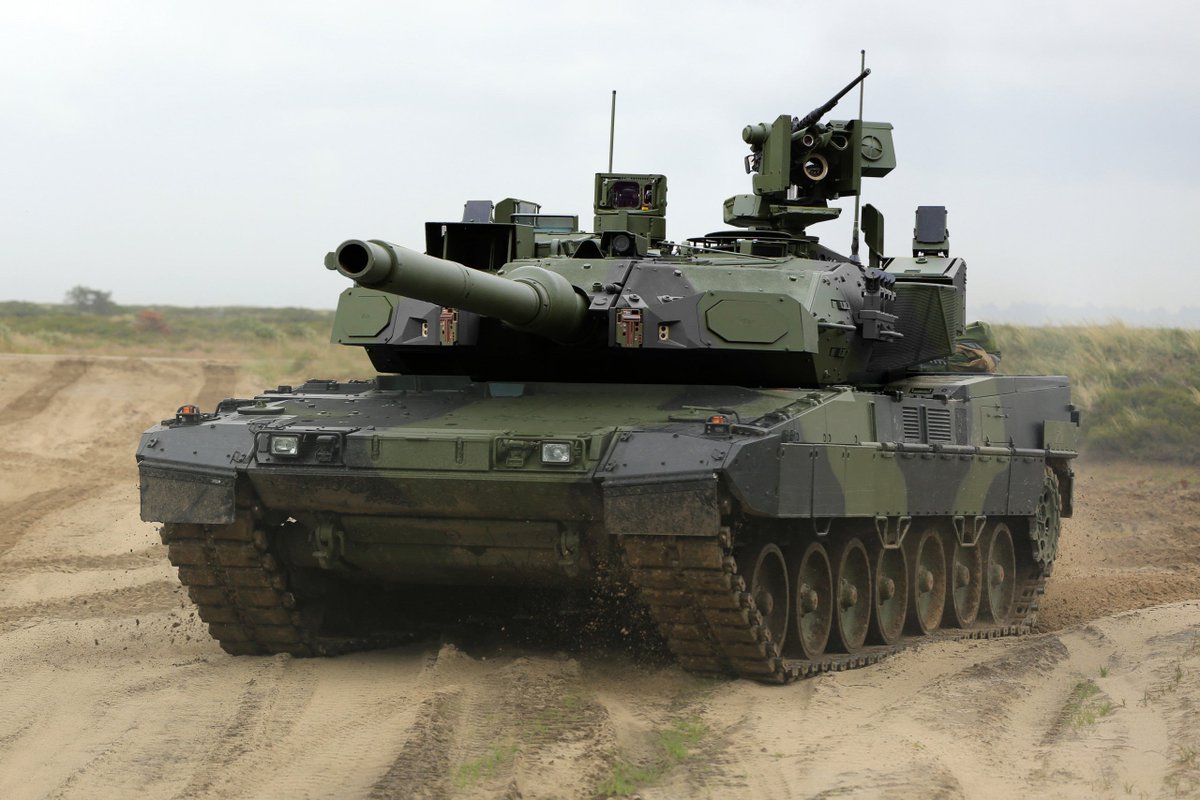
Active Protection Systems (HAPS). Without APS armored vehicles that cost $10m will be lost to $200k ATGMs.
And it is imperative that these HAPS will be able to detect, identify and destroy loitering munitions (aka suicide drones). Air defense has no chance to shoot down all
3/n
And it is imperative that these HAPS will be able to detect, identify and destroy loitering munitions (aka suicide drones). Air defense has no chance to shoot down all
3/n
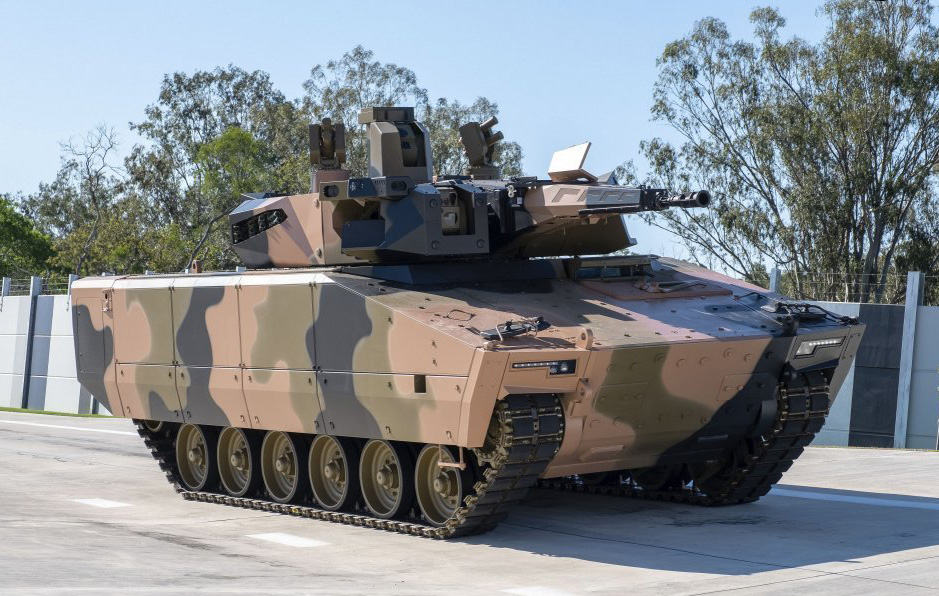
enemy suicide drones. This makes HAPS essential and - compared to the costs of surface-to-air missiles or self-propelled anti-aircraft guns - the cheapest solution to protect armored forces.
Even then NATO forces need a lot more Maneuver Short Range Air Defense (M-SHORAD).
4/n
Even then NATO forces need a lot more Maneuver Short Range Air Defense (M-SHORAD).
4/n
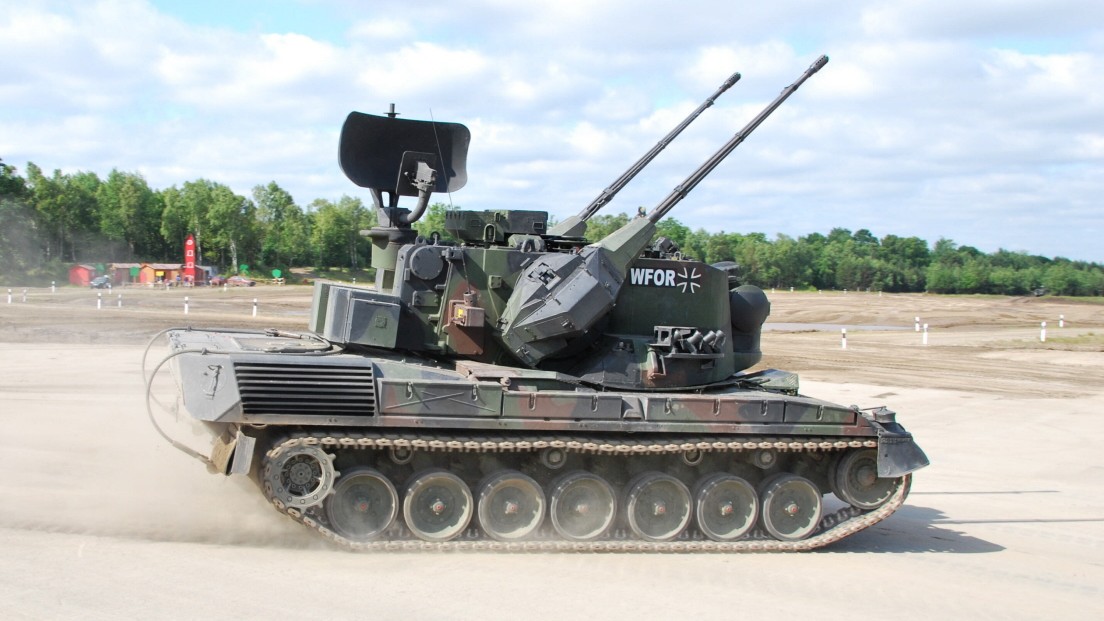
Self-propelled Anti-aircraft Guns (SPAAG) like the German Gepard need to make a comeback, as i.e. Stinger missiles are too expensive to tackle cheap drone swarms.
The Swiss and Germans already work on a wheeled Gepard successor, but other options need to be explored, from
5/n
The Swiss and Germans already work on a wheeled Gepard successor, but other options need to be explored, from
5/n

35mm autocannons like the Swiss and Germans use, to 76mm ship artillery the Italians experimented with, to Direct Energy Lasers the US Army experiments with, to cheap laser-guided AGR-20A APKWS rockets, to jammers etc.
This capability is also needed to deny the enemy the use
6/n
This capability is also needed to deny the enemy the use
6/n

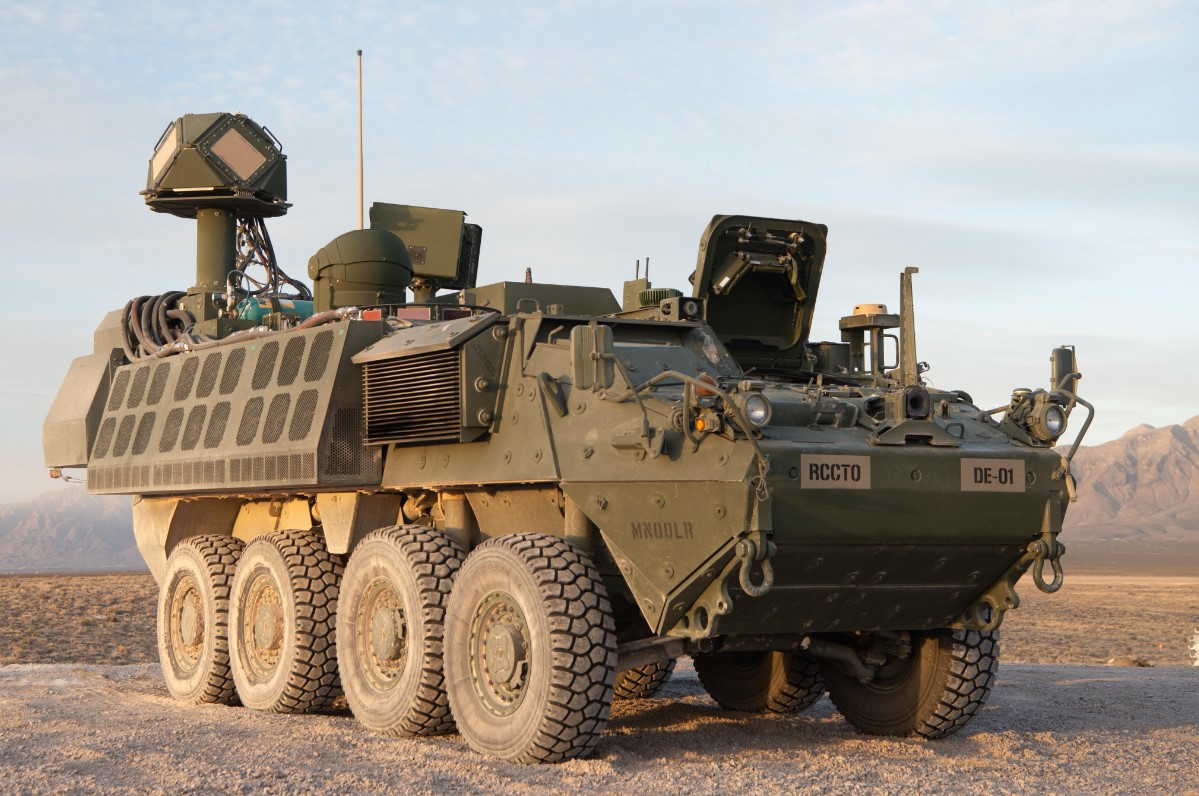
of reconnaissance drones over NATO territory. If the enemy can't recon, then he can't acquire targets.
As recon drones fly much higher than suicide drones air defense systems are needed... although I believe the best solution would be air-combat drones armed with
7/n
As recon drones fly much higher than suicide drones air defense systems are needed... although I believe the best solution would be air-combat drones armed with
7/n
air-to-air missiles, like this US Air Force MQ-9 Reaper armed with an AIM-9X Block 2 Sidewinder missile.
Such drones could also shoot down enemy cruise missiles and low flying helicopters. Cheaper laser-guided AGR-20A APKWS rockets might also work against enemy recon drones.
8/n
Such drones could also shoot down enemy cruise missiles and low flying helicopters. Cheaper laser-guided AGR-20A APKWS rockets might also work against enemy recon drones.
8/n

But NATO armies will also need point defense systems to defend critical infrastructure, cities, and key logistic and command locations against enemy air and cruise missile attacks.
IRIS-T SLM, NASAMS 3, Sky Sabre, VL MICA - NATO has the tech, but we need to buy a lot of
9/n
IRIS-T SLM, NASAMS 3, Sky Sabre, VL MICA - NATO has the tech, but we need to buy a lot of
9/n


these systems. Ukraine alone needs now 30+ systems to defend its main cities and critical infrastructure... and SPAAGs nearby to shoot down cheap suicide drones.
To round out air defense longer range systems like Patriot PAC-3 MSE or SAMP/T NG are needed, also because
10/n
To round out air defense longer range systems like Patriot PAC-3 MSE or SAMP/T NG are needed, also because
10/n


both systems have an anti-ballistic missile capability.
Now let's go on the offensive: besides tanks also infantry fighting vehicles (IFVs) are indispensable - either tracked or wheeled and with large caliber guns. Wheeled Ukrainian BTR-4 IFVs with their 30mm cannons
11/n
Now let's go on the offensive: besides tanks also infantry fighting vehicles (IFVs) are indispensable - either tracked or wheeled and with large caliber guns. Wheeled Ukrainian BTR-4 IFVs with their 30mm cannons
11/n

shot up and destroyed russian BMP IFVs.
In my view 30mm is the minimum for future autocannons... but France and the UK are already moving to 40mm and the US to 50mm cannons (photo), both of which should be able destroy older russian tank models.
12/n
In my view 30mm is the minimum for future autocannons... but France and the UK are already moving to 40mm and the US to 50mm cannons (photo), both of which should be able destroy older russian tank models.
12/n

Beefing up the firepower of light formations (infantry, paratroopers, etc.) is also needed: i.e. adding 30mm chain guns to Tactical Vehicles (like this JLTV) will massively improve the changes of light units if they encounter medium or heavy enemy formations.
13/n
13/n

For the same reason I am in favor of adding tank destroyers to light and medium formations. ATGMs cost a lot more than 120mm APFSDS anti-tank rounds fired by a tank destroyer, which also has a higher rate of fire.
Italy's Army is currently buying the Centauro 2,
14/n
Italy's Army is currently buying the Centauro 2,
14/n

while the US Army is adding a battalion of Griffin II mobile protected firepower vehicles to its light divisions... but with a far less powerful 105mm gun.
Besides more gun firepower light forces also need more ATGMs. And the longer the range of these ATGMs, the better.
15/n
Besides more gun firepower light forces also need more ATGMs. And the longer the range of these ATGMs, the better.
15/n

Fire-and-Forget ATGMs like the French Akeron MP, the American Javelin and the Israeli Spike can currently destroy every type of enemy armored vehicle... but NATO nations must invest into successor systems, which will be able to deceive or evade HAPS systems.
16/n
16/n


I would also add quite a few Non-Line-Of-Sight (NLOS) ATGM launch vehicles to all light formations, to allow units to strike enemy armor, which is far behind the frontline.
The newest Spike NLOS missiles can hit targets 50 km away, deep in the enemy rear.
17/n
The newest Spike NLOS missiles can hit targets 50 km away, deep in the enemy rear.
17/n

I would also add a lot more self-propelled artillery at every level of NATO forces.
Towed howitzers will likely become a niche capability, while wheeled howitzers, like the French CAESAR, will become the new standard... however I believe that we will see a move to
18/n
Towed howitzers will likely become a niche capability, while wheeled howitzers, like the French CAESAR, will become the new standard... however I believe that we will see a move to
18/n

fully automated systems like the German WSPH or RCH 155, or the Swedish Archer, or the Slovak Zuzana 2.
These systems can shoot-and-scoot faster than the CAESAR, have a higher rate of fire, and their crews do not have to exit the armored cabin to operate the howitzer.
19/n
These systems can shoot-and-scoot faster than the CAESAR, have a higher rate of fire, and their crews do not have to exit the armored cabin to operate the howitzer.
19/n


For heavy forces more systems like the AHS Krab or PzH 2000 need to be acquired.
Artillery is much cheaper to procure than fighter jets, much cheaper to operate, and uses much cheaper ammunition... even if it is precision guided ammo like the M982 Excalibur or Vulcano GLR.
20/n
Artillery is much cheaper to procure than fighter jets, much cheaper to operate, and uses much cheaper ammunition... even if it is precision guided ammo like the M982 Excalibur or Vulcano GLR.
20/n


Pairing self-propelled howitzers with precision guided ammo, recon drones and suicide drone swarms will allow NATO artillery to destroy enemy vehicles and troops deep in the enemy rear.
This is the reason I would add suicide drone battalions to NATO artillery brigades, which
21/n
This is the reason I would add suicide drone battalions to NATO artillery brigades, which
21/n
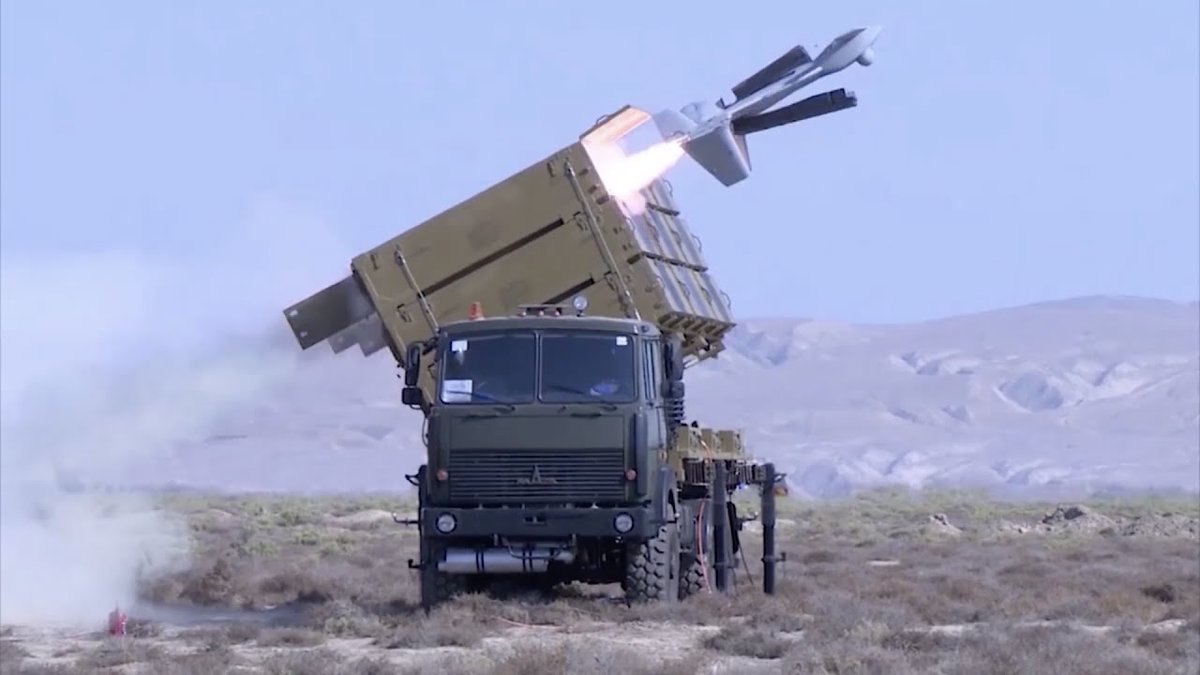

should field recon and suicide drones, self-propelled howitzers, counter battery radars and lots of M142 HIMARS and/or M270A2 MLRS - with GMLRS, ER-GMLRS and ATACMS (or PrSM) missiles.
I want the tools to strike every enemy position from the front to 500 km in the rear.
22/n
I want the tools to strike every enemy position from the front to 500 km in the rear.
22/n


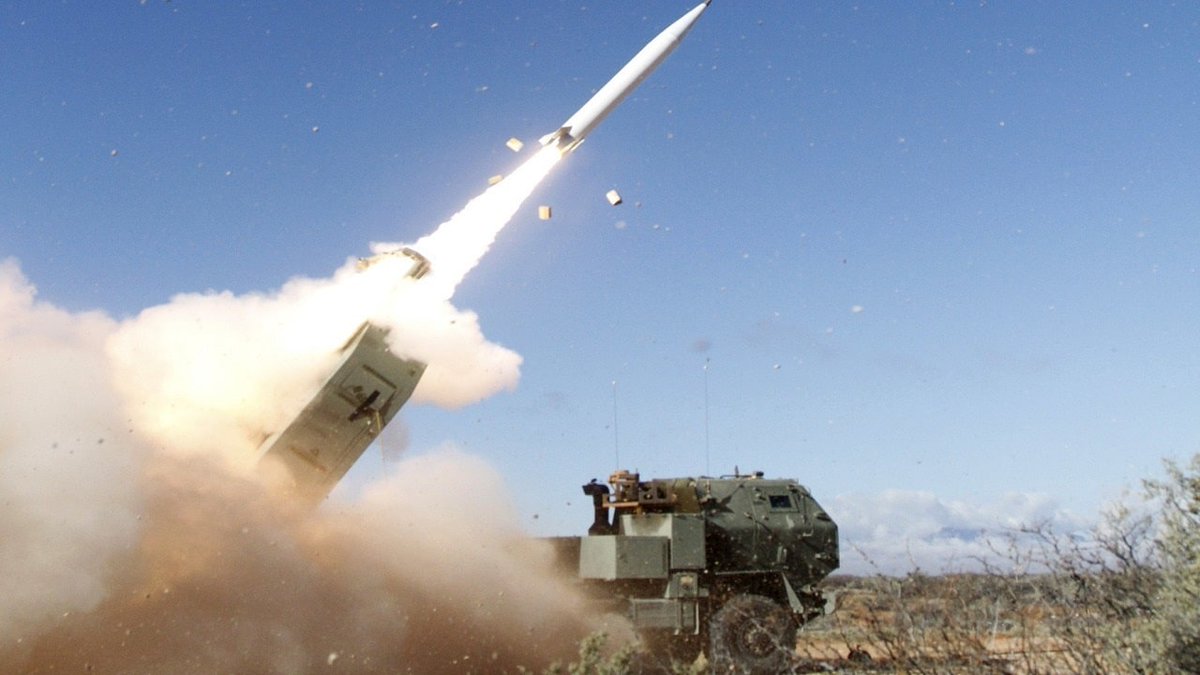
And if I had a say then I would want ASAP an AGM-88 HARM anti-radiation missile that can be fired from a HIMARS and will scan for, detect and attack automatically enemy jammers, air defense radars, counter battery radars, signal stations, electronic warfare systems, etc.
23/n
23/n
Last but not least: mortars.
Firstly, like with everything that makes loud booms, I want more of them. But while I would change nothing about 60mm and 81mm mortars (sorry infantry - you still have to carry them), I would motorize all the 120mm mortars.
24/n
Firstly, like with everything that makes loud booms, I want more of them. But while I would change nothing about 60mm and 81mm mortars (sorry infantry - you still have to carry them), I would motorize all the 120mm mortars.
24/n

Mount them on jeeps, on wheeled platforms or tracked vehicles. They will be faster in and out of action, with better aim and a higher rate of fire; and (unlike towed 120mm mortars) we can mount HAPS on them to protect them from suicide drones.
And like with self-propelled
25/n
And like with self-propelled
25/n


howitzers, the trend goes to automated, fully enclosed and armored systems to protect the crew.
What are everyone else's thoughts about the lessons NATO forces need to draw from the war in Ukraine?
I am eager to hear your views.
26/end
What are everyone else's thoughts about the lessons NATO forces need to draw from the war in Ukraine?
I am eager to hear your views.
26/end

• • •
Missing some Tweet in this thread? You can try to
force a refresh