Your complete guide to muscle building.
The real science behind getting jacked.
A thread.
The real science behind getting jacked.
A thread.
*Standard disclaimer that this does not constitute medical advice*
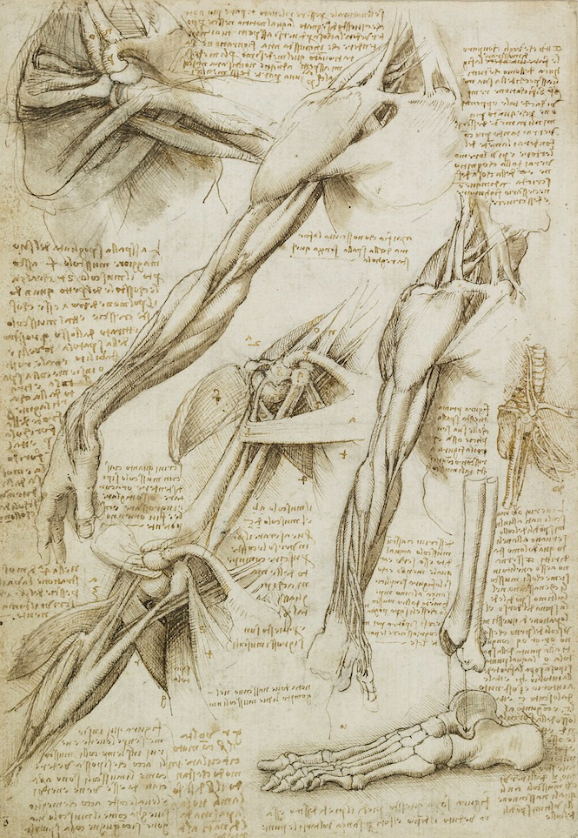
First of all, what are muscles?
If you ask this to personal trainers, 8/10 won’t even know the answer.
I’ve tried this multiple times and you should too.
Walk up to a PT and ask him this.
First of all, what are muscles?
If you ask this to personal trainers, 8/10 won’t even know the answer.
I’ve tried this multiple times and you should too.
Walk up to a PT and ask him this.
Understanding the foundations leads someone to not indulge in superficial thinking and leaves way less room for errors.
Muscles are soft tissues.
The tissues in the body that is not hardened by the processes of ossification or calcification such as bones and teeth.
Muscles are soft tissues.
The tissues in the body that is not hardened by the processes of ossification or calcification such as bones and teeth.

We have more than 600 muscles in our body and different types of muscles have different jobs.
This means that there are types of muscle and the word “muscle” does not refer to one thing only to begin with.
The 3 types of muscle tissue are:
1)Cardiac
2)Smooth
3)Skeletal.
This means that there are types of muscle and the word “muscle” does not refer to one thing only to begin with.
The 3 types of muscle tissue are:
1)Cardiac
2)Smooth
3)Skeletal.

1)Cardiac muscle cells are located in the walls of the heart and are under involuntary control.
2)Smooth muscle fibers are located in walls of hollow visceral organs such as the liver, pancreas, and intestines and are also under involuntary control.
2)Smooth muscle fibers are located in walls of hollow visceral organs such as the liver, pancreas, and intestines and are also under involuntary control.
3)Skeletal muscle fibers occur in muscles which are attached to the skeleton and are under voluntary control.
You control these muscles voluntarily with the help of your nervous system and make them move by thinking about moving them.
You control these muscles voluntarily with the help of your nervous system and make them move by thinking about moving them.
Muscles play a role in nearly every system and function of the body.
From breathing, speaking, digesting food and moving all the way to pumping blood through the heart and blood vessels, seeing and hearing.
From breathing, speaking, digesting food and moving all the way to pumping blood through the heart and blood vessels, seeing and hearing.
This means that when you hear phrases such as “muscle catabolism”, this affects way more things that the way your biceps look.
Having healthy muscles means way more than having a good looking body and this is why muscle building can not be seperated from health.
Having healthy muscles means way more than having a good looking body and this is why muscle building can not be seperated from health.
Now let's move on to why you probably clicked on this thred.
The most simple and effective formula that i’ve found to this day that helps people understand how to build muscle is the following 4 step process.
The most simple and effective formula that i’ve found to this day that helps people understand how to build muscle is the following 4 step process.
In order to grow your skeletal muscles you will need:
1) The right type of resistance training
2) Recovery
3) The right kind of diet
4) Optimizing your hormones
All of which are of equal importance.
Every time you don't grow, some of these 4 is not optimal.
1) The right type of resistance training
2) Recovery
3) The right kind of diet
4) Optimizing your hormones
All of which are of equal importance.
Every time you don't grow, some of these 4 is not optimal.
Now let's analyze them.
First we have the right type of resistance training.
In order for our muscles to grow, we need to give them a reason to.
At the end of the day we are creatures of adaptation.
If there’s no NEED for our body to CREATE more muscle, it will not.
First we have the right type of resistance training.
In order for our muscles to grow, we need to give them a reason to.
At the end of the day we are creatures of adaptation.
If there’s no NEED for our body to CREATE more muscle, it will not.
Our entire being is governed by adaptive responses.
Every cell in nour body gets better at resisting stress damage by prior exposure to a lesser amount of stress.
Even our eyesight deteriorates under certain conditions.
We need to give the right amount of stimuli to our
Every cell in nour body gets better at resisting stress damage by prior exposure to a lesser amount of stress.
Even our eyesight deteriorates under certain conditions.
We need to give the right amount of stimuli to our
body and then the tools to recover if we want it to grow stronger aka to adapt to the stimuli that we are giving it.
So we first of all need to resistance train if we want to build muscle but lifting is not enough.
We need to lift with an emphasis on progessive overload.
So we first of all need to resistance train if we want to build muscle but lifting is not enough.
We need to lift with an emphasis on progessive overload.
This means that as the years go by, you should be increasing the weight/resistance.
Other ways of progessive overload are increasing the reps and increasing the sets.
So your first focus if you want to add muscle is growing stronger.
There is no other way around it.
Other ways of progessive overload are increasing the reps and increasing the sets.
So your first focus if you want to add muscle is growing stronger.
There is no other way around it.
So what prevents people from getting stronger besides improper recovery, nutrition and so on that we will address seperately?
The most common reasons are:
1) Not pushing it (almost) to the limit.
I've said "2 more" to clients all the way to an extra 10+ reps.
The most common reasons are:
1) Not pushing it (almost) to the limit.
I've said "2 more" to clients all the way to an extra 10+ reps.
It's insane how many reps people leave in the tank when they train.
So you should not leave more than 3 reps on the tank for your working sets.
This why you need to push it harder than you might think on your lifting sessions.
So you should not leave more than 3 reps on the tank for your working sets.
This why you need to push it harder than you might think on your lifting sessions.
2)Too much or too little volume
If the more you trained a muscle the more it grew, marathon runners would obviously have Mr. Olympia legs but that's not the case.
After a certain point, your muscles just can't keep up.
If the more you trained a muscle the more it grew, marathon runners would obviously have Mr. Olympia legs but that's not the case.
After a certain point, your muscles just can't keep up.
Here's an example of how i recommend intermediate lifters to train.
If you are an advanced lifter, simply add 2 more sets.
Stick with split for 4 months (after 4 months take a deload week), focus on progressive overload and you won't have to worry about training the right way.
If you are an advanced lifter, simply add 2 more sets.
Stick with split for 4 months (after 4 months take a deload week), focus on progressive overload and you won't have to worry about training the right way.
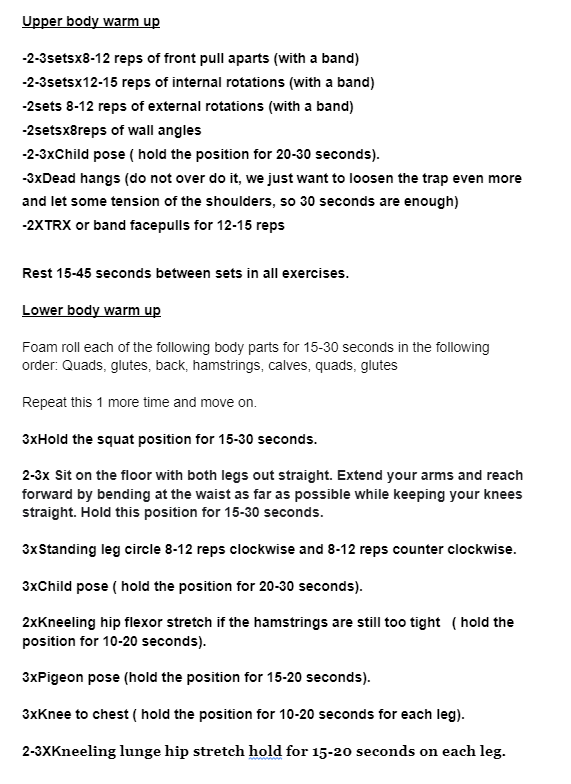
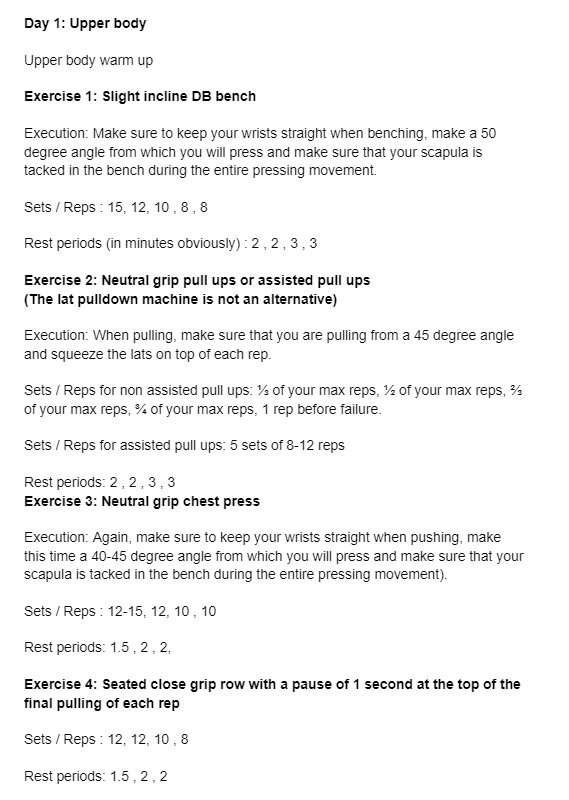
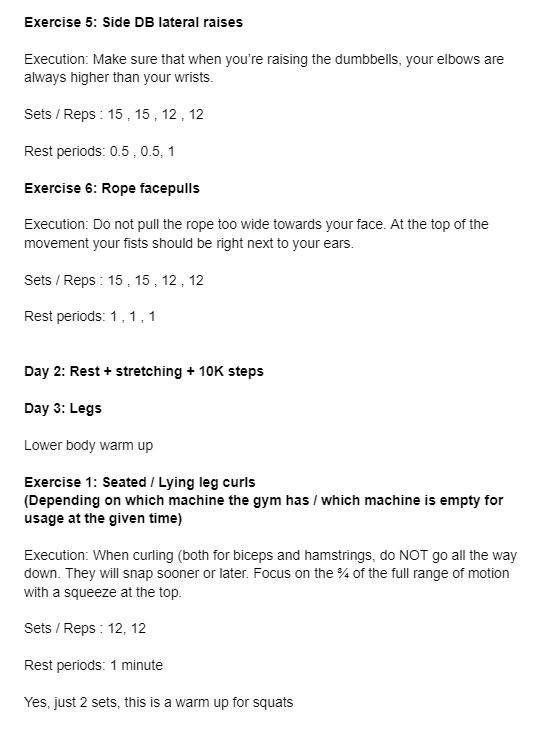
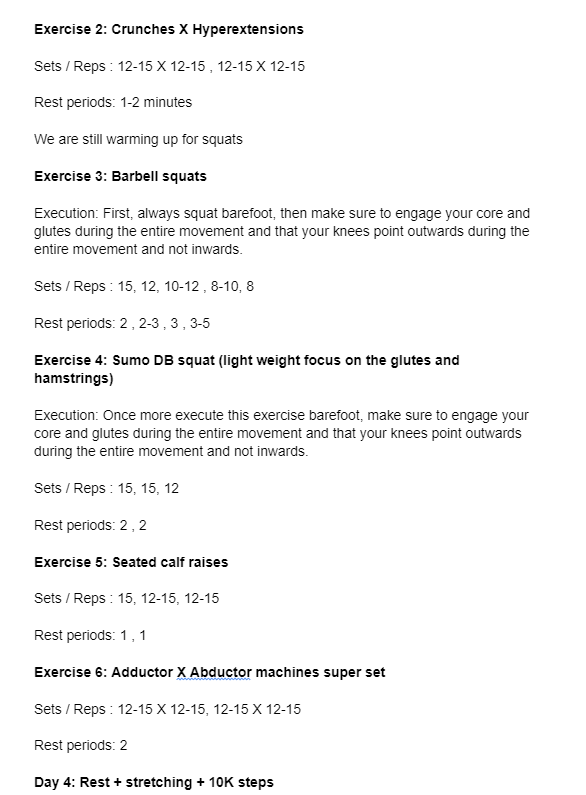
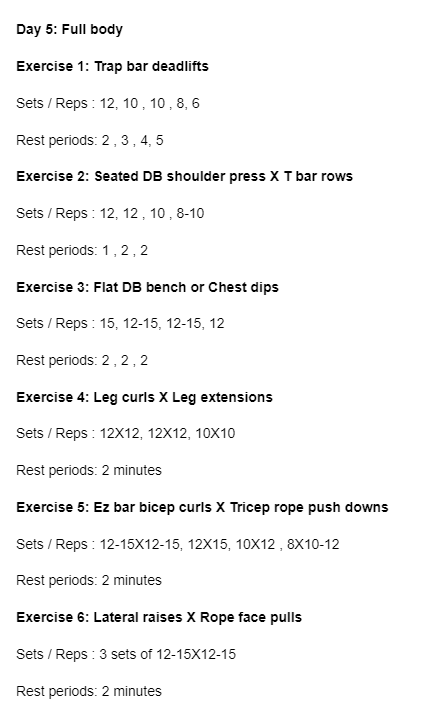
Top the above split with a full body day as the one in the pic.
*I do not recommend training full body style if you're an advanced lifter but rotating PPL, Upper/Lower and Chest&Back/Shoulders & Arms/Legs splits*
*I do not recommend training full body style if you're an advanced lifter but rotating PPL, Upper/Lower and Chest&Back/Shoulders & Arms/Legs splits*
Moving on to recovery.
You don’t grow in the gym but outside of the gym.
When you train you create tiny tears (microtears) that on the muscle.
As the muscles repair themselves and the tiny tears heal, the muscle tissue becomes inflamed.
You don’t grow in the gym but outside of the gym.
When you train you create tiny tears (microtears) that on the muscle.
As the muscles repair themselves and the tiny tears heal, the muscle tissue becomes inflamed.
Ideally within a few days, your muscles recover and the inflammation goes away resulting in the muscle to grow bigger and stronger as a result.
But that's not always the case.
Recovery is the most neglected tool when it comes to muscle mass but it's a non negotiable.
But that's not always the case.
Recovery is the most neglected tool when it comes to muscle mass but it's a non negotiable.
If you want to grow you need to prioritize recovery.
Here are the main things that interfere with your recovery:
1)Improper sleep
2)Alcohol
3)Stress
4)Not enough bioavailable protein (peanuts don't have protein, they have some amino acids, not protein, stop playing with words).
Here are the main things that interfere with your recovery:
1)Improper sleep
2)Alcohol
3)Stress
4)Not enough bioavailable protein (peanuts don't have protein, they have some amino acids, not protein, stop playing with words).
Tools that will help you recover better are:
1)Epsom salt baths
2)Glycine
3)Taurine
4)Sauna
5)Ice baths/cold showers
6)2 grams of protein per pound of bodyweight
7)Glutamine
8)Fruit
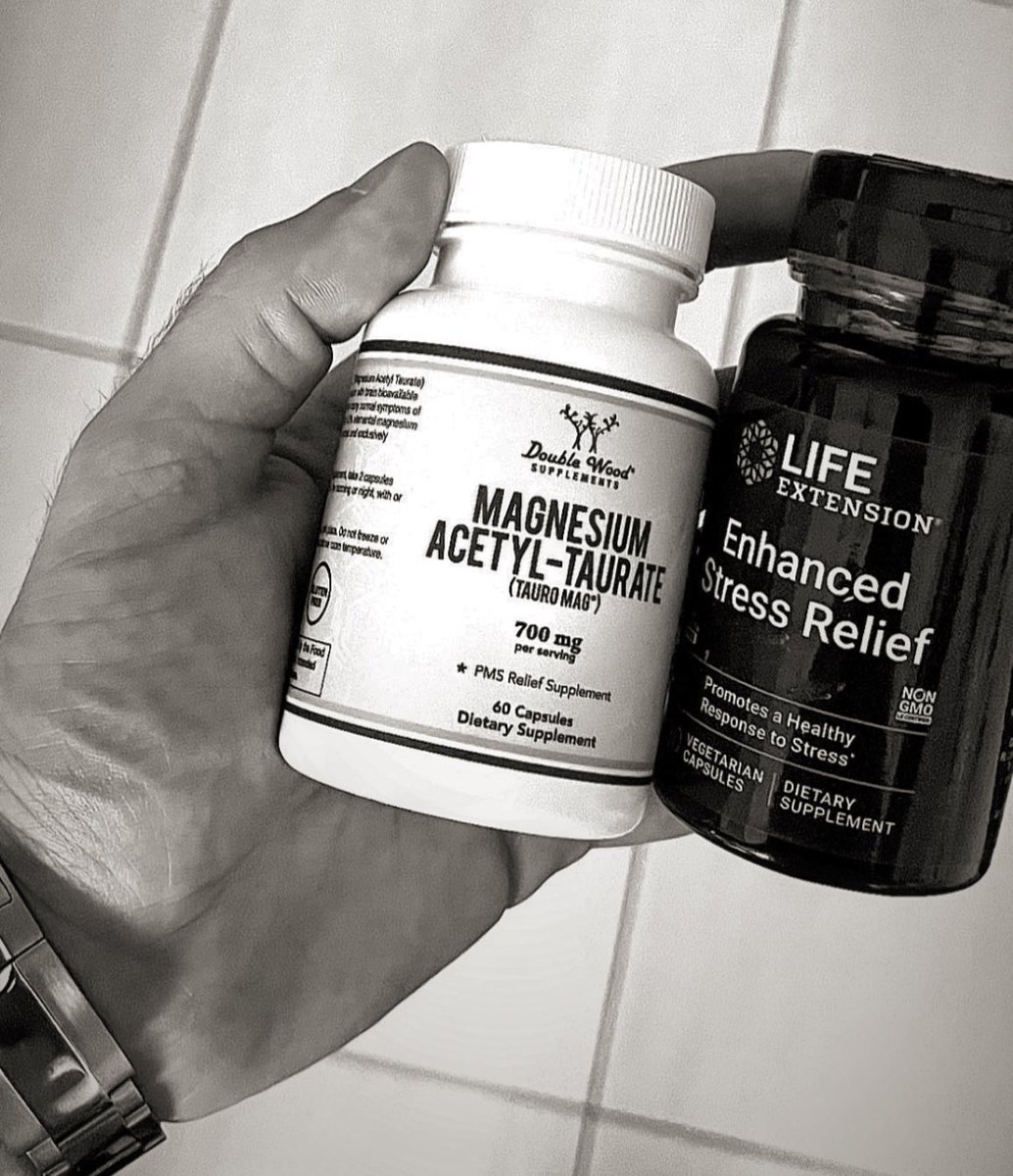
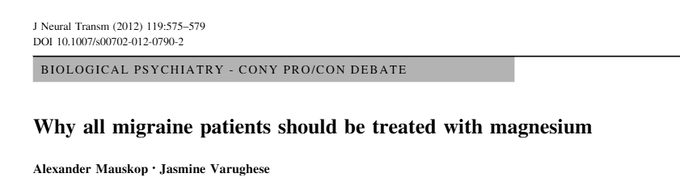
9)Magnesium
10)Grounding
11)Sunlight
12)Deep tissue massages
13)Stretching
14)Red light
1)Epsom salt baths
2)Glycine
3)Taurine
4)Sauna
5)Ice baths/cold showers
6)2 grams of protein per pound of bodyweight
7)Glutamine
8)Fruit
9)Magnesium
10)Grounding
11)Sunlight
12)Deep tissue massages
13)Stretching
14)Red light
Moving on to how you should eat.
First we need bioavailable protein.
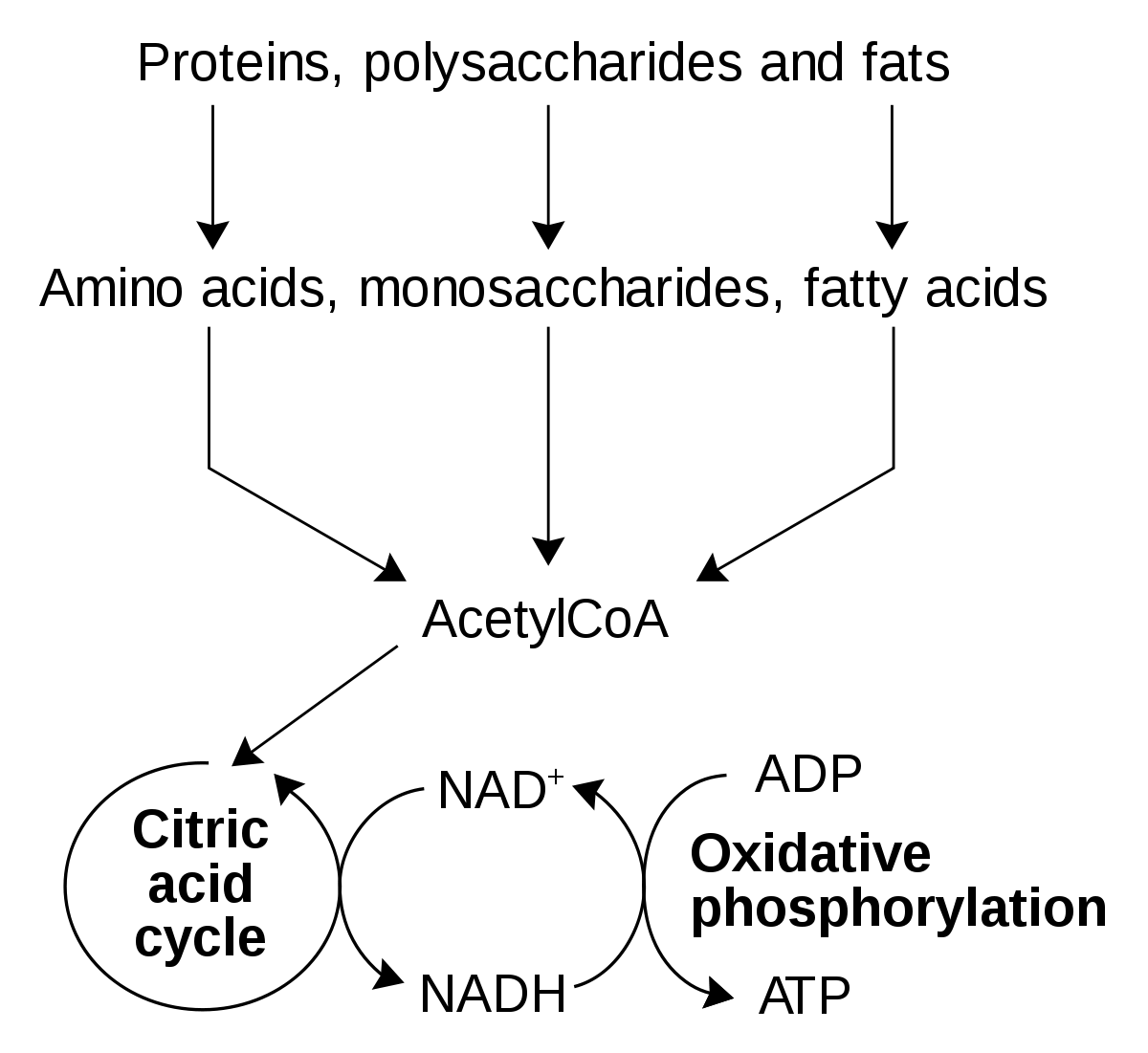
In order to build something you need building blocks and the building blocks of muscle are amino acids which we get by eating protein.
Our bodies ar in a constant process of renewing and recycling the amino
First we need bioavailable protein.
In order to build something you need building blocks and the building blocks of muscle are amino acids which we get by eating protein.
Our bodies ar in a constant process of renewing and recycling the amino
acids in our muscles.
If our bodies removes more protein than they add, we’ll lose muscle mass.
If the net protein synthesis is even, no measurable change in muscle size occurs.
So we want to deposit more protein than they removes in order for our muscles to grow.
If our bodies removes more protein than they add, we’ll lose muscle mass.
If the net protein synthesis is even, no measurable change in muscle size occurs.
So we want to deposit more protein than they removes in order for our muscles to grow.
So one of the keys to building muscle is to increase the rate of protein deposition while minimizing the rate of protein breakdown.
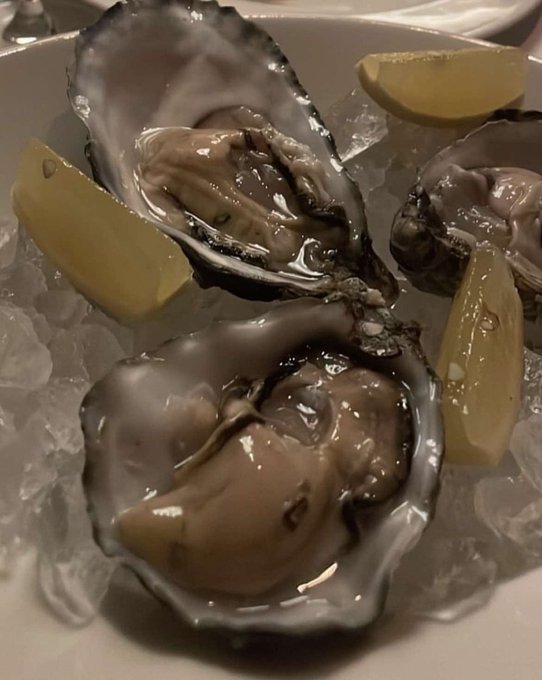
The most bioavailable protein sources are eggs, then raw milk, beef, shellfish such as oysters, white fish, chicken and so on.
The most bioavailable protein sources are eggs, then raw milk, beef, shellfish such as oysters, white fish, chicken and so on.
Ideally since the digestion and amino acid profiles are different, you want to consume eggs and dairy as pre/post workout meals (the anabolic window is not a lie by the way and all you have to do is try it yourslves) and muscle meats, bone marrow and so on as regular meals.
Then we have nutrients.
In the following thread there are the key vitamins and minerals that you will need in order to recover properly, build muscle and boost your performance.
Not only that but it also includes foods you want to avoid as well.
In the following thread there are the key vitamins and minerals that you will need in order to recover properly, build muscle and boost your performance.
Not only that but it also includes foods you want to avoid as well.
https://twitter.com/Helios_Movement/status/1577691896818069504
Last but not least, you can not build muscle in a caloric deficit, the scale needs to slowly go up.
So yes, if you have zero experience with tracking, track your protein intake for a period of time and weight yourself every day and at the end of the week add each weight and
So yes, if you have zero experience with tracking, track your protein intake for a period of time and weight yourself every day and at the end of the week add each weight and
devide it by 7 to find your average.
If you're not an amateur lifter and you're putting on more than 2 pounds a week, you're over eating.
Last but not least we have optimizing your hormones.
Hormones are the real muscle builders.
Without porper functioning hormones, building
If you're not an amateur lifter and you're putting on more than 2 pounds a week, you're over eating.
Last but not least we have optimizing your hormones.
Hormones are the real muscle builders.
Without porper functioning hormones, building
muscle will be impossible.
Hormonal optimization begins in the gut.
Endotoxins for example reduce testosterone production by the testis, both by direct inhibition of Leydig cell steroidogenic pathways and indirectly by reducing pituitary LH drive.
Hormonal optimization begins in the gut.
Endotoxins for example reduce testosterone production by the testis, both by direct inhibition of Leydig cell steroidogenic pathways and indirectly by reducing pituitary LH drive.
So read this thread and implement the tools that are mentioned inside of it.
https://twitter.com/Helios_Movement/status/1583108620585435136
Then we have the thyroid.
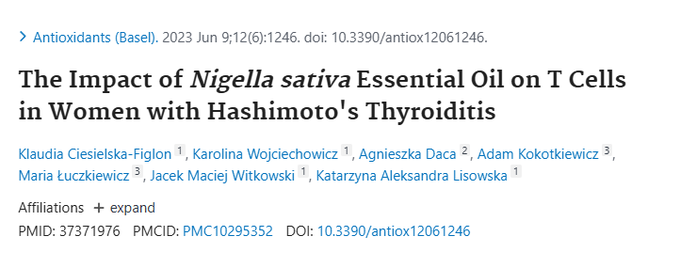
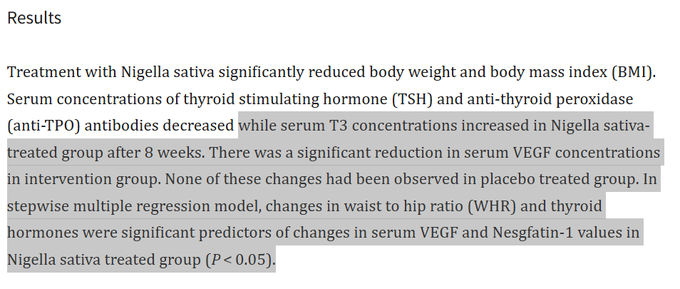
Adding muscle is a metabolically demanding process and if our thyroid is not running optimally, we'll face issues.
Here's a full thread on thyroid health.
Adding muscle is a metabolically demanding process and if our thyroid is not running optimally, we'll face issues.
Here's a full thread on thyroid health.
https://twitter.com/Helios_Movement/status/1582327745711050753
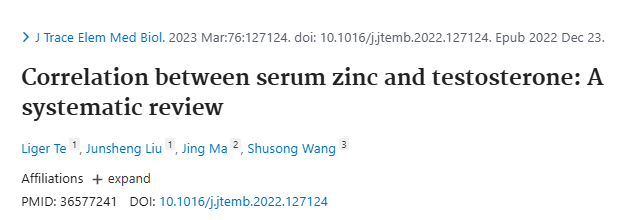
And last but not least here's one more a full thread on optimizing testosterone.
https://twitter.com/Helios_Movement/status/1577691896818069504
This is it.
Adding muscle is not that complicated.
Re-read this thread understand the basic principles, follow them for 6 months and you WILL grow.
If you enjoyes this simple recipe for muscle building, make sure to like or RT the first tweet.
Adding muscle is not that complicated.
Re-read this thread understand the basic principles, follow them for 6 months and you WILL grow.
If you enjoyes this simple recipe for muscle building, make sure to like or RT the first tweet.
https://twitter.com/Helios_Movement/status/1589606045915447297
• • •
Missing some Tweet in this thread? You can try to
force a refresh