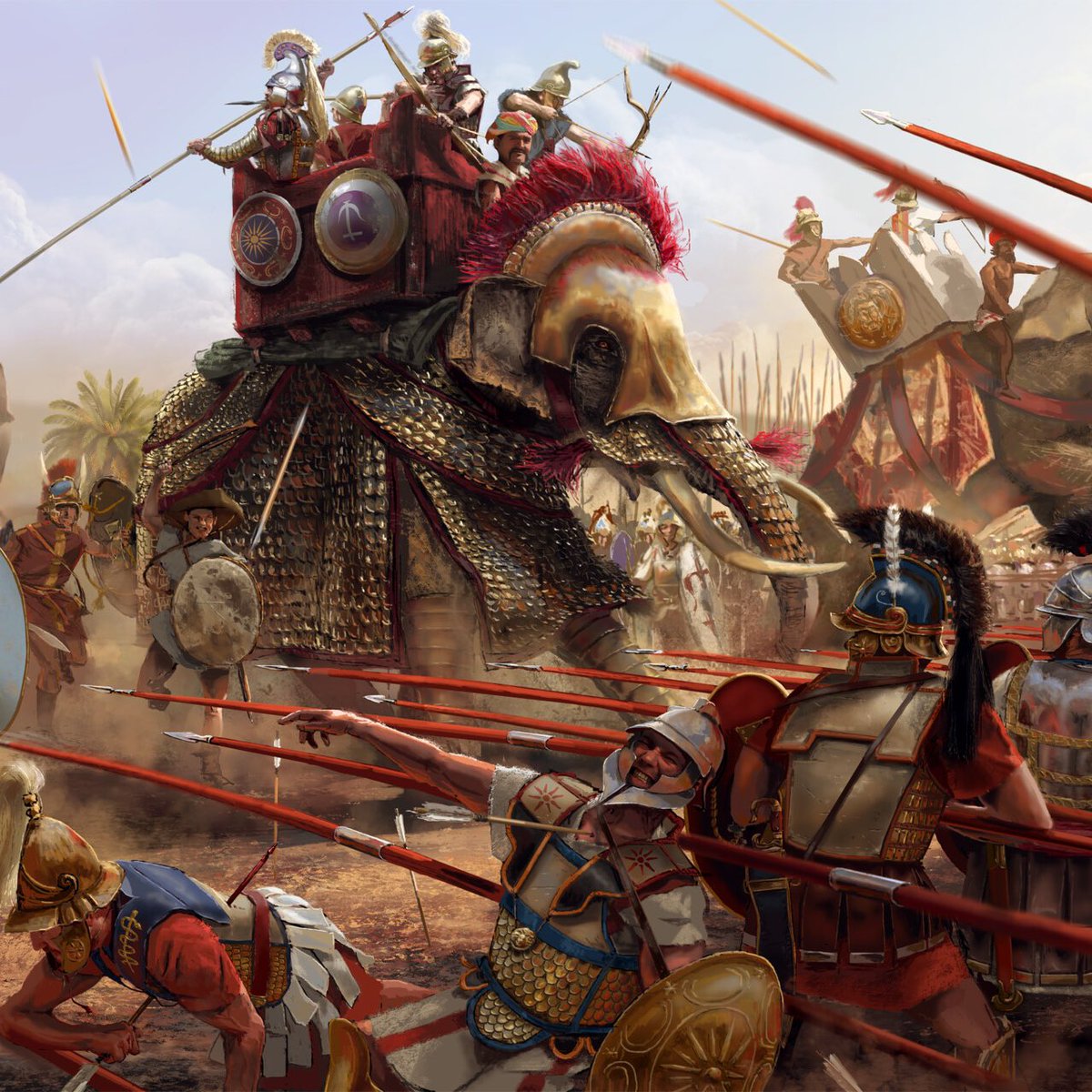
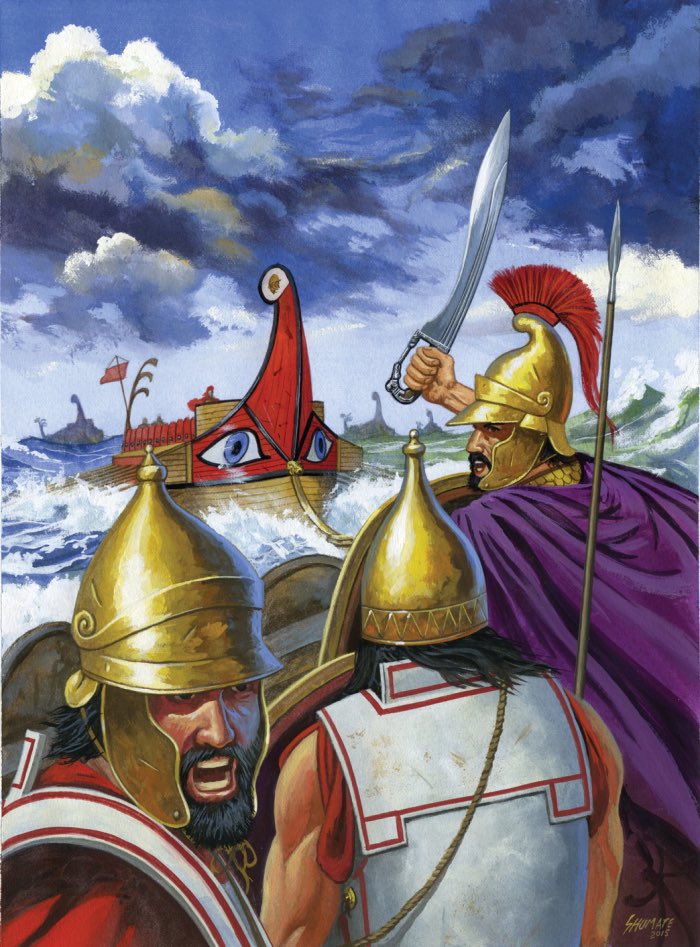
Incredible; Greek Hoplites & Han warriors once fought one another.
A thread on the War of the Heavenly Horses.
A thread on the War of the Heavenly Horses.
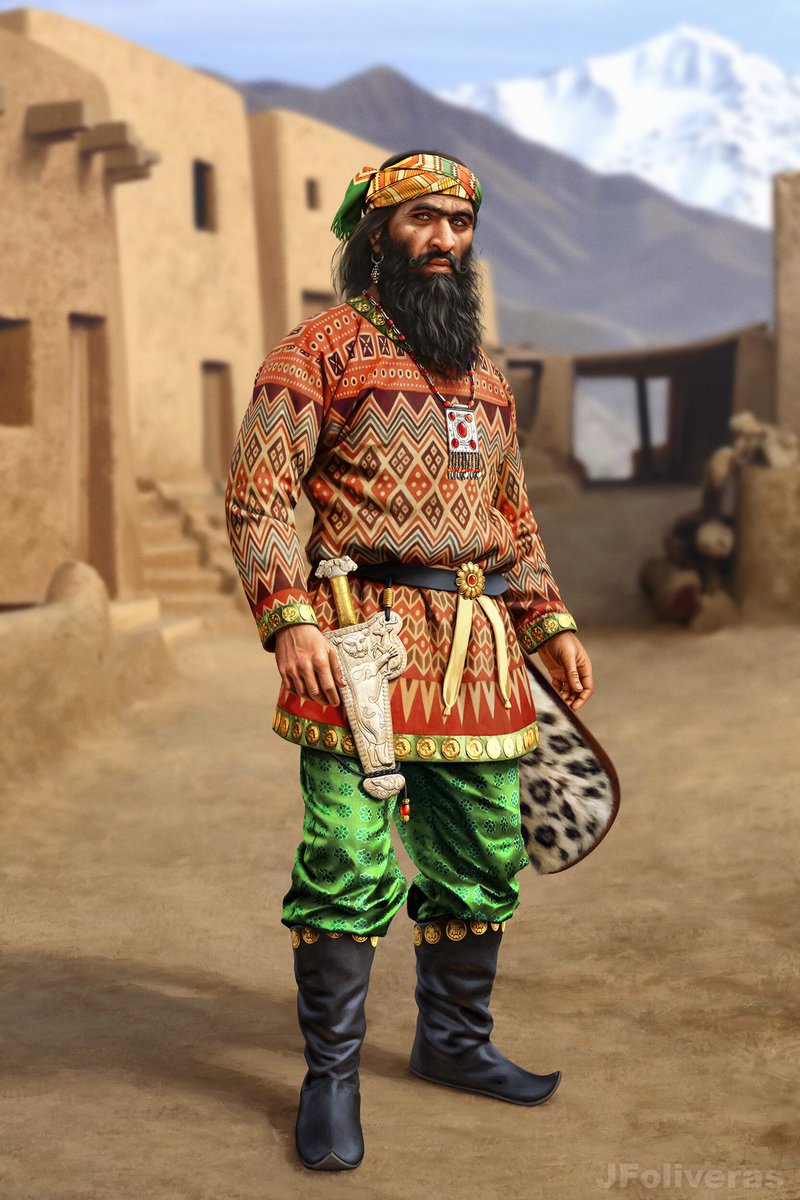
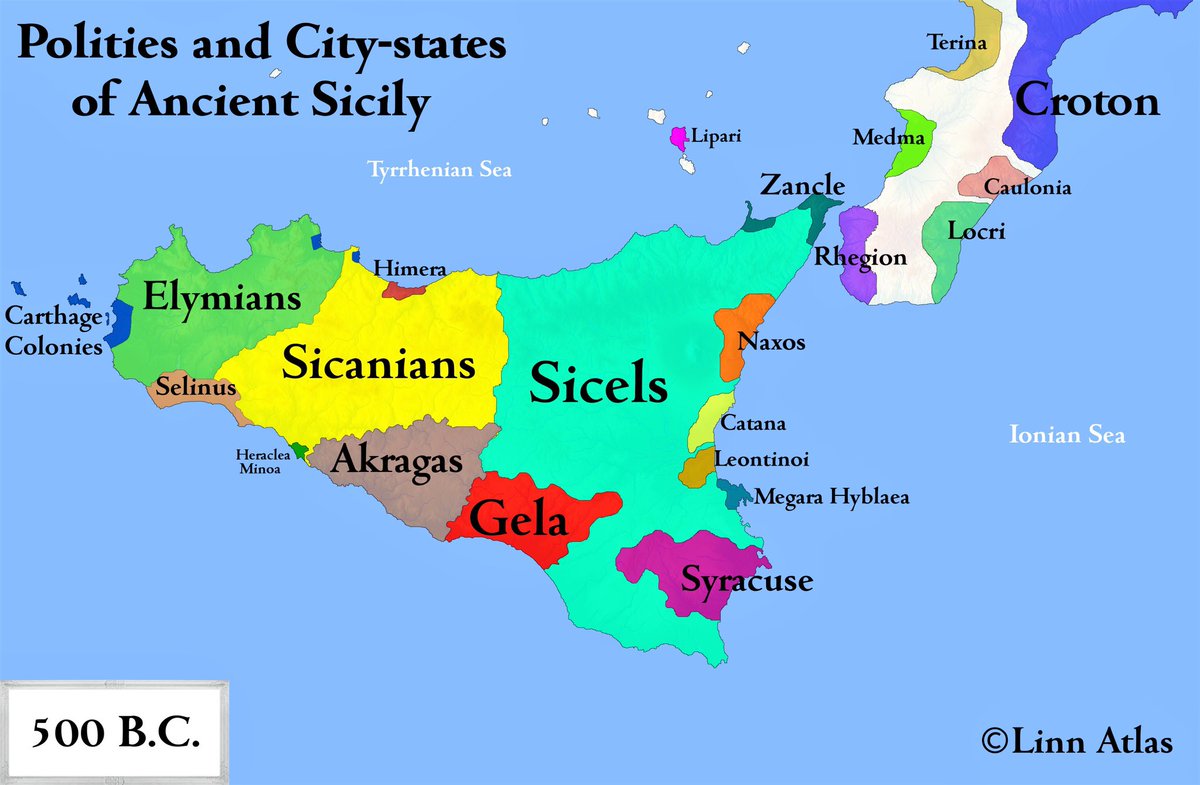
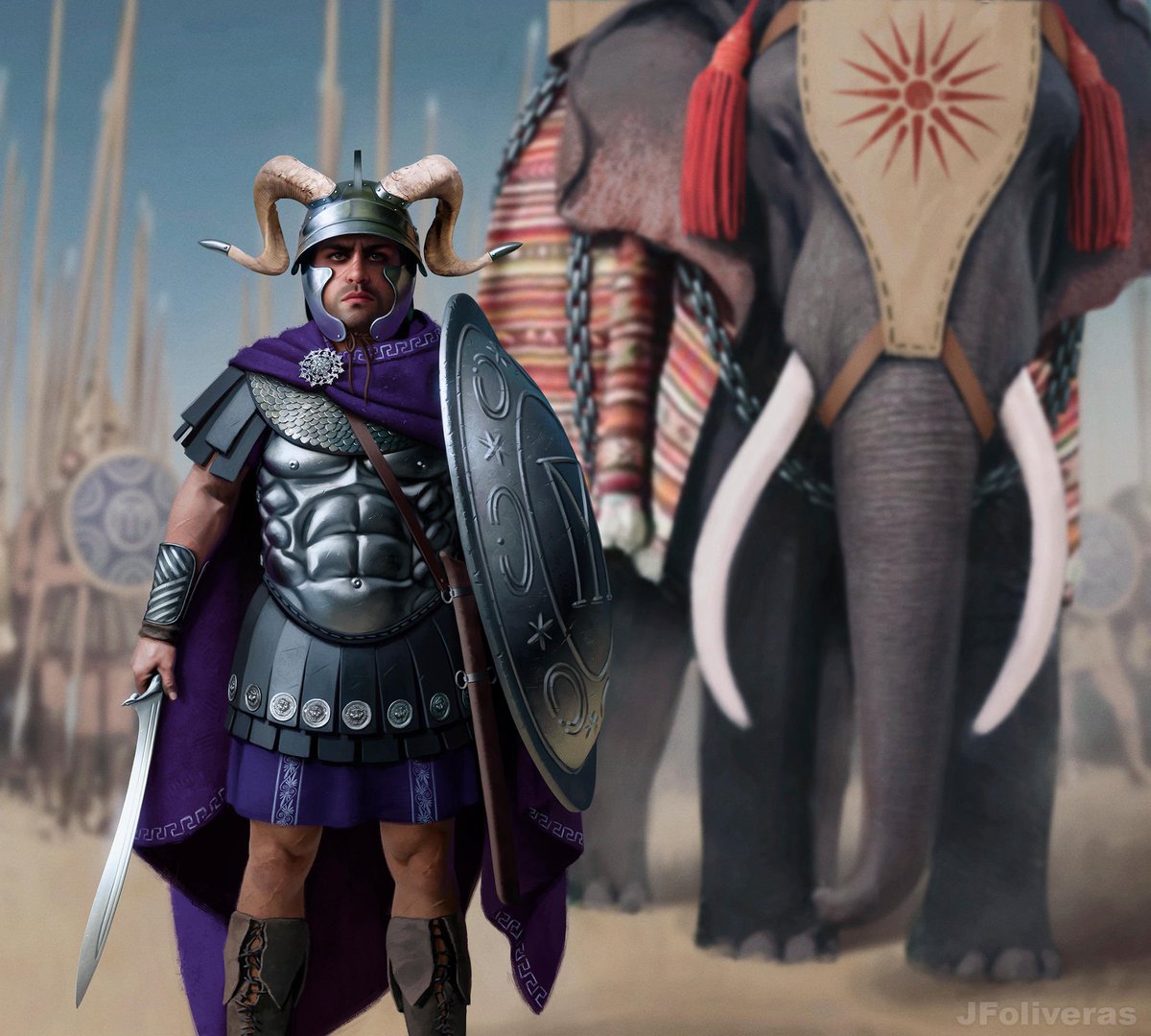
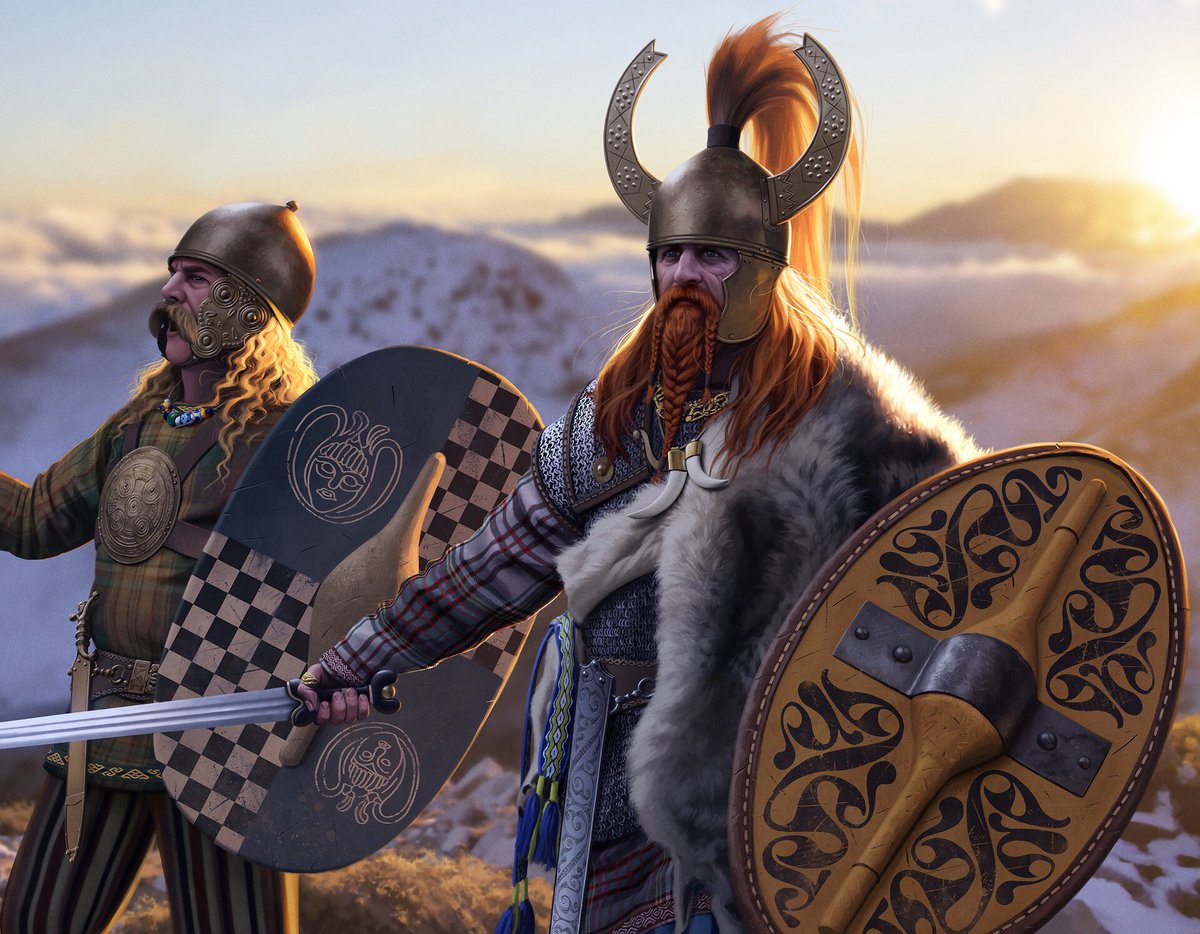
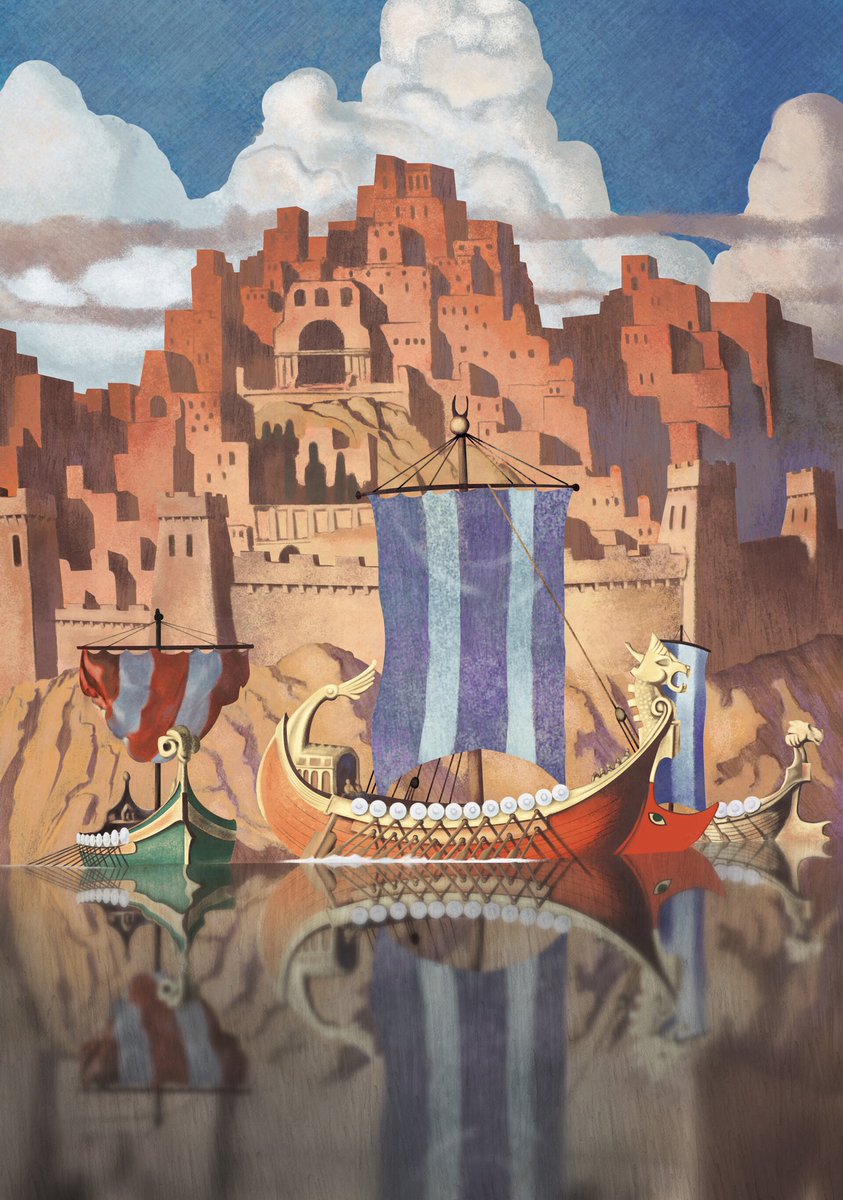
Central Asia was once the home to the Greco-Bactrian Kingdom, a Hellenic outpost at the crossroads of the ancient world. Even after their conquest by steppe tribes in the middle of the 2nd c. BC, the Hellenic urban culture & people remained.
https://twitter.com/varangian_tagma/status/1585269599498424320
At this time the Han Empire was locked in a desperate struggle with its foes, steppe riders to the north & west named the Xiongnu. The Han struggled militarily because of the Xiongnu’s superior horses, raised on the Mongolian steppe. Emperor Wu needed powerful horses of his own.
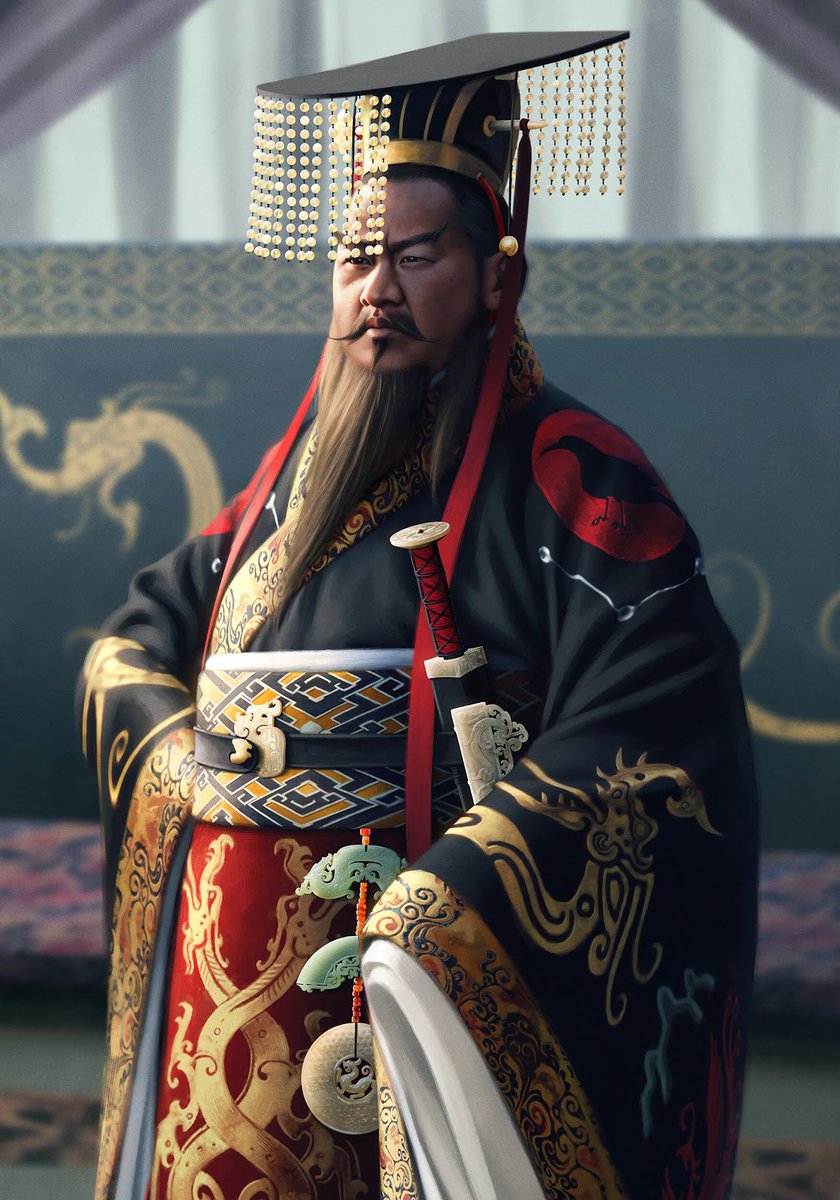
The Chinese diplomat Zhang Qian had visited the Greco-Bactrian cities of the Fergana Valley & noted their fine stud farms, going so far as to characterize their breed as “heavenly horses.” Emperor Wu sent envoys to the “Dayuan,” the Chinese name for these Hellenic settlers.
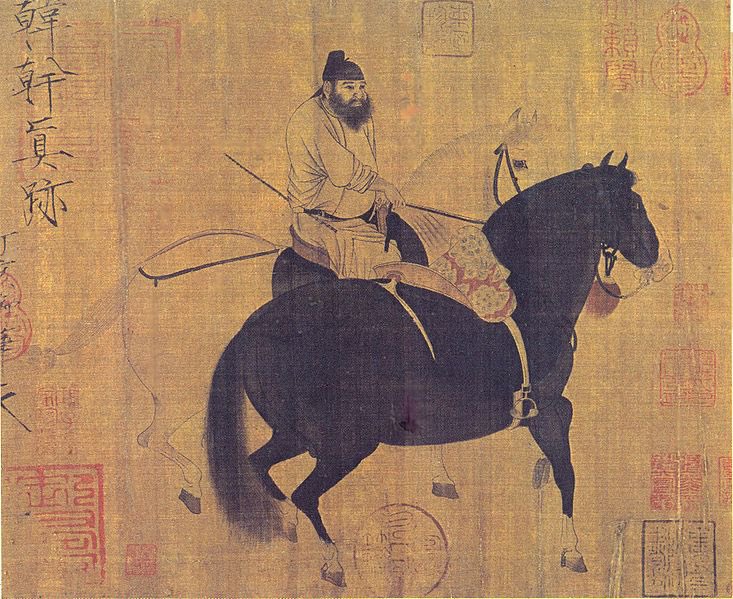
However, the Greco-Bactrians refused to offer enough horses to the Han. The frustrated Han envoys smashed a golden statue of horse they had brought as a gift. Years of escalating & mutual disrespect, boiled over and the Greco-Bactrians killed the envoys & took their gold.
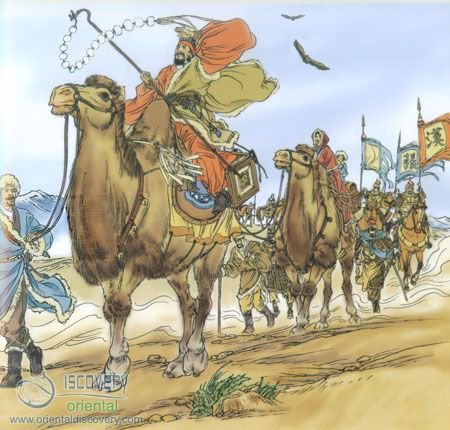
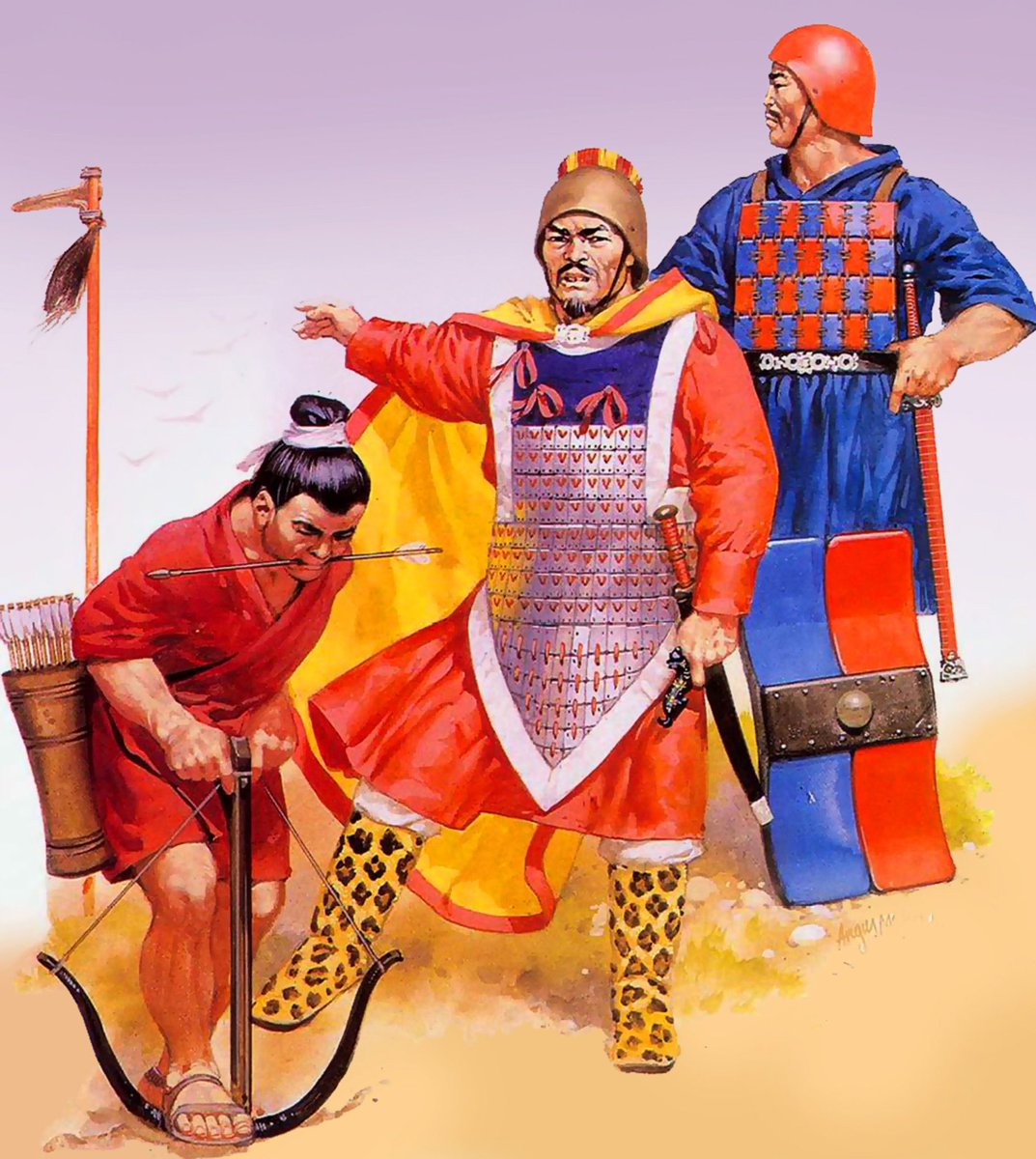
Emperor Wu was outraged & dispatched an army of 30,000 conscripts & criminals and 6,000 horsemen under the command of his favorite concubine’s brother, General Li Guangli. Li marched westward in the Autumn of 104 BC, intent on projecting Han power beyond the Tarim Basin.
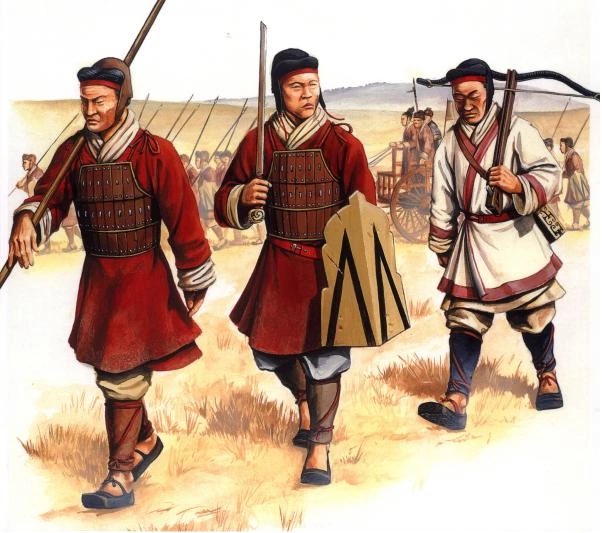
Li’s army first marched past the oasis cities that ringed the desolate Taklamakan Desert. Desperate for supplies & refused help, Li was forced to besiege them. If the city resisted more than a few days, Li moved on, insistent on stopping the expedition from getting bogged down.
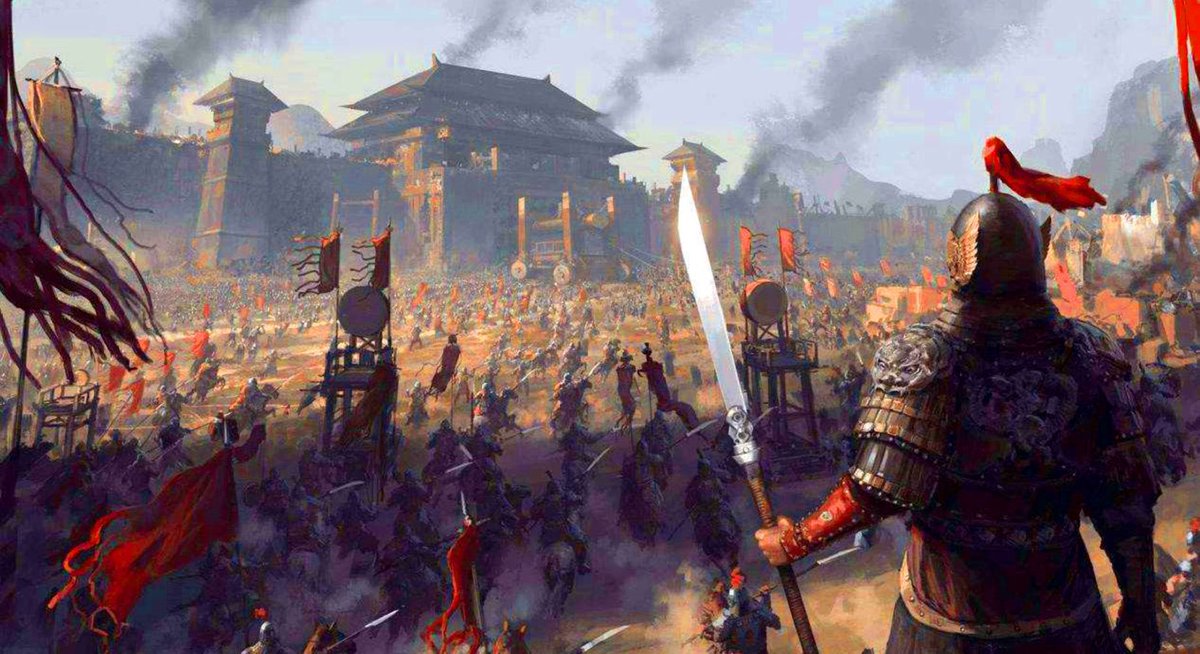
These sieges, many unsuccessful, wasted precious time & Li couldn’t procure the supplies he needed. By the time his army reached Yucheng, (modern Özgön, Kyrgyzstan) the easternmost Greco-Bactrian city, his army was starving and exhausted. Yucheng’s warriors defeated the Han army.
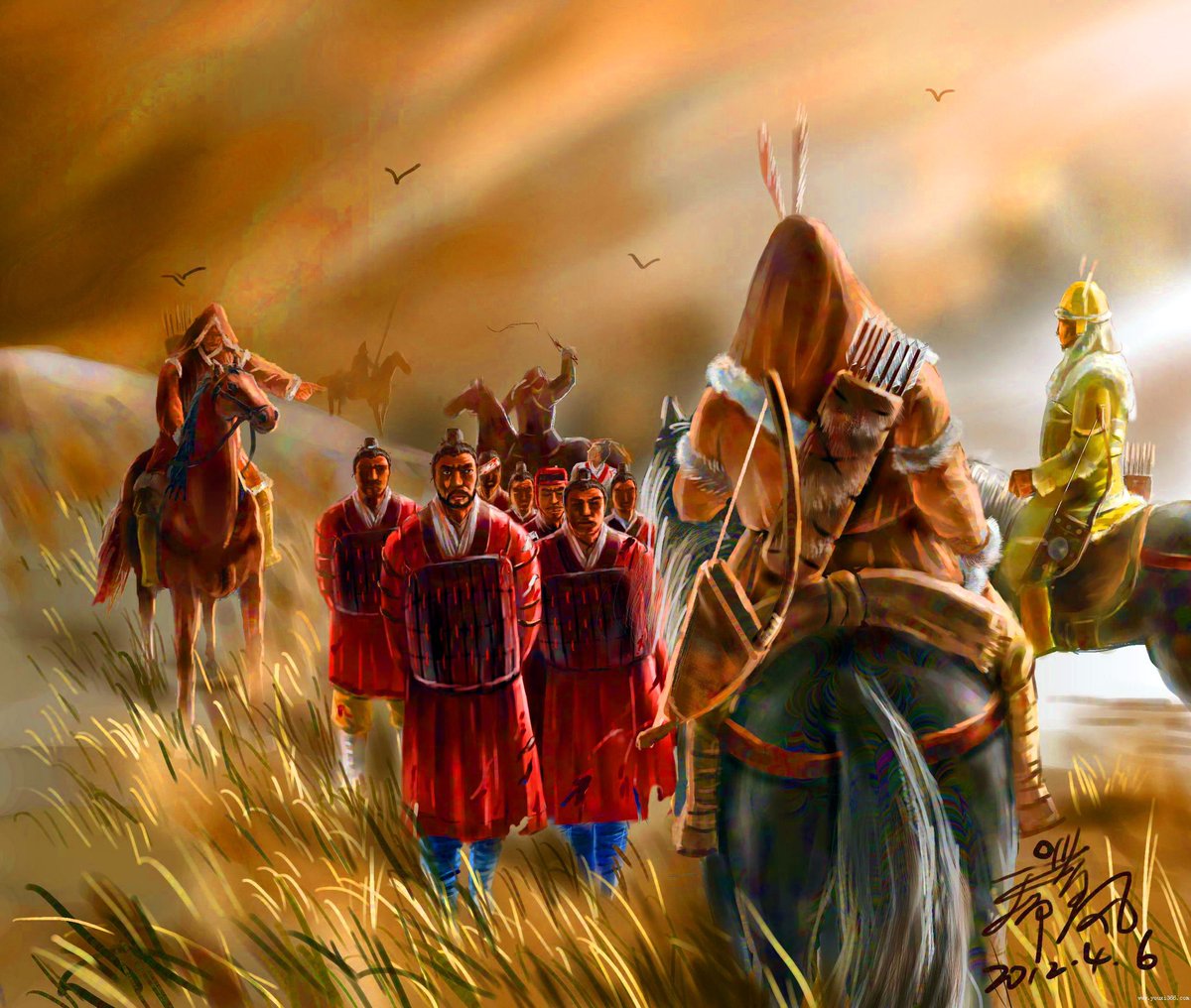
Li, realizing his shattered army couldn’t continue the campaign, retreated back across the Taklamakan to Dunhuang, the westernmost city under Han control. After this disastrous campaign, Emperor Wu’s court was divided on how best to proceed with the Greco-Bactrians.
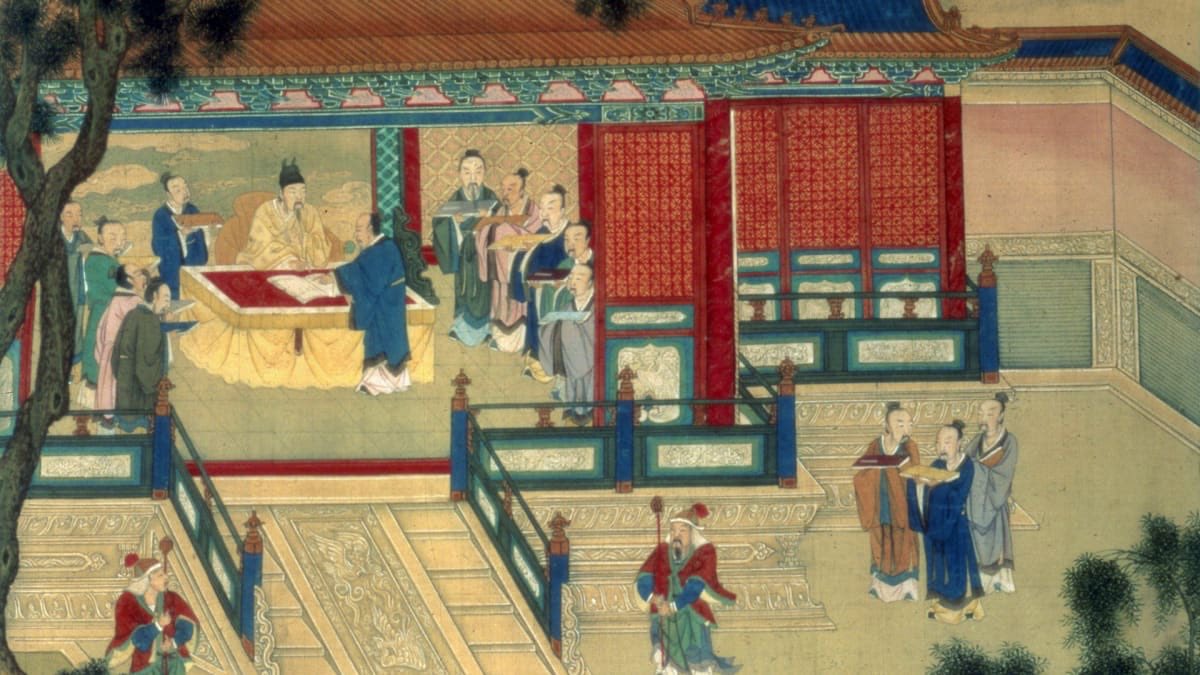
The Han court officials wanted to concentrate their resources on fighting the Xiongnu, believing that the armies sent west would continue to die slowly in the sands of the Taklamakan, sapping the strength of the state. Emperor Wu felt differently.
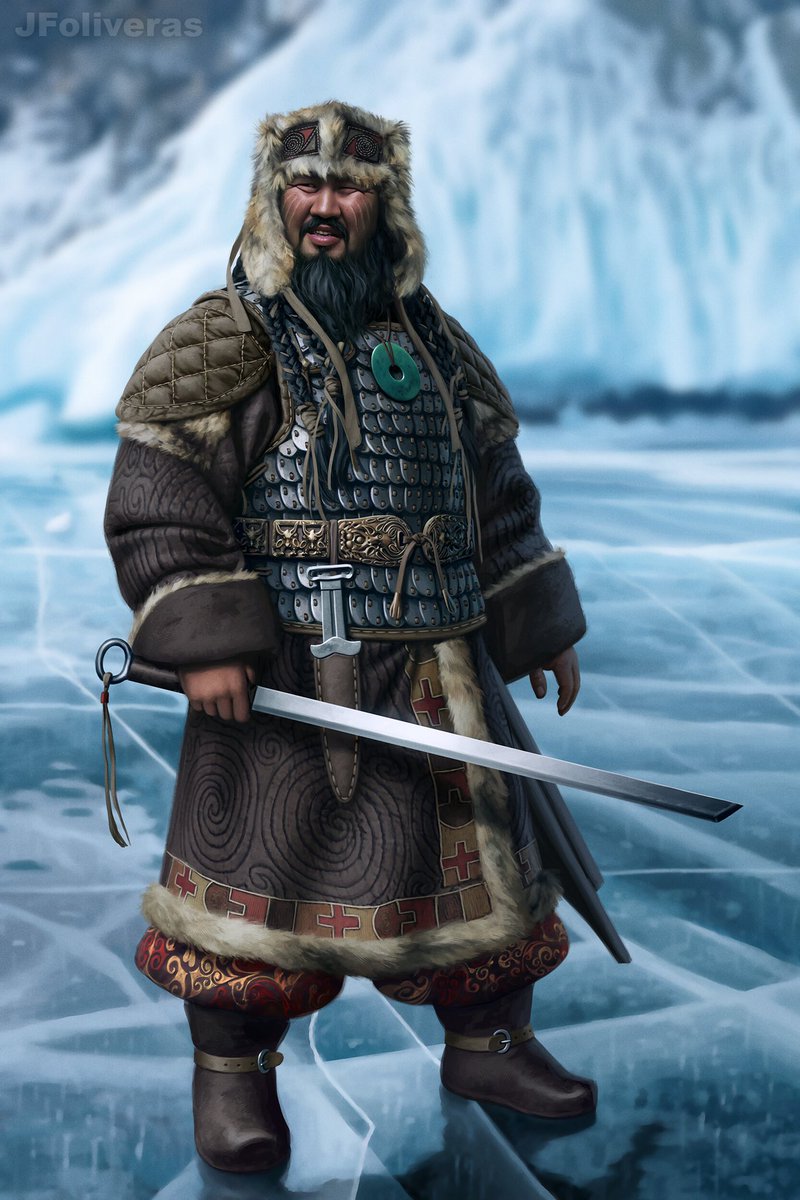
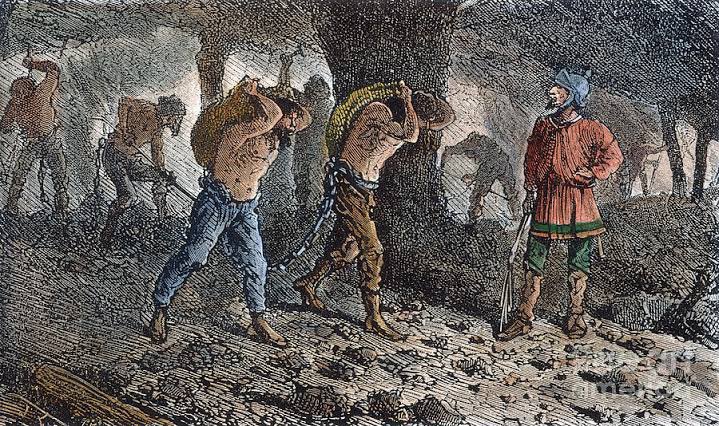
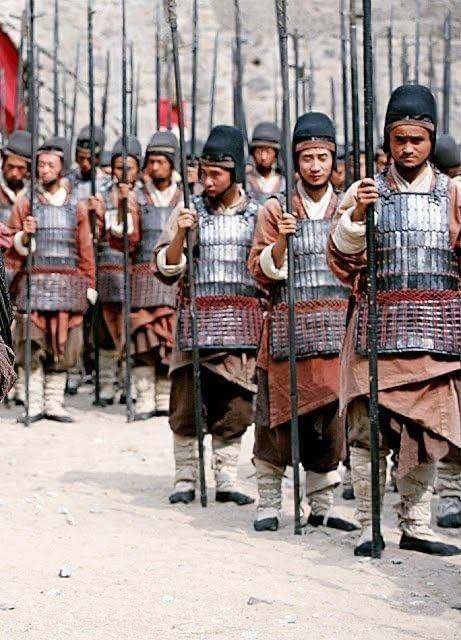
Fearing failure would cause the Empire to lose prestige with the states to its west, Wu outfitted Li with a much larger force. 60,000 penal recruits & mercenaries marched toward the oasis cities of the Tarim Basin in 102 BC.

The army was much better provisioned, bringing 30,000 horses, 100,000 oxen, & 20,000 donkeys & camels. When the oasis cities saw this much larger force they simply surrendered, only one city, Luntai, resisted. Li besieged them & massacred the populace.
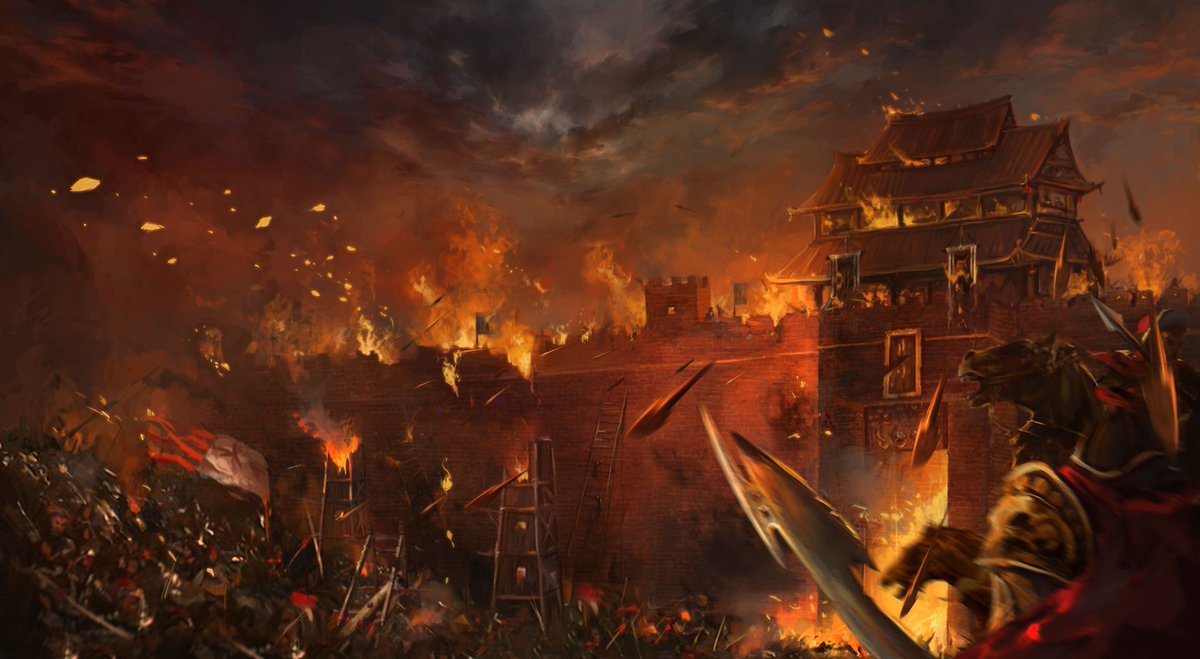
Not wishing to repeat his last expedition, Li bypassed Yucheng & marched straight for Ershi (Alexandria Eschate), the Greco-Bactrian capital. Li besieged the city. Horsemen, likely Yuezhi steppe-riders, sallied out to face the Han army, but were routed by Li’s crossbowmen.
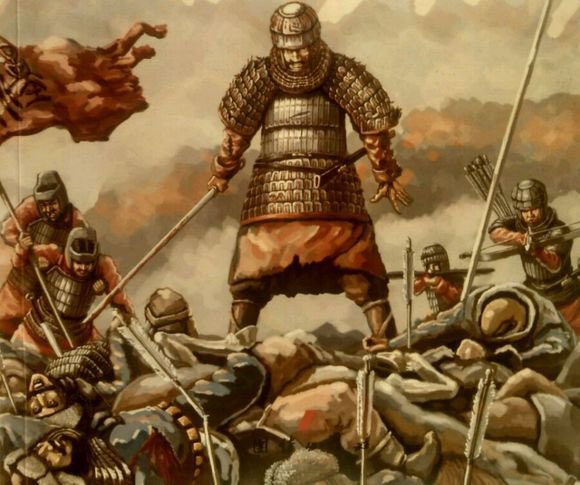
Li wasted no time in applying pressure to the besieged Greco-Bactrians, his engineers diverting the Jaxartes River (modern Syr Darya) which passed through the city. This presented a dire threat to the Greco-Bactrians as the city had no wells or cisterns.
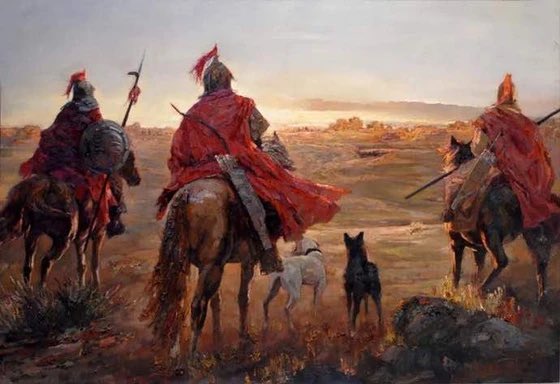
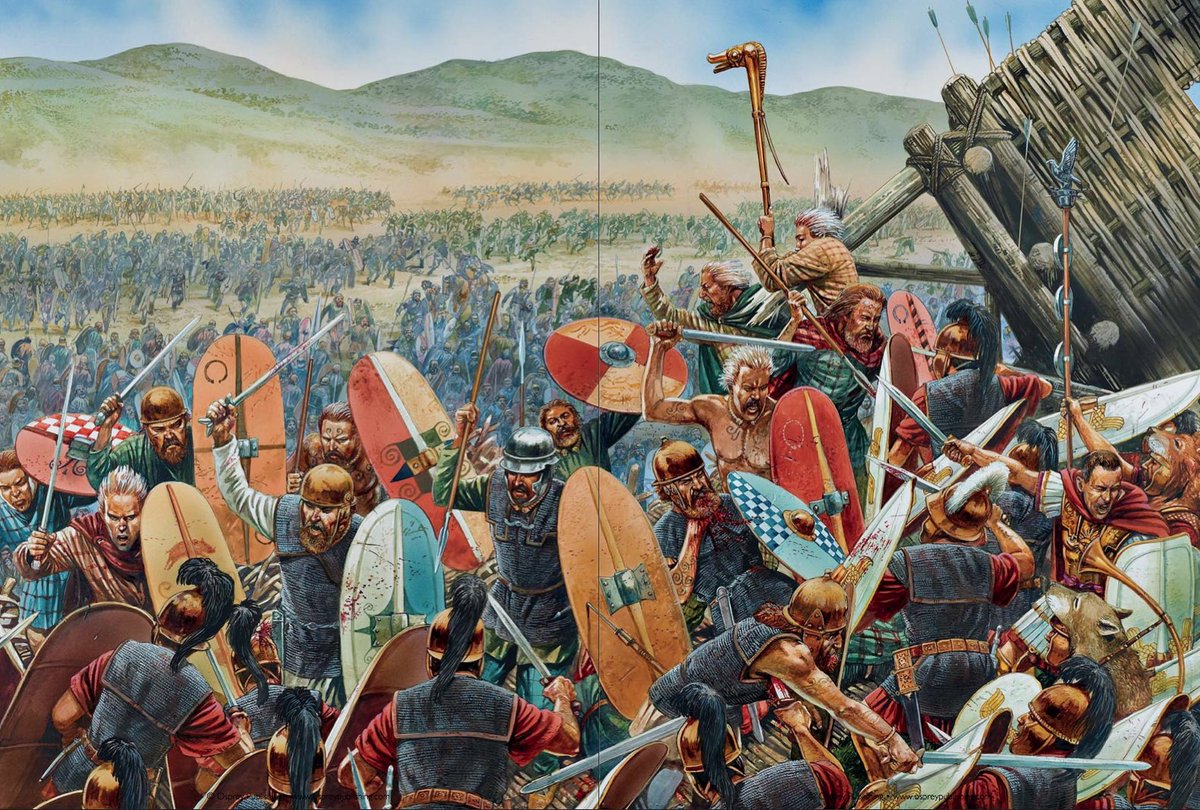
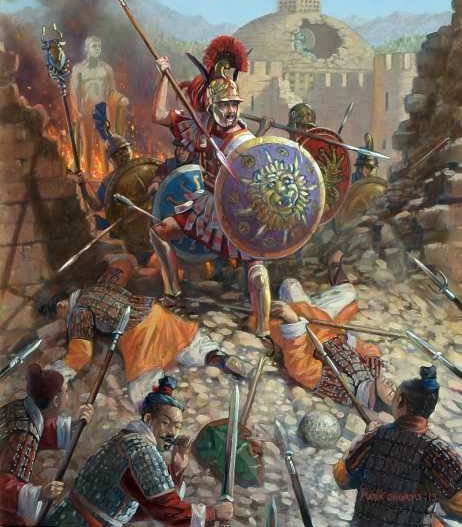
After 40 days, Li’s men broke through the city walls and killed the Greco-Bactrian general, Jianmi (recorded in the Chinese sources). One can imagine the vicious fighting that engulfed the walls & streets of this Hellenic city.
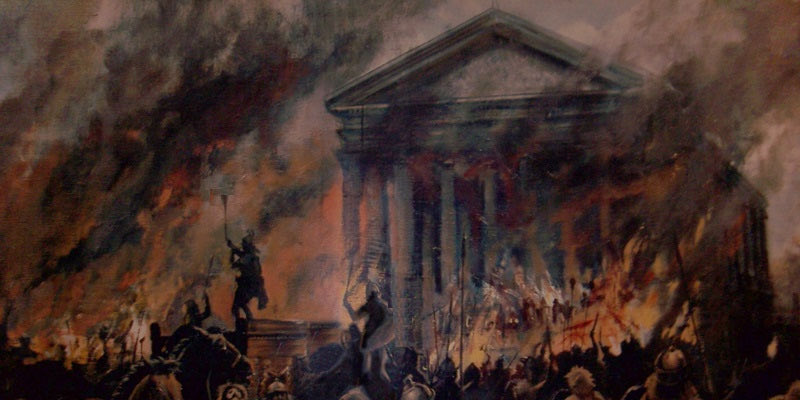
Crossbow bolts thudded into bronze shields, halberds smashed helmets, spears split scale cuirasses. The Hellenic & Sinic worlds warred on the burning streets of a Greek city dropped into the dramatic topography of Central Asia, like something out of a fever dream.
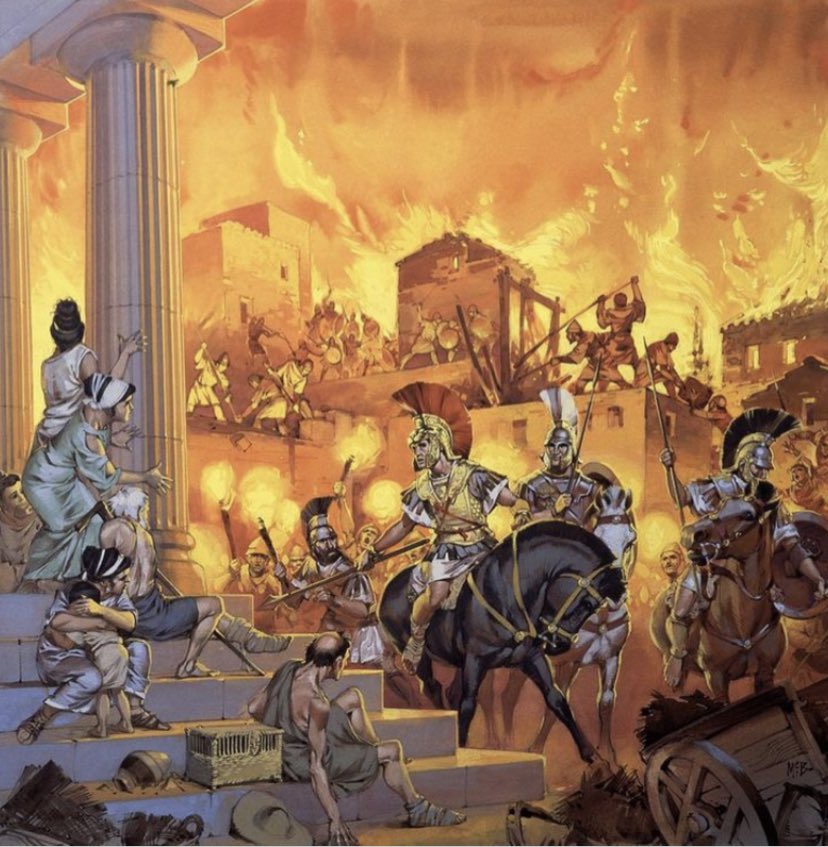
The Greco-Bactrians retreated to the citadel. Recognizing they couldn’t win, the nobles killed their king, Wugua, & sent Li his head. The nobles offered as many horses as Li desired & supplies for his trek home for peace, or they would kill all the Heavenly Horses & die fighting.
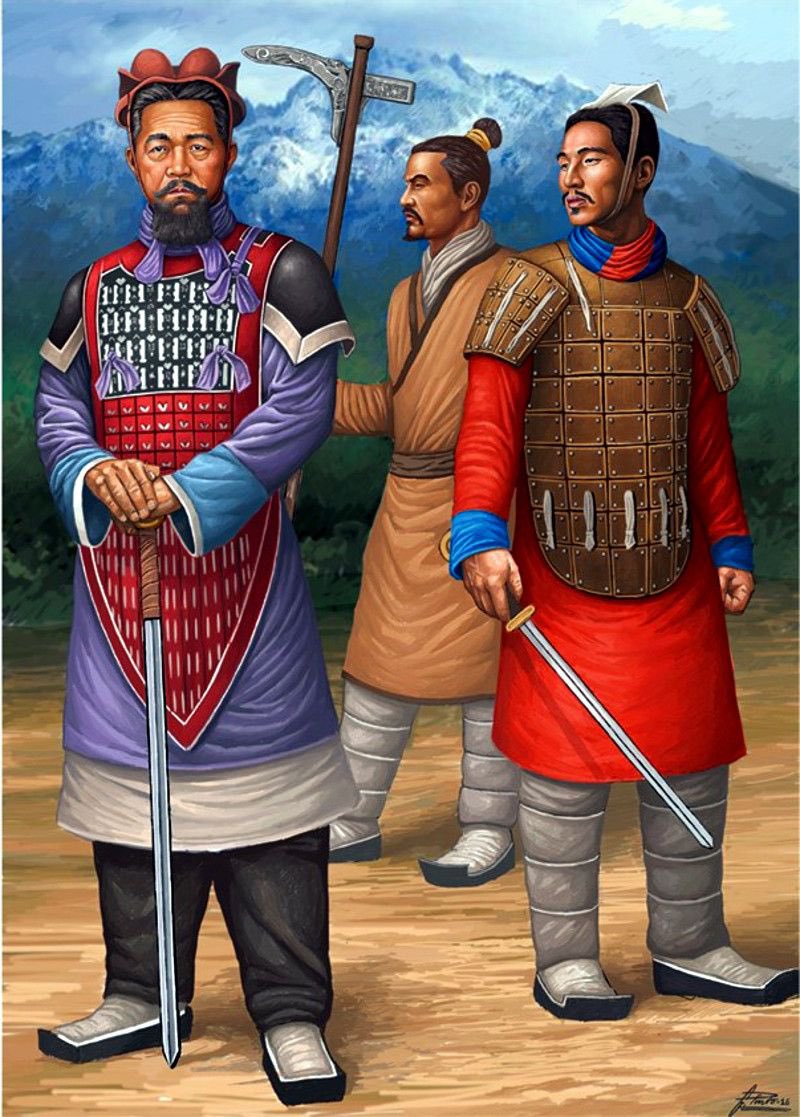
Li accepted & left Alexandria Eschate with 3,000 horses. Li also selected a new king for the Greco-Bactrians; Meicai, a man who had been kind to the Han envoys before the punitive expeditions. Li split his army for the return journey; the land couldn’t support his whole force.
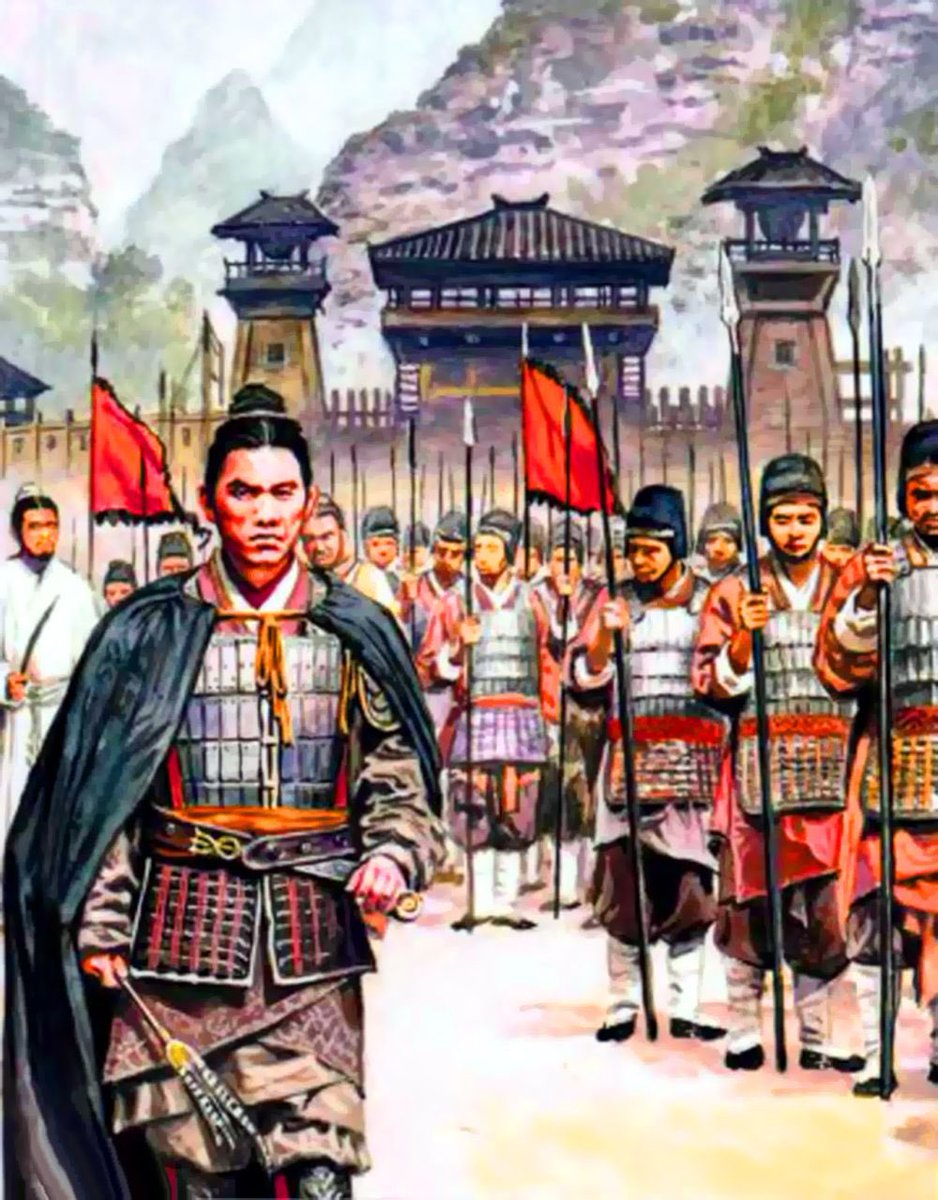
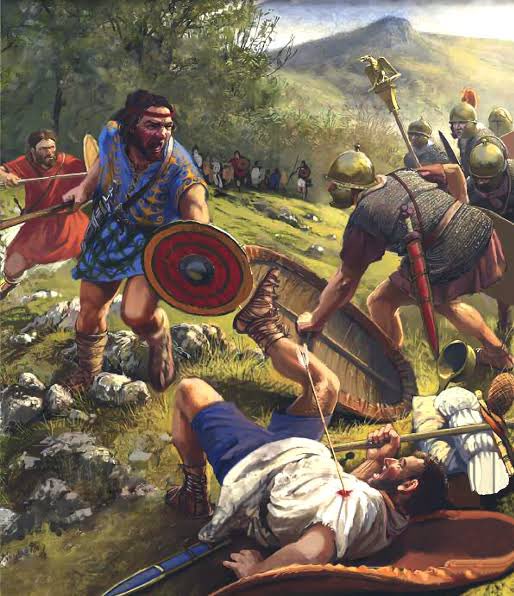
One group of only 1,000 men attempted to avenge themselves and seize Yucheng. After a few days of besieging the city, Yucheng’s 3,000 strong army sallied out and slaughtered the Han. Few survivors escaped the fearsome combination of steppe riders & Hellenic phalanxes.
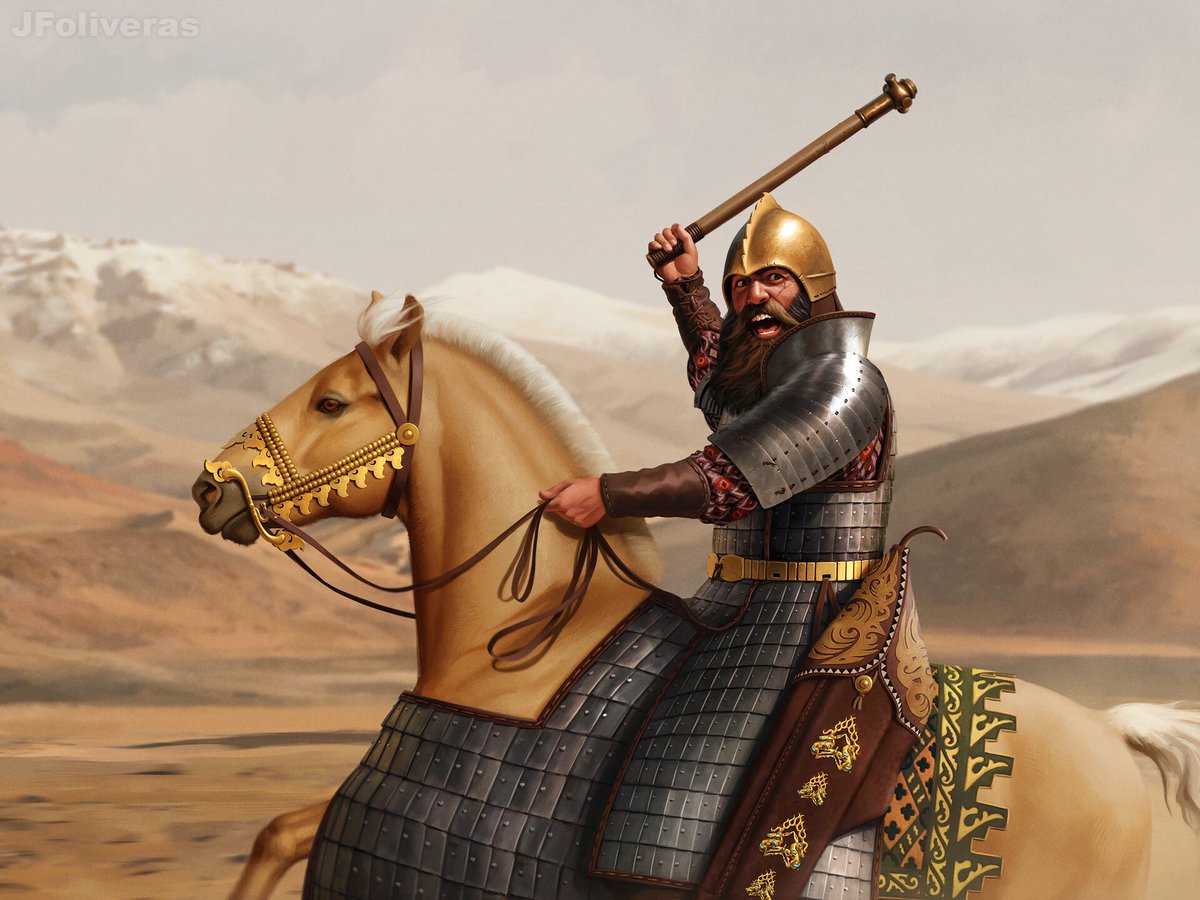
When the survivors reached Li he dispatched more men under his general Shanggun Jie to defeat Yucheng. The king of Yucheng fled to the Sogdians & the city surrendered. When the Sogdians learned of the Greco-Bactrians’ defeat they gave the king to General Shanggun who executed him
Li met no further resistance on his way home; however, the harsh journey & bloody conflict had decimated his men. Only 10,000 men & 1,000 horses returned to China in fighting shape. The desolate wastes, abuse of penal soldiers, & starvation had lead to attrition & desertion.
However, Emperor Wu considered this a victory. The Heavenly Horses had been procured, the Tarim Oasis Cities had been brought under Han sway, and Greco-Bactrians humbled. The Emperor richly rewarded his generals; Li became Marquis of Haixi, Shanggun was made privy treasurer.
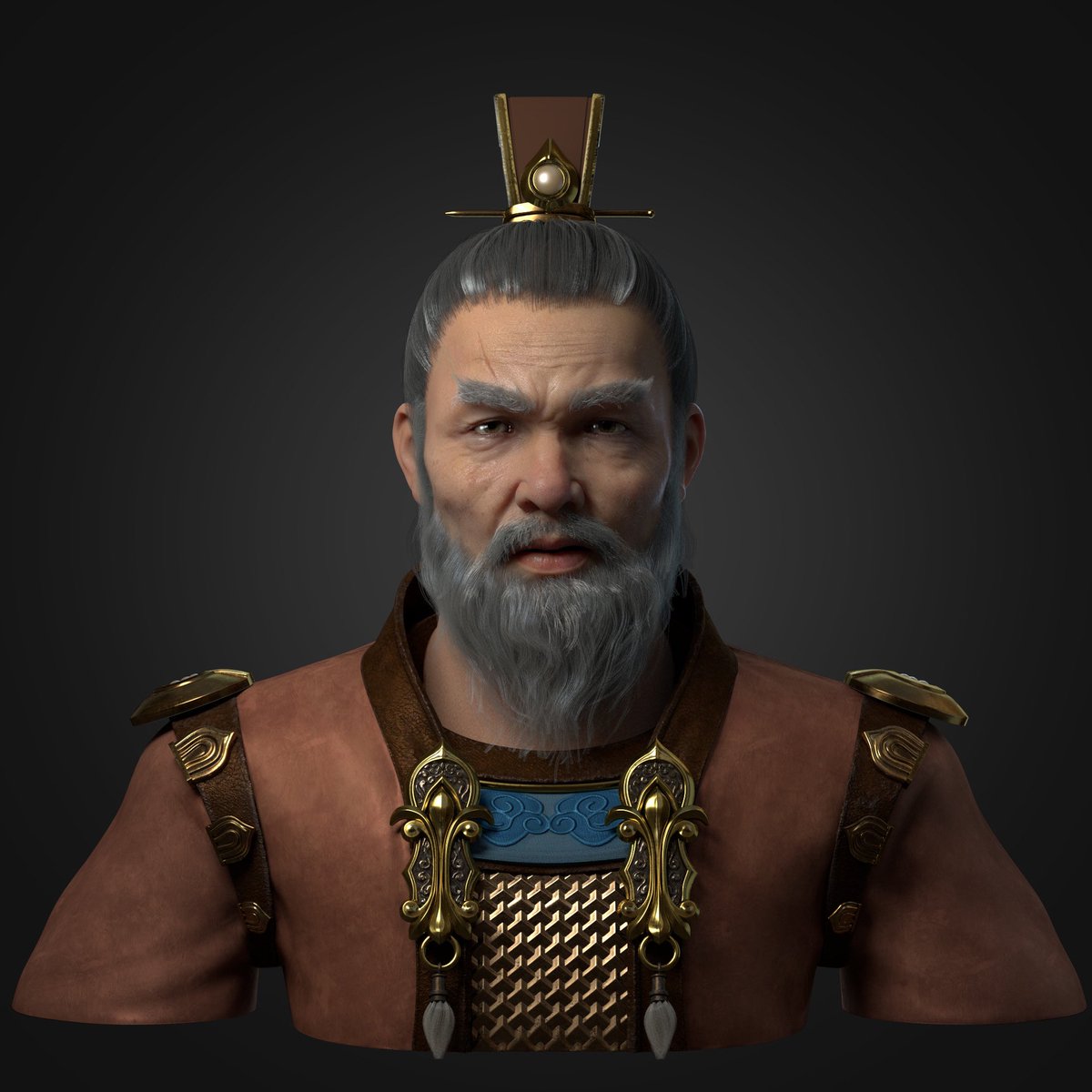
Soon after the war, Meicai was killed by his nobles in favor of the previous king Wugua’s brother, Chanfeng. Not wishing to upset the Han, Chanfeng’s son was sent was a hostage to China & Emperor Wu, pleased, dispatched envoys with gifts for the new ruler.
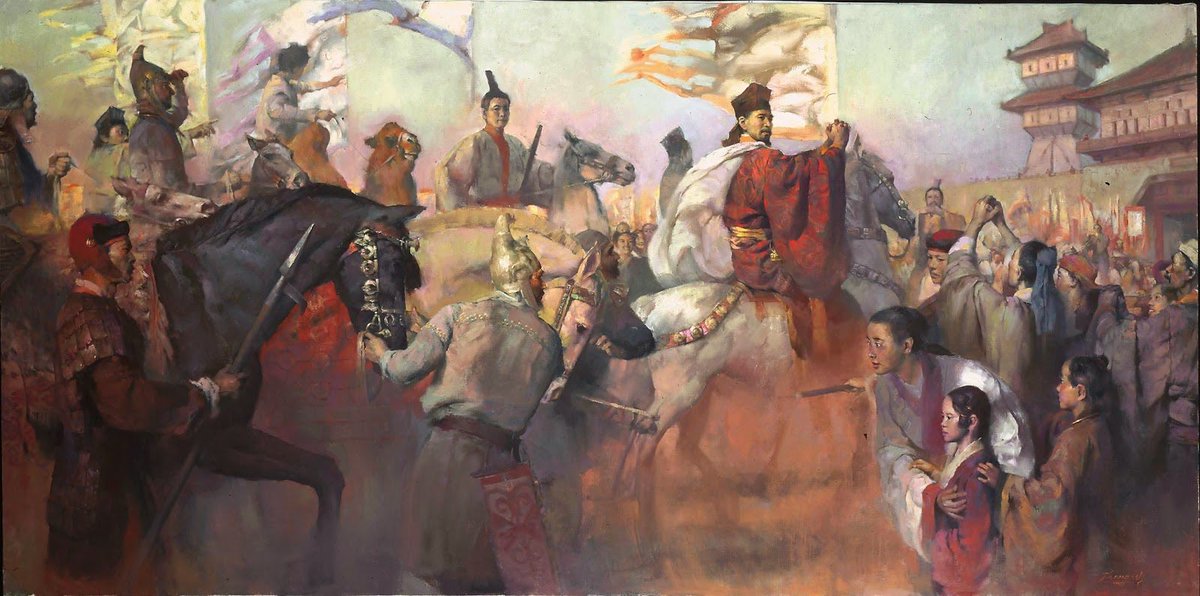
The Heavenly Horses were bred in Chinese stud farms & employed by the Han cavalry. The Ferghana breed was critical in allowing the Han to outmatch & defeat the Xiongnu nomads in a series of wars & punitive expeditions. The breed remained popular in China for over a thousand years
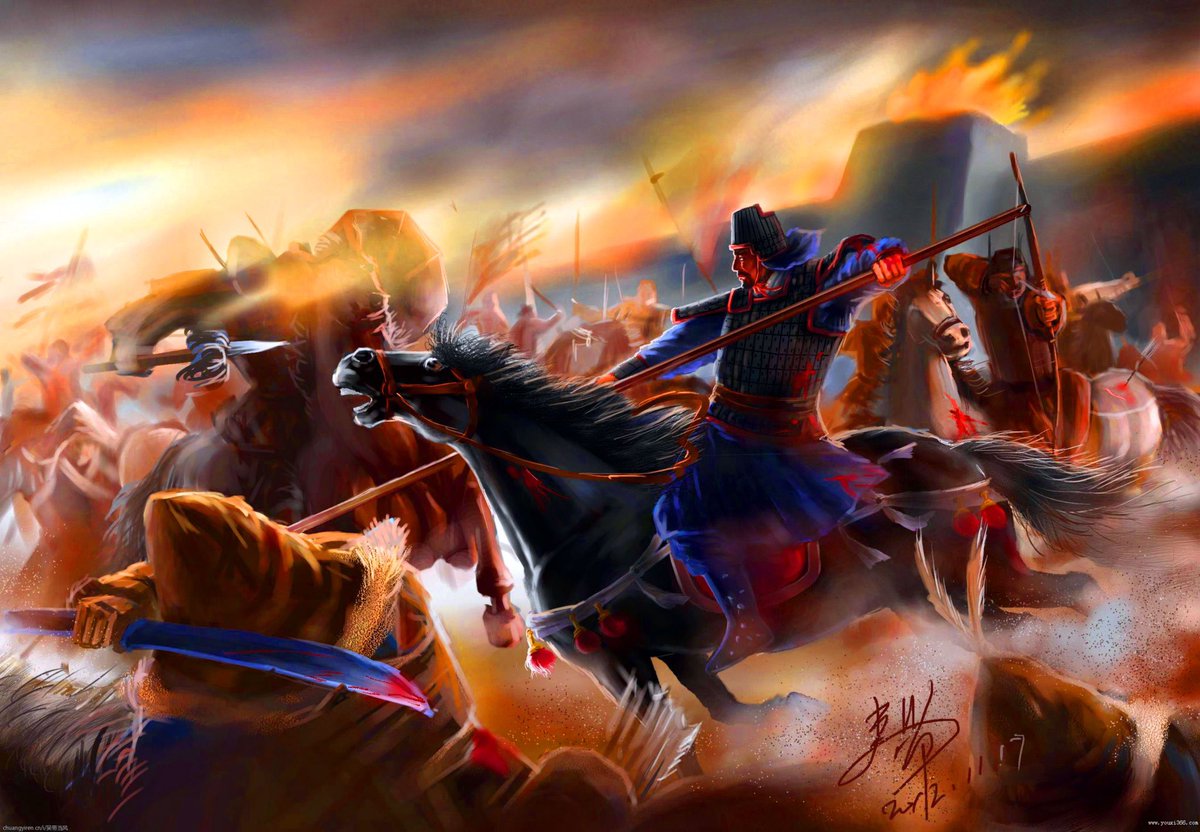
These conflicts between the Chinese & long dead Greeks of Central Asia helped knit together the Eurasian world & encourage the Chinese to expand westward toward Central Asia & the Tarim Basin, a part of China today.
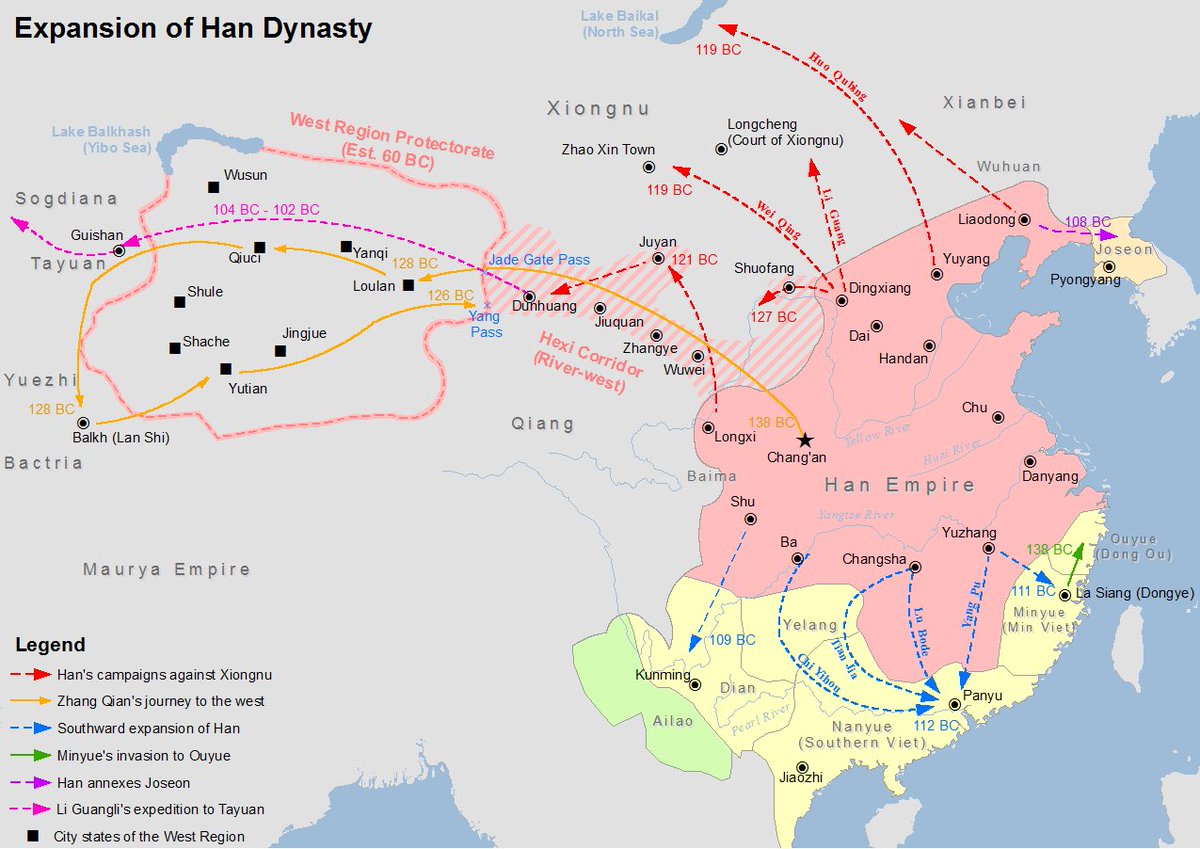
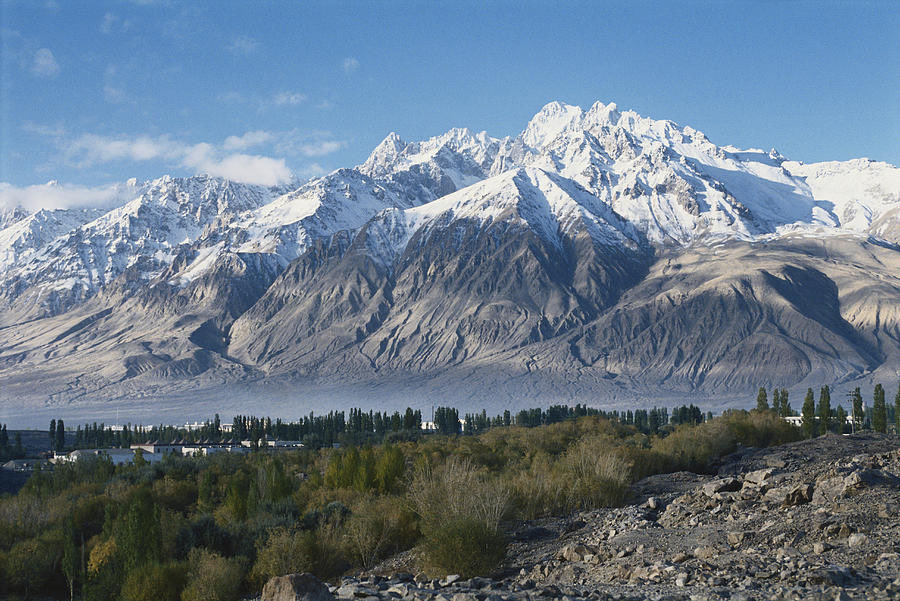
Who knows if another precious resource will convince China to once again march over the heady heights of the Pamir Mountians and into the glacier-fed valleys of Central Asia?
• • •
Missing some Tweet in this thread? You can try to
force a refresh