Hermahai Profile picture
Nov 16, 2022 28 tweets 10 min read Read on X
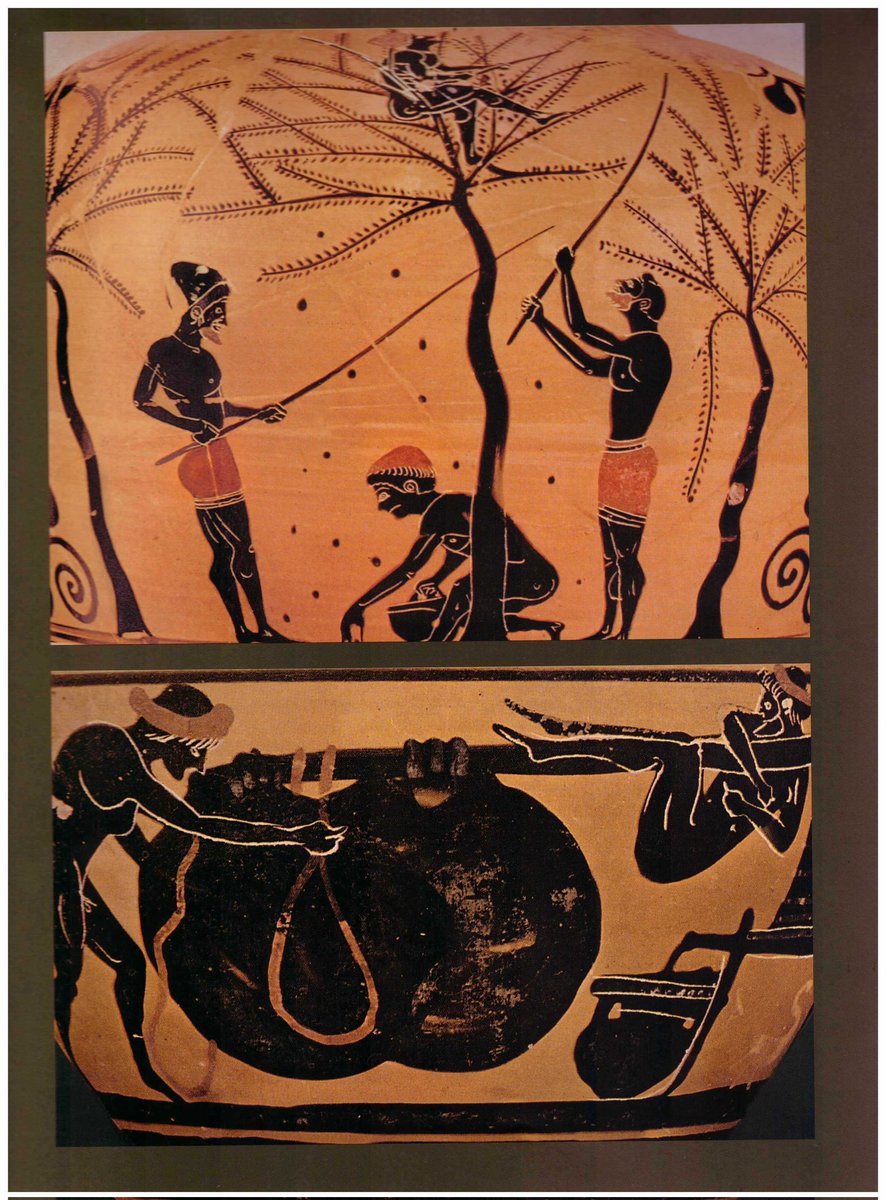
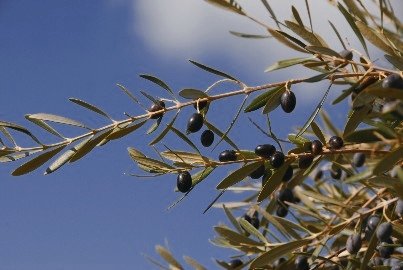
1/ This particular period is the olive harvest season for almost the whole of Greece (as well as for me). So let's see what information the Linear B' texts provide us about olive cultivation and olive oil production. Image
2/ The cultivation of the olive was particularly widespread in the Mycenaean Aegean, a fact that is demonstrated through the accounting palatial records with olive oil showing a strong economic, utilitarian and religious character, ➡️ Image
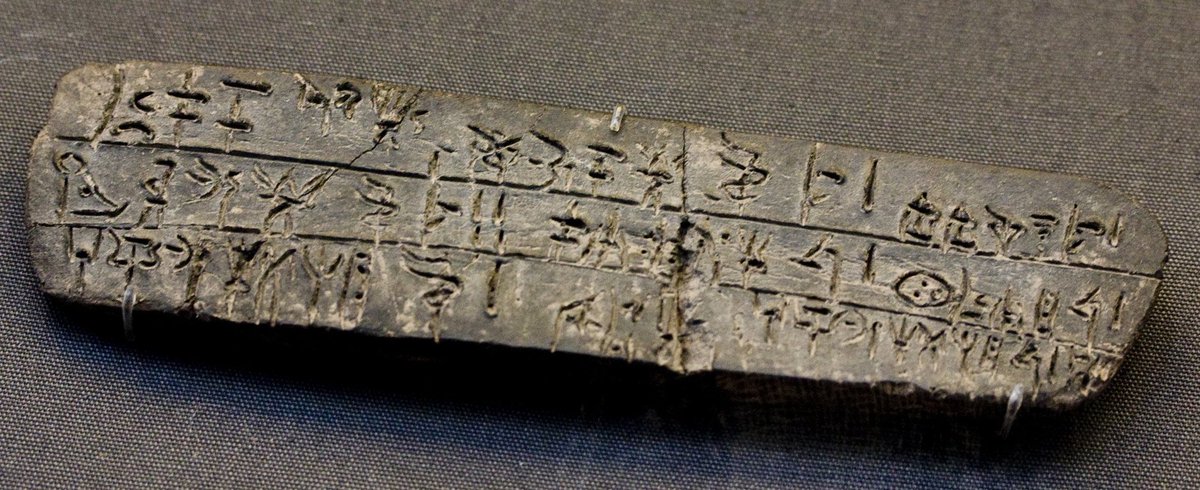
➡️ while it seems that it was, together with essential oils and wine, one of the main export products, receiving the corresponding attention from the palaces. Image
3/ After all, there seems to have been a relevant knowledge of many centuries with the indigenous presence of the olive already from the Neolithic Period and ➡️ Image
➡️ especially with its significant role in the development of the cultivation of the Mediterranean triad (cereals, vines, olives) already from the Proto-Cycladic Era and in then to Minoan Crete. Image
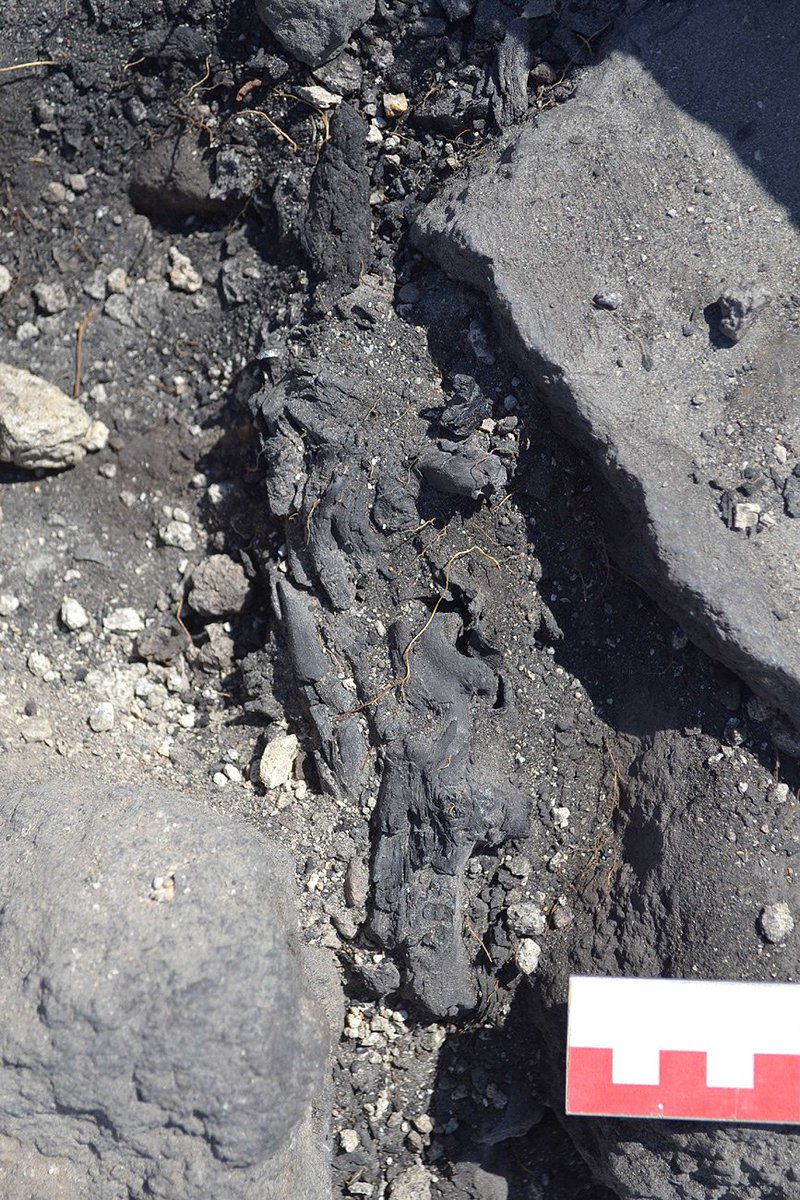
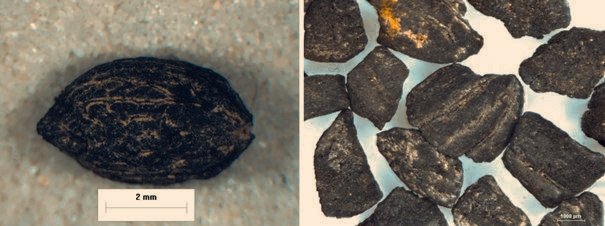
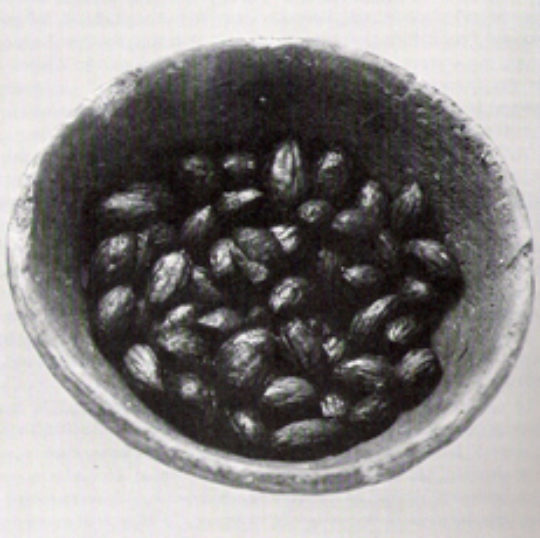
4/Archaeological finds have yielded olive pits in vessels;from LM II Zakros, whole olives with their flesh have been recovered; in burials of Messara olive pits have been found as an element of ritual libation,while in other parts of Crete LM II/III olive presses have been found. Image
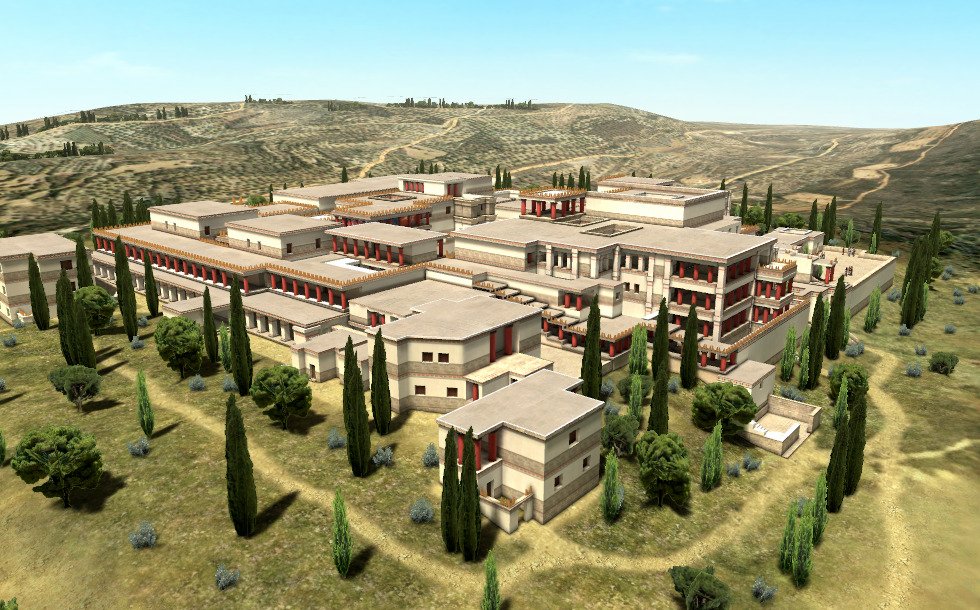
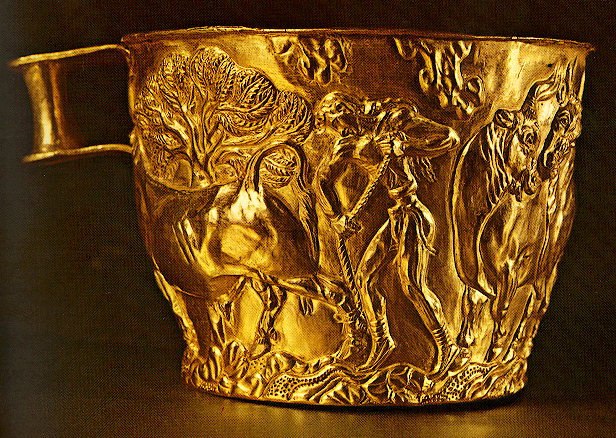
5/ In addition, olive trees are depicted in artworks of the time, such as in a fresco of the palace of Knossos from the 16th century BC, which is a wonderful depiction of an olive grove, ➡️ Image
➡️ while olive tree branches in a rocky landscape are very graphically depicted in a fresco from the palace of Pylos. The gold cups from the Mycenaean tomb of Vapheio Laconia are decorated with representations of olive trees. Image
6/ It is noteworthy that both in Cretan Hieroglyphics and Linear A there are ideograms related to the olive tree, suggesting that its cultivation was of particular importance for the early Cretan communities, as well as for the Minoan palatial elite, long before the Mycenaean. Image
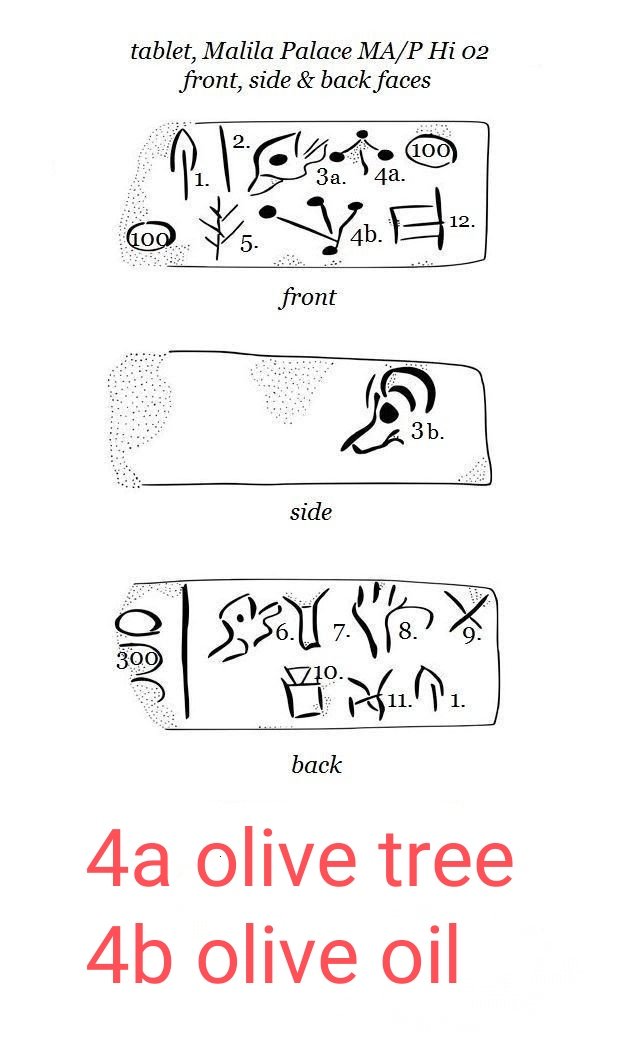
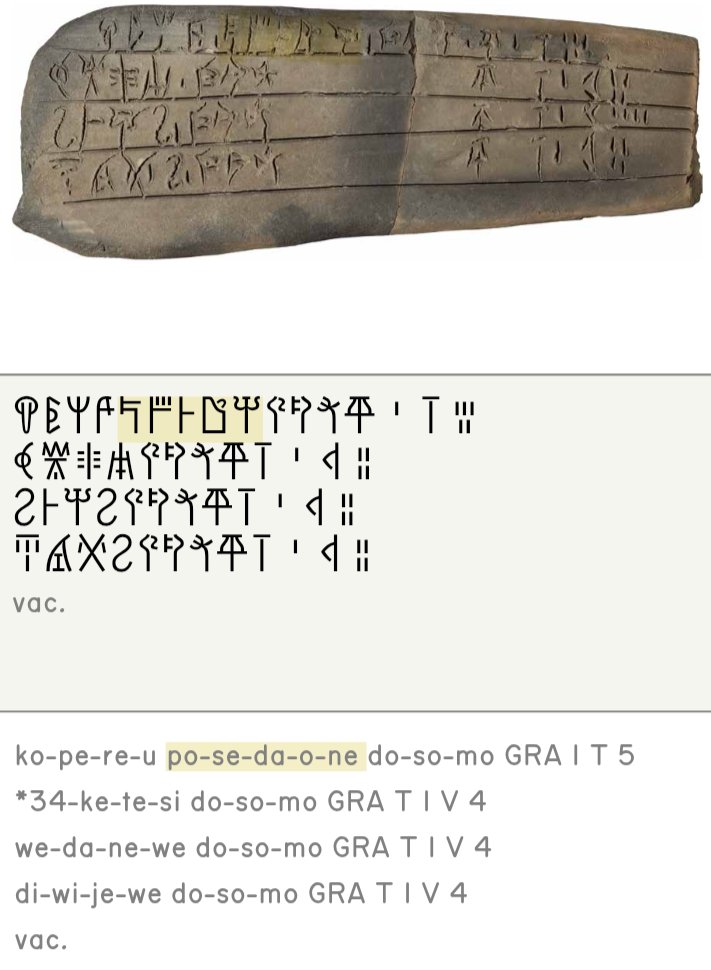
7/ In its syllabographic rendition and recording, the word for the olive tree appears in the palatial archives of Linear B' as e-ra-wa (= ε-λά-Fa, ελαία), while the word for olive oil as e-ra-wo (= έ-λα-Fov, έλαιον). ➡️ Image
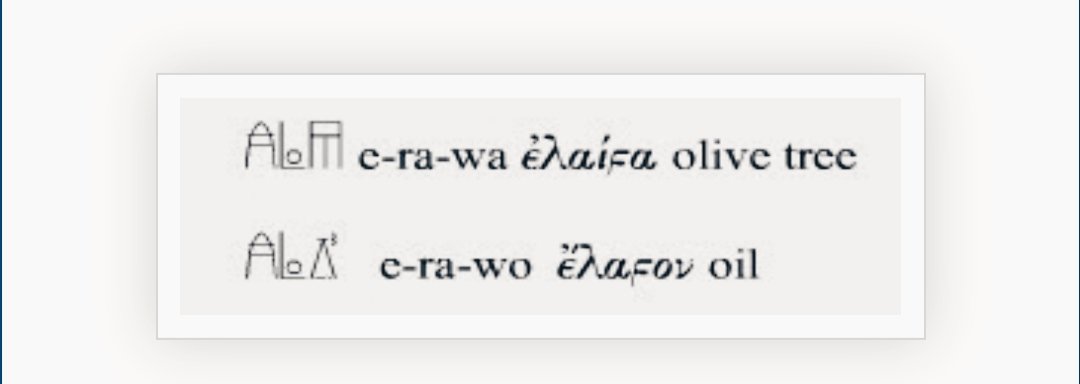
➡️ They were probably borrowed from the proto-Greek word *elaíwā and have remained unchanged to this day. Image
8/ The Bronze Age finds of olive pits in the Aegean clearly show the existence of two different types, interpreted as the remains of a tame and a wild variety. ➡️ Image
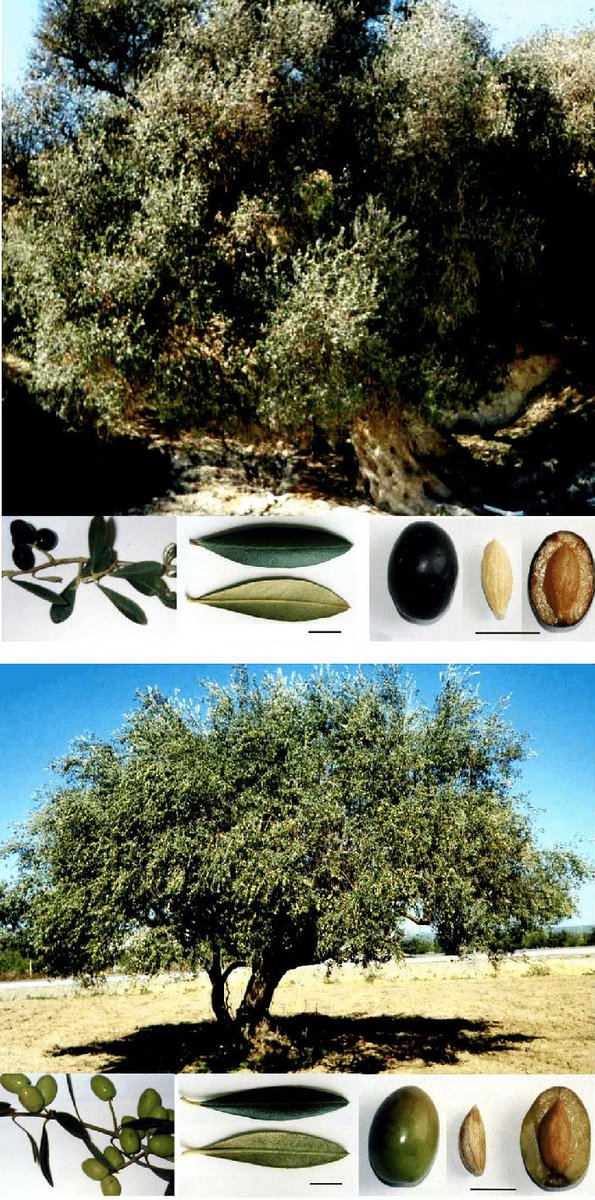
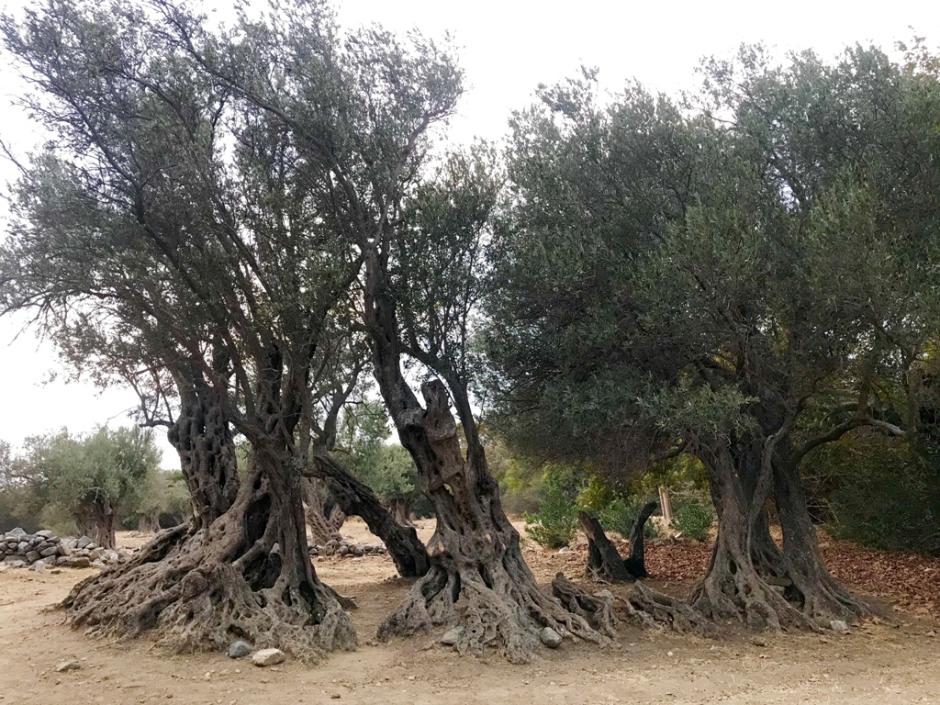
➡️ The domestication of the olive took place through the variety "Thrumbolia of the Aegean" (Θρουμπολιά του Αιγαίου) or "Aged olive tree" (Γεροντολιά) in the Cyclades (Late Neolithic - paleotree of Adisaros Naxos). Image
9/ Thus, in the Knossos tablets archive, two types of olive are mentioned, which are attributed with the olive ideogram in combination with the abbreviations a and ti. Most probably these two abbreviations render the words wild and tame (τιθασός). Image
10/ The problem is that the largest quantities registered concern type a olives and we know that wild olives have a low oil content. ➡️ Image
➡️ In fact, in the important agricultural area of Knossos written as da-wo (ΔάFος), large quantities of olives appear to be produced, a total of 9000 liters, of which 7000 liters are type a and only 2000 liters are type ti. Image
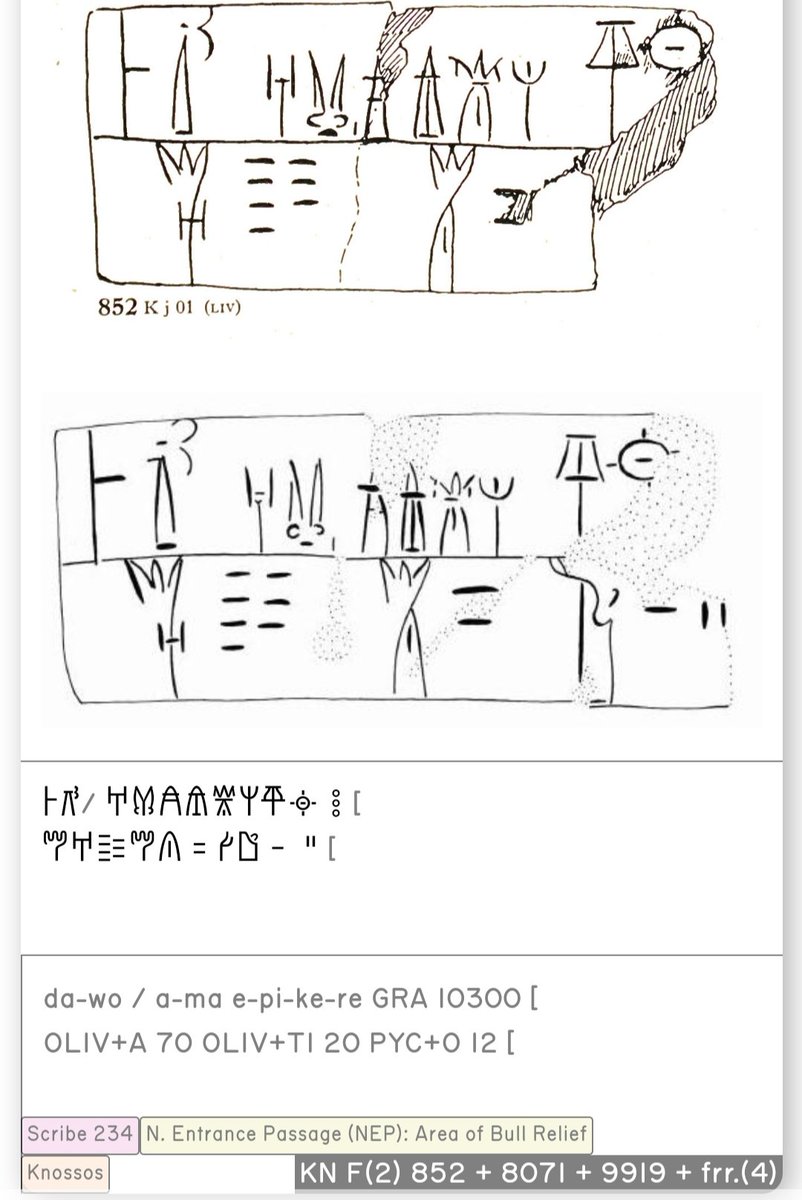
11/ The only logical explanation is that the fat content of wild olive oil is much lower than that of tame olive oil, and its frequent recording may be due to the fact that it was not primarily intended for food, but for craft industry use. Image
12/ In general, we would say that olives had a nutritional use with their frequent listing in catalogs together with figs and barley. ➡️ Image
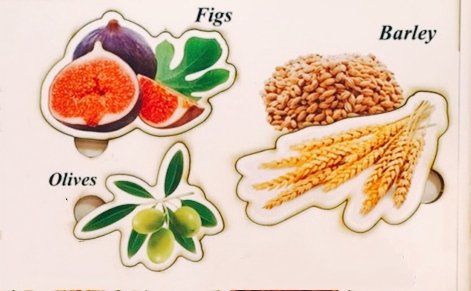
➡️ At the same time, similar records together with other food items specify a limited amount of olive oil, which would be sufficient to meet the needs of a month at most. Image
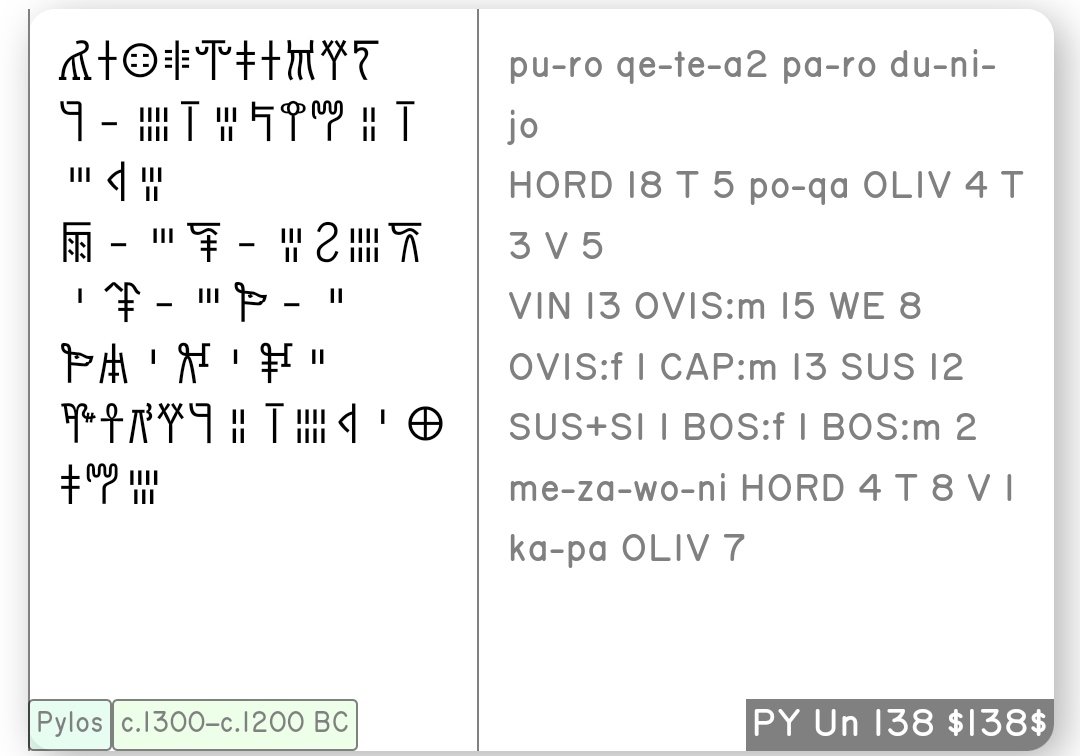
13/ On the tablet PY UN 138.2 the ideogram OLIV is recorded together with the phrase po-qa, which is transcribed as phorgwa(i) = for consumption, while in various texts from Pylos and Knossos the word ka-po => ka- po [e] => karpoi e[laiwas, attributing the olive fruit. Image
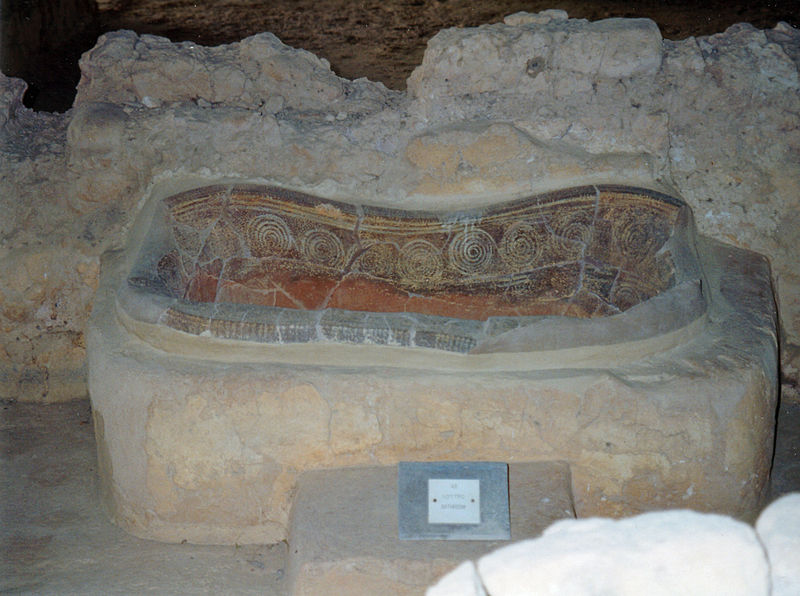
14/ However, the most important use of olive oil was in manufacturing, where it was used to dye leather and clean clothing, as well as to facilitate the weaving of linen and wool. Perhaps it was even used as a body cleanser as well as for lighting. Image
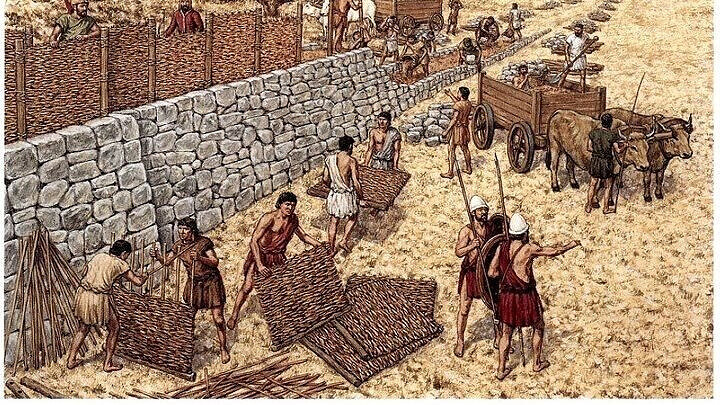
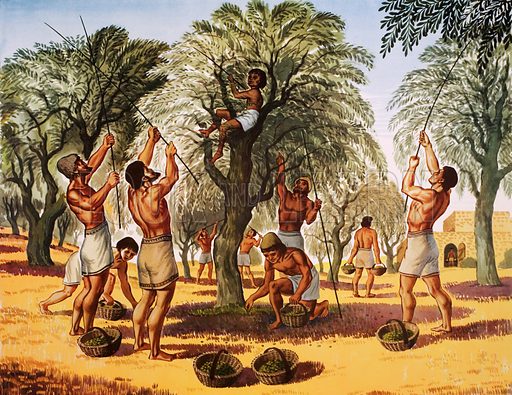
15/ The Mycenaeans showed a special interest in olives and wild olives, as can be seen from a series of cares for the trees, for example the annual pruning of which remains have been left in archaeological sites and from the control of their number and production. Image
16/From the texts it appears that the palace of Knossos controlled 4000 olive trees in farms around it. Olive cultivation was carried out by various cleruchs,identified as either planters (pu-te) or planted cleruchies (e-ke pu-te-ri-ja ko-to-i-na) and were controlled by overseers Image
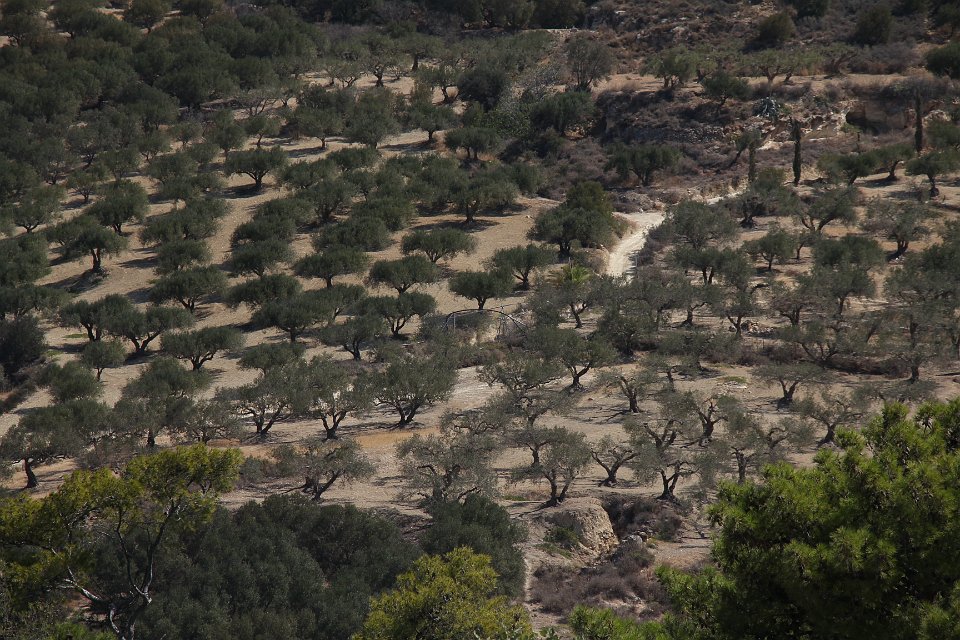
17/ The olive trees must have been planted in an arrangement and in grooves (όρχατος, όρχος), bringing to mind the Homeric description of the garden of Laertes: ➡️ Image
➡️ "Old man, no lack of skill hast thou to tend a garden; nay, thy care is good, and there is naught whatsoever, either plant or fig tree, or vine, nay, or olive, or pear, or garden-plot in all the field that lacks care." Image
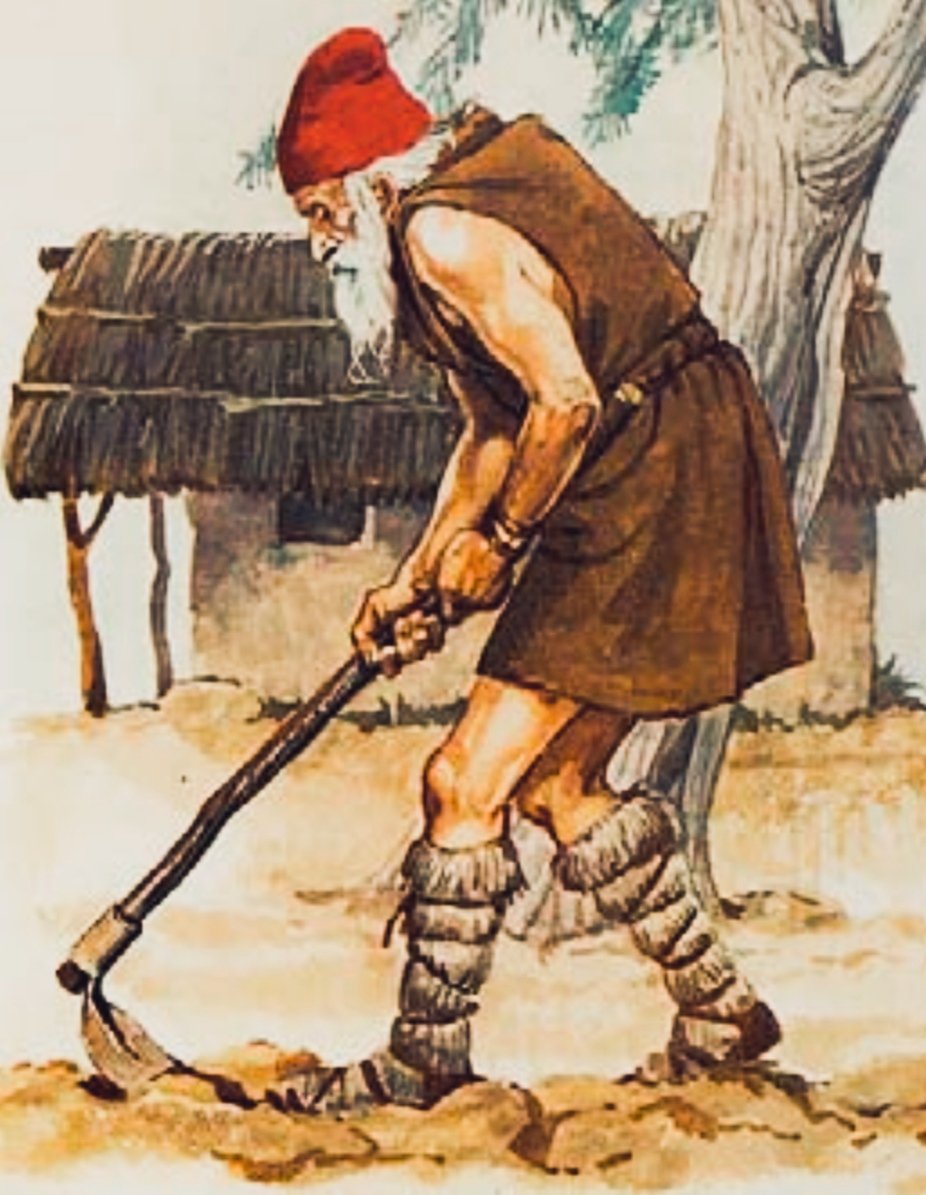
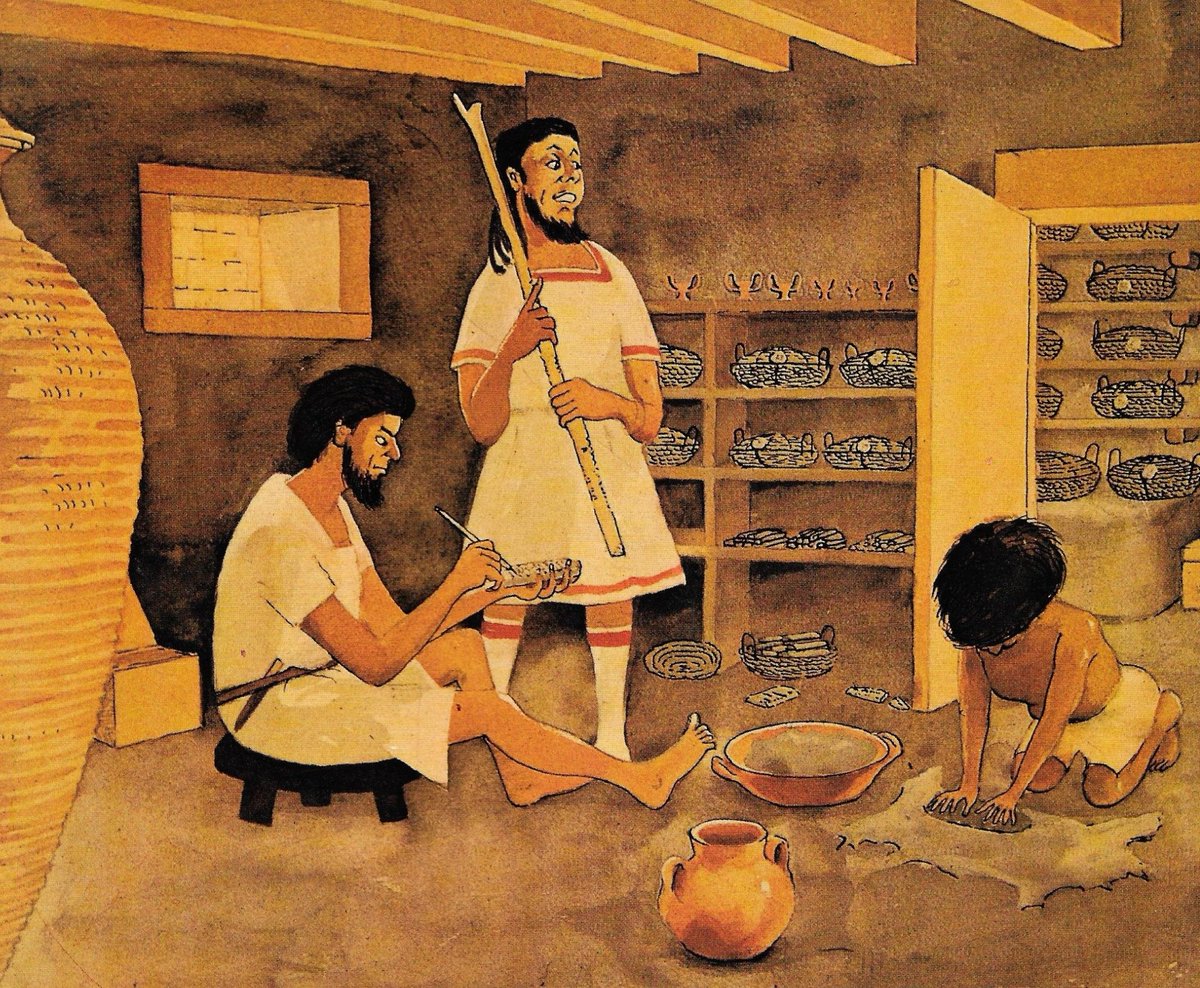
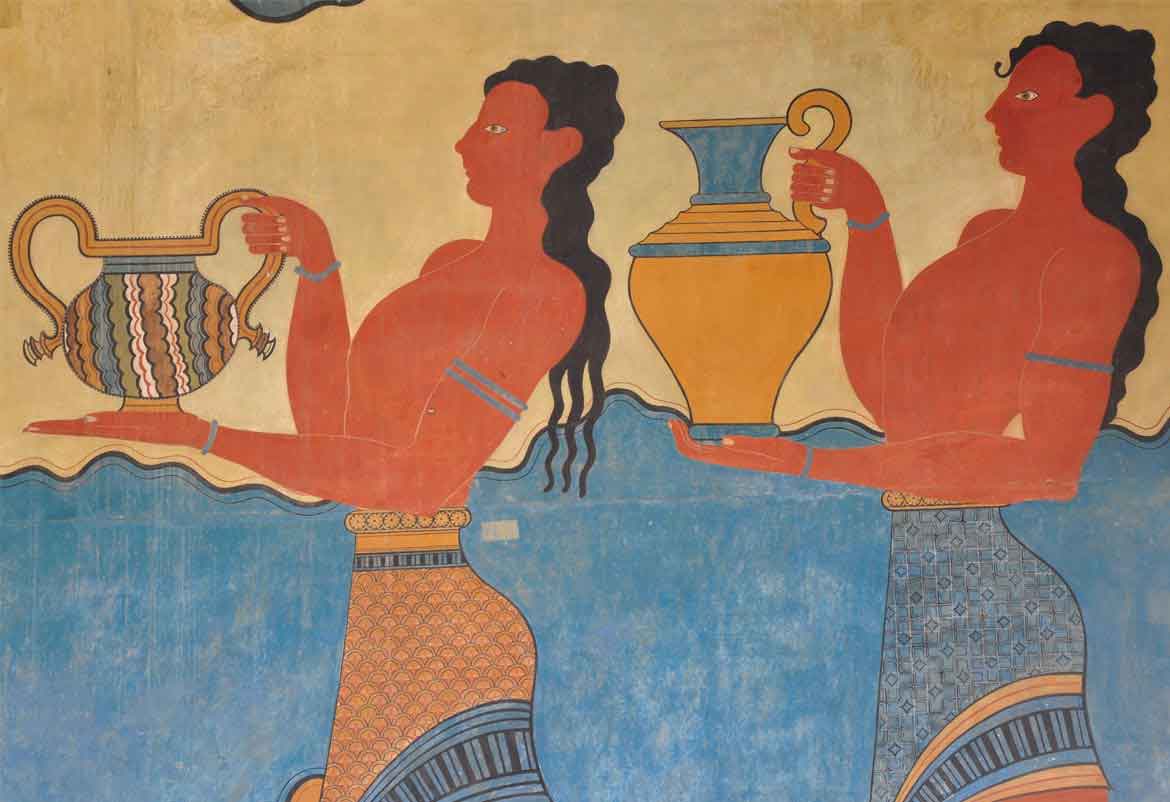
18/ The Mycenaeans probably stored olive oil in large pithos, such as those found in the Western Rooms of the palace of Knossos, in the same way they stored essential oils. ➡️ Image
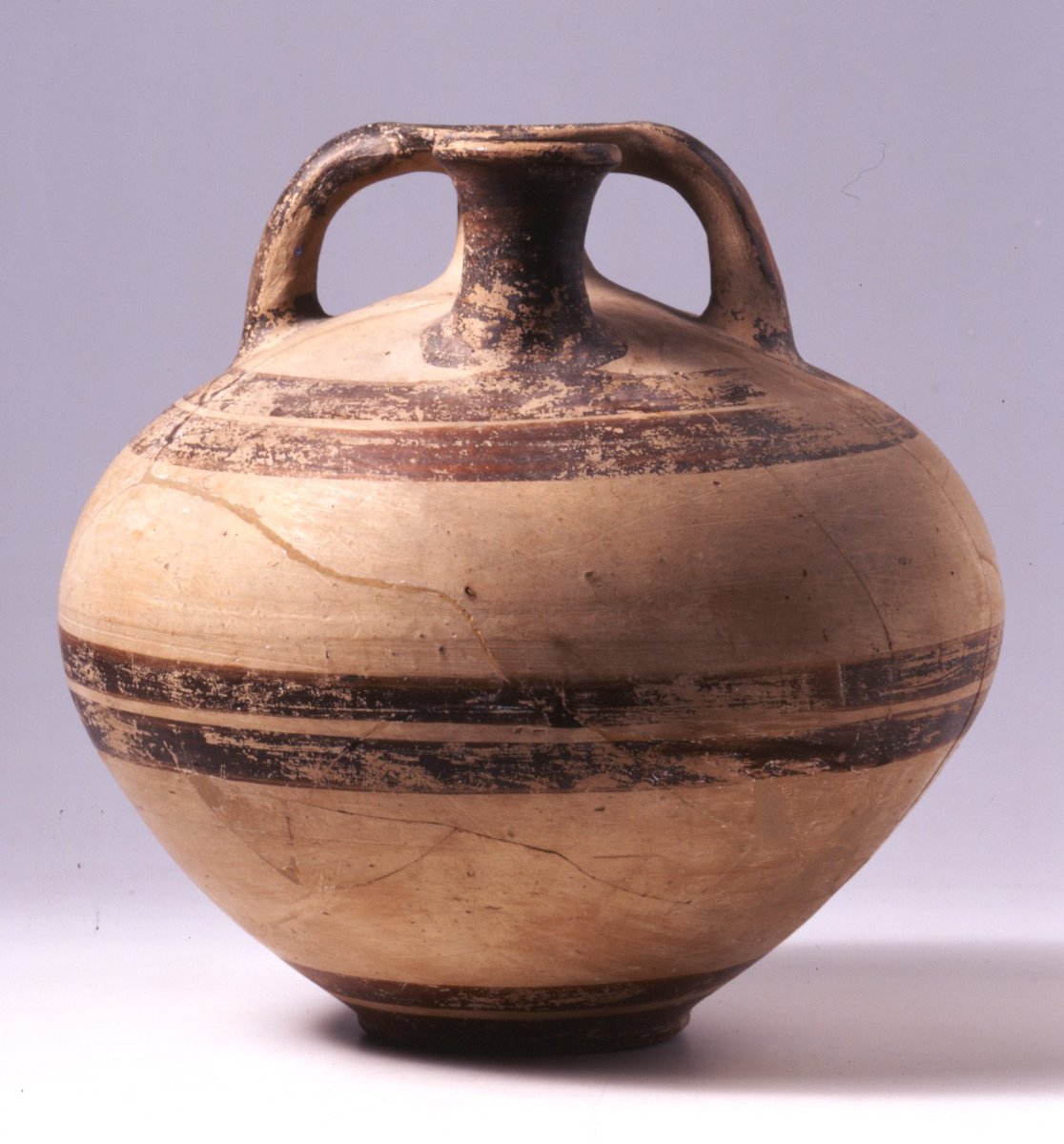
➡️ However, the only attested storage vessel appears to have been the stirrup-jar, which is recorded on tablets as χλαρεύς (Mycenaean false-mouthed amphorae) and had a typical capacity of 13.7 litres. ImageImage
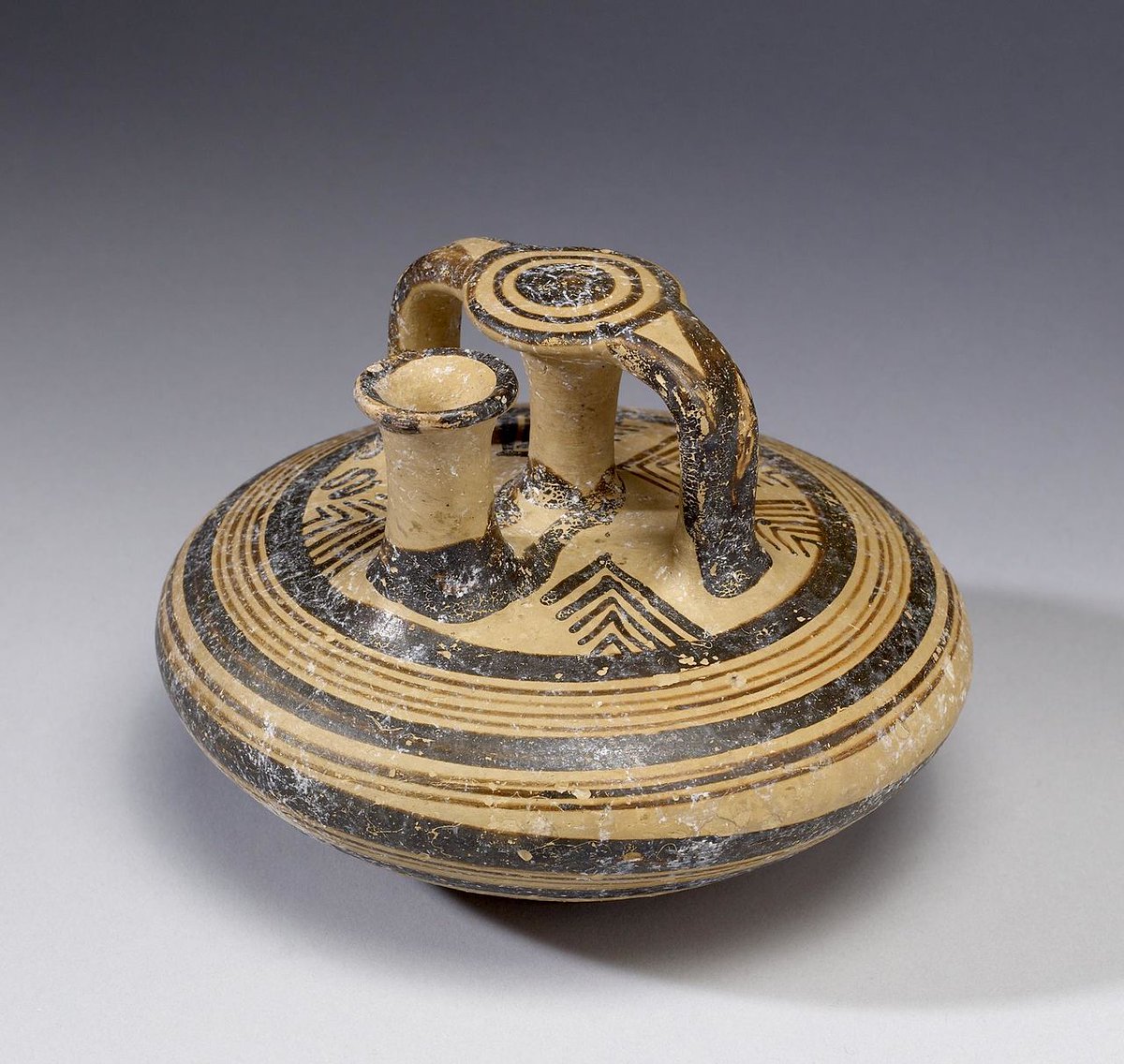
19/ Through the false-mouthed amphorae, olive oil circulated within the Mycenaean territory, but also abroad, in Cyprus, the eastern Mediterranean and southern Italy. The liquid gold of the Greek land had found its place in the heart of the Greek from a very early age. Image

• • •

Missing some Tweet in this thread? You can try to force a refresh

 

Keep Current with Hermahai

Hermahai Profile picture

Stay in touch and get notified when new unrolls are available from this author!

Read all threads

This Thread may be Removed Anytime!

PDF

Twitter may remove this content at anytime! Save it as PDF for later use!

Try unrolling a thread yourself!

how to unroll video
  1. Follow @ThreadReaderApp to mention us!

  2. From a Twitter thread mention us with a keyword "unroll"
@threadreaderapp unroll

Practice here first or read more on our help page!

More from @hermahai

Mar 8
1/ Around 1900 BC, the old Minoan palaces were founded in Crete and the foundation stone of the first European civilization was laid, which was based on a pioneering model of political and economic organization whose main axes were maritime dominance and economic penetration. Image
2/ The Minoans,having realized the strategic geographical position of their island in the middle of important maritime trade routes that connected the western lands with the Near East, transformed Crete into the main commercial hub of the Mediterranean, building a powerful fleet. Image
3/ The Minoan ships brought important innovations for the time in order to cross the open sea: They were made of cypress trunks, had a keel for stability and a narrow, aerodynamic shape to develop speed, had large square sails and multiple rows of oars, and were waterproofed 👉 Image
Read 12 tweets
Mar 3
1/ The Hittite texts demonstrate that the Hittite Empire was in a long-standing conflict with the Mycenaean Aegean, mainly due to the constant Achaean involvement in the affairs of the Hittite vassal kingdoms of Western Anatolia. Often the Hittite kings were forced to send 👉 Image
👉 expeditionary forces to the region to defend Hittite strategic interests, suppressing instigated rebellions or stopping the penetration of Achaean military forces (Attarsiya, Wiluša). However, it does not appear that the Hittites ever attacked the Mycenaean Aegean itself. Image
2/In answering the question of why they never did this, we must first focus on the high strategy of the Hittite Empire and what its main strategic goals were. The Hittites had as the central cradle of their Empire their capital Hattusa and the surrounding areas of the highlands👉 Image
Read 20 tweets
Dec 5, 2025
1/Sicily has been a major trade crossroads since the Neolithic era,through which sea routes passed, connecting the peoples of the Eastern Mediterranean with the West and vice versa. The result of this event was the long-term habitation of the Sicilian land by a mosaic of peoples. Image
2/ Thus, when the Greek colonists arrived on the island after the mid-8th century BC, they found three population groups: the Sicilians in the E, the Sicanians in the C-W, and the Elymians in the NW. The origin of these peoples has been a subject of controversy since antiquity. Image
3/ The literary tradition has handed down to us several contradictory narratives, referring to mass migrations, often in the form of mythical tales. The best-known mythological tale is Minos' pursuit of the fugitive Daedalus in Sicily and the founding of Cretan cities there. Image
Read 16 tweets
Nov 25, 2025
1/ Athens has been associated since antiquity with the city's patron goddess, Athena. However, although most people believe that the city was named after the goddess, perhaps the opposite was actually the case. The two words have a common root that is likely of pre-Greek origin. Image
2/ But let's start from the beginning. Long before the city of Athens became the dominant center of the region, its name was Actaea and it belonged to a wider community, Att(h)is < Attica. The inhabitants of Attica at that time were not Greek-speaking (pre-Greek substrate). Image
3/ Several scholars argue that both the word Actaea and Attica, and the word Athéne (Ἀθήνη), derive from the word Atthis through corruption. Athéne is the common root from which the word Ἀθῆναι and the word Ἀθηνᾶ came. So both the city and the goddess have pre-Greek origins. Image
Read 8 tweets
Nov 23, 2025
1/ During the same period (1250/40 BC) that the major fortification works were taking place in Mycenae and Tiryns, and the hill of Midea was being rebuilt with new palatial buildings and Cyclopean fortifications, a new fortified palatial settlement was founded on the Acropolis. Image
2/ But who were the ones who built the new Mycenaean citadel Athens? The answer lies in the question of what purpose its building served. In my opinion, the Athenian elites had neither the financial means nor the know-how to construct such a project. Image
3/ So the project was designed and financed by a powerful Mycenaean actor outside Attica and he - according to the available evidence - was in Mycenae. The stakes were the limitation of Thebes' influence in Attica and in particular the exploitation of the mines of Lavrion. Image
Read 11 tweets
Oct 20, 2025
1/ The Citadel of Dymaean Wall at the NW end of the Peloponnese has a special place in Aegean prehistoric studies, as it was previously believed to be proof (along with the Isthmus Wall) of the existence of a northern threat (Dorians) to the core of the Mycenaean palatial world. Image
2/ Recent field study has placed its presence on a more realistic basis. First of all, the human presence on the Hill of Kalogria where the Citadel is built bears evidence of human presence, residential remains and pottery, dating back to the end of the 4th millennium BC. Image
3/ The choice of location is due to its great strategic importance, at the intersection of the land and the sea, constituting a significant defensive stronghold and an ideal point of surveillance of the sea routes of the Ionian Sea, already since the end of the 3rd millennium BC. Image
Read 16 tweets

Did Thread Reader help you today?

Support us! We are indie developers!


This site is made by just two indie developers on a laptop doing marketing, support and development! Read more about the story.

Become a Premium Member ($3/month or $30/year) and get exclusive features!

Become Premium

Don't want to be a Premium member but still want to support us?

Make a small donation by buying us coffee ($5) or help with server cost ($10)

Donate via Paypal

Or Donate anonymously using crypto!

Ethereum

0xfe58350B80634f60Fa6Dc149a72b4DFbc17D341E copy

Bitcoin

3ATGMxNzCUFzxpMCHL5sWSt4DVtS8UqXpi copy

Thank you for your support!

Follow Us!

:(