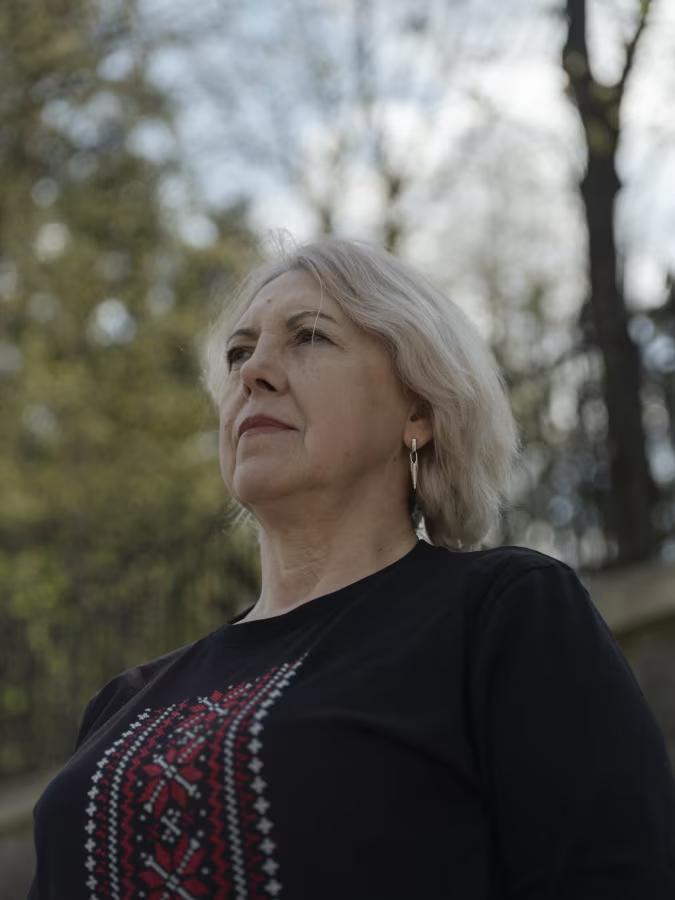
Good evening. Day 5 after the latest Russian attack on Kyiv. Day 277 of the war. I am president of the Kyiv School of Economics, a former minister of economy of Ukraine, and a professor of economics at the University of Pittsburgh. I left the US for Kyiv 4 days before the war 1/ 
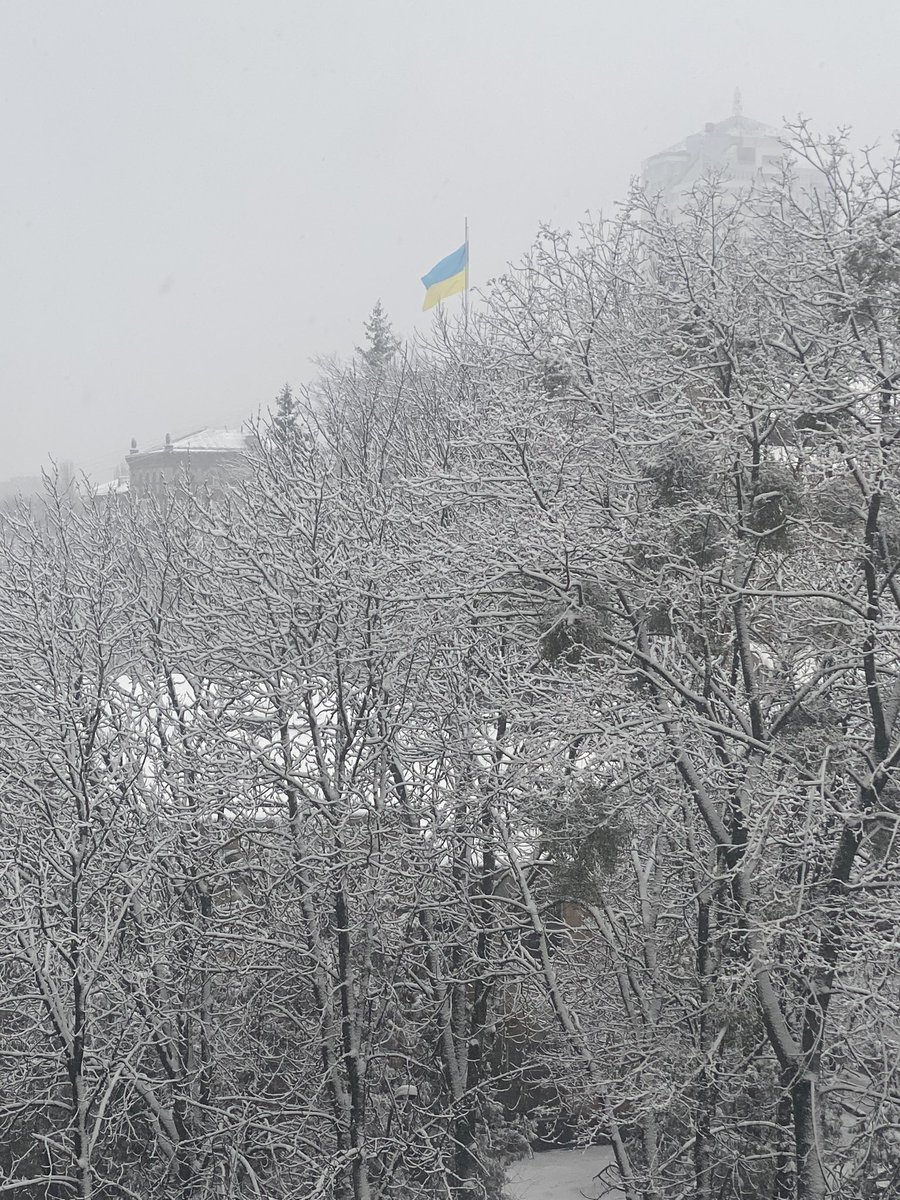
and stayed there, with some short trips outside of Ukraine for fundraising. Officially, I am on sabbatical leave from Pittsburgh this year. I guess not many people have field sabbaticals, here the field is a war. I left the US because I must lead the Kyiv School of 2/
Economics through the war. I hold a green card and can leave Ukraine at any moment. But I do not want to and will not do it. Now, back to my day. It was busy and I am tired. Shopping, looking and assembling things. In short, preparing for another likely Russian attack tomorrow 3/
We got our super warm winter hiking clothing out. Many people suggested that we can sleep in a tent in our bedroom. So we dug out sleeping bags and went to buy a tent. 4/

The shops were open and it was Black Friday. Everything on sale. But when we were about to pay, the electricity went off. The shop had a battery and continued to run. They used Xmas lights to save electricity instead of their regular ones. It was very cozy. Here is a pic. 5/

Many people suggested that when the electricity and heating go out, we use candles or gas / kerosine heaters to warm the apartment. We decided against it. First, it is not too safe for novices. Second, none are on the market or we could find. So, we drove to 6/
another store to get at least some wood and coal. The plan is to use an simple and small firewood oven that we can set up on our balcony if all else fails. How do you drive when there is no lights in the city, that is, no traffic lights? Traffic police come out! My respect! 7/

We wanted to try the firewood idea, just to practice, when we get home. But we got exhausted bringing all this stuff to the 8th floor. So, we will try it another time. Will post the picture. Yet, my wife wanted some tea anyway. And also she wanted to get hot water 8/

for the morning. She asked me to start the generator so she can use electric tea pot. I did and discovered another problem. The snow on the balcony has melted. And the generator was sliding towards the windows because of vibration. I need a way to fix it in place, but that’s 9/
for tomorrow. Anyway, the water is boiled and stored in thermoses. We have two, one liter each. Perhaps, we should get more. We can probably order them delivered. Here is a pic of a delivery man on a bike 90 mins before the curfew. 10/

That’s a private service. Public services work too. Here is a tractor shoveling snow on a sidewalk. All pictures taken when we were driving back from a mall. 11/ twitter.com/i/web/status/1…
The mall looked normal too except for occasionally blinking light, shortage of products in electrical and heating departments, and occasional assignments by managers to their staff to remember to start generators for the night. There was even a sushi restaurant. A good one. 12/

In the morning, we checked out a center of “nezlamnost”. These are shelters when people can get warm, get some tea, access internet, and power their devices. Here is a Starlinks set up for you :). Very cute! 13/

The center is run by a charity organization “solomenski cats”. Solomenski is the place. Here is their logo. We proposed to them to equip 10 more centers like that and KSE Foundation will match / provide 50% of funding. The rest they should raise themselves 14/

The centers are set up officially at the request / initiative of the president and mayors. There is some funding. For basics. They are set up in hospitals and schools. The problem is that often money is not enough. You should have organizational and procurement capability 15/

This is where we will try to help. Finally, I posted separately about our students spending the last night at the university building (we have one, no dorm). Here are some pics. 16/ twitter.com/i/web/status/1…
We are ready for another attack. Russians often hit on Monday. That’s tomorrow. Every time damages get worse. No water and heat for days. But people are adapting. You can donate to KSE here. Thank you so much for your support!!!
https://twitter.com/mylovanov/status/1596256360232108034
• • •
Missing some Tweet in this thread? You can try to
force a refresh