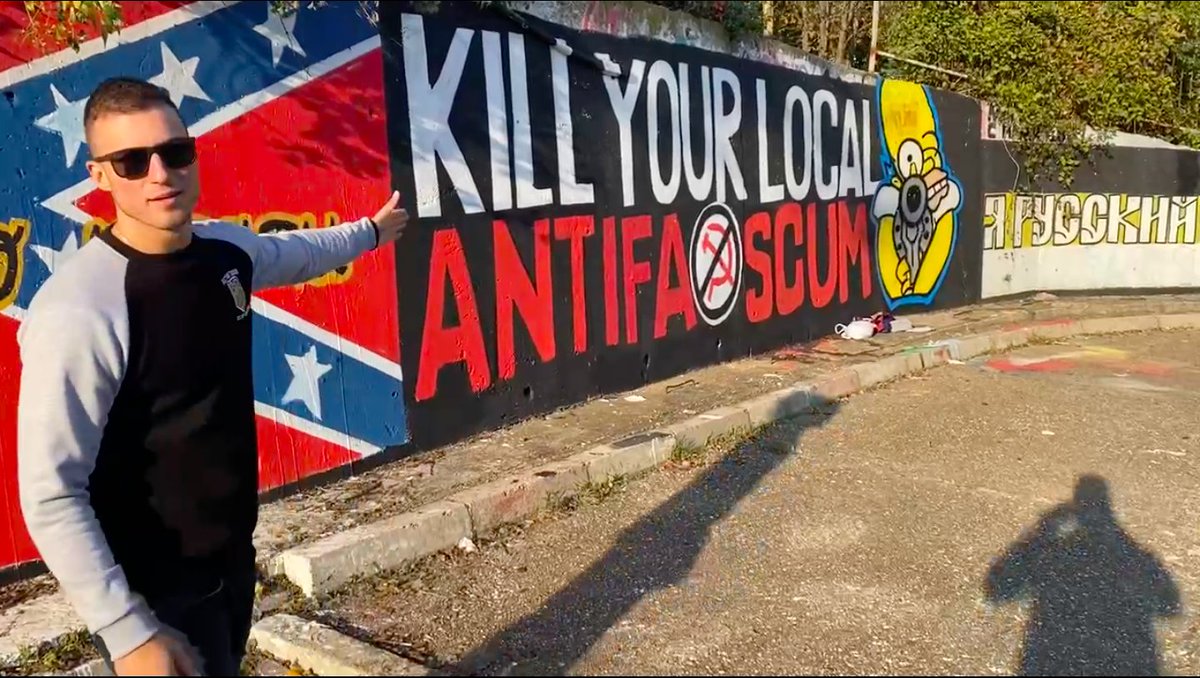
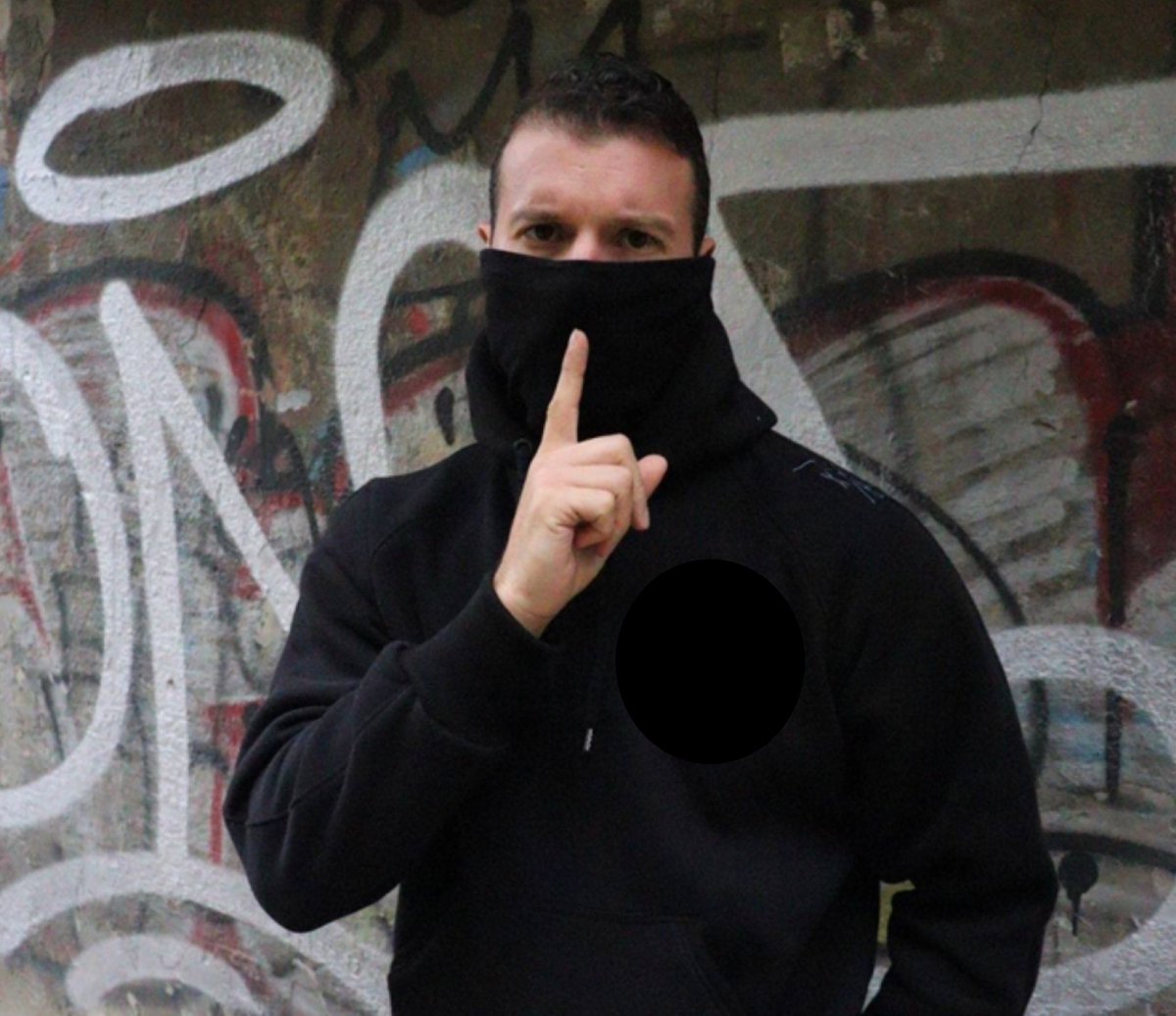
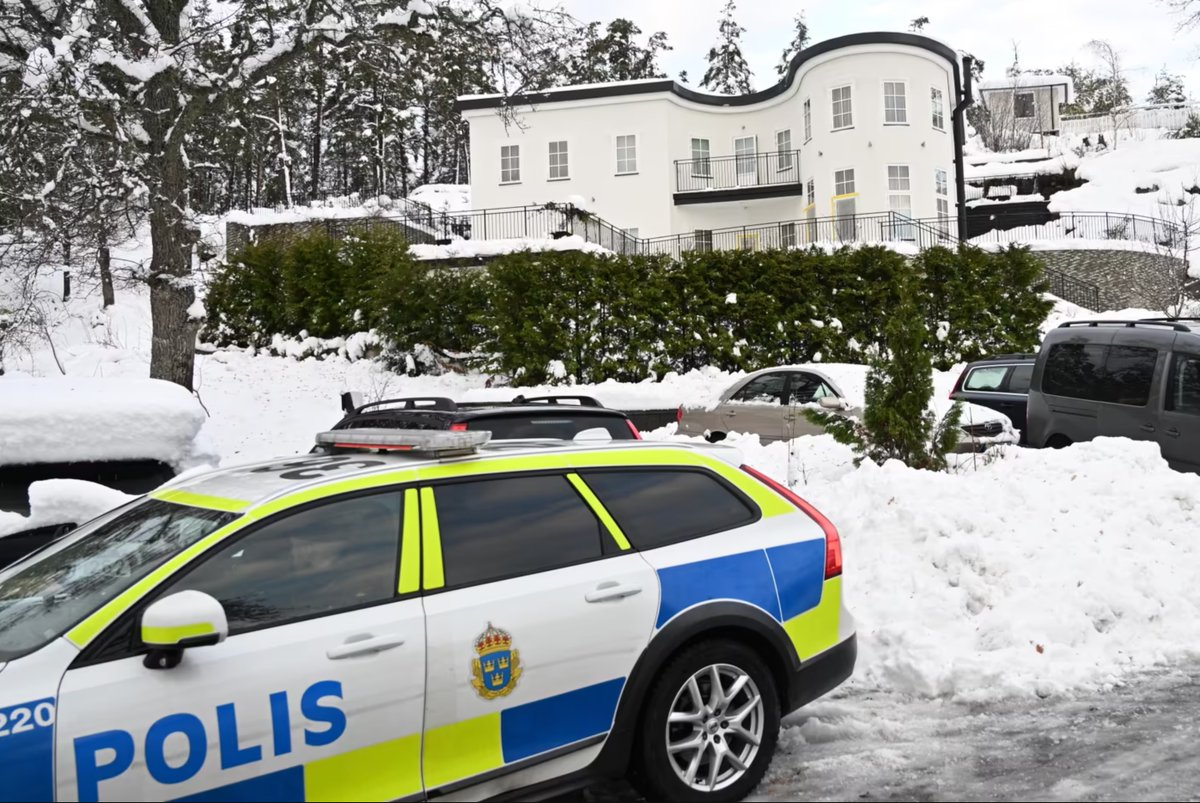
🧵 In June, The Netherlands announced it had detained a Russian spy, posing as a Brazilian just as he was about to start work for the ICC. Sent back to Brazil, he ended up sentenced to 15 years for using fraudulent documents. Russia now claims he's a drug dealer, not a spy... 
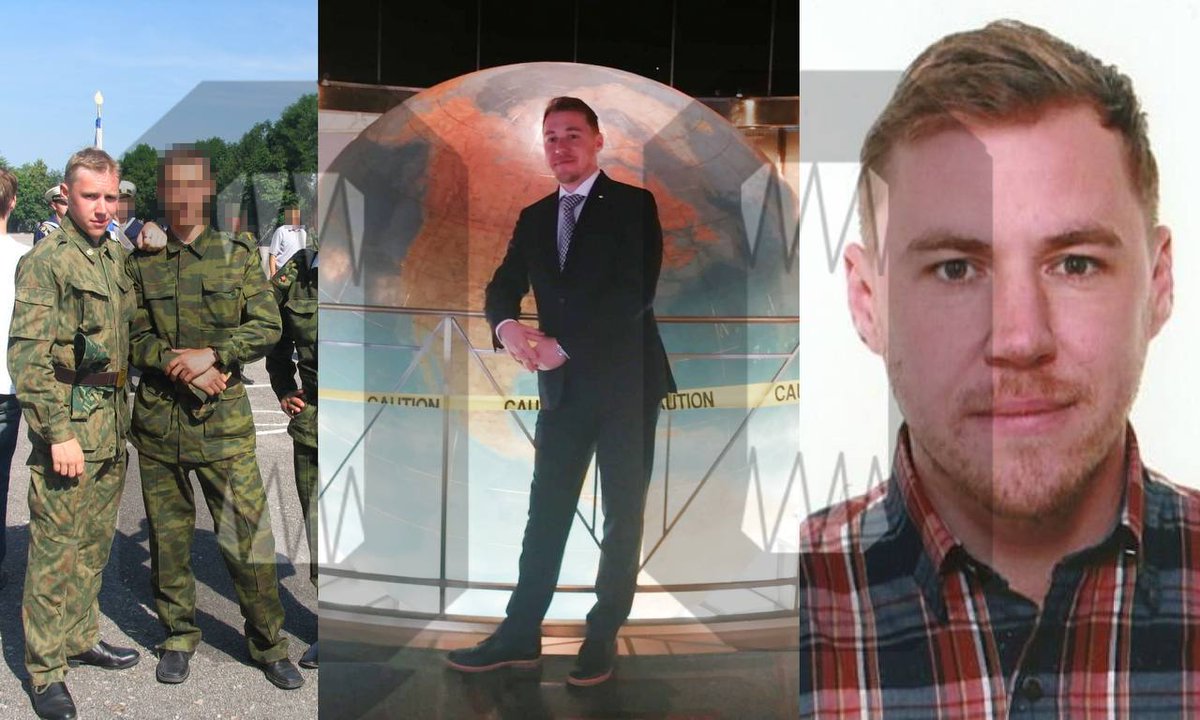
In July, Russian investigators approached Brazilian authorities requesting the extradition of the jailed Russian, who they admitted was Sergey Cherkasov. Rather than Cherkasov being a spy, Russia claimed he was a hardened criminal, on the run from Russian authorities.
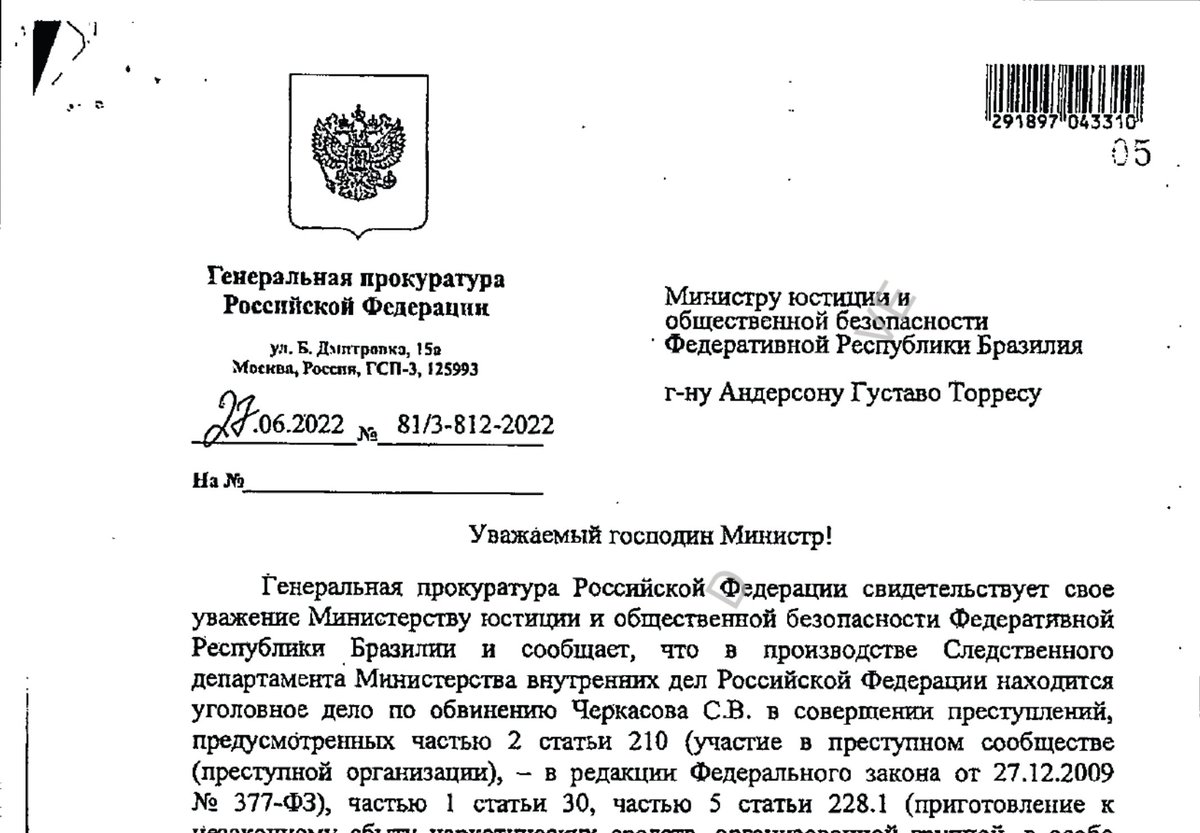
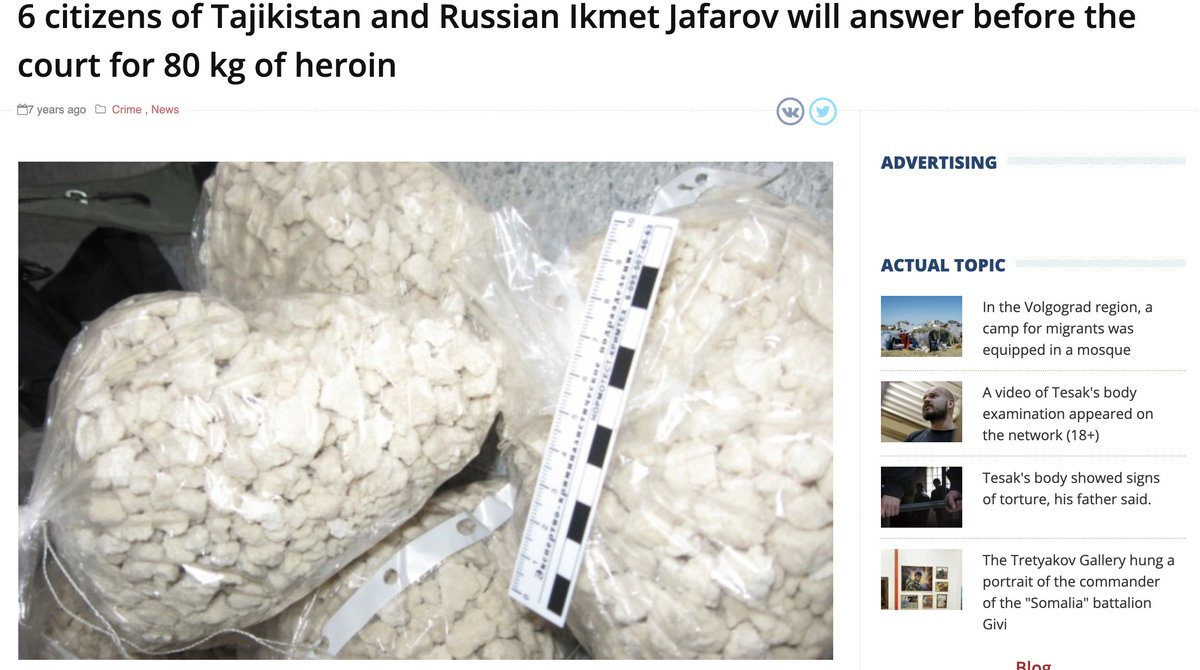
Russia claimed he was involved in a heroin smuggling ring, providing details of his involvement in case files provided to the Brazilian authorities. Bellingcat can now confirm Cherkasov was added to a pre-existing case, and Russia's claims are false.
bellingcat.com/news/2022/11/2…
bellingcat.com/news/2022/11/2…
Russia's indictment exhaustively narrates a complicated drug smuggling operation involving multiple legs and crossing several borders from Afghanistan to Russia, and includes individuals previously indicted on drug charges in Russia.
However, when reviewing the documents, Bellingcat identified a number of self contradictory statements about Cherkasov activities at certain dates, with travel records showing he was not in the locations detailed in the indictment on the reported dates.
In addition, none of the three lawyers who had worked on this case and were approached by Bellingcat’s reporting partner @the_ins_ru for comment could recall a person of the name Cherkasov in connection with the case materials.
In one example, the Russian indictment also asserts that Cherkasov conducted his criminal activity from “no later than July 2011 until his supposed arrest in August 2013.”
However, travel data from Russia’s data brokers show that Cherkasov could not have been in Russia during the period when he is accused of committing these crimes. In fact he was working at a travel agency in Brazil.
The Russian allegations of Cherkasov being a wanted person in Russia are also contradicted by his multiple trips to Russia — and extensive travel within the country — in the period long after his alleged criminal activity took place and as recently as December 2021.
According to Magistral data, Cherkasov came back to Russia multiple times in 2015, 2017, 2018, 2020 and 2021, each time crisscrossing the country across multiple locations and apparently without concern that he may be wanted by authorities.
A current extract from his criminal record, obtained from Russia’s data market, confirms that Cherkasov became a person of interest in the drug case for the first time on 22 June 2022 — just one day before Russia’s deputy general prosecutor wrote the 25-page indictment document:

In addition, the criminal record states that the crime Cherkasov was charged with was perpetrated on 17 July 2013 — a date on which travel and other records show he could not have been in Russia.
This case is one of a number of cases where Russia has created false charges against individuals in attempts to recover captured spies. More details of those cases and this latest case can be read here bellingcat.com/news/2022/11/2…
The article can also be found in Russian here theins.ru/politika/257337
And coverage from Brazil here:
Here's Bellingcat's earlier thread following his initial arrest
https://twitter.com/bellingcat/status/1537520777670582273
• • •
Missing some Tweet in this thread? You can try to
force a refresh