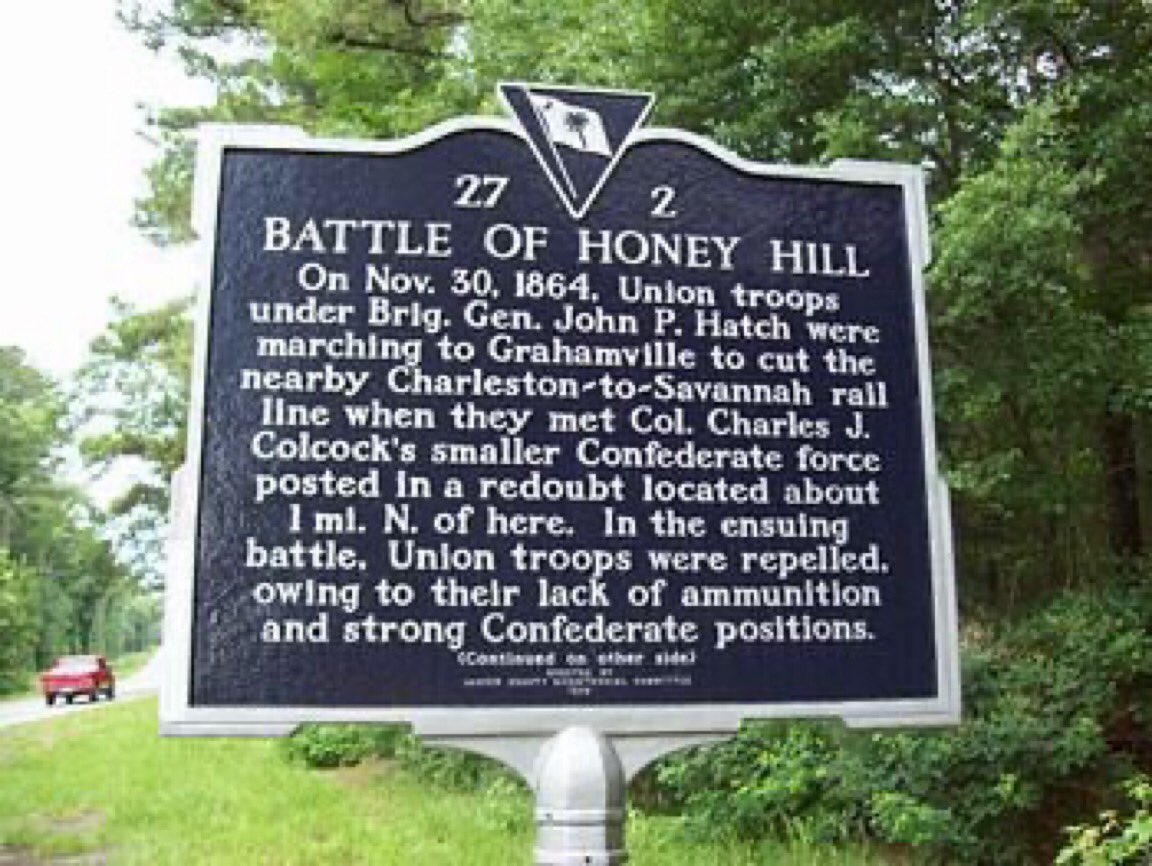
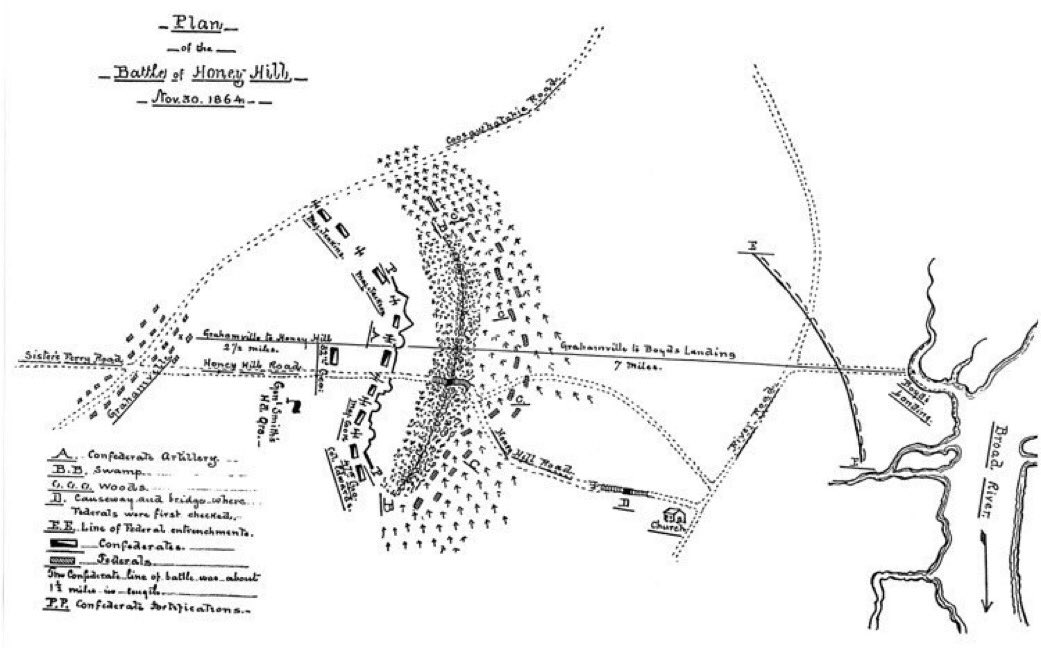
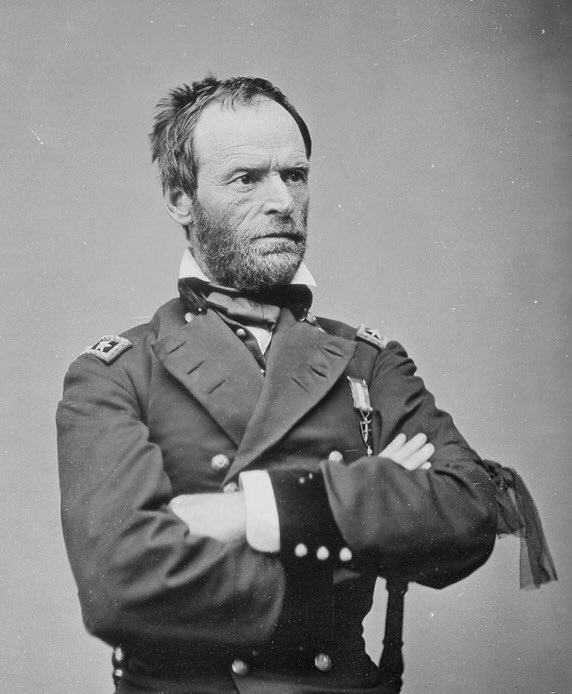
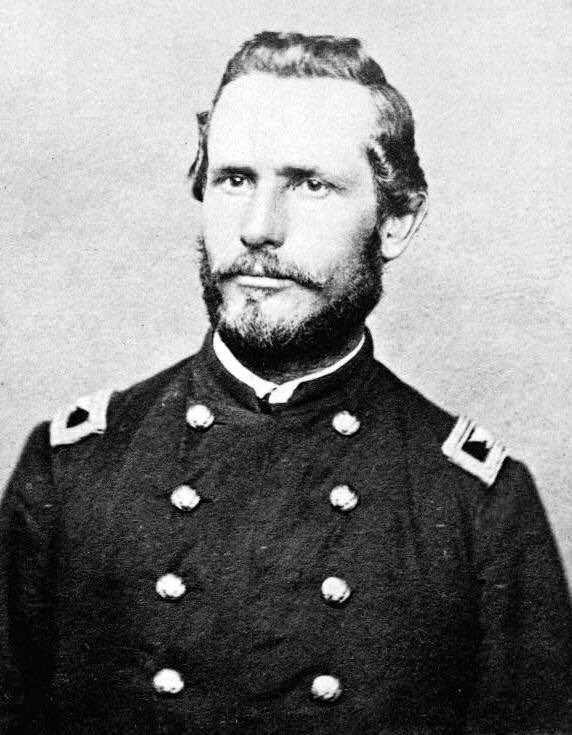
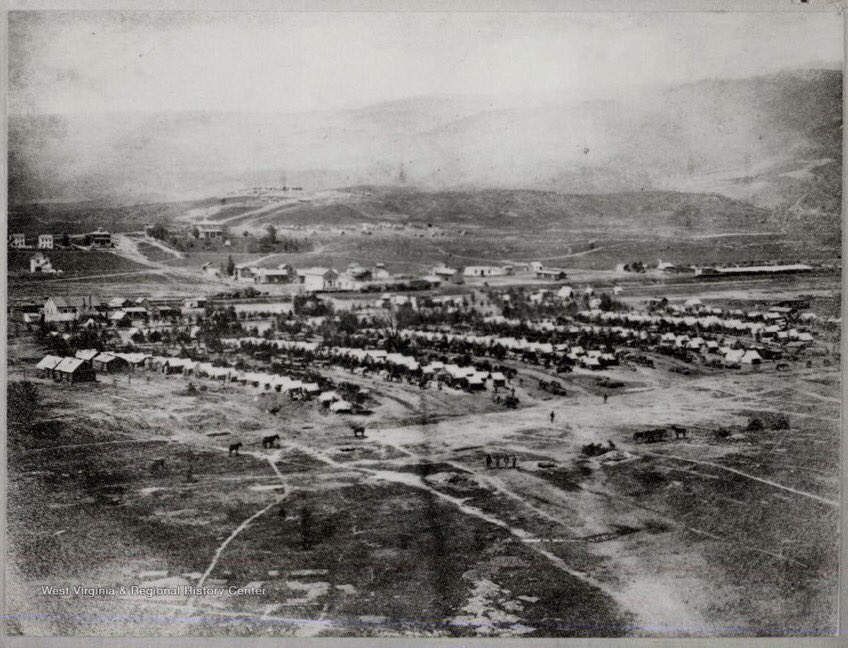
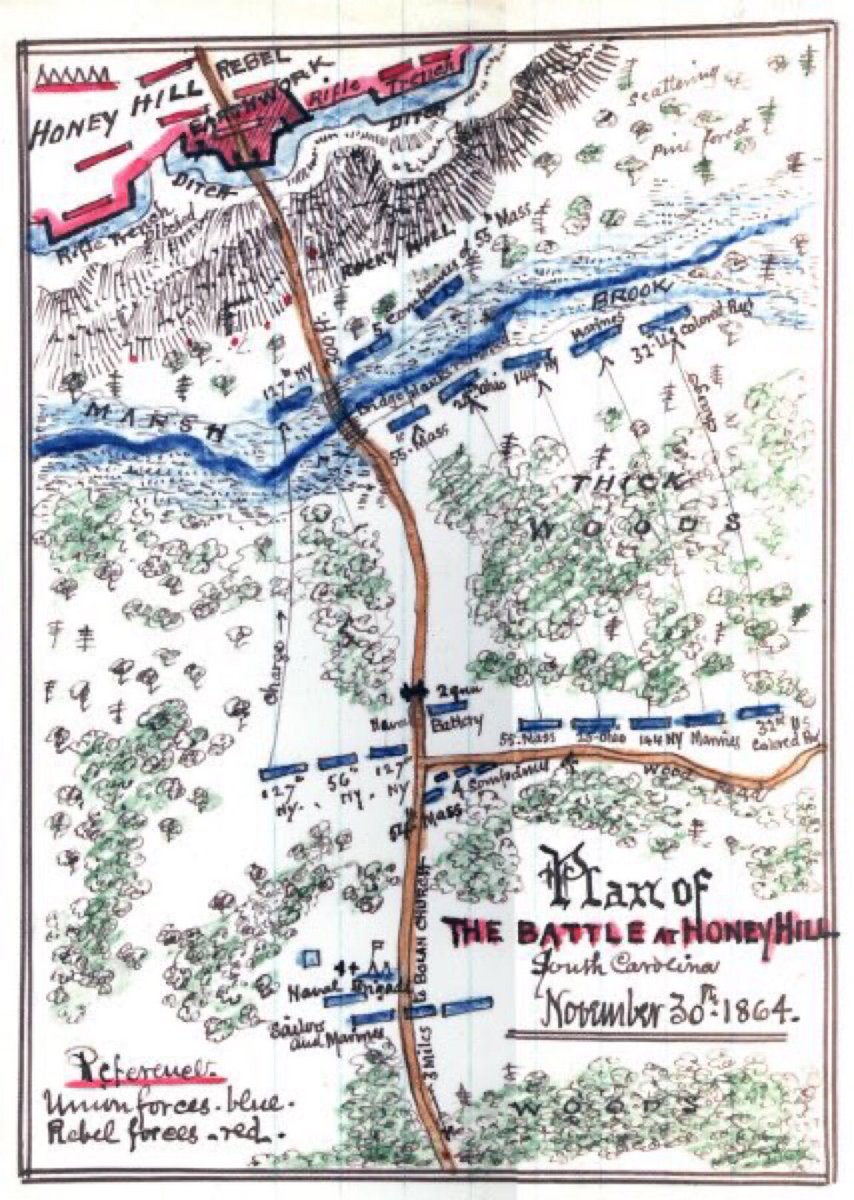
The Battle of Honey Hill was fought #OTD in 1864. It was part of an expedition along the coast to cut the Charleston & Savannah Railroad in support of General William Sherman's March To The Sea. #CivilWar 🧵
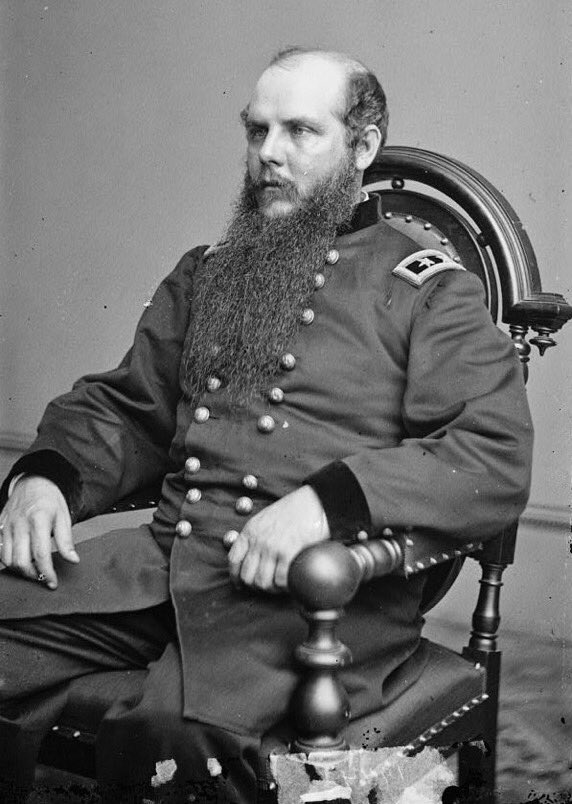
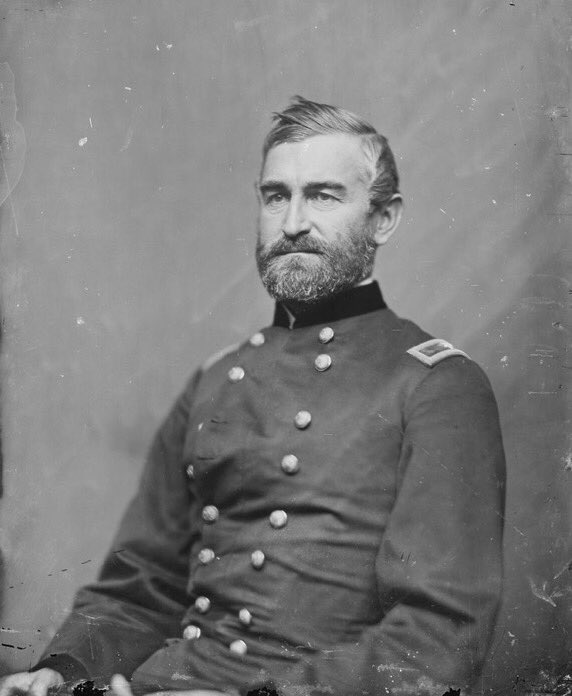
The @USArmy force was commanded by General John Porter Hatch, an 1845 graduate of West Point. His men landed northwest of Beaufort, SC and marched toward the railroad near Grahamsville.
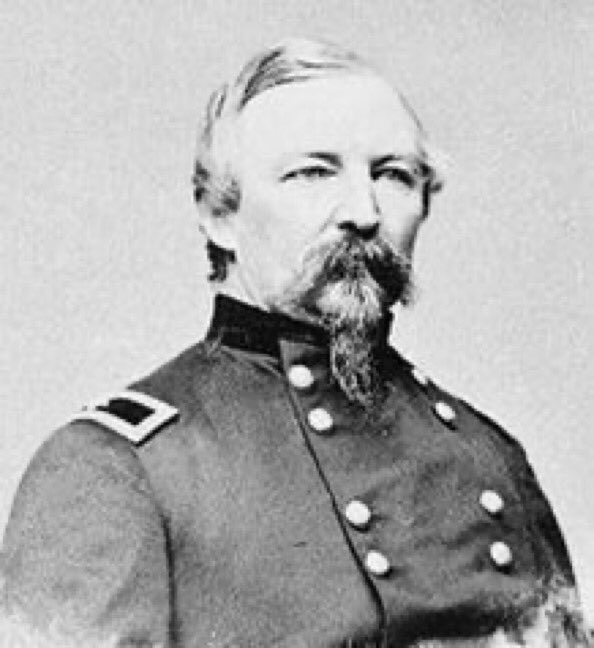
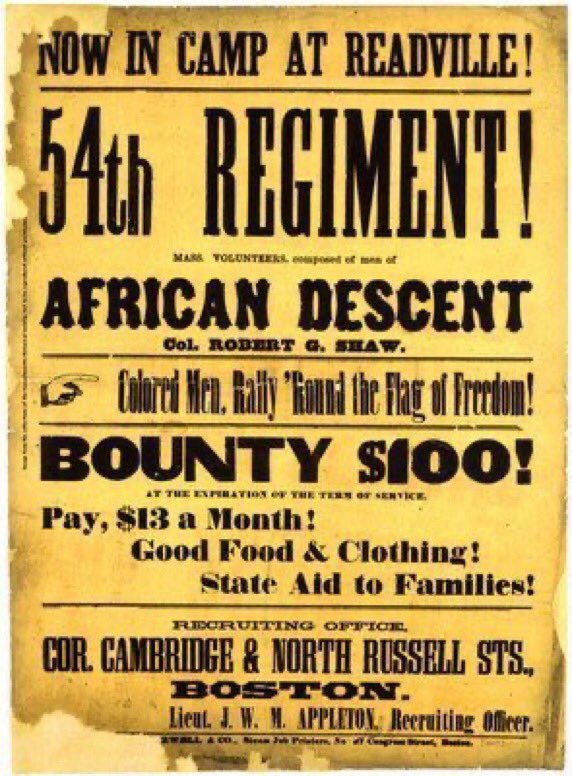
Hatch encountered a force of confederate troops blocking the road. A brigade of U.S. Colored Troops under Colonel Alfred S. Hartwell made several assaults against the rebel line. The 54th & 55th Massachusetts Volunteer Infantry Regiments were part of the brigade.
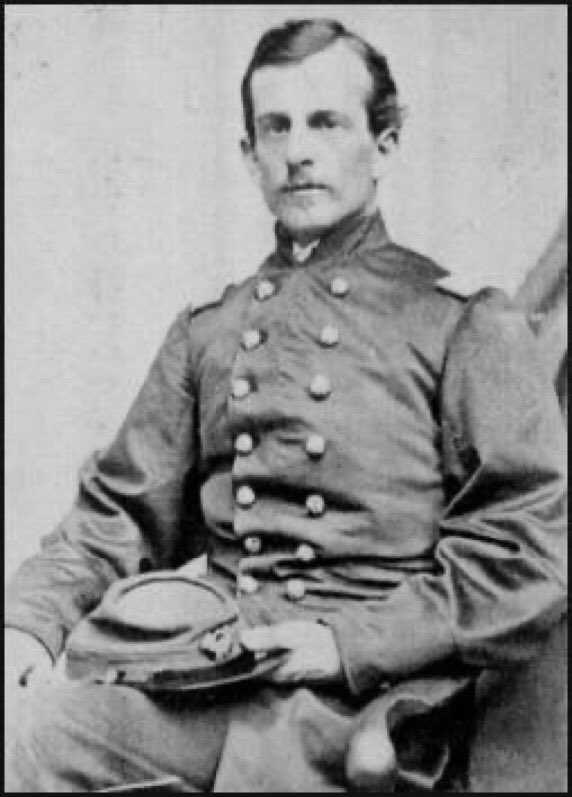
The assaults were ineffective, and Hatch had to withdraw his men to their transports that night. They suffered almost 750 casualties, but proved again that Black troops would fight courageously when given the opportunity.
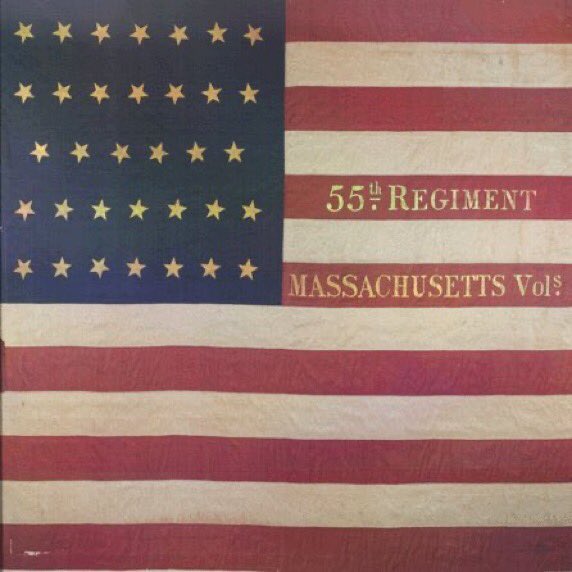
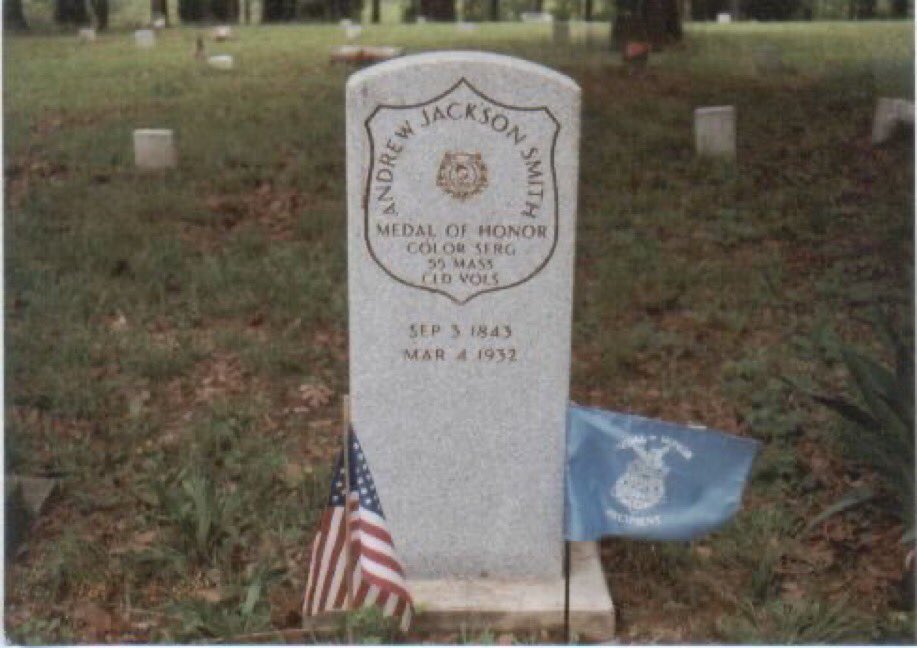
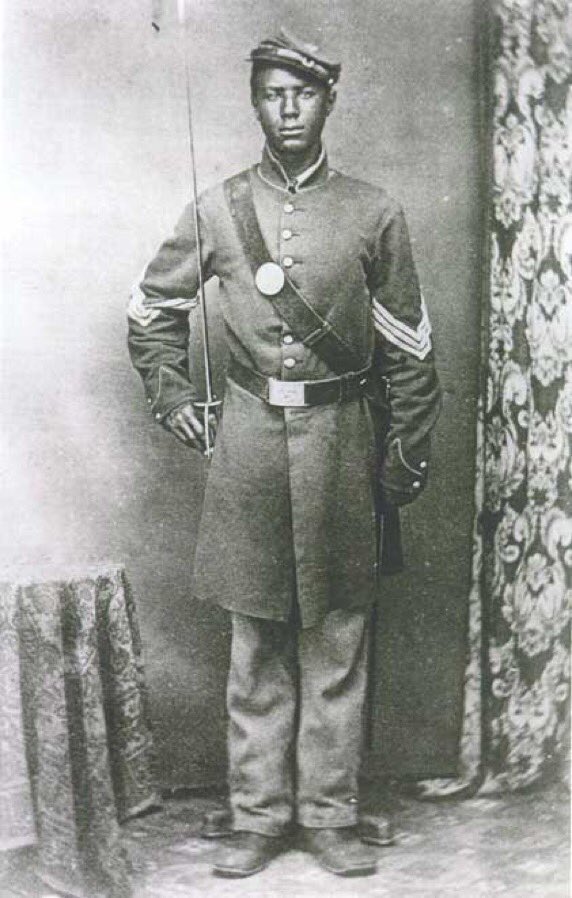
During the battle, Andrew Jackson Smith of the 55th Massachusetts retrieved the regimental colors after the color sergeant fell, and carried them for the remainder of the battle. He was later awarded the Medal of Honor, 137 years after the battle in which he earned it. @MohMuseum
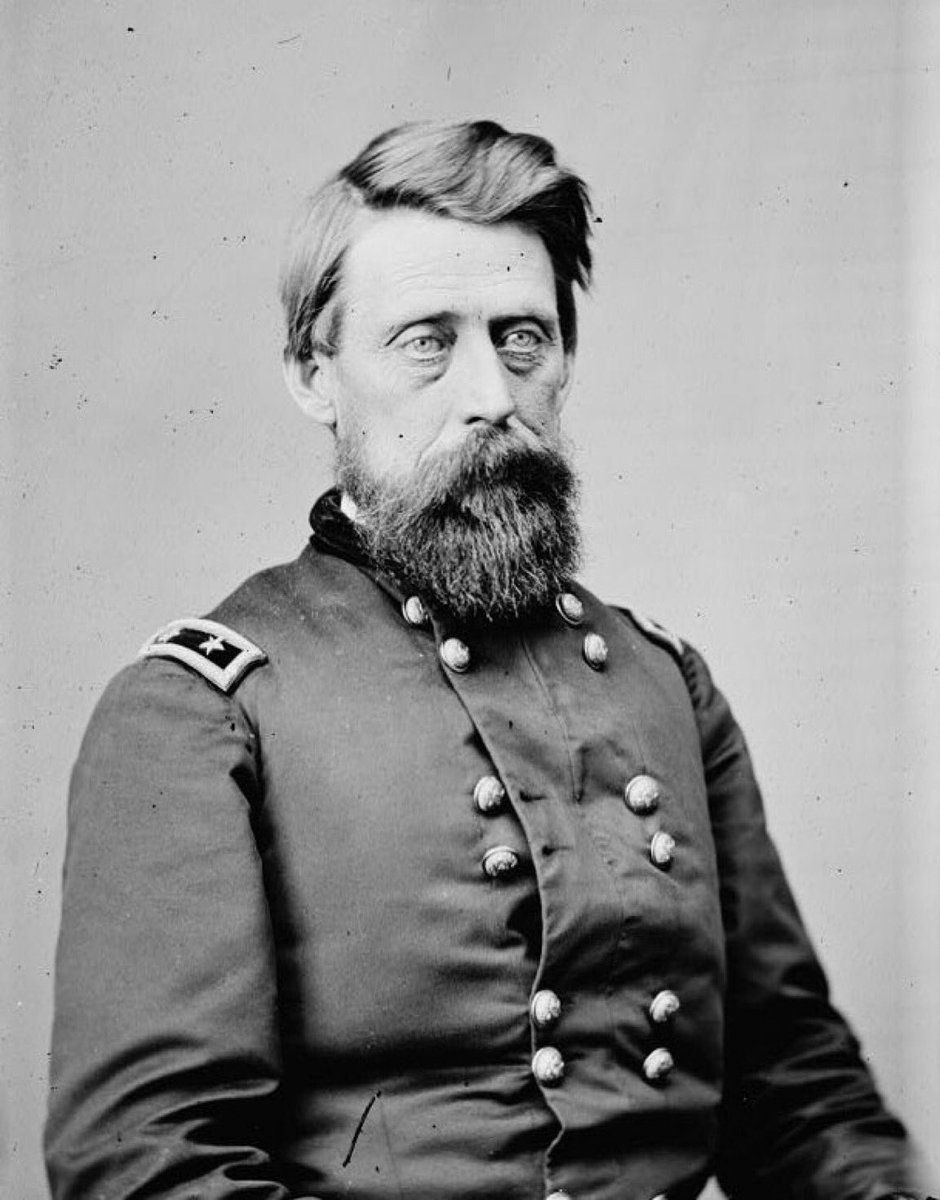
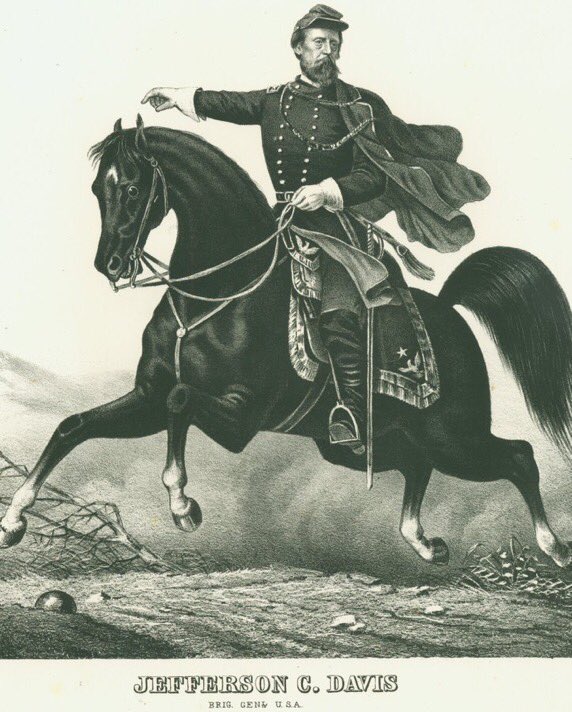
General Jefferson C. Davis, a @USArmy general during the #CivilWar who unfortunately shared his name with the leader of the confederacy, died in Chicago #OTD in 1879. He was just 51 years old. 🧵
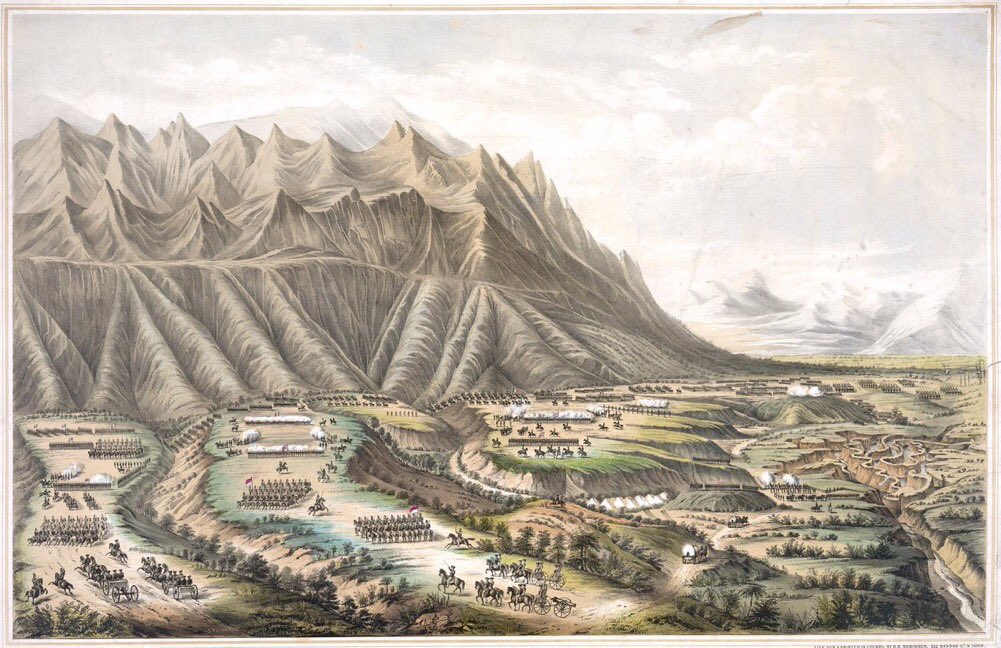
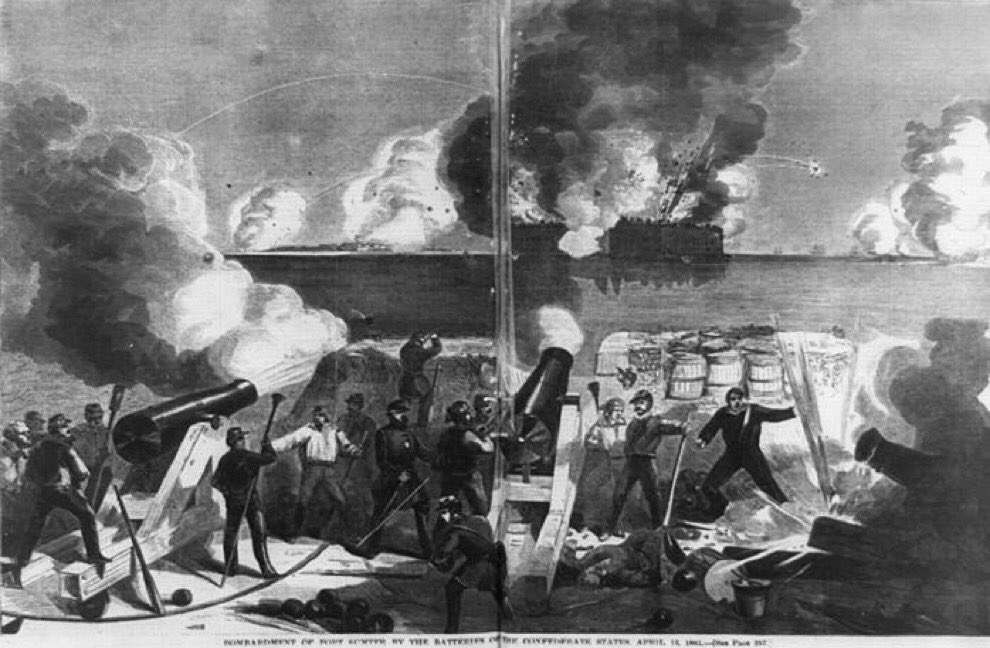
Davis had served as an enlisted man during the Mexican War, being promoted to Sergeant for his actions at the Battle of Buena Vista. After the war he was commissioned, and was one of the officers garrisoned at @FtSumterNPS when it was attacked in April, 1862.
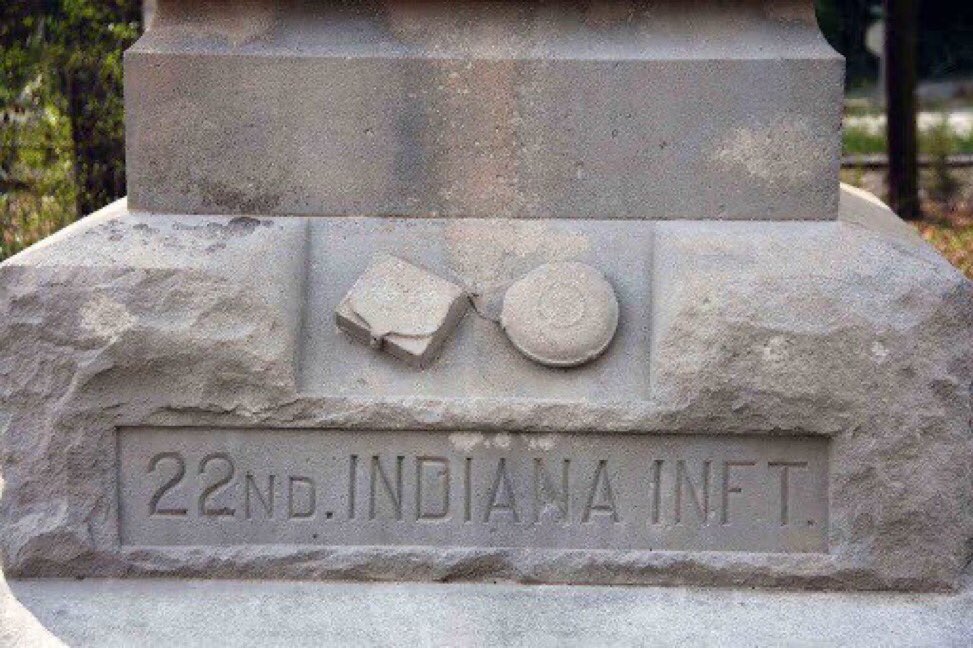
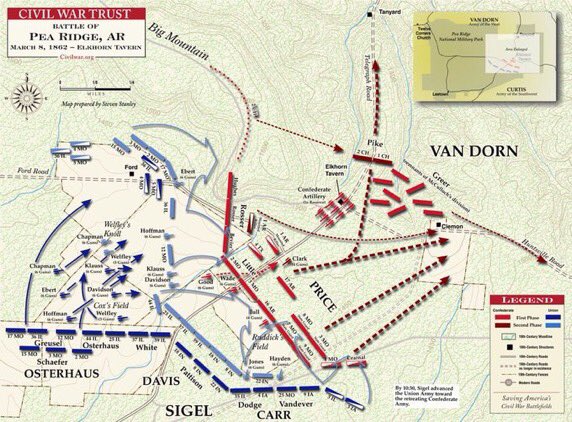
Released with the rest of the garrison, he was promoted to Colonel of Volunteers and made commander of the 22nd Indiana Infantry. Promoted again to Brigadier General, he commanded a division with distinction at the Battle of Pea Ridge.
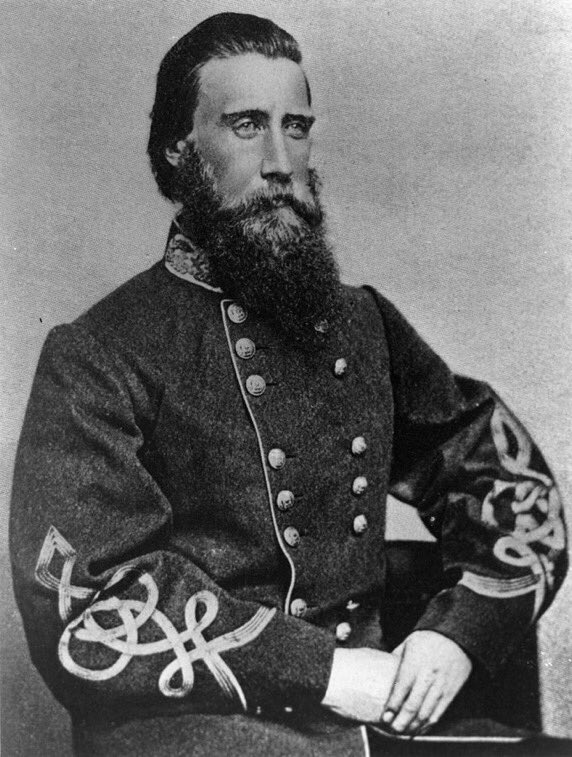
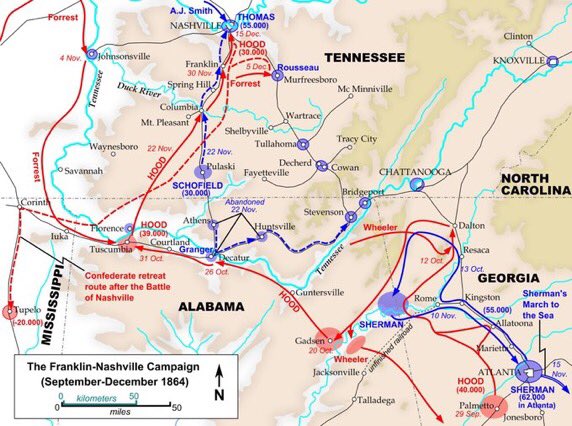
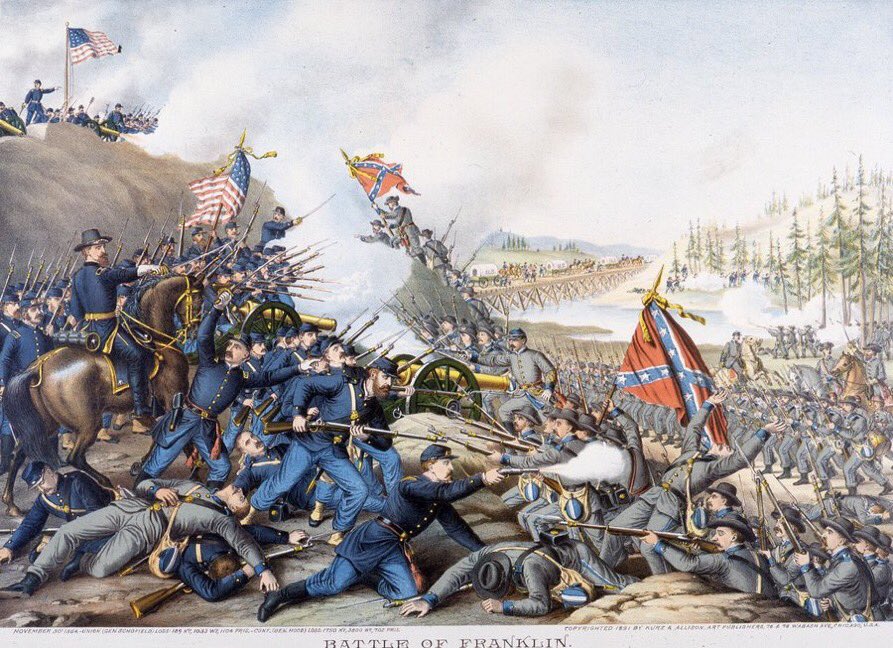
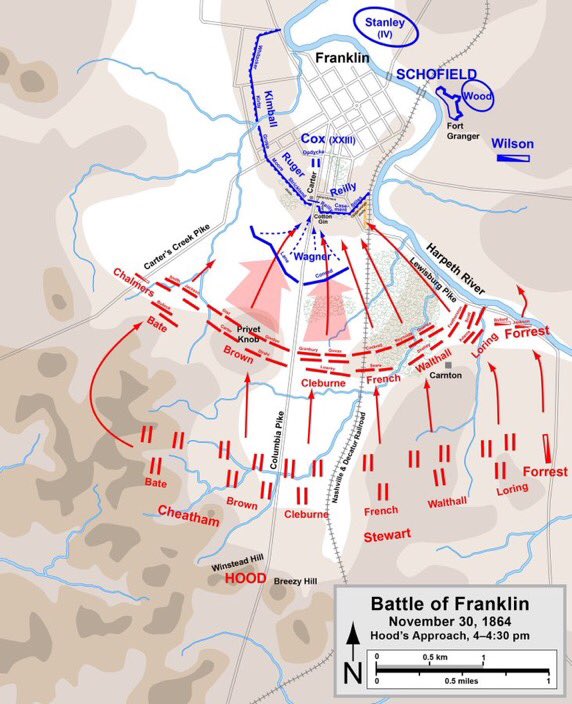
The Battle of Franklin, TN was fought #OTD in 1864, as John Bell Hood continued his offensive into Tennessee, attempting to disrupt General William T. Sherman’s supply lines for his ongoing March to the Sea. #CivilWar 🧵
Hood persisted despite Sherman’s decision not to pursue him and have his army live off the land instead. Opposing Hood at Franklin was the Army of the Ohio under General John Schofield. The two sides had roughly equal strength, about 27,000 men each.
The armies’ respective positions were not equal, however, as Schofield occupied a strong, curved line of entrenchments and fortifications that allowed him to quickly move reinforcements along interior lines. Hood’s force had to cross open ground to attack the U.S. line.
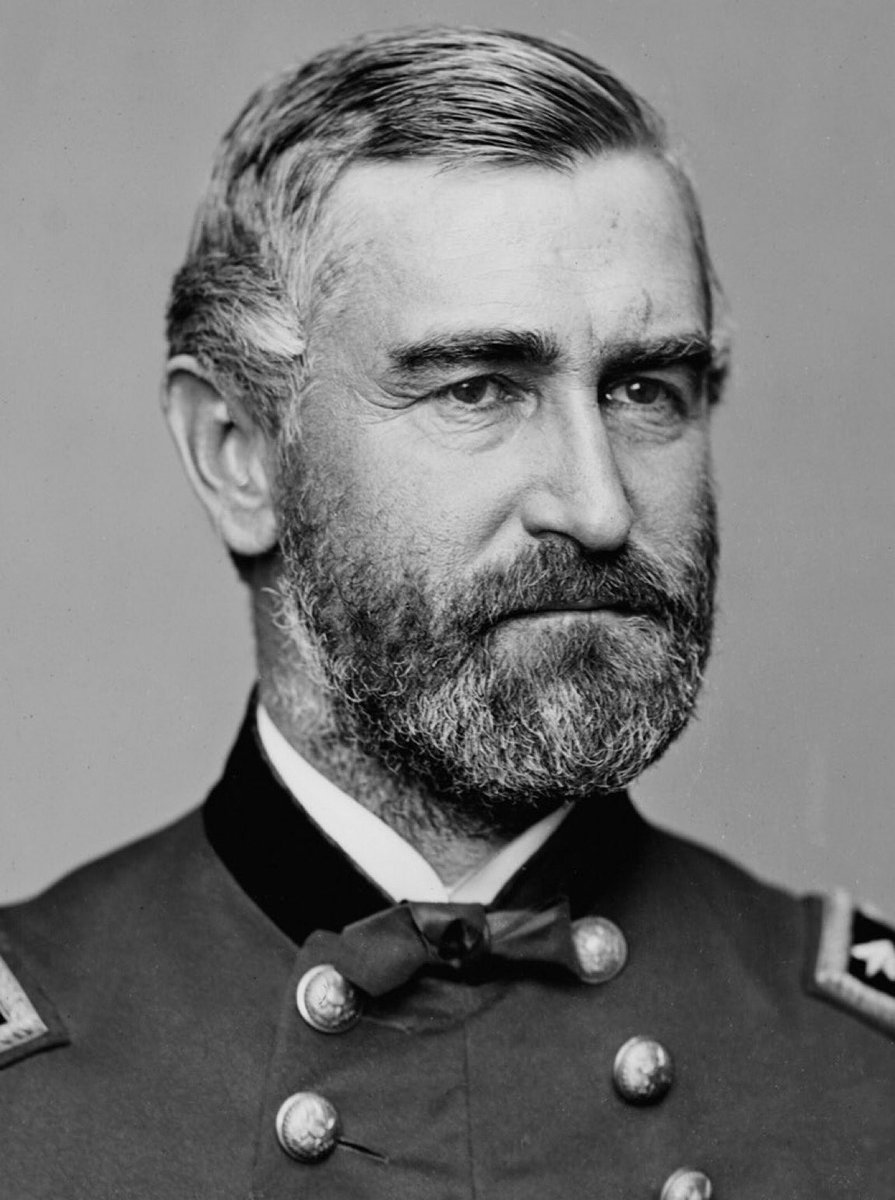
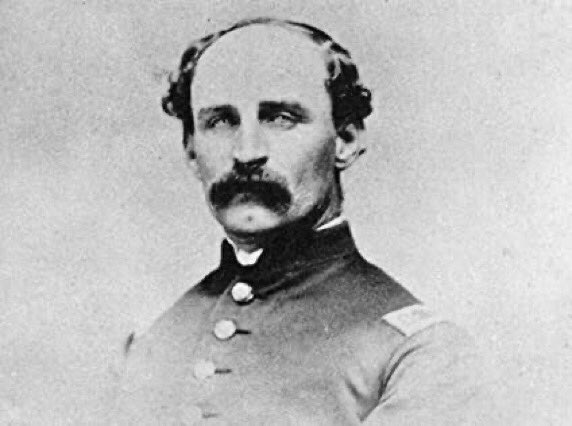
General Gershom Mott, who commanded several regiment, brigade, and division-sized units in the Army of the Potomac throughout the #CivilWar, died in New York City #OTD in 1884 at the age of 62.🧵
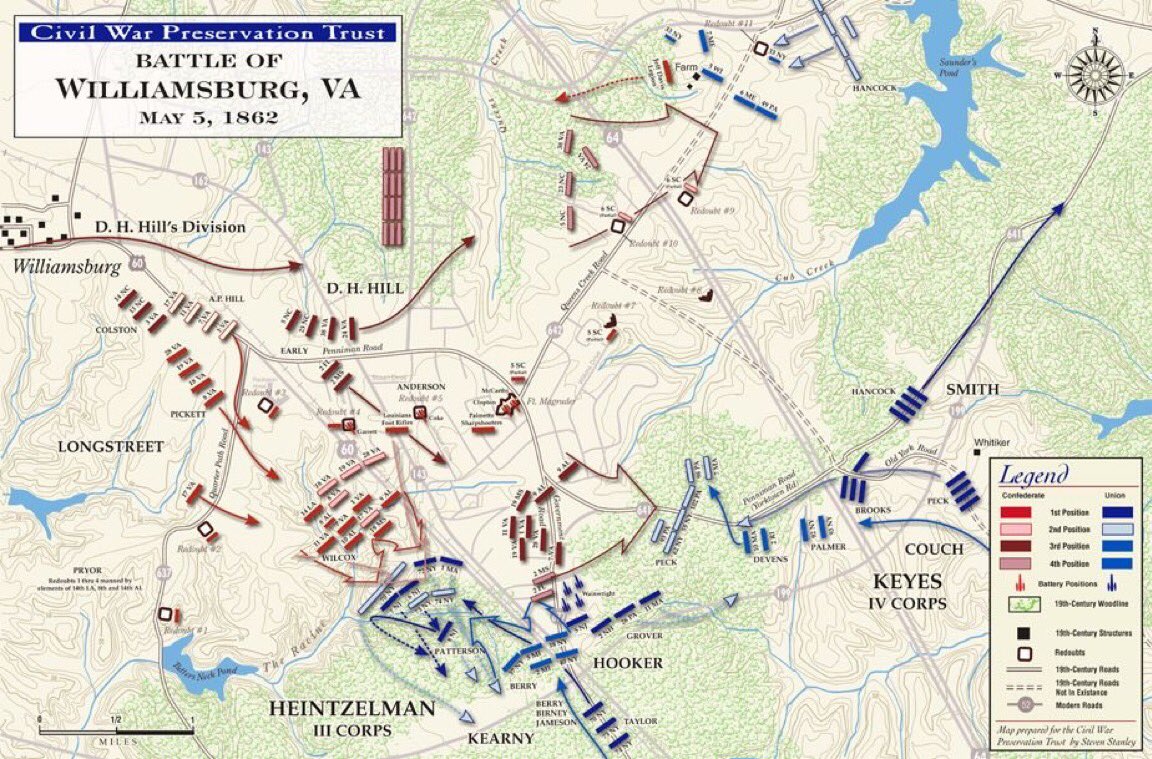
Born in New Jersey in 1822, Mott served briefly in the Mexican-American War, and was named Lt. Colonel of the 5th New Jersey Infantry when the Civil War began. After the regiment’s performance at the Battle of Williamsburg, Mott was promoted to Colonel of the 6th New Jersey.
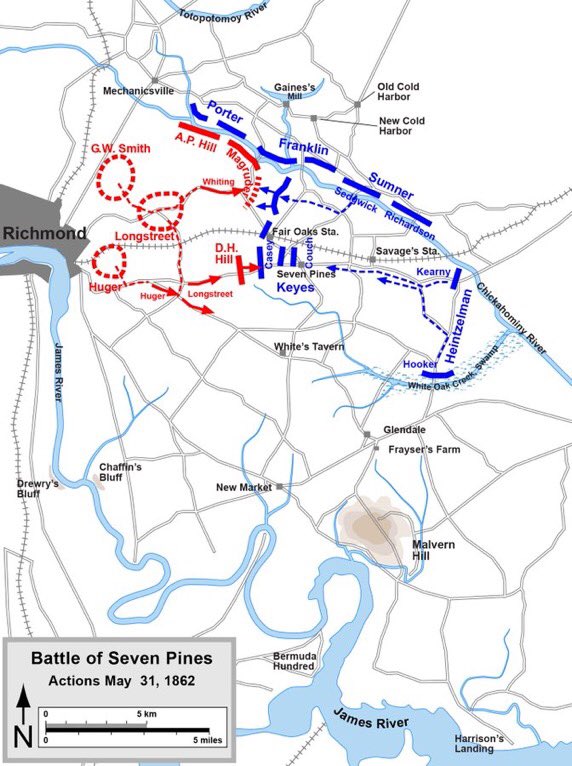
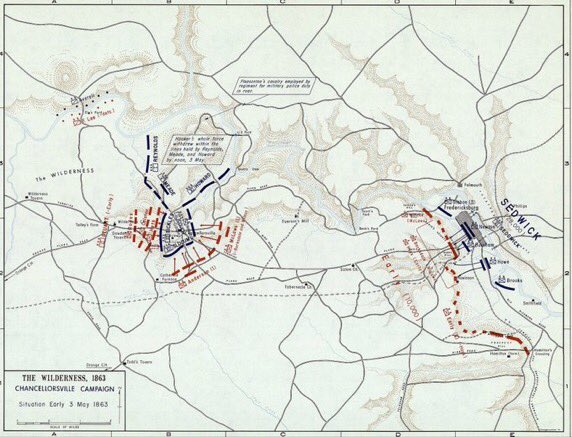
Mott was commended for his performance at the Battle of Seven Pines, and again at the Second Battle of Bull Run, where he was badly wounded. Promoted to Brigadier General and given command of a brigade, he was wounded again at the Battle of Chancellorsville.
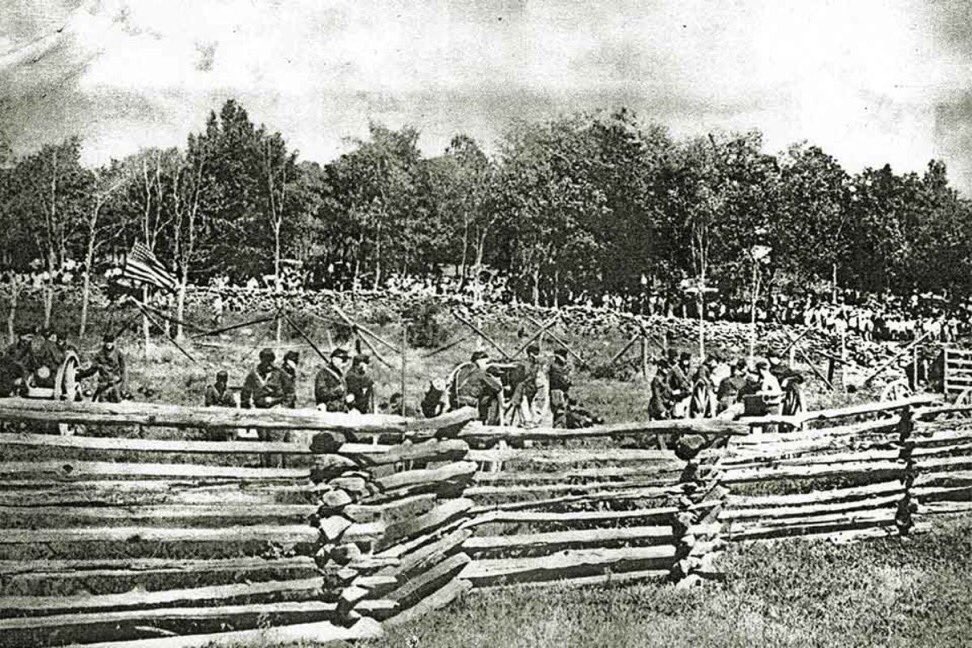
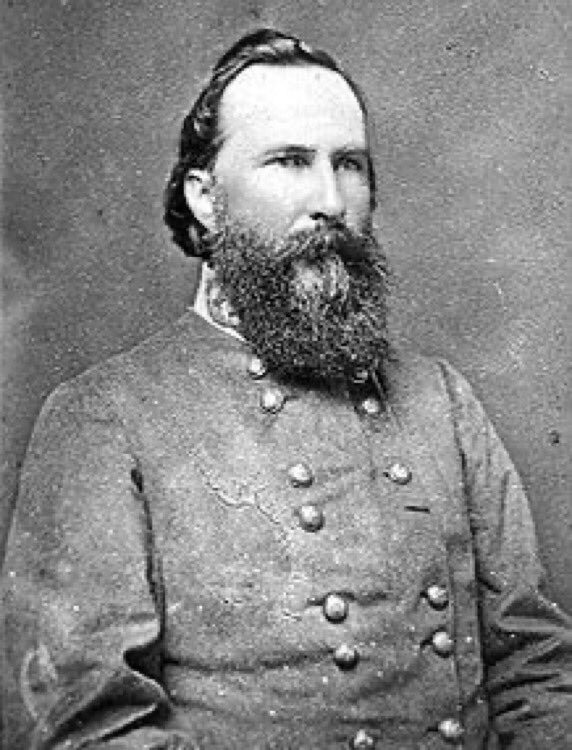
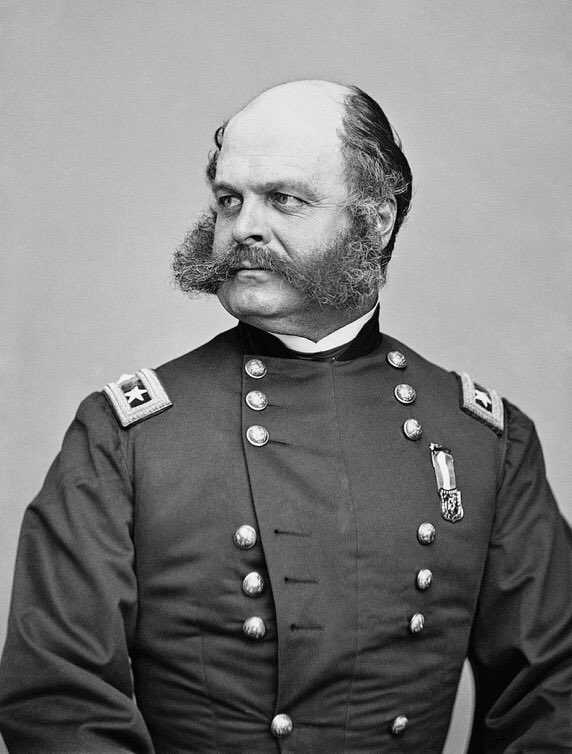
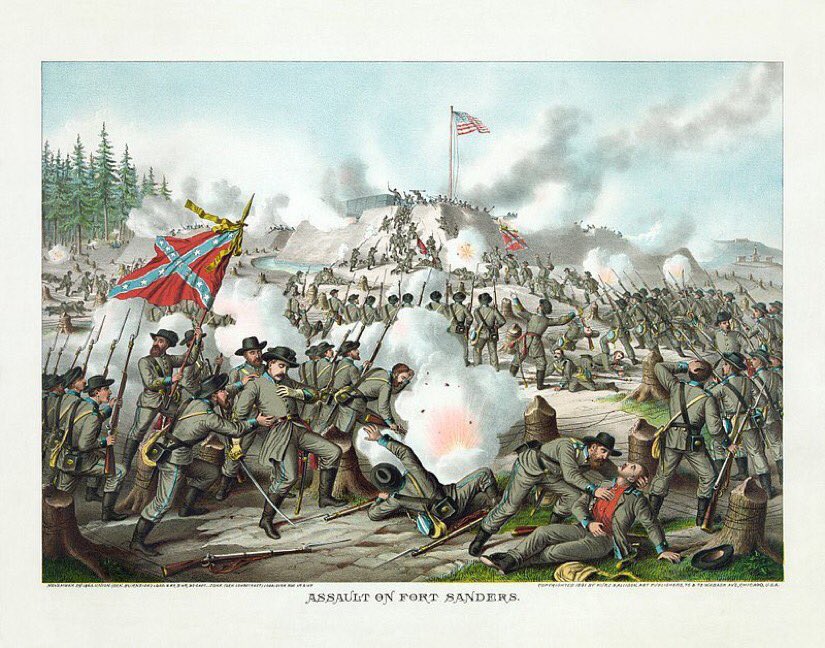
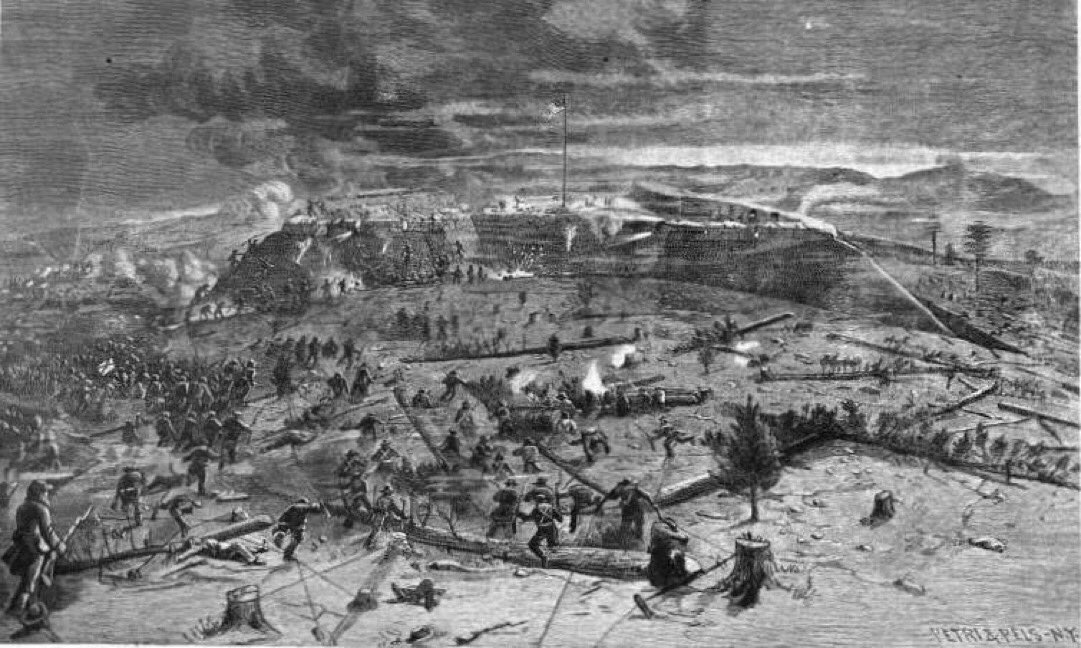
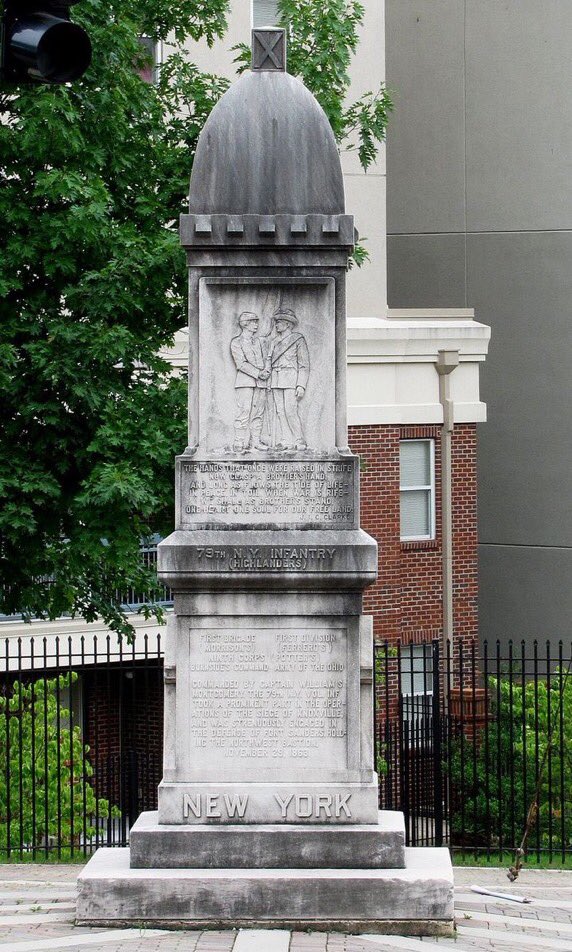
Confederate James Longstreet ordered an assault on the U.S. position at Fort Sanders outside Knoxville, TN, #OTD in 1863. Longstreet's troops had been besieging General Ambrose Burnside's Army of the Ohio for nearly two weeks at that point. #CivilWar 🧵
Ill-conceived and impulsive, the assault was a disaster for Longstreet's men. They had to cover an open field strung knee high with wire, cross a deep ditch at the base of the fort's wall, and then scale the steep, icy wall to reach the parapet. Hundreds were cut down.
Of the roughly 3,000 men Longstreet threw at the fort, nearly a third became casualties. Inside the fort, less than 500 men of the 79th NY Volunteer Infantry "Highlanders", commanded by Colonel David Morrison, held off the assault while losing less than 20 men.
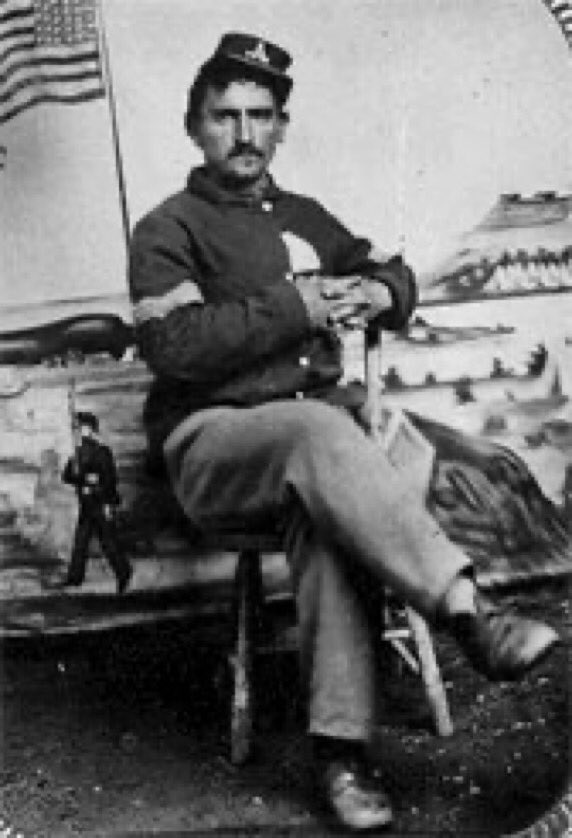
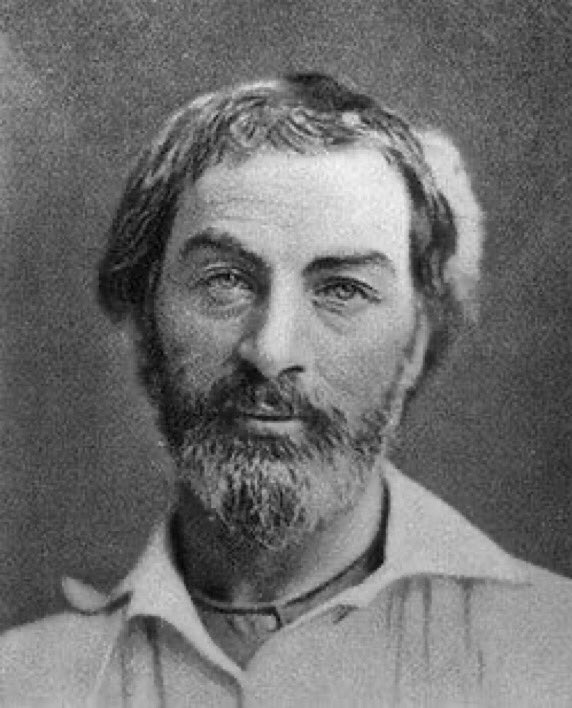
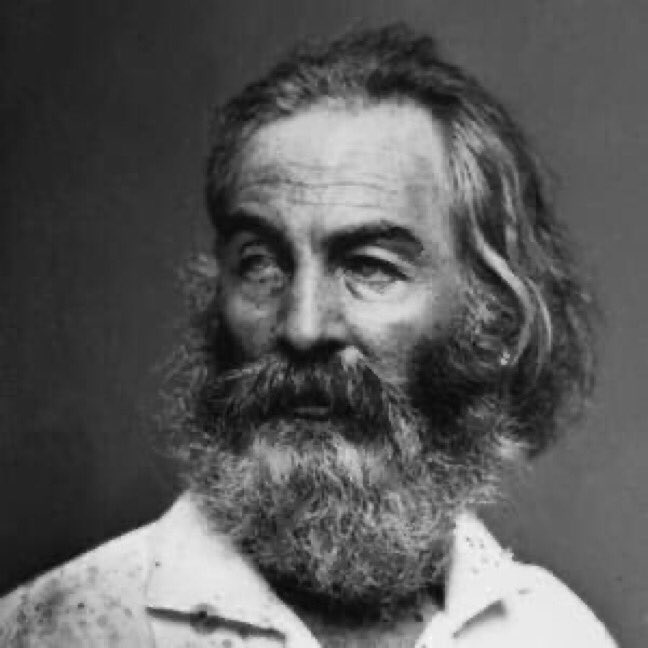
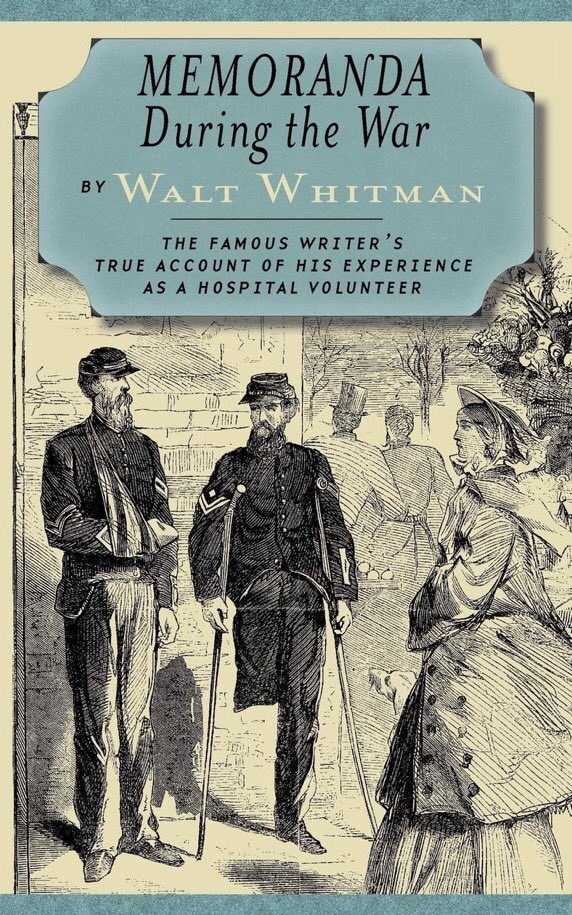
Lt. Colonel George Washington Whitman, the younger brother of famed poet Walt Whitman, was born #OTD in 1829. He enlisted in the @USArmy at the start of the #CivilWar, and served in the 51st New York Volunteer Infantry Regiment throughout the war. 🧵
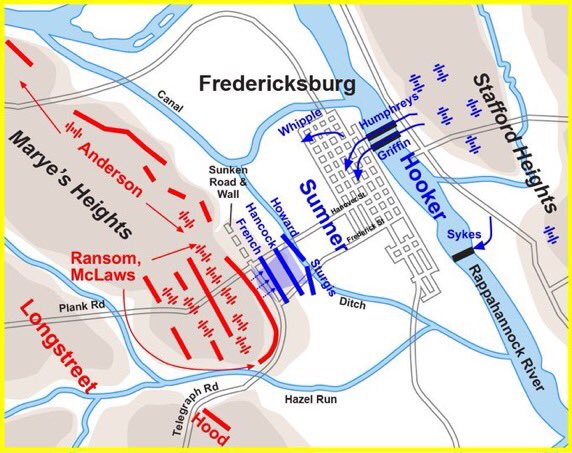
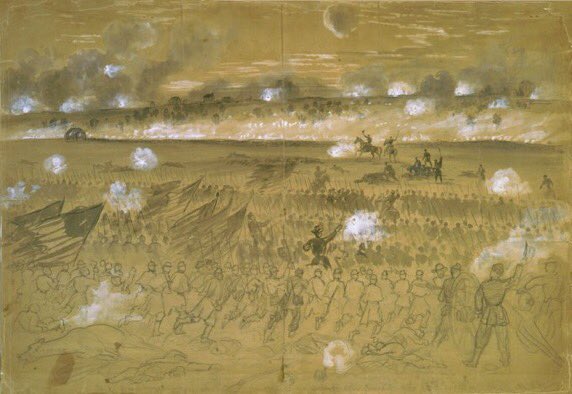
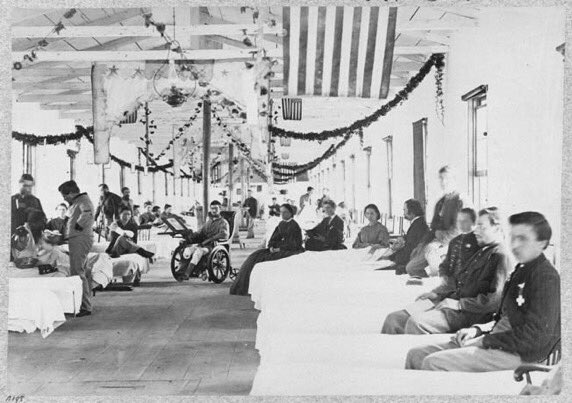
Whitman rose steadily through the ranks, starting as a Private and ending the war as Brevet Lt. Colonel. At the Battle of Fredricksburg, he was wounded in the jaw, prompting his brother Walt to come to the field hospital to serve as a nurse’s assistant.
The experience, and his brother George’s letters from the front, prompted Whitman to create some of his most moving poetry, including “The Great Army of the Sick” and the volume “Memoranda During the War”.
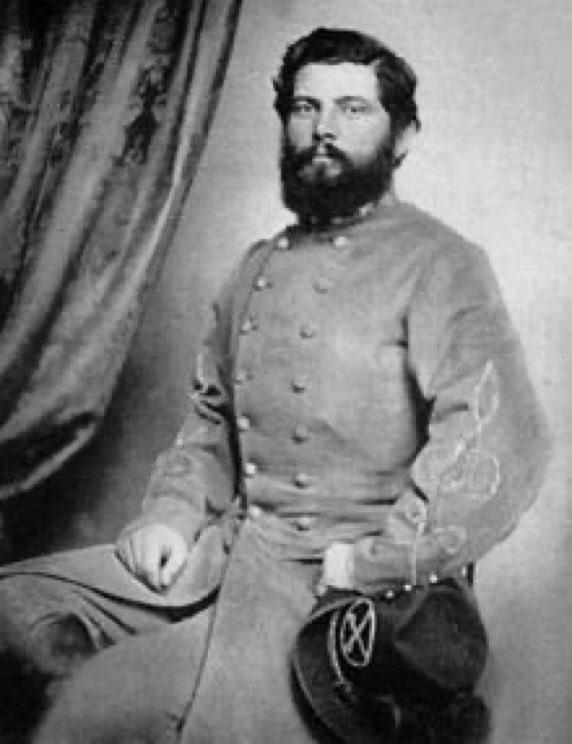
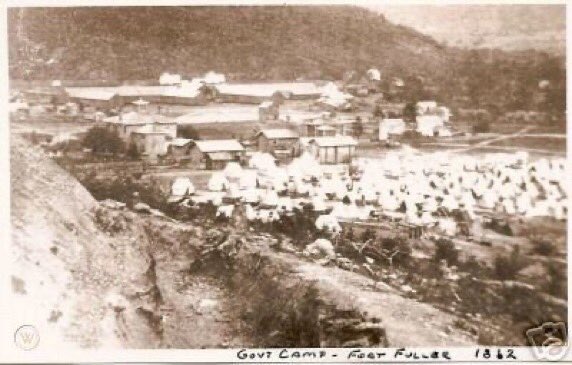
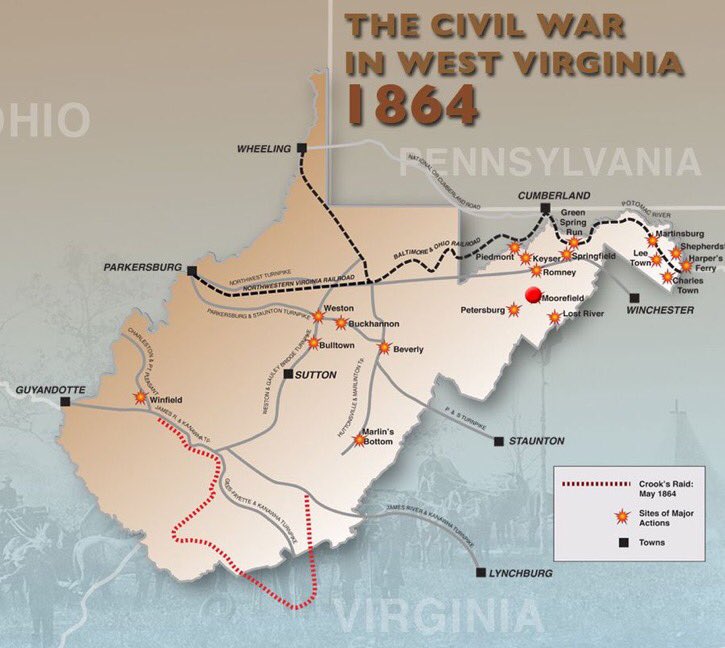
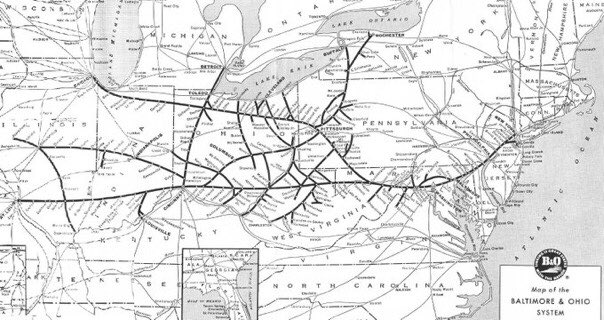
A confederate cavalry force under Thomas Rosser raided Ft. Fuller near the towns of New Creek and Keyser, WV #OTD in 1864. The fort was one of several that had been built to guard the Baltimore & Ohio Railroad, a vital supply line for U.S. troops in the area. 🧵
The raid was one of several conducted by the confederates, in a series of attempts to disrupt the rail line. The fort was guarded by over 700 troops of the 6th West Virginia Cavalry commanded by Colonel George R. Latham.
Though Rosser has only 500-600 men with him, he elected to attack the fort and it’s large supply depot anyway. Latham, despite having been warned of other raids by Rosser in the preceding days, had not placed his troops on alert. They were caught completely by surprise.