HOW BIG ARE THE PROFIT MARGINS IN FASHION? 🧵
Someone recently made a TikTok about the Brick Watch Company debacle, and one of the channel's viewers asked how this is any different from other luxury companies making things for pennies and selling them for thousands.
Someone recently made a TikTok about the Brick Watch Company debacle, and one of the channel's viewers asked how this is any different from other luxury companies making things for pennies and selling them for thousands.
The guys in the video give a two-part answer. First, they say the price is whatever the market will bear. If someone wants to pay $800 for a t-shirt, then the t-shirt is worth $800. Second, marketing and branding set the price. Why do ppl pay $$$ for an LV tee? Cause of the name.

There's some truth in this—fashion is partly about fantasy, branding, and identity. But such facile generalizations don't capture the full story. It also exaggerates things, such as claiming Nike shoes cost $3 to make.
So what are the real profit margins in fashion?
So what are the real profit margins in fashion?

In 2014, Nike Program Director in Footwear Sourcing and Manufacturing, Steve Bence, pulled back the curtain in an interview with Portland Business Journal. He said that, if a sneaker retails for $100, it generally costs about $25 to manufacture.
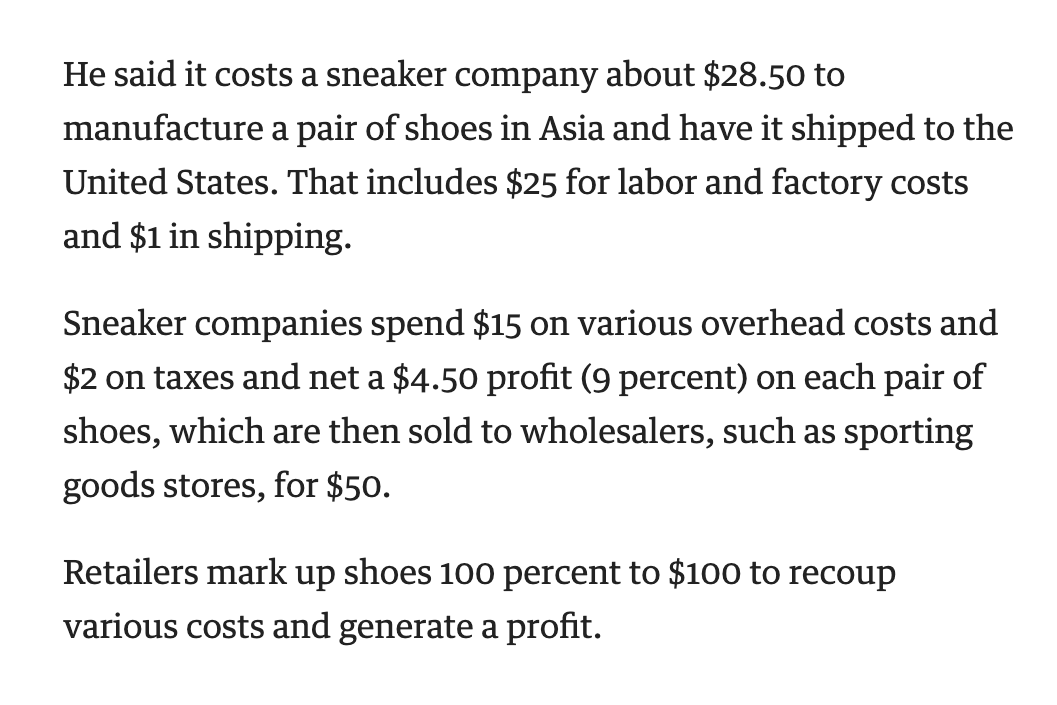
In the industry, this is called "free on board" (FOB). This is the shoe's cost at the point when it's loaded onto a vessel at the port of origin. "Free" refers to how the factory will pay to deliver a finished shoe up to the point when it boards a ship—the rest is your problem.
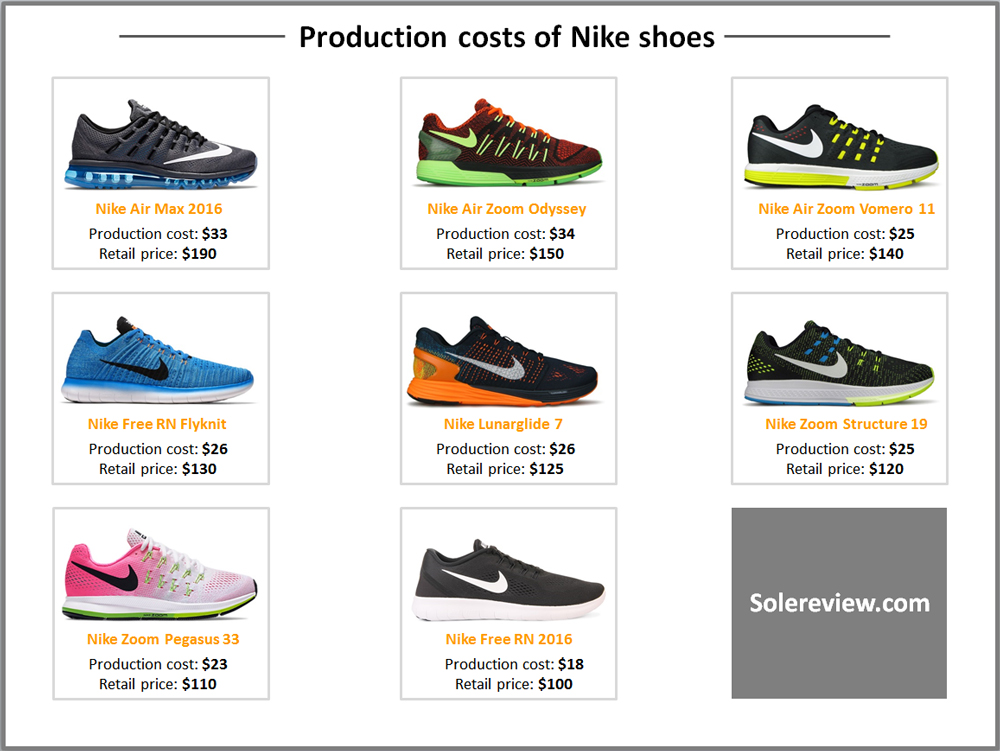
In 2016, Sole Review did a more comprehensive breakdown looking at various Nike models. FOB costs were a smaller percentage of retail than what Bence quoted, but within the ballpark.
At this point, you may say, "WOW look at that markup! Average $22 to make and retails for $100!"
At this point, you may say, "WOW look at that markup! Average $22 to make and retails for $100!"
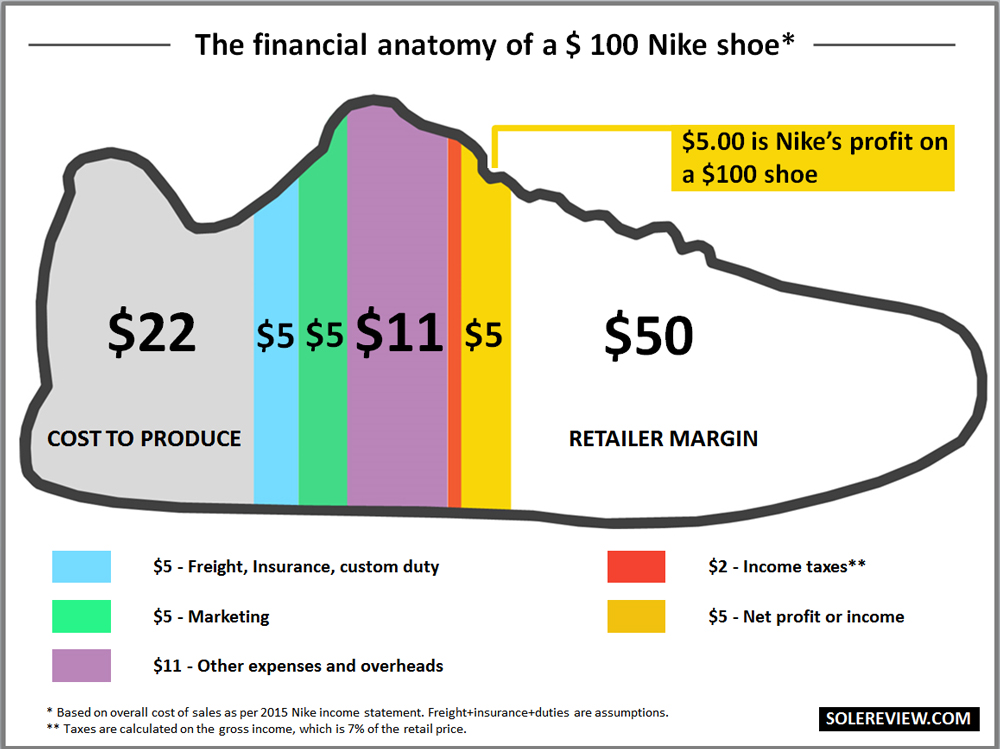
But remember, these are FOB costs. There are also freight, insurance, customs, marketing, income taxes, and other expenses. You also have to ship to retailers such as Footlocker. In the end, Nike's net profit on a $100 shoe is $5.
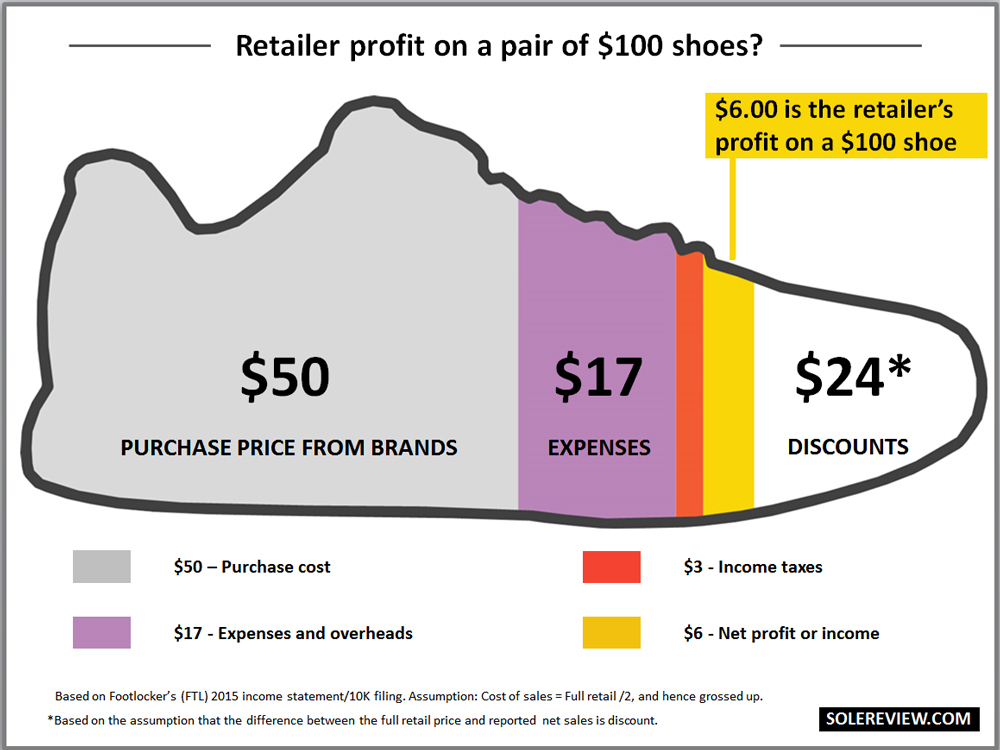
Retailers such as Footlocker aren't doing much better, either. On a $100 shoe, they make btw $6 and $30, depending on markdowns. This is why retailers who constantly run sales (eg J. Crew) struggle to survive. Online retailers also have to deal with free shipping & high returns
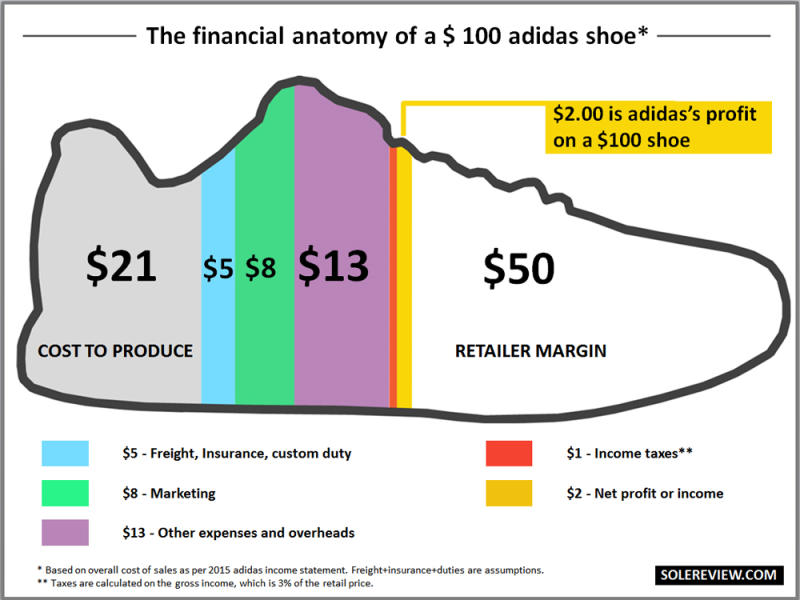
For completeness, here are similar breakdowns for Adidas, as well as a link to the Sole Review story.
solereview.com/what-does-it-c…
solereview.com/what-does-it-c…

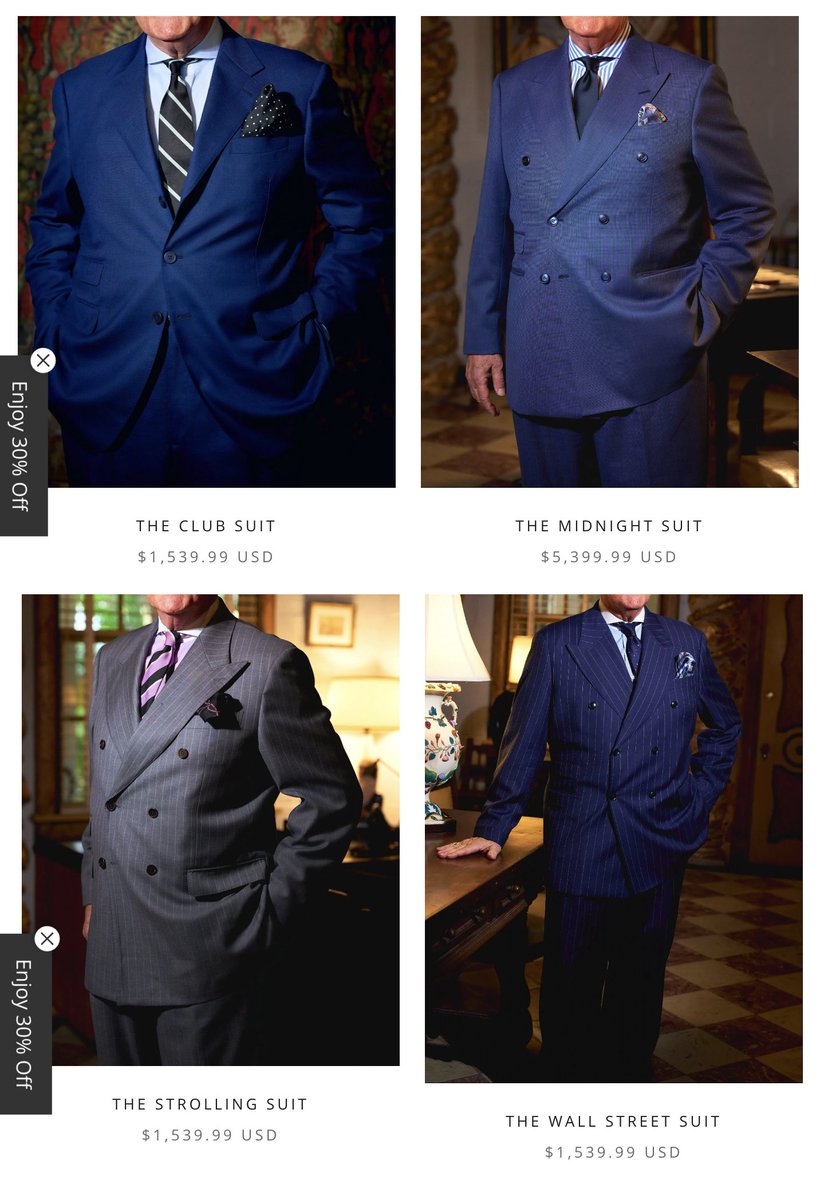
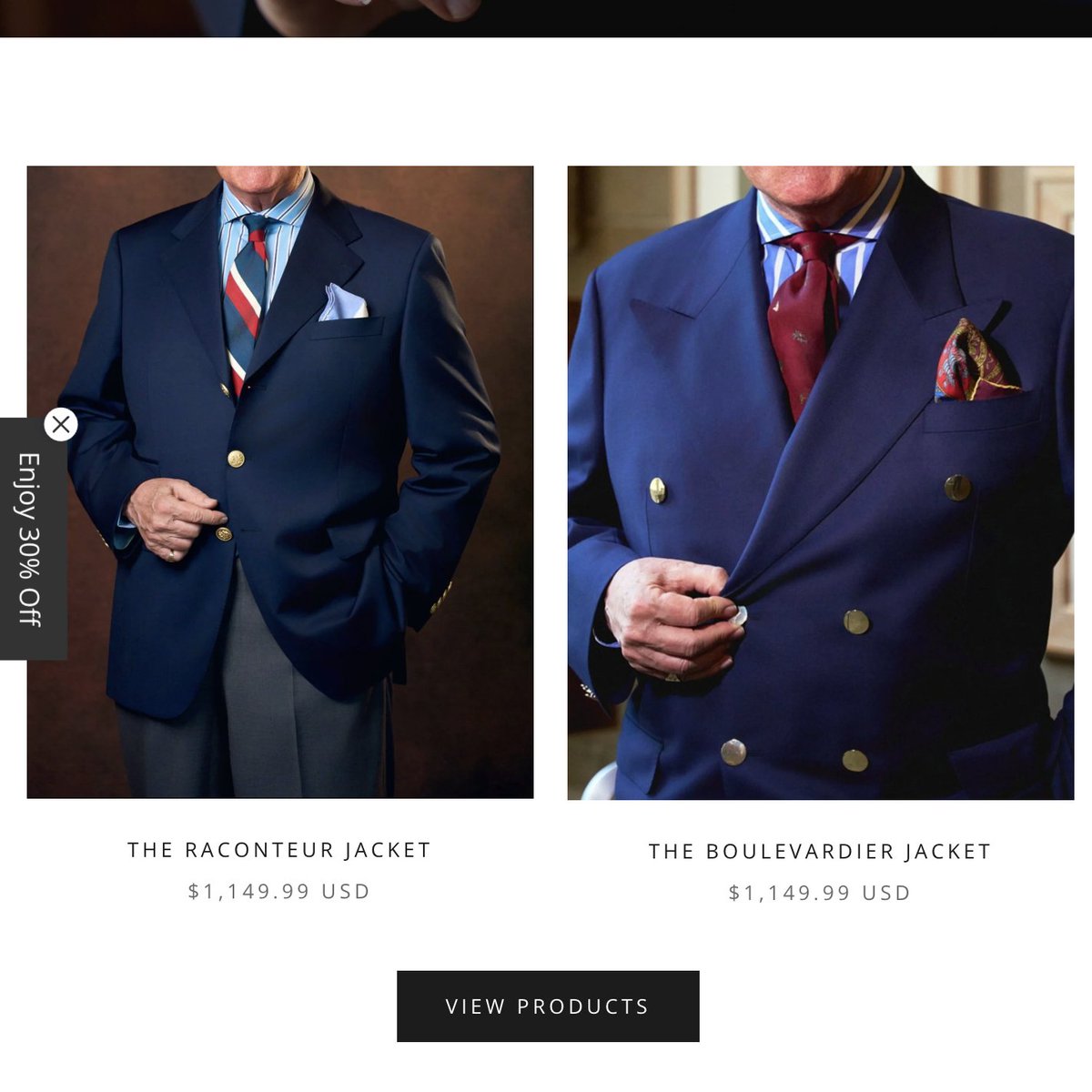
Ok, so sneakers don't actually cost $3 to make. But surely, the luxury market has to be insane. Let's take the uppermost tier of luxury: bespoke suits from Savile Row.
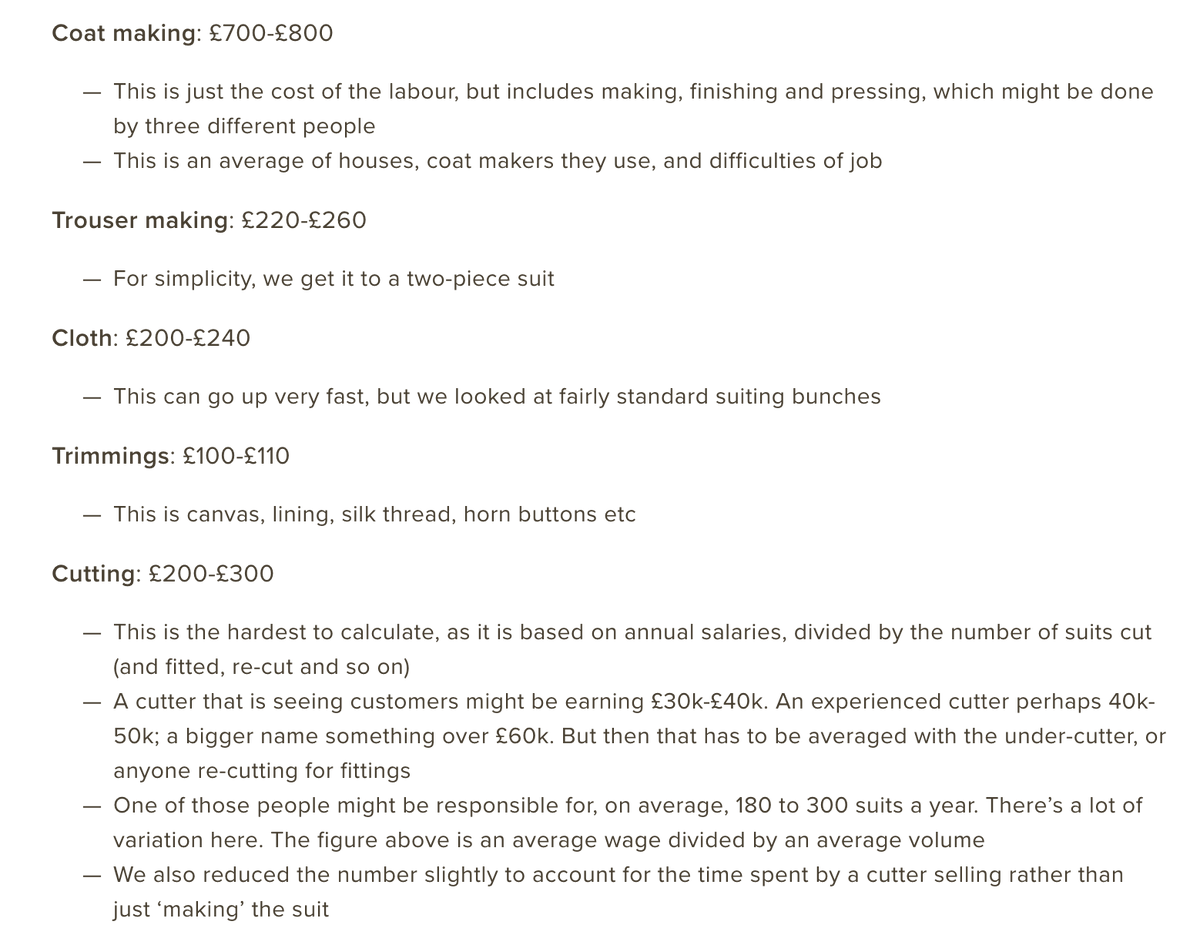
In 2014, Permanent Style surveyed a few Savile Row houses regarding their costs.
In 2014, Permanent Style surveyed a few Savile Row houses regarding their costs.
If the average SR suit sells for $5,825, it costs them $1,900 to make. (So about 33% of the price). Note, this doesn't account for SR's astronomical rents, or the traveling costs tailors incur to see customers in the US. Profit margins on Savile Row are even slimmer than at Nike.
I think there are a few reasons why people underestimate the cost of making clothes. First, the importation of cheap clothing has made us devalue this work. Second, anti-sweatshop campaigns in the 90s led us to believe that all foreign-made goods are made by unpaid children.
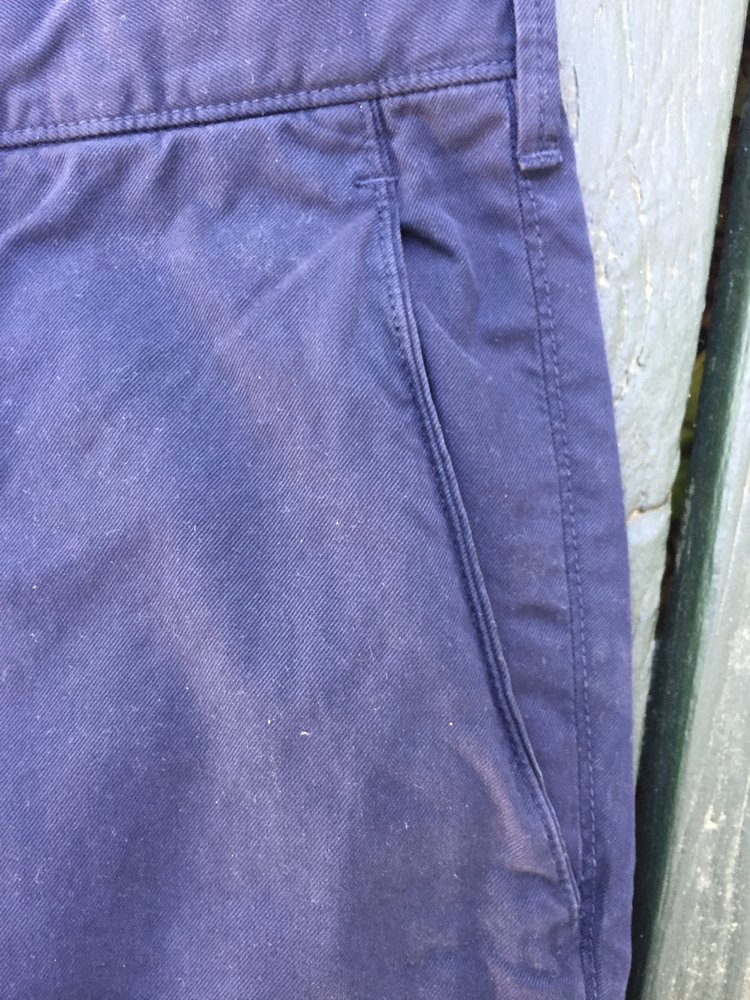
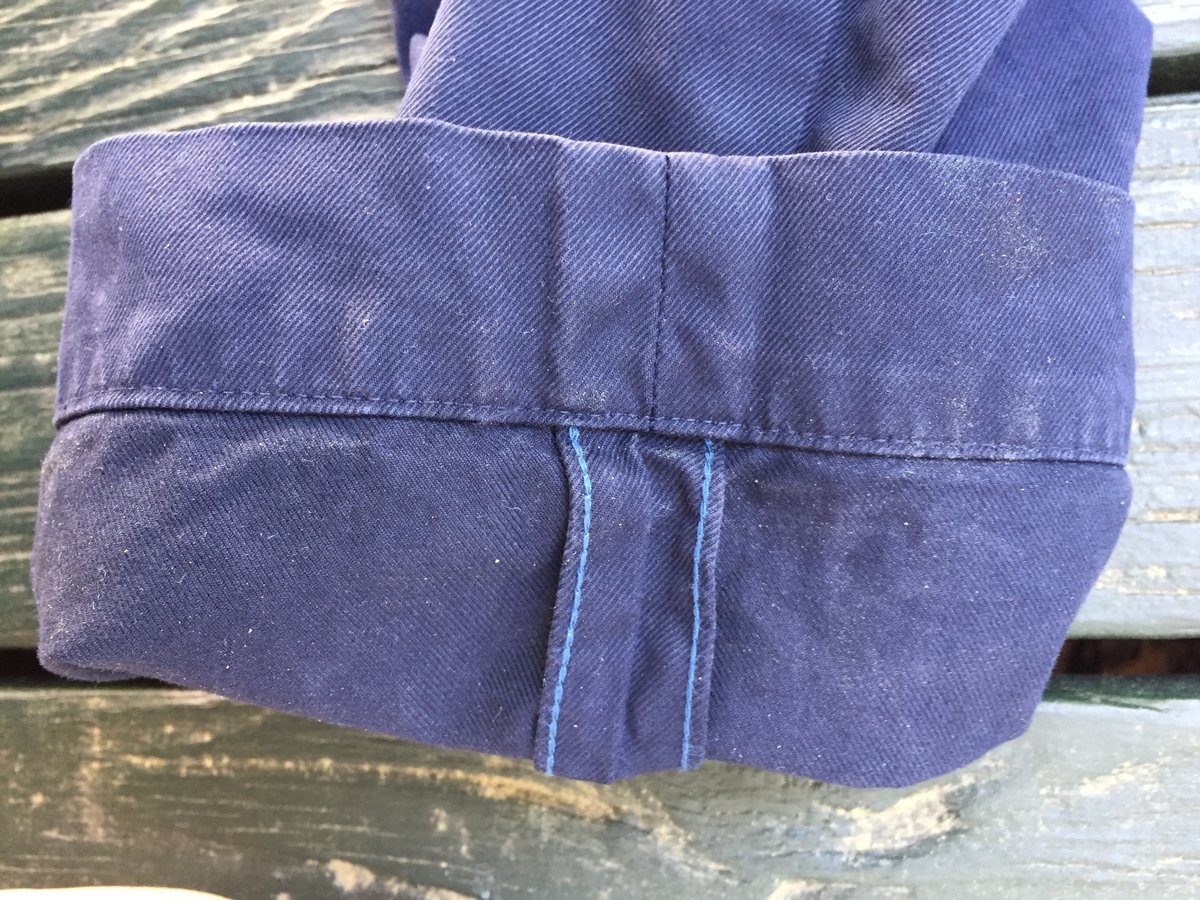
I also think people aren't very good at spotting quality. Let's take these blue chinos from the Japanese brand 45rpm. They look simple, right? No different from Zara's chinos, which retail for $39.99. But these 45rpm chinos retailed for $425—almost 10x more!
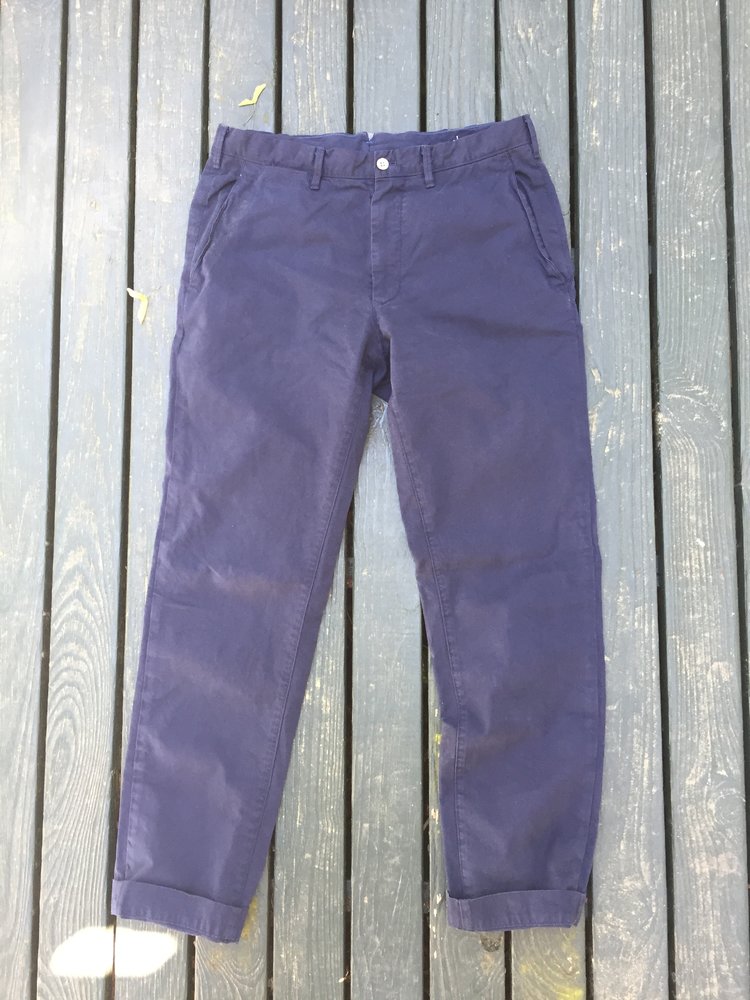
But when you look closer, there are some noticeable differences. The hip pockets here have French seams that are slightly offset, so they look piped. This requires careful skill, attention, and time by the person at the sewing machine.
The fully curtained waistband has been attached to the interior of the pants using three handsewn floating bartacks.
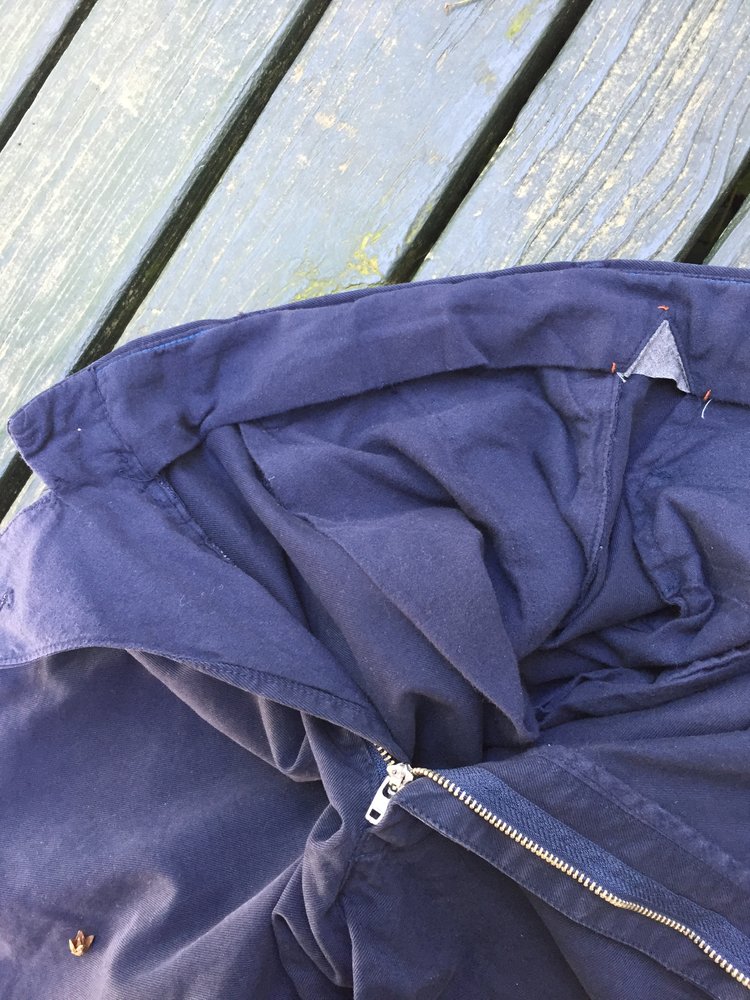
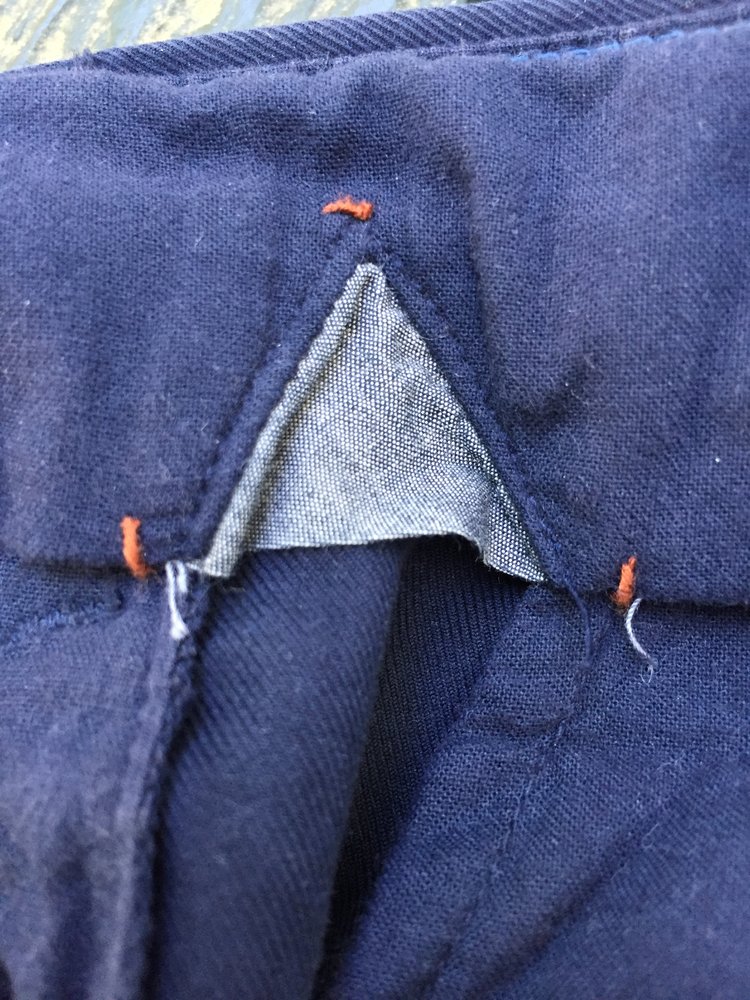
Interior waistband and leg seams are finished with chainstitch. Excess material is joined to the center back seam with another hand bar-tack.
Jeans often have a chain-stitched waistband. But since these chinos also have a split-rear waist, they must be turned inward by hand
Jeans often have a chain-stitched waistband. But since these chinos also have a split-rear waist, they must be turned inward by hand
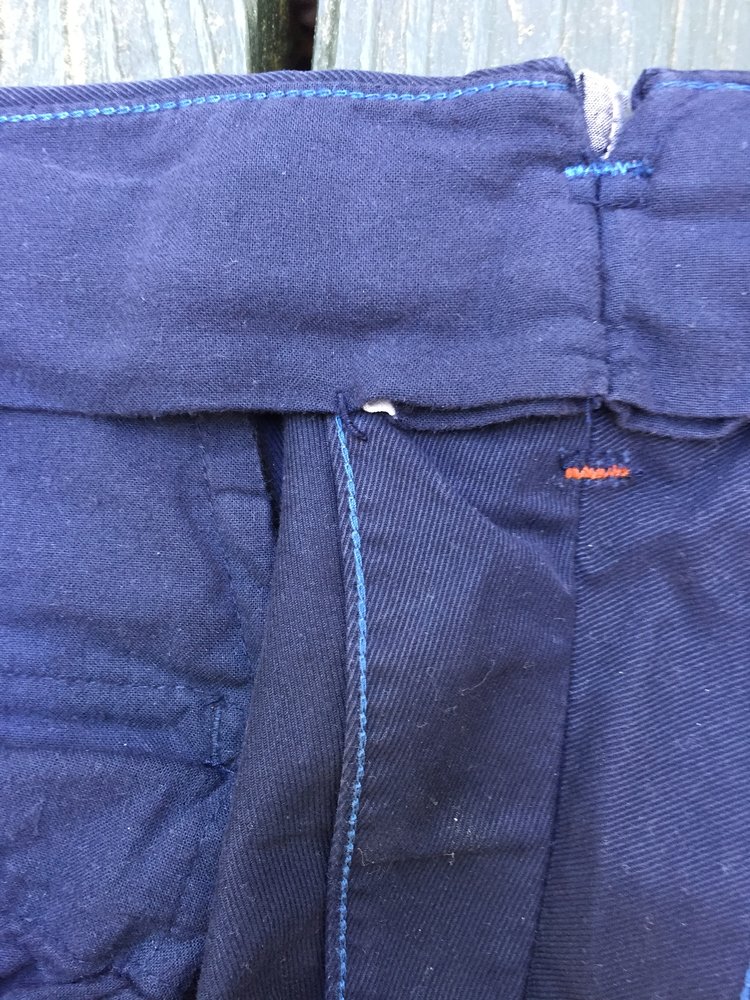
Antonio of 18East did the above breakdown many years ago. He noted that, when he was the Creative Director of Eidos, he tried to get four or five sport-pant factories to replicate these 45rpm pants. None of them could do it.
The one that got the closest asked for 100 Euros for make alone. So if you factor 40 Euros for fabric and trims, you have a FOB cost of 140 Euros. Double that and you have wholesale cost. So stores would buy these from Eidos for 280 Euros.
Now multiply that by the usual 2.5x retailer markup, and you have a 700 Euros pant (or about $733—a lot higher than 45rpm's $425 price!).
This touches on two things. First, the final cost of an item is affected by the factory you use. Factories don't like to slow down.
This touches on two things. First, the final cost of an item is affected by the factory you use. Factories don't like to slow down.
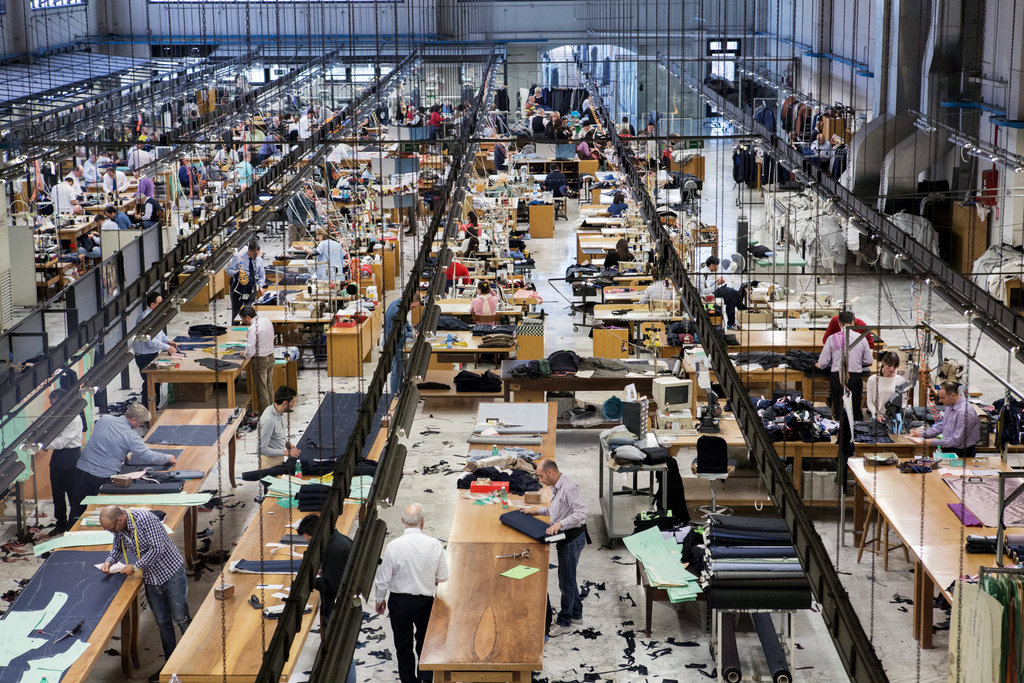
Each factory's capabilities will be determined by its skill set, machines, etc. The more time it takes for them to make something, the higher the cost. Sometimes you just have to work within a factory's capabilities—or find a new manufacturing partner.
Secondly, retailer markups aren't nearly as big as people assume. The typical markup for a US fashion retailer is 2.5x. Like Footlocker, they need some room to pay for rent, storage, labor, etc. For luxury retailers, the markup is a little higher—sometimes 4x.
In the last ten years, online direct-to-consumer brands have played to consumer fears that they're getting ripped off. So there's now a whole market orientated around "cutting out the middleman," especially in fashion. Sometimes this framing is fair, as some middlemen do add cost
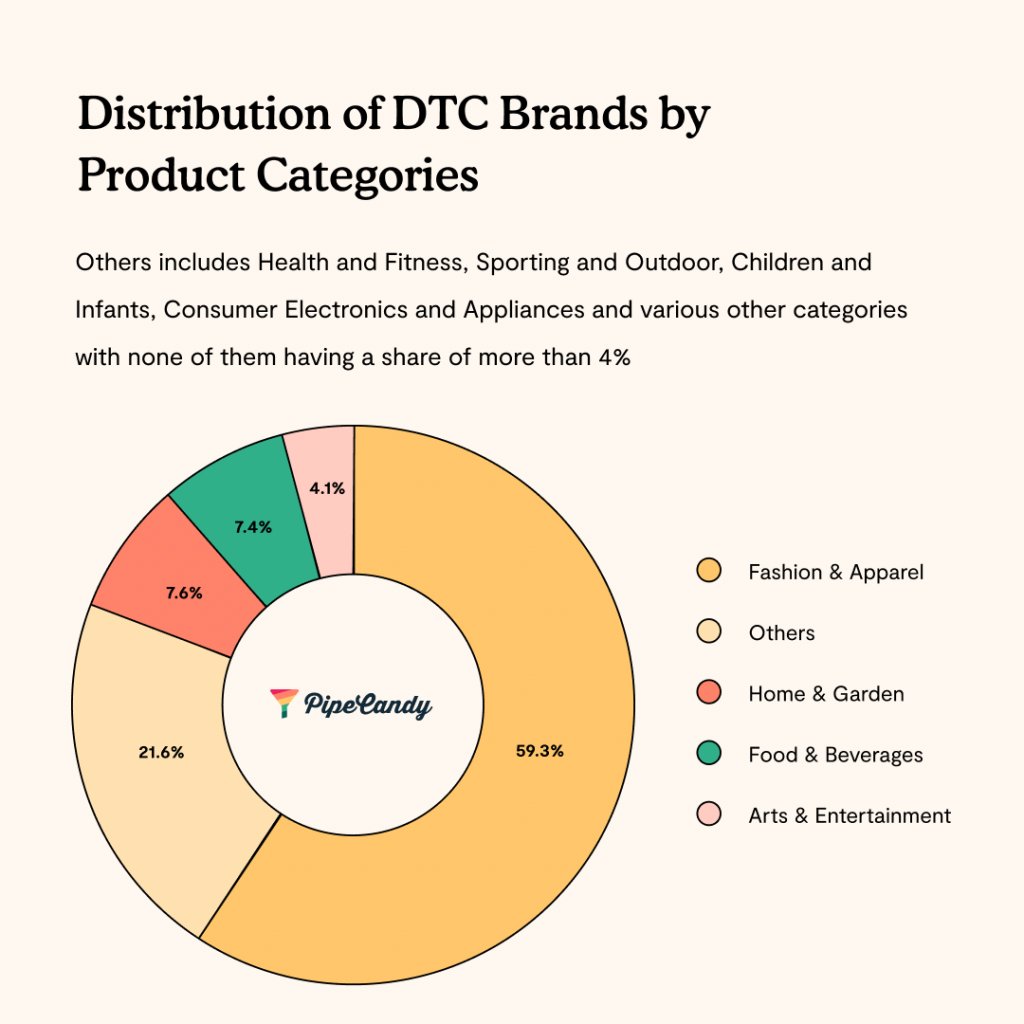
But sometimes, this framing is nothing more than a marketing gimmick. If an online DTC brand buys from a factory and sells to you, they're no different from many other online stores. They are the middleman.
Some ppl in the middle of this chain also add important value.
Some ppl in the middle of this chain also add important value.
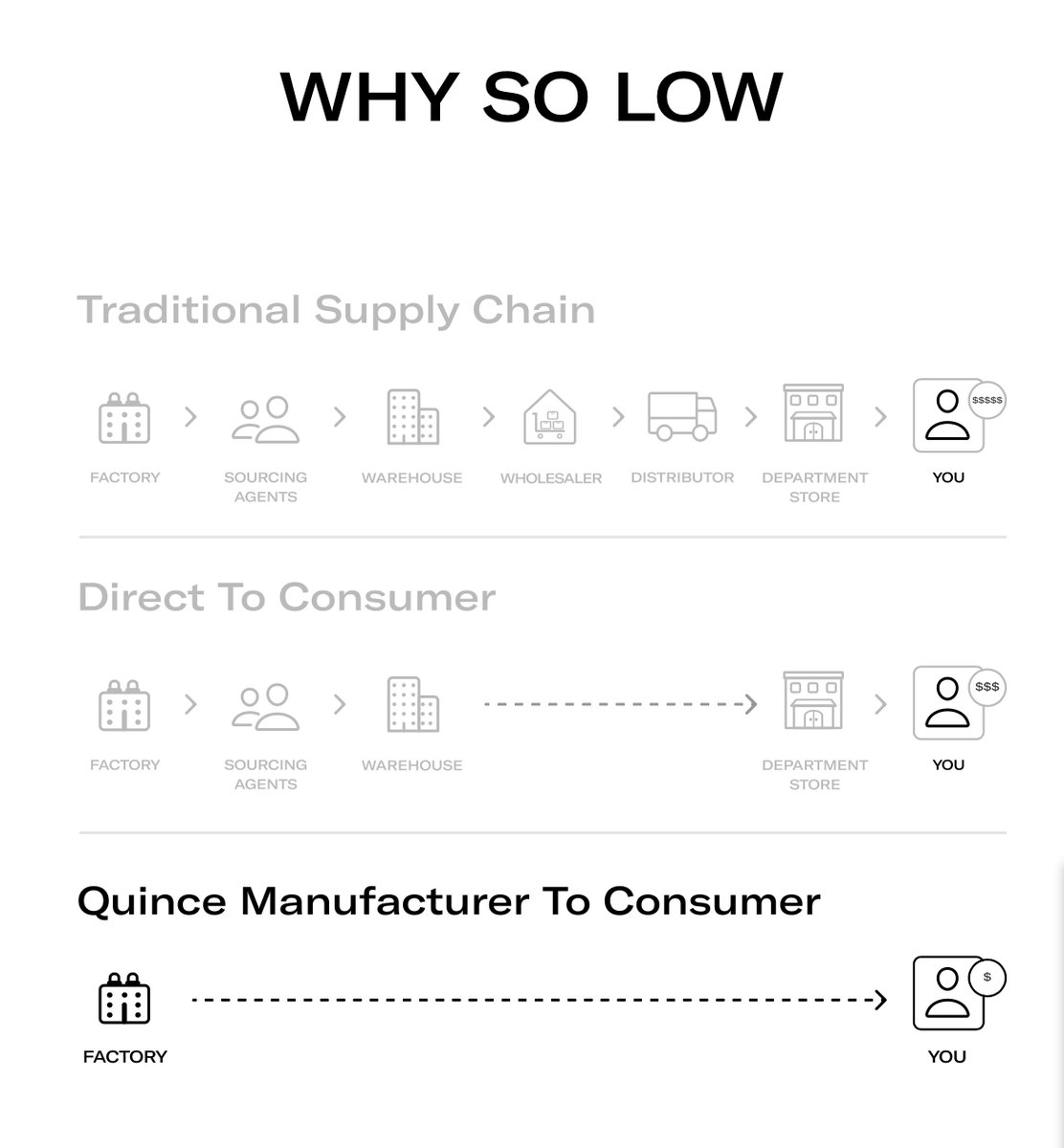
The relatively new DTC brand Quince once had this graphic on their site. Look at all the middlemen that are supposedly cut out! But as two industry friends pointed out, this makes no sense unless the clothes magically materialize on your skin or you live in the factory.
Markups aren't as big as you think. Instead of obsessing over markups, learn how to spot quality. Then figure out what fits and flatters you, and hone your emotional antenna, so you figure out which clothes bring you joy. Then shop within your budget. That's a better way to shop.
• • •
Missing some Tweet in this thread? You can try to
force a refresh