Bayt Al Fann Profile picture
Dec 21 21 tweets 7 min read
The Socotra Island in Yemen has long been a land of mystery. Described as ‘The Galapagos of the Middle East’ & ‘The Jewel of Arabia,’ the unspoiled alien-like landscape of the island has intrigued travelers & scientists for decades.

A thread on the enchanting Socotra Island…
1/ According to UNESCO, Socotra Island is a site of “universal importance because of its biodiversity with rich & distinct flora & fauna.” Its name means the island of Bliss in the ancient Sanskrit language.
2/ The UN body estimates that 37 percent of Socotra’s 825 plant species, 90 percent of its reptile species and 95 percent of its land snail species do not exist anywhere else in the world.
3/ Socotra Island has been described as "the most alien-looking place on Earth." In 2008 Socotra was recognised as a UNESCO World Heritage Site.
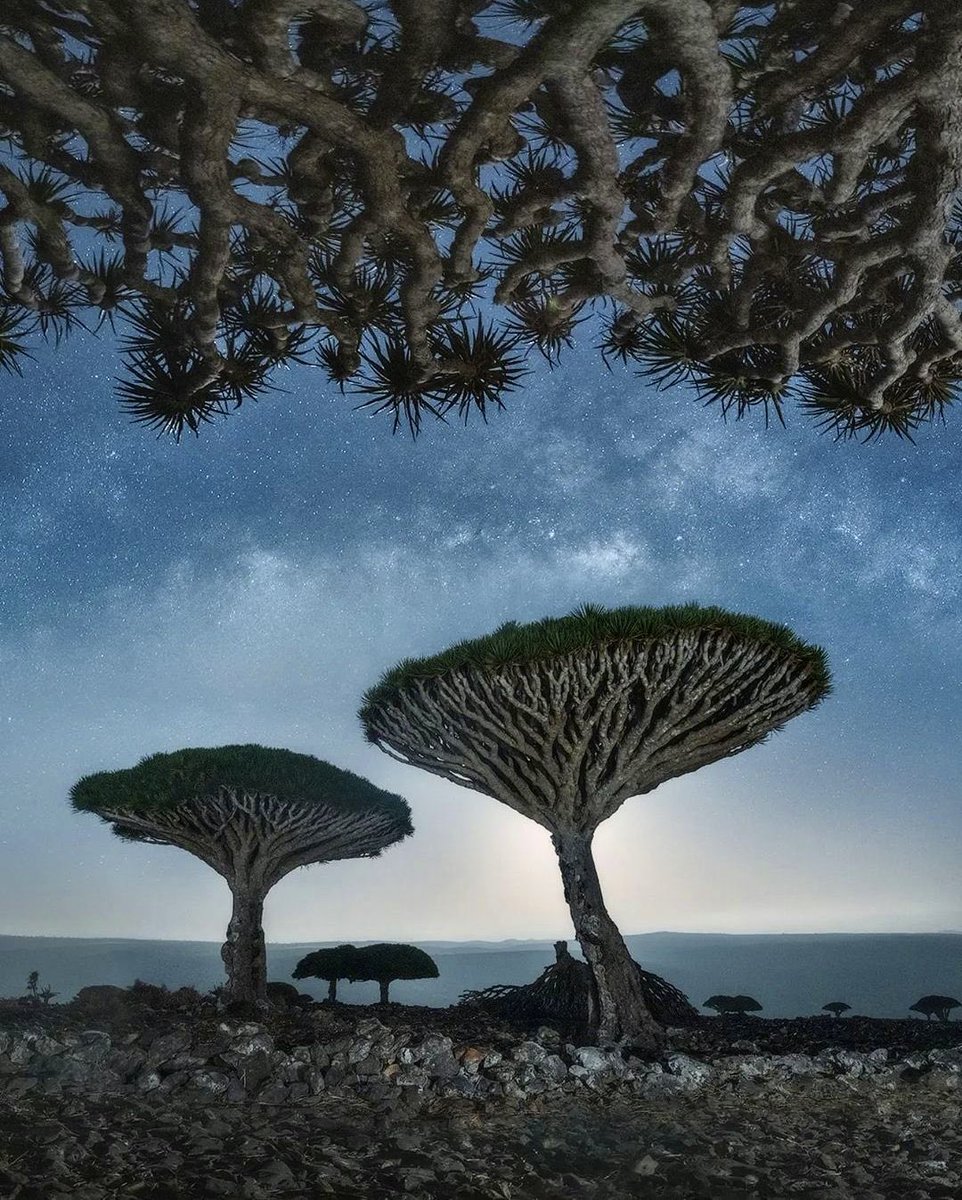
4/ Socotri culture is just as endemic & endangered as Socotra’s famed species of fauna & flora. Located off the coast of Yemen in the Indian Ocean, this mysterious island lies between the Guardafui Channel and the Arabian Sea.
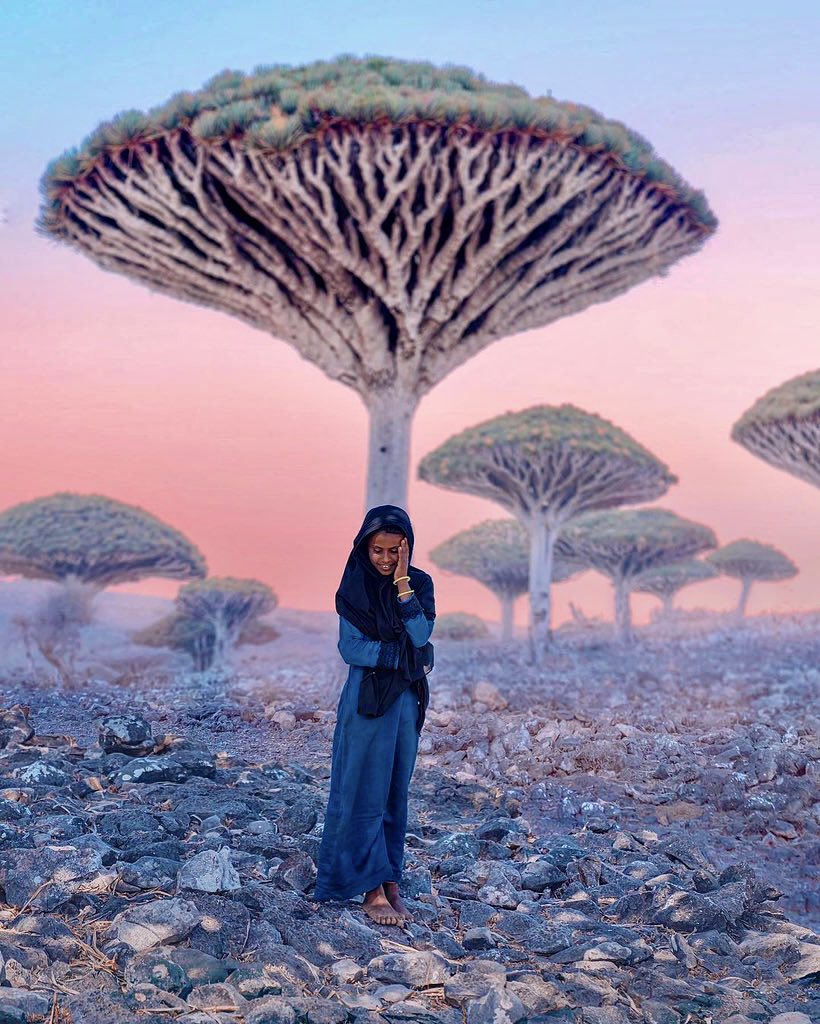
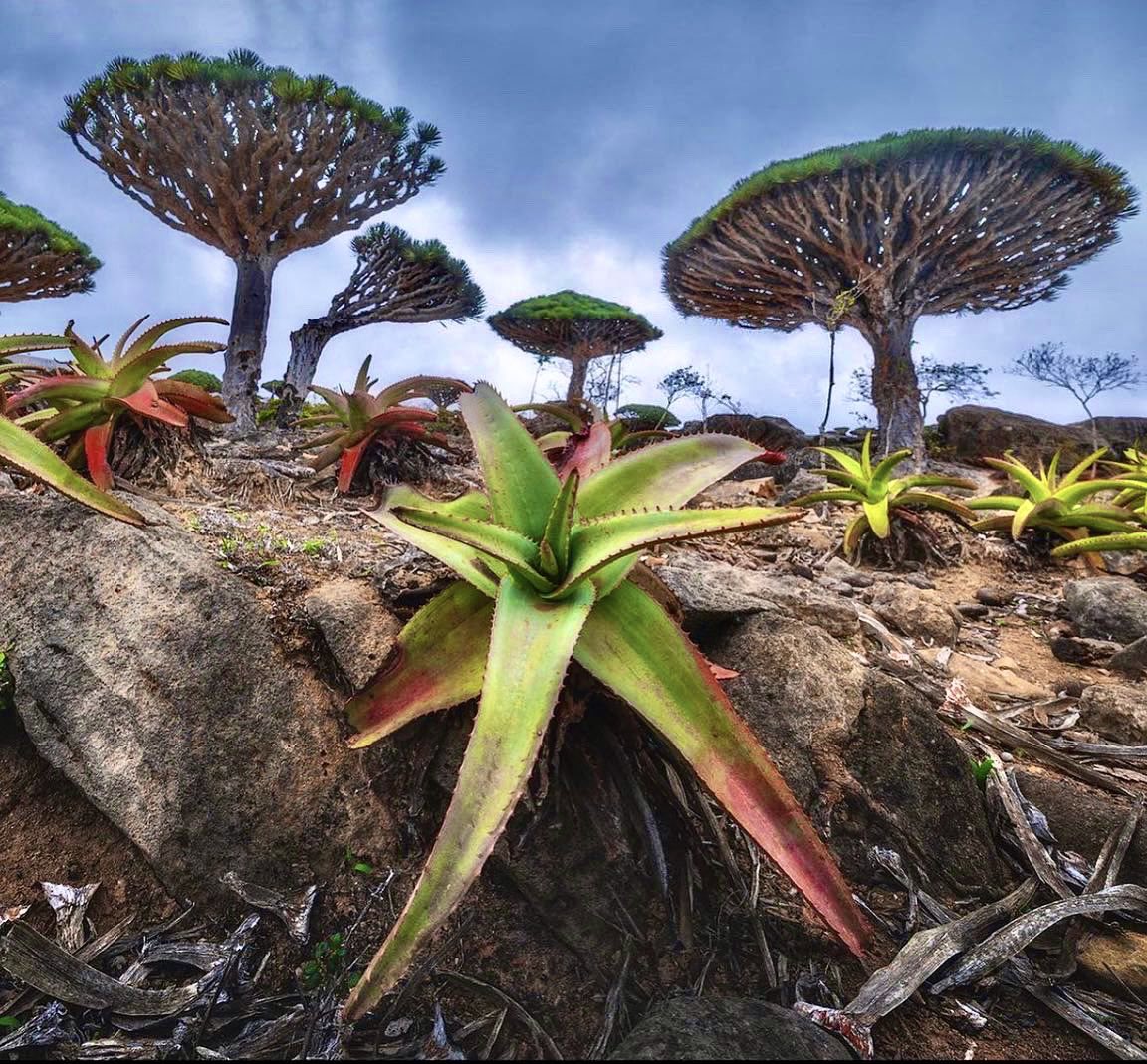
5/ Socotra Island’s dragon’s blood trees, incense and a variety of other species of fauna and flora can be found nowhere else on the planet.
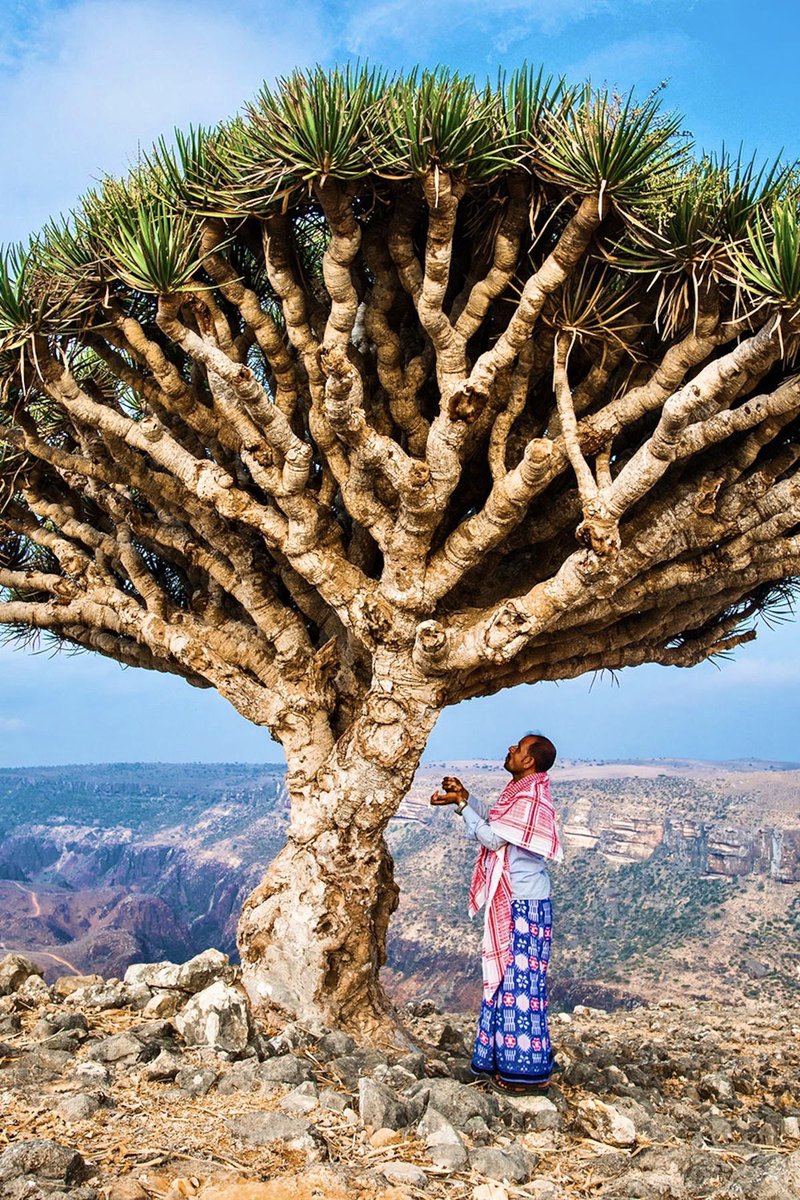
6/ Dragon's Blood Tree is known to Socotrans by its Arabic name, Damm Al-Akhwayn – Blood of Two Brothers. Endemic to the remote Haghir Mountains of Socotra, it is named after the crimson sap that farmers tap to sell in markets, as both a medicinal balm and as lipstick.
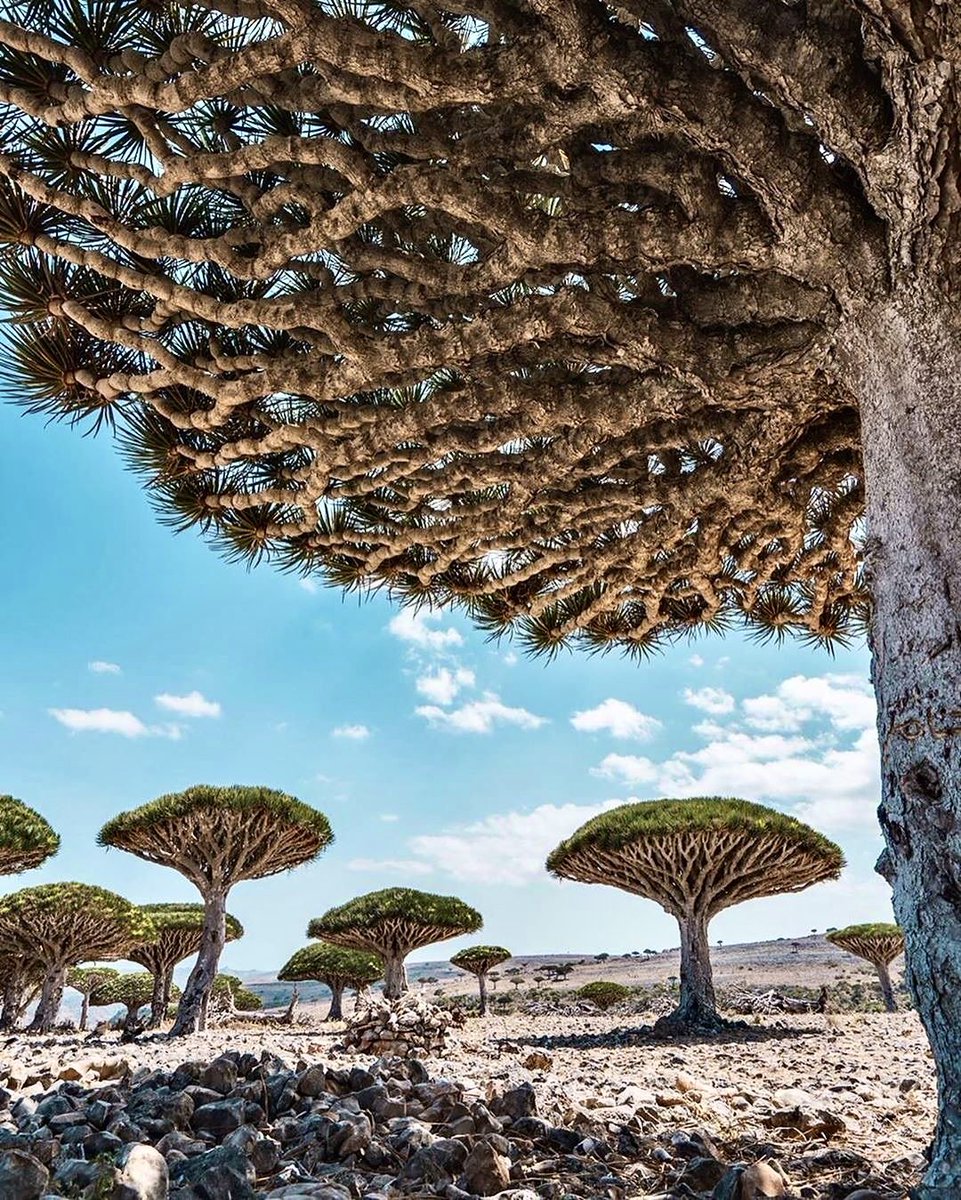
7/ The tree got its name from its red fluid that has some form of resemblance to dragon’s blood. The sap oozes naturally from fractures and sores in the bark. The dragon blood tree is also known for its features of being an evergreen endemic species.

8/ Socotra is known for its wealth of unique flora and fauna. Stories from the 1st century BC state that Socotra supplied the whole world with myrrh, laudanum, and other aromatic plants.

Almost otherworldly flora and fauna unique to the island of Socotra…
9/ The island also hosts the giant succulent tree. Species of cucumber trees and pomegranates also grow there that are not found elsewhere.
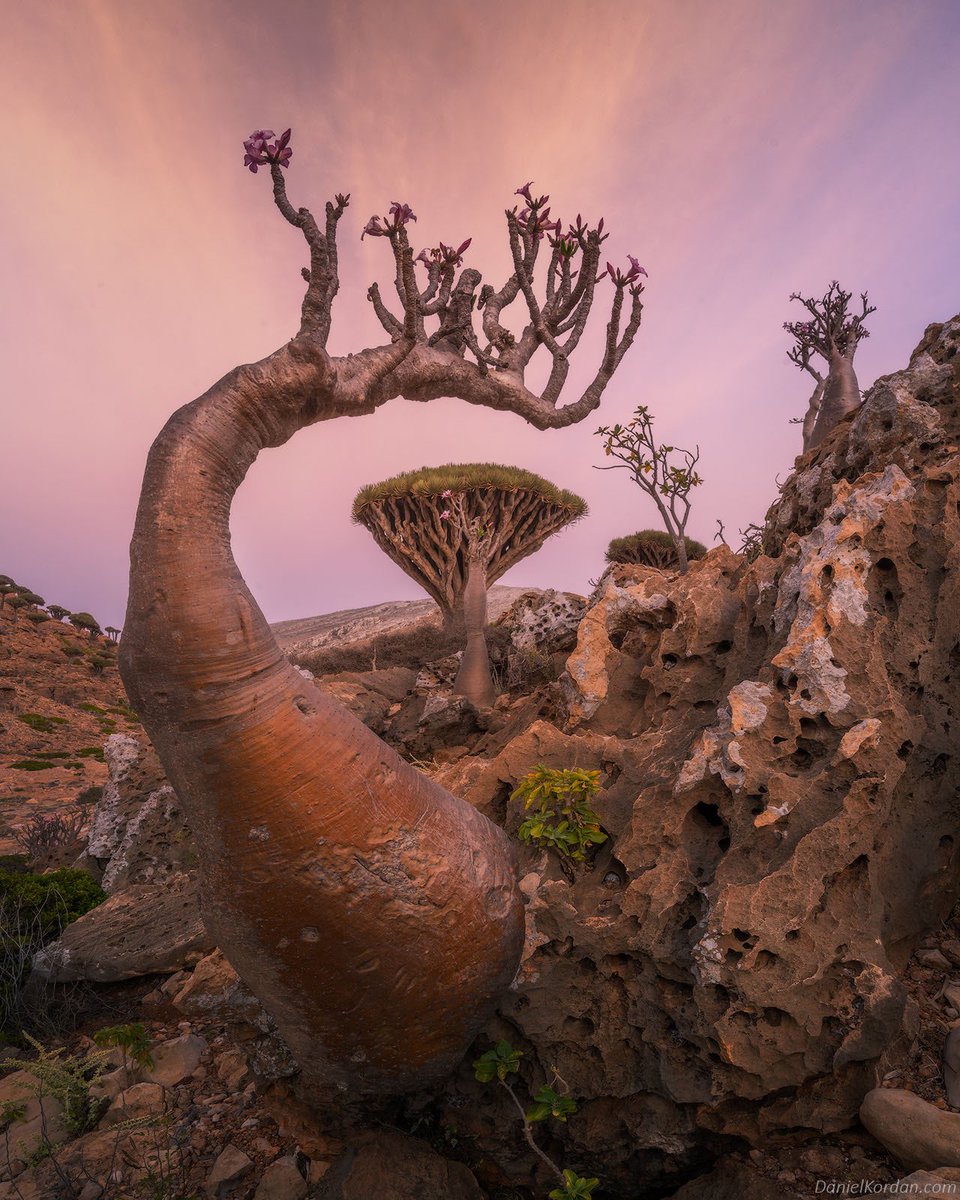
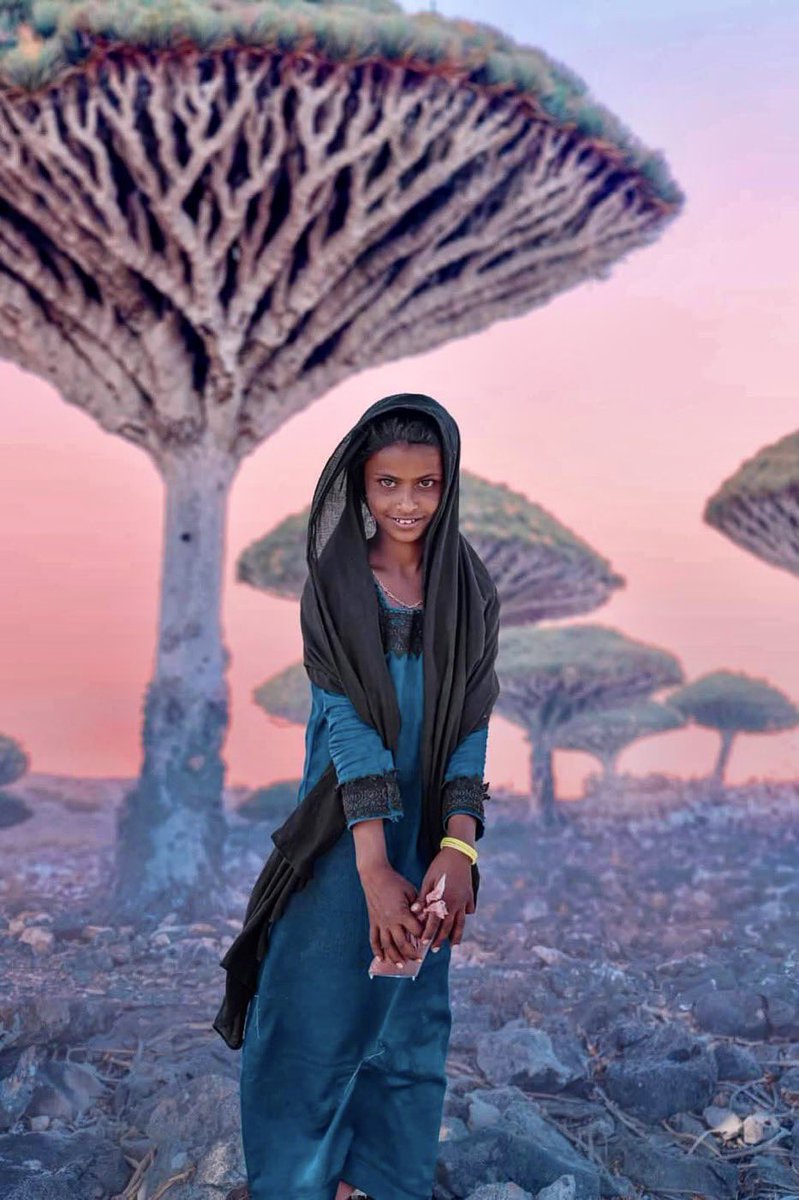
10/ The island is also home to some 50,000 people whose unique cultural heritage is often overlooked. The original Socotri culture includes traditional conservation techniques, natural medicine, fishing methods & the Socotri language, which is now on the brink of extinction.
11/ The natives of Socotra, however, have never devised a way to write their language. Therefore, what is known of the islands is found in foreign records by those who have been there.
12/ According to these records, Socotra was ruled by various nationalities over different periods of time. These include the Indians, Greeks, Portuguese, the Omani Sultanate & the British. Many of them lived side by side on the island.
13/Socotra’s position played a big role in the ancient world. It was a popular stopover for sailors who crossed the Indian Ocean. Sailors & merchants took resins & medicinal herbs & sold them to far-off empires. Inscriptions can be found in the Hoq caves & other sites as evidence
14/ Traditional Socotri culture uses poetry & song as a part of daily life. It is an important part of their social & spiritual lives. Oral traditions, such as poetry, are passed down from generation to generation

Poem about the Prophet Muhammad’s Life, in the Soqotri language.
15/ The first known Socotri poet is thought to be from the 9th century. Fatima al-Suqutriyya is a popular figure in the Socotri culture. Little is currently known about her although she is thought to have been born on the island of Socotra during the 3rd c. AH (Islamic calendar)
16/ Poetry represents simple folktales as well as the oldest legends of Socotra, which are mostly unknown. Telemethel is the most popular form of Socotri poetry. This form of poetry consists of witty short poetic pieces of folklore comprised mainly of four-line stanzas
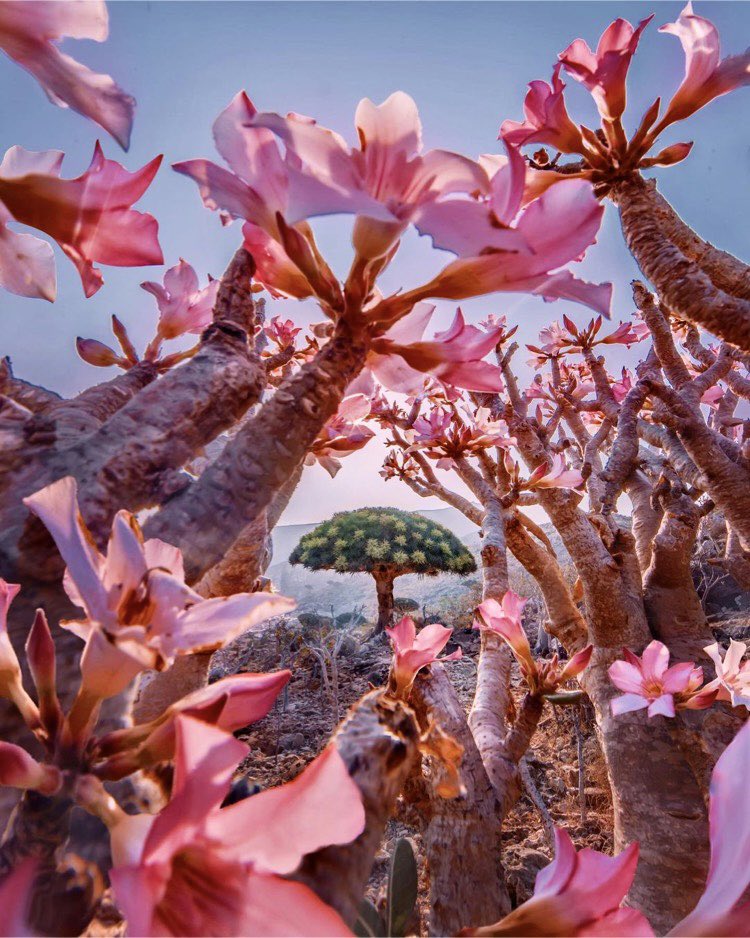
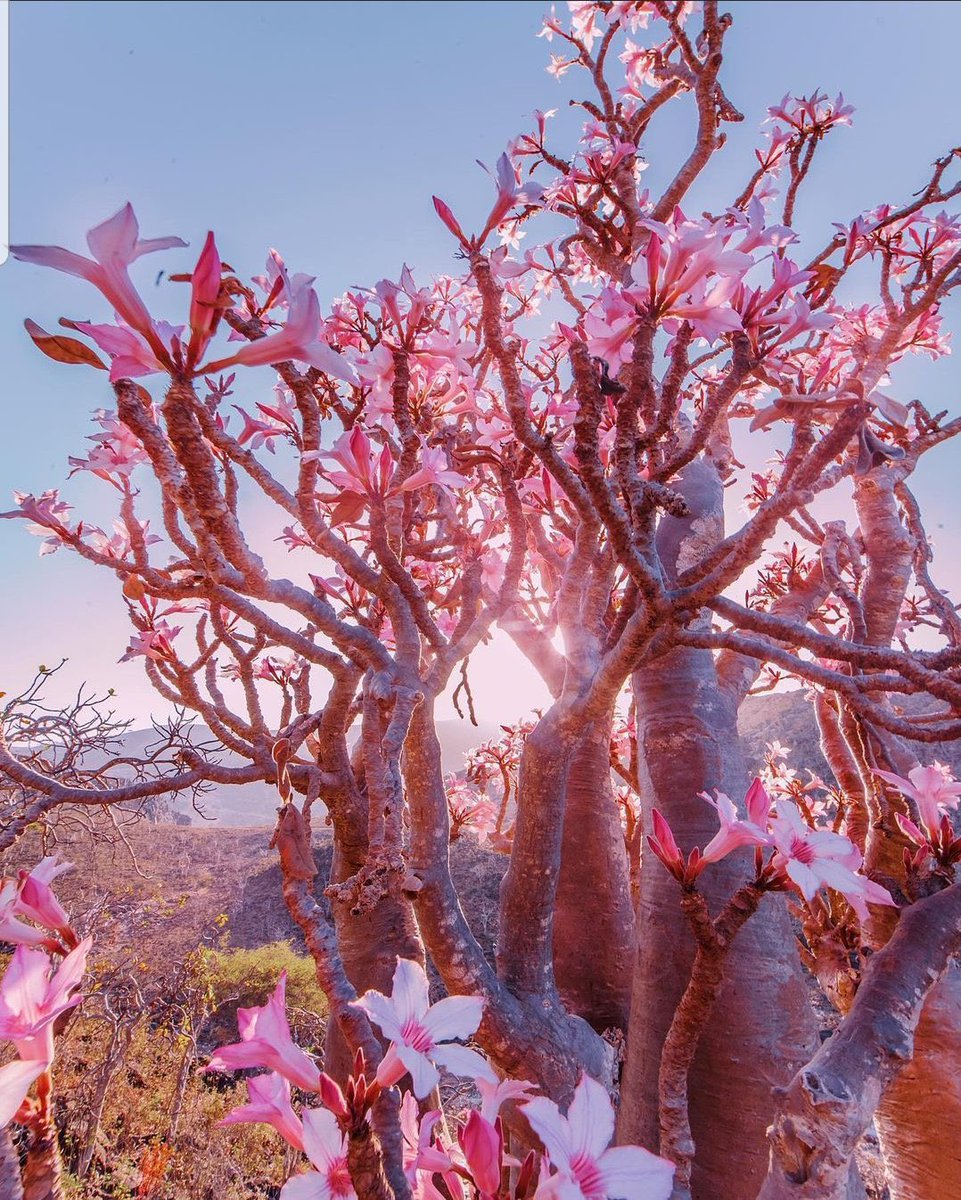
17/ The pink blossoms on the trees are visible throughout the island of Socotra
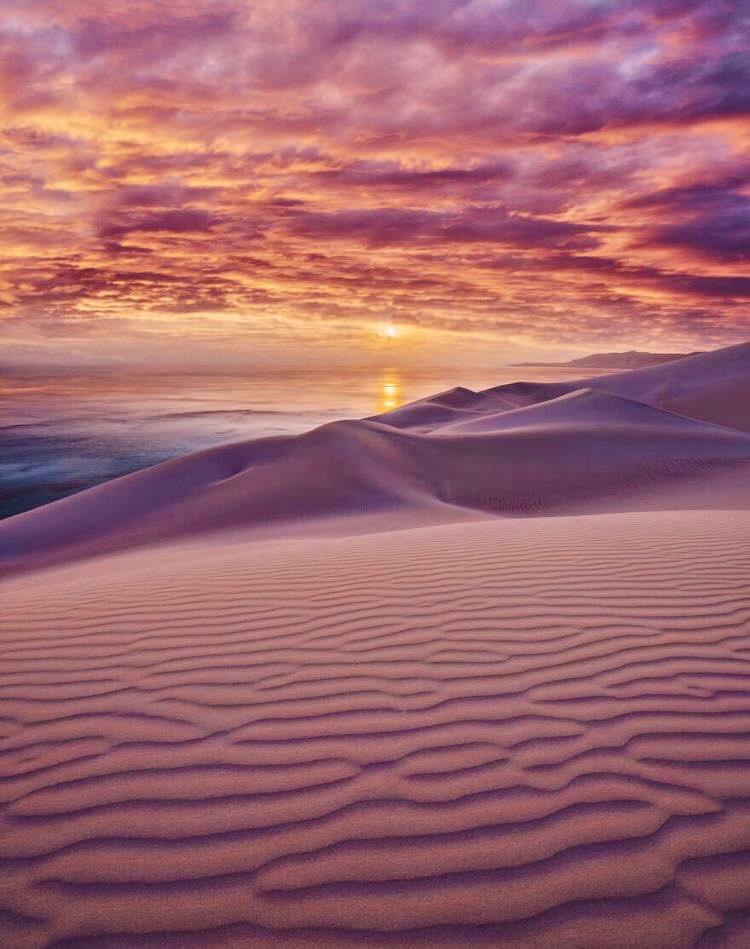
18/ The vast desert plains are mesmerising on the island of Socotra
19/ The incredible unique flora on the island of Socotra is continuously researched
20/ The island of Socotra is a unique mystery to people across the world, it is a source of natural beauty and inspiration

• • •

Missing some Tweet in this thread? You can try to force a refresh

 

Keep Current with Bayt Al Fann

Bayt Al Fann Profile picture

Stay in touch and get notified when new unrolls are available from this author!

Read all threads

This Thread may be Removed Anytime!

PDF

Twitter may remove this content at anytime! Save it as PDF for later use!

Try unrolling a thread yourself!

how to unroll video
  1. Follow @ThreadReaderApp to mention us!

  2. From a Twitter thread mention us with a keyword "unroll"
@threadreaderapp unroll

Practice here first or read more on our help page!

More from @BaytAlFann

Dec 23
Welcome to Al-Mutanabbi Street the ‘Book Market of Baghdad’, where books remain in the street at night because Iraqis say:

“The reader does not steal and the thief does not read.”

A thread on the rich heritage of the historic book market on Al-Mutanabbi Street… Image
1/ Al-Mutanabbi Street is the historic center of Baghdad bookselling, that dates back to the time of the Abbasids. Located near the old quarter of Baghdad, Al-Mutanabbi Street was Baghdad’s first book traders’ market. Image
2/ Al-Mutanabbi Street has been, since time immemorial, the historic heart and soul of the Baghdad literary and intellectual community. Image
Read 14 tweets
Dec 22
The bisht is a men’s cloak worn over a thobe — or ankle-length tunic — in the Arab world. Usually black, brown, grey, beige or white, it is a traditional prestigious outfit associated with royalty, celebrations & ceremony

A thread on the art, heritage & history of the bisht… Image
1/ The word bisht is derived from Persian —and translates literally to “on one’s back.” It has become the locus for the classical Arabic word which is “the cloak”. Image
2/ The origins of the bisht date back to the fifth century B.C. and was worn in winter by Bedouins. Now the bisht is only worn for special occasions like weddings, festivals, graduations, celebrations and Eid. Image
Read 20 tweets
Dec 20
The old doors of Saudi Arabia are known for their rich decoration. Inspired by nature, they represent the culture & deep roots of the central Saudi region. Decorated doors were an essential part of family homes & a focal point for guests

A thread on the art of Saudi doors…
1/ The decorated doors in Saudi Arabia were inspired by the region’s plants and trees. They dyed them with the colors of acacia and its seeds, as well as pomegranate, to make them brighter
2/ In Saudi, there are over 30 types of decorated wooden doors that differ according to their place of origin. For example, Unaizah has its own identity, and does Najd, Riyadh, Sudair, Buraidah, and the rest
Read 22 tweets
Dec 18
For 1000 years, Arabic was the primary international language of commerce, scholarship & politics, much as English is today. Over the centuries, English adopted many words that were borrowed directly from Arabic

For Arabic Language Day, here are 20 words with Arabic origins…
1/ Jumper: jubbah جُبَّة

The Arabic word for overcoat originally entered European languages as "juppah", valuable silk clothing, in southern Italy in the 11th century

#ArabicLanguageDay
2/ Admiral: amīr أَمير

Admiral is the highest rank in a navy. The term is used internationally by many countries. It derives originally from the Arabic word amīr (= commander), and came to English by way of Old French and Latin

#ArabicLanguageDay Artwork @ArtofthePen
Read 21 tweets
Dec 16
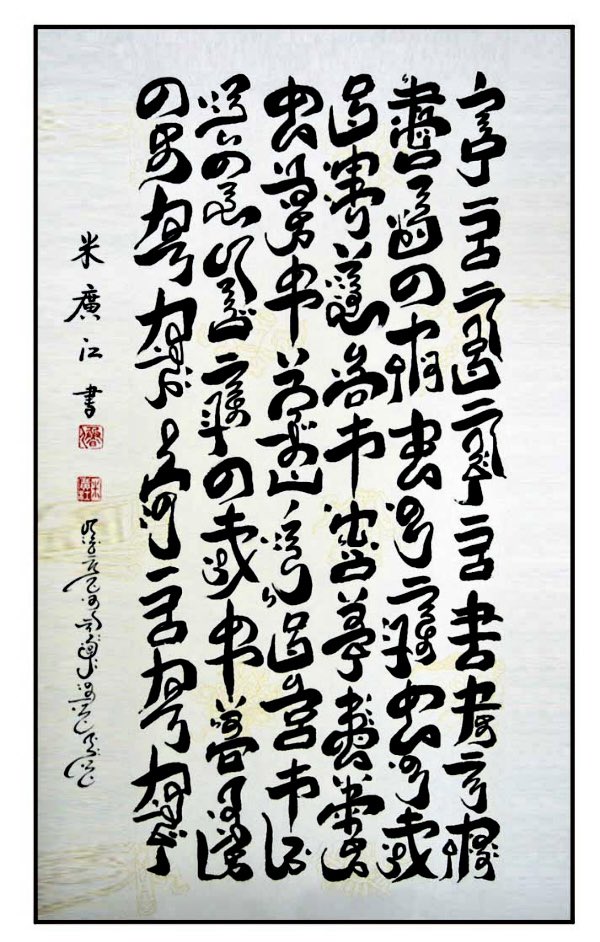
Historically China holds calligraphy in high esteem, like in the Islamic tradition. It is seen as one of the highest forms of Chinese art, with a cultural value that is unmatched. The way one wrote was as important as what one wrote

A thread on Sini Chinese Arabic calligraphy…
1/ The history of Chinese calligraphy is as long as that of China. With various papers, inks and tools for a calligrapher to choose from the art is ever evolving with infinite varieties of styles & aesthetic

Haji Noor Deen
2/ China, an empire in itself was also effected by the spread of Islam. As early as 651 AD, around 19 years after the death of Prophet Muhammad ﷺ a channel had already existed between the Middle East and China

Ayat Al Kursi, Haji Noor Deen
Read 18 tweets
Dec 15
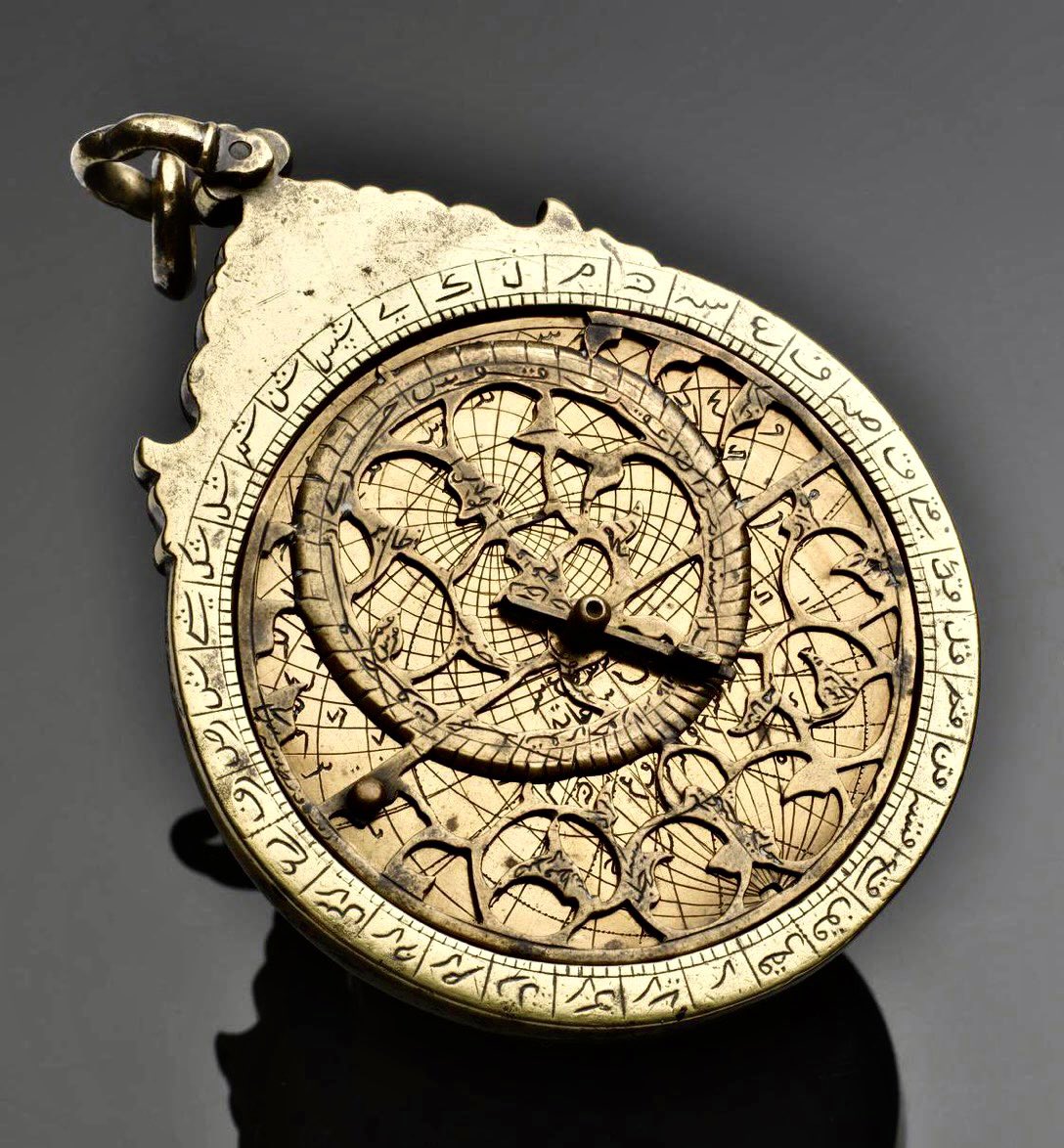
Mariam Astrulabi was a Muslim scientist & astronomer born in Syria during the 10th century. She is known for developing Astrolabes, an ancient astronomical computer for solving problems relating to time & position of the sun & stars

A thread on Mariam Astrulabi & the astrolabe…
1/ Mariam al Astrulabi's remarkable contribution to the art of astrolabes has largely been ignored by the world. What she achieved in the 10th century consequently helped several generations of scientists to explore the concept of time and space.

Astrolabe @HSMOxford
2/ Astrolabes were beneficial in determining the position of the sun, moon, stars & the planets. They were used in astronomy, astrology & horoscopes. Muslims would specifically use it to find the Qibla, determine prayer times & the initial days of Ramadan and Eid

@sciencemuseum
Read 17 tweets

Did Thread Reader help you today?

Support us! We are indie developers!


This site is made by just two indie developers on a laptop doing marketing, support and development! Read more about the story.

Become a Premium Member ($3/month or $30/year) and get exclusive features!

Become Premium

Don't want to be a Premium member but still want to support us?

Make a small donation by buying us coffee ($5) or help with server cost ($10)

Donate via Paypal

Or Donate anonymously using crypto!

Ethereum

0xfe58350B80634f60Fa6Dc149a72b4DFbc17D341E copy

Bitcoin

3ATGMxNzCUFzxpMCHL5sWSt4DVtS8UqXpi copy

Thank you for your support!

Follow Us on Twitter!

:(