Unwin divided societies into four categories based on their rites rather than their beliefs: zoistic, manistic, deistic, and rationalistic. 
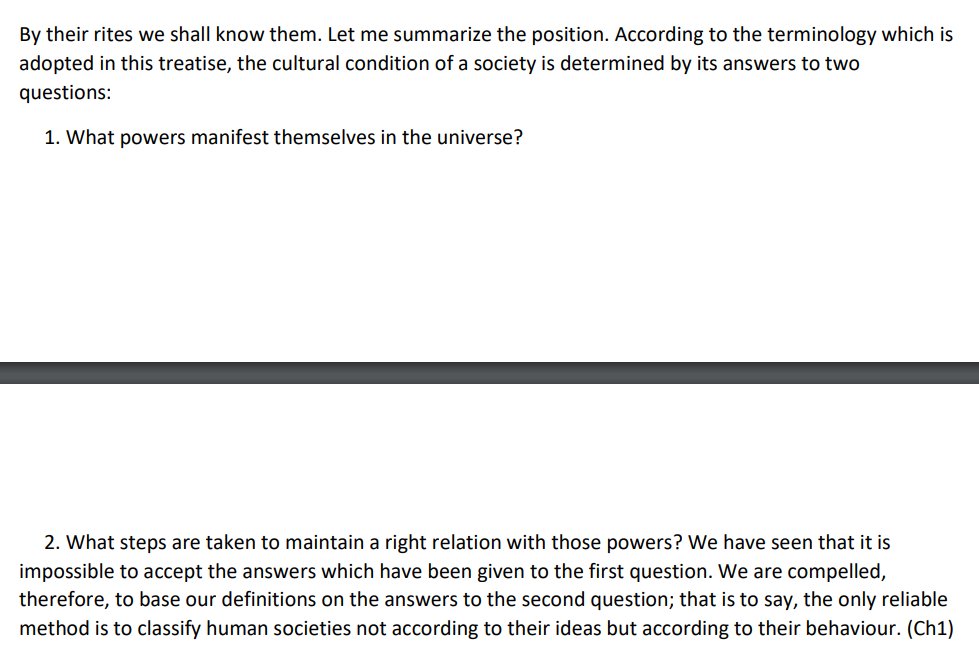

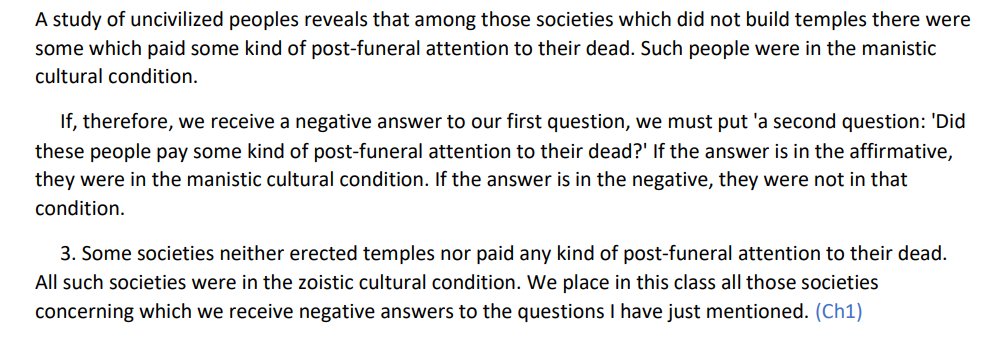
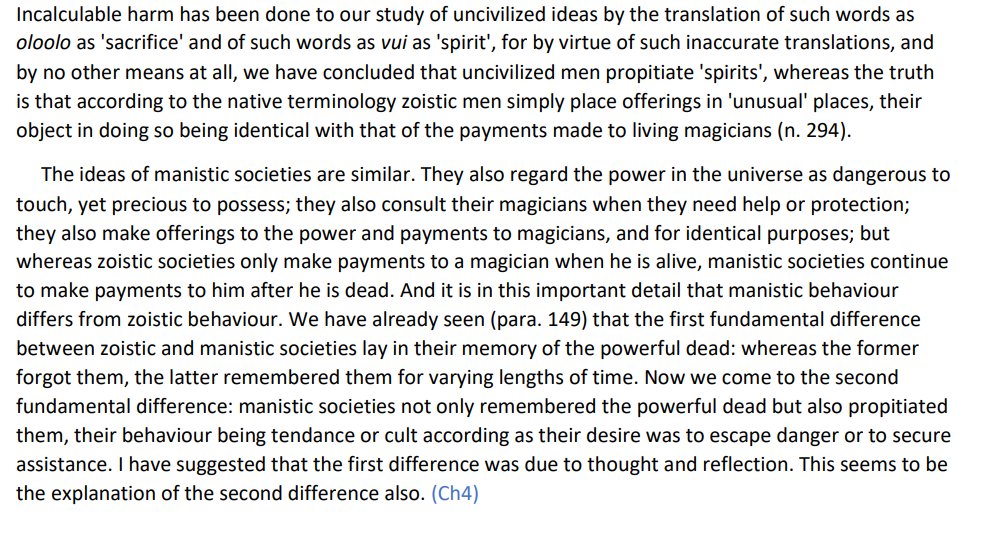
He placed rationalistic at the highest position on the scale based on the greater control of rationalistic societies over their environments, and ordered the others with reference to that. His ranking goes zoistic < manistic < deistic < rationalistic.

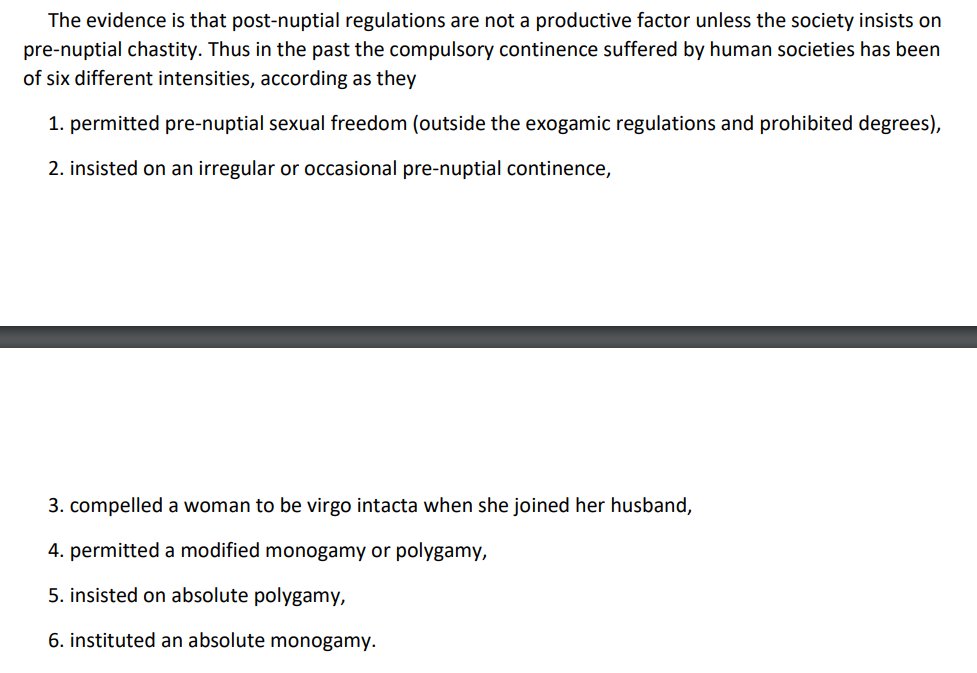
Unwin's whole goal was to try to figure out the effect of sexual opportunity and a society. To that end, he classified modes of sex relation into seven categories, with no pre-nuptial chastity as the least rigorous and absolute monogamy as the most.


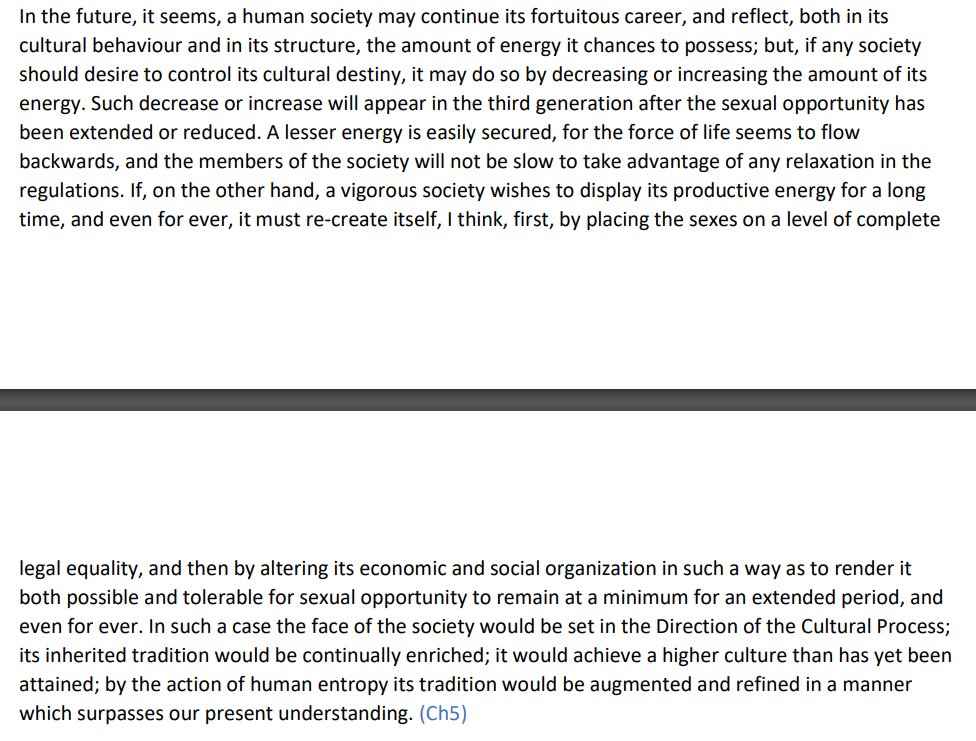
The primary output he was concerned with was what he called "social energy", that is "the power of reason, the power of creation, and the power of reflecting upon itself." He refers to refinement of this energy as human entropy.


He distinguishes between "expansive" and "productive" social energy. Expansive energy is more common and easier to attain then productive energy, and always precedes it. Rationalistic societies are the only ones that display productive energy.


There is a perfect correspondence between sexual restrictions, cultural category, and social energy. The more restrictions, the higher the category and the more energy displayed.




There are two caveats: first, it is the past and present relations of a society that matter; not merely the present. It takes 3 generations to see the full effects of a change. Second, different stratums of society can be at different levels; any change will be uneven.




The sexual opportunity of women matters more than that of men; restrictions on men do not matter except for distinguishing absolutely monogamous and polygamous societies. Unwin thinks this is because of the importance of women to early upbringing; I have a different explanation.


Only societies with women reared in absolutely monogamous society for several generations attain the rationalistic state. In general, abs. monogamous societies display great energy, and most energetic societies begin as abs. monogamous. This is lost when abs. monogamy is lost.

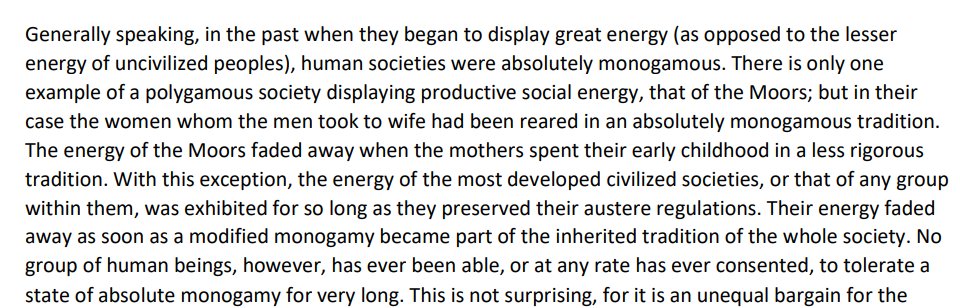


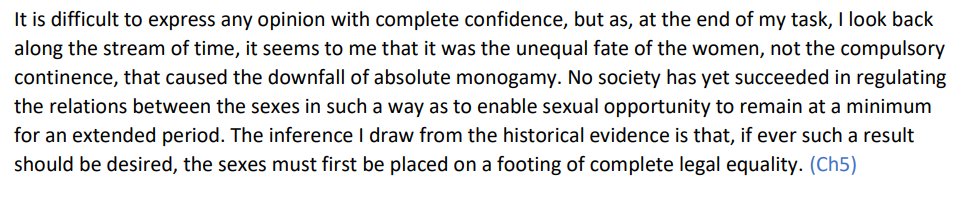
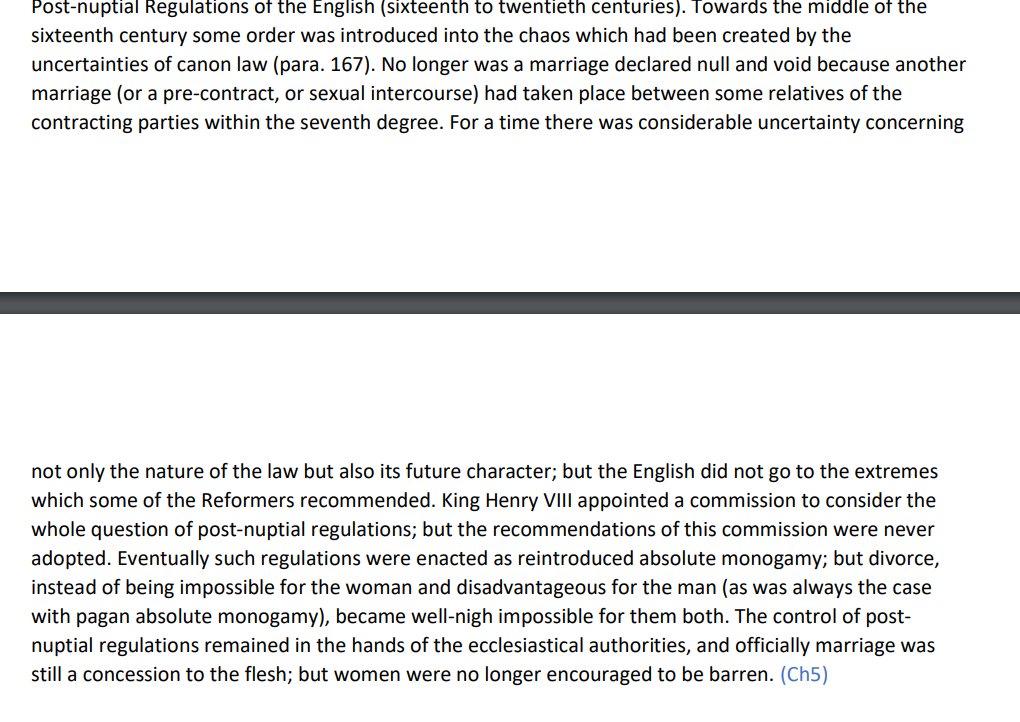
The manner in which absolute monogamy is lost is the same in every case. Female emancipation => replacement of absolute with modified monogamy => (usually) abandonment of pre-nuptial chastity => decline and disappearance of social energy.
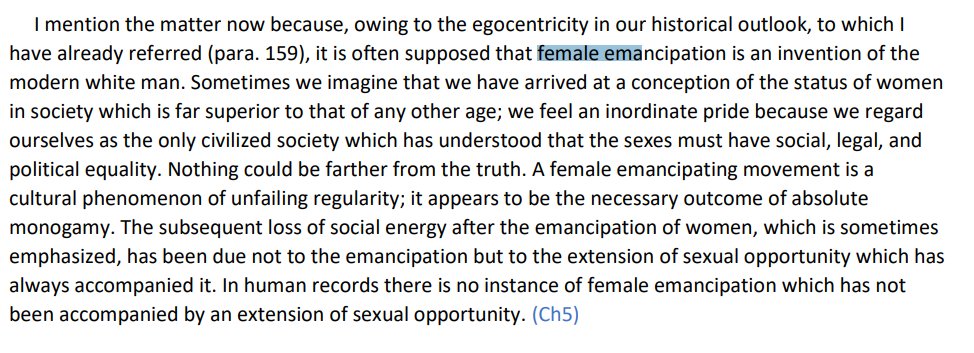
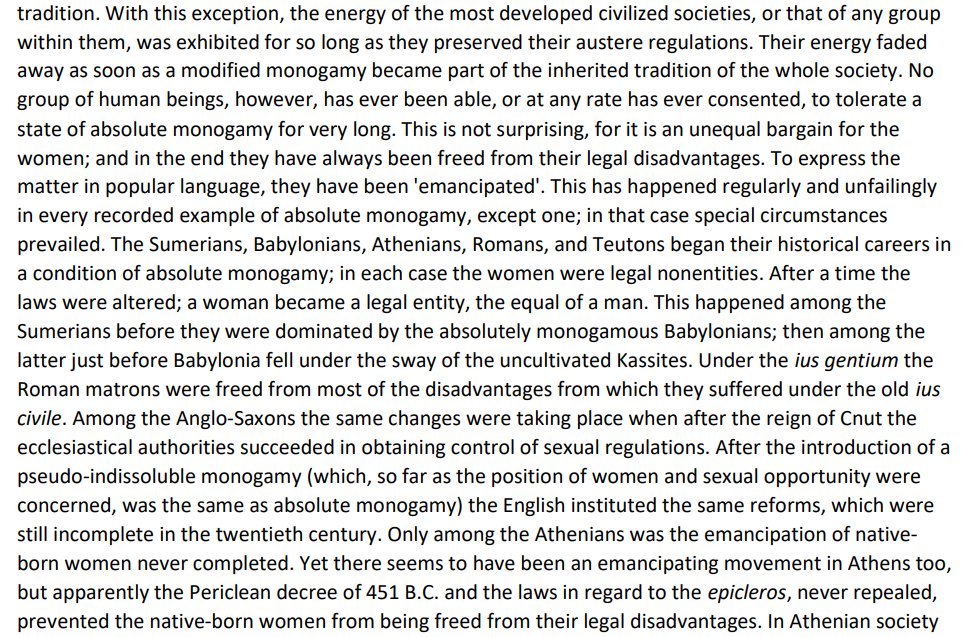
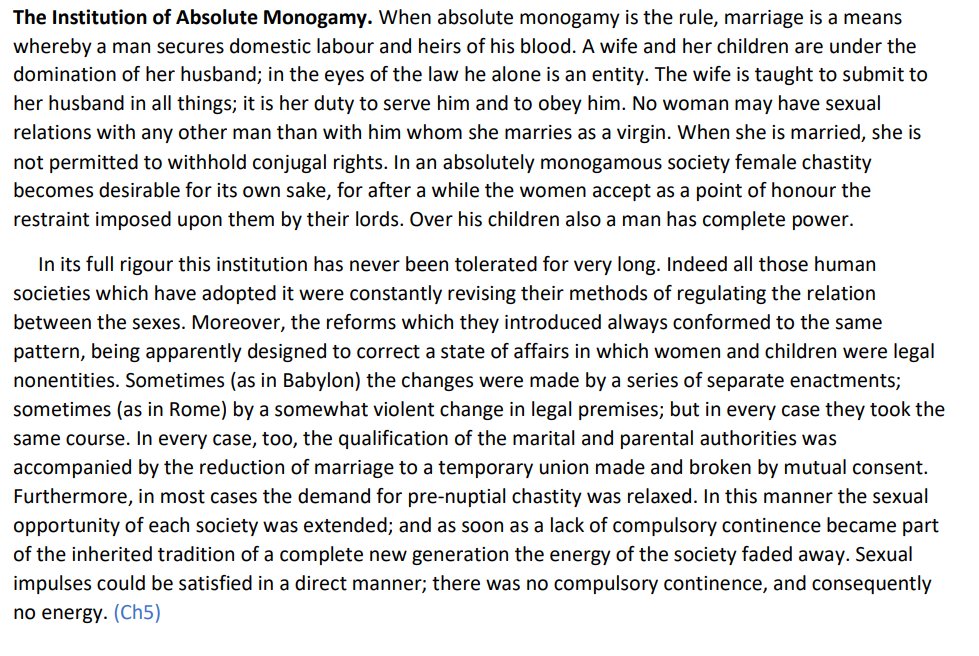
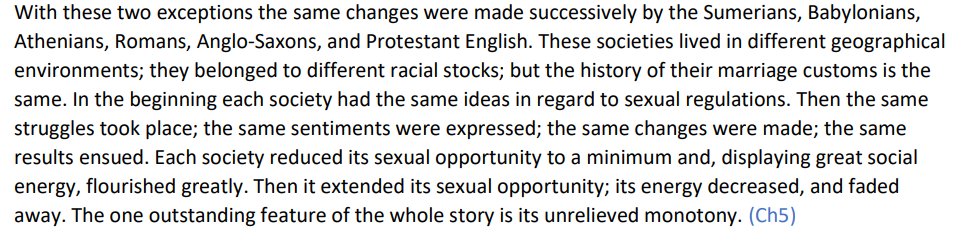
Unwin thinks that the association of female emancipation with the destruction of absolute monogamy is a coincidence, and the two can be combined. He even advocates this to those who wish to display social energy for greater periods of time. I disagree (reasons in the review).
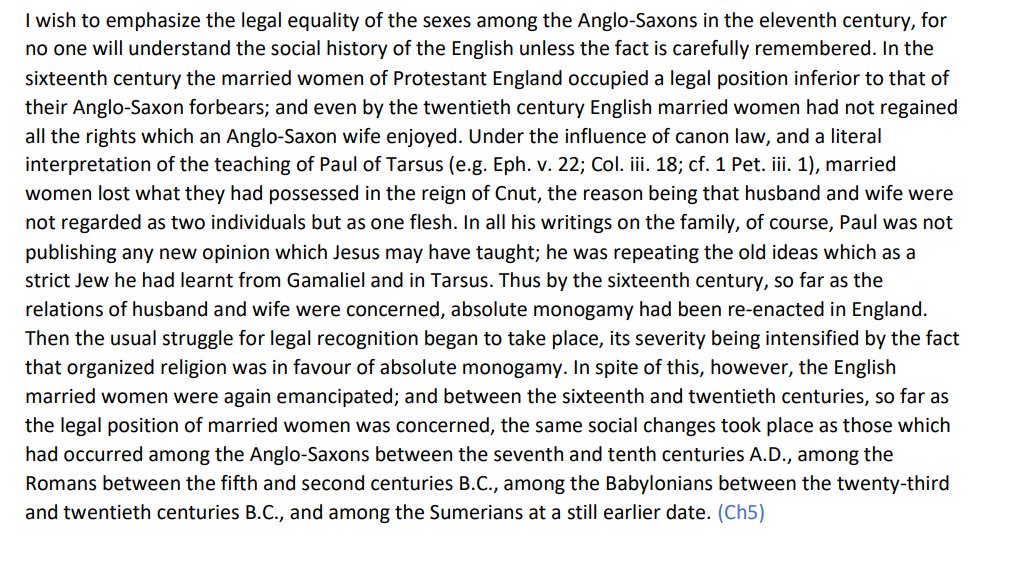
Some of the more interesting pieces of evidence below: women were emancipated in Anglo-Saxon England by the 11th century; an 11th century Anglo-Saxon wife had more rights than her early 20th century English equivalent.
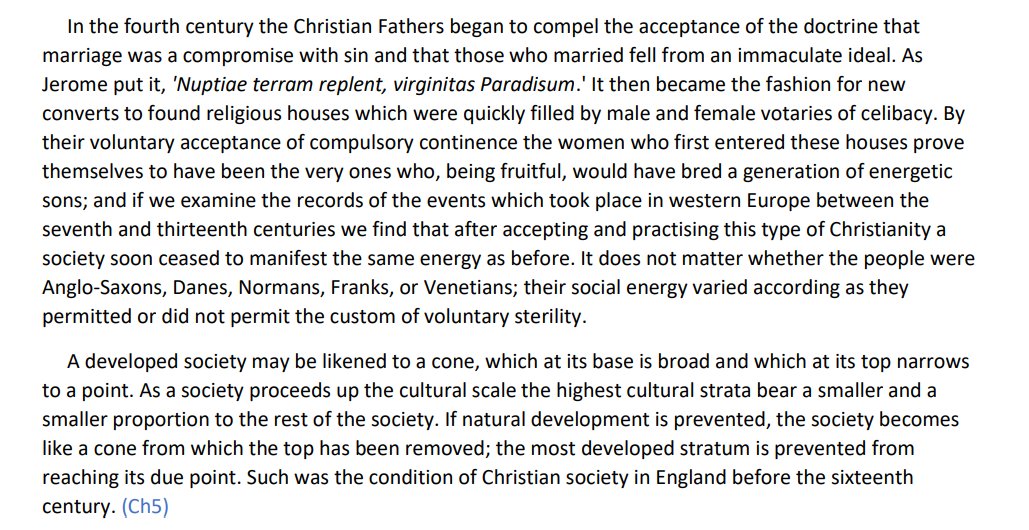
In Rome, dominance of society shifted according to the most stringent stratum, since not all of society shifted at once. Patricians => patricians/plebeans => mostly plebeans => provincials => Christians.


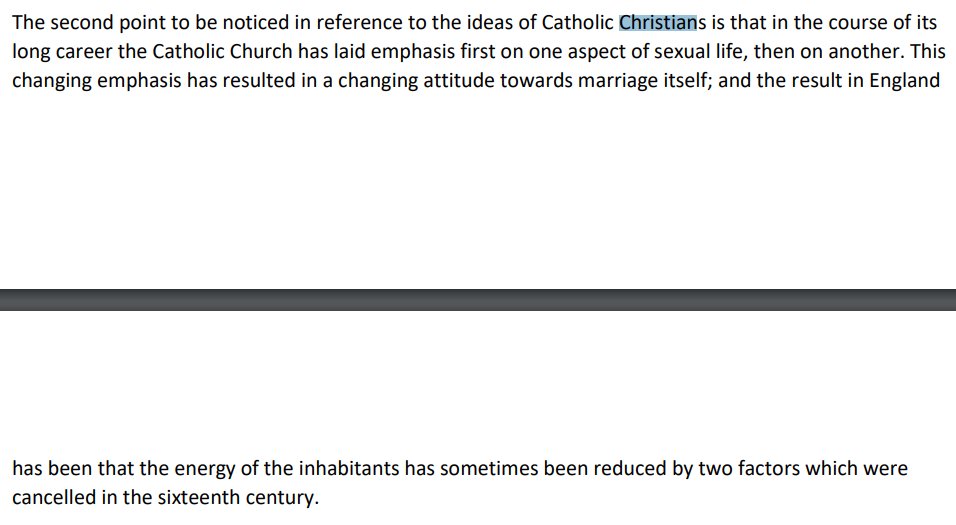
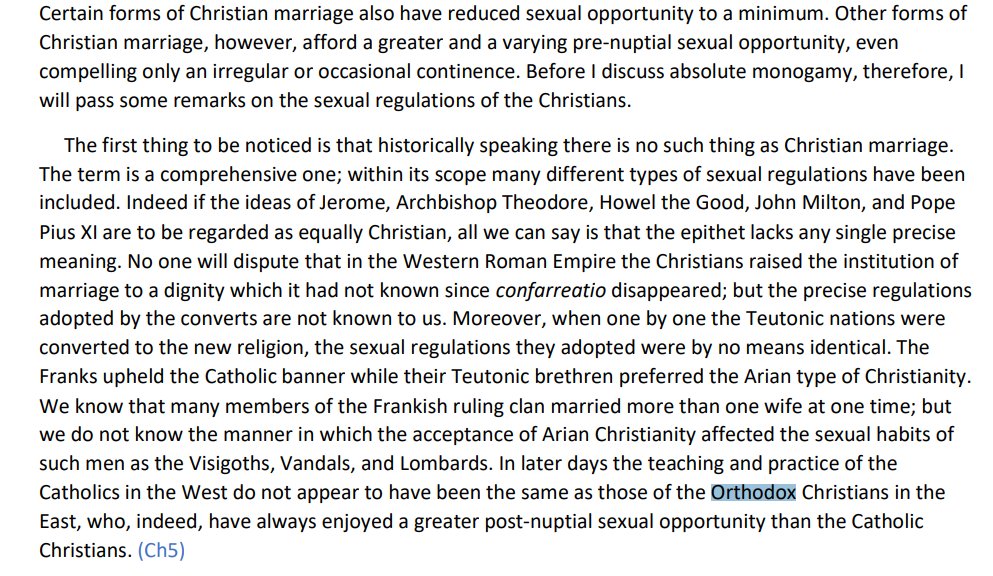
Historically speaking, there is no such thing as Christian marriage. Pauline principles lead to absolute monogamy, but many Christian societies have been less stringent. In particular, Eastern Orthodox has typically been less stringent then the Western Church.
Some accounts likely to be interested:
@Known2Cali4nia - Family Structure Maximalist
@CovfefeAnon - WQ
@TheWorthyHouse - Extremely relevant to your concept of human flourishing, which is nearly equivalent to "social energy"
@Known2Cali4nia - Family Structure Maximalist
@CovfefeAnon - WQ
@TheWorthyHouse - Extremely relevant to your concept of human flourishing, which is nearly equivalent to "social energy"
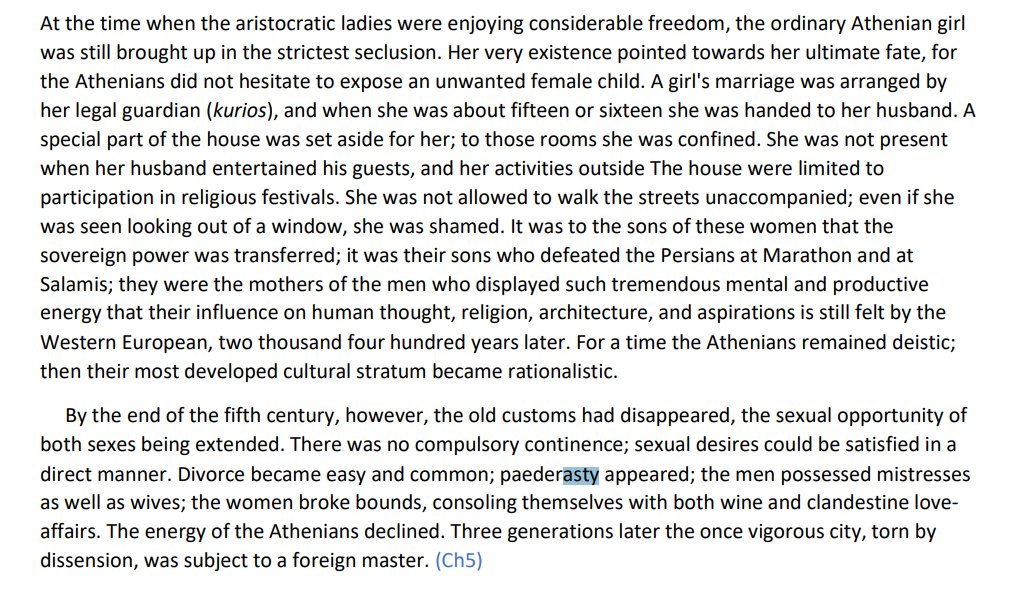
Athenian pederasty did not appear until absolute monogamy broke down, when the Athenian golden age was breaking down.
• • •
Missing some Tweet in this thread? You can try to
force a refresh