@BritDiversity @Genderintell @Burberry Hi @Burberry @EHRC @EHRCChair @KishwerFalkner @KemiBadenoch @GEOgovuk
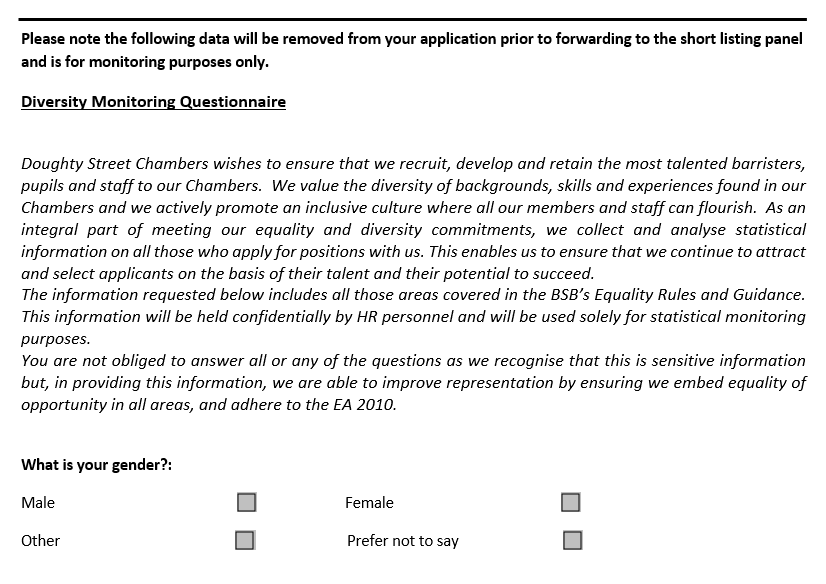
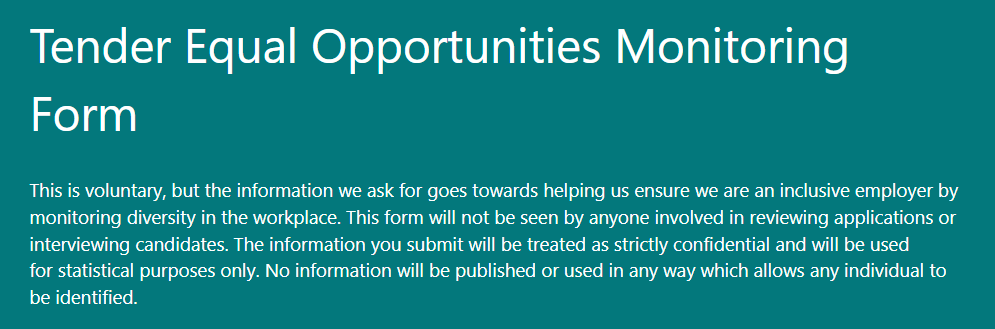
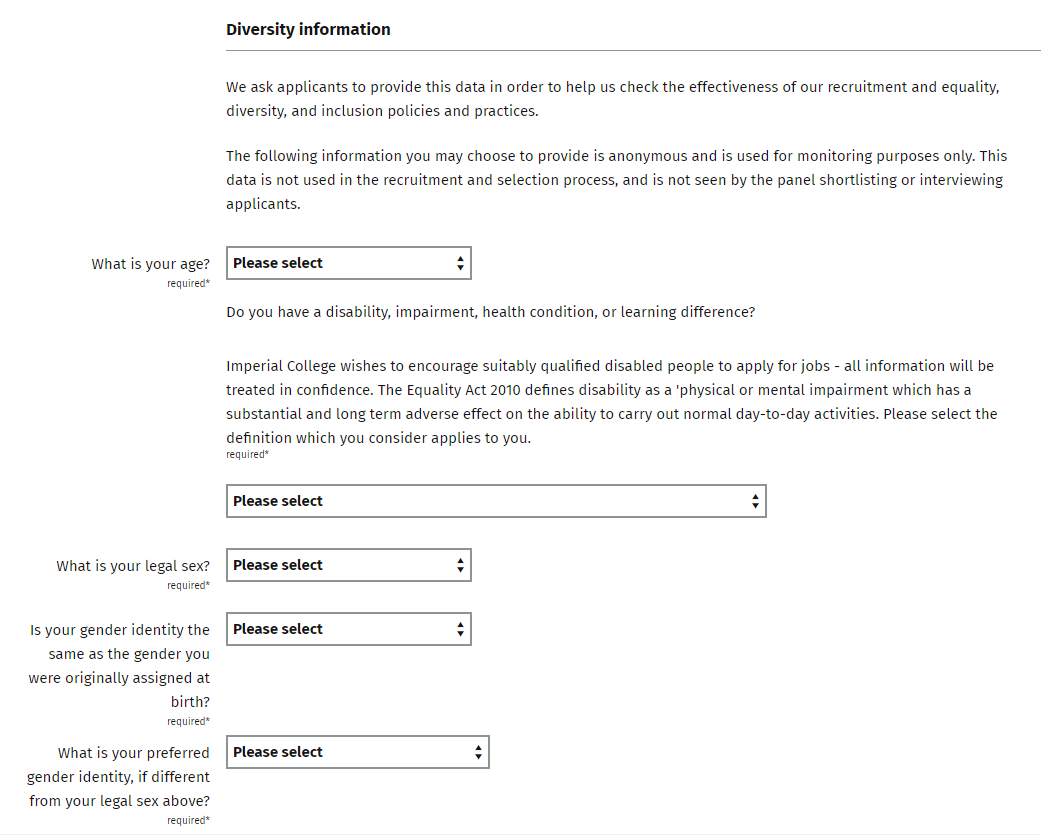
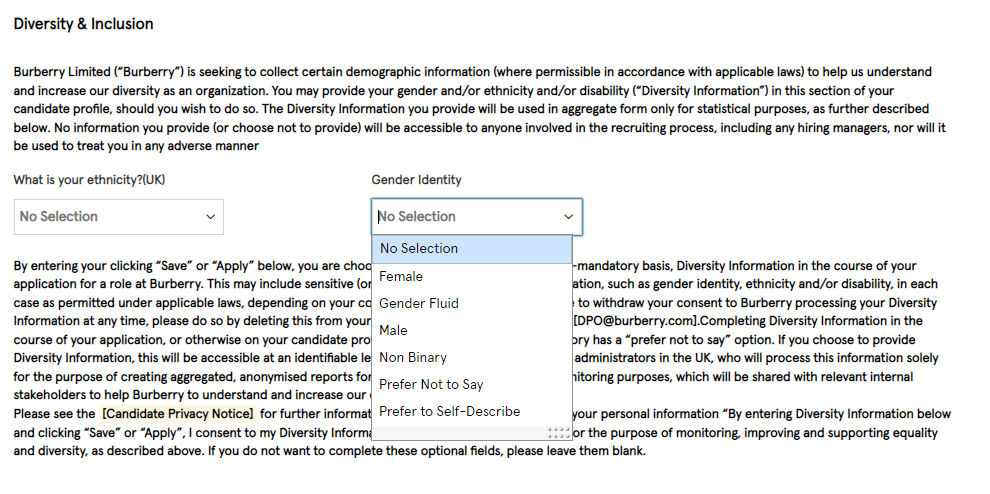
The 'Diversity & Inclusion' section of your job application form says you use the information "to help us understand and increase our diversity as an organization". 1/26
The 'Diversity & Inclusion' section of your job application form says you use the information "to help us understand and increase our diversity as an organization". 1/26

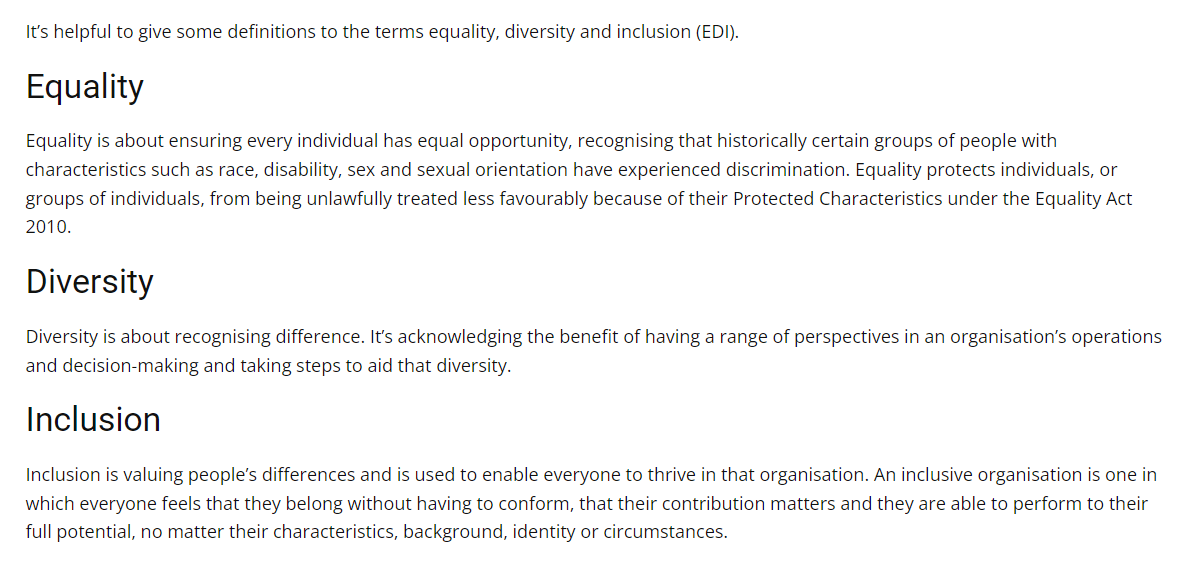
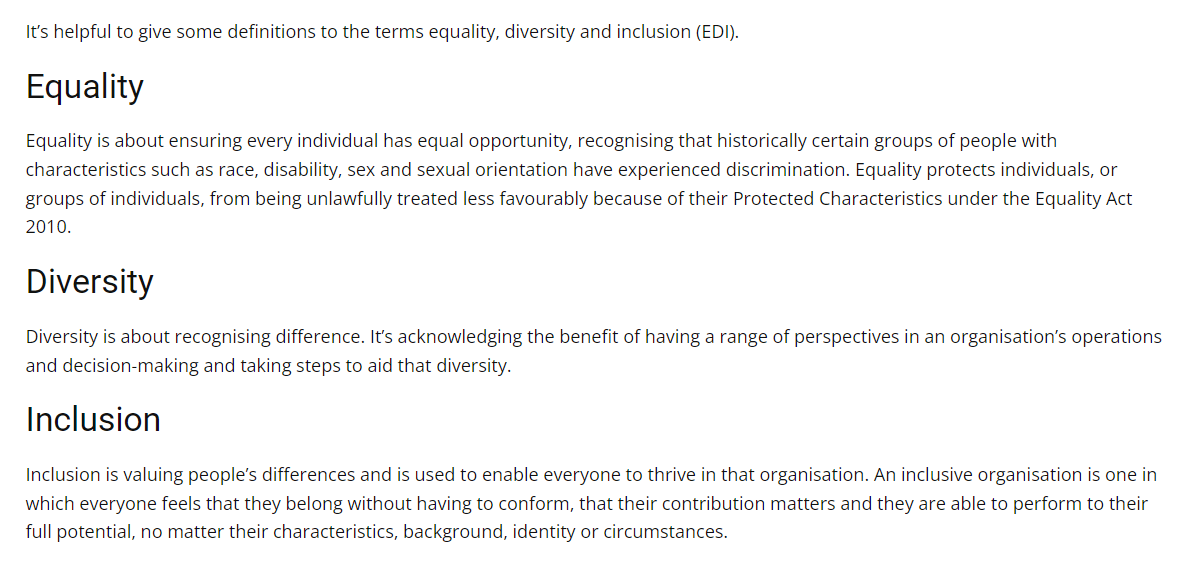
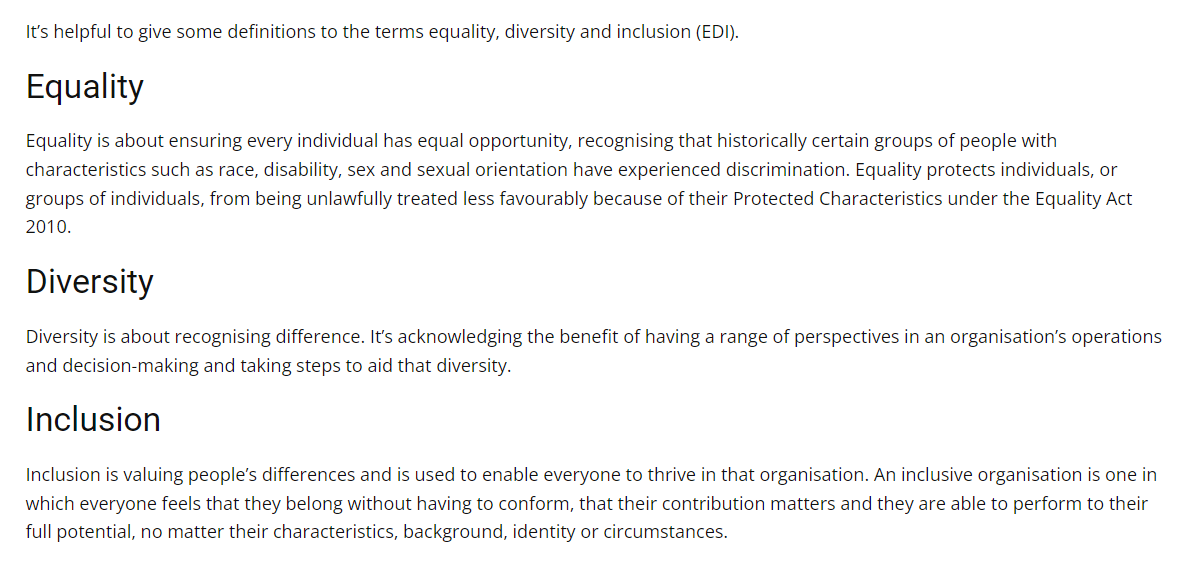
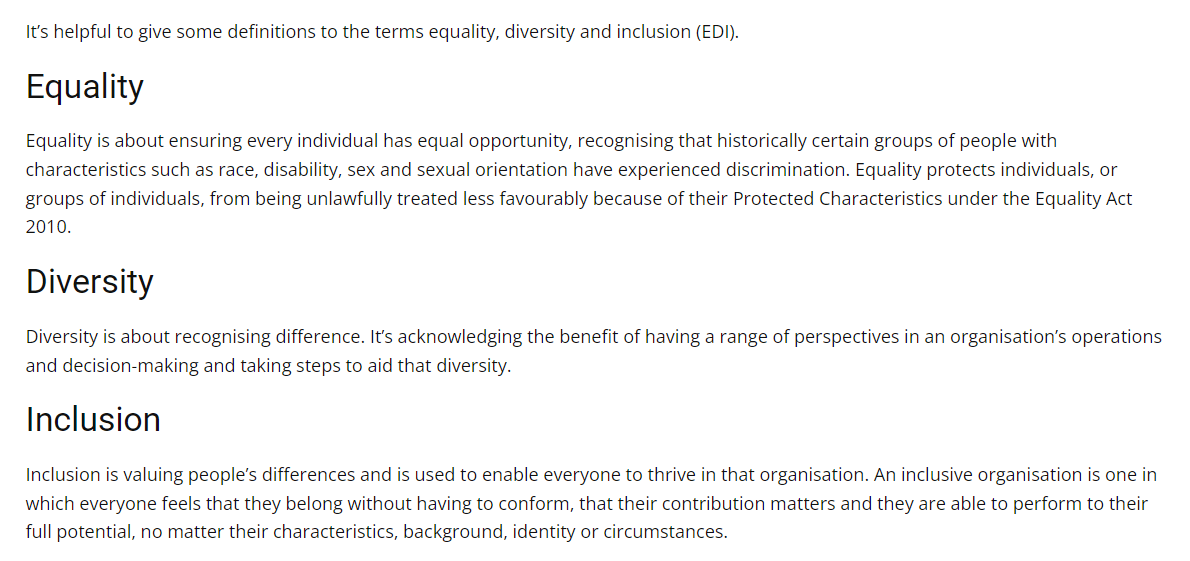
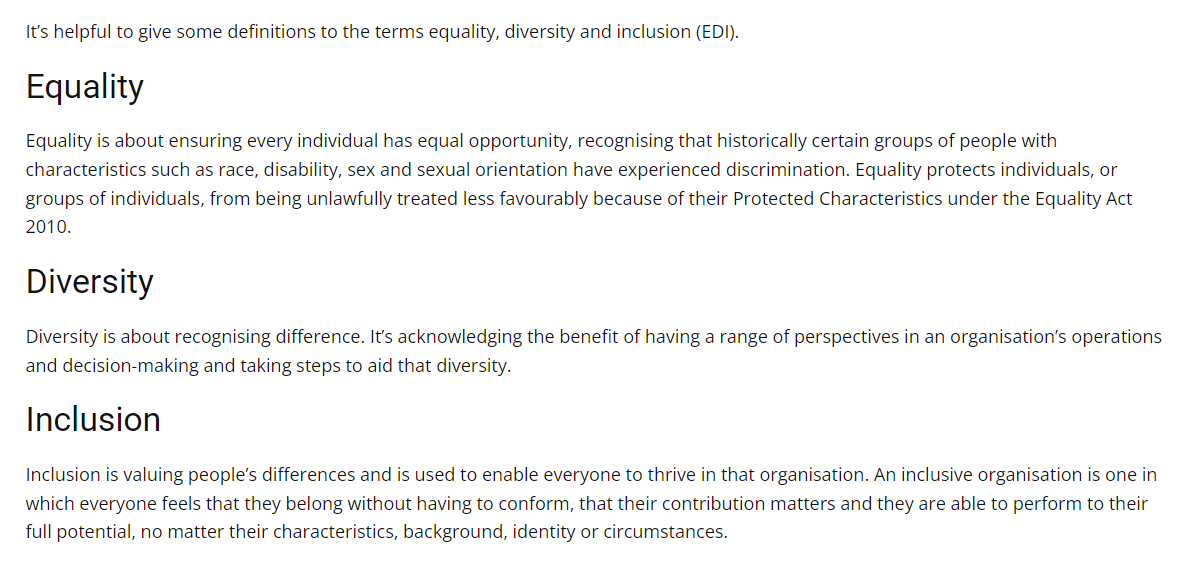
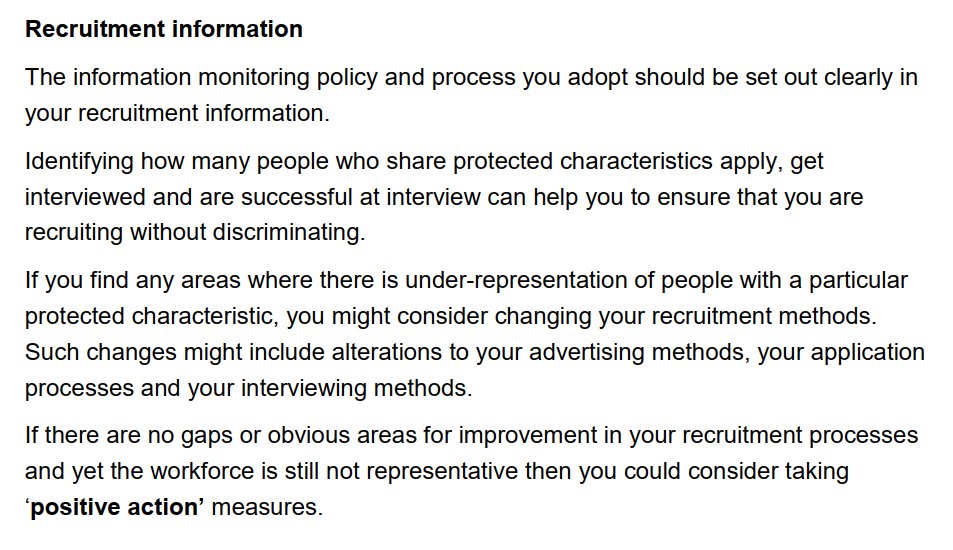
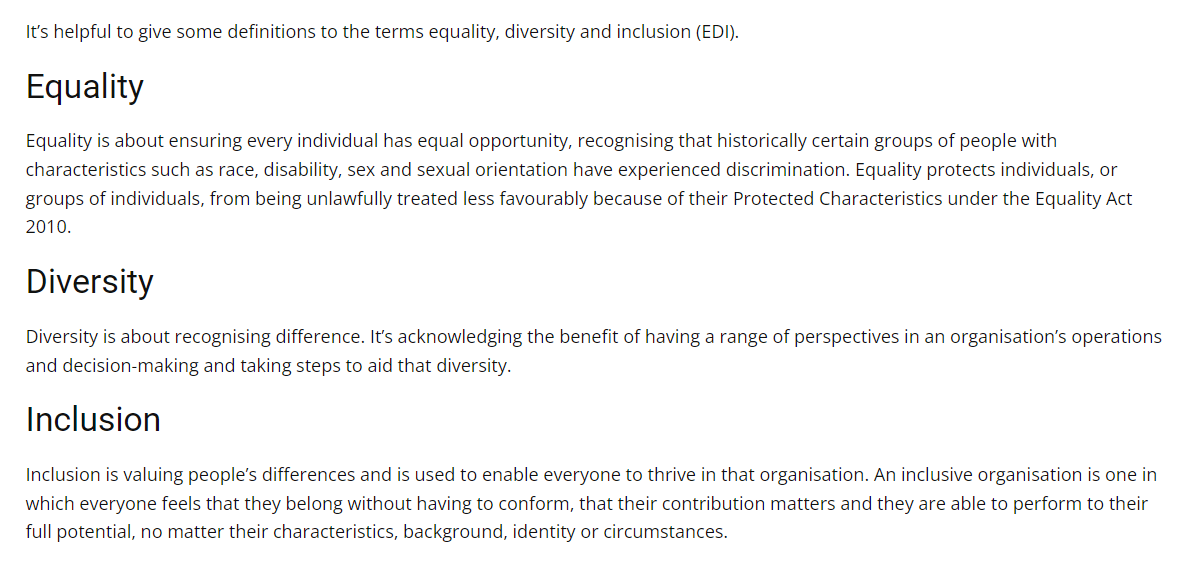
As it is a part of your job application process, I assume its purpose is to help you to ensure that you are recruiting without unlawfully discriminating under the Equality Act 2010, which is not the same as 'diversity monitoring' or 'inclusion':
sexnotgender.info/equality-diver… 2/26
sexnotgender.info/equality-diver… 2/26
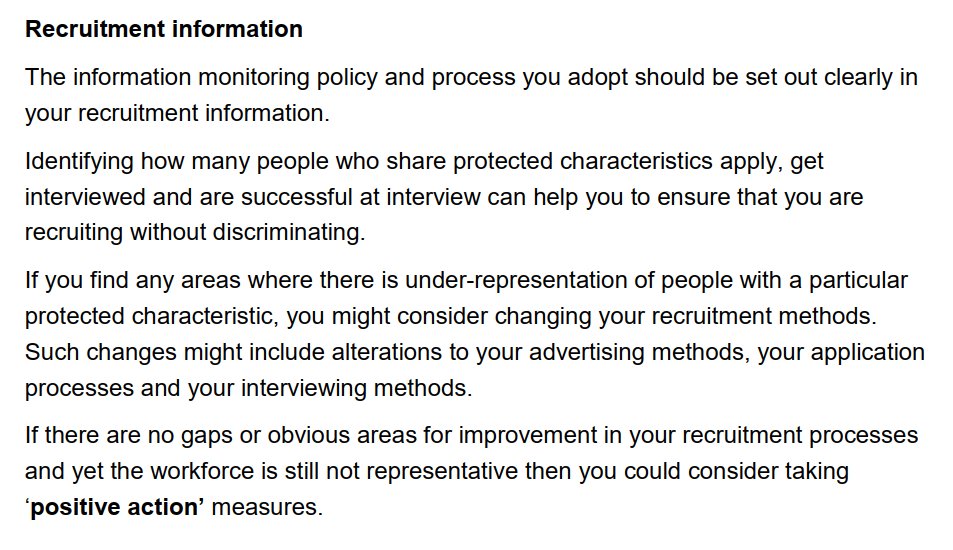
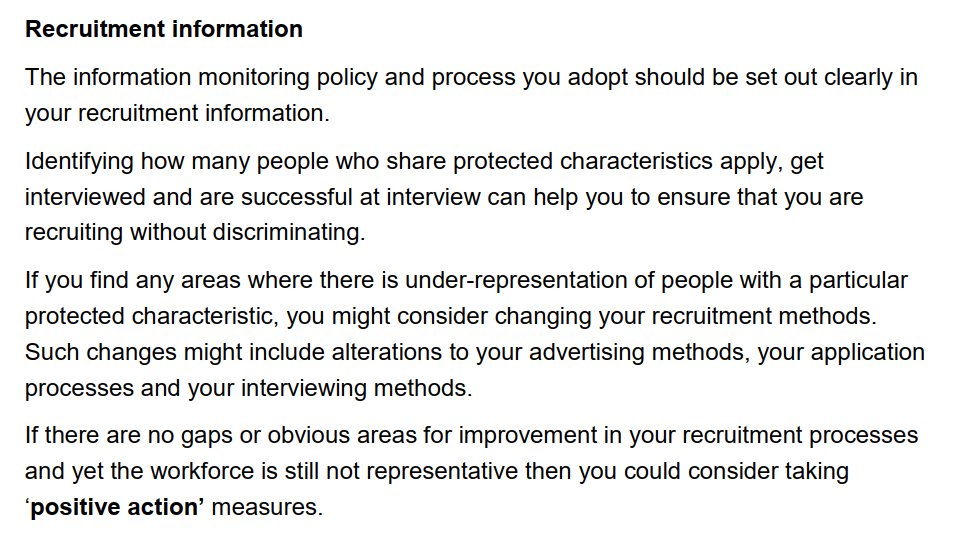
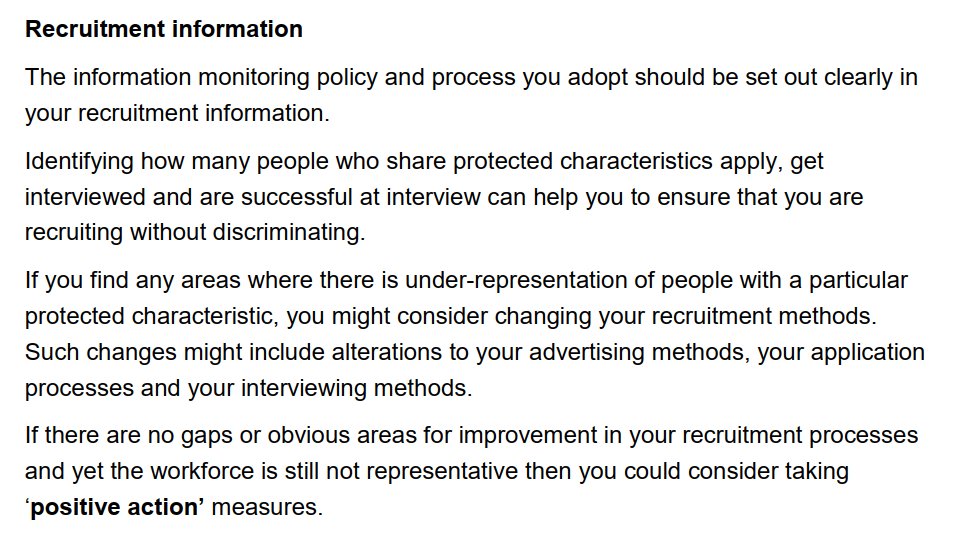
I also note the EHRC guidance on this:
Good equality practice for employers: equality policies, equality training and monitoring
equalityhumanrights.com/sites/default/… 3/26
Good equality practice for employers: equality policies, equality training and monitoring
equalityhumanrights.com/sites/default/… 3/26

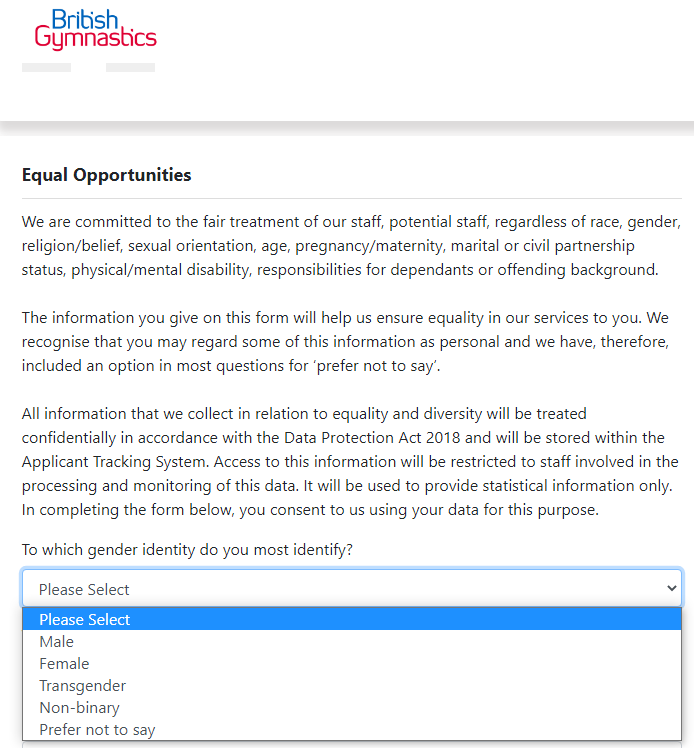
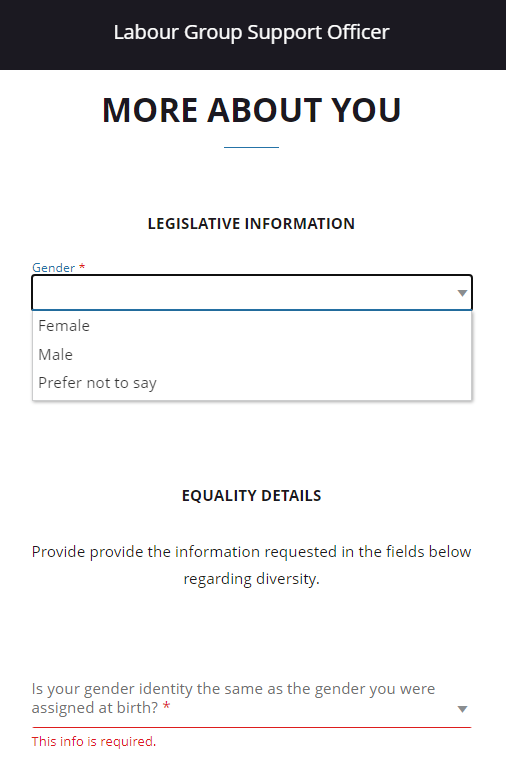
You ask applicants for "Gender Identity" with options:
Female
Gender Fluid
Male
Non Binary
Prefer Not to Say
Prefer to Self-Describe 4/26
Female
Gender Fluid
Male
Non Binary
Prefer Not to Say
Prefer to Self-Describe 4/26

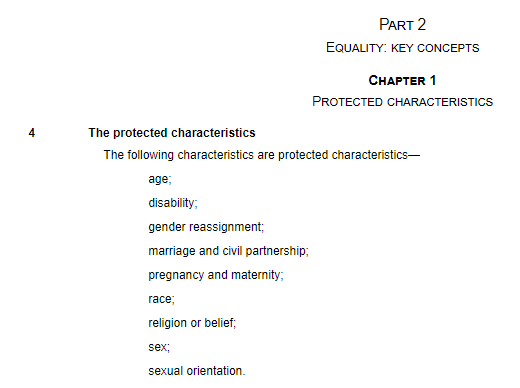
'Gender identity' is not a protected characteristic under the Equality Act 2010 and is not defined in the Act.
legislation.gov.uk/ukpga/2010/15/… 5/26
legislation.gov.uk/ukpga/2010/15/… 5/26
You may like to note that EHRC told BBC journalists Stephen Nolan & David Thompson that the term ‘gender identity’ was NOT interchangeable with ‘gender reassignment’ in relation to the protected characteristics in the Equality Act.
https://twitter.com/dt_ni/status/14595500546587566086/26
See also: ‘Gender’ is not a protected characteristic, admits EHRC
sexnotgender.info/gender-is-not-… 7/26
sexnotgender.info/gender-is-not-… 7/26
Sex is the protected characteristic and the only two possible options for sex are 'Female' and 'Male' as defined in the Act and consistent with biology, but you don't ask for that.
legislation.gov.uk/ukpga/2010/15/…
'Gender identity' is not a synonym for sex. 8/26
legislation.gov.uk/ukpga/2010/15/…
'Gender identity' is not a synonym for sex. 8/26

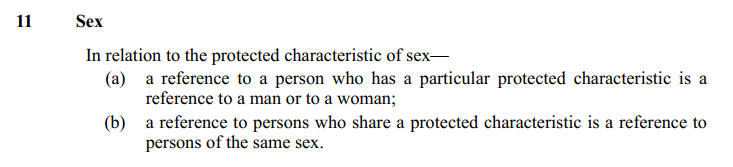

As female and male are the terms in the Act relating to the protected characteristic of sex, using them for some other question can only be confusing and could lead to gathering inconsistent and contradictory data. 9/26
You don't say why you are collecting this personal information but you don't include an option for an applicant who doesn't have a 'gender identity'. 10/26
This could indicate an institutional bias towards an ideology to which not everyone subscribes and this may impinge on their protected beliefs.
assets.publishing.service.gov.uk/media/60c1cce1… 11/26
assets.publishing.service.gov.uk/media/60c1cce1… 11/26
I also note that the EHRC, in their own recruitment equality monitoring, ask for the sex of applicants with options of female and male. This would appear to be a good model to follow. 12/26

'Gender' and similar terms rely on demeaning, regressive stereotypical notions of societal roles for the two sexes, concepts with which I'm sure you would not wish to be associated. 13/26
There is a protected characteristic of 'gender reassignment', but it is defined in the Act in terms different to those you use here and you don't ask about this protected characteristic.
legislation.gov.uk/ukpga/2010/15/… 14/26
legislation.gov.uk/ukpga/2010/15/… 14/26

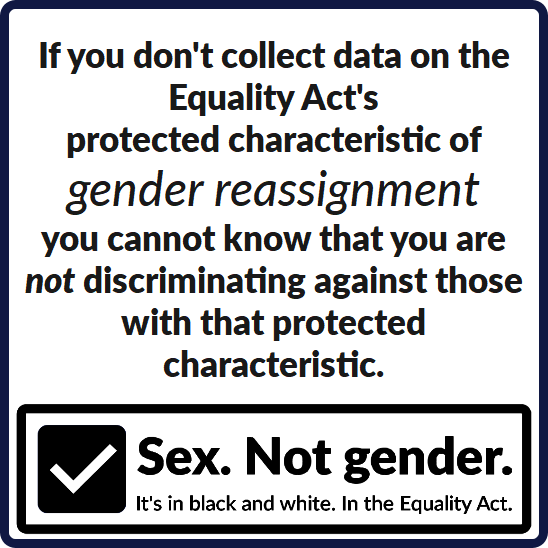
If you don't collect data on the Equality Act's protected characteristic of gender reassignment you cannot know that you are not discriminating against those with that protected characteristic. 15/26
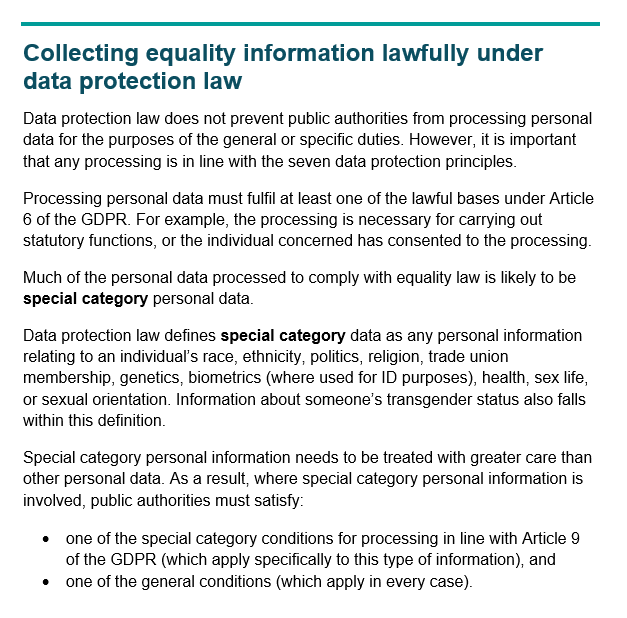
Asking about a personal characteristic such as 'gender' that is not a protected characteristic under the Act, may be in breach of the UK GDPR by processing personal - and potentially Special Category - data without a lawful basis. 16/26
The Government provides a list of the personal data an employer may hold about an employee without their permission that you might also find useful. 'Gender' does not appear on that list, but sex does.
gov.uk/personal-data-… 17/26
gov.uk/personal-data-… 17/26

The EHRC state that information about a person's 'transgender status' is Special Category personal information under the UK GDPR. Sex is not, so conflating sex and 'gender' may cause issues in processing the information lawfully.
equalityhumanrights.com/en/publication… 18/26
equalityhumanrights.com/en/publication… 18/26
If you choose not to gather data on specific protected characteristics (such as sex), you cannot have the information required to ascertain whether or not you could be discriminating on protected characteristics in recruitment. This could be vital in an employment tribunal. 19/26
If you choose to discriminate on characteristics (such as 'gender') that are not protected characteristics under the Act, you may inadvertently indirectly discriminate on protected characteristics. 20/26
You might also like to take note of what employment and discrimination Barrister Akua Reindorf said in her report for the University of Essex and in particular Recommendation 18:
cloisters.com/insights/reind… 21/26
cloisters.com/insights/reind… 21/26

As you are a @stonewalluk 'Global Diversity Champion', you might like to note what Reindorf also said about the relationship with Stonewall in Recommendation 28 of her report. 22/26

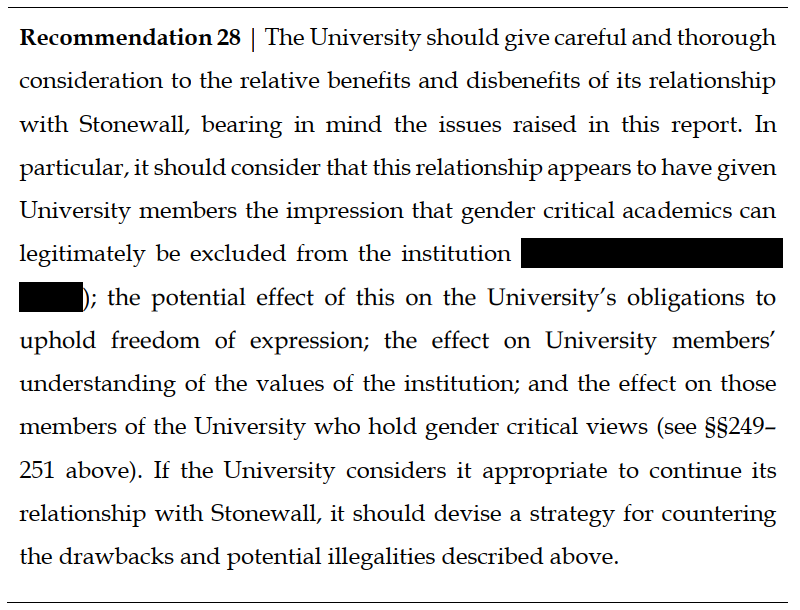
You might also wish to consider the 'benefits and disbenefits' of your relationship with Stonewall.
You might also like to consider Stephen Nolan and David Thompson's BBC investigation into Stonewall:
bbc.co.uk/sounds/brand/p… 23/26
You might also like to consider Stephen Nolan and David Thompson's BBC investigation into Stonewall:
bbc.co.uk/sounds/brand/p… 23/26
I would also suggest you read this report that highlights the risks and dangers (both reputational and legal) of relying on and processing inaccurate, misleading or downright wrong information about protected characteristics under the Equality Act.
sex-matters.org/posts/updates/… 24/26
sex-matters.org/posts/updates/… 24/26
Language and meaning of words are important and proper use & understanding of terms is vital so that the public is aware of what rights they have and what your duties are. Any confusion or inconsistency over meaning may prevent people from accessing their rights in law. 25/26
Will you undertake to correct these errors and to review all your other policies, documents, reports, etc to ensure compliance?
Please respond.
sexnotgender.info/list
@threadreaderapp unroll 26/26
Please respond.
sexnotgender.info/list
@threadreaderapp unroll 26/26
• • •
Missing some Tweet in this thread? You can try to
force a refresh