1/ Imagine an internet with privacy, governance and composability by default.
A project in ideation for more than 20 years is beginning to resemble the early days of #BTC.
Find out how Urbit is re-thinking the internet ⬇️🧵 members.delphidigital.io/reports/an-urb…
A project in ideation for more than 20 years is beginning to resemble the early days of #BTC.
Find out how Urbit is re-thinking the internet ⬇️🧵 members.delphidigital.io/reports/an-urb…
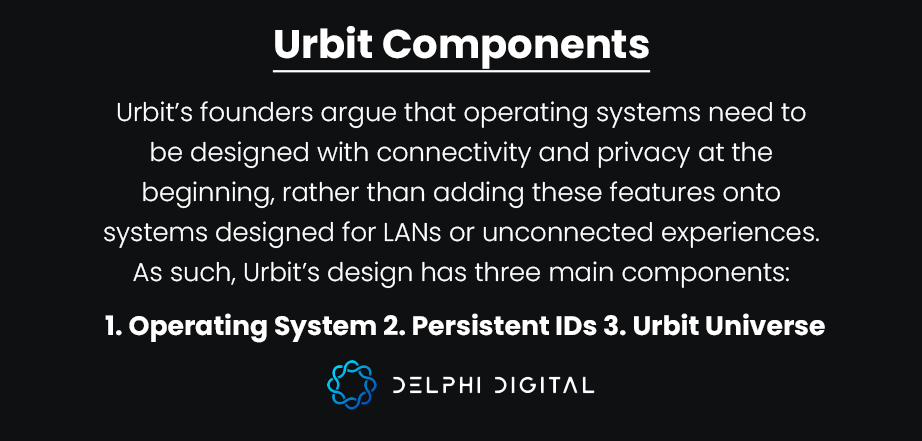
There are 3 main components to @urbit:
1. Operating System
2. Persistent IDs
3. Urbit Universe
Here's how these make this project so unique ⬇️
1. Operating System
2. Persistent IDs
3. Urbit Universe
Here's how these make this project so unique ⬇️
1. Operating System
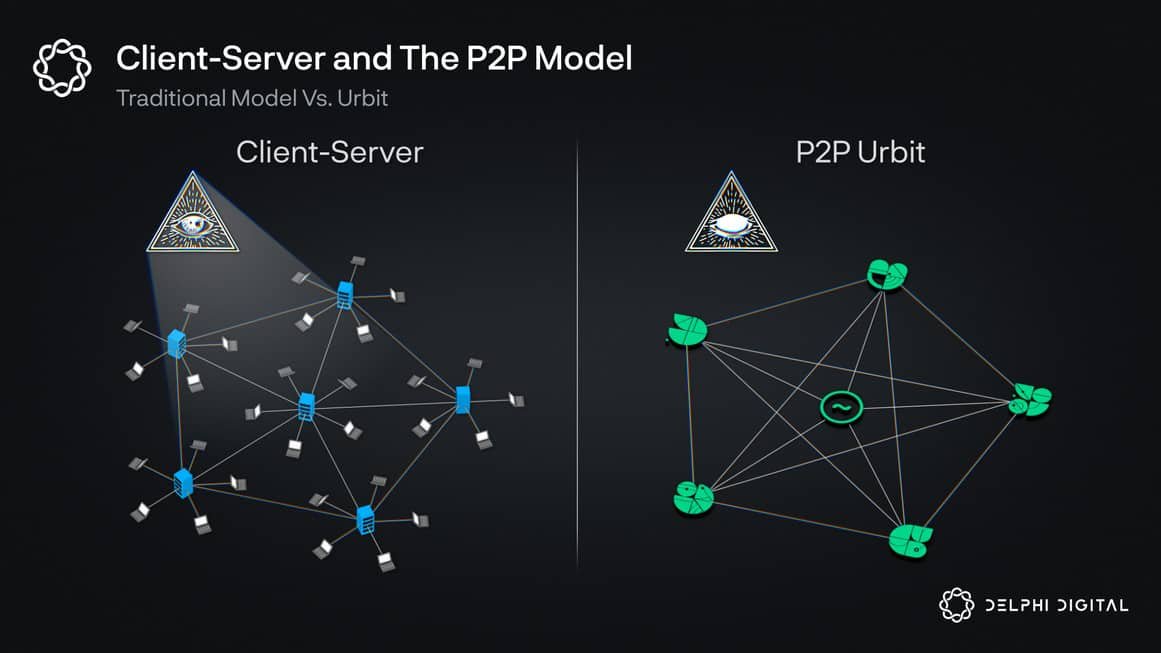
Urbit aims to create a fully p2p network, where users host the Urbit OS on their devices.
Each user in the network will have their own ID as an NFT. Users self-organize to create an encrypted, P2P permissionless internet.
Urbit aims to create a fully p2p network, where users host the Urbit OS on their devices.
Each user in the network will have their own ID as an NFT. Users self-organize to create an encrypted, P2P permissionless internet.
2. Persistent ID
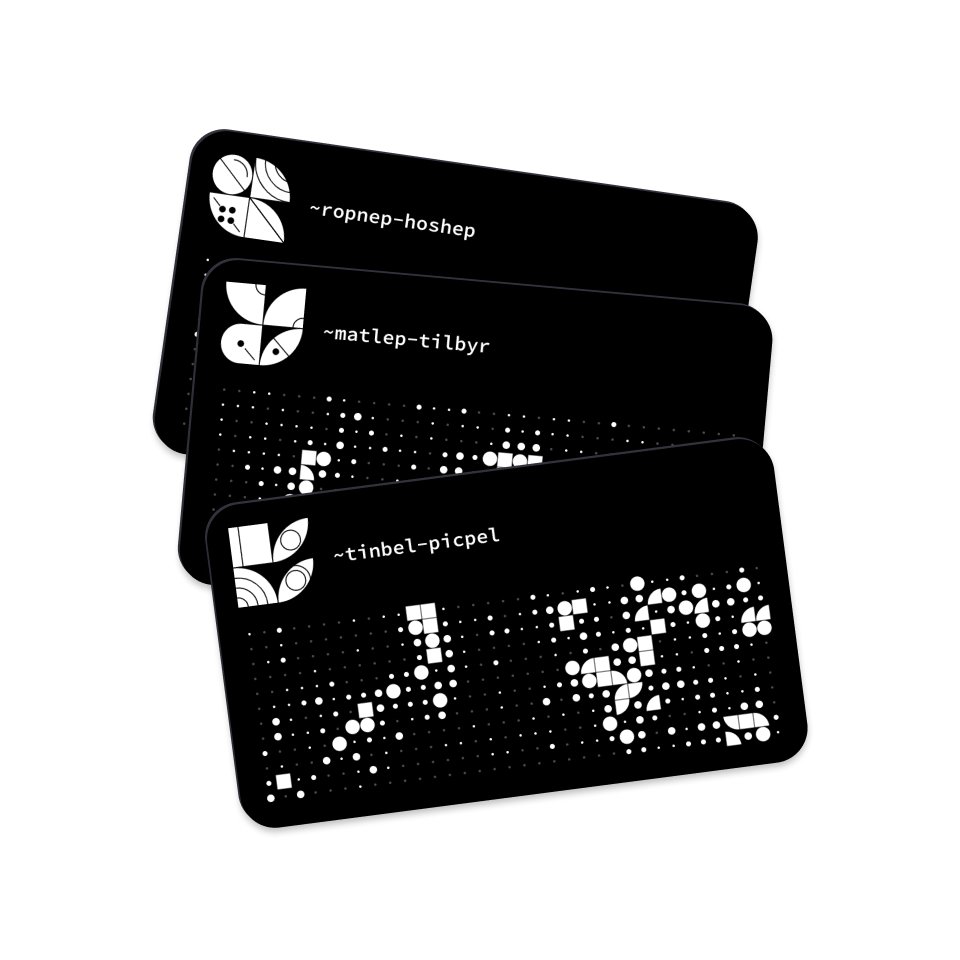
Users have a persistent network ID. If someone uses Urbit ID for malicious purposes, other IDs will refuse to connect to it.
With no P2P connections, a network ID becomes worthless and users will have to purchase a new one.
Users have a persistent network ID. If someone uses Urbit ID for malicious purposes, other IDs will refuse to connect to it.
With no P2P connections, a network ID becomes worthless and users will have to purchase a new one.
3. Urbit Universe
There is a hard cap on addresses, which is Urbit's approach to sybil resistance.
In theory, attacks/spam occur on the internet because identity is cheap.
Limiting address space gives identities a monetary value which dis-incentivizes malicious use.
There is a hard cap on addresses, which is Urbit's approach to sybil resistance.
In theory, attacks/spam occur on the internet because identity is cheap.
Limiting address space gives identities a monetary value which dis-incentivizes malicious use.
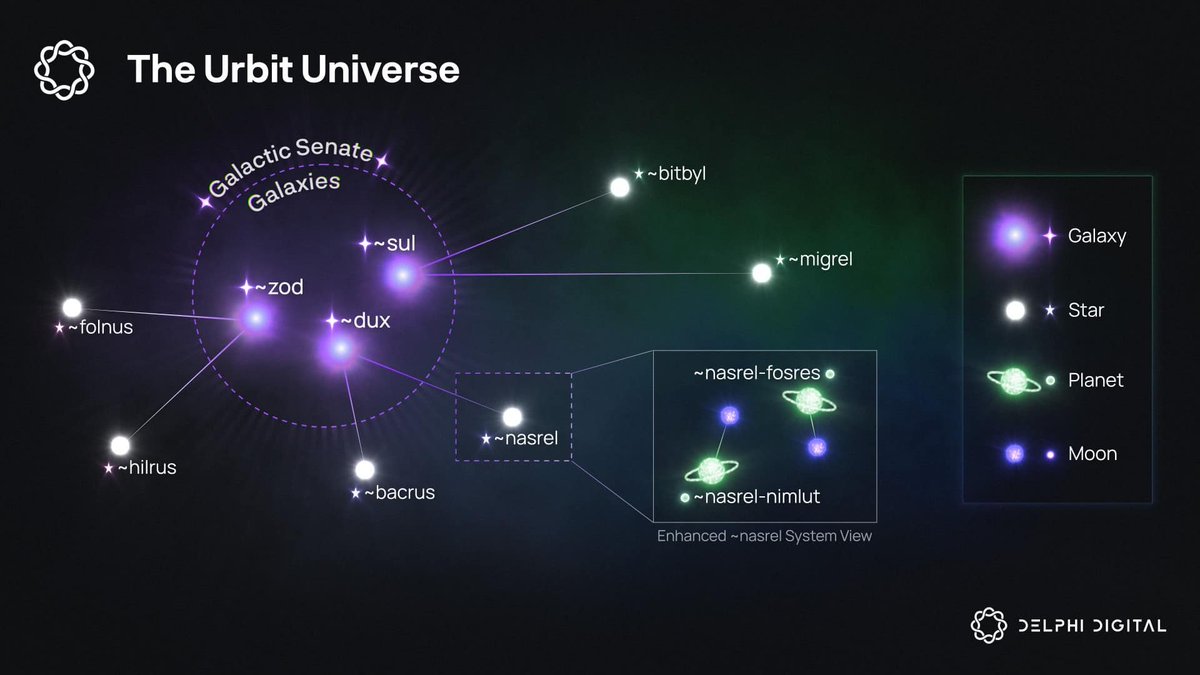
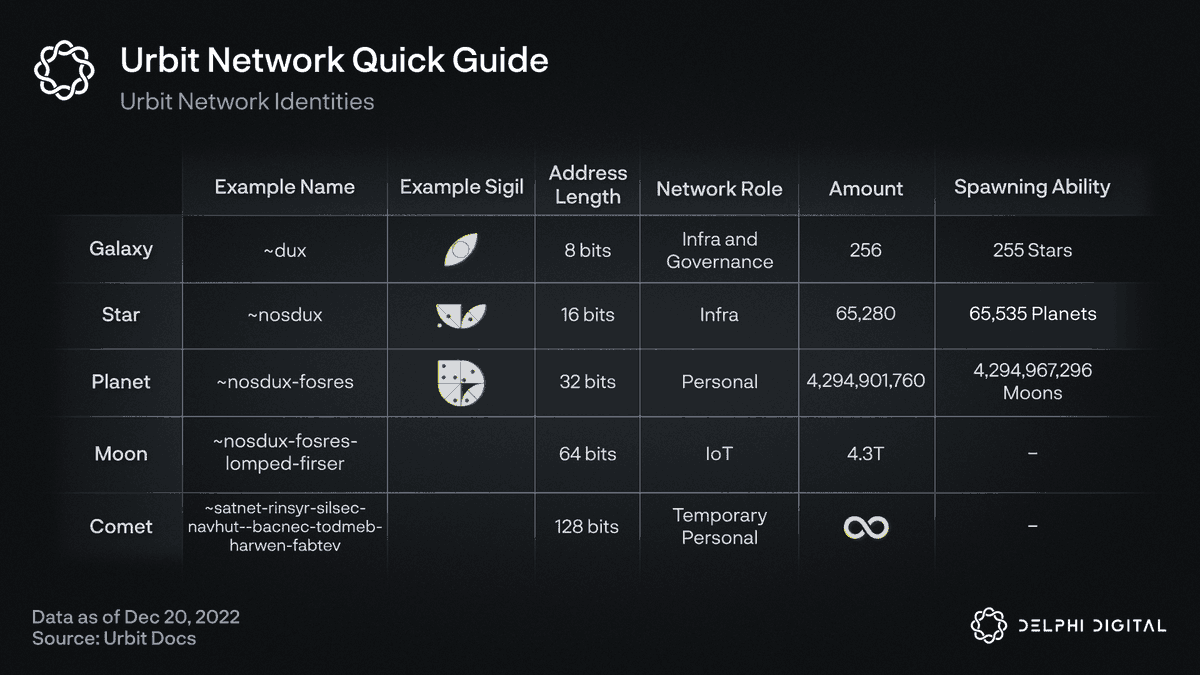
There is a hierarchy of users on the network with the order of main players being:
🔹Galaxies (Infra/Governance)
🔹Stars (Infrastructure)
🔹Planets (Personal)
🔹Moons (IoT)
🔹Comets (Temporary)
Galaxies can spawn Stars, Stars can spawn Planets, and Planets can spawn moons.
🔹Galaxies (Infra/Governance)
🔹Stars (Infrastructure)
🔹Planets (Personal)
🔹Moons (IoT)
🔹Comets (Temporary)
Galaxies can spawn Stars, Stars can spawn Planets, and Planets can spawn moons.
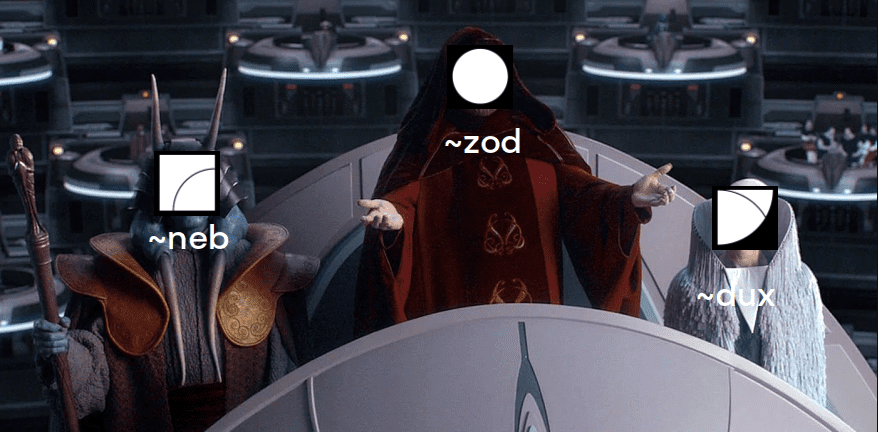
Incentives arise as higher entities can revoke connections aka "sponsorships" from lower ones.
Getting revoked hurts your reputation, and if your reputation gets harmed enough, nobody will connect to you & your ID becomes worthless.
Thus, decentralized self-organizing ensues.
Getting revoked hurts your reputation, and if your reputation gets harmed enough, nobody will connect to you & your ID becomes worthless.
Thus, decentralized self-organizing ensues.
In Urbit, users don't connect to a centralized server to download an app.
They connect directly to the provider of that application in a decentralized manner.
An Urbit in Our Stars, live now for PRO members ⬇️ members.delphidigital.io/reports/an-urb…
They connect directly to the provider of that application in a decentralized manner.
An Urbit in Our Stars, live now for PRO members ⬇️ members.delphidigital.io/reports/an-urb…
A system exists to incentivize good behavior amongst all network roles no matter how big or small.
Crypto governance strives for inclusive democracy, whereas Urbit governance is an exclusionary hierarchal meritocracy.
Crypto governance strives for inclusive democracy, whereas Urbit governance is an exclusionary hierarchal meritocracy.
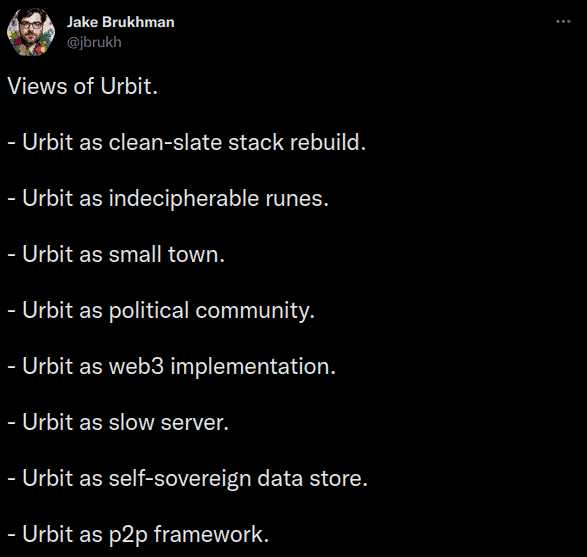
Urbit's narrative and culture resemble BTC's early culture, with true believers and a flexible narrative.
Similar to how BTC has been proclaimed by believers to be both internet cash and digital gold, Urbit's narrative ranges from a personal server to a dedicated p2p layer.
Similar to how BTC has been proclaimed by believers to be both internet cash and digital gold, Urbit's narrative ranges from a personal server to a dedicated p2p layer.
So...where are we?
As of today, there are only 1,700 active users/instances online on any given day.
As of today, there are only 1,700 active users/instances online on any given day.

Ultimately, Urbit is a decentralized hybrid of a social network and operating system.
Its usefulness is proportional to how many users and builders are on it.
An Urbit in Our Stars, by @DemosCrypto ⬇️
members.delphidigital.io/reports/an-urb…
Its usefulness is proportional to how many users and builders are on it.
An Urbit in Our Stars, by @DemosCrypto ⬇️
members.delphidigital.io/reports/an-urb…
• • •
Missing some Tweet in this thread? You can try to
force a refresh