

A Biohacker’s Guide to Overcoming Seasonal Depression
How to Fix Low Energy, Low Mood, Poor Sleep & Brain Fog in the Winter
THREAD
How to Fix Low Energy, Low Mood, Poor Sleep & Brain Fog in the Winter
THREAD

Like many of us, you’re probably reading this because you don’t feel at the top of your game in the winter
You’ve probably tried lights, Vitamin D supplements, and maybe even Antidepressants with no luck
This thread is for you
You’ve probably tried lights, Vitamin D supplements, and maybe even Antidepressants with no luck
This thread is for you
DISCLAIMER: This thread does NOT contain Medical Advice!
BowTied Biohacker is NOT a Medical Doctor.
This thread is solely intended for Entertainment, Informational and Educational Purposes ONLY!
Always check with your doctor before starting new supplementation protocols.
BowTied Biohacker is NOT a Medical Doctor.
This thread is solely intended for Entertainment, Informational and Educational Purposes ONLY!
Always check with your doctor before starting new supplementation protocols.
Seasonal Depression aka Seasonal Affective Disorder (SAD) is a normal response to shorter days and less exposure to sunlight.
SAD kicks in during the fall or winter, depending on your location, sun exposure, and genetics.
SAD kicks in during the fall or winter, depending on your location, sun exposure, and genetics.
Even if you don’t feel “sad”, you’re most likely not operating at 100% and may be noticing less mental clarity, lower energy levels, and overall less enjoyment in activities you usually love.
Let’s dive into what causes this and how we can potentially fix it:
Let’s dive into what causes this and how we can potentially fix it:
Ok - we know the one constant in SAD is reduced sunlight exposure, whether that be from shorter days, less time spent outside, or both.
But why is less sunlight causing us to feel worse?
Before we start, let’s cover what causes all types of depression:
But why is less sunlight causing us to feel worse?
Before we start, let’s cover what causes all types of depression:
Most people believe serotonin is the “happy” chemical
And depression is the result of low levels of serotonin
And increasing serotonin levels will magically cure depressive symptoms
This is due to the Serotonin Theory of Depression, which was popularized in the 1960s
And depression is the result of low levels of serotonin
And increasing serotonin levels will magically cure depressive symptoms
This is due to the Serotonin Theory of Depression, which was popularized in the 1960s
The truth?
This is a gross oversimplification and even the mainstream medical community is starting to catch on
This is a gross oversimplification and even the mainstream medical community is starting to catch on
A meta-analysis conducted in 2022 of 361 studies done on serotonin, depression and SSRIs concluded there is no relationship between depression and lower serotonin levels

So why is it that SSRIs, which increase serotonin in the brain, sometimes do attenuate depressive symptoms?
To understand that, we need to look at two other theories of depression
To understand that, we need to look at two other theories of depression
1) The Neurotrophic Factor Theory of Depression
These growth factors play a role in the development, survival, and plasticity of neurons. It is thought that the reduced function of neurons leads to a decline in mood, cognition, and function
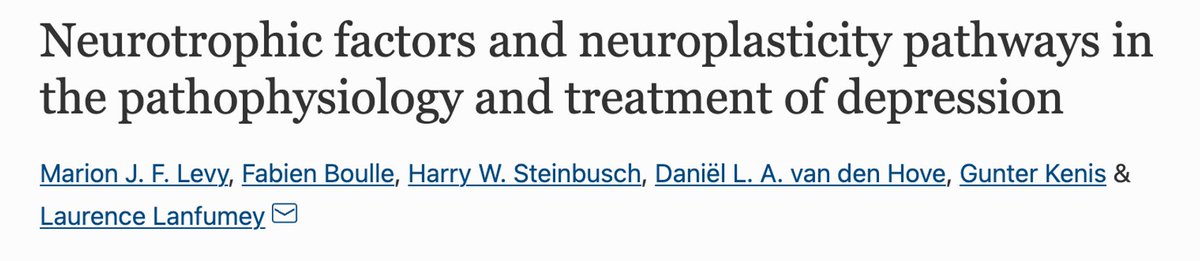

While the reduction in neuroplasticity makes it difficult for those suffering from the depression to break negative thinking patterns and change behaviors that would result in an improvement of symptoms.
The key neurotrophic factors thought to be involved in the development of depression:
1) Brain-derived Neurotrophic Factor (BDNF)
2) Nerve Growth Factor (NGF)
3) Glial Cell Line-Derived Neurotrophic Factor (GDNF)
1) Brain-derived Neurotrophic Factor (BDNF)
2) Nerve Growth Factor (NGF)
3) Glial Cell Line-Derived Neurotrophic Factor (GDNF)

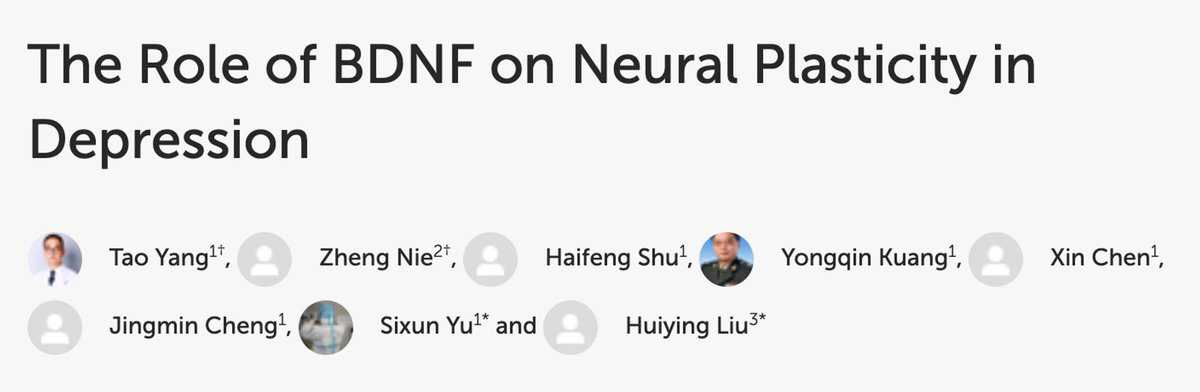
2) The Cytokine Theory of Depression
Depression is highly associated with neuroinflammation and the presence of pro-inflammatory cytokines in the brain
Depression is highly associated with neuroinflammation and the presence of pro-inflammatory cytokines in the brain
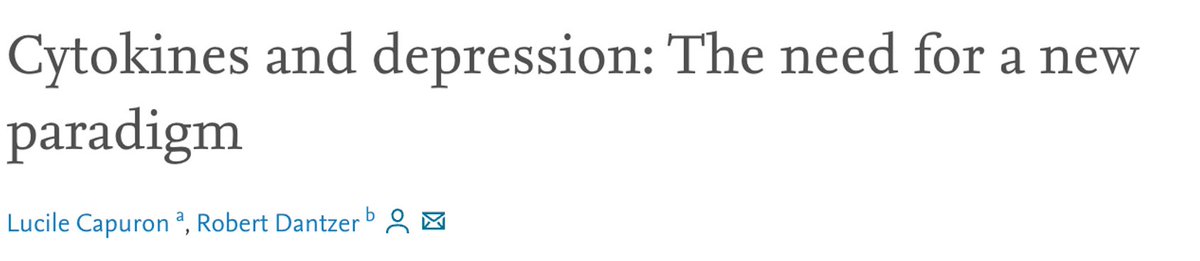
There are several mechanisms by which cytokines may induce depression:
1) Modulation of activity in the HPA axis
2) Hyper-activity of the HPA axis and suppression of glucocorticoid negative feedback on the release of the corticotropin-releasing hormone (CRH)
1) Modulation of activity in the HPA axis
2) Hyper-activity of the HPA axis and suppression of glucocorticoid negative feedback on the release of the corticotropin-releasing hormone (CRH)
3) Downregulation of serotonin synthesis
4) Dysfunction of the dopaminergic neurons in the basal ganglia, leading to anhedonia and low energy
4) Dysfunction of the dopaminergic neurons in the basal ganglia, leading to anhedonia and low energy
**SSRIs**
So why do SSRIs sometimes resolve some cases of depression?
Simple.
SSRIs increase growth factors in the brain after 3-6 months of continuous use
So why do SSRIs sometimes resolve some cases of depression?
Simple.
SSRIs increase growth factors in the brain after 3-6 months of continuous use

SSRIs also reduce inflammation in the brain.

This is primarily accomplished by increasing serotonin levels in the brain
The problem? SSRIs come with their own set of side effects & withdrawal symptoms
Furthermore, since it takes months for neurotrophic factors to peak, there’s not going to be relief during winter months
The problem? SSRIs come with their own set of side effects & withdrawal symptoms
Furthermore, since it takes months for neurotrophic factors to peak, there’s not going to be relief during winter months
Before we get into ways to combat SAD, let’s quickly look at what’s happening during seasonal depression
1) Sunlight stimulates serotonin transmission and serotonin transmission is reduced when sunlight exposure is reduced
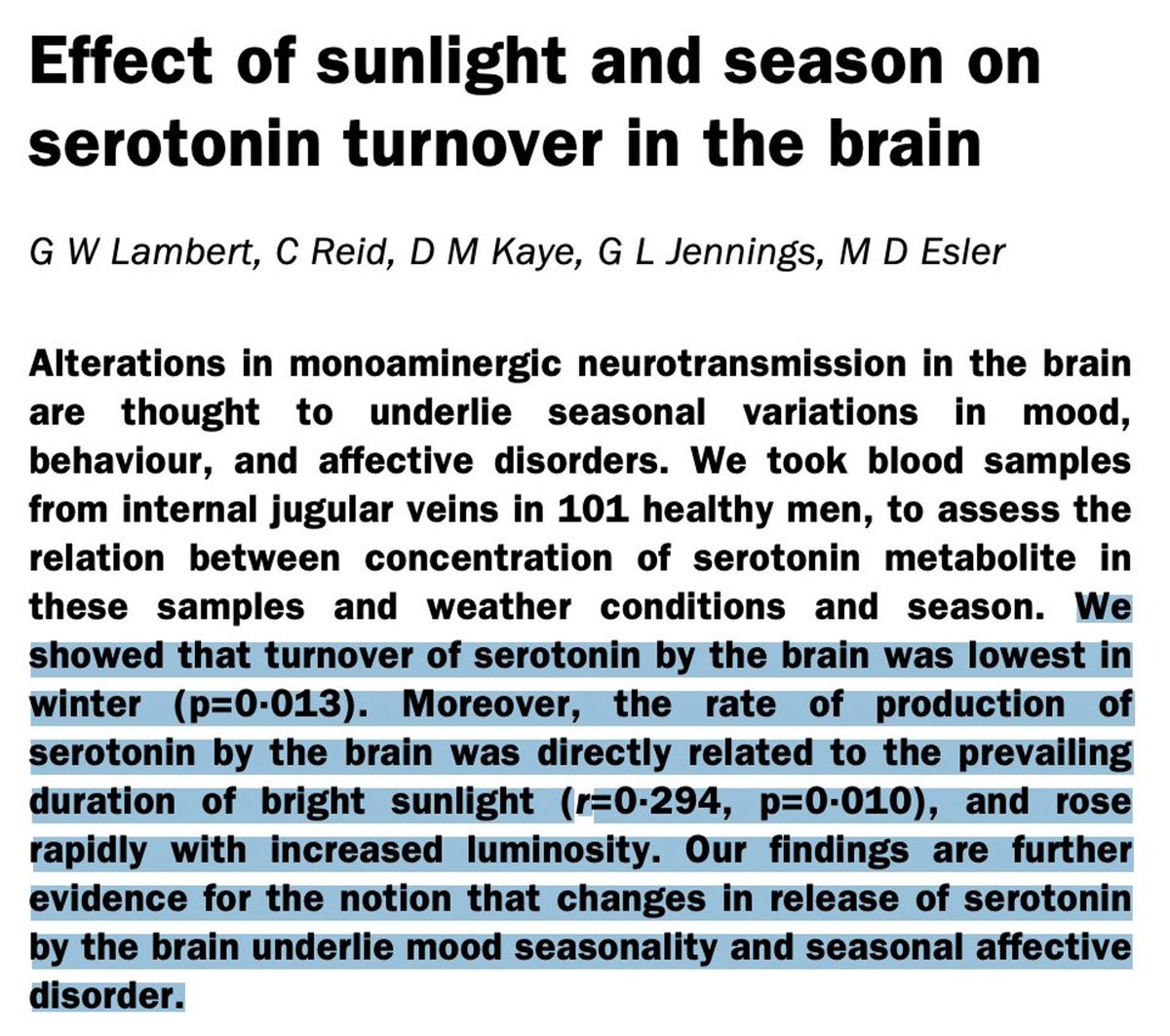
2) Sunlight Stimulates Vitamin D Synthesis
Vitamin D increases tryptophan hydroxylase 2 expression in the brain
Tryptophan hydroxylase 2 is responsible for Serotonin Synthesis
Serotonin synthesis is reduced as sunlight exposure is reduced
Shout out to Dr. Rhonda Patrick @foundmyfitness
Tryptophan hydroxylase 2 is responsible for Serotonin Synthesis
Serotonin synthesis is reduced as sunlight exposure is reduced
Shout out to Dr. Rhonda Patrick @foundmyfitness

@foundmyfitness 3) Alpha Melanocyte Stimulating Hormone is reduced in the winter as a result of reduced sunlight exposure

@foundmyfitness Alpha Melanocyte Stimulating Hormone reduces inflammatory cytokines in the brain

@foundmyfitness **How to Feel Better**
So we now have a direct link between lack of sunlight, lowered serotonin lowered neurotrophic factors, and higher pro-inflammatory cytokines in the brain
This seems to explain why we feel like shit in the winter.
So we now have a direct link between lack of sunlight, lowered serotonin lowered neurotrophic factors, and higher pro-inflammatory cytokines in the brain
This seems to explain why we feel like shit in the winter.
@foundmyfitness I'm going to go over how I've successfully increased my mood, energy levels, and cognition in the winter in hope that you can learn something from it
@foundmyfitness **Lifestyle Changes**
I consider the following lifestyle changes essential for increasing neurotrophic factors, monoamines (serotonin, dopamine, norepinephrine) & alpha melanocyte stimulating hormone, while decreasing neuroinflammation
I consider the following lifestyle changes essential for increasing neurotrophic factors, monoamines (serotonin, dopamine, norepinephrine) & alpha melanocyte stimulating hormone, while decreasing neuroinflammation
@foundmyfitness 1) Morning Sunlight Exposure
Even if it's grey out, it's important to get 30 minutes of sunlight in the morning to set your circadian rhythm
Furthermore, when sunlight enters the retina, Alpha Melanocyte Stimulating Hormone production is increased
Even if it's grey out, it's important to get 30 minutes of sunlight in the morning to set your circadian rhythm
Furthermore, when sunlight enters the retina, Alpha Melanocyte Stimulating Hormone production is increased
@foundmyfitness 2) Zone 2 Cardio 5x Per Week
Zone 2 Cardio has many benefits pertaining to fighting off SAD:
- Increases neurotrophic factors
-Increases serotonin, dopamine, norepinephrine, and beta-endorphins
-Decreases neuroinflammation
Zone 2 Cardio has many benefits pertaining to fighting off SAD:
- Increases neurotrophic factors
-Increases serotonin, dopamine, norepinephrine, and beta-endorphins
-Decreases neuroinflammation
@foundmyfitness 3) Sauna Exposure, 30 Mins 3x Per Week
Sauna exposure has similar benefits to Zone 2 cardio in this respect, but it's synergistic
This means it provides a 1+1=3 Effect
Sauna exposure has similar benefits to Zone 2 cardio in this respect, but it's synergistic
This means it provides a 1+1=3 Effect
@foundmyfitness 4) Sun Lamp
Sun Lamps can significantly increase endogenous Vitamin D synthesis as well as Alpha Melanocyte Stimulating Hormone
We also know that the UVB rays are responsible for regulating serotonin transmission
Sun Lamps can significantly increase endogenous Vitamin D synthesis as well as Alpha Melanocyte Stimulating Hormone
We also know that the UVB rays are responsible for regulating serotonin transmission
@foundmyfitness The Sperti is currently the best and only FDA approved sun lamp on the market (Yes I know FDA status doesn't matter)
sperti.com/product/sperti…
Shoutout: @Grimhood for introducing me to the Sperti
sperti.com/product/sperti…
Shoutout: @Grimhood for introducing me to the Sperti
@foundmyfitness @Grimhood 5) Limit Blue Light
Bluelight exposure in the evening causes circadian dysregulation and neuroinflammation
Use a filter on your phone and wear blue light-blocking glasses
Bluelight exposure in the evening causes circadian dysregulation and neuroinflammation
Use a filter on your phone and wear blue light-blocking glasses
@foundmyfitness @Grimhood Here are some of the supplements I use to increase my mood, energy, and cognition
1) Saffron
2) Cognance
3) Lion's Mane Extract
4) 4'-DMA-7,8-DHF
5) Polygala Extract
6) Fish Oil
7) Magnesium
1) Saffron
2) Cognance
3) Lion's Mane Extract
4) 4'-DMA-7,8-DHF
5) Polygala Extract
6) Fish Oil
7) Magnesium
Saffron
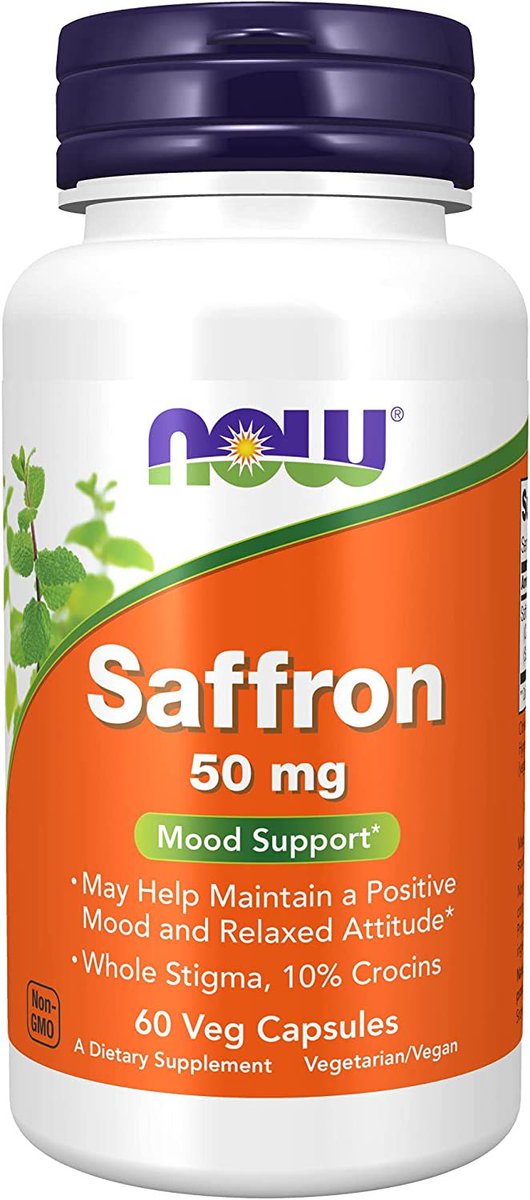
If you've ever taken real saffron extract you've felt a pretty instant mood, energy & cognition boost
This is due to it's ability to increase monoamines in the brain as well as block the 5HT2C receptor
This is due to it's ability to increase monoamines in the brain as well as block the 5HT2C receptor
By the way, activation of the 5HT2C is thought to be a primary driver of SSRI side effects, including sexual dysfunction
Cognance
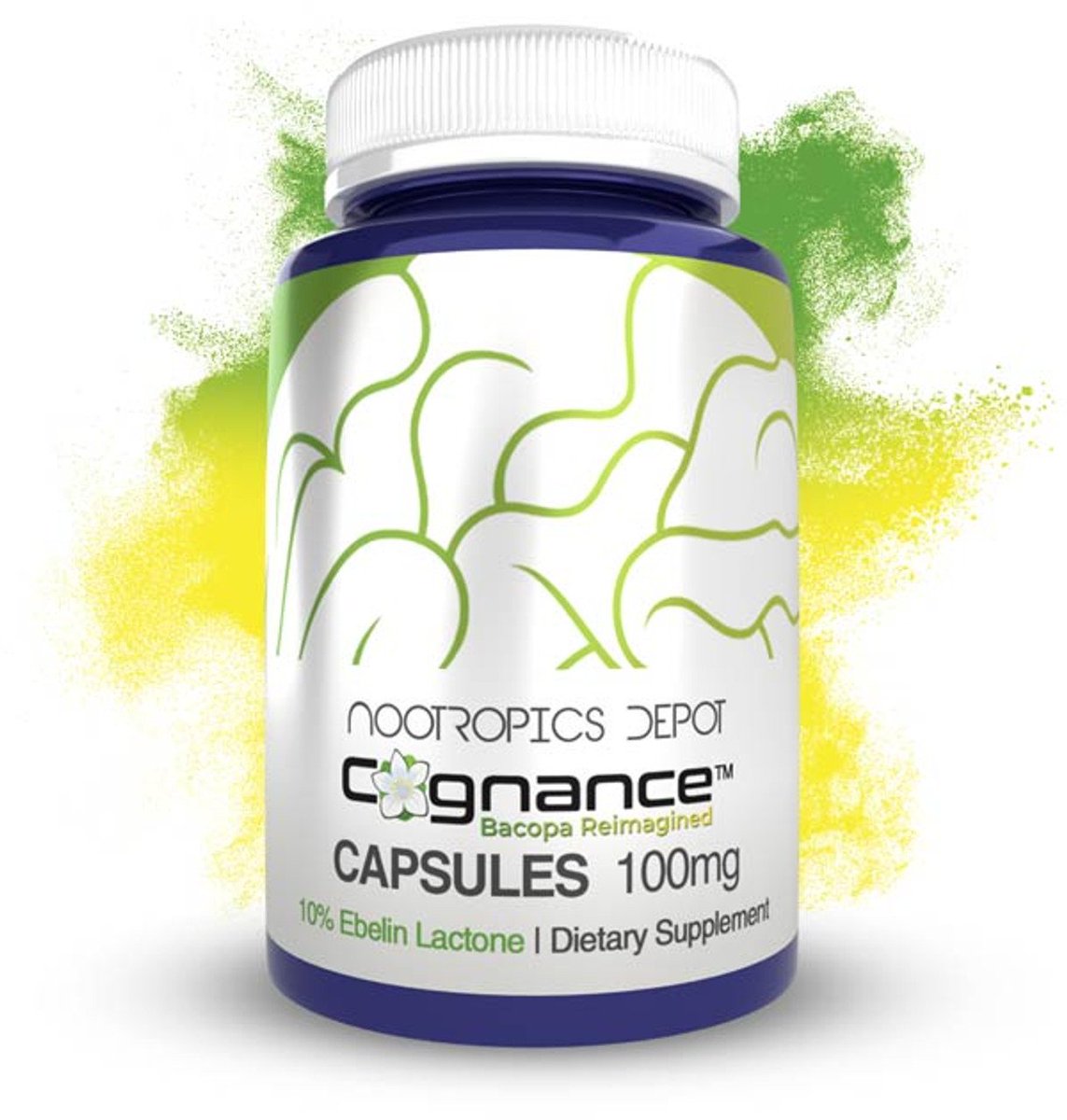
You all probably know and love this by now
The ebelin lactone in cognance agonizes the 5HT2A receptor, just like microdosing psychedelics does
Activation of these receptors promote better mood and cognition acutely and longterm via increasing neurogenesis
You all probably know and love this by now
The ebelin lactone in cognance agonizes the 5HT2A receptor, just like microdosing psychedelics does
Activation of these receptors promote better mood and cognition acutely and longterm via increasing neurogenesis
Lion's Mane Extract
This superfood extract has an abundance of compounds that promote neurogenesis / the increase of BDNF, GDNF and NGF
This is exactly what we want
This superfood extract has an abundance of compounds that promote neurogenesis / the increase of BDNF, GDNF and NGF
This is exactly what we want
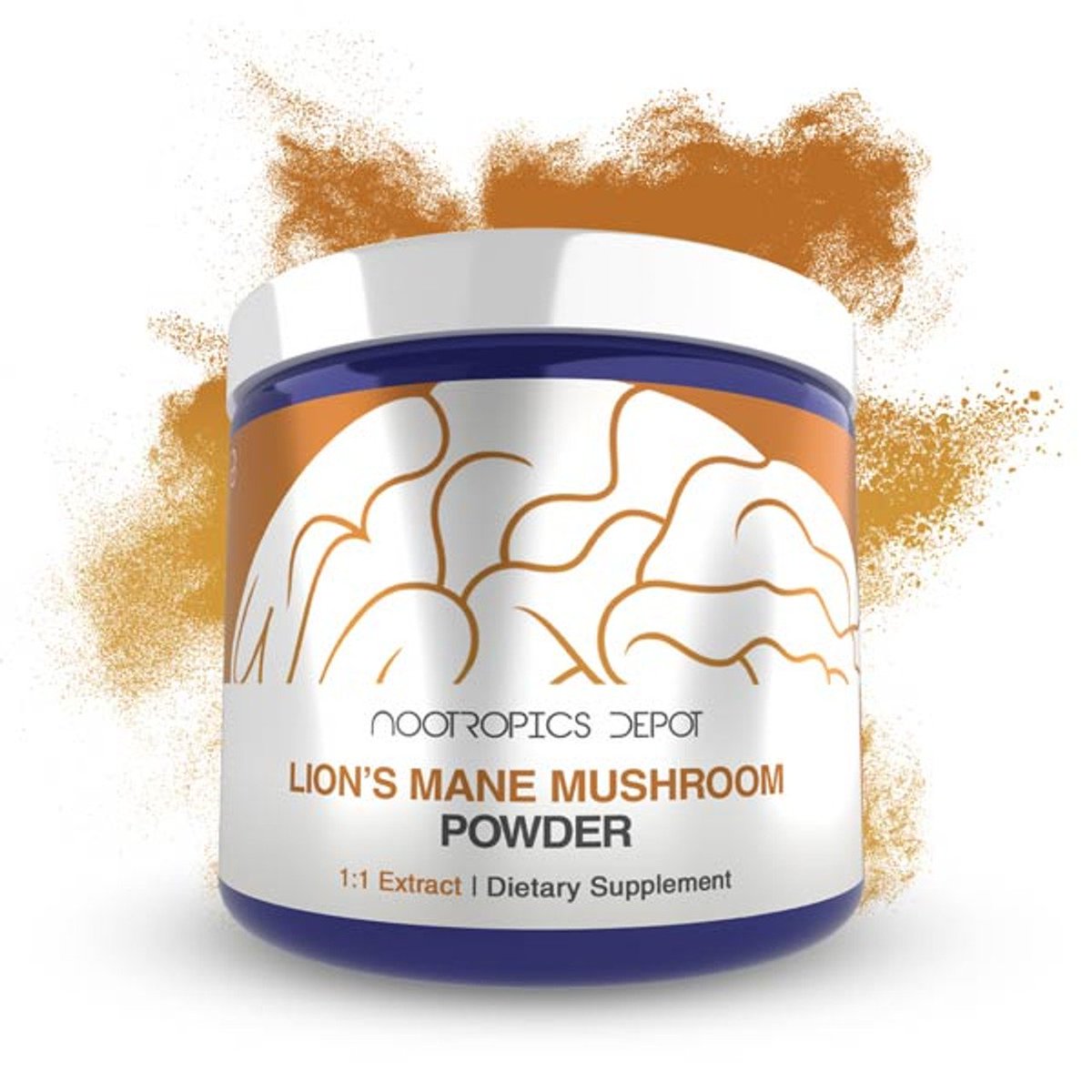
There is a good amount of clinical evidence suggesting that lion's mane is an effective treatment for depression

4'-DMA-7,8-DHF

4'-DMA-7,8-DHF is a modified flavone and a BDNF mimetic
This means it acts like BDNF in your brain and stimulates neurogenesis
There is evidence showing 4'-DMA-7,8-DHF alone is a potent anti-depressant
From my own personal experience, I can agree
This means it acts like BDNF in your brain and stimulates neurogenesis
There is evidence showing 4'-DMA-7,8-DHF alone is a potent anti-depressant
From my own personal experience, I can agree

Polygala Extract

Polygala is my favorite supplement for increasing mood, motivation, energy and cognition because it does it through various mechanisms
1) Monoamine Oxidase Inhibition
2) Monoamine Reuptake Inhibition
3) NMDA Receptor Antagonism
1) Monoamine Oxidase Inhibition
2) Monoamine Reuptake Inhibition
3) NMDA Receptor Antagonism
End result?
Higher levels of serotonin, dopamine, and norepinephrine in the brain
Higher levels of serotonin, dopamine, and norepinephrine in the brain
Fish Oil
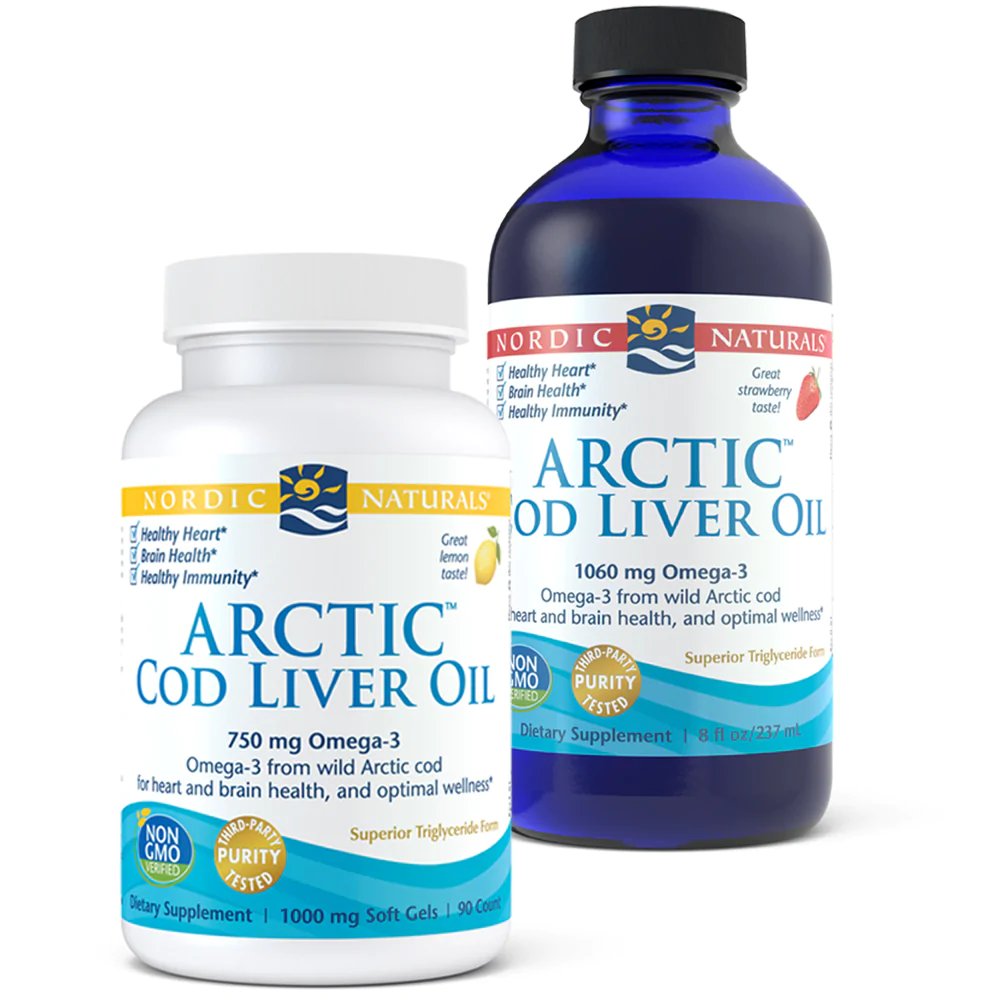
These are good to take year round anyways
But fish oil potently reduces neuroinflammation and improves cognition
It's also evidenced as a solo treatment for depression
Furthermore, Cod Liver oil is a great source of Vitamin D
I personally will take 1-2 tablespoons per day
But fish oil potently reduces neuroinflammation and improves cognition
It's also evidenced as a solo treatment for depression
Furthermore, Cod Liver oil is a great source of Vitamin D
I personally will take 1-2 tablespoons per day
Magnesium

In my opinion, magnesium should always be supplemented no matter what
It's been removed from our water & soil, thus next to impossible to get sufficient amounts from food alone
Since it's involved in over 300 biological processes, the last thing you want to do is be deficient
It's been removed from our water & soil, thus next to impossible to get sufficient amounts from food alone
Since it's involved in over 300 biological processes, the last thing you want to do is be deficient
I personally supplement with 400 to 800mg per day
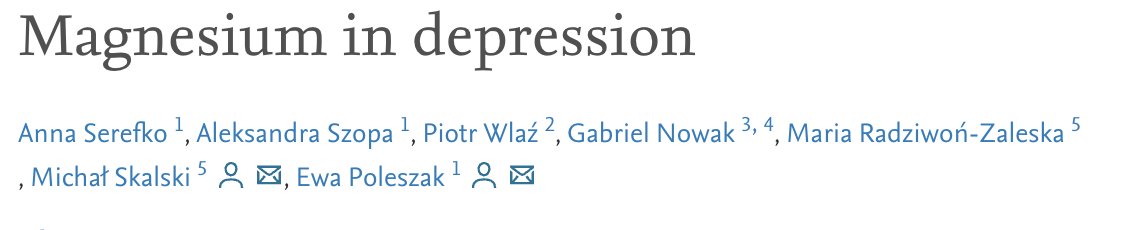
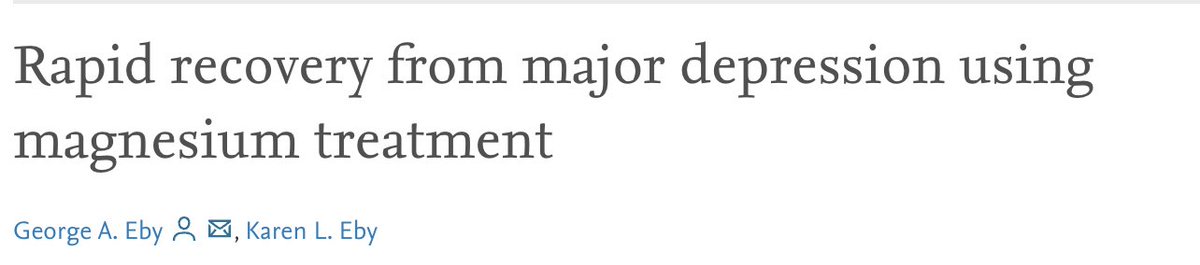
But for the source guys out there:
Magnesium supplementation has also been shown to alleviate depressive symptoms
Magnesium supplementation has also been shown to alleviate depressive symptoms
To summarize:
Lack of sunlight causes a reduction in serotonin & alpha melanocyte stimulating hormone, which causes less neurogenesis and more inflammation
Lack of sunlight causes a reduction in serotonin & alpha melanocyte stimulating hormone, which causes less neurogenesis and more inflammation
We can combat this with some simple lifestyle changes and supplementation
If you enjoyed this thread, please help me out with a Like & RT on the first tweet
It's been a struggle to keep up the content & I need to grow for this to continue being worth it
Link to the original tweet here 👇
It's been a struggle to keep up the content & I need to grow for this to continue being worth it
Link to the original tweet here 👇
https://twitter.com/BowTiedUM/status/1613338692076060672
• • •
Missing some Tweet in this thread? You can try to
force a refresh






