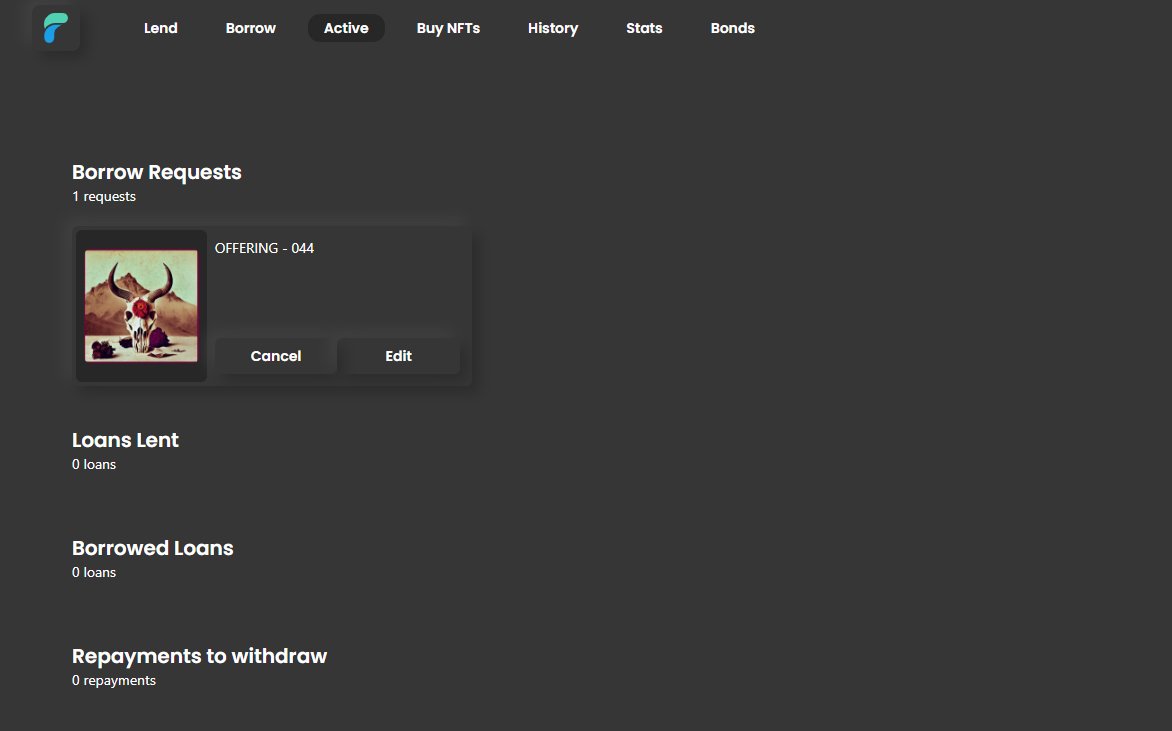
As you know there are many borrowers who put NFTs as collateral on the DApp, offering them in case they don't payback the loan+interest
User can borrow ADA or iUSD and even create bundles of NFTs to ask for liquidity 2/n
The platform provide data about holders, volume and floor price in this way lenders can check if it's a valuable collateral but always DYOR
You can even see how many loans the borrower has paid back, isn't it crazy? it's monitoring the history of the borrowers 3/n
If you are a borrower you can even edit the loan without cancel and submit saving ADA fees
How dare they to innovate in this way? 4/n
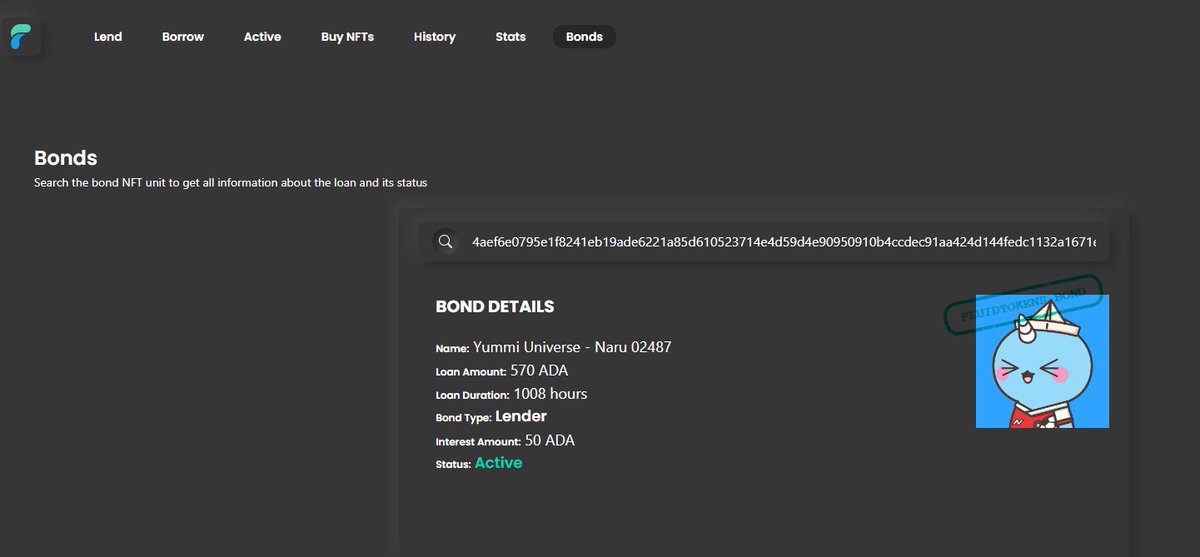
When you become borrower or lender you get an NFT that is a bond, this bond represents the position on the platform and can be sold to liquidate your position
As you know right now there 3 types of bonds on Cardano, optim, Aada and fluid
Have you already got one? 5/n
User can even use Tokens for the projects as collaterals and decide the one they would like to use without selling
Basically unlocking liquidity from their NFTs without selling
Are they trying to steal the market to the marketplaces? 6/n
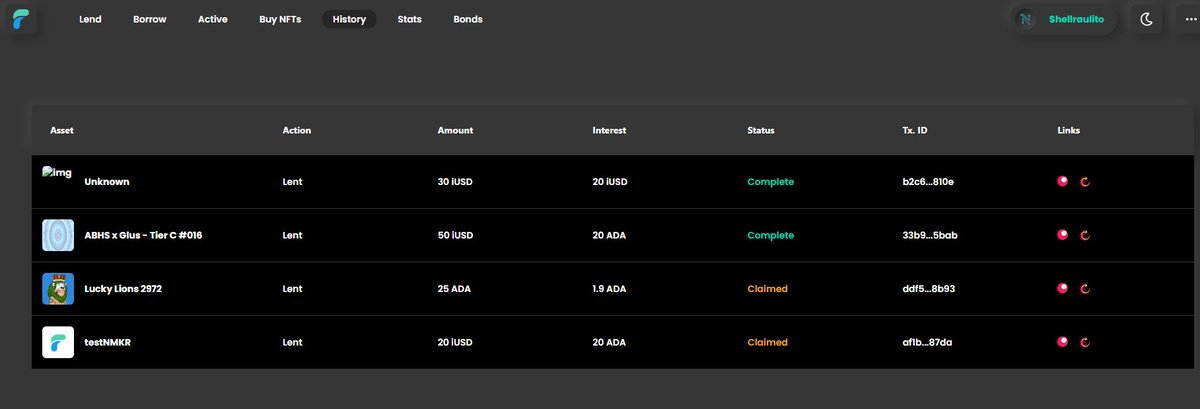
you have even the history of your profile so you can see the profits/loss that you made
are they spying on us? 7/n
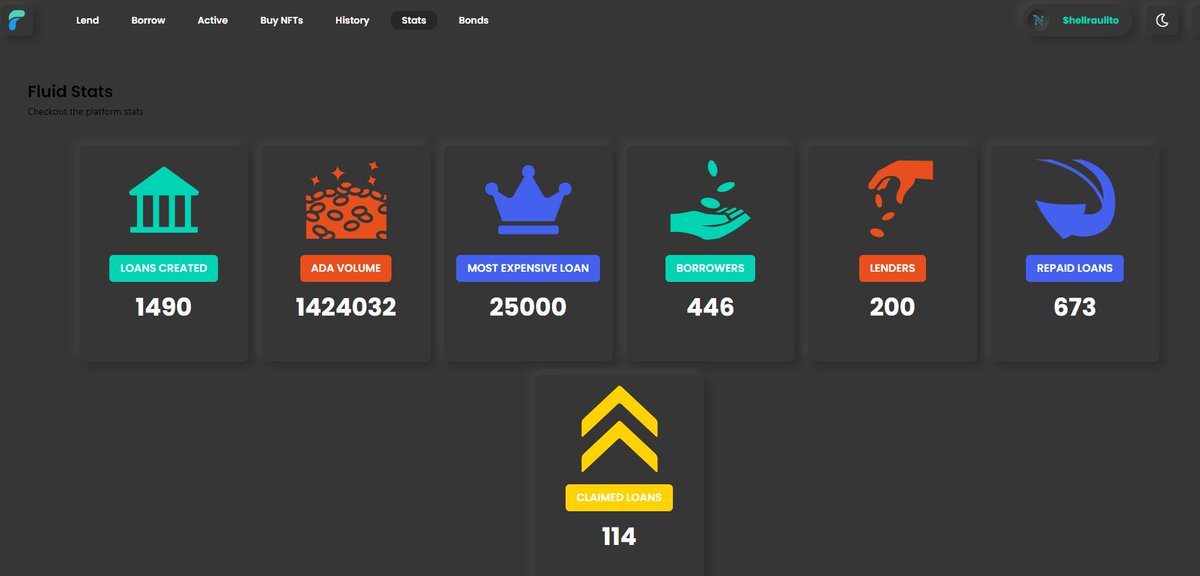
They also provide all the data and stats about their platform, do they want to look better than us because they know some math?
Well as you probably understood I am bullish on @FluidTokens
It was an idea and now it's alive :)
n/n
• • •
Missing some Tweet in this thread? You can try to
force a refresh

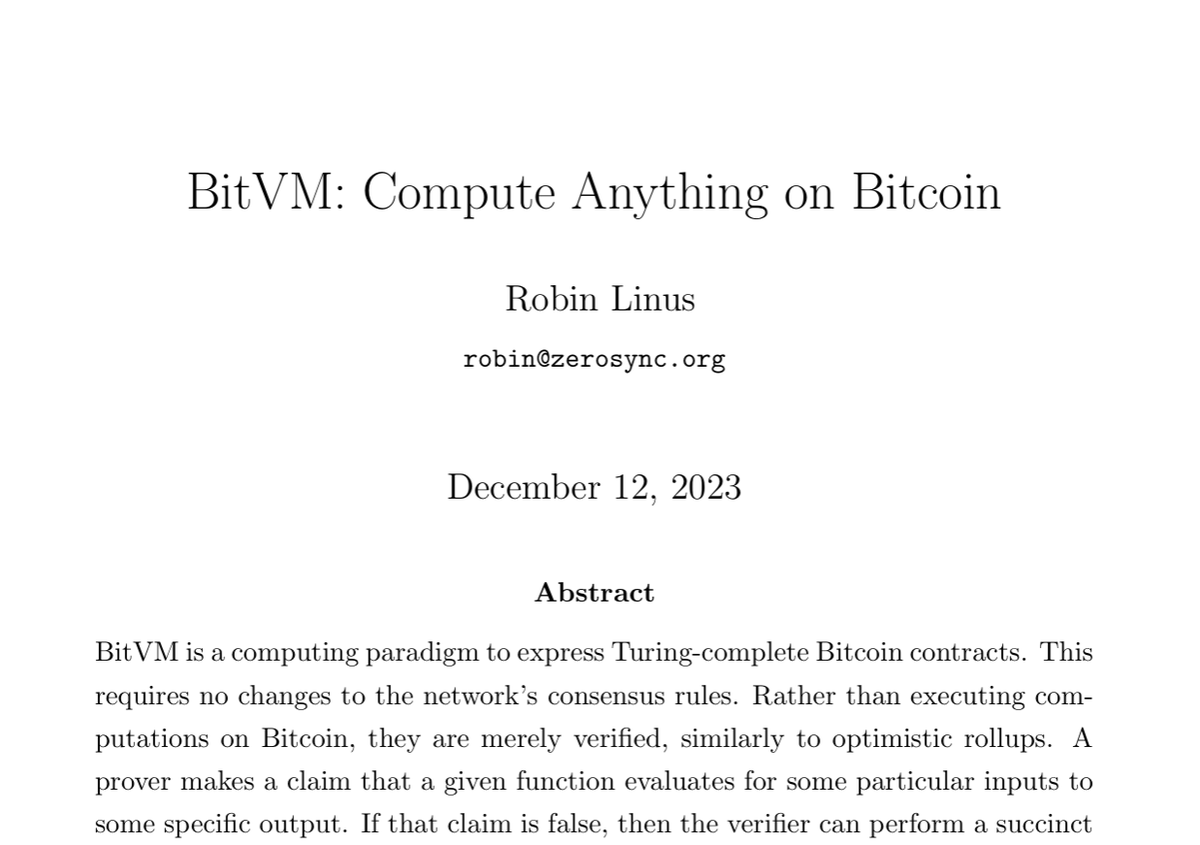
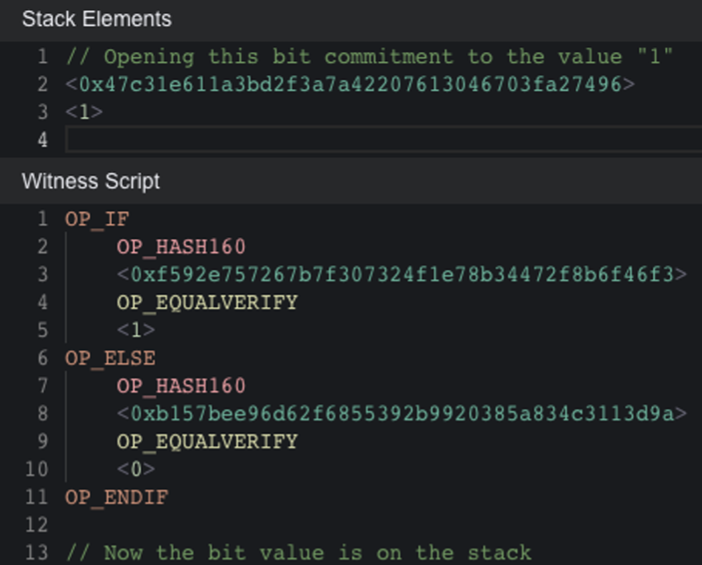
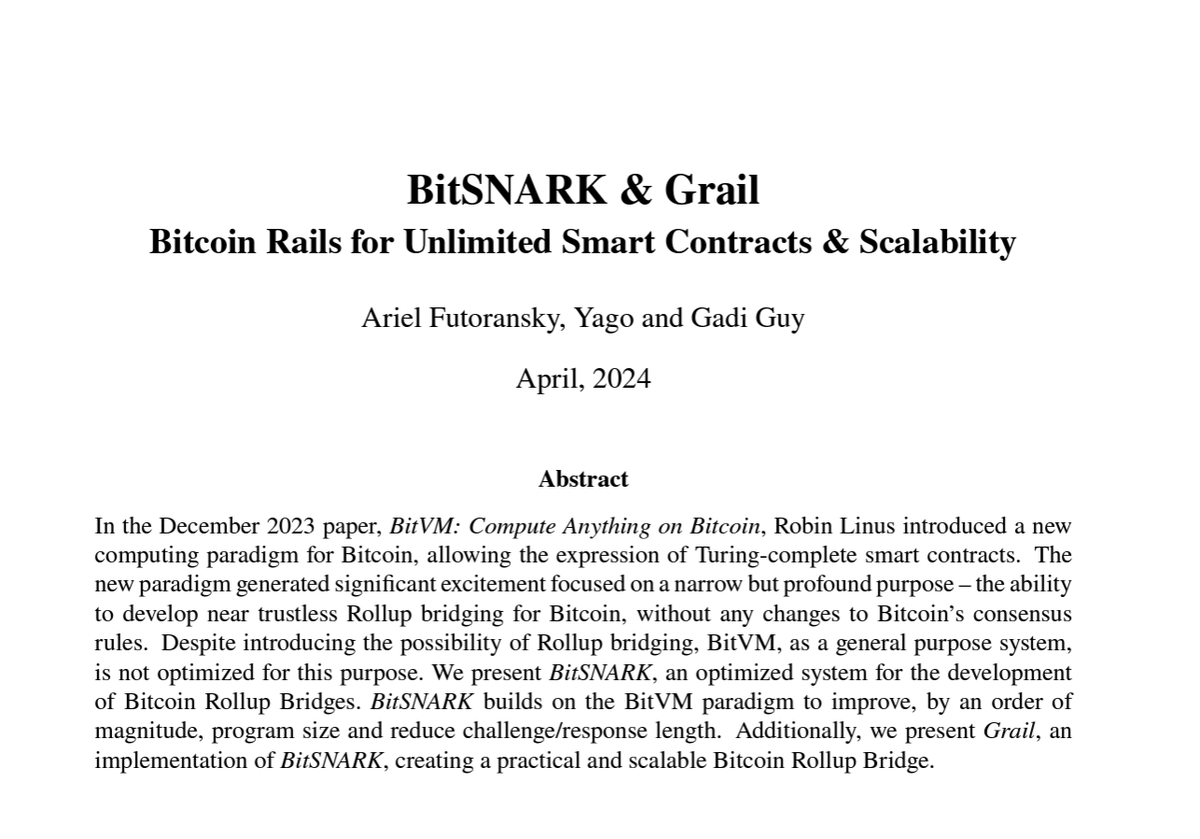
Managed to read all the @BTC_OS whitepaper so you don't have to
Here an optimistic 🧵
Btw I really hope you follow me otherwise don't complain if you miss alphas
👉 @ElRaulito_cnft
Let's start
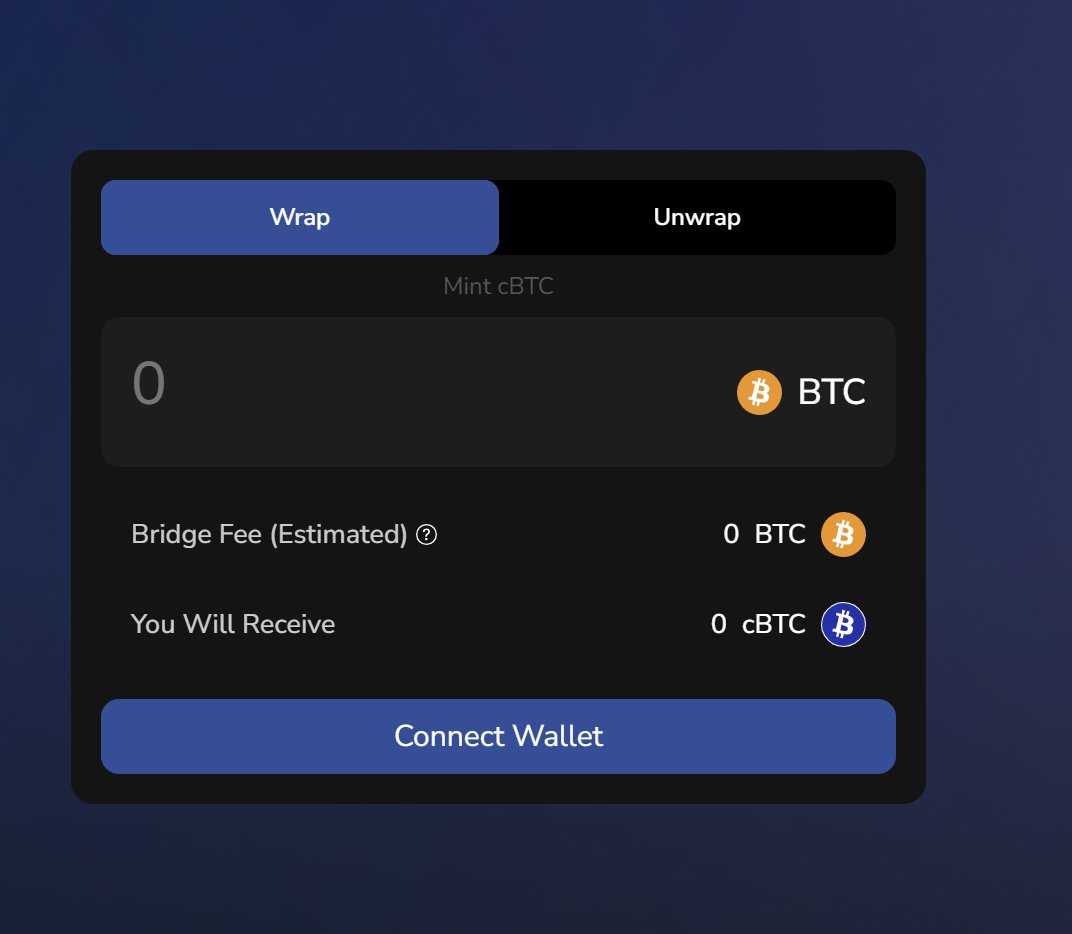
So far we have been used to wrapped bridges
Wrapped bridges lock assets in a multisig address and mint them on the other chain
🟢This approach is very fast
🔴You have a degree of trust involved
And even if trust is not involved you still need the operators to be online to sign your tx and reach the consensus
Let's try a different approach, an optimistic one with zk proofs
"Raul stop using buzzy words, I don't get them"
Ok let's make it simpler
Instead of relying on a multisig bridges were operators need to reach a consensus and agree that the bridging transaction is correct
1⃣ I will send bitcoin to a bitcoin address that unlocks only when I burn the zkBTC on the other side
2⃣ I can mint zkBTC using just the proof that I locked the btc in the right address
3⃣ I don't need operators to get a consensus, they will act only if I am using a fake proof to stop it, this means that I need only 1 legit operator and my briding transaction will work
Let's repeat:
🔹In zk bridges you need only 1 operator that is honest (and ideally 🫵can become an operator)
🔹In multisig bridges you need N operators that are honest where N is the threshold of the multisig
Some assumptions were made, and probably will explain them another day
The level of trust is way lower in this case.
Where is the con side? Usually with zk involved is speed.
However there are many cool strategies to speed up the process.
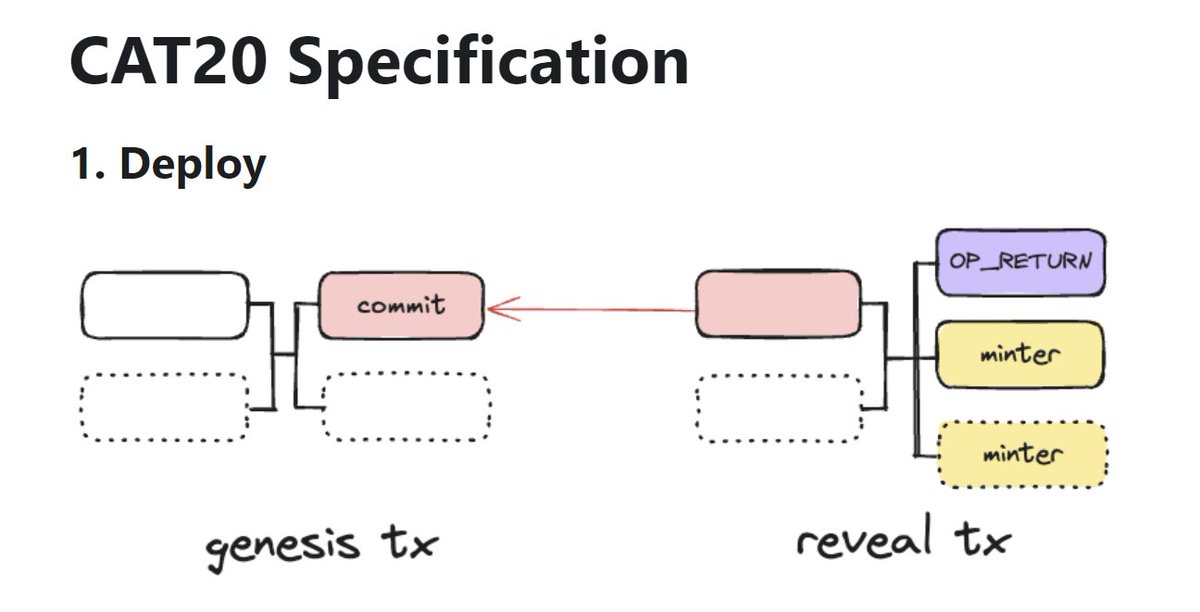
I spent last days reading the specification of CAT20
A new standard to issue tokens on Bitcoin fork Fractal, a chain with OP_CAT enabled (needed to run smart contracts on Bitcoin)
Here you will find all the informations you need to rule over CAT20 👇🧵
1⃣ Is it true that it doesn't require offchain Indexers?
FAKE NEWS
Users need to interact with the utxo of the Covenant (utxo that have conditions to be spent)
This utxo must be tracked somehow, and even if the procedure is not like runes or brc20, it still requires an indexer or a way to track it.
Then why everyone says you don't need indexers?
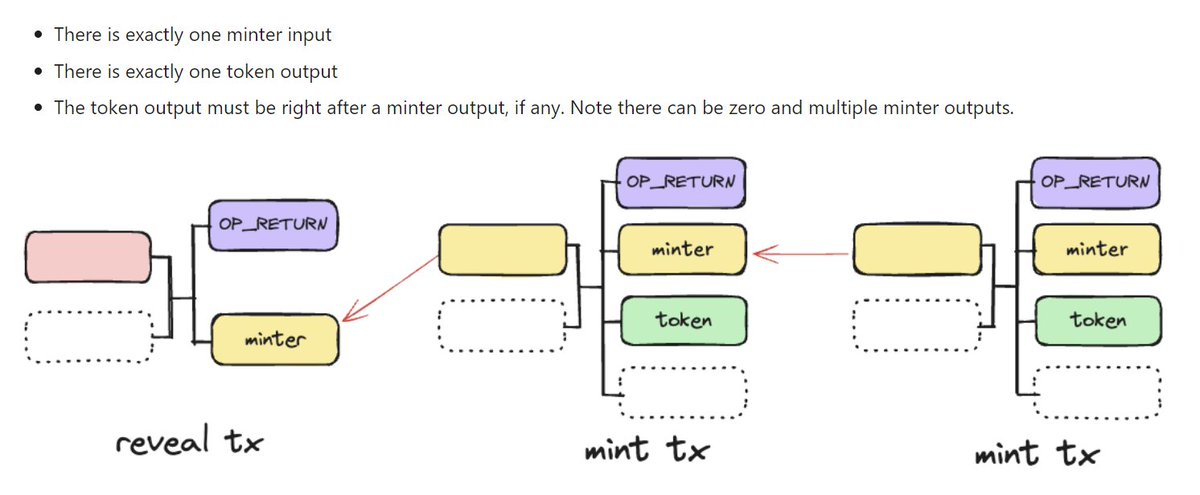
Because the only way to mint/transfer tokens is to interact with the covenant, this means that if the transaction was able to make it on the chain, I have the tokens and can prove it without offchain indexers.
2⃣ Finally utxos can be programmed on Bitcoin
Covenants enforce conditions on the outputs, inputs, state update in order to spend a certain utxo
This can be used to create AMM, instant liquidity loans and much more
Probably the coolest application I have seen on Fractal is how they use recursive coventants :
🔄Basically a covenant that enforce at least one output to go back to the script.
Essentially is how you get a state machine on bitcoin.
The ultimate guide to maximizing your $ADA yield with DeFi
A 🧵
Cardano is a PoS chain, therefore you earn rewards just by holding the network token: $ADA
Current APR is 2.8% and the only thing you need to do is
🔹Pick a stake pool
🔹Delegate your ADA
🔹 Claim your rewards every epoch (5 days period)
No lockup, no slashing.
Clean PoS.
However DeFi is a thing on Cardano, and you can decide to fade it or make your $ADA grow even more.
In this 🧵we'll check the best opportunities that have zero financial risks.
Make sure to follow @ElRaulito_cnft if you care about your bags.
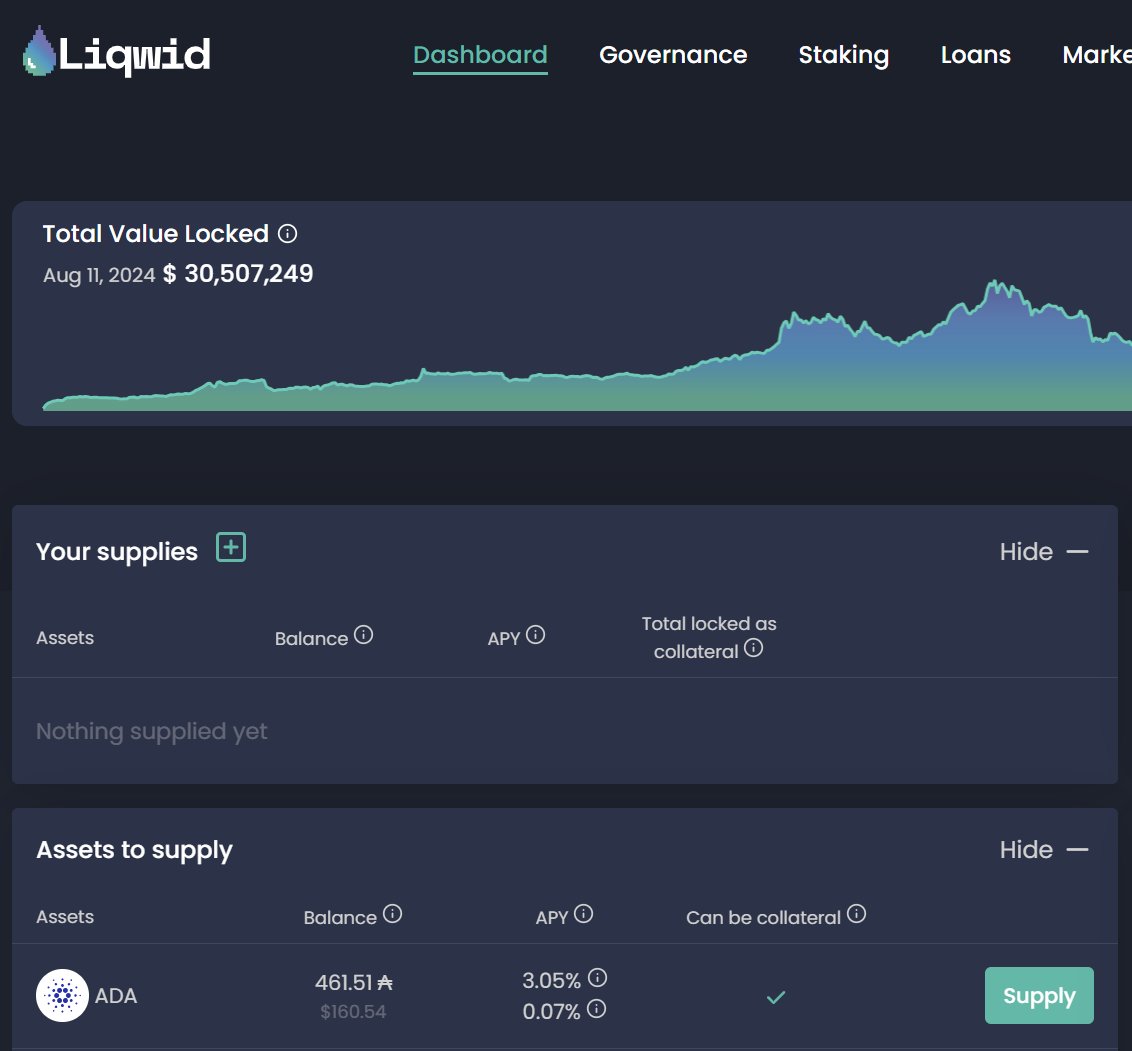
1⃣ Supply $ADA on Liqwid
3% APR + 5% LQ rewards
Liqwid is a pooled lending protocol. Providing liquidity earns you an APR on the tokens supplied, plus additional rewards in $LQ, the protocol's native token.
🔹 Supply $ADA
🔹 Claim $LQ rewards every 7 days
🔹 Withdraw your $ADA anytime (you'll receive your initial provision plus the rewards in $ADA)
Smart contracts inherently carry some risk compared to native staking. However, the protocol has a solid track record and is designed to always allow users to withdraw their supplied liquidity.