Thinking about the time a friend of mine bought a giant, vintage sweater for like $10, threw it into the wash, and then it fit perfectly. Knowing stuff like this can make you a better thrifter.
if you do this, understand it's not an exact science, and you will ruin more sweaters than you save. But if you want to try:
1. If you only need the sweater to shrink a little, then spray it down with a water bottle and put it in the dryer. Check on it every 3 to 5 minutes.
2. If you need a sweater to shrink a lot, throw it in the washing machine under a hot water cycle. When it’s done, take it out and shape it to the size you want. It should dry to the size you need.
Sweaters felt when hit with a direct stream, although some more than others.
To minimize felting, try putting the sweater in a pillowcase or mesh laundry wash bag. This should help prevent the sweater from beating against the side of your washing machine’s drum.
You may also get away with just hot soaking your sweater.
To do so, submerge your knit in a bathtub or bucket full of hot water. Leave it in for ~30 mins and keep putting hot water throughout the process to keep the temperature up. This should shrink the sweater without needing to agitate it (which is what causes the felting).
Note, this is for big size changes (like two sizes). Small changes can be made using a process called "blocking." There are a ton of tutorials on Youtube if you search for "sweater blocking."
• • •
Missing some Tweet in this thread? You can try to
force a refresh

disorientating to see fast fashion debate nowadays. in the 90s, it was obvs to the point of cliche for progressives to stand w garment & farm workers, and they connected those struggles to free trade and the cheapening of clothes & strawberries. now buying cheap is progressive
also, lots of "i dont think you should shame consumers." 1990s progressives loved nothing more than to shame consumers!! annoying punks, socialists, and Christian radicals who were all about DIY and repurposing vintage.
the anti-fast fashion movement is not any diff from historical pro-labor struggles, which encouraged consumers to boycott unethical goods. take the 1960s and 70s UFW boycotts on lettuce and grapes for example. and food is more essential than trendy clothes!
there's an online obsession w buying clothes at a price close to manufacturing cost. so if it costs $45 to make something, then ppl think $46 is the fairest price bc they only see the material product. direct to consumer (DTC) brands market themselves on this logic
i hate how all these brands present a wardrobe as a problem to be solved. it's like an optimization problem where you tick off the wardrobe box in your life, and you're done. the clothes always look so sterile and generic. the selling point is purely about min/max price/value
from early 1900s to ~1980s, brooks brothers had something called the "CU customer." this was a customer who came in and asked to "CU" (see you), which is to say, you came in and asked to see your sales associate (SA). this SA worked with you over the course of your life
in the last 7 years, the online convo around menswear has radically shifted from blogs to Instagram. I feel the vacuum left behind by blogs has made a real impact. 15 years ago, menswear blogs pushed the message "buy less, buy better." they taught ppl how to spot quality
there were also a ton of blogs that focused on how to put together an outfit. lots of images ranging from classic tailoring to workwear gave people a mental library of what went with what. things revolved around themes (e.g., the "Italian tailored look" or "Ivy style")
this media landscape started to die out around 2015, shortly after the rana plaza collapse (which also helped people understand the material impact of cheap clothing production on garment workers abroad). ppl grew tired of the lecture-heavy discussions and factory visits
some ppl have asked how to identify ethical brands. i struggle with this bc i feel like it comes down to the people behind the brand—how committed they personally are to fair labor, and not just using it as a marketing gimmick. hard to know this w/o personally knowing the ppl
i will give an example: country of origin labels only tell part of the story of ethical labor. protections are stronger in some countries than others, but abuses happen everywhere. when a label says "made in US" or "made in Italy," you assume it's better than Chinese-made goods
not only do labor abuses happen in Italy and the US, but *the label itself* may not be accurate. the MAGA clothing line Lions Not Sheep was fined for slapping MiUSA tags on foreign-made tees. ppl laughed at the owner bc he said this practice is common in his industry
I think Americans have an unreasonable expectation of what needs to be in a closet, partly because US homes have a lot of closet space. In Paris, closets are smaller because homes are smaller and were built a long time ago. Yet, Parisians are extremely stylish.
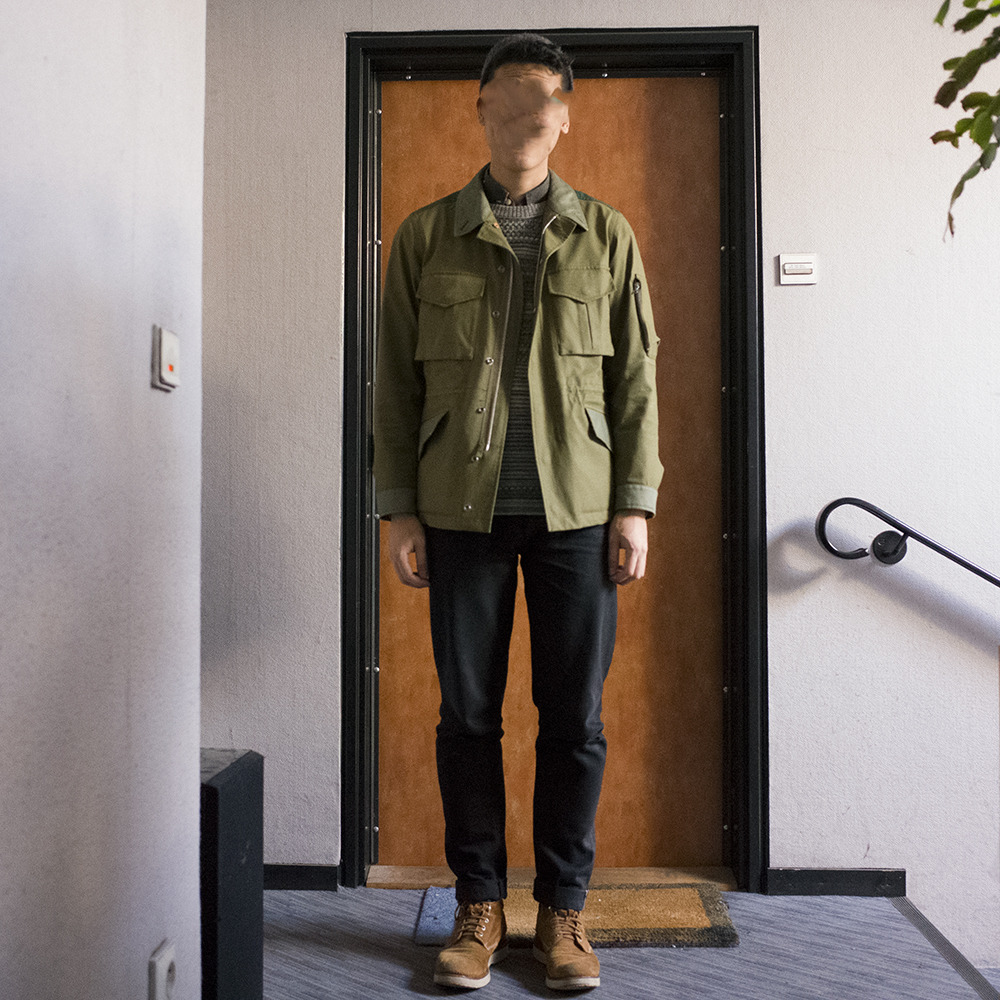
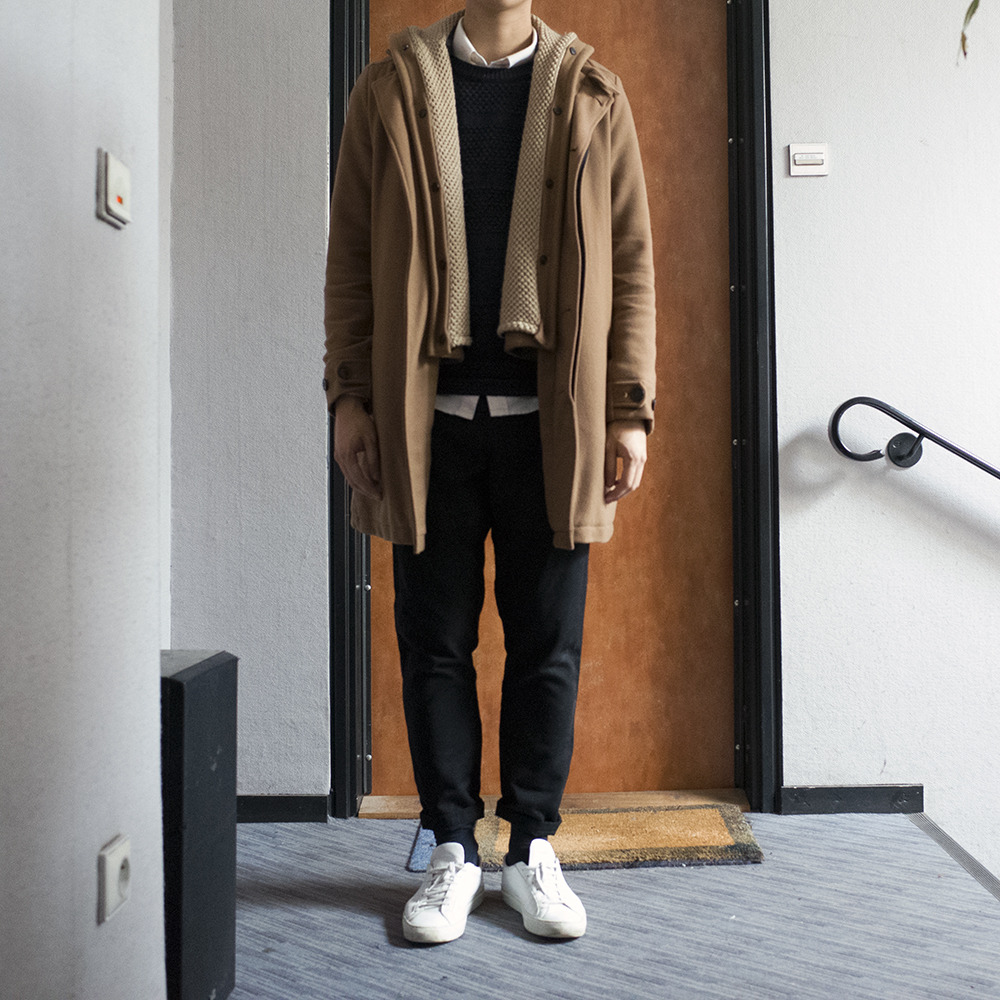
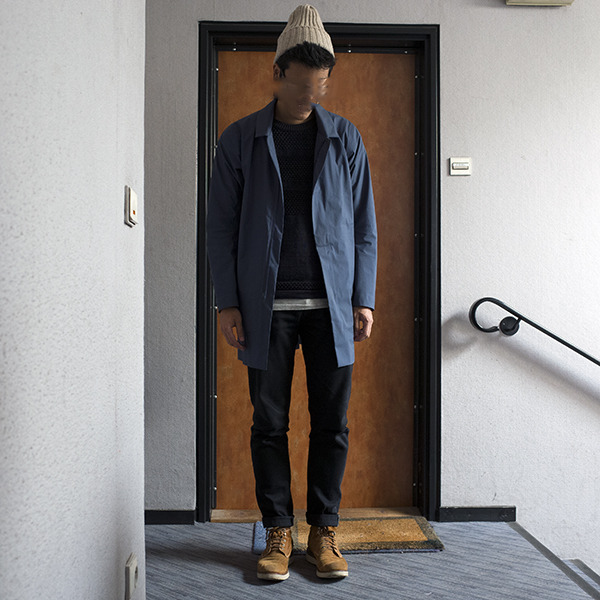
About ten years ago, I interviewed a young Parisian named Brian. He had two pairs of jeans, one pair of black trousers, two sweaters, a small stack of shirts, two pairs of boots, one pair of sneakers, and a few coats. Everything mixed and matched.
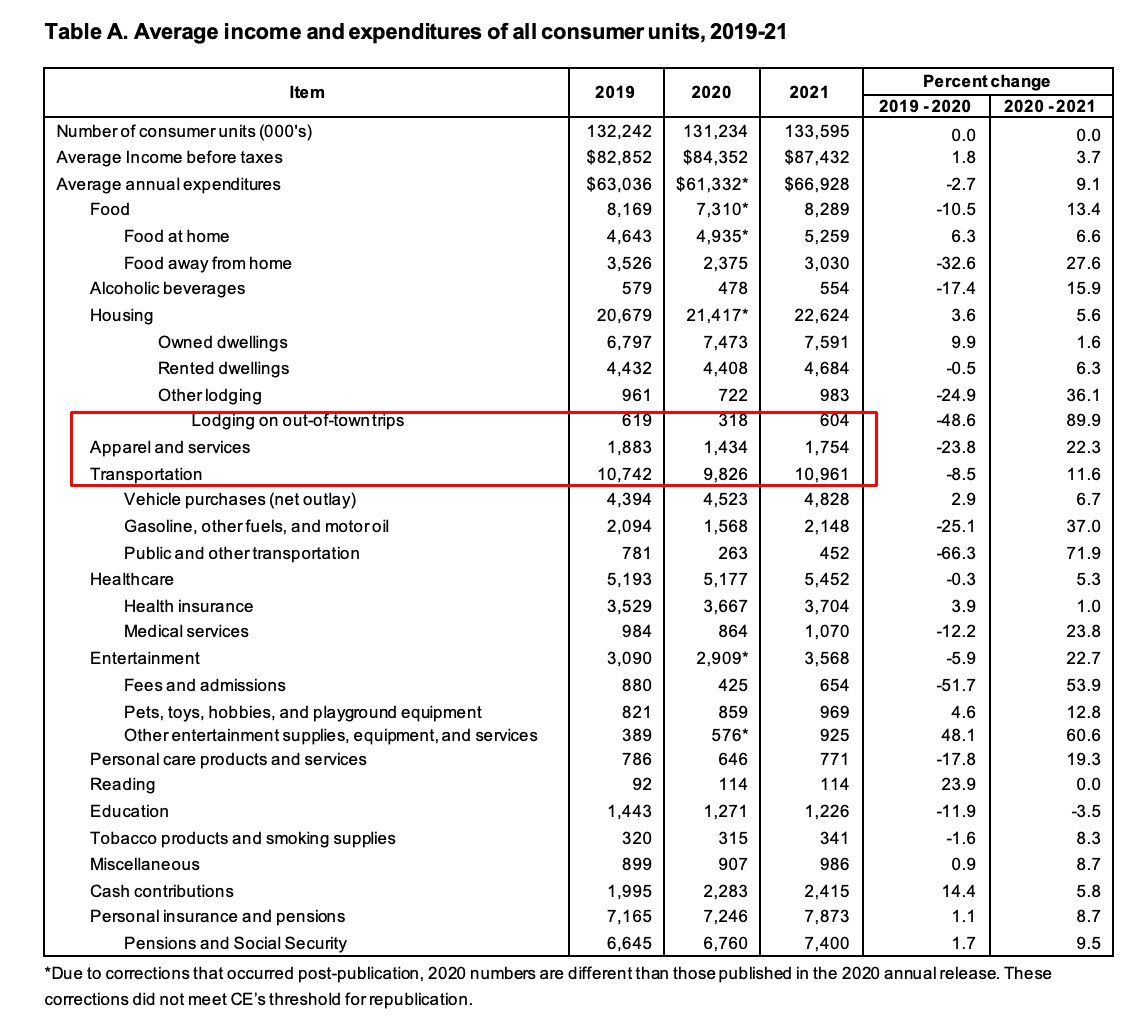
According to the US Bureau of Labor Statistics, the average US household spends $1,500/year on clothes. Given the average household is 2.5 ppl, this is about $600/person. People have replied, "this is stupid, if we don't shop fast fashion, this is just 2 shirts and 2 pants"
I said earlier that the wide availability of cheap clothing has made people lose touch with the cost of making clothes given fair wages. So let's talk about how much a button-up shirt should cost. 🧵
If you make shirts in the US, you will pay about $35 for a shirt. This is what the industry calls the cut, make, trim price (CMT), which is the cost of cutting, making, and adding trims. It does not include the cost of cloth.
The cost of fabric will depend on what you're buying. Chinese-made shirt fabric will cost you about $3 or $4 per yard. Portuguese fabric will cost about $5/6 yard. Turkish fabric is $8/9. Italian can be higher.