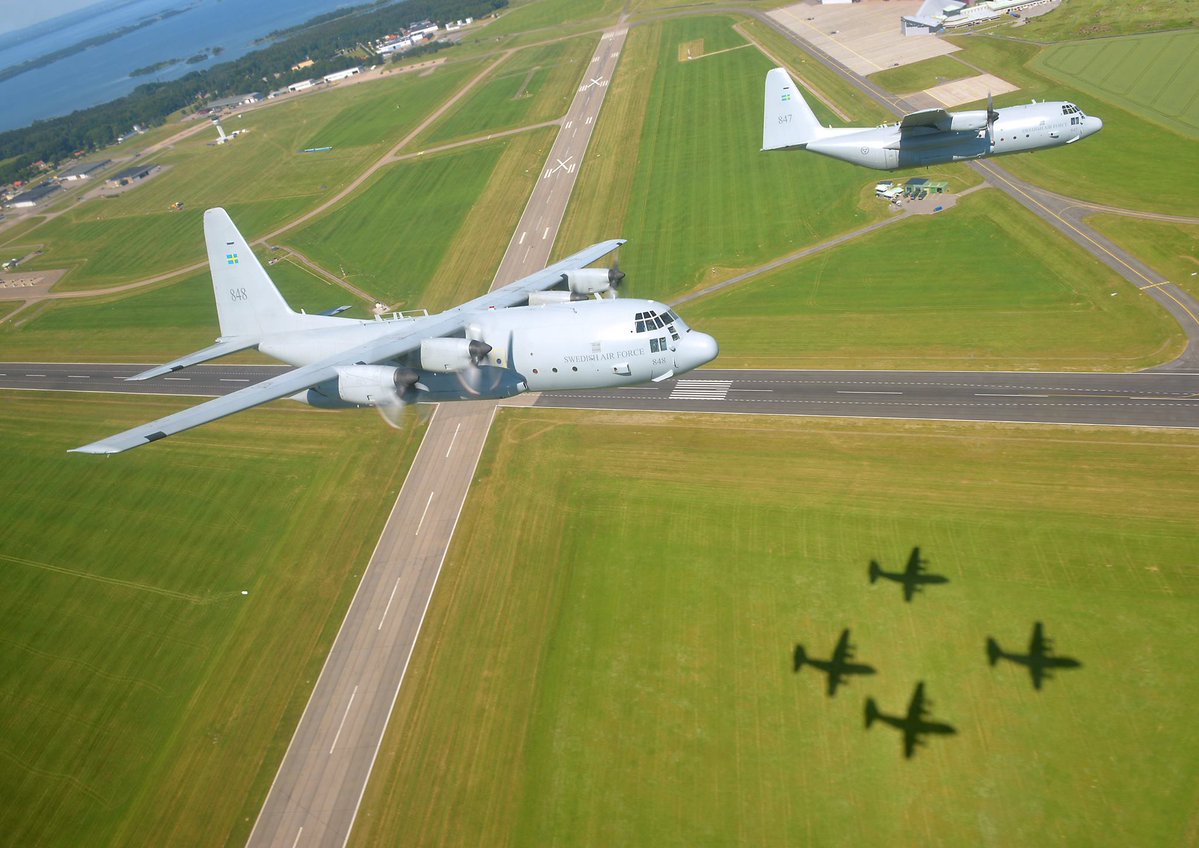
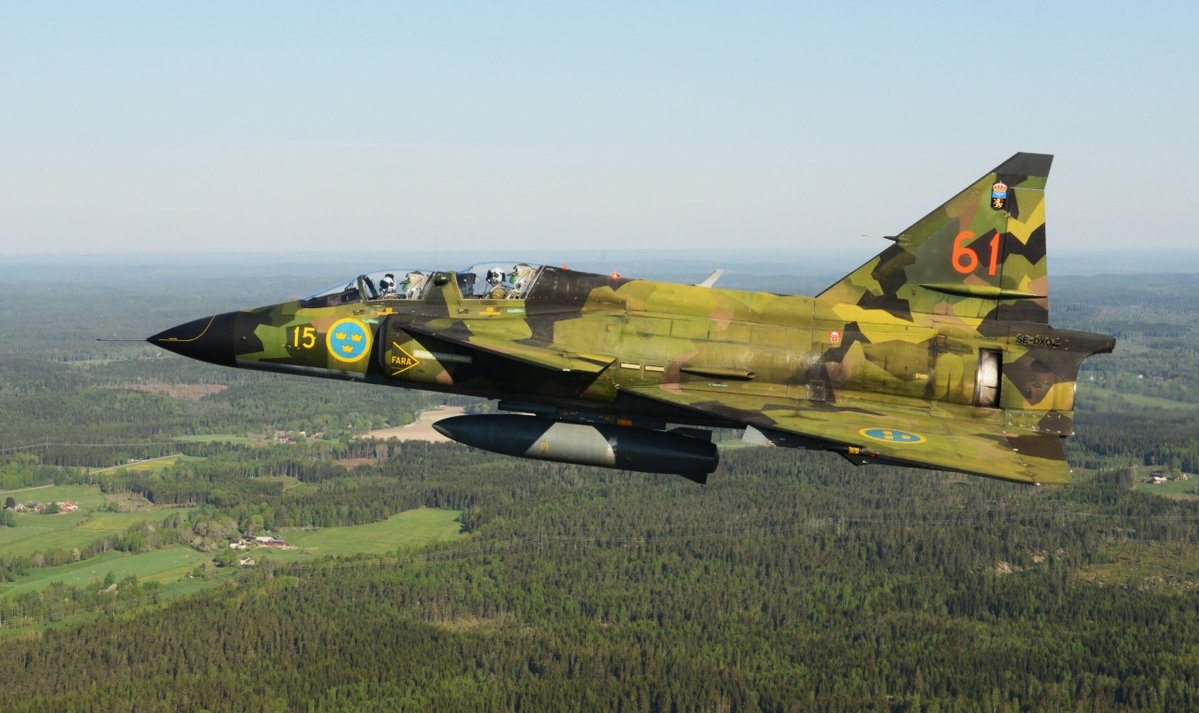
Earlier I posted a thread about how Abrams, Leopard & Challenger, and Bradley, Marder & CV90 combine with infantry and armored support vehicles during an combined arms attack.
As people asked about the supporting & sustainment elements of a combined arms attack I will do now
1/25
As people asked about the supporting & sustainment elements of a combined arms attack I will do now
1/25

a thread about these.
Please read my earlier thread before continuing with this one. Here I will give you a very rough overview of the elements an armored brigade or division staff has to plan, prepare and execute for a successful armored attack.
2/n
Please read my earlier thread before continuing with this one. Here I will give you a very rough overview of the elements an armored brigade or division staff has to plan, prepare and execute for a successful armored attack.
2/n
https://twitter.com/noclador/status/1619058078158319618
Reconnaissance: commanders need to know where the enemy is, where he has concentrated his forces, where he moves to or retreats.
Ground & air assets of a brigade's recon battalion reconnoiter ahead of the armored spearhead. Nowadays drones are the most used recon asset, but
3/n
Ground & air assets of a brigade's recon battalion reconnoiter ahead of the armored spearhead. Nowadays drones are the most used recon asset, but
3/n

before the ubiquitousness of drones helicopter recon and reconnaissance planes like the RF-4E Phantom were a key aerial recon elements.
Ground recon comes in many forms: from long-range reconnaissance patrols to armored reconnaissance with tanks. What kind of recon is chosen
4/n
Ground recon comes in many forms: from long-range reconnaissance patrols to armored reconnaissance with tanks. What kind of recon is chosen
4/n
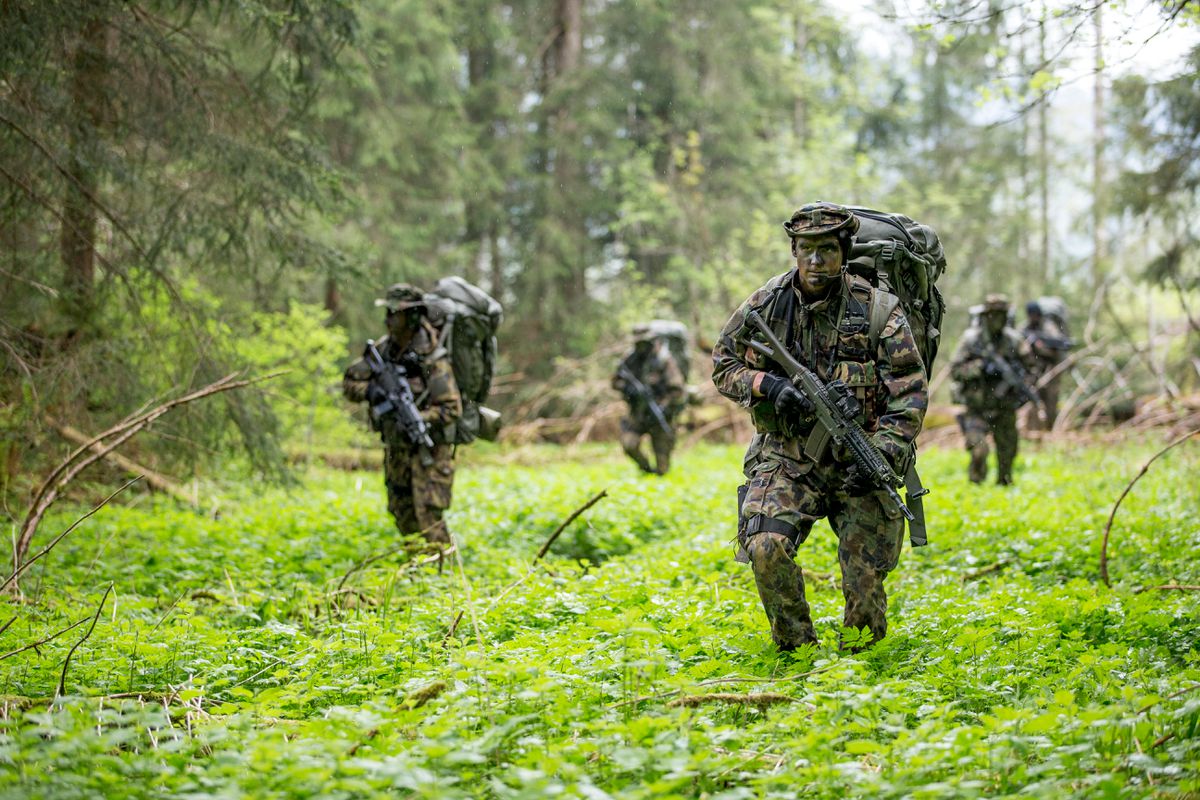

depends on terrain and enemy, and if you scout or probe: the former observes the enemy, but doesn't engage him, while the latter engages him and gains intelligence from his reaction.
To scout you use easy to disguise, small armored cars like the Dutch/German Fennek,
5/n
To scout you use easy to disguise, small armored cars like the Dutch/German Fennek,
5/n
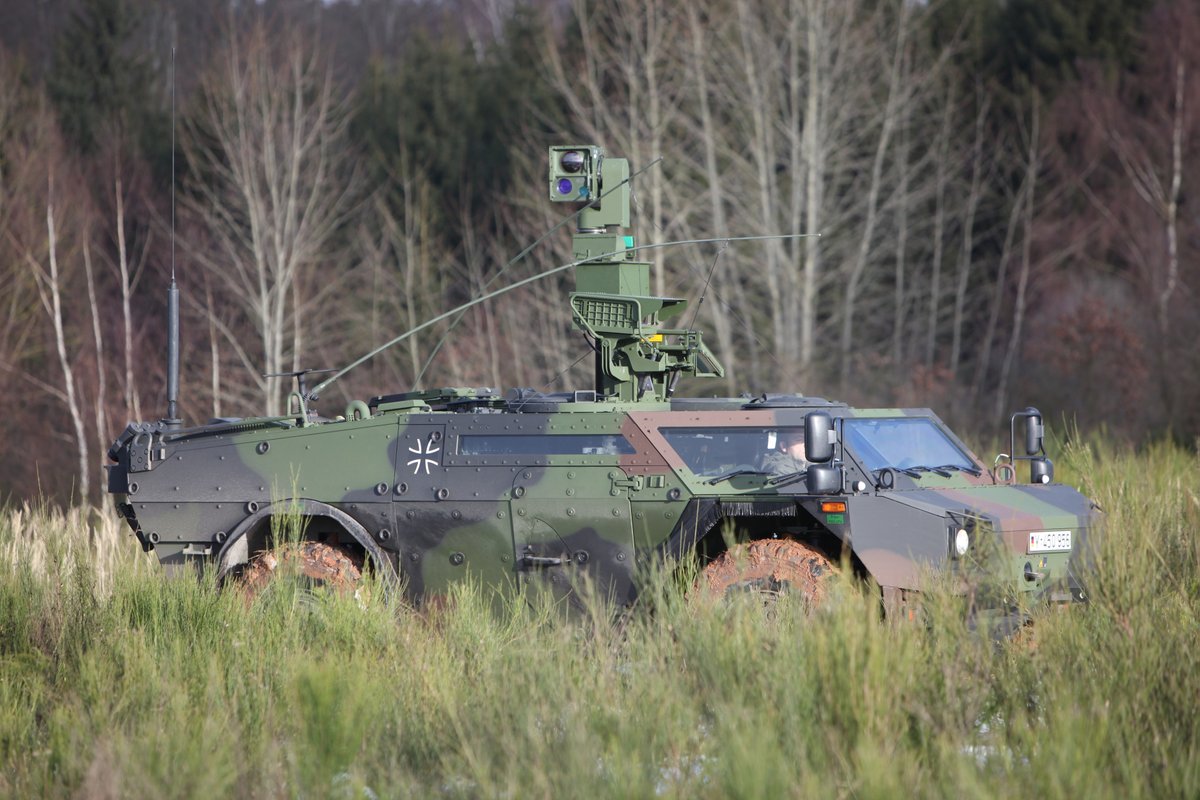
to probe you attack with something with more firepower: i.e. Italian Army Centauro Tank Destroyers, French Army AMX-10 RC, or US Army M3A3 Bradley Cavalry Fighting Vehicles, or British Army Ajax Scout Vehicles.
But there are also vehicles that combine scouting and probing,
6/n
But there are also vehicles that combine scouting and probing,
6/n
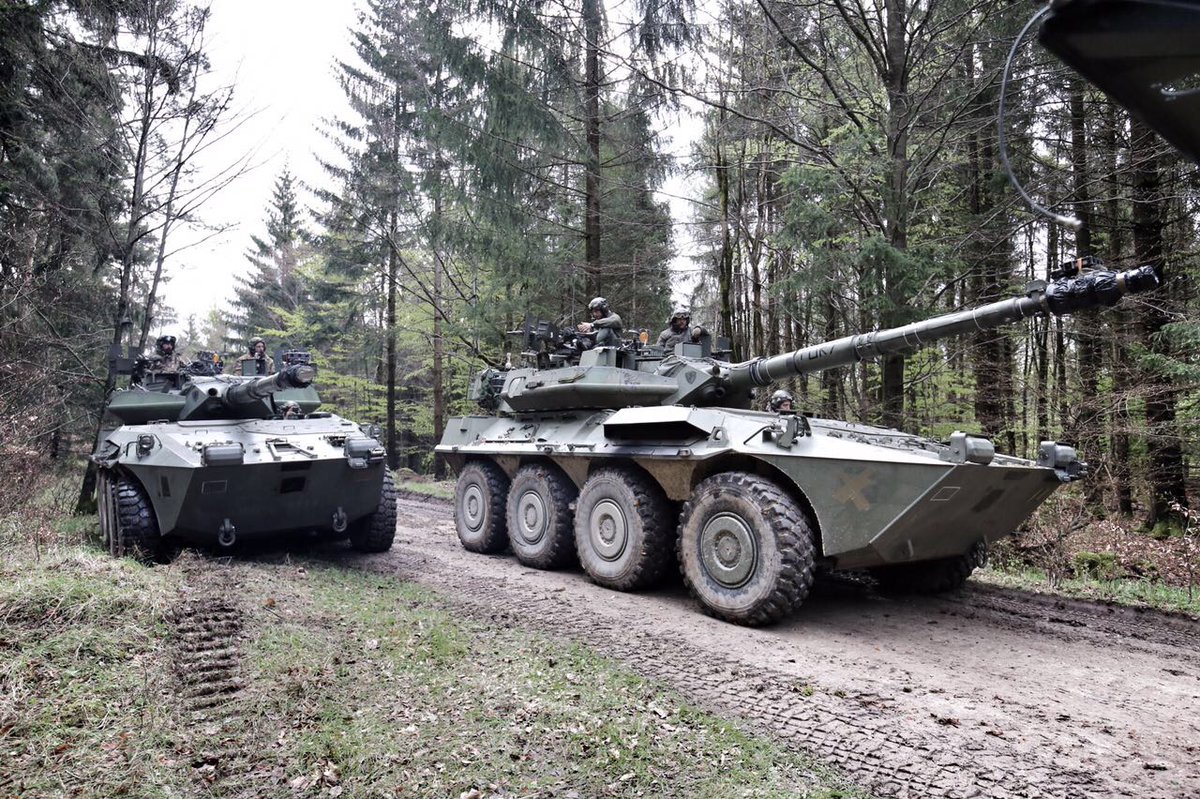
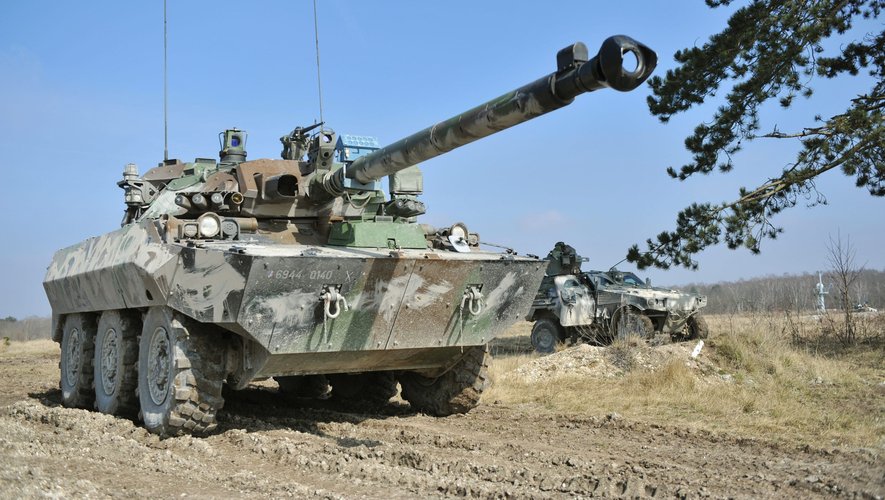
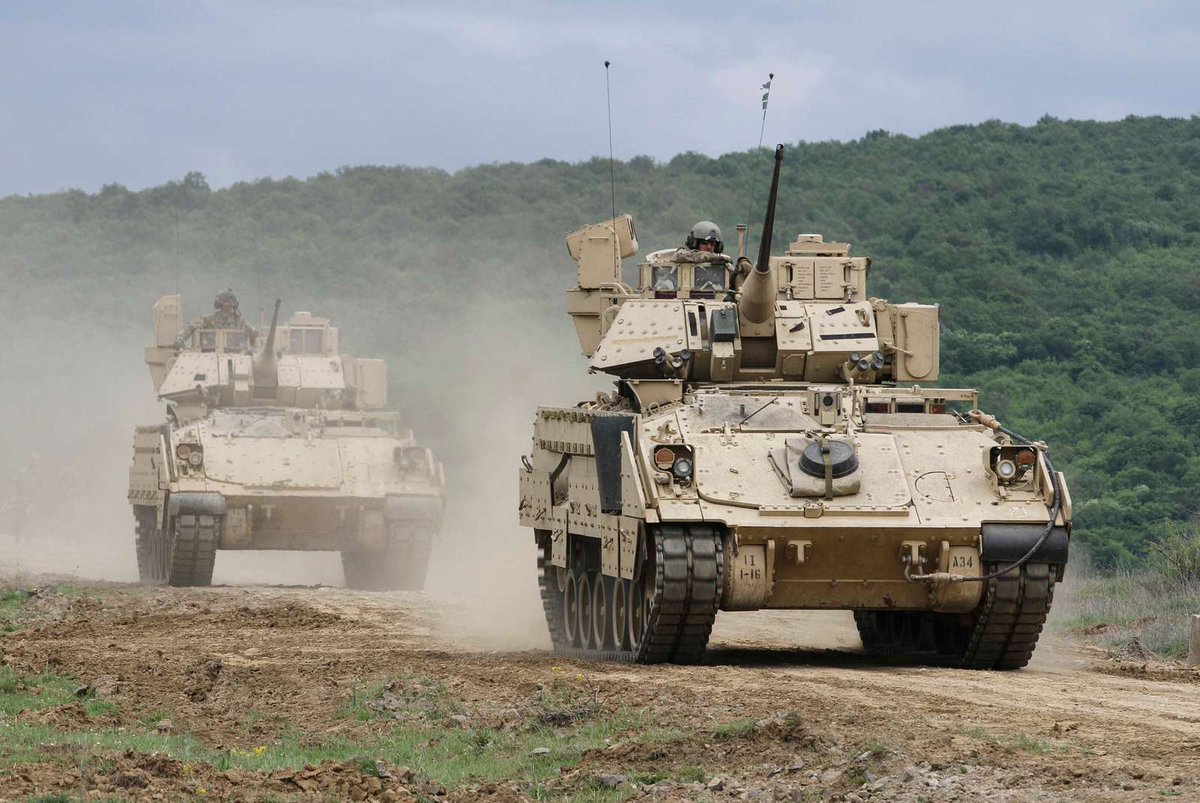
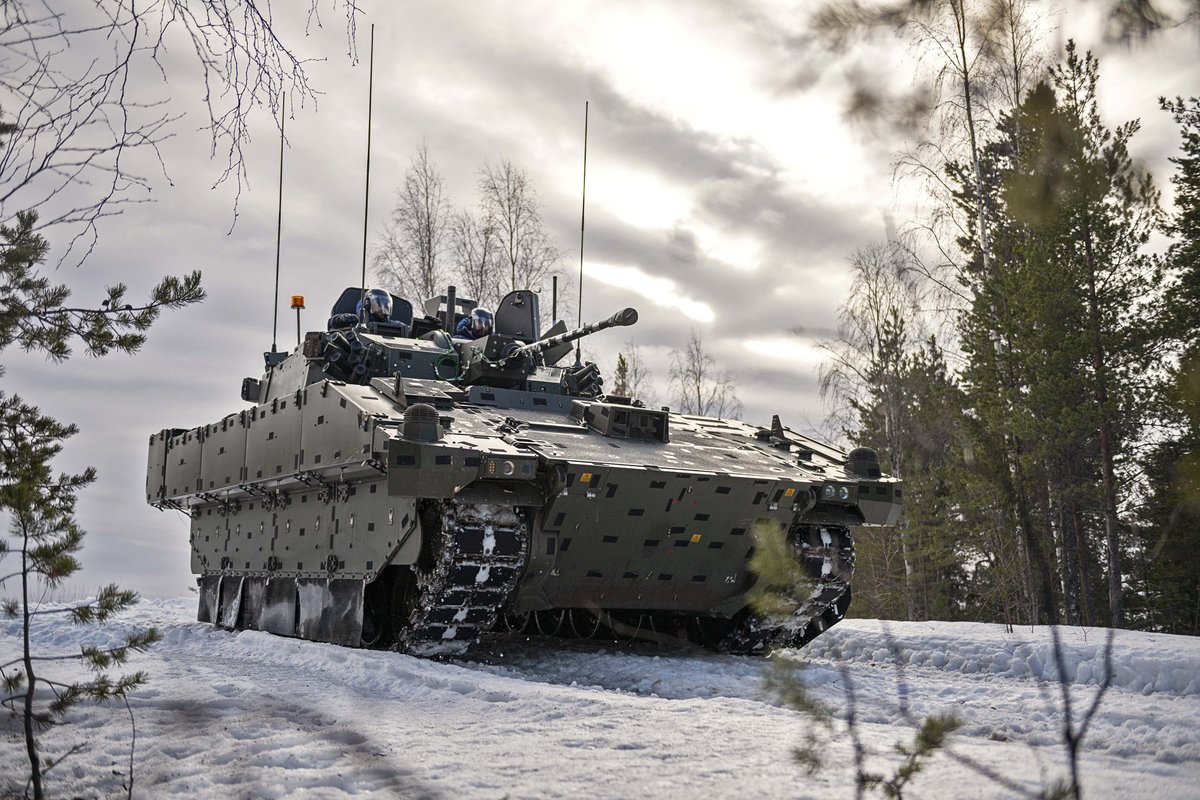
like the French EBRC Jaguar, which is an armored car with a 40mm autocannon and Akeron MMPs, or the Norwegian CV90 Mk IIIb Recce, which is an IFV with added reconnaissance capabilities.
In the coverless Steppe of Southern Ukraine armored reconnaissance & drones will be used;
7/n
In the coverless Steppe of Southern Ukraine armored reconnaissance & drones will be used;
7/n
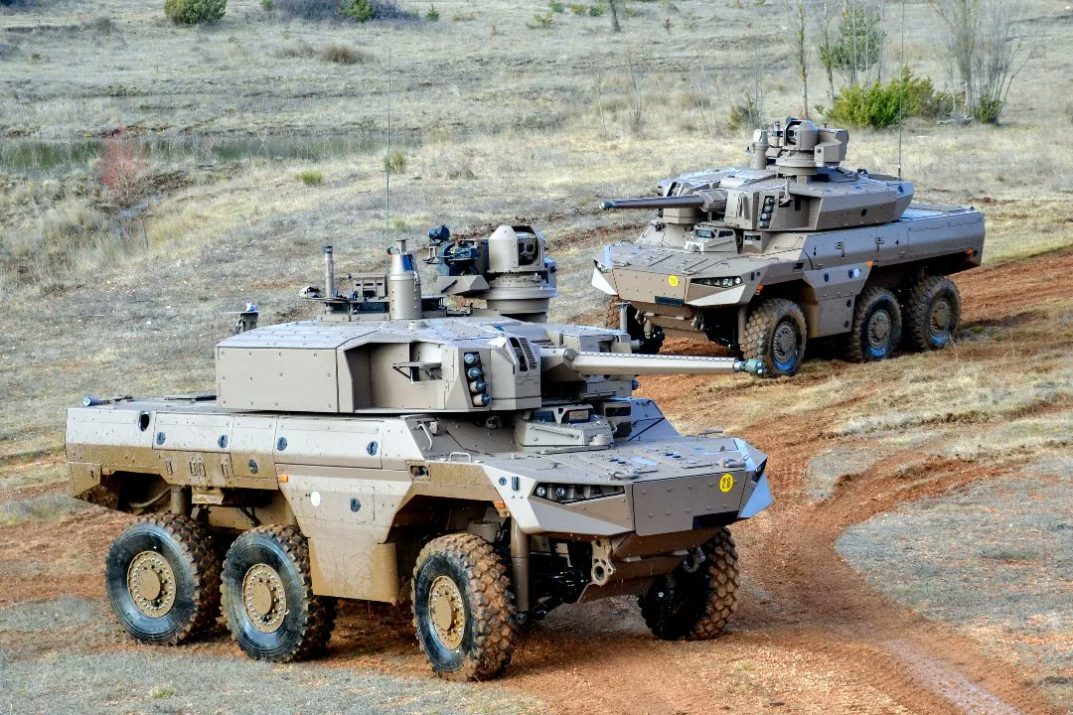
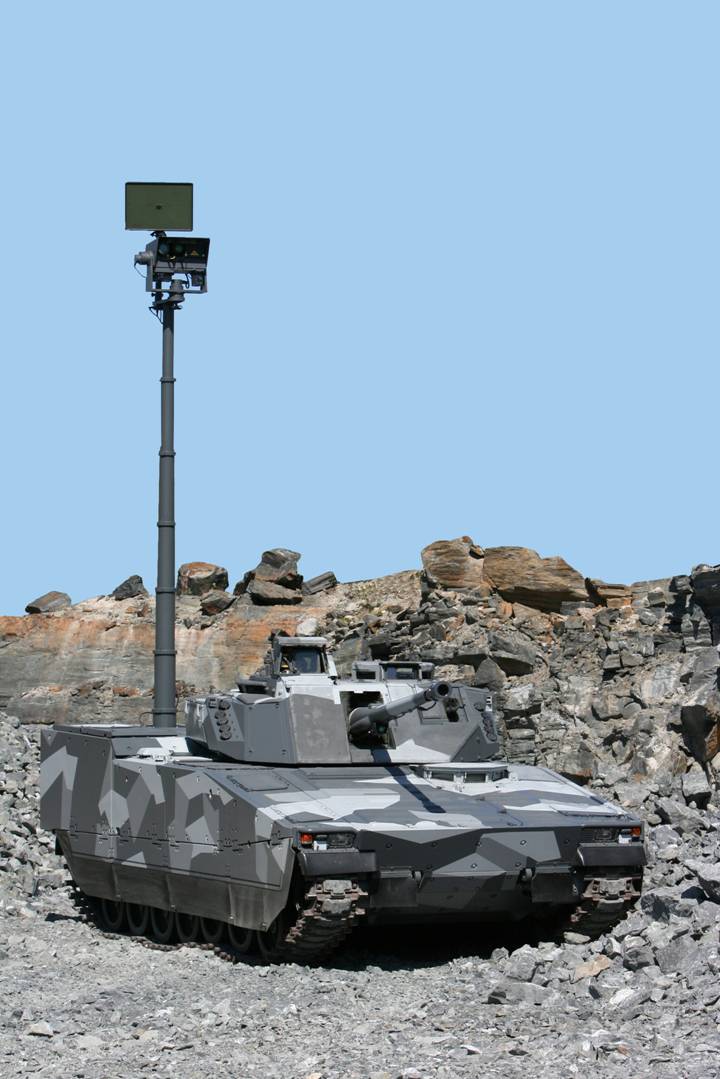
in wooded northern Luhansk scouting & drones will be used.
Once the enemy's location and composition is clear you want to hit him with artillery, for which you have Forward Artillery Observation Vehicles, like the Swedish Epbv 90 or the M7 Bradley Fire Support Vehicle.
8/n
Once the enemy's location and composition is clear you want to hit him with artillery, for which you have Forward Artillery Observation Vehicles, like the Swedish Epbv 90 or the M7 Bradley Fire Support Vehicle.
8/n
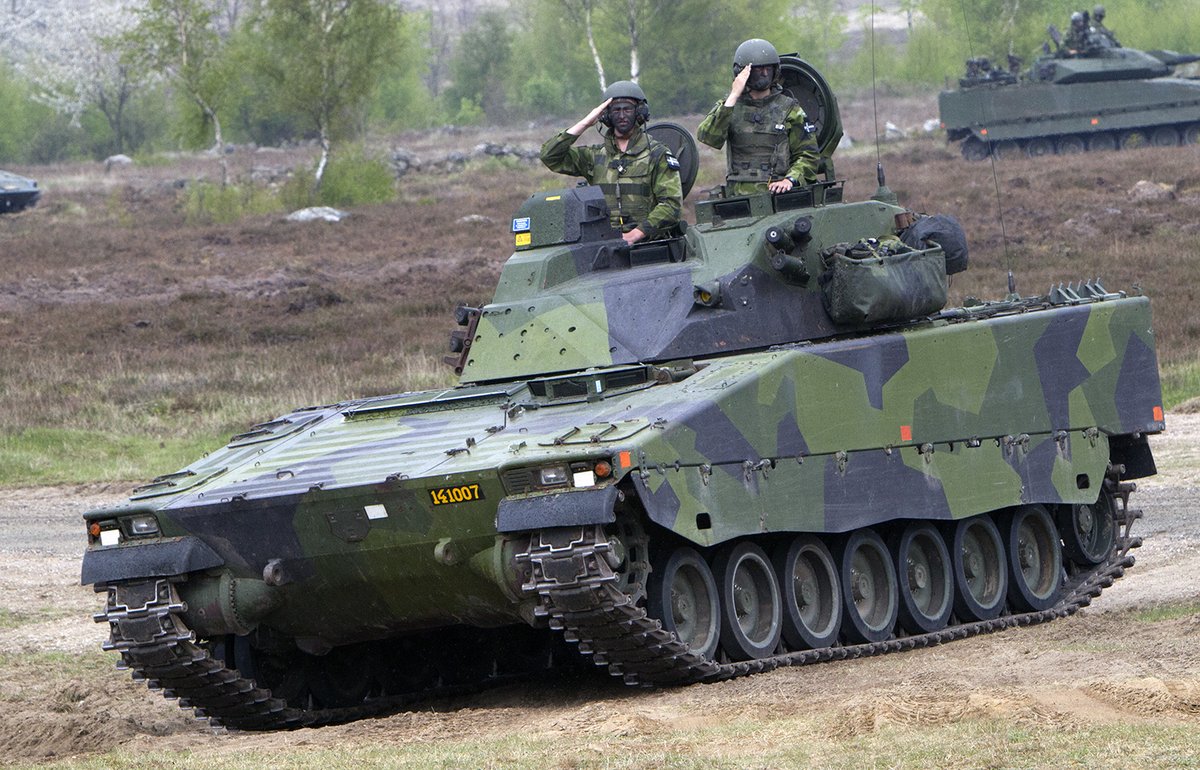
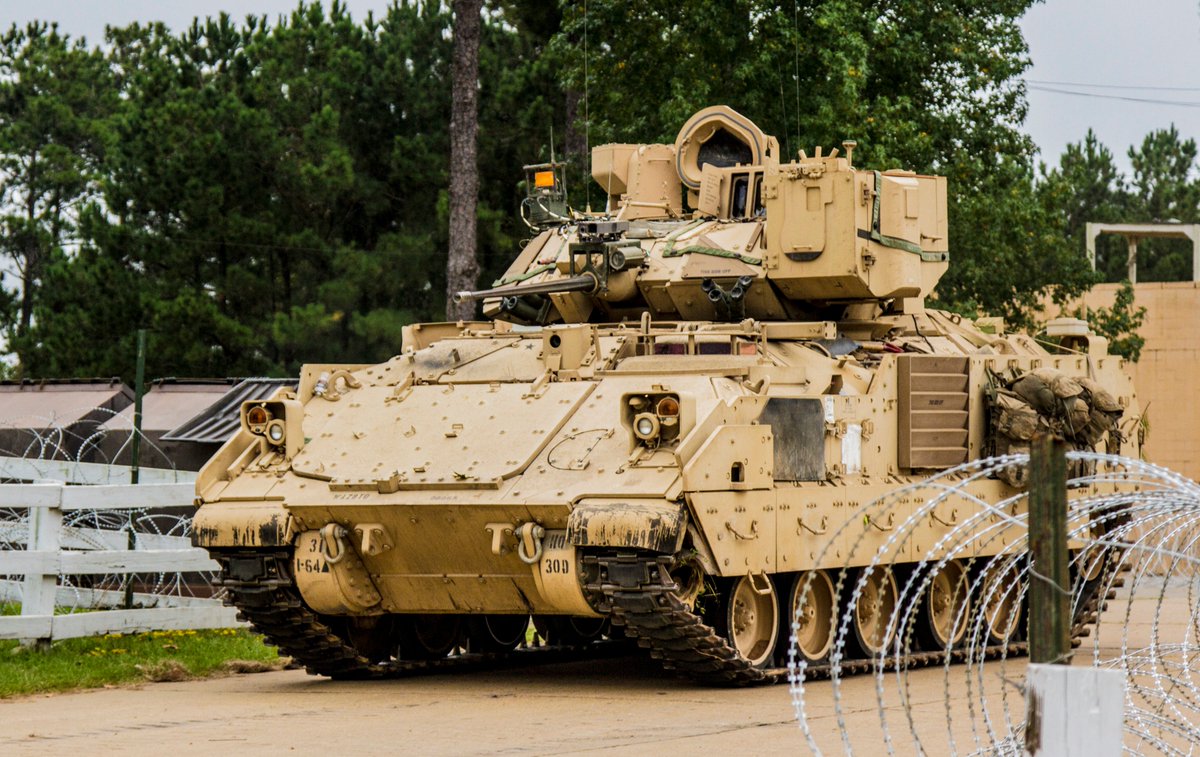
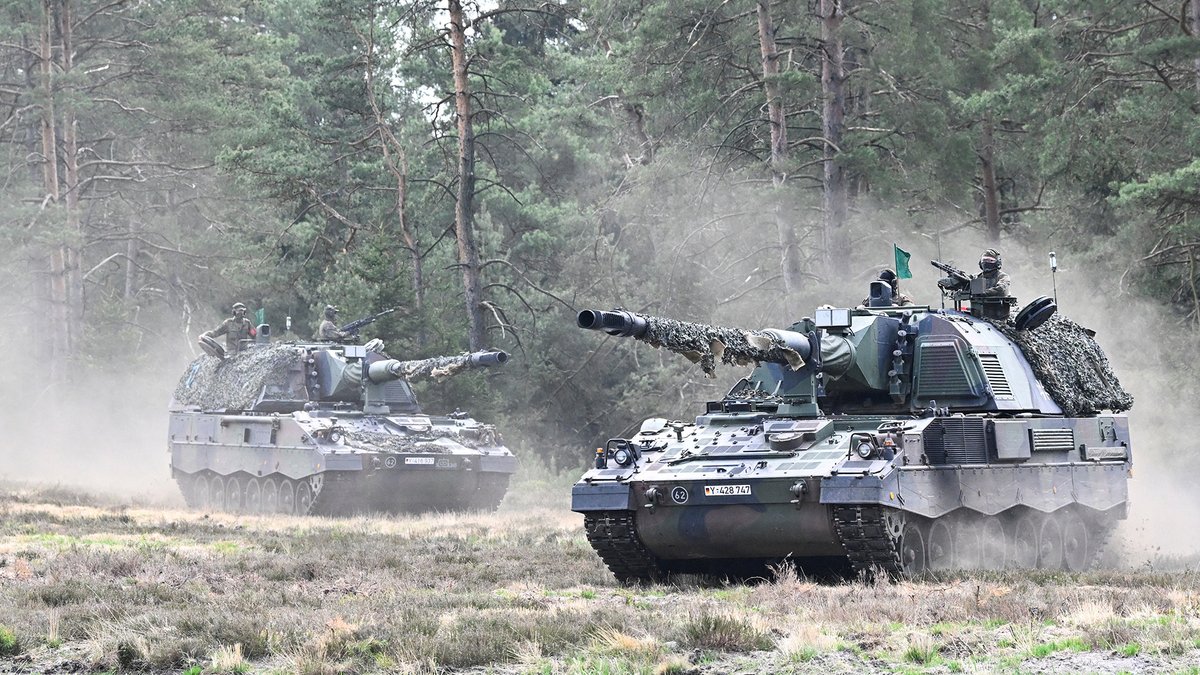
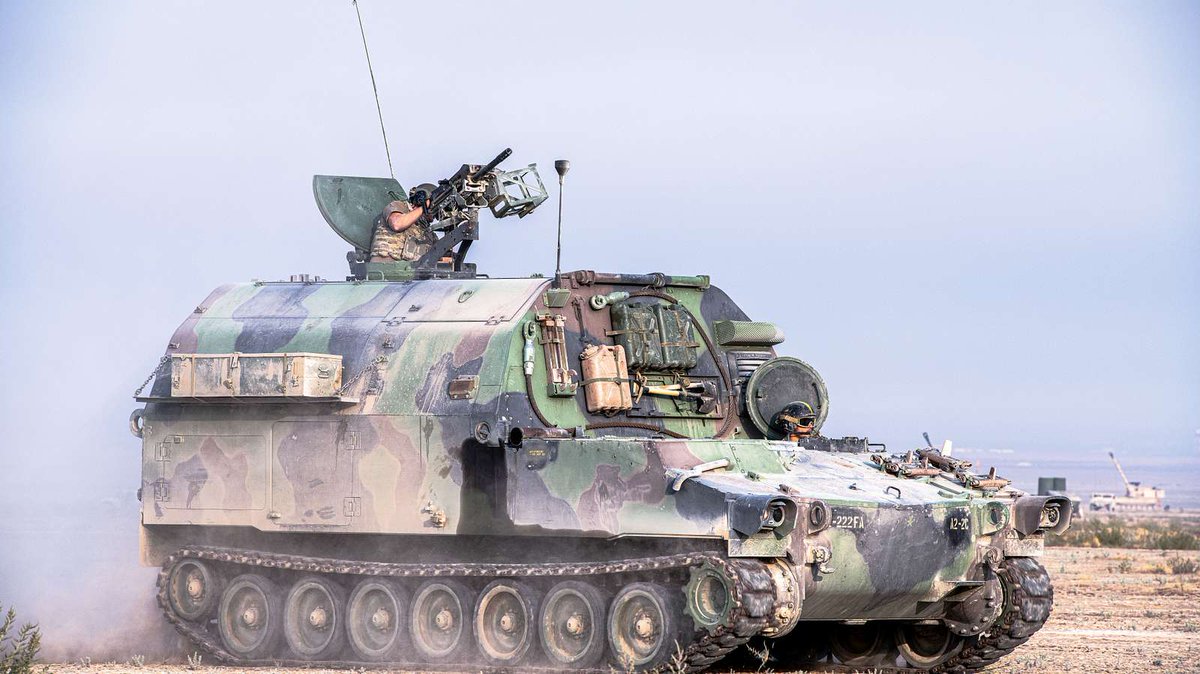
These vehicles will direct artillery and mortar fire onto the enemy positions; and you have to have self-propelled artillery, because your howitzers must be able to keep up with your attack formations and they must be able to start firing quickly once the enemy is discovered.
9/n
9/n
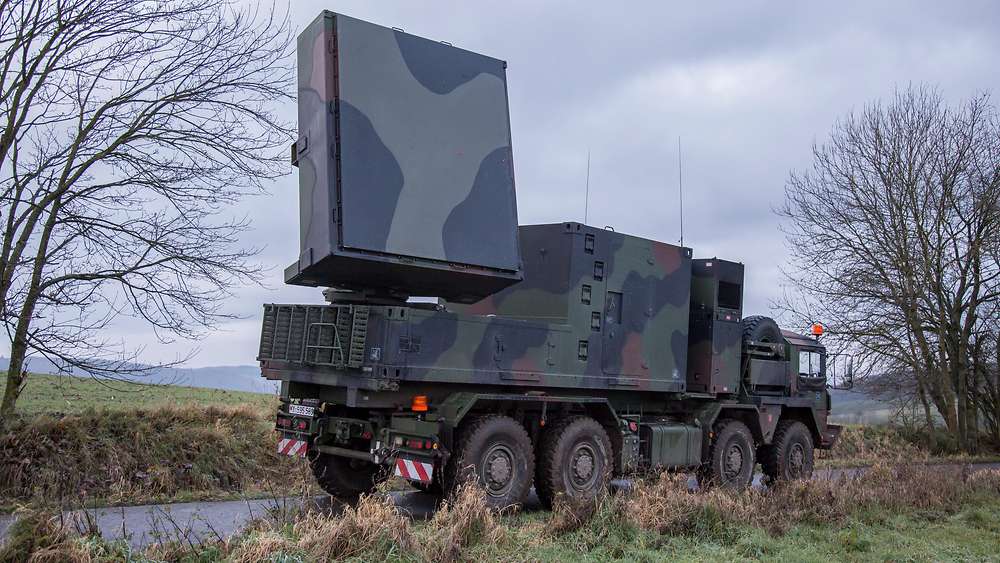
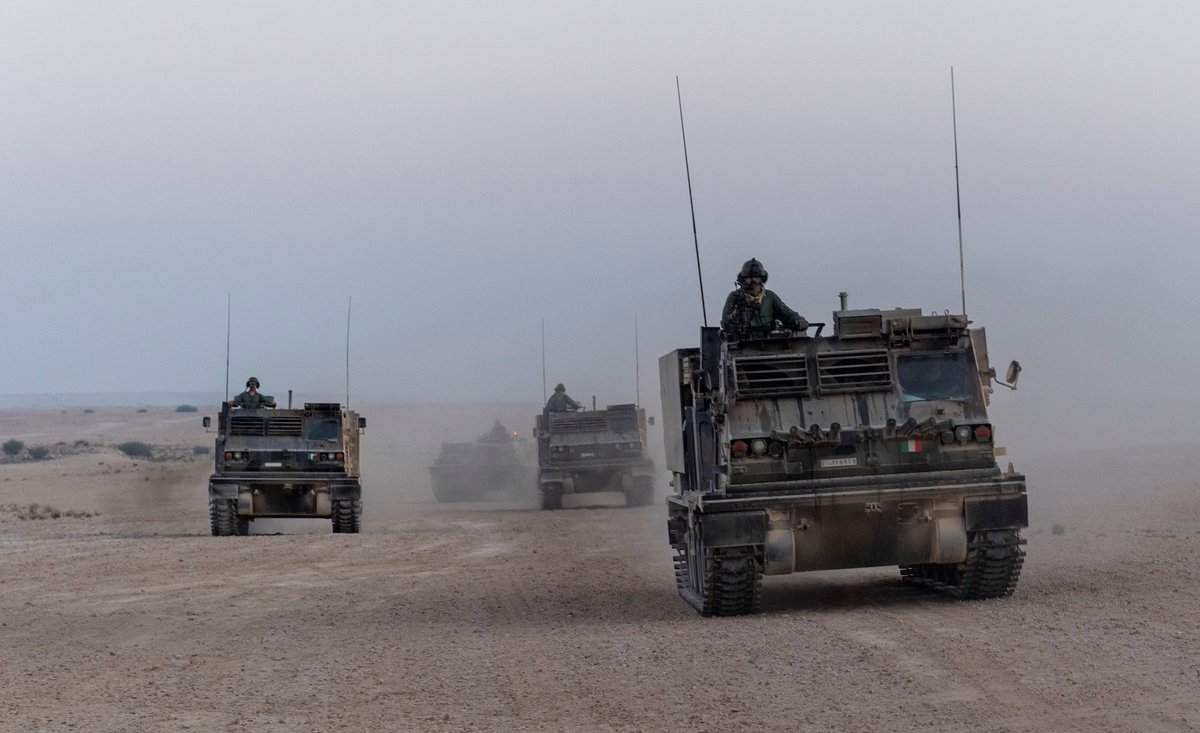
You will also need mobile artillery radars to discover from where enemy artillery fires at your armored spearhead; and M270 MLRS with GMLRS rockets to hit enemy positions, that were newly discovered or were already known and only now came into range.
10/n
10/n
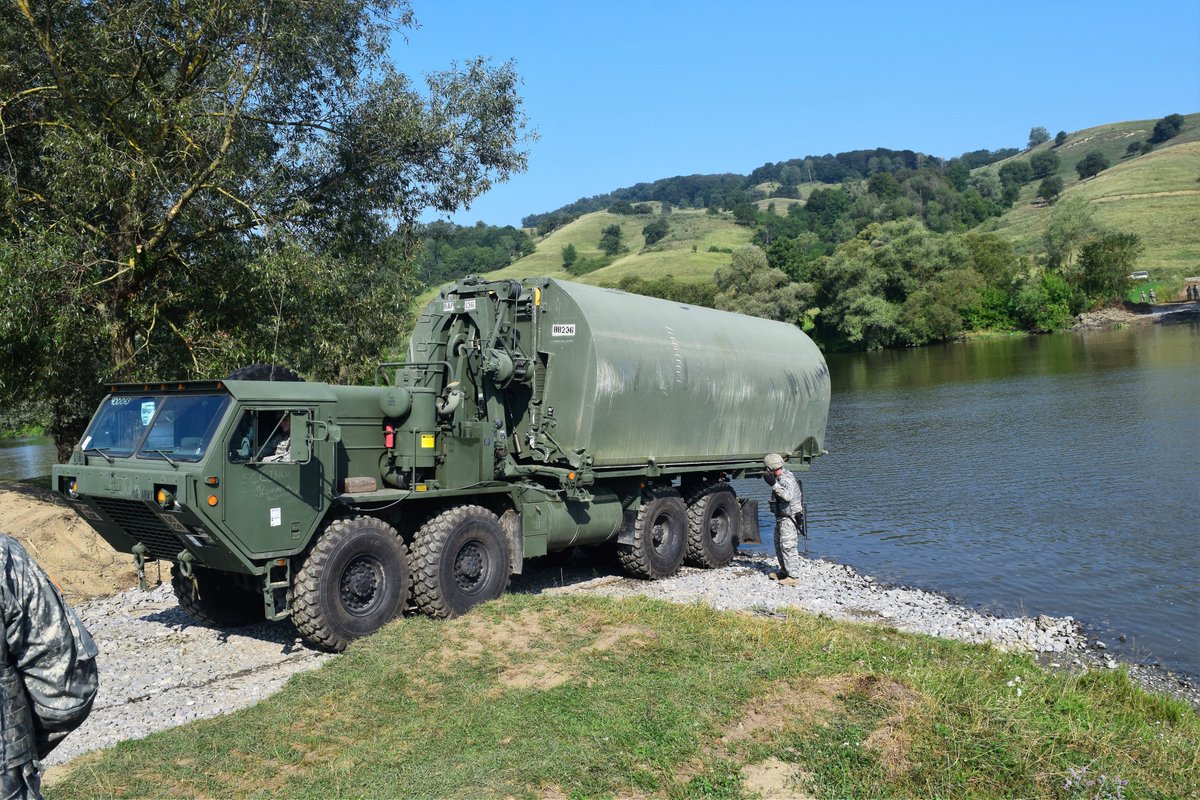
If there is a river to cross, you have to ready a water crossing engineer unit with i.e. the Improved Ribbon Bridge, which can be used as a pontoon bridge or as ferries.
If Ukraine wants to cross the Dnipro river in Kherson Oblast, it will need a lot of such bridge elements.
11/n
If Ukraine wants to cross the Dnipro river in Kherson Oblast, it will need a lot of such bridge elements.
11/n
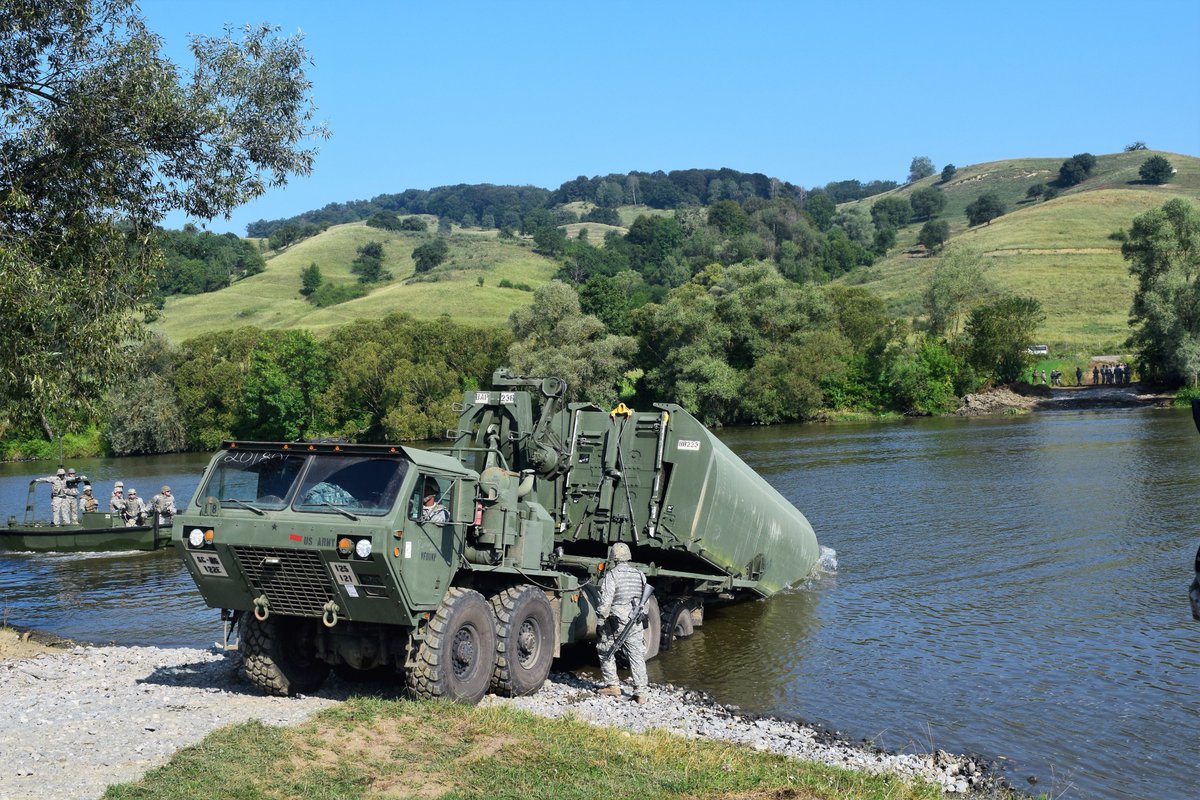

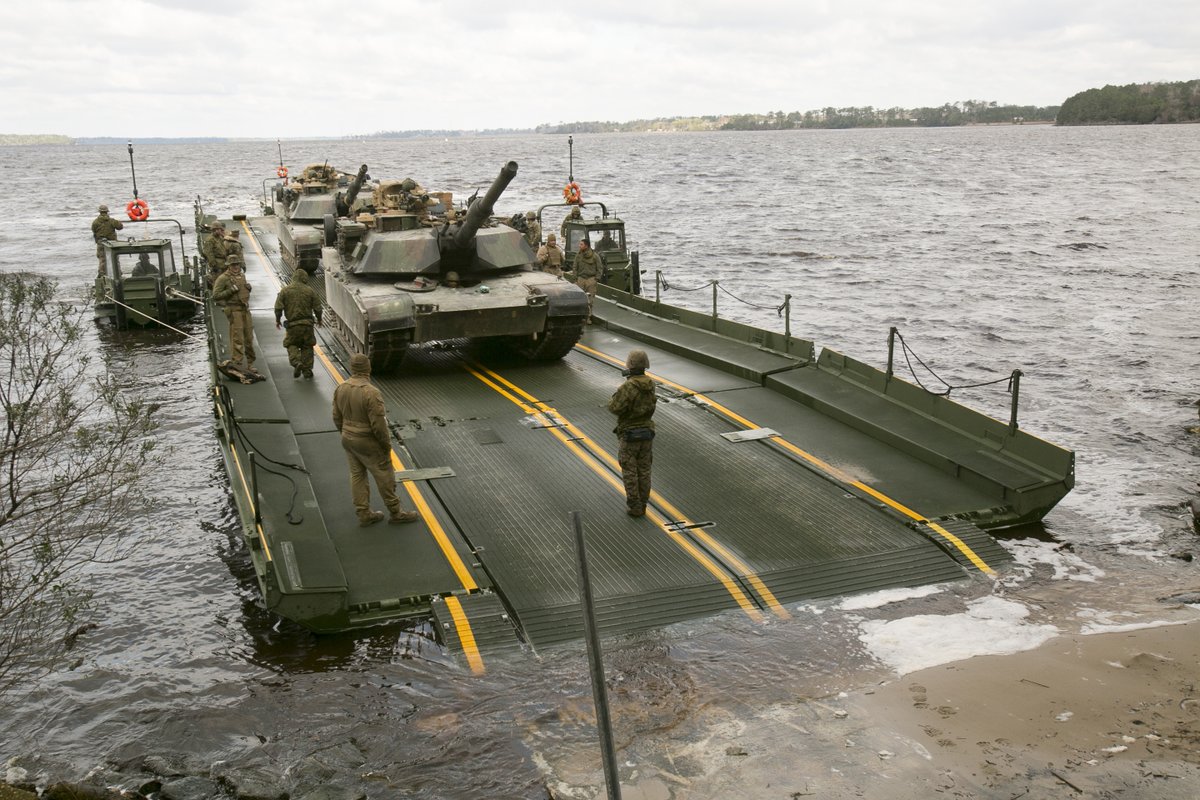
An armored spearhead also needs armored command and control vehicles, and signal units to ensure communication between all parts of the spearhead function properly.
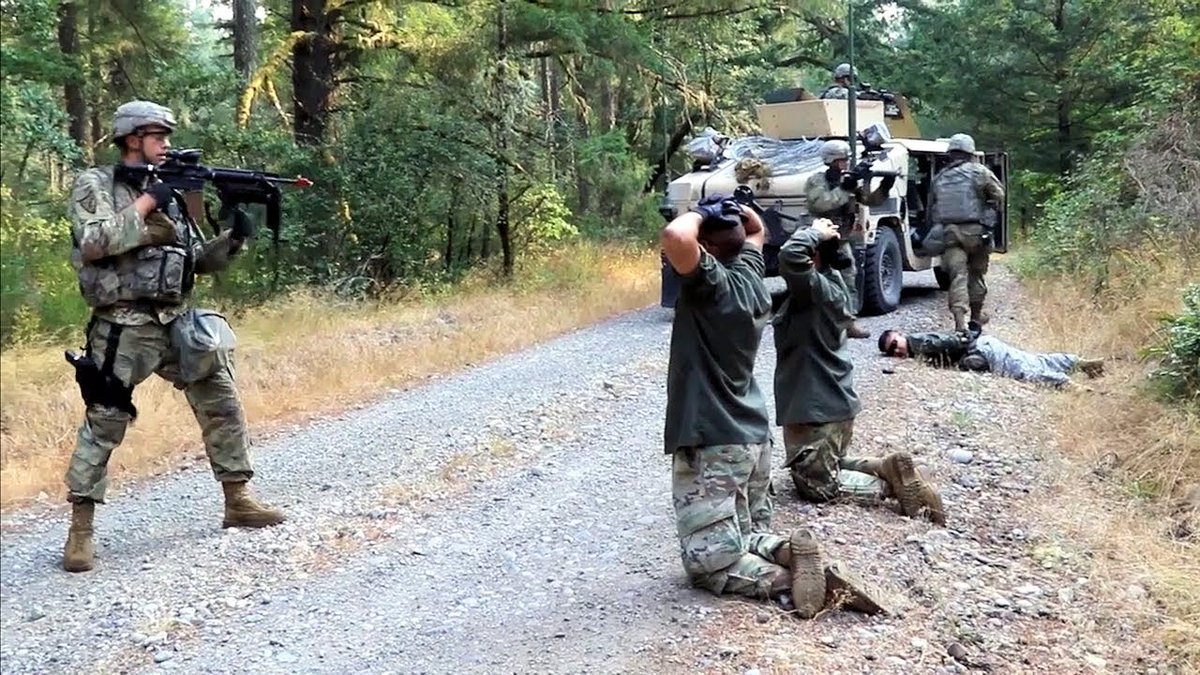
Also you better bring Military Police along to secure the rear, command posts, supply points and POWs.
12/n
Also you better bring Military Police along to secure the rear, command posts, supply points and POWs.
12/n
Electronic Warfare vehicles, mortar carriers, artillery ammo carriers, air defense, engineer units to repair your lines of communication, all this is needed - and needs to be readied before an attack can begin.
(photo: a US M992A2 Field Artillery Ammunition Supply Vehicle)
13/n
(photo: a US M992A2 Field Artillery Ammunition Supply Vehicle)
13/n
Also: a combat support hospital is key if you care about your troops. And enough armored ambulances to bring your wounded troops out of the combat zone.
If you can use medical evacuation helicopters - even better, but then your logistics become much more complicated.
14/n
If you can use medical evacuation helicopters - even better, but then your logistics become much more complicated.
14/n
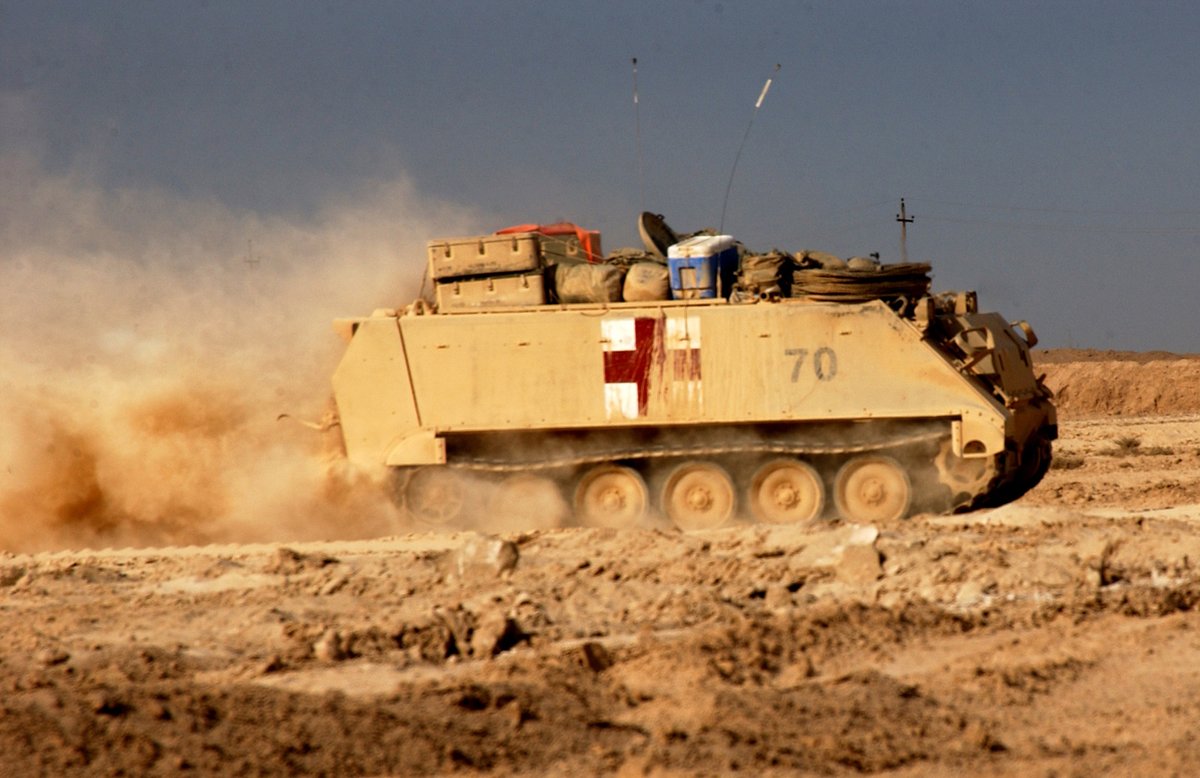
Logistics - the biggest and most complicated of all the elements, and the most important. You have to bring fuel, ammo, food, & water to your frontline troops - they must never run out of anything!
You need huge logistic depots behind the front and a vast fleet of trucks to
15/n
You need huge logistic depots behind the front and a vast fleet of trucks to
15/n
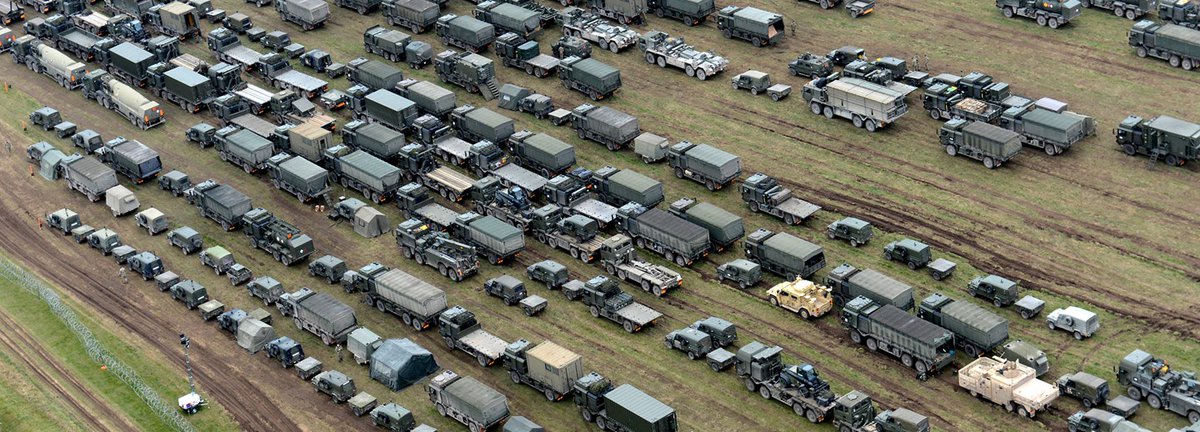
continuously ferry supplies forward. Trucks have to run 24/7 and the maintenance crews have to fix every broken truck no matter how little sleep they had.
You must be able to refuel an entire Bradley company in minutes and bring enough ammo for the entire battalion.
16/n
You must be able to refuel an entire Bradley company in minutes and bring enough ammo for the entire battalion.
16/n
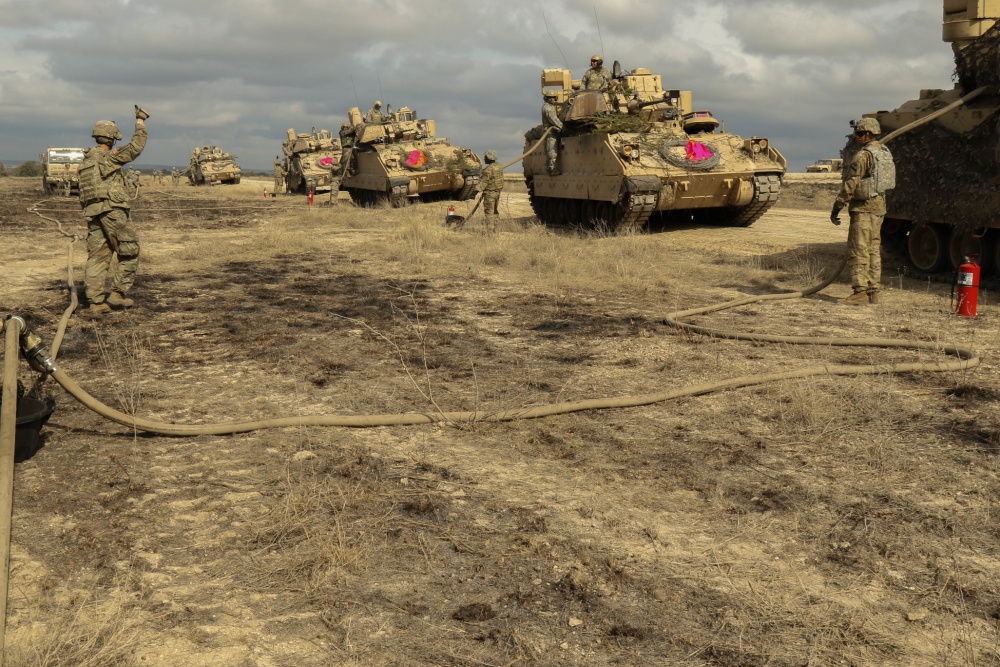
If your logistics can't keep up with the speed of your advance - well if you're the US Army - then you fly fuel & ammo in, because you never want to lose momentum. Once the enemy is one the run you gotta keep him running. So plan your logistics accordingly - & remember:
17/n
17/n
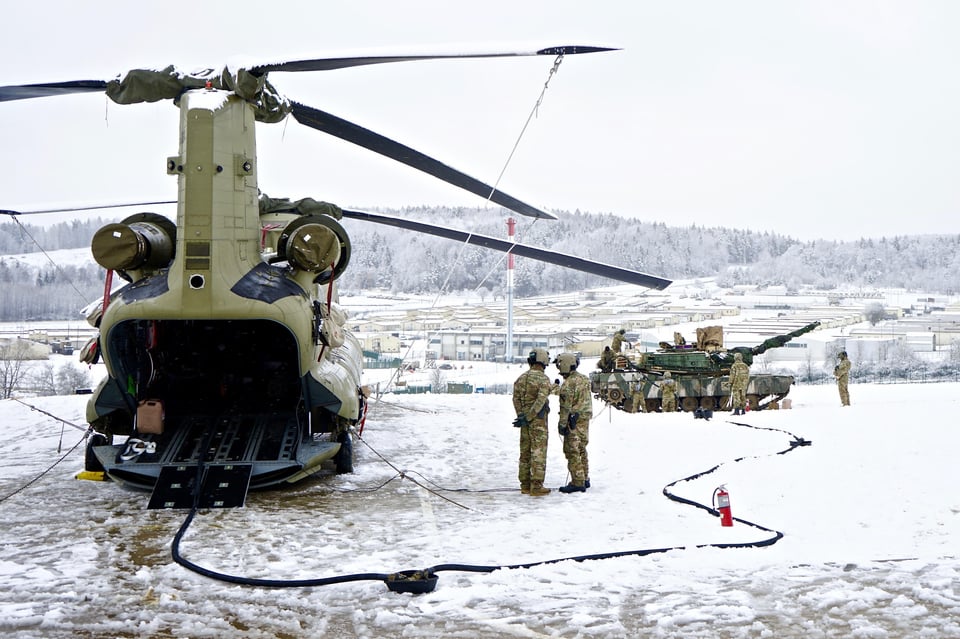
too many supply trucks is always still too few supply trucks.
Ukraine doesn't have air supremacy yet, but once you achieve that, you want a lot of air assets in the air to cover your spearhead from enemy air attacks and to smite enemy units before they come even close to
18/n
Ukraine doesn't have air supremacy yet, but once you achieve that, you want a lot of air assets in the air to cover your spearhead from enemy air attacks and to smite enemy units before they come even close to
18/n

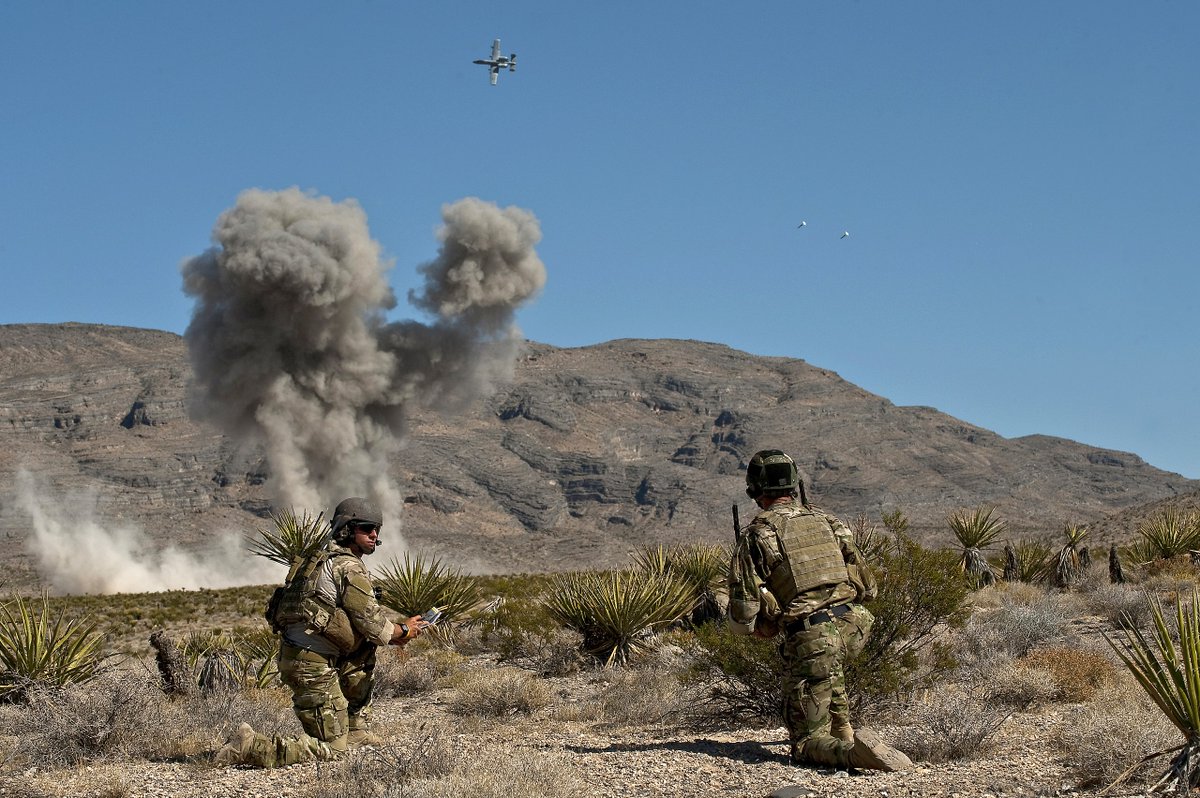
your troops. This requires a lot of coordination between air assets and ground forces - that is why you have Joint Terminal Attack Controllers, who direct close air support (CAS) from a forward position.
But once you get close air support, you need also fighter jets, which
19/n
But once you get close air support, you need also fighter jets, which
19/n
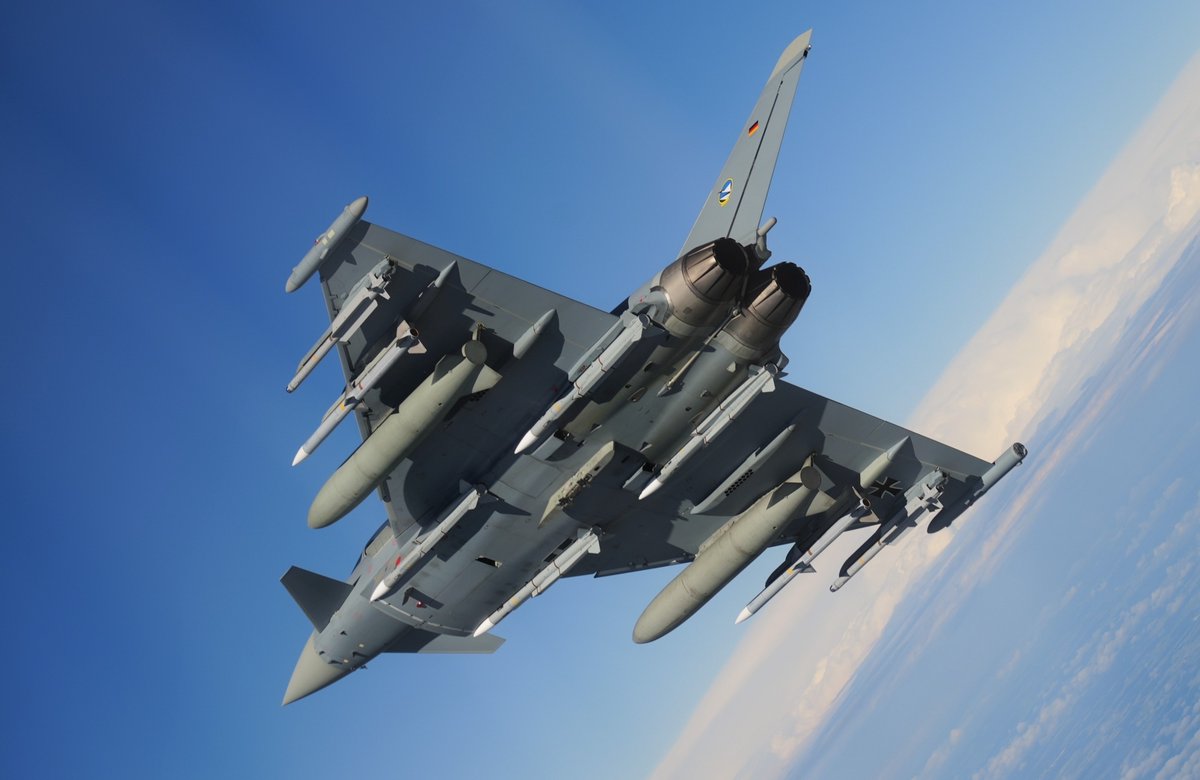
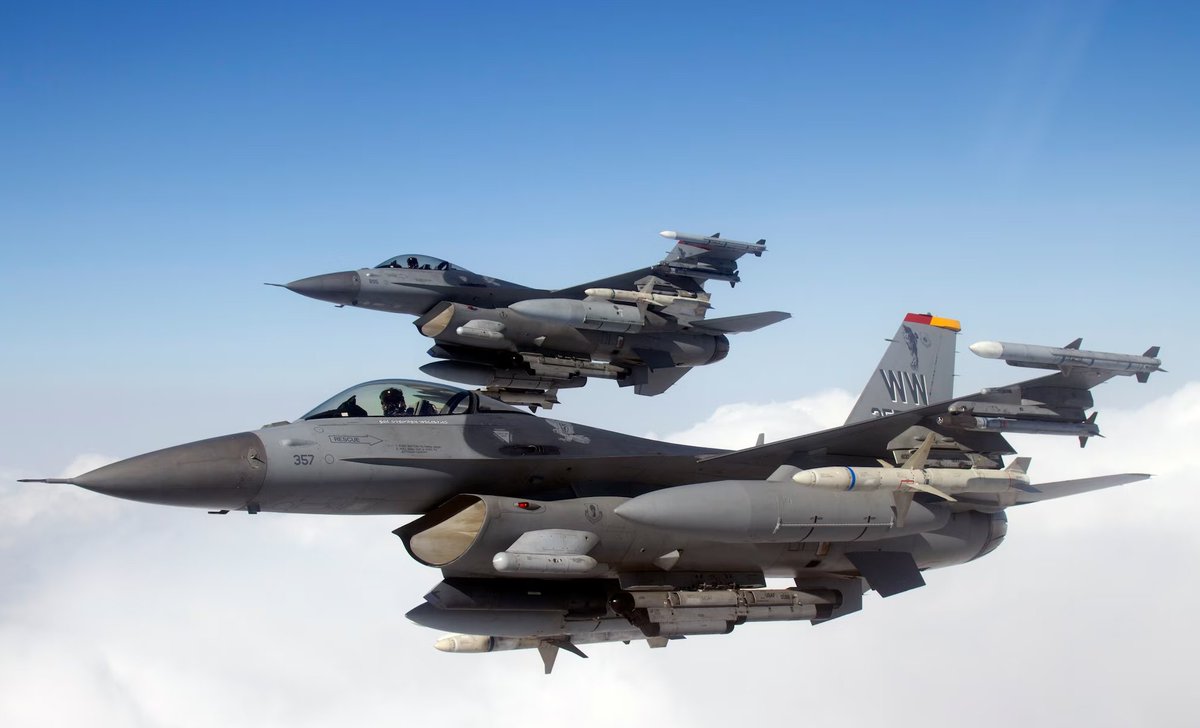
will protect your CAS aircraft from enemy fighters. And you need fighters that suppress enemy air defenses (SEAD).
Like this Eurofighter with an air-to-air load of Meteor, AIM-120, and IRIS-T missiles; and these two F-16CM Block 50 with a SEAD load of AGM-88 HARM missiles.
20/n
Like this Eurofighter with an air-to-air load of Meteor, AIM-120, and IRIS-T missiles; and these two F-16CM Block 50 with a SEAD load of AGM-88 HARM missiles.
20/n
Naturally if you have fighter cover you can use your attack helicopters, which are crudely said flying infantry fighting vehicles with an autocannon to annihilate infantry and light armored vehicles, Anti-Tank Guided Missiles to destroy tanks, and unguided rockets to destroy
21/n
21/n
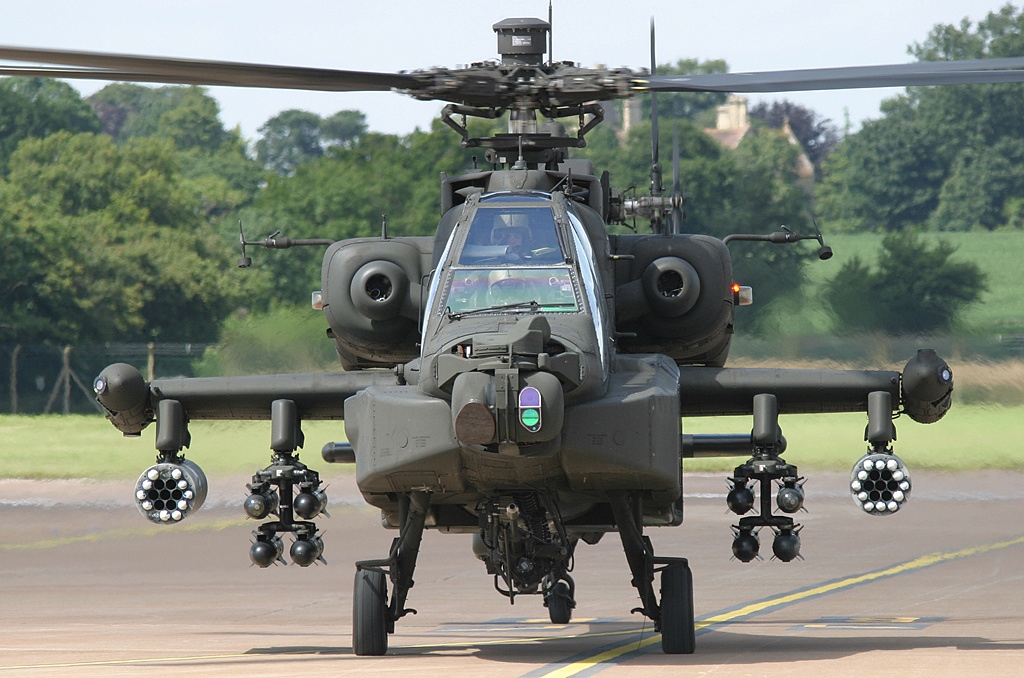
everything else. If your Apaches, Vipers, Mangusta, Tiger can fly - so can your Predators, Reapers, Bayraktars, etc.
The advantage of combat drones is naturally that they can immediately destroy an enemy position they just have discovered.
22/n
The advantage of combat drones is naturally that they can immediately destroy an enemy position they just have discovered.
22/n
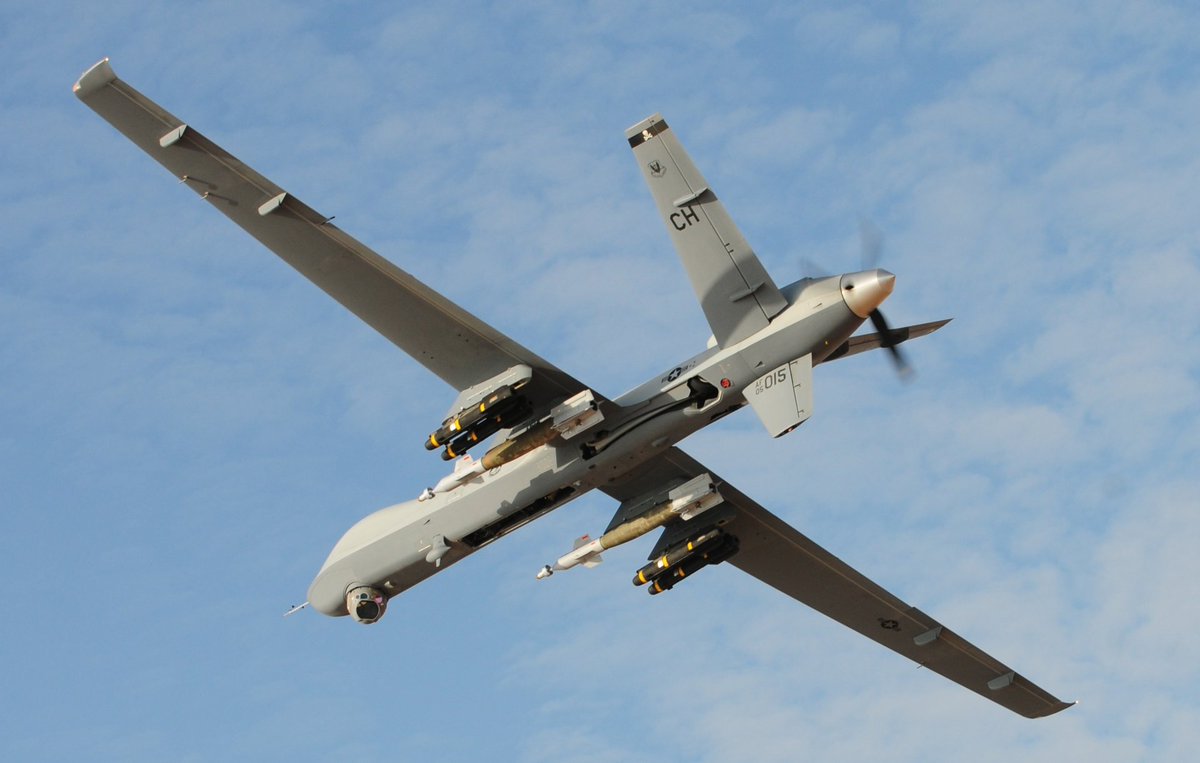
Combined arms is a complex art and NATO armies continuously train every aspect and element again and again and again. Well planned and executed combined arms attacks can crush the Iraqi Army in four days.
Ukraine will receive a full armored brigade set of tanks, IFVs, and
23/n
Ukraine will receive a full armored brigade set of tanks, IFVs, and
23/n
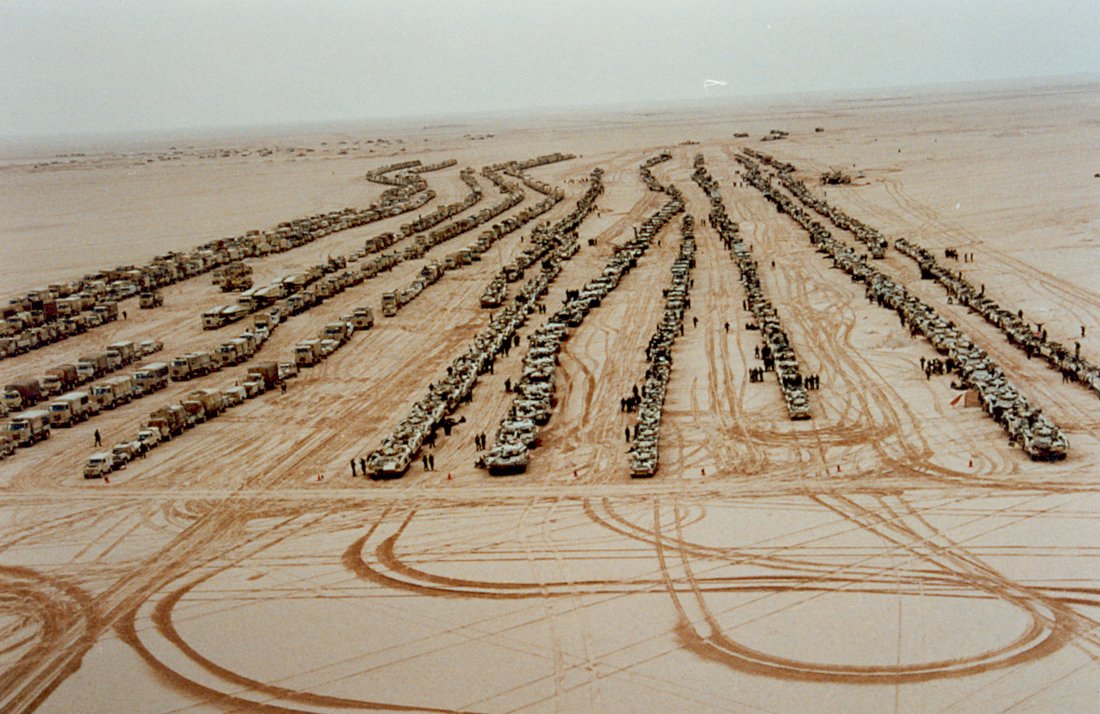
support vehicles from the US. Training how to seamlessly use these will take some time. But they learn from the best (UK, US, etc.)
Last but not least: the tank is an integral part of combined arms, without it you will not succeed. Only people, who know nothing about
24/n
Last but not least: the tank is an integral part of combined arms, without it you will not succeed. Only people, who know nothing about
24/n
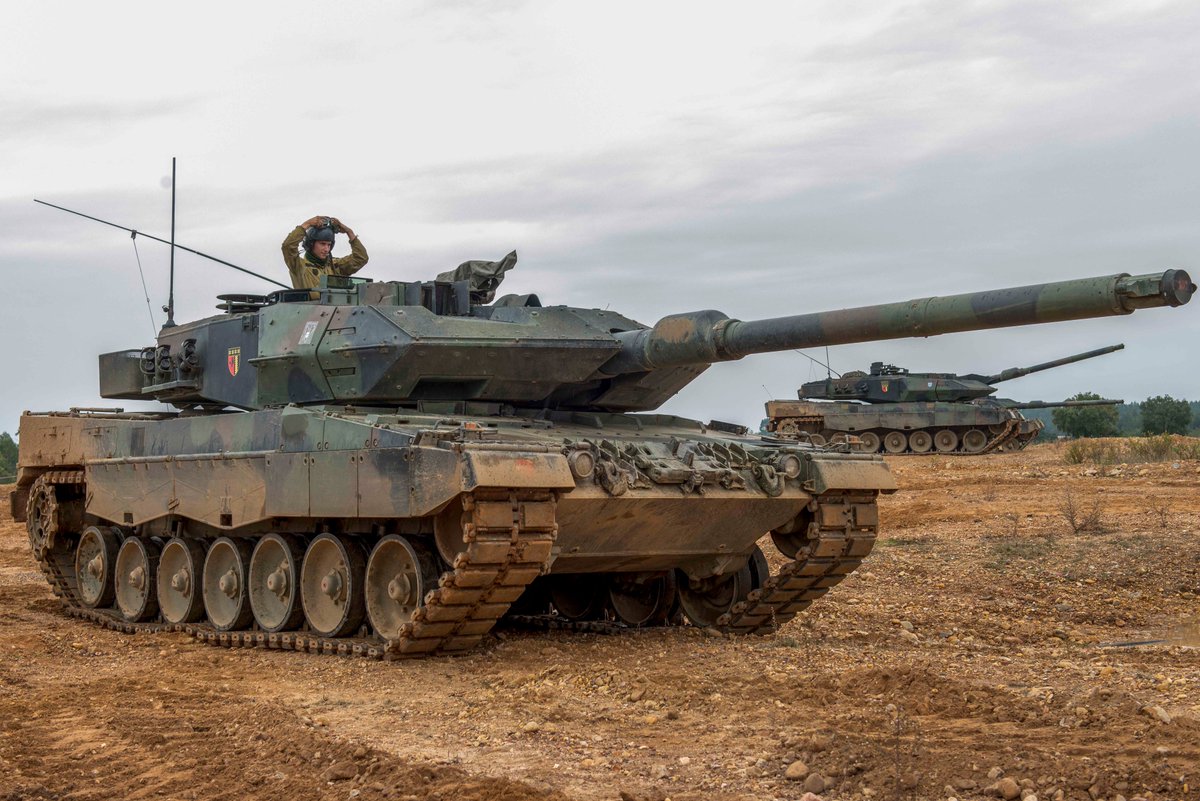
combined arms say nonsense like "tanks are a deathtrap now."
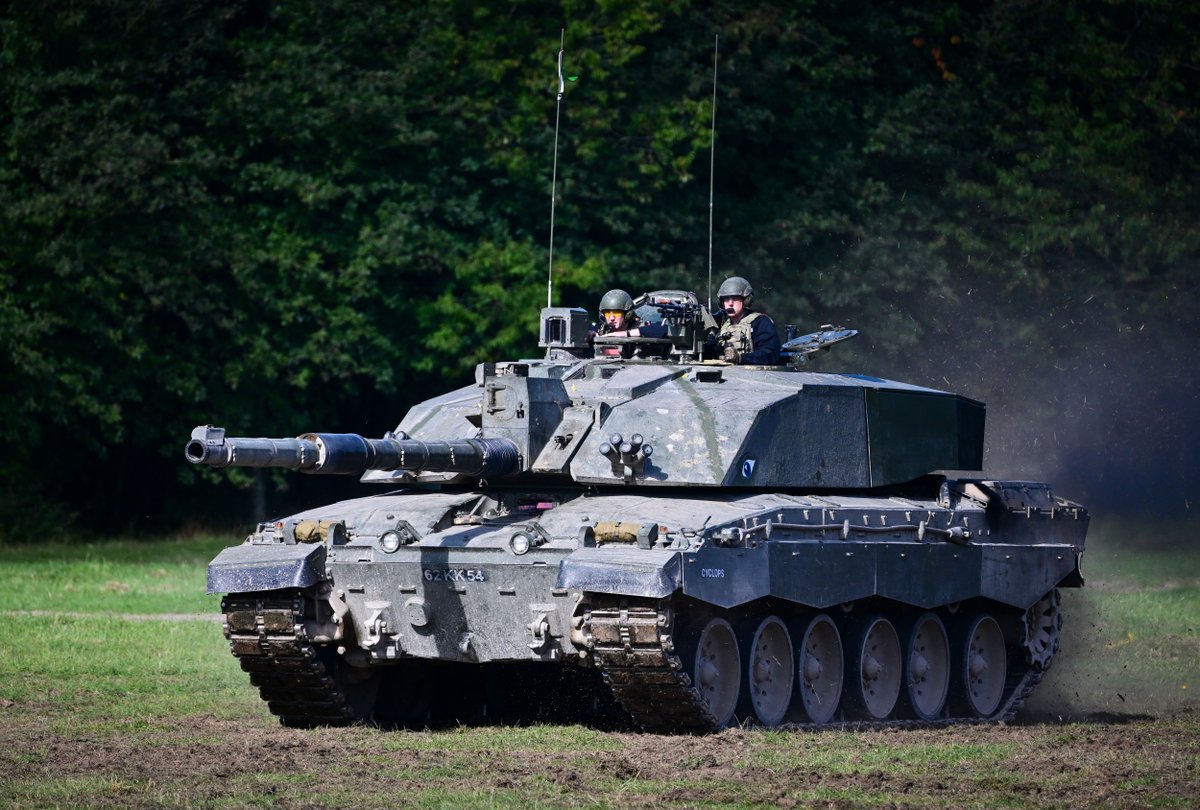
Tanks are the tip of the spear, with which Ukraine will slice through the russian front and liberate the South and East, and Crimea.
Just learn and master combined arms before you attack.
25/end
Tanks are the tip of the spear, with which Ukraine will slice through the russian front and liberate the South and East, and Crimea.
Just learn and master combined arms before you attack.
25/end
• • •
Missing some Tweet in this thread? You can try to
force a refresh