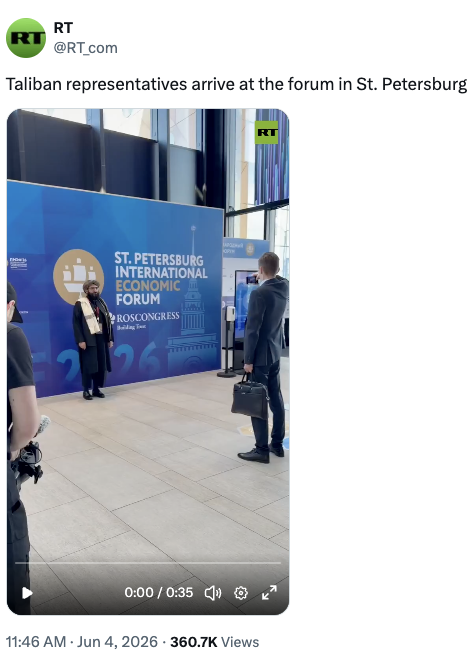
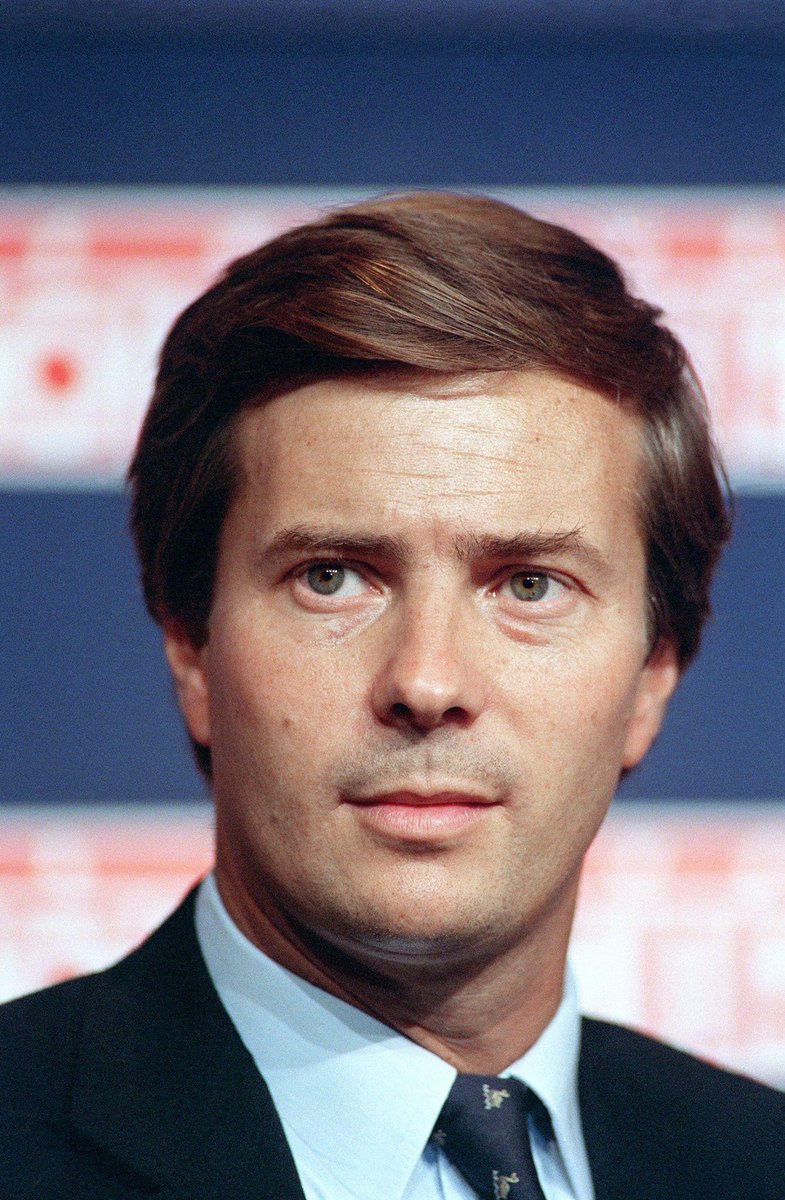
In today's #vatnik soup I'll be discussing about Finland and how it fights Russian disinformation and propaganda. I'll also introduce some of the methods that Finnish vatniks have applied in order to brainwash the Finnish folk from all levels of society.
1/16
1/16
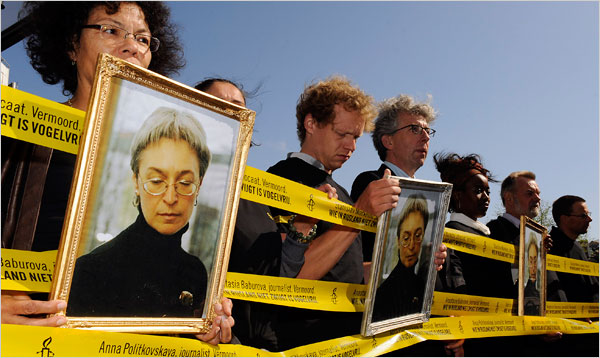
Let's start with journalism: In the Press Freedom Index, Finland has been at the top 5 along with the other Nordic countries for decades now.
According to Christophe Deloire of Reporters without Borders, the biggest threat to press freedom is the so-called...
2/16
According to Christophe Deloire of Reporters without Borders, the biggest threat to press freedom is the so-called...
2/16

... "Fox News Model", in which the media both polarizes and attracts audience share with extreme opinions.
Countries like Russia and China have basically no freedom of press, and pretty much all media is controlled by the state.
3/16
Countries like Russia and China have basically no freedom of press, and pretty much all media is controlled by the state.
3/16

This leaves very little room for foreign information operations, as all public information is checked and validated. One of the first things that Putin did after invading Ukraine was to demolish any kind of free press.
4/16
4/16
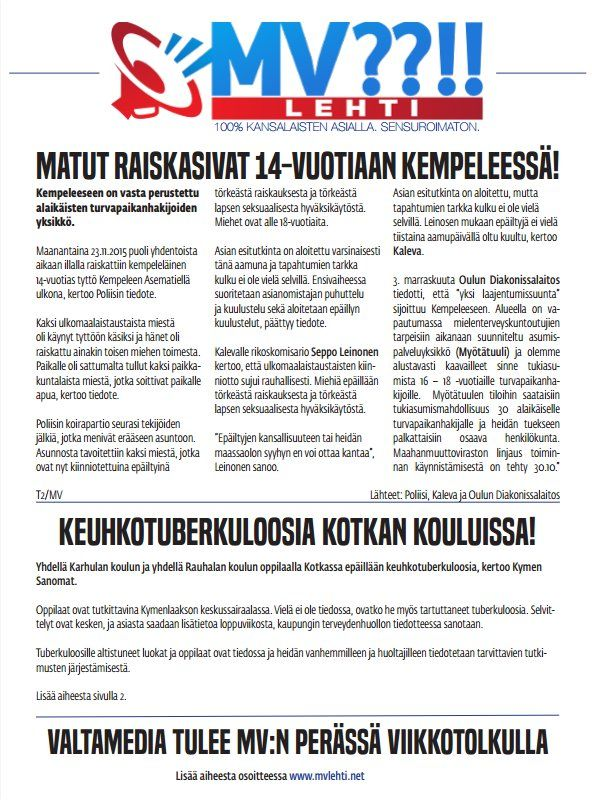
Free press can also be used against a nation: information operations often focus on establishing fake news sources and disinformation mills for spreading polarizing content. In Finland, the biggest outlet for this kind of "information laundering" is MV-Lehti.
5/16
5/16

In it's early days, around 2015, the blog focused on anti-immigration narratives, but eventually started pushing pro-Russian bullshit. The two latest Editor-in-Chiefs, Juha Korhonen and Janus Putkonen are straight up Putinists.
6/16
6/16
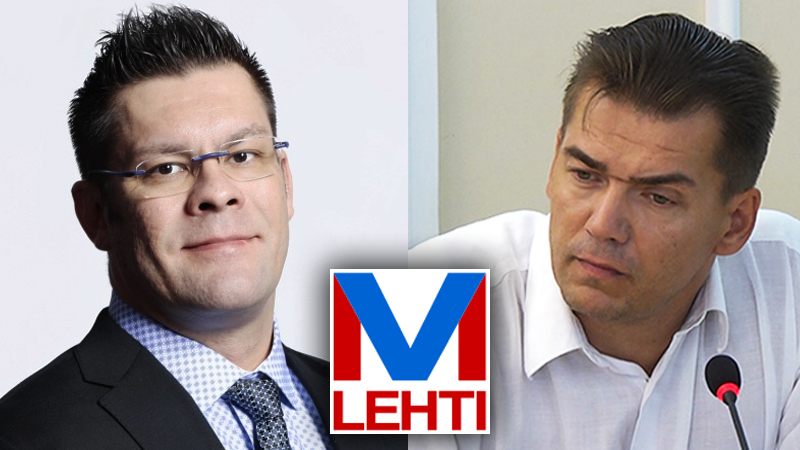
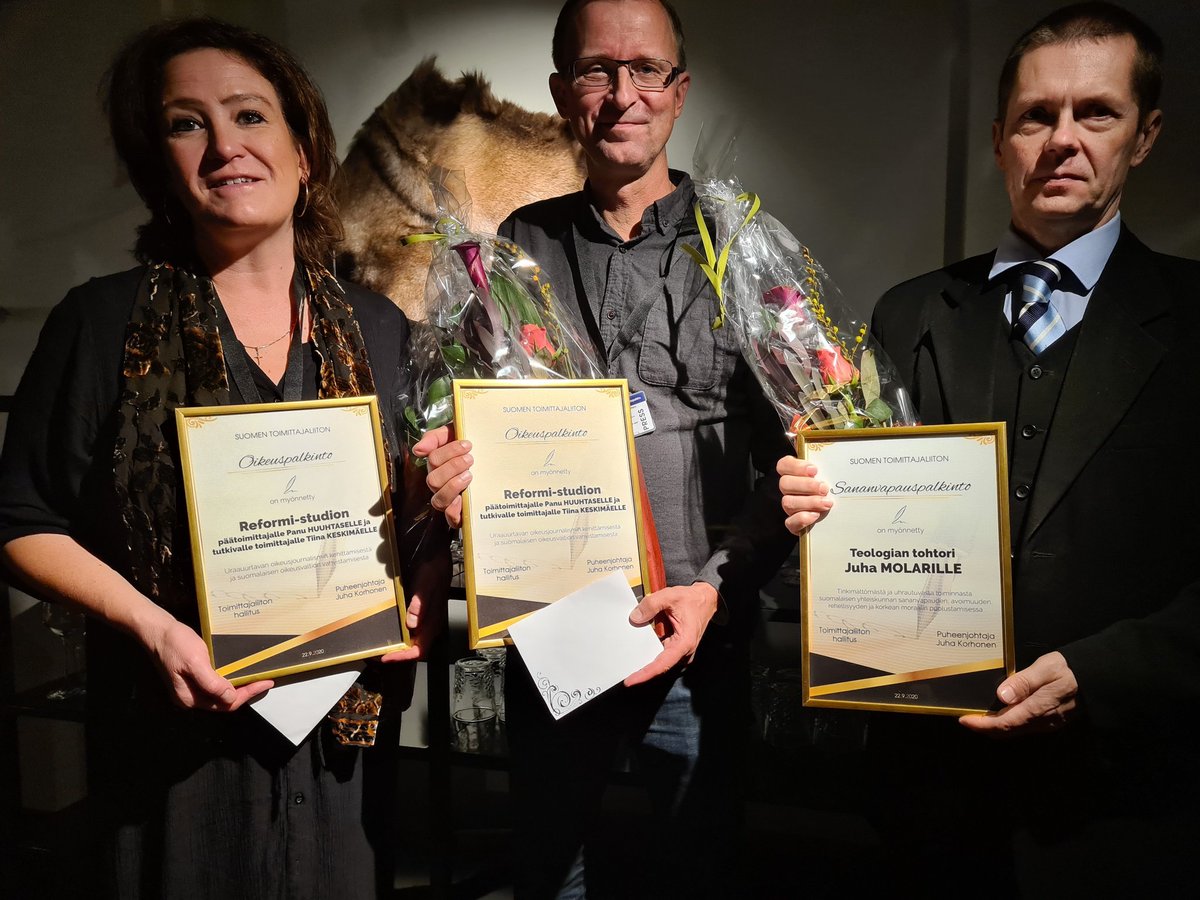
Finnish vatniks, especially Johan Bäckman, have also established associations that are named very similarly than some official, trusted associations. One example is Toimittajaliitto, translated as The Union of Journalists in Finland.
7/16
7/16

Incidentally, the official org is called Journalistiliitto, and the translation in English is exactly the same, making it very easy to mix up these two. The fake association has provided "press passes" to various "independent journalists", like the pro-Russian Panu Huuhtanen.8/16

Pro-Russian actors also try to defame the Finnish Broadcasting Company YLE and its journalists. Bäckman was convicted of harassment of YLE journalist Jessikka Aro who's been actively dissiminating the Russian info ops.
9/16
9/16

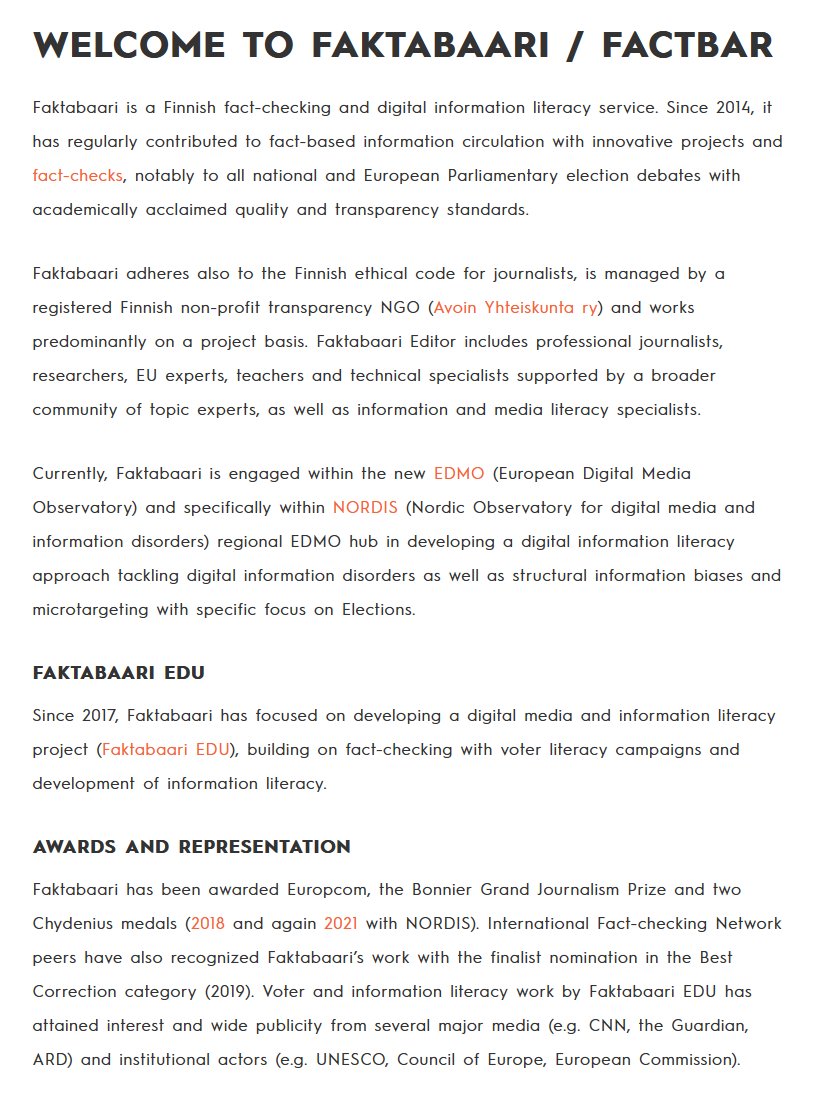
YLE in general plays a big part in fighting disinformation, and they have established activities such as Faktabaari (FactBar) to fight the spread of false information and propaganda.
10/16
10/16
There are several other plans on a national level to do the same in the future: for example deepfake videos and AI will be a big challenge in the near future, and YLE has established organization for detecting and fighting them.
11/16
11/16
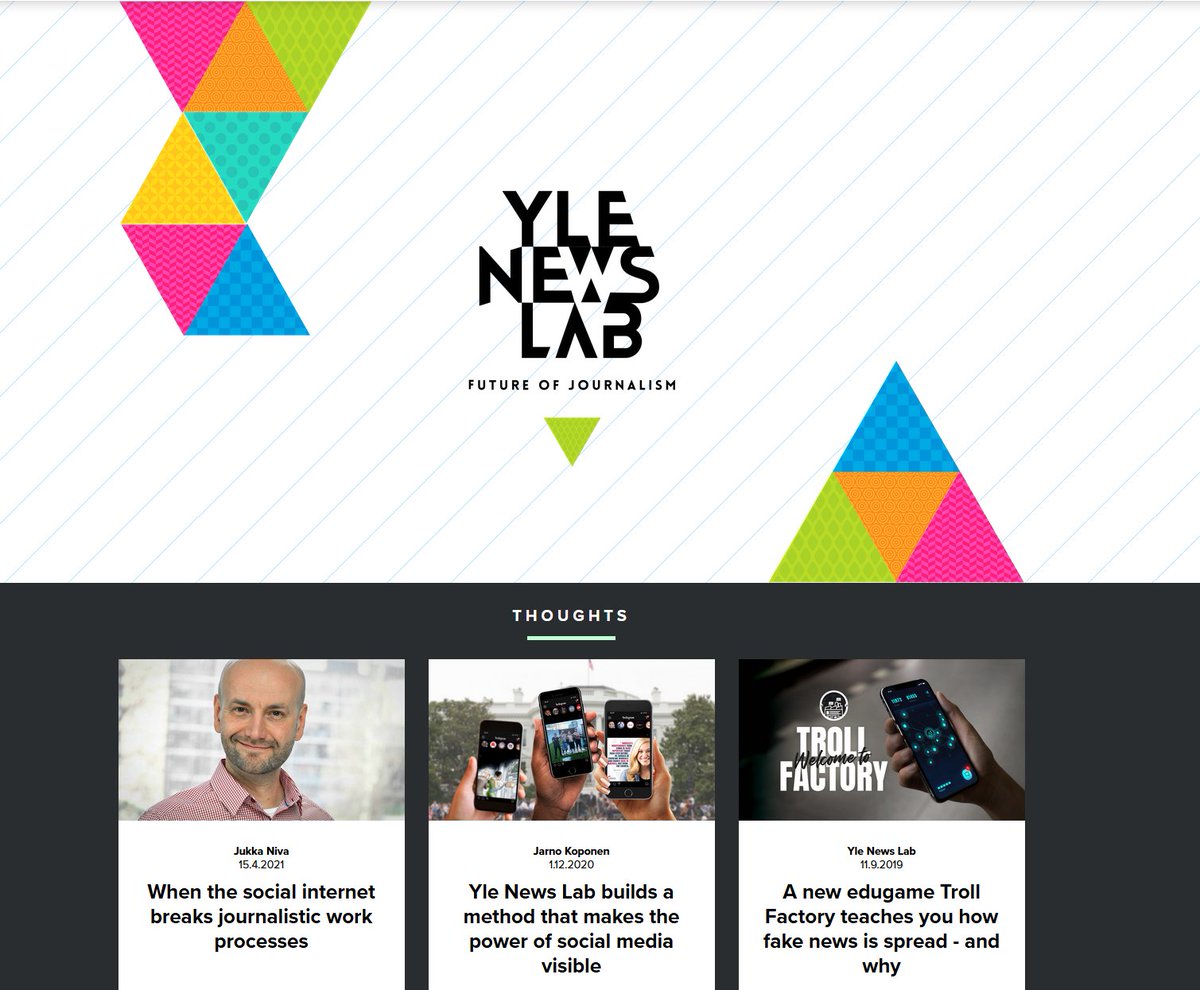
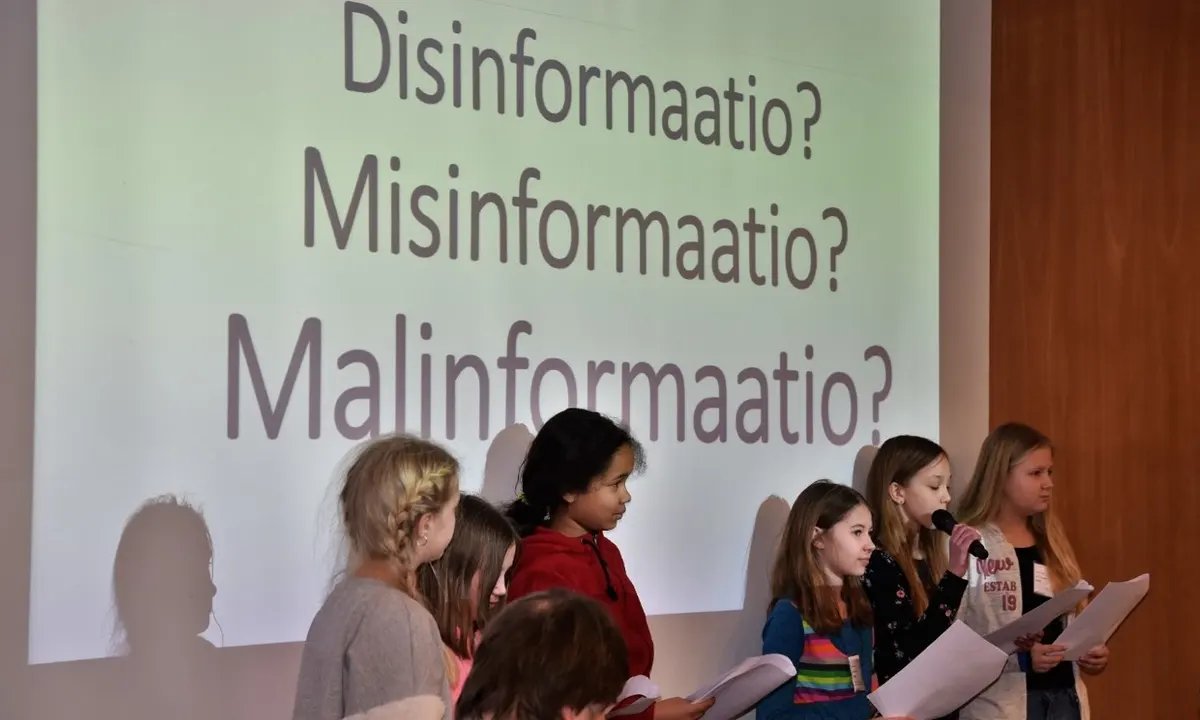
Another important aspect of Finnish battle against disinformation is the education. In Finnish schools, children start learning at very young age about the concept of fake news and mis- and disinformation.
12/16
12/16
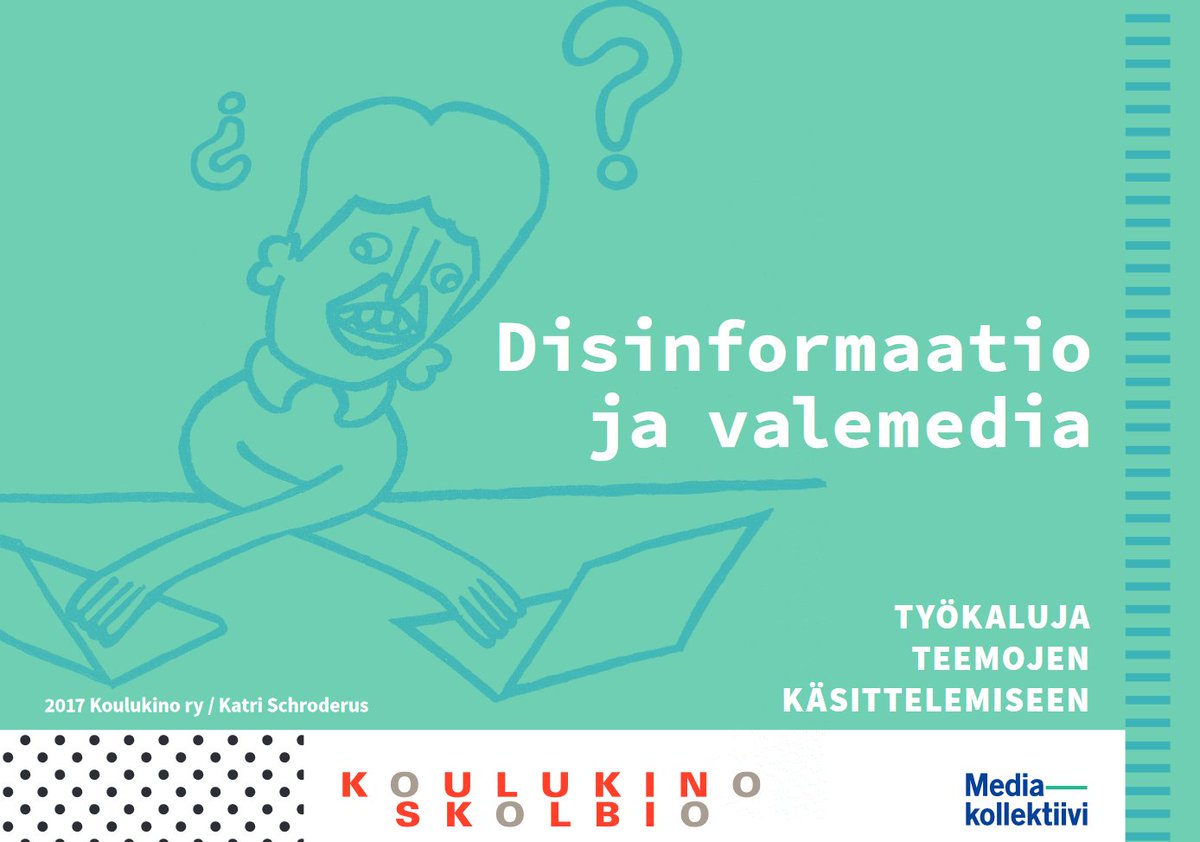
One example of this is Koulukino, that produces high quality video teaching material about disinformation for Finnish schools. They've created a lot of material to support media education and to fight against disinformation.
13/16
13/16
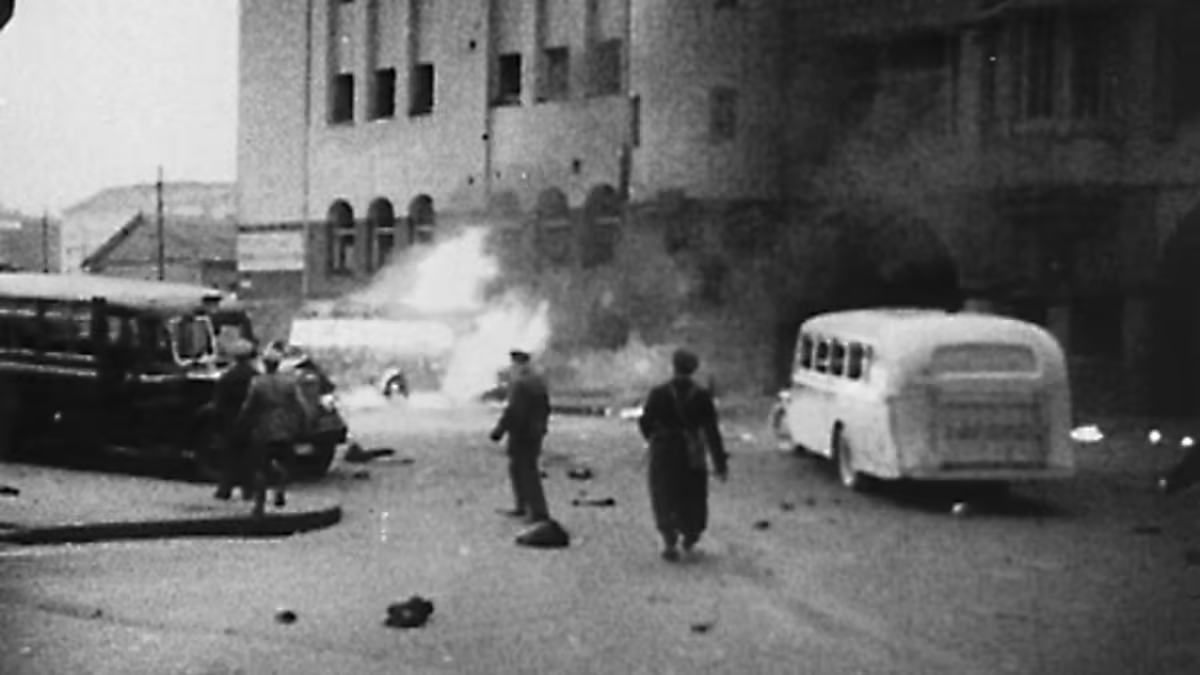
But probably the biggest reason why Russian disinformation simply doesn't work well in Finland is that we were at war with USSR quite recently. The whole conflict started with false flag operation called Mainila shelling, and there were similar incidents throughout the war.
14/16
14/16
After the fall of USSR many prominent politicians and businessmen succumbed into the 'Ostpolitik' and trade with Russia. For example, one Finnish ex-PM was involved in the Nord Stream business with Gerhard Schröder, and another one was board member in SberBank.
15/16
15/16

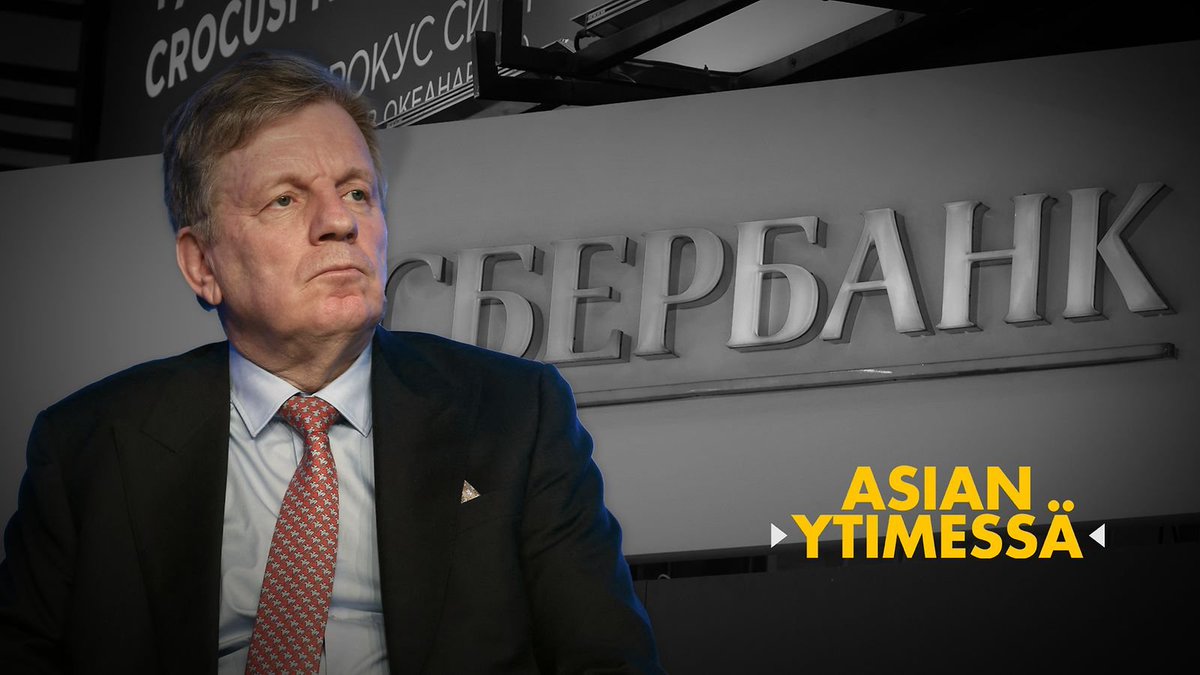
One current member of the Parliament was involved in the Russian ice hockey business and did a lot of business with the Rotenberg oligarch family and with Gennadi Timchenko. After the war started, most of them stopped doing business with the Russians.
16/16
16/16

Support my work (and get some AI art!): buymeacoffee.com/PKallioniemi
Related soups:
MV-Lehti:
Johan Bäckman:
Janus Putkonen:
Juha Korhonen:
Paavo Lipponen:
Related soups:
MV-Lehti:
https://twitter.com/P_Kallioniemi/status/1585170809840357376
Johan Bäckman:
https://twitter.com/P_Kallioniemi/status/1584446308752191488
Janus Putkonen:
https://twitter.com/P_Kallioniemi/status/1577618456693940225
Juha Korhonen:
https://twitter.com/P_Kallioniemi/status/1578273725488644097
Paavo Lipponen:
https://twitter.com/P_Kallioniemi/status/1585524949070106626
• • •
Missing some Tweet in this thread? You can try to
force a refresh