1/ QUICK THREAD: How does Ukrainian military use small quadcopters to constantly keep pressure on the Russian forces? This pro-Kremlin Telegram post offered a few details - main points below:
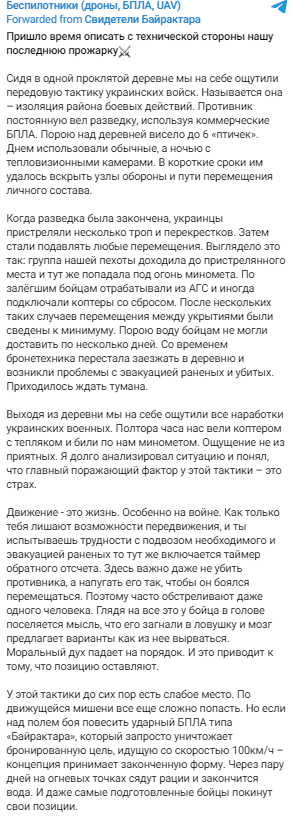
2/ "Sitting in one village, we experienced first hand Ukraine's advanced tactics - it's called "isolating the war zone." The adversary constantly conducted reconnaissance using commercial UAVs - sometimes up to 6 "birds" hung over the village at a given time."
3/ "During the day they used ordinary quadcopters, and at night the ones with thermal imaging cameras. In a short time they managed to locate the defense nodes and personnel movement patterns. When the recon was completed, the Ukrainians shot at several trails and intersections."
4/ "Then they began to suppress any movement. It looked like this: our infantry unit reached the targeted area and immediately came under mortar fire - sometimes Ukrainians also included copters that dropped grenades in such attacks."
5/ "After several such cases, our movement between shelters was minimized. Sometimes water could not be delivered to the fighters for several days. Over time, armored vehicles stopped entering the village and there were problems with the evacuation of the wounded and the dead."
6/ " When leaving the village, we felt for ourselves the brunt of the Ukrainian military. For an hour and a half we were monitored by a quadcopter with a thermal camera and they hit us with a mortar. This feeling is not pleasant. I analyzed the situation for a long time..."
7/ "...and realized that the main damaging factor in this tactic is fear. Movement is life. Especially in the war. As soon as you are deprived of movement, you experience difficulties with transportation and the evacuation of the wounded, the countdown timer immediately starts."
8/ "It is important here not even to kill the enemy, but to scare him so that he is afraid to move. Therefore, sometimes even one person is often fired at - the fighter then gets the idea that he was driven into a trap and the brain offers options on how to escape."
9/ "Morale then drops by an order of magnitude - this leads to soldiers abandoning their positions. But this tactic still has a weak point - a moving target is still hard to hit. But if a Bayraktar-type strike UAV is flying over the battlefield..."
10/ "...which can easily destroy an armored target moving at a speed of 100 km/h, this concept takes on a finished form. In a couple of days, walkie-talkies' batteries and the water will run out. And even the most hardened fighters will abandon their positions."
11/ "Now this tactic is being tested by specialists in small sectors of the front. It proves its effectiveness and over time, with the help of NATO, the Ukrainians will try to close entire kilometers of the front. And we need to prepare for this now."
12/ This post brings together earlier observations and comments about using quadcopters not just for ISR/combat, but also psyops. In 2022, there were posts about both sides using small UAVs to spread fear and stress among ground forces.
13/ Another important takeaway from this thread is that Russian military will no doubt try to copy Ukrainian tactics. Although Russia currently lacks enough Bayraktar-type drones to really maintain pressure tactics described above. On the other hand...
14/... there is an increased activity by Russia's Lancet-type loitering drones, which can be adopted to such "warzone isolation" campaigns. Thats why there is so much activity now among Russian drone manufacturers, as the war approaches a one-year mark.
• • •
Missing some Tweet in this thread? You can try to
force a refresh

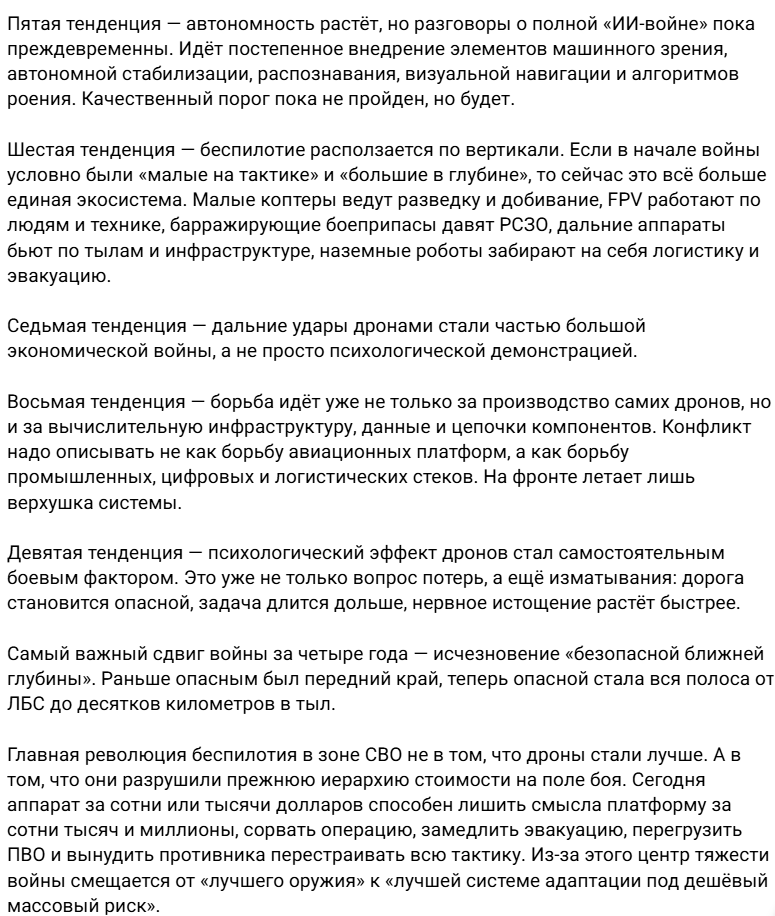
1/ QUICK TAKE: Other Russian mil bloggers are echoing the points made in the quoted thread: "Drone warfare has ceased to be a mere "supplement" to artillery and reconnaissance; it has become the very medium of battle." t.me/barantchik/354…x.com/sambendett/sta…
2/ "This is no longer a story about individual drones, but rather about how the front line has transformed into a zone under constant surveillance and constant fire—a place where any movement of vehicles, troop rotation, ammunition resupply..."
3/ "...or casualty evacuation is under threat. The share of combat losses attributable to drones surged from 10% in 2022 to 80% as early as 2025; the average time required for casevac in certain sectors has ballooned to over three days; and—according to enemy sources—ground robots alone executed more than 7,000 missions in January 2026."
1/ QUICK TAKE by a Rus mil blogger on the state of drone warfare in Ukraine: "Drones have definitively seized control of the battlefield. In 2024, one could still zip across on a motorcycle; in 2025, one could sprint through a tree line..." t.me/bayraktar1070/…
2/ "...but now, only the lucky few ever reach their objective. Aerial surveillance (by UAVs) is total. Movement between positions is possible only under conditions of poor weather. Evacuation from the "zero line" has all but ceased."
3/ "No, this is not just another piece of criticism—these are reflections. The enemy’s situation is no better. Our offensive is being halted not by enemy infantry, but by a drone cordon. The front line has become virtually depopulated."
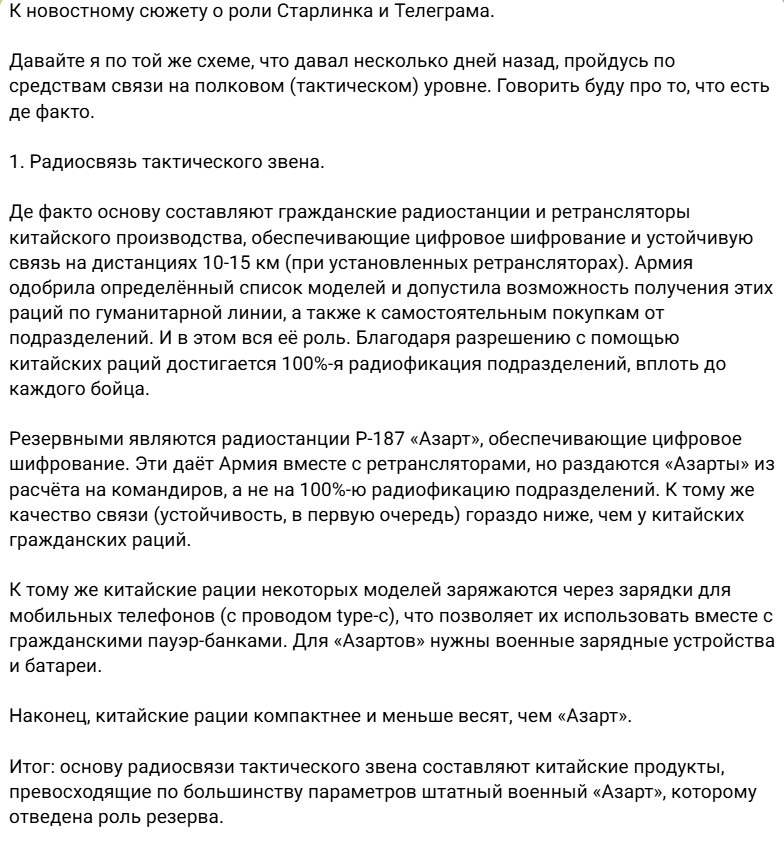
1/ QUICK TAKE from a Rus TG on the tactical comms in use by Russians now that Starlink and Telegram are not available: "The core of tactical radio communications is made up of Chinese products that surpass the standard military (Rus made) Azart radios, which are relegated to a reserve role. t.me/vault8pro/53788
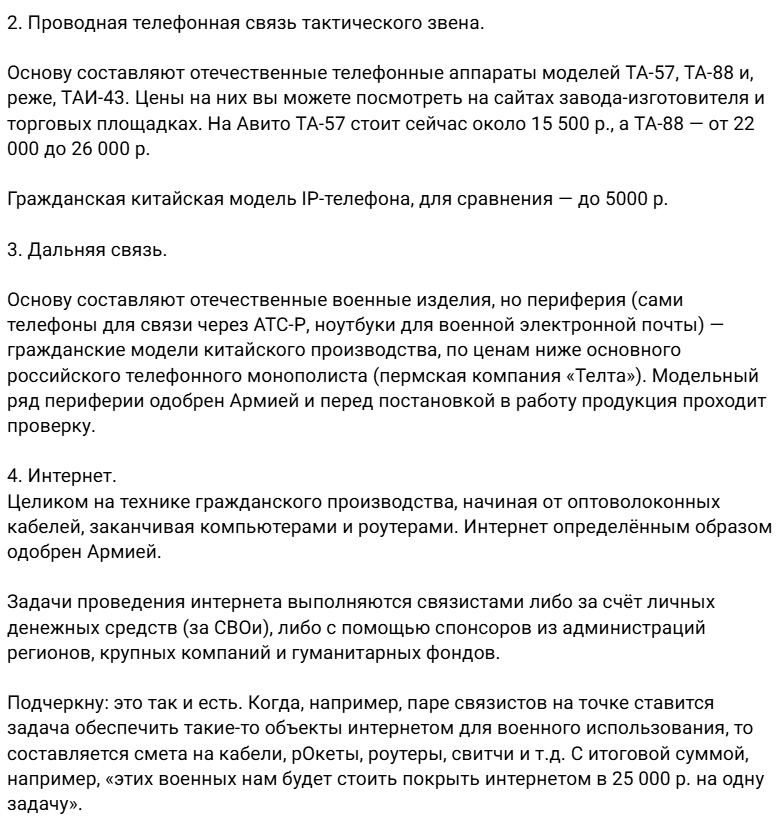
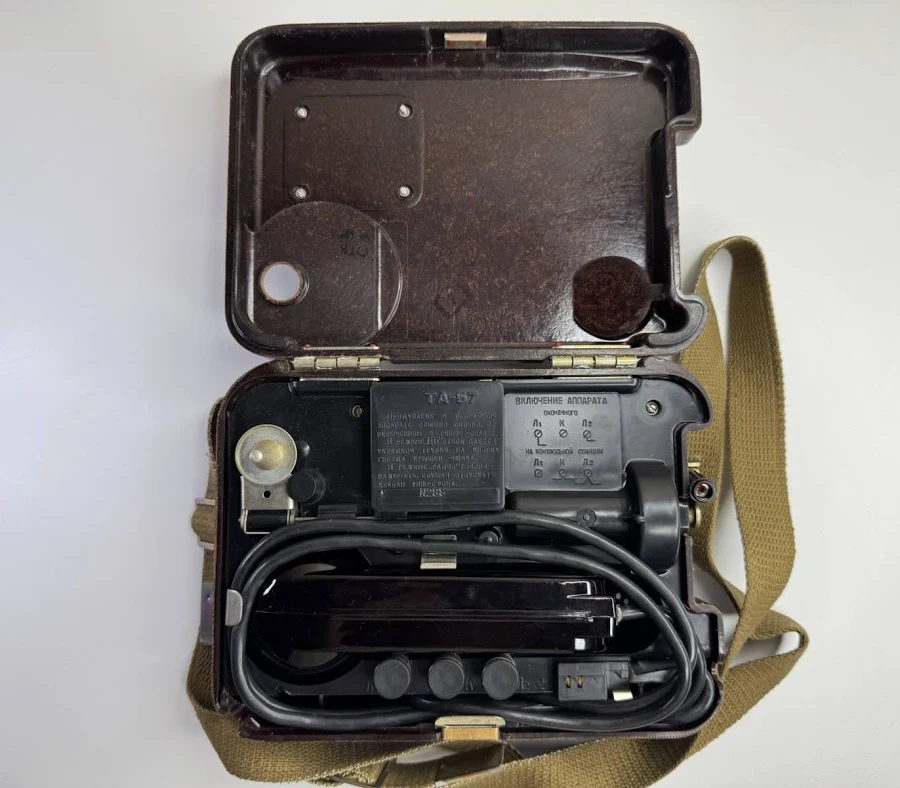
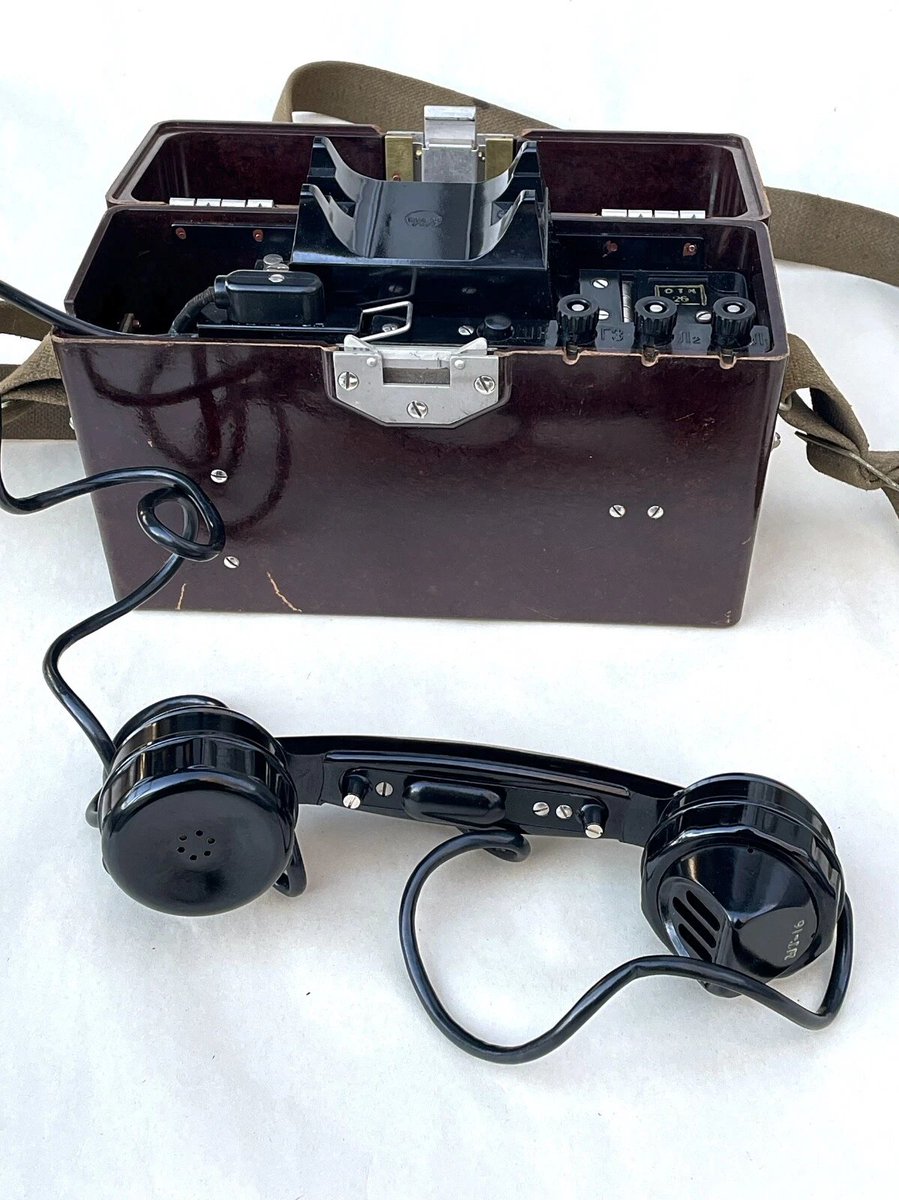
2/ "Tactical-level landline telephone comms: The core is made up of domestic telephone sets of the TA-57, TA-88, and TAI-43 models. Their prices range between 15,500-26,000 rubles. A civilian Chinese IP phone model, for comparison, costs up to 5,000 rubles."
3/ Long distance comms is comprised of domestic military products, but the peripherals (the phones themselves for communication via PBX-R, laptops for military email) are civilian models made in China, priced lower than those of the main Russian telephone monopoly. The peripheral range is approved by the military, and the products undergo testing before being put into operation."
1/ Russia's Alexey Chadaev, a prominent volunteer and CEO of Ushkuynik that manufactures "KVN" fiber-optic drone, on the alternative to Starlink: "The most obvious approach is to establish mass production of stratospheric blimps that could act as communication platforms..." t.me/chadayevru/4480
2/ "...remaining at an altitude of several tens of kilometers above a given area for months (beyond the reach of enemy air defenses), with minimal energy consumption and comparative ease of maintenance."
3/ "Most importantly, they don't require spaceports or rockets for launch. Prototypes of such solutions were even presented at the previous Dronnitsa (2025), and some of our "Ushkuyinik" residents have them."
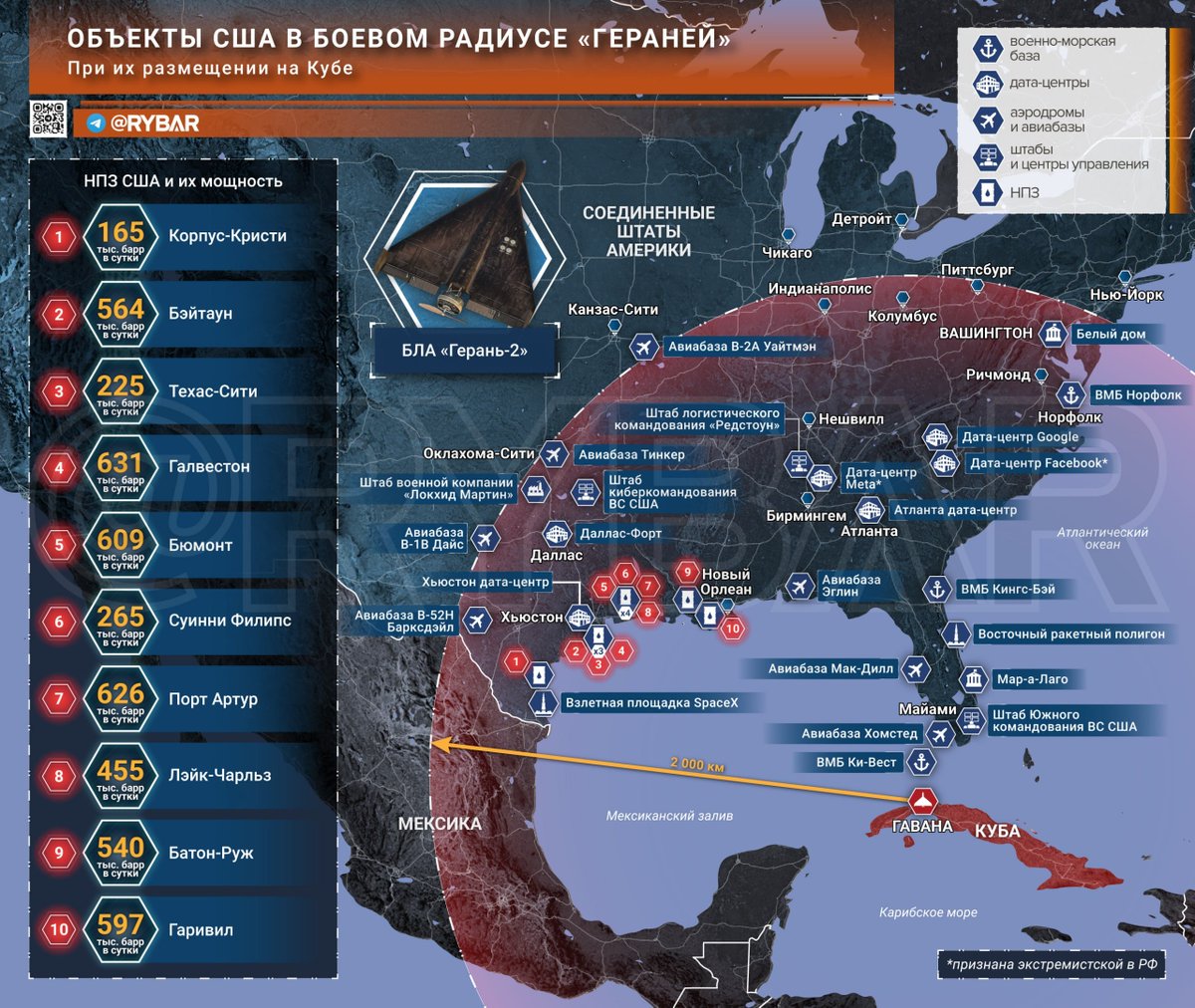
1/ QUICK TAKE: Russia's Rybar, an active pro-Kremlin TG channel, is at it again - "What if "Geran-2 drones were launched at America from Cuba?": "Given the current US actions, the main question is not whether the US will strike Cuba, but when and how." t.me/rybar/77101x.com/sambendett/sta…
2/ "Cuba, along with Venezuela and Nicaragua, has been an anti-American stronghold in the Caribbean region, and after the overthrow of Maduro, US interest has increased. But what will the Cubans do in the event of a conflict?"
3/ "Let's hypothetically imagine that Havana decides to fight back against the Americans and wants to wage war. And this is where the now familiar "Geran" attack drones could come to the rescue. What targets could be threatened if these UAVs were deployed?"
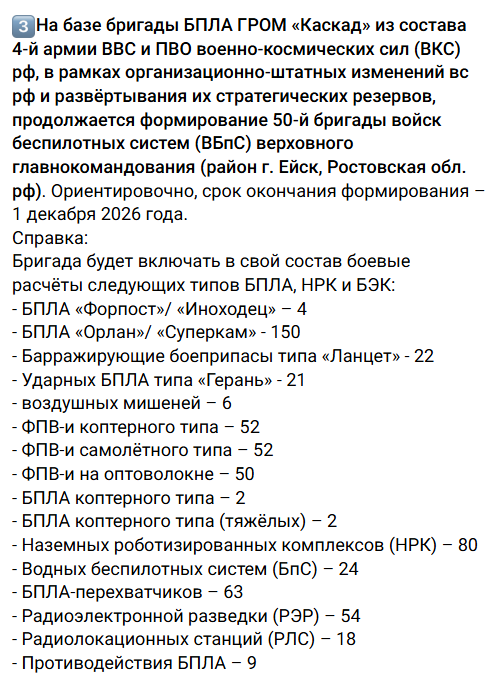
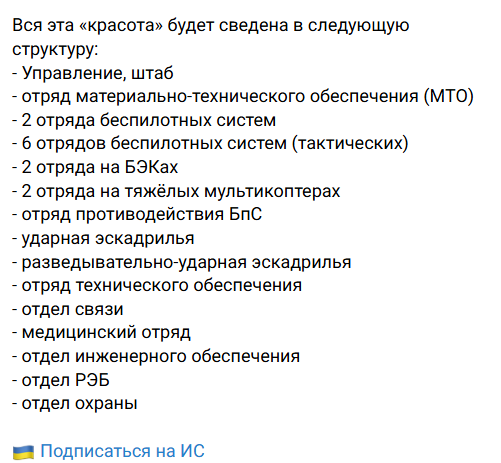
1/ QUICK TAKE from a Ukrainian mil blogger on the formation of Russia's 50th Unmanned Systems Forces Brigade in Yeysk area, Rostov region. Its estimated active date is December 1, 2026. The brigade has the following units: t.me/zvizdecmanhust…
2/ The brigade will include the following number of UAV, UGV and USV crews:
- Forpost/Inokhodets UAVs – 4
- Orlan/Supercam UAVs - 150
- Lancet loitering munitions - 22
- Geran-type attack UAVs - 21
- aerial targets – 6
- FPV quadcopter type – 52
- FPV fixed-wing type – 52