THE MYCENAEAN INVASION IN MINOAN CRETE (UPDATED). 
https://twitter.com/hermahai/status/1621163869489221632

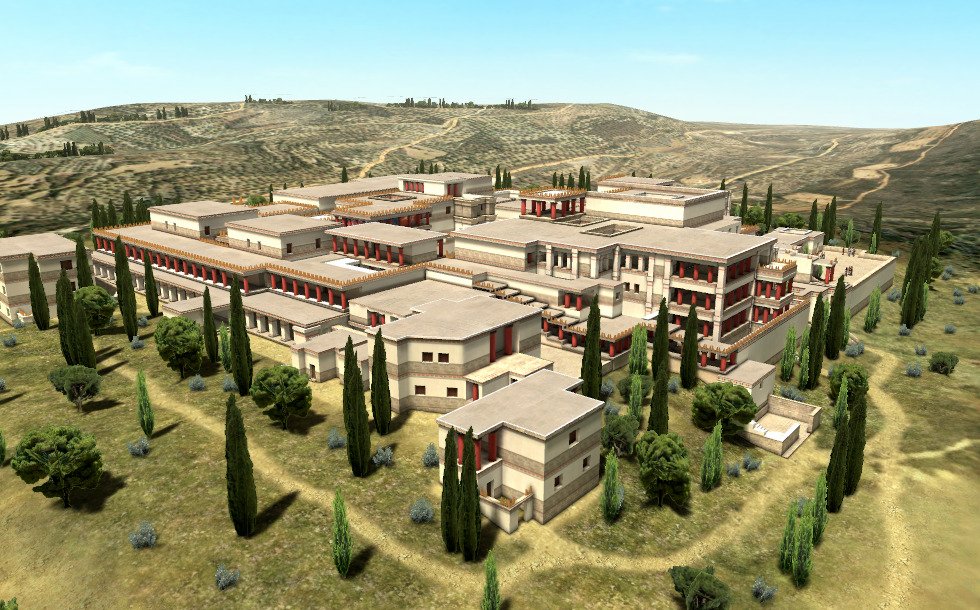
1/ During the first half of the 15th century BC Crete is in a phase of intense building orgasm with the construction of new palaces in Phaistos and Zakros, as well as new important buildings, mansions and irrigation dams in various sites of the island.

2/ In the same period, the palace in Knossos takes on its most monumental form, while a spirit of cultural and economic uplift spreads throughout Crete. ➡️

➡️ However, the reconstruction is intertwined with the needs of the ruling Minoan elite with what this entails in the mobilization of large natural and human resources.
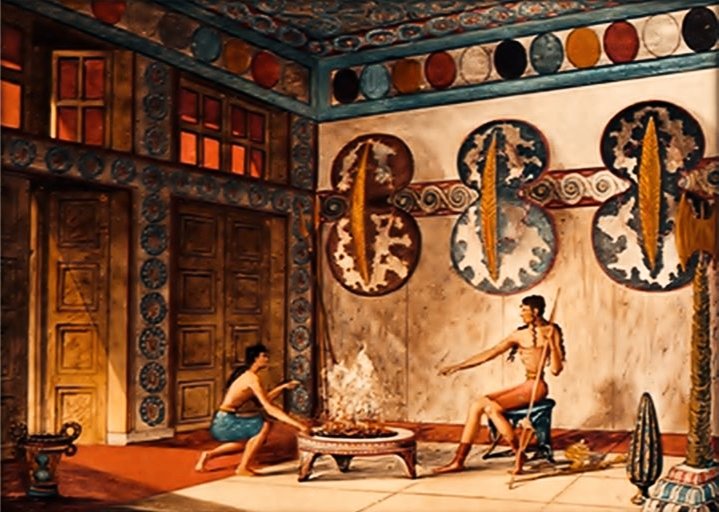
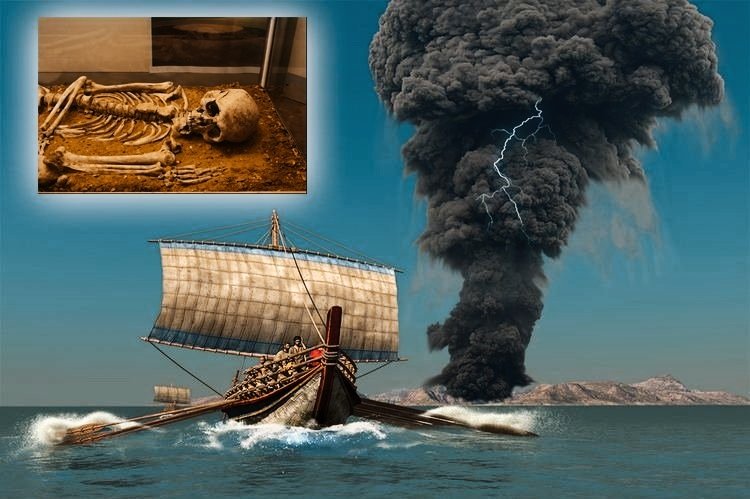
3/ Parallelly, it seems that the Minoan Eruption, which probably took place during the LM IA phase, apart from the significant disasters it caused in Crete,

➡️ had as a consequence the questioning of the omnipotence of the Minoan ruling elite, political and religious, and the creation of a large wave of refugees from the Cyclades to Crete.
4/ The first concern of the Minoan elite should have been the re-establishment of its absolute sovereignty over the Cretan population, especially through religion. ➡️

➡️ The Minoans were presenting themselves as representatives of the gods, whom they could propitiate in times of crisis, and this image had to be strengthened after the widespread destructions of the Minoan Eruption.

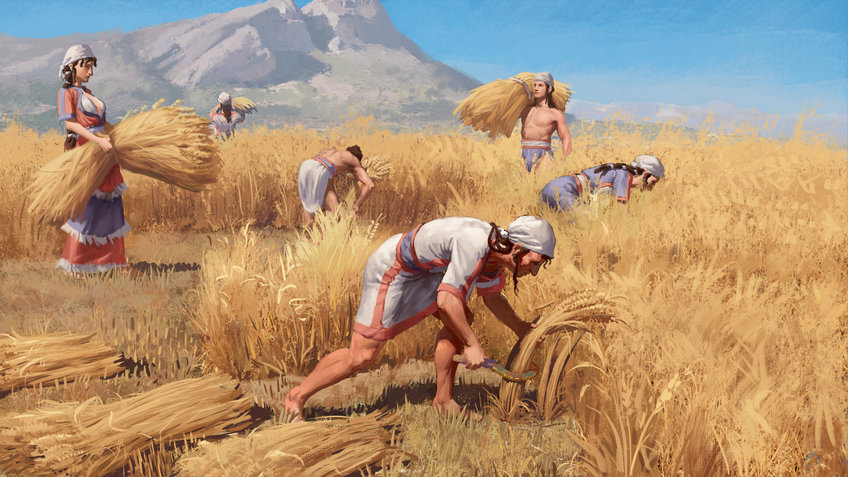
5/ The construction of magnificent buildings and public works served this purpose. On the other hand, they had to manage the refugee issue mainly from the Cyclades and exploit the last bit of Cretan arable land to feed the entire population.

6/ The construction program of the Minoan ruling elite was probably implemented with the use of local Minoans of the lower classes, islanders refugees and mostly slaves, probably captives from foreign lands. ➡️
➡️ The miserable working conditions, distrust of the presence of refugees, marginal agricultural production and the demystification of the Minoan ruling class in the eyes of the people were causes of underlying discontent.
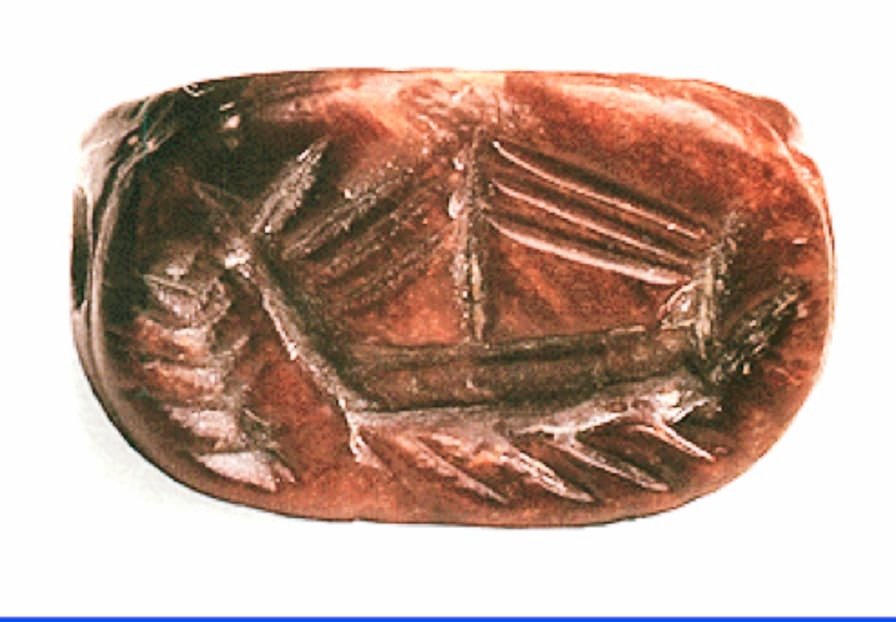
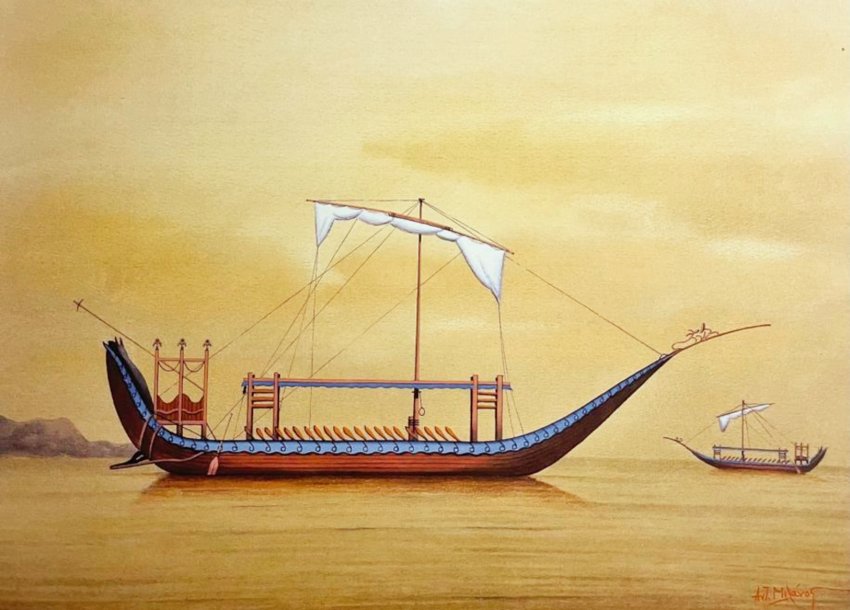
7/ It's certain that in order to be controlled the fragile situation after the Eruption,the Minoan ruling class, feeling threatened by the unfavorable developments, strengthened its Minoan military and naval forces in order to impose itself on both the island and the Archipelago.

8/ Mycenaean warlords probably took part in this process, who received rich gifts for their services. It was a direct contact of the Mycenaeans with the wealth of the Minoans, ➡️
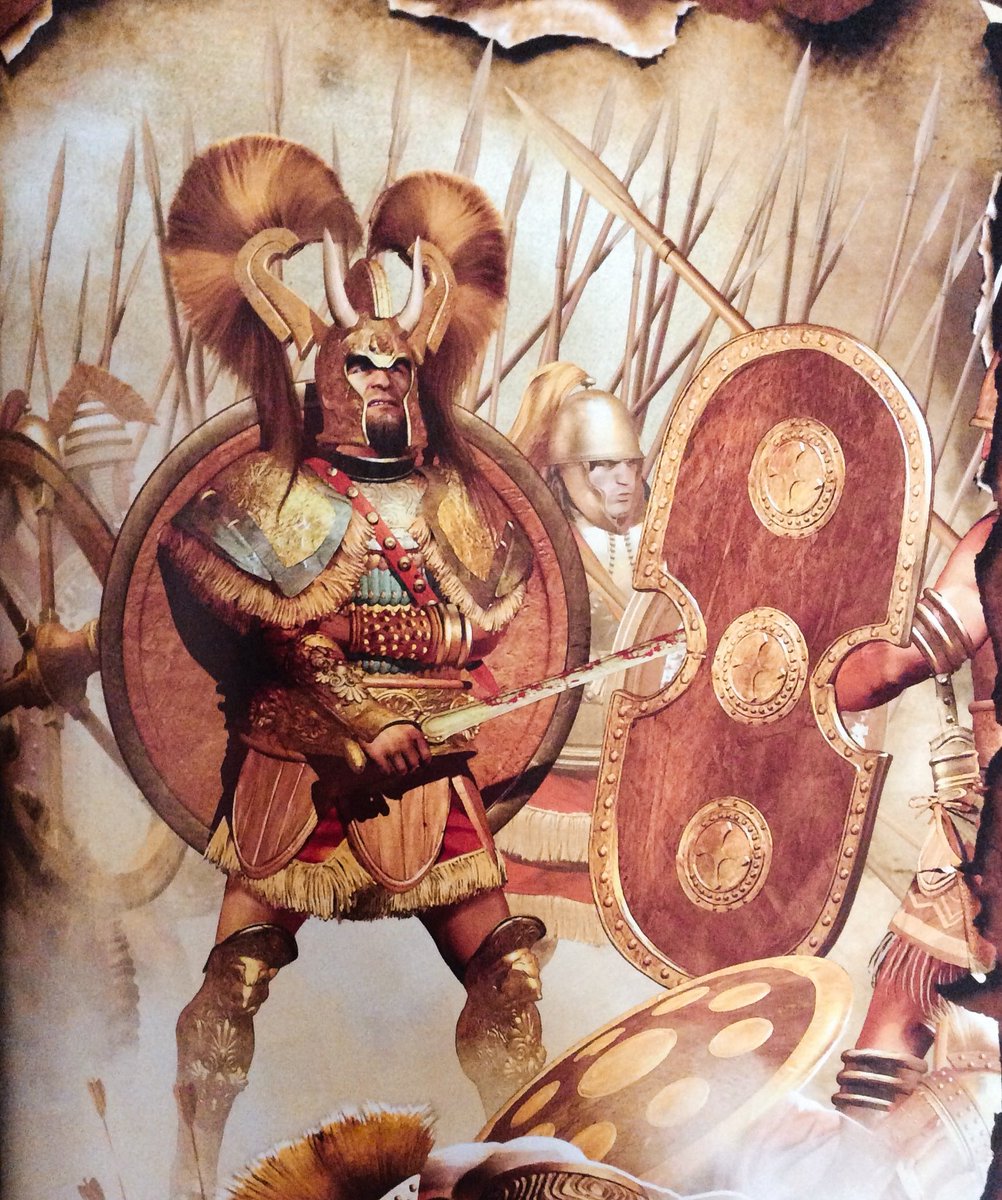
➡️ but above all with the activities, achievements, habits and weaknesses of a closed ruling class. The envy of the Mycenaeans flared up, as did the idea - a way to conquer this rich island.

9/ The process of re-enforcement of the Minoan ruling elite did not go as its members had hoped. Periodic earthquakes struck Crete during the LM IB phase, ➡️

➡️ increasing the underlying resentment against members of the Minoan elite, creating centrifugal forces within its ranks and weakening the Minoan political-religious-cult establishment.
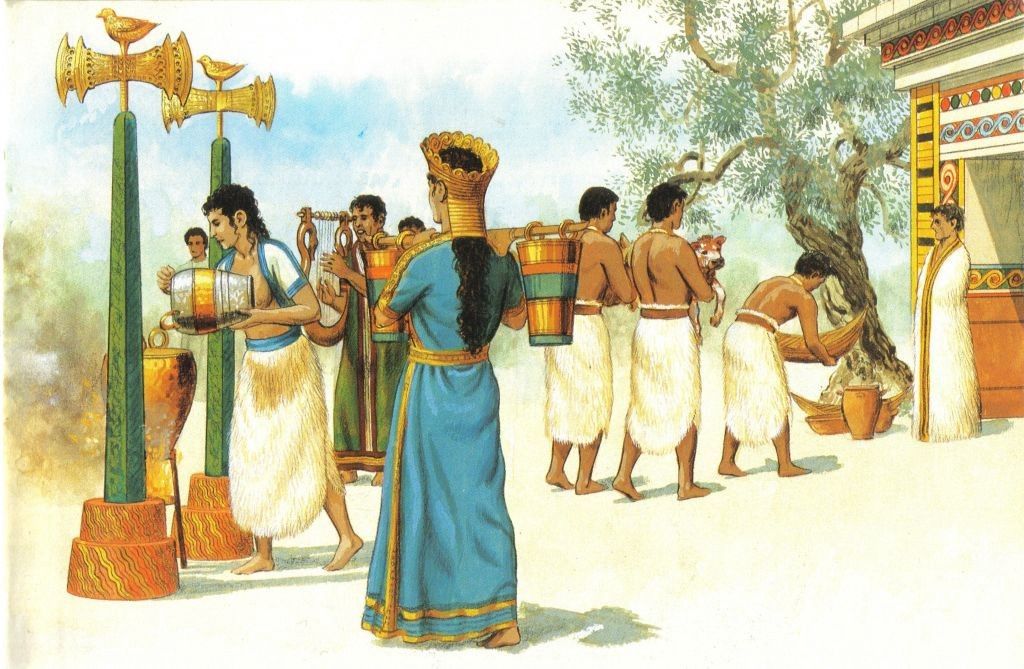
10/ Towards the end of LM IB phase, conditions of instability had been created on the island and an expected intervention from the mainland. ➡️
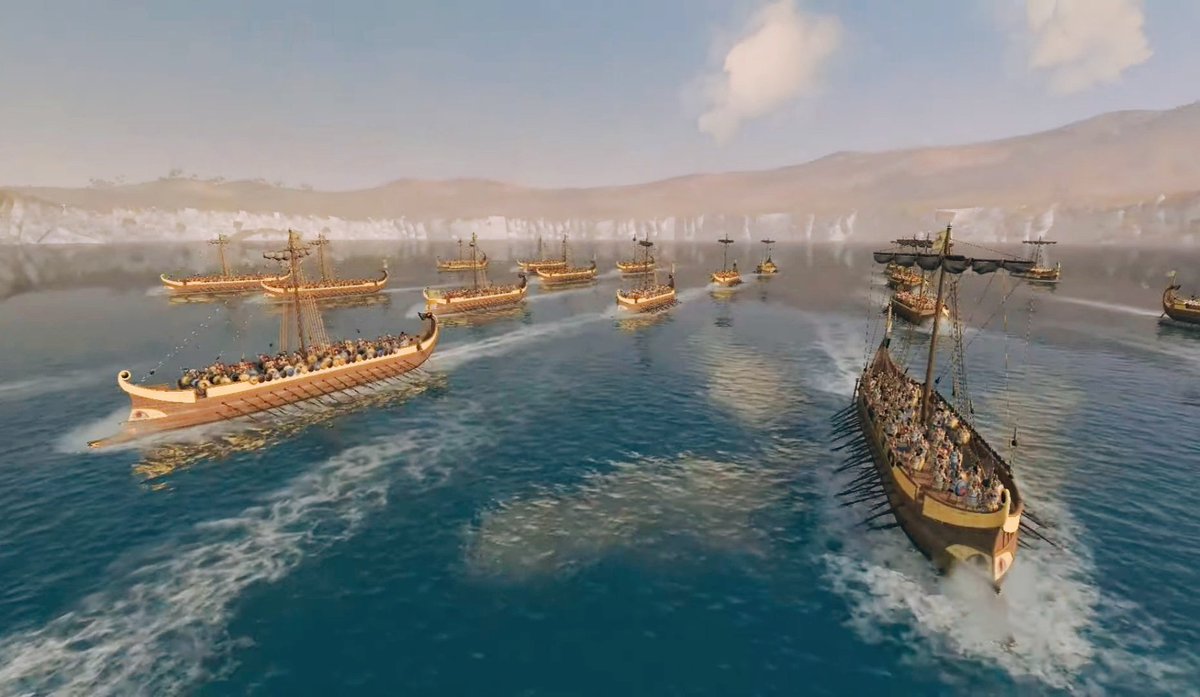
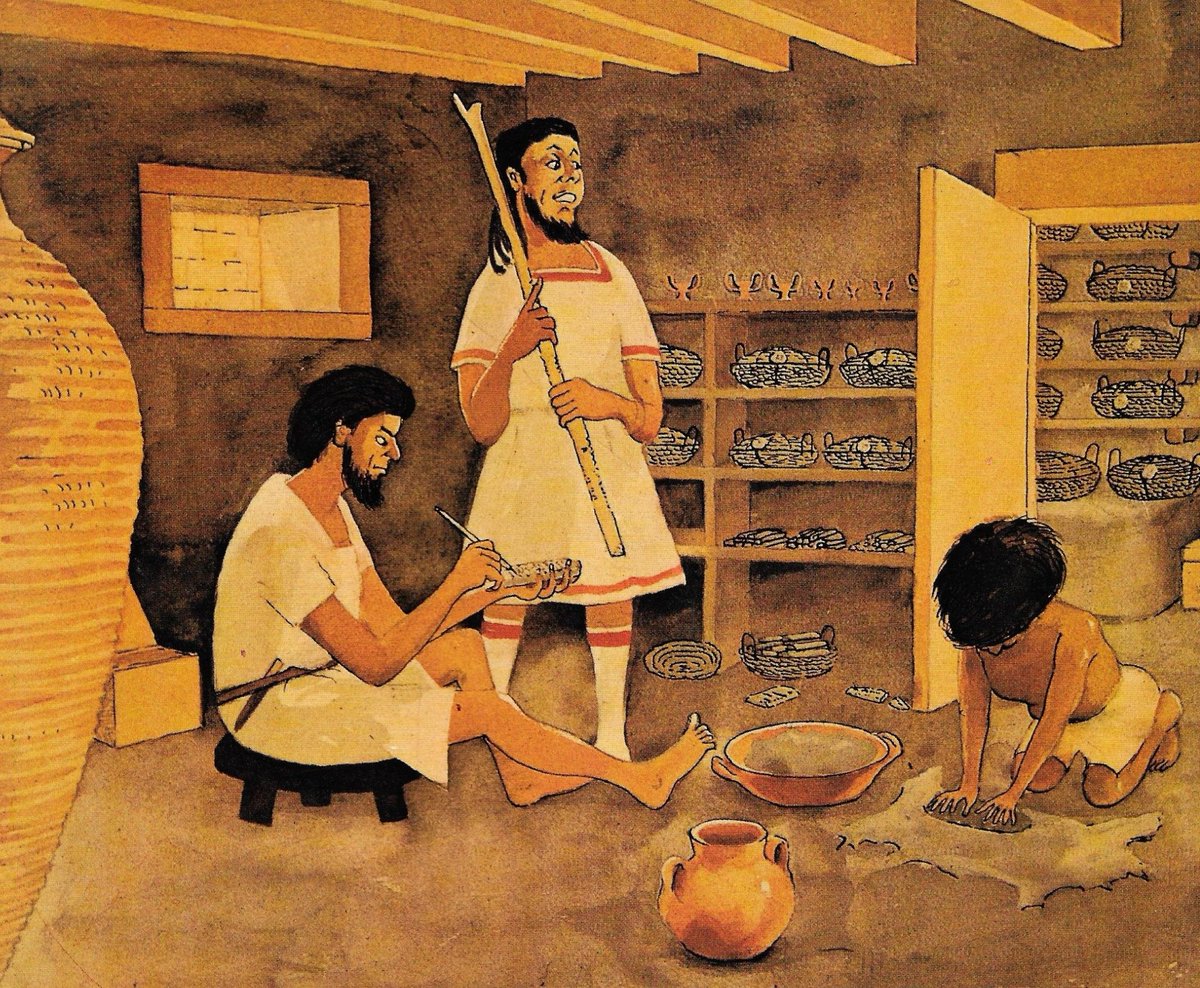
➡️ New defense works are being built and existing ones are being strengthened, various good buildings are being converted into workshops and storage areas, an attempt is being made to hide valuable items.
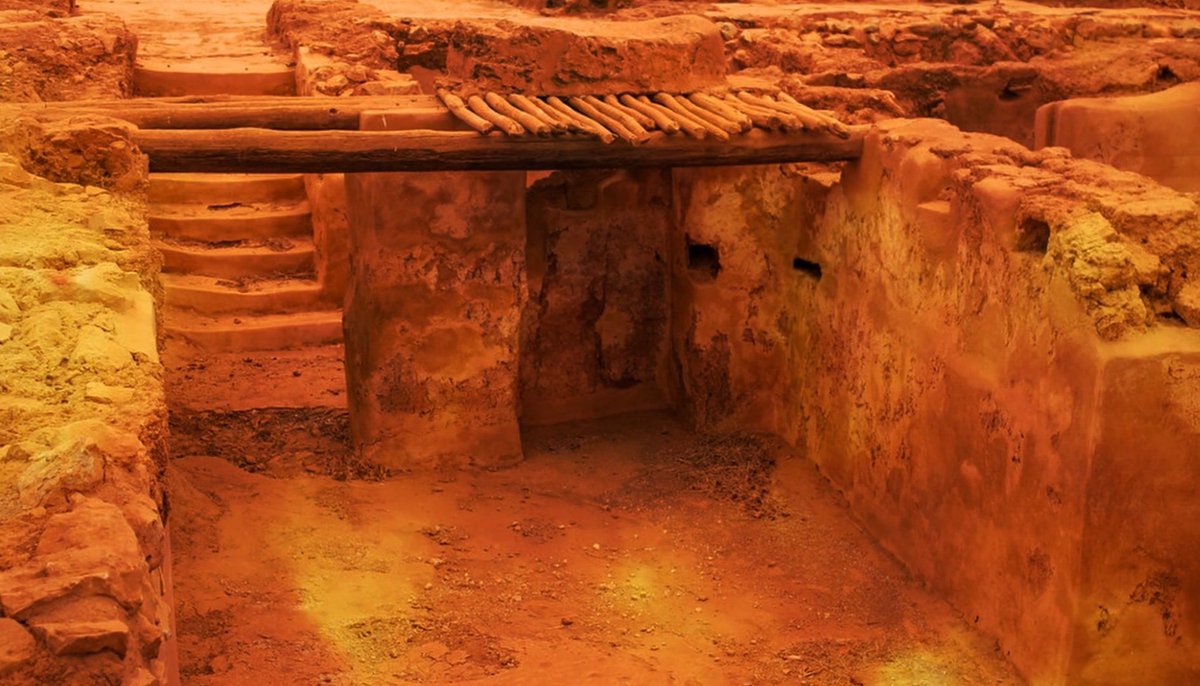
11/ The destruction of the pivotal Minoan site at Kastri Kythera during the late LM IB was a foreshadowing of the eventual Mycenaean invasion of Crete, as Kythera is a link island between the southern Peloponnese and western Crete.
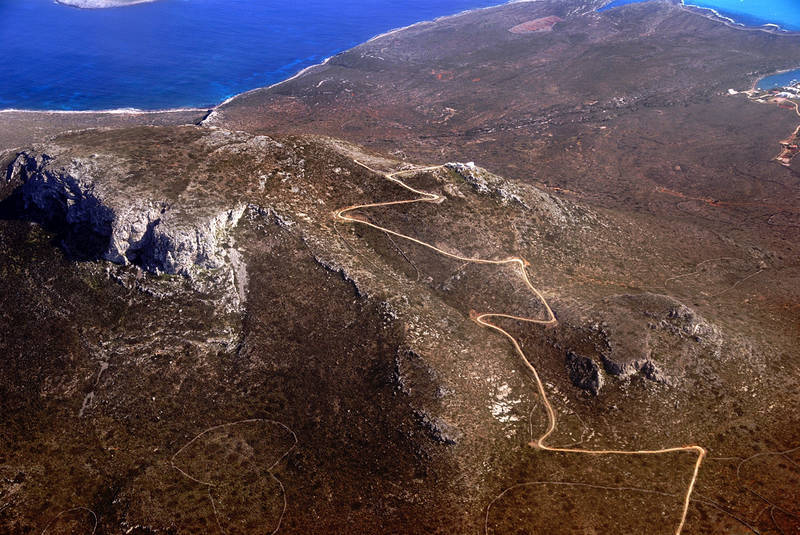
12/ The Mycenaeans invaded a Minoan Crete in which conditions of political and social instability had been created with consequences for the defense of the island, although I believe that their task was made easier by the participation of dissidents.

13/ Perhaps a part of the Minoan elite wished to take power even as a vassal of the Mycenaeans, while a part of the people considered the Mycenaeans as a last resort in front of a closed and particularly oppressive local caste e.g. for a better redistribution of production.

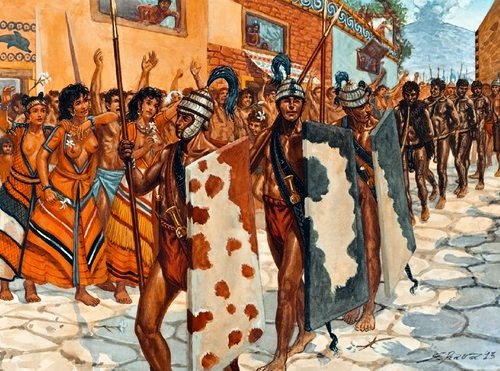
14/ Be that as it may, the Mycenaean warlords together with their army occupy strategic points of western and central Crete and settle in Knossos and Kydonia. They cooperate with a section of the local population, while numerous Minoans are sent as captives to the mainland.

How do you see my scenario? @Peter_Nimitz
• • •
Missing some Tweet in this thread? You can try to
force a refresh