Hermahai Profile picture
Feb 4 23 tweets 8 min read
THE MYCENAEAN INVASION IN MINOAN CRETE (UPDATED).
1/ During the first half of the 15th century BC Crete is in a phase of intense building orgasm with the construction of new palaces in Phaistos and Zakros, as well as new important buildings, mansions and irrigation dams in various sites of the island.
2/ In the same period, the palace in Knossos takes on its most monumental form, while a spirit of cultural and economic uplift spreads throughout Crete. ➡️
➡️ However, the reconstruction is intertwined with the needs of the ruling Minoan elite with what this entails in the mobilization of large natural and human resources.
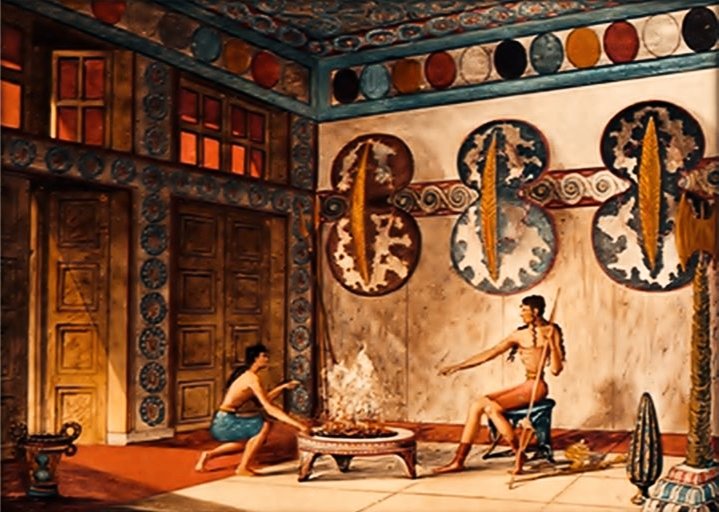
3/ Parallelly, it seems that the Minoan Eruption, which probably took place during the LM IA phase, apart from the significant disasters it caused in Crete,
➡️ had as a consequence the questioning of the omnipotence of the Minoan ruling elite, political and religious, and the creation of a large wave of refugees from the Cyclades to Crete.
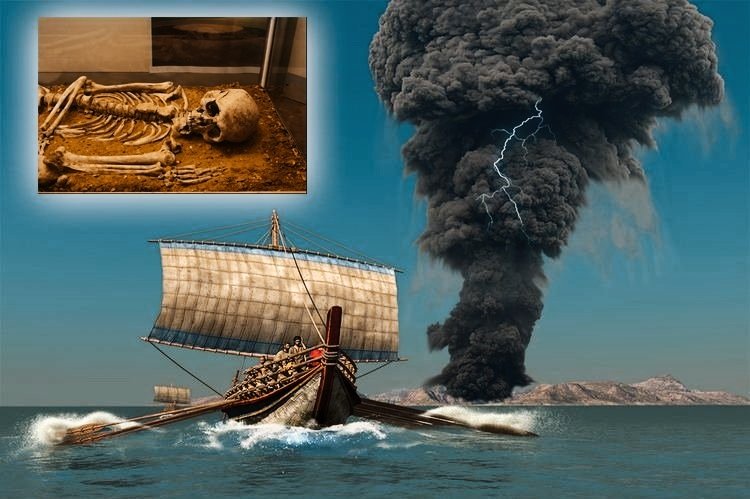
4/ The first concern of the Minoan elite should have been the re-establishment of its absolute sovereignty over the Cretan population, especially through religion. ➡️
➡️ The Minoans were presenting themselves as representatives of the gods, whom they could propitiate in times of crisis, and this image had to be strengthened after the widespread destructions of the Minoan Eruption.
5/ The construction of magnificent buildings and public works served this purpose. On the other hand, they had to manage the refugee issue mainly from the Cyclades and exploit the last bit of Cretan arable land to feed the entire population.
6/ The construction program of the Minoan ruling elite was probably implemented with the use of local Minoans of the lower classes, islanders refugees and mostly slaves, probably captives from foreign lands. ➡️
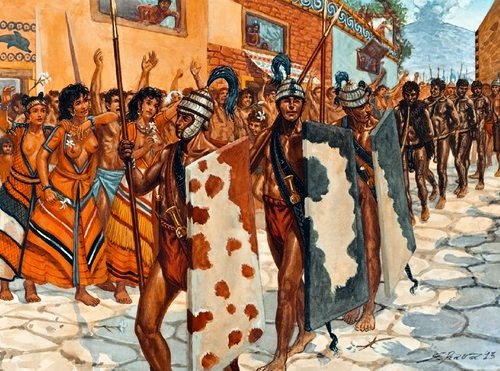
➡️ The miserable working conditions, distrust of the presence of refugees, marginal agricultural production and the demystification of the Minoan ruling class in the eyes of the people were causes of underlying discontent.
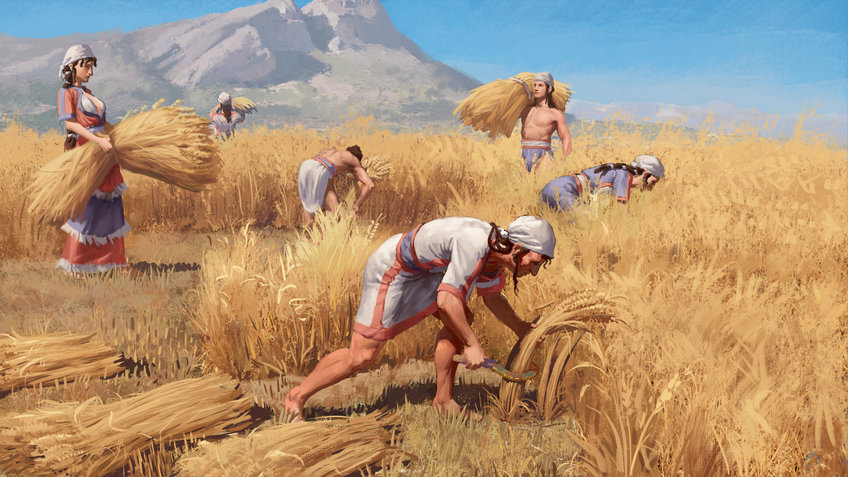
7/ It's certain that in order to be controlled the fragile situation after the Eruption,the Minoan ruling class, feeling threatened by the unfavorable developments, strengthened its Minoan military and naval forces in order to impose itself on both the island and the Archipelago.
8/ Mycenaean warlords probably took part in this process, who received rich gifts for their services. It was a direct contact of the Mycenaeans with the wealth of the Minoans, ➡️
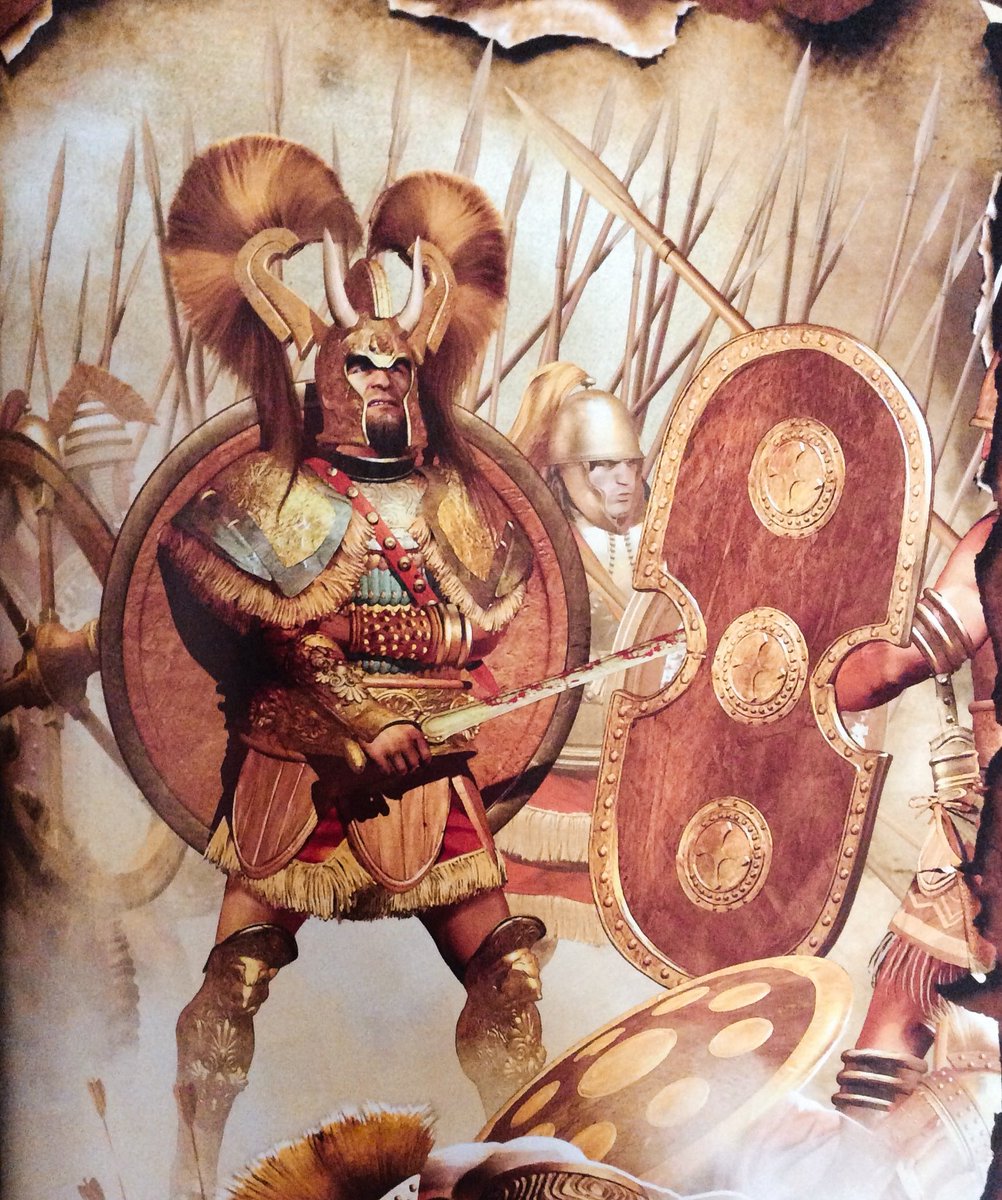
➡️ but above all with the activities, achievements, habits and weaknesses of a closed ruling class. The envy of the Mycenaeans flared up, as did the idea - a way to conquer this rich island.
9/ The process of re-enforcement of the Minoan ruling elite did not go as its members had hoped. Periodic earthquakes struck Crete during the LM IB phase, ➡️
➡️ increasing the underlying resentment against members of the Minoan elite, creating centrifugal forces within its ranks and weakening the Minoan political-religious-cult establishment.
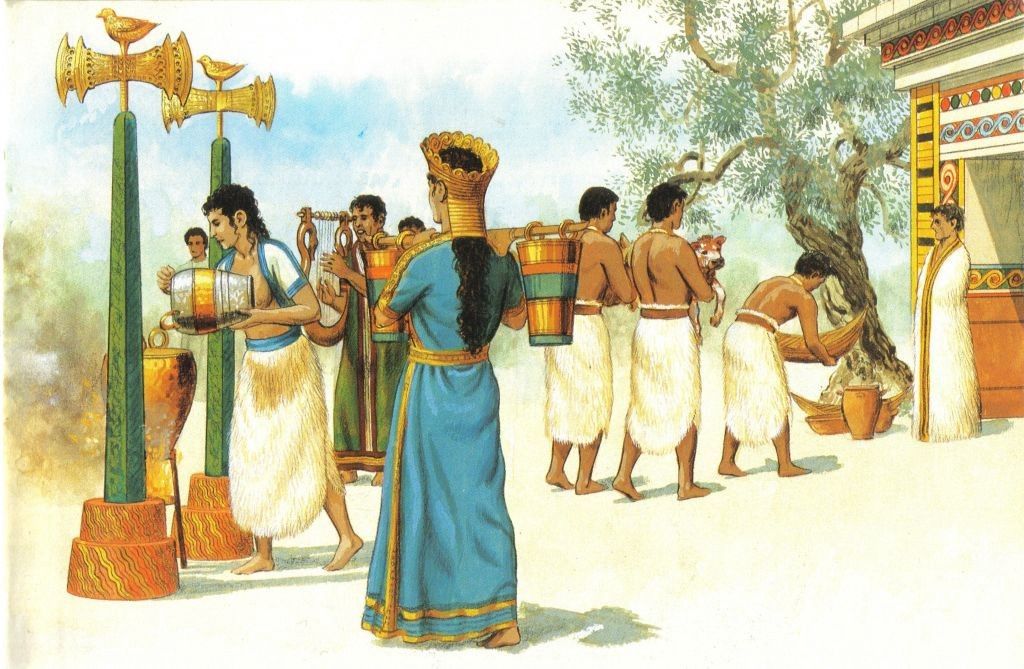
10/ Towards the end of LM IB phase, conditions of instability had been created on the island and an expected intervention from the mainland. ➡️
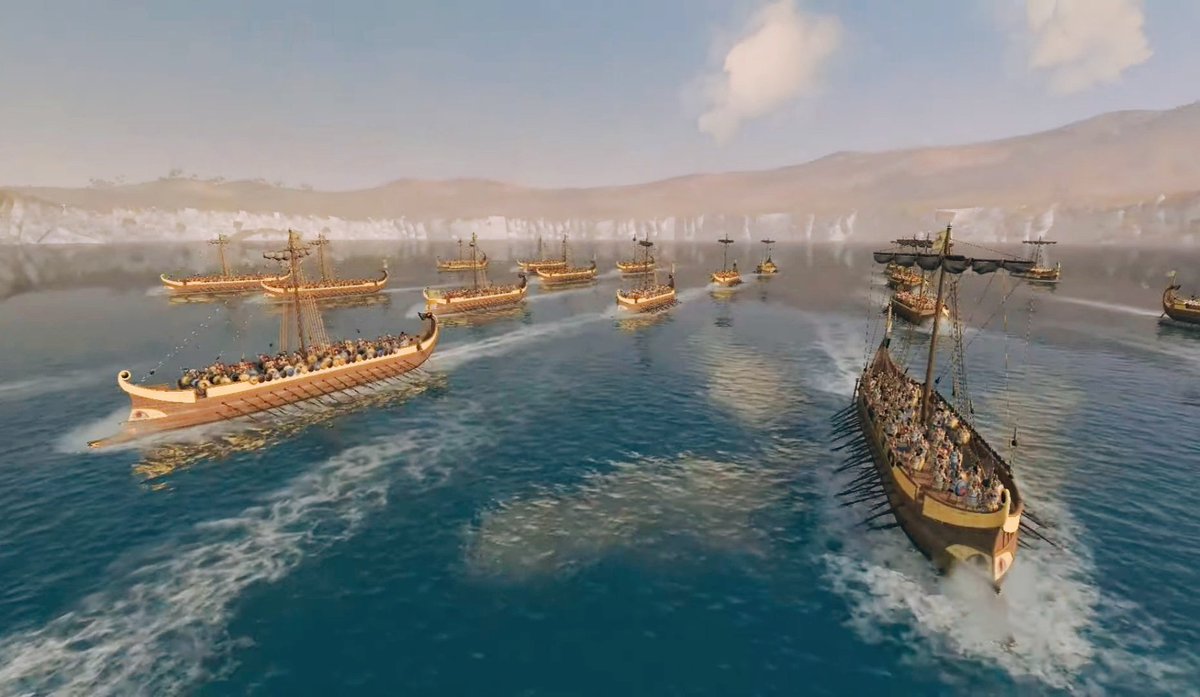
➡️ New defense works are being built and existing ones are being strengthened, various good buildings are being converted into workshops and storage areas, an attempt is being made to hide valuable items.
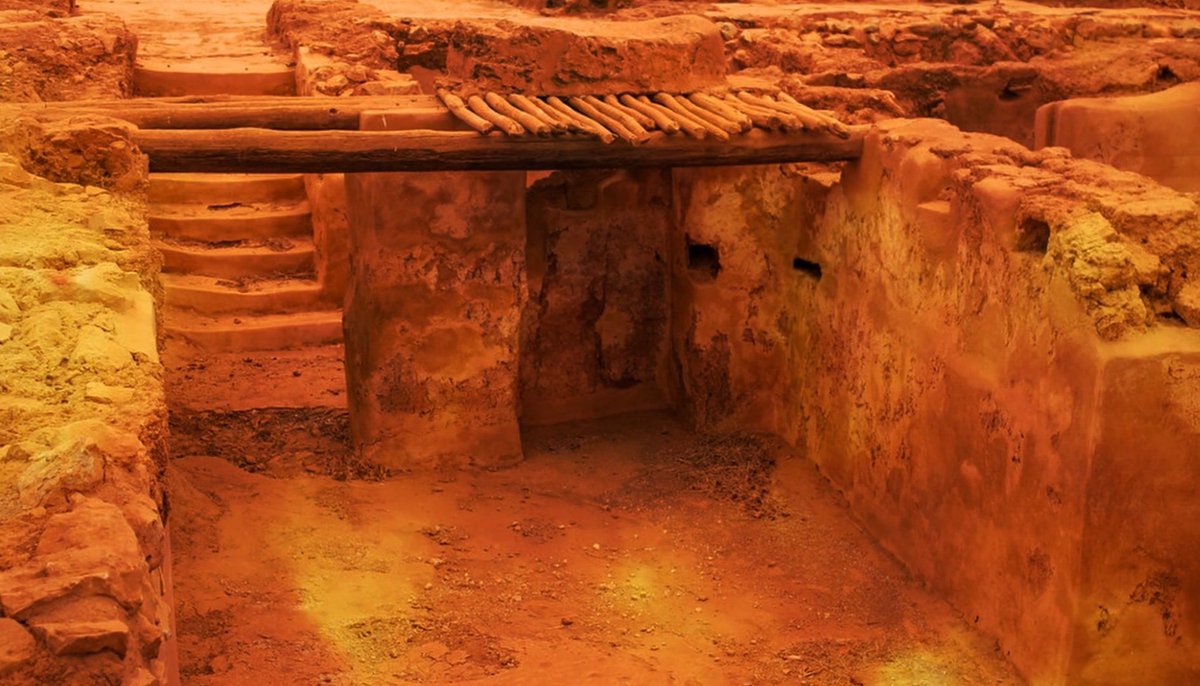
11/ The destruction of the pivotal Minoan site at Kastri Kythera during the late LM IB was a foreshadowing of the eventual Mycenaean invasion of Crete, as Kythera is a link island between the southern Peloponnese and western Crete.
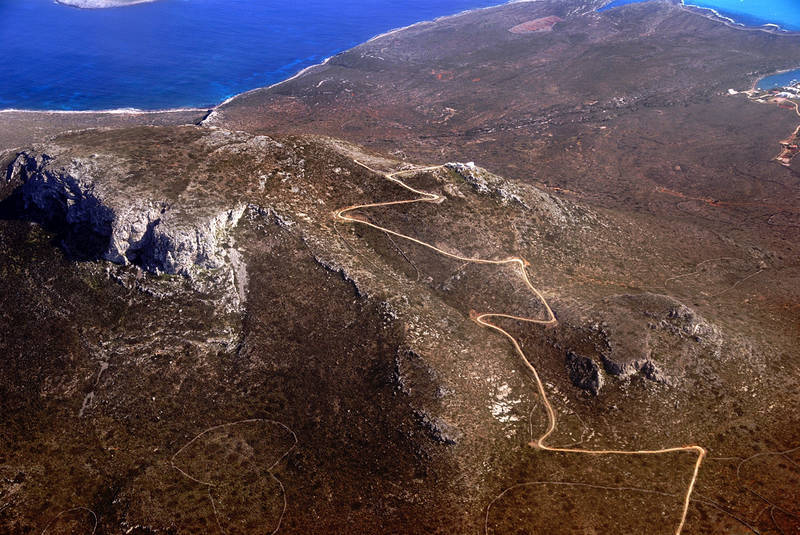
12/ The Mycenaeans invaded a Minoan Crete in which conditions of political and social instability had been created with consequences for the defense of the island, although I believe that their task was made easier by the participation of dissidents.
13/ Perhaps a part of the Minoan elite wished to take power even as a vassal of the Mycenaeans, while a part of the people considered the Mycenaeans as a last resort in front of a closed and particularly oppressive local caste e.g. for a better redistribution of production.
14/ Be that as it may, the Mycenaean warlords together with their army occupy strategic points of western and central Crete and settle in Knossos and Kydonia. They cooperate with a section of the local population, while numerous Minoans are sent as captives to the mainland.
How do you see my scenario? @Peter_Nimitz

• • •

Missing some Tweet in this thread? You can try to force a refresh

 

Keep Current with Hermahai

Hermahai Profile picture

Stay in touch and get notified when new unrolls are available from this author!

Read all threads

This Thread may be Removed Anytime!

PDF

Twitter may remove this content at anytime! Save it as PDF for later use!

Try unrolling a thread yourself!

how to unroll video
  1. Follow @ThreadReaderApp to mention us!

  2. From a Twitter thread mention us with a keyword "unroll"
@threadreaderapp unroll

Practice here first or read more on our help page!

More from @hermahai

Feb 1
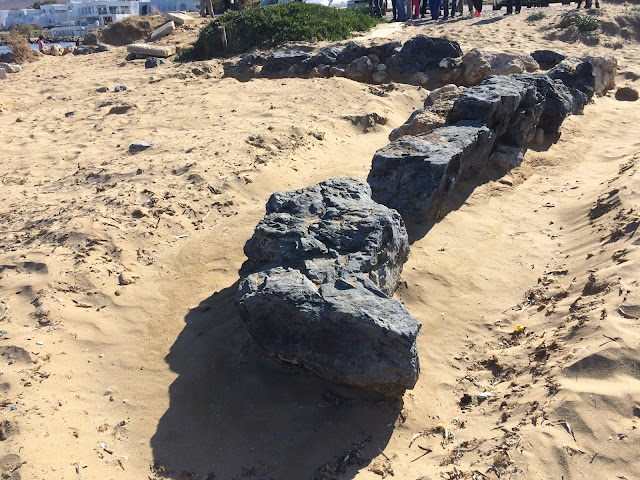
1/ In 1926-27, the pioneer Greek archaeologist Spyridon Marinatos, while excavating a coastal site on the eastern side of the Gulf of Agioi Theodoroi (Northern Crete), brought to light some special findings related to the existence of a large Minoan shipyard. Image
2/Marinatos found that the site of the shipyard was carved into the depth of the bay, from where porolith had been quarried from a large rectangular cavity. Newer surveys have shown the existence of channels at the bottom of the carving with the sea having covered the facilities. Image
3/ The LM I shipyard was part of a wider complex, which also included an extensive sandy rock quarry with visible signs of mining activity and an important Minoan export port with ruins of storage buildings. Image
Read 8 tweets
Jan 30
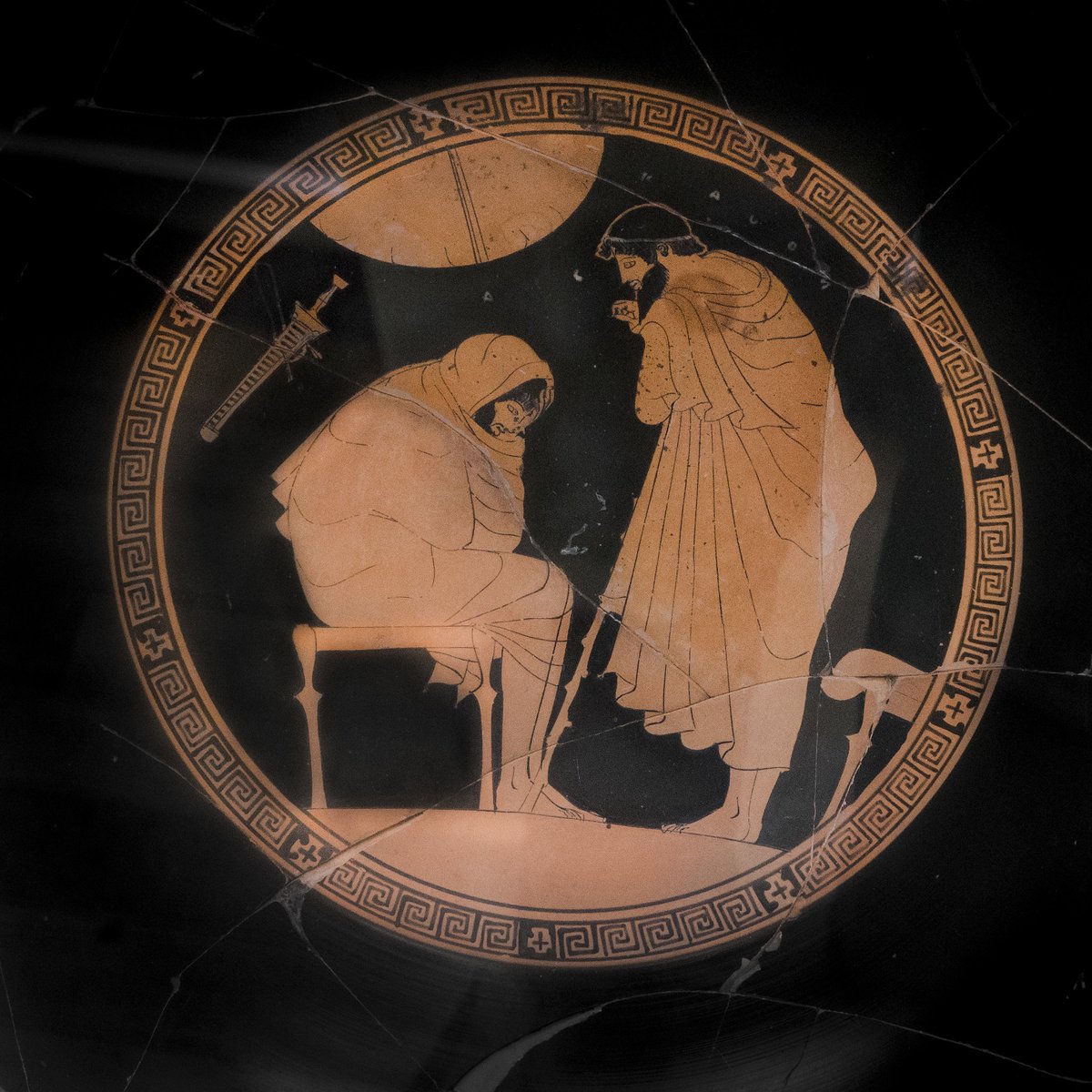
Achilles addressing Odysseus replied:

‘’ μήτηρ γάρ τέ μέ φησι θεὰ Θέτις ἀργυρόπεζα
διχθαδίας κῆρας φερέμεν θανάτοιο τέλος δέ.
εἰ μέν κ' αὖθι μένων Τρώων πόλιν ἀμφιμάχωμαι,
ὤλετο μέν μοι νόστος, ἀτὰρ κλέος ἄφθιτον ἔσται•
εἰ δέ κεν οἴκαδ' ἵκωμι φίλην ἐς πατρίδα γαῖαν,
ὤλετό μοι κλέος ἐσθλόν, ἐπὶ δηρὸν δέ μοι αἰὼν
ἔσσεται, οὐδέ κέ μ' ὦκα τέλος θανάτοιο κιχείη. ‘’

Homer Iliad 9. 410-416
TRANSLATION:

“ For my mother the goddess, silver-footed Thetis, telleth me that twofold fates are bearing me toward the doom of death: if I abide here and war about the city of the Trojans, then lost is my home-return, but my renown shall be imperishable;
Read 4 tweets
Jan 27
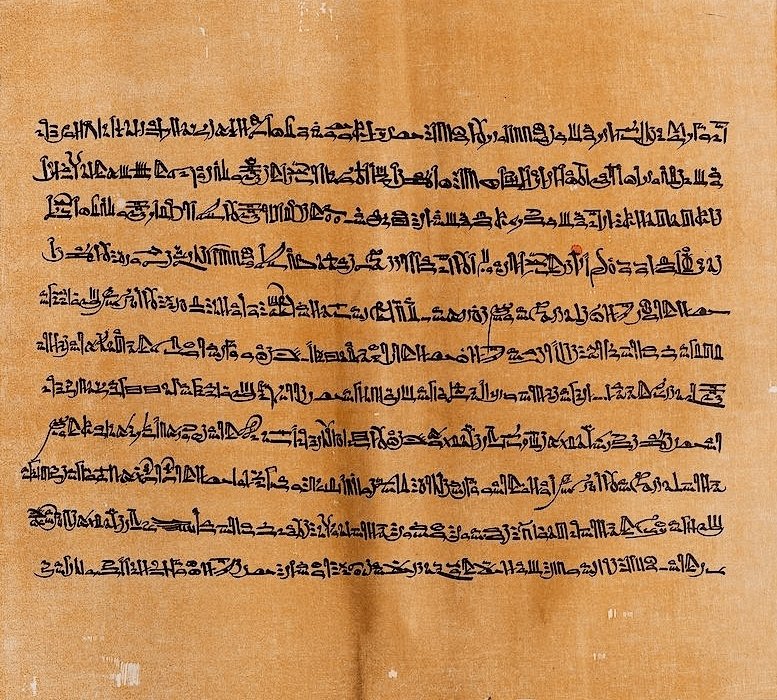
1/ When we wish to get a picture of the harsh reality experienced by the populations of the Eastern Mediterranean during the Late Bronze Age Collapse, the best primary source available to us is the famous Papyrus Harris.
2/ The Papyrus Harris is the largest surviving papyrus, which is of particular importance because in its last part it presents us a retrospective summary of the events that took place during the reign of Ramses III. ➡️
➡️ It was probably written shortly after his death in 1162 BC and was the product of his last wish, in the form of a will, drawn up by his son and successor, Ramses IV.
Read 12 tweets
Jan 26
1/ I generally agree with what you say. However, my view is that the term Mycenaean expresses a homogeneous and distinct culture with specific characteristics, the users of which have specific genetic and linguistic characteristics.
2/ I do not agree that mainland Greece of the Late Bronze Age was inhabited by a heterogeneous population, but on the contrary, as recent genetic studies support, a homogeneous population with Indo-European gene diffusion is observed.
3/At the same time, the continuity of the Greek language -at least in mainland Greece - during the transition from the LBA to EIA clearly proves that the Mycenaean cultural community spread in an area that was already inhabited by Greek speakers who spoke various local dialects.
Read 15 tweets
Jan 25
1/ For the factitious ethnonym "Mycenaean" things are clear, because we have people who speak and write in an early Greek language and who according to the Hittite and Neo-Hittite texts seem to have been identified as "Achaeans" (Ahhiya - Ahhiyawa - Hiyawa). @Jorrit_Kelder
2/ From then on, the term "Mycenaean" is not completely wrong, because it identifies the Achaeans of the Aegean, in the sense that they had the Mycenaean elite as their leading force within the framework of a confederation of local helladic elites. ➡️
➡️ I believe that due to the oldness of the word Mykīnai - PIE or pre-Hellenic - probably the LBA settlement of Mycenae was identified by this name, something similar to Thebes, Pylos and Knossos.
Read 4 tweets
Jan 25
1/ #Tuesday #excursion in the area of Perachora, in a beautiful corner of Corinthia - north of the Isthmus - with rich archaeological interest and impressive landscapes. The ancient name of the area was Peiraion or Peraia, meaning "land beyond the sea", i.e. beyond the Isthmus.
2/ First we went to the small, but particularly interesting archaeological site of the Sanctuary of Hera. We were surprised by the easy accessibility of a site located on a rugged beach of Melagavi Cape, the NW end of the Perachora Peninsula.
3/ At this place the Corinthians founded in the 9th century BC a famous sanctuary in which Hera was worshiped with two epithets: Akraia, i.e. patroness of the capes and Limnaia, i.e. patroness of the ports. ➡️
Read 26 tweets

Did Thread Reader help you today?

Support us! We are indie developers!


This site is made by just two indie developers on a laptop doing marketing, support and development! Read more about the story.

Become a Premium Member ($3/month or $30/year) and get exclusive features!

Become Premium

Don't want to be a Premium member but still want to support us?

Make a small donation by buying us coffee ($5) or help with server cost ($10)

Donate via Paypal

Or Donate anonymously using crypto!

Ethereum

0xfe58350B80634f60Fa6Dc149a72b4DFbc17D341E copy

Bitcoin

3ATGMxNzCUFzxpMCHL5sWSt4DVtS8UqXpi copy

Thank you for your support!

Follow Us on Twitter!

:(